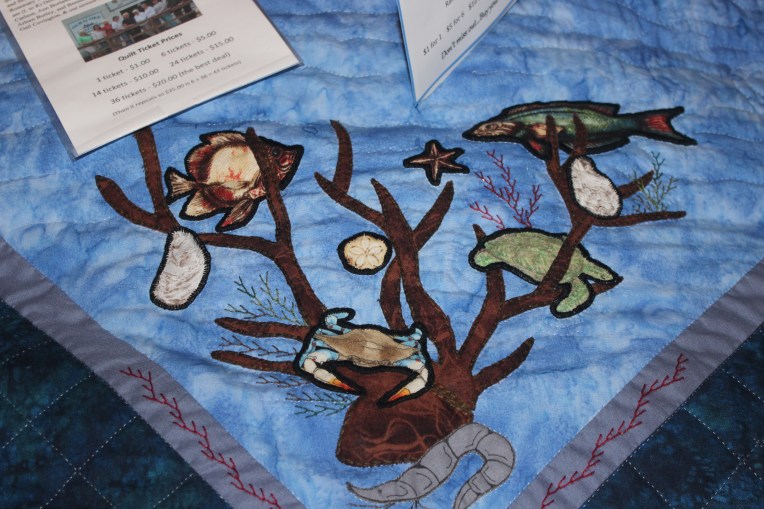
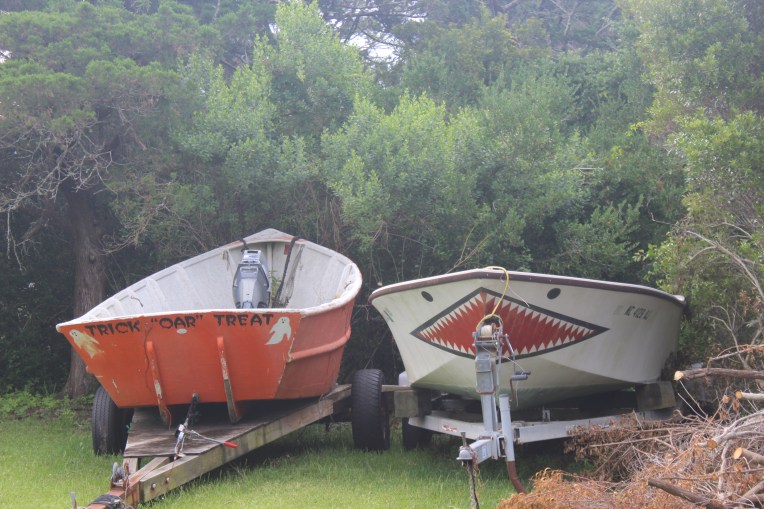
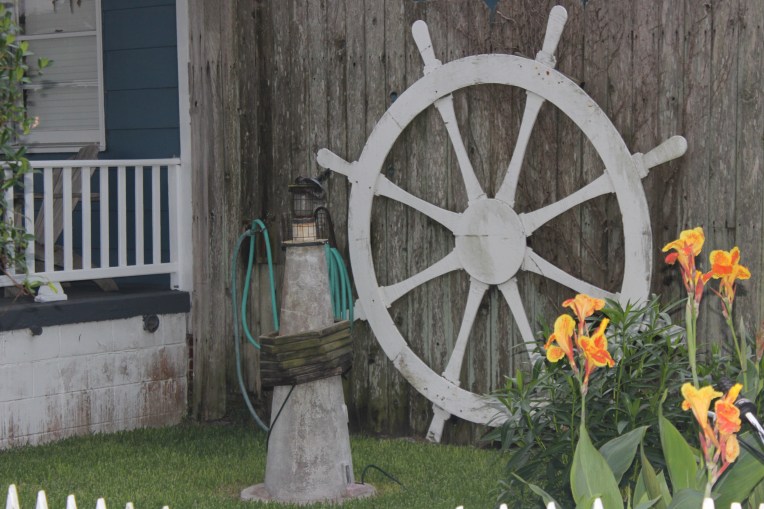
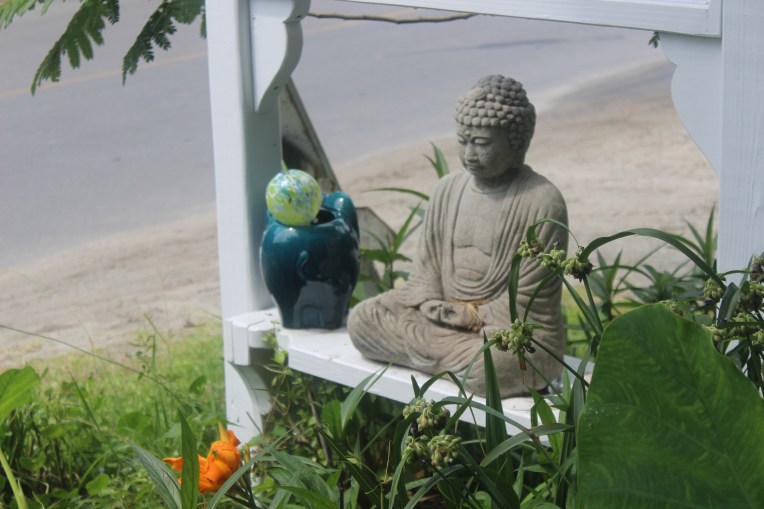
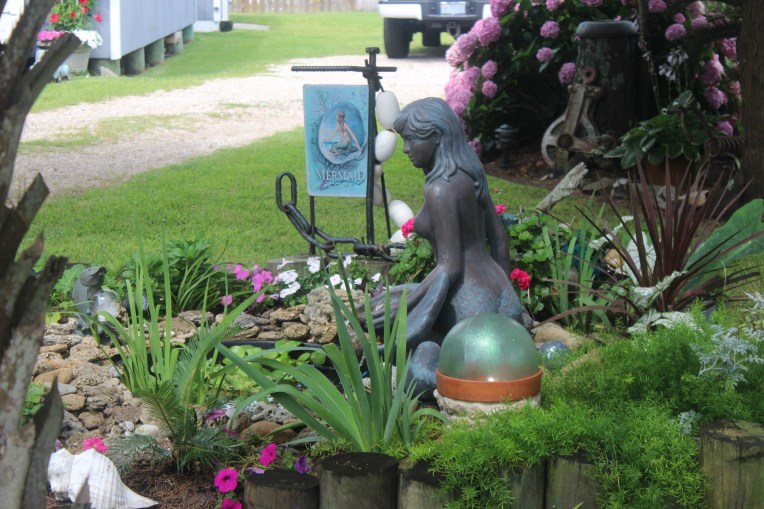
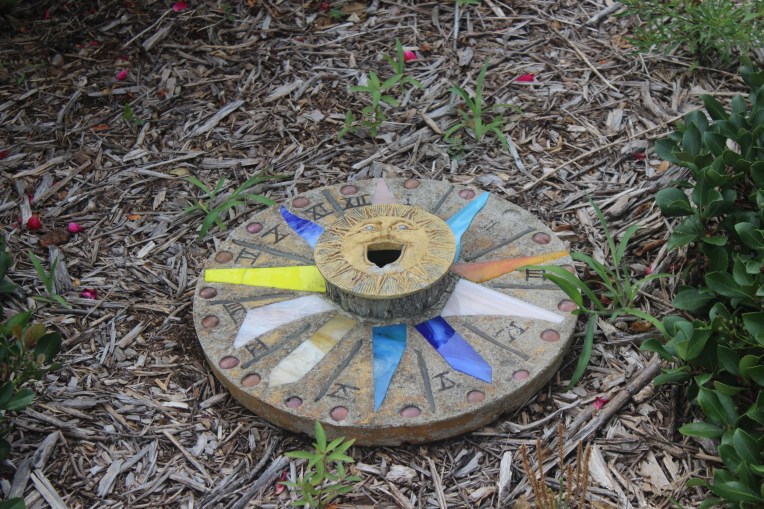
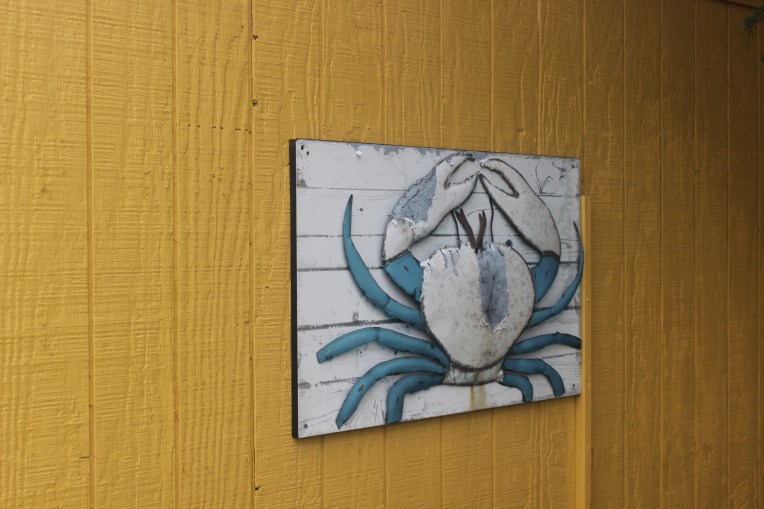
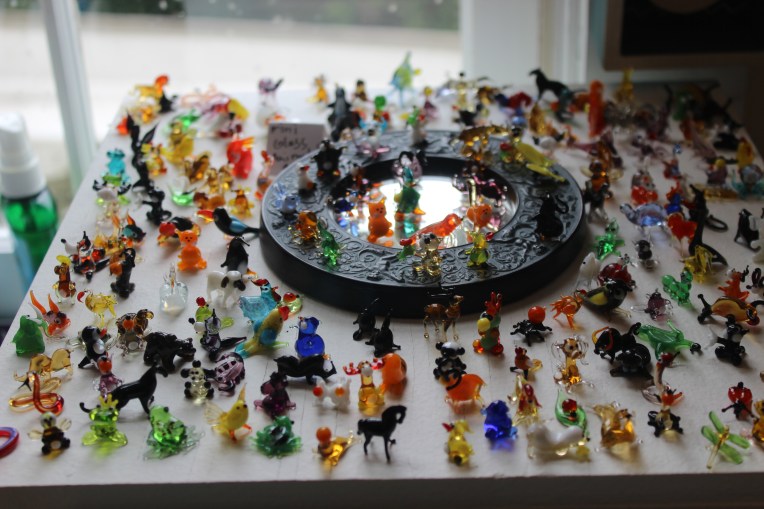
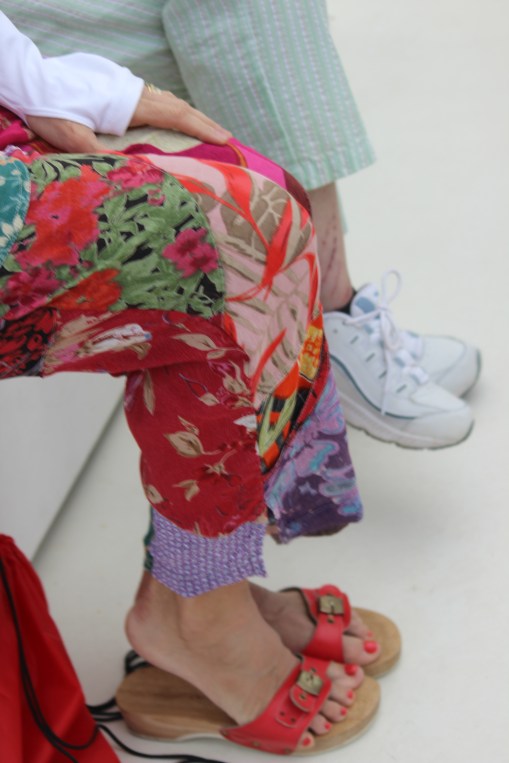
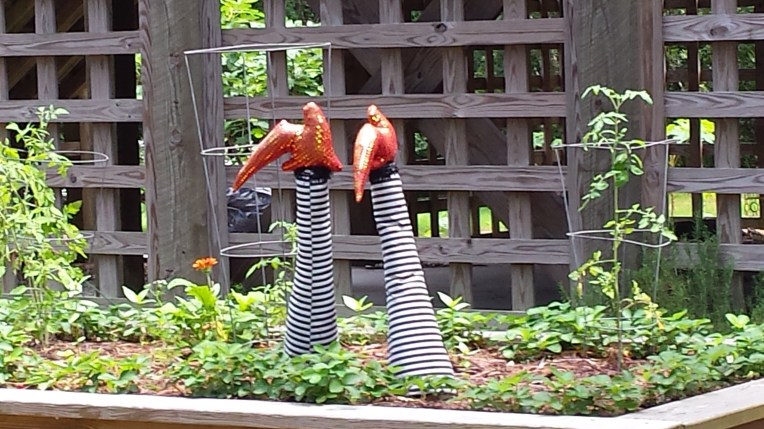
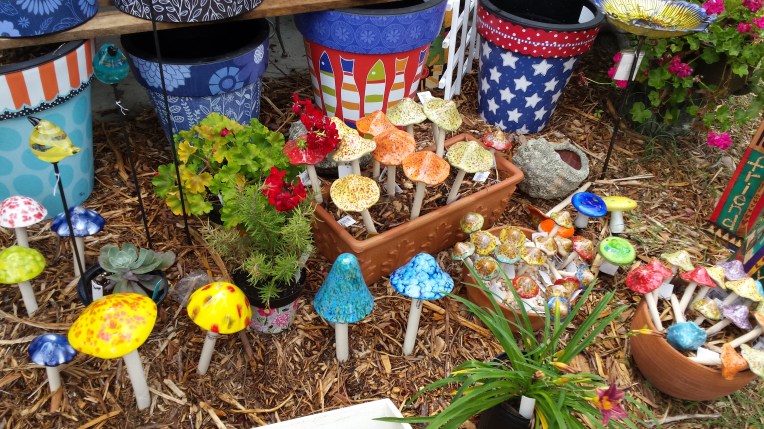
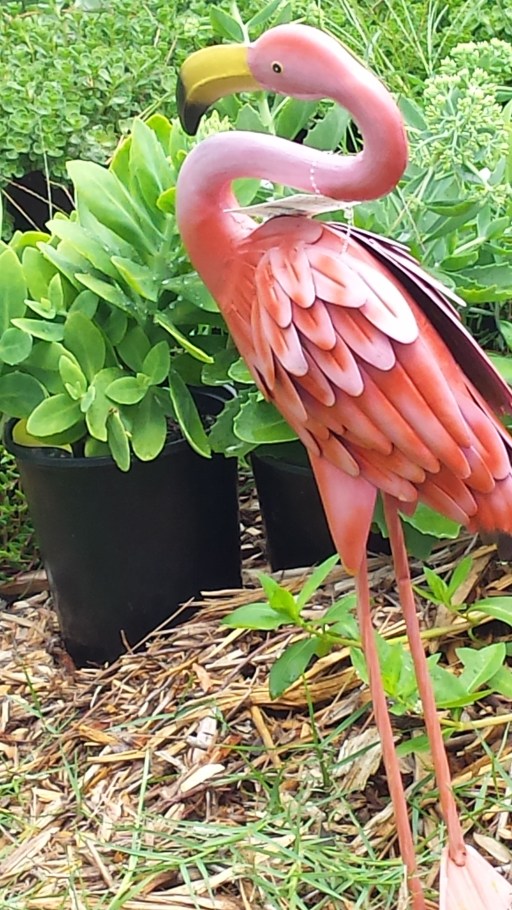
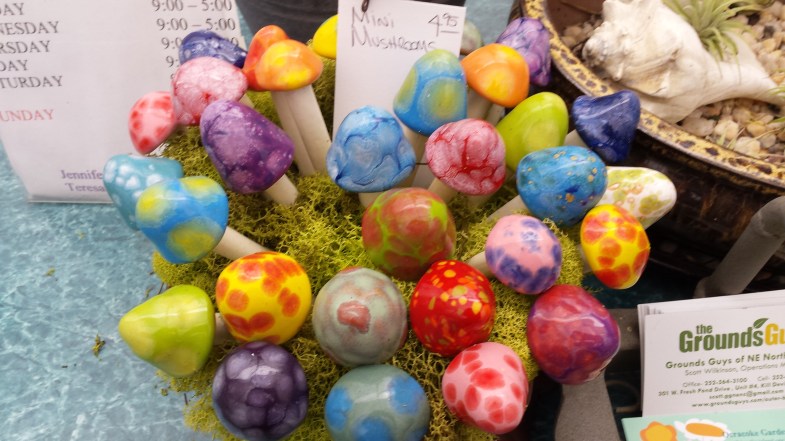
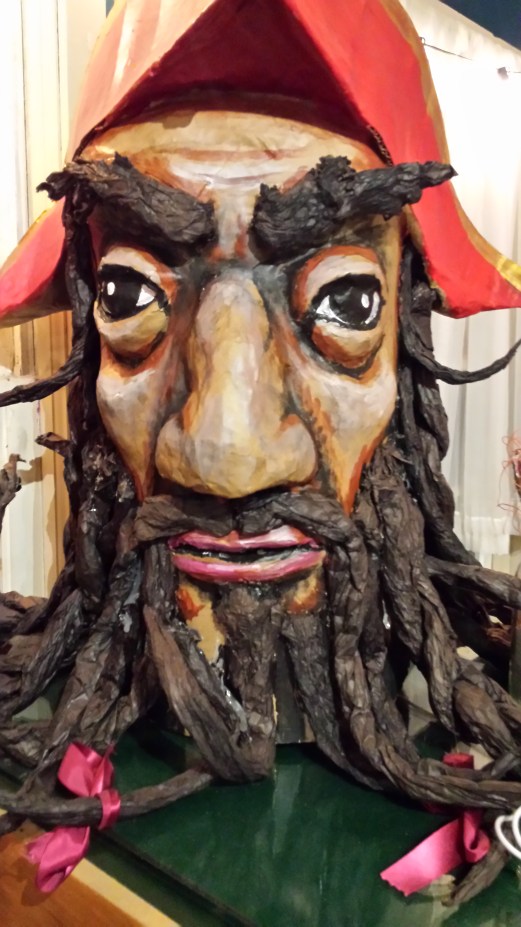
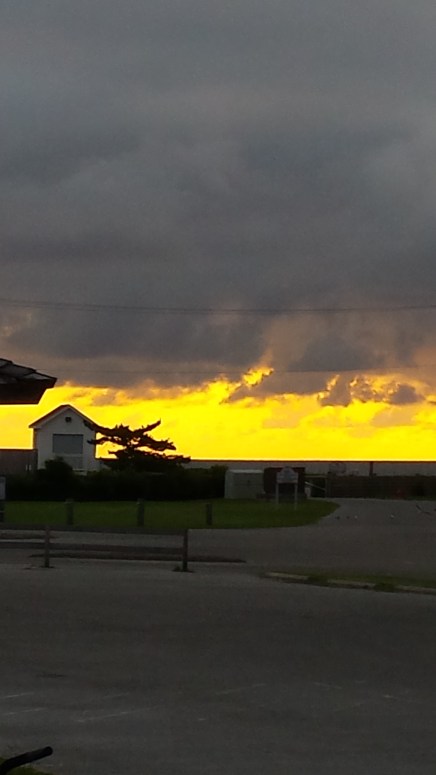
Lovely colors everywhere. Even the sky is bright.
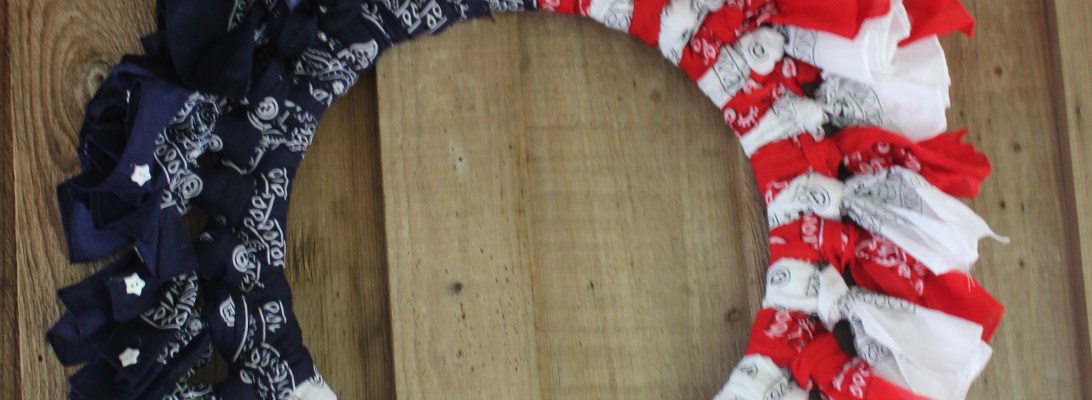
Lovely colors everywhere. Even the sky is bright.
A tree is so much more than leaves
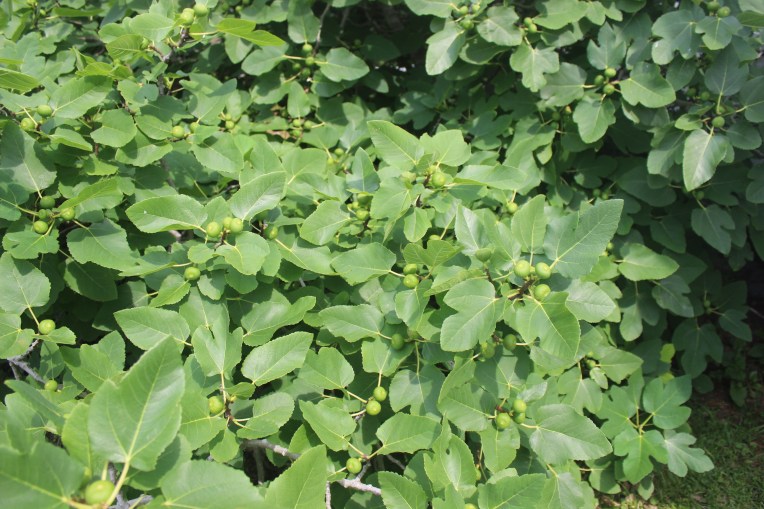 and trunk
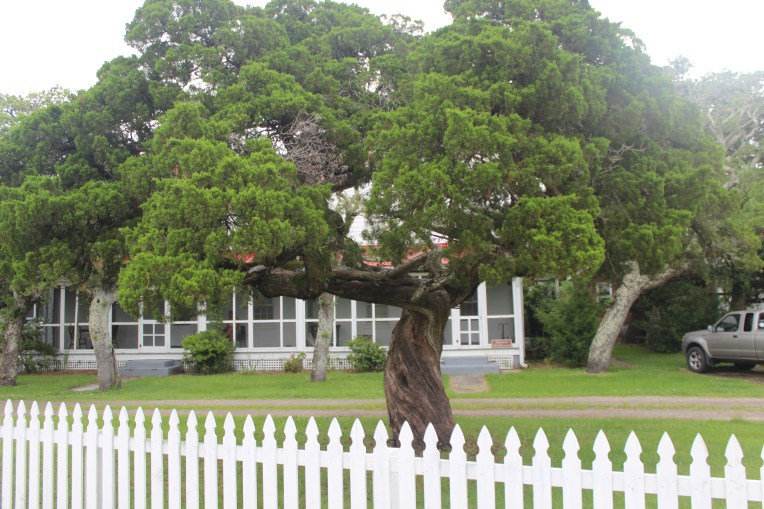
and roots.
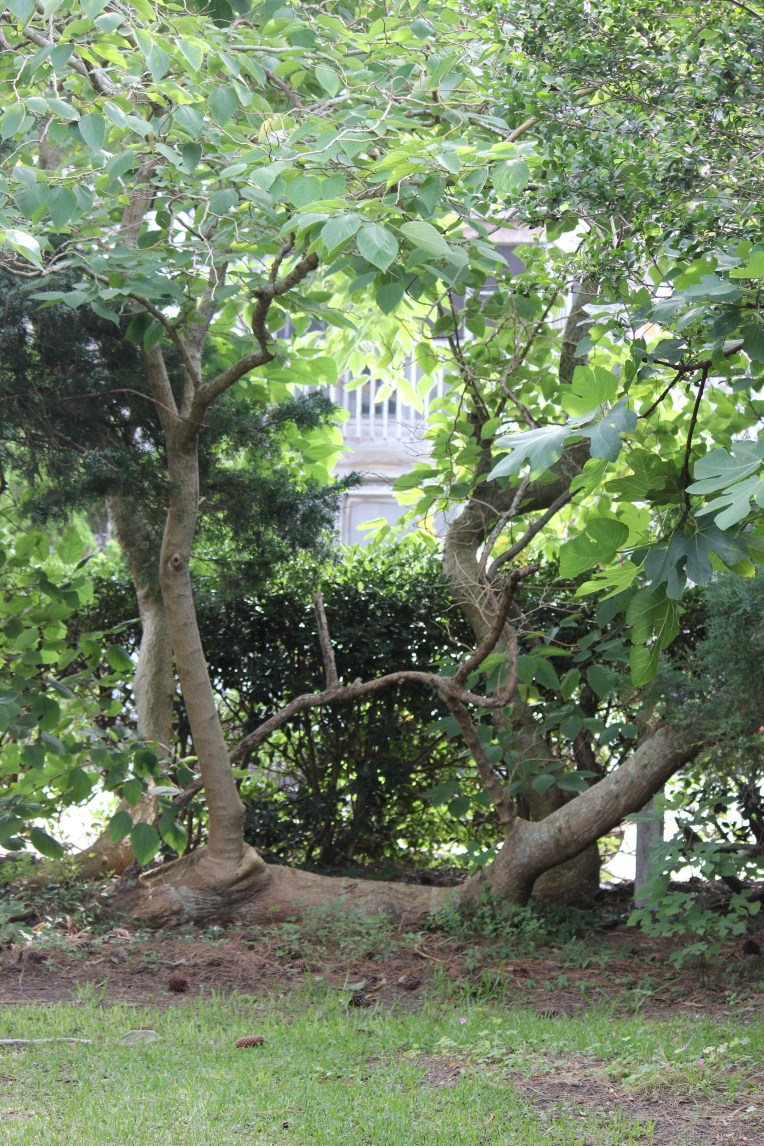
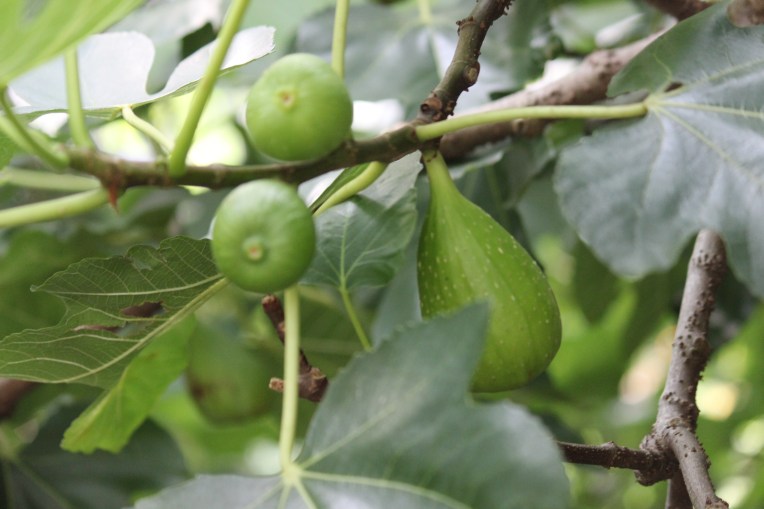
It is shade
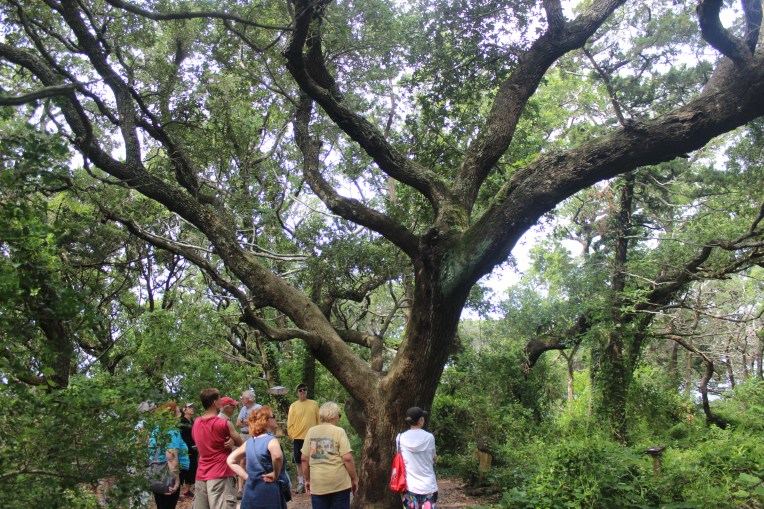
and fruit.
It is home and perch.
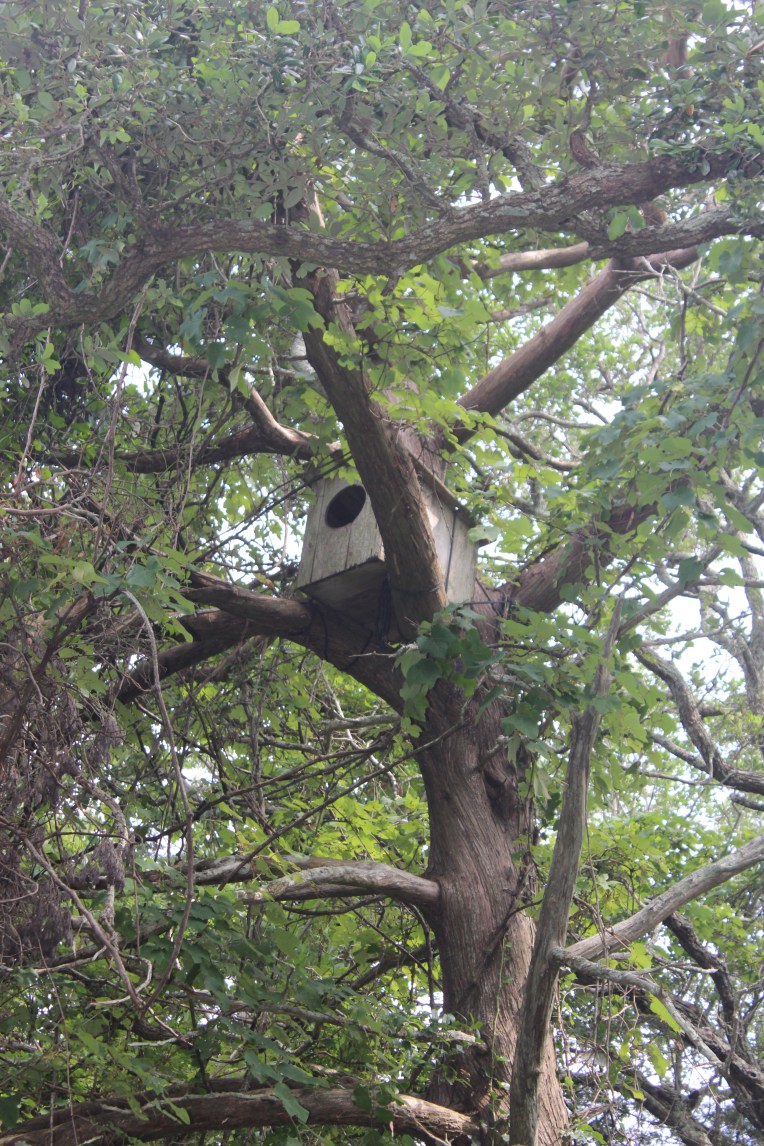
It is look-out
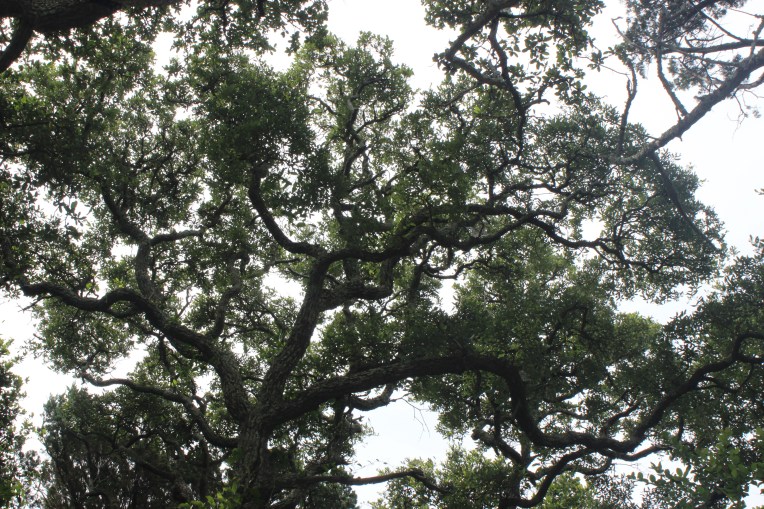
and hiding place.
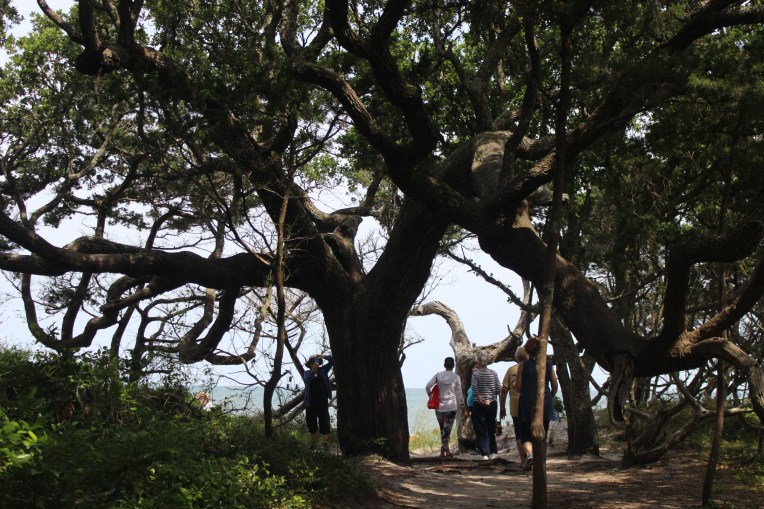
I look at wood very differently than most
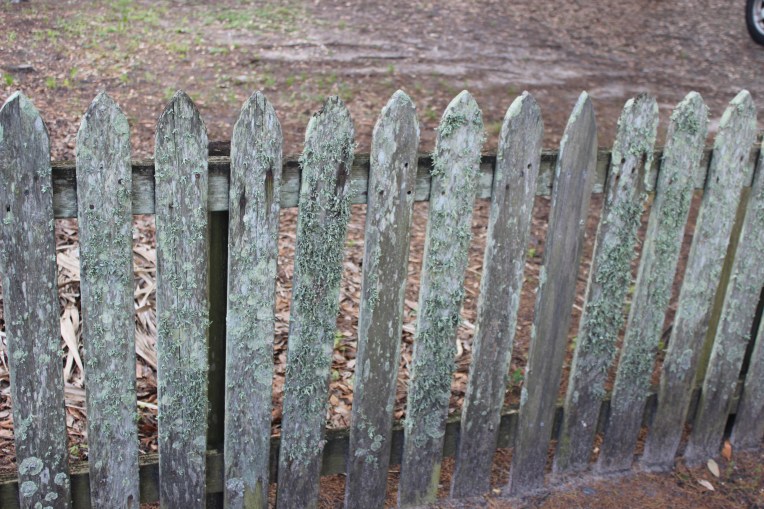
where they see fuel and walls and fences,
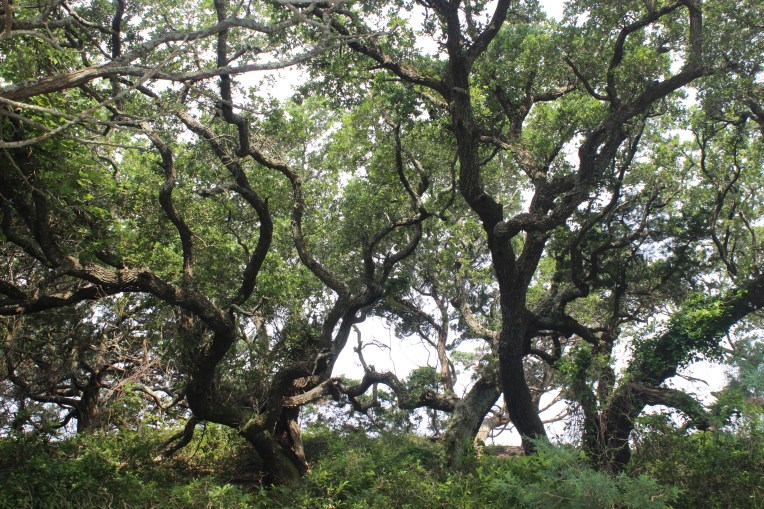
I see the stem of a sacrificed friend.
FLOWER loves the trees.
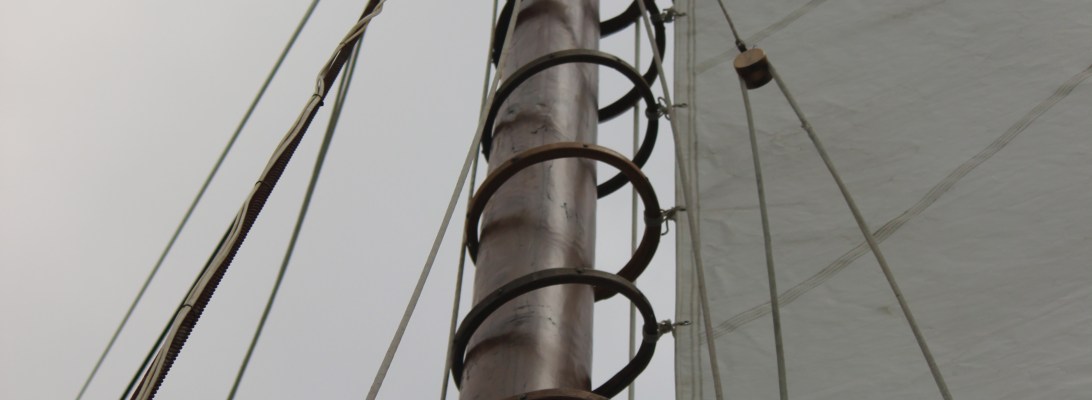
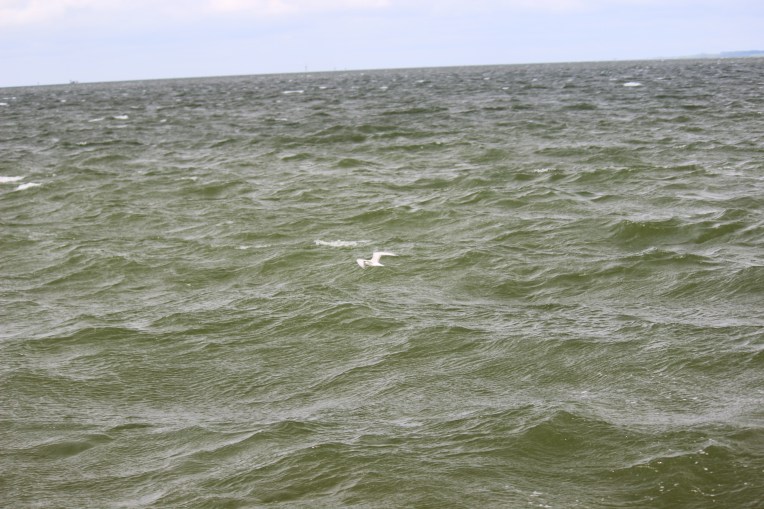
There is a magical place that I can only get to by boat.
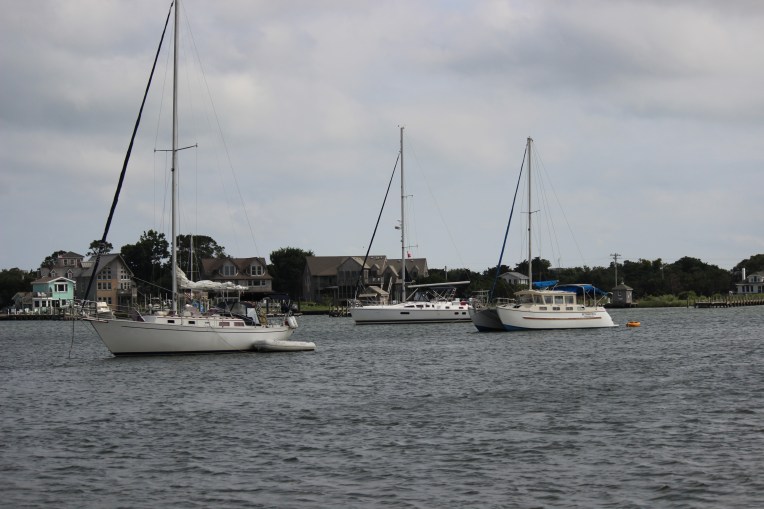
Where the sea meets the sky,
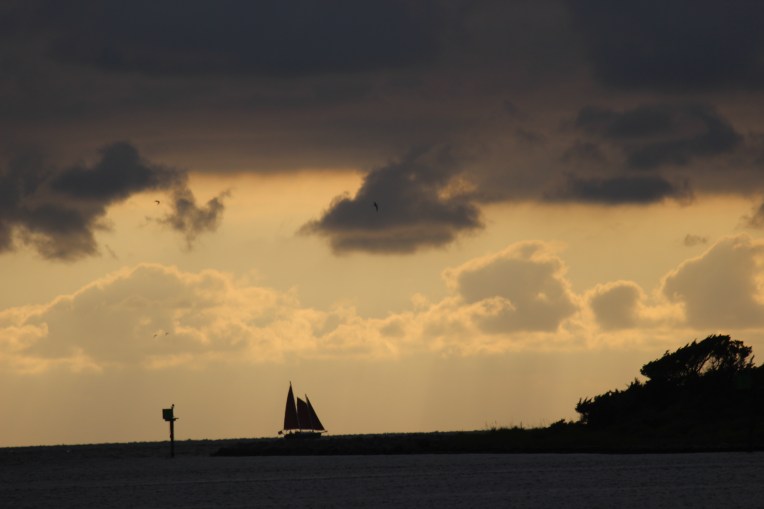
I am cradled between wind and waves.
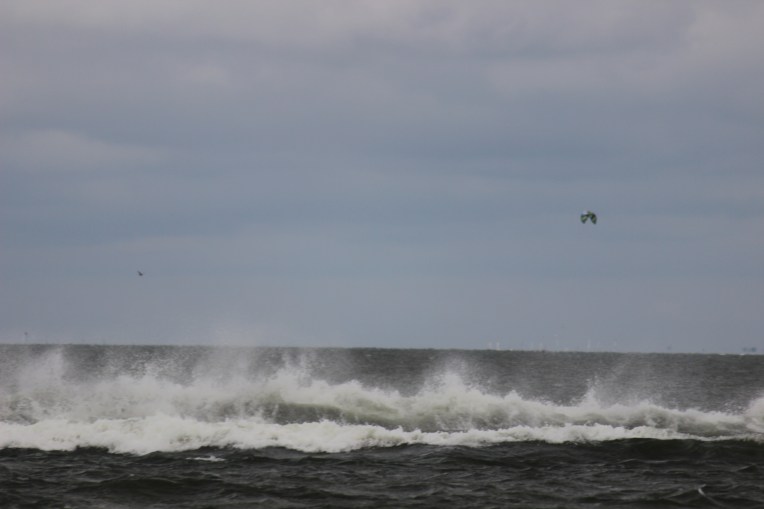
Neither sinking nor flying,
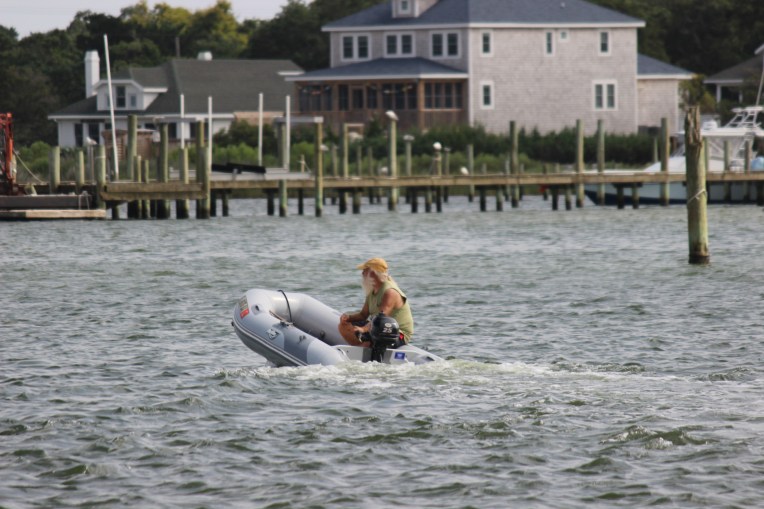
Skimming along between water and air.

Feeling the spray of the sea in my face.
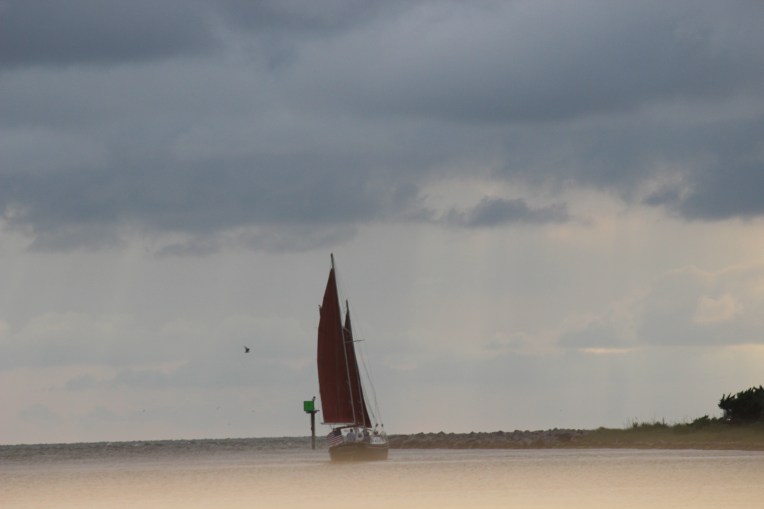
Dancing with the motion of the ocean.
Looking back at land with no wish to return
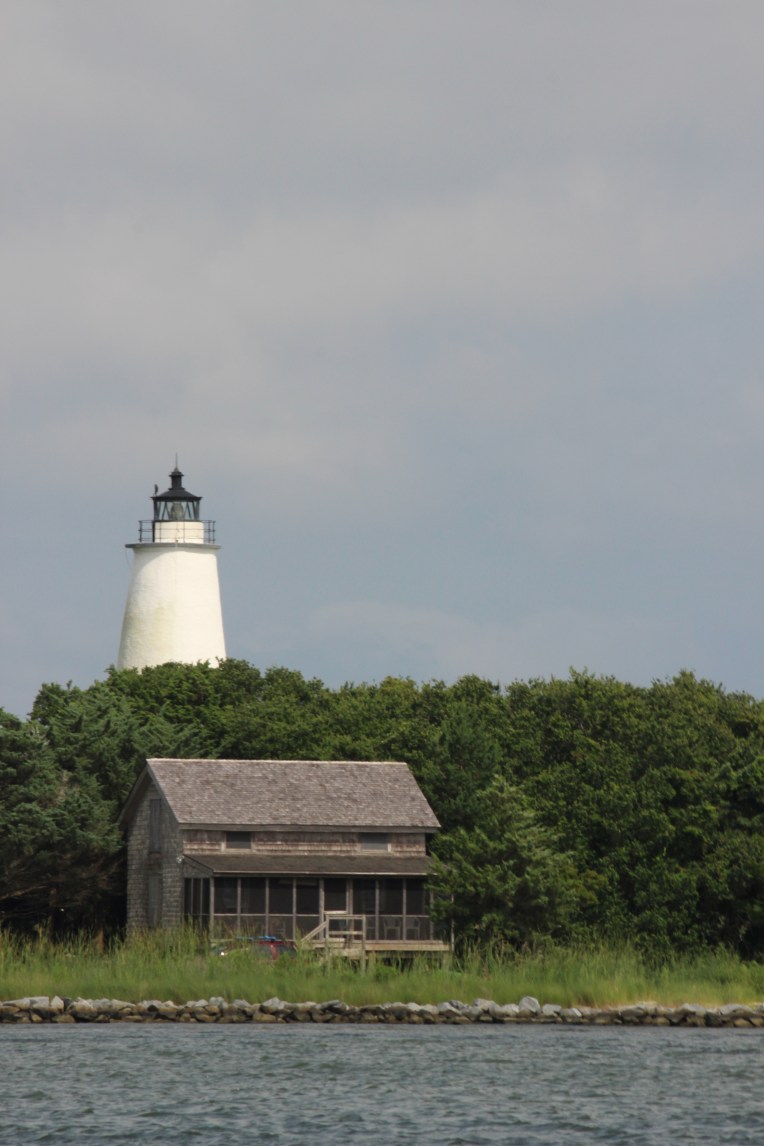
to that sedentary, solid place that slows my soul.
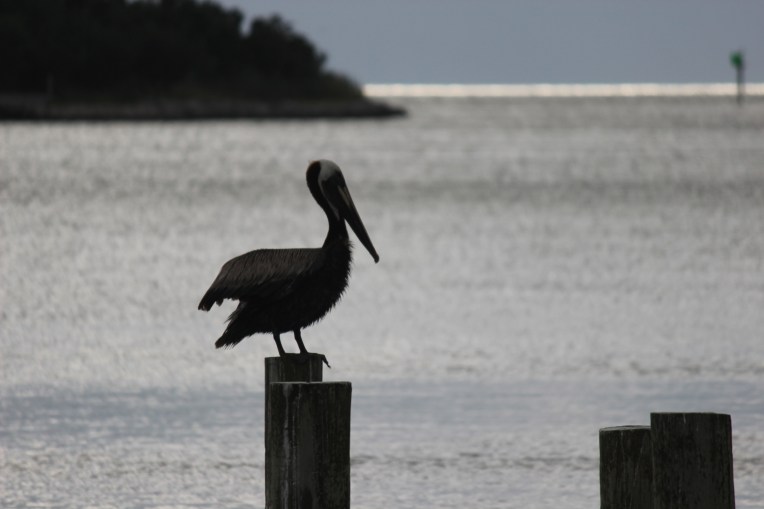
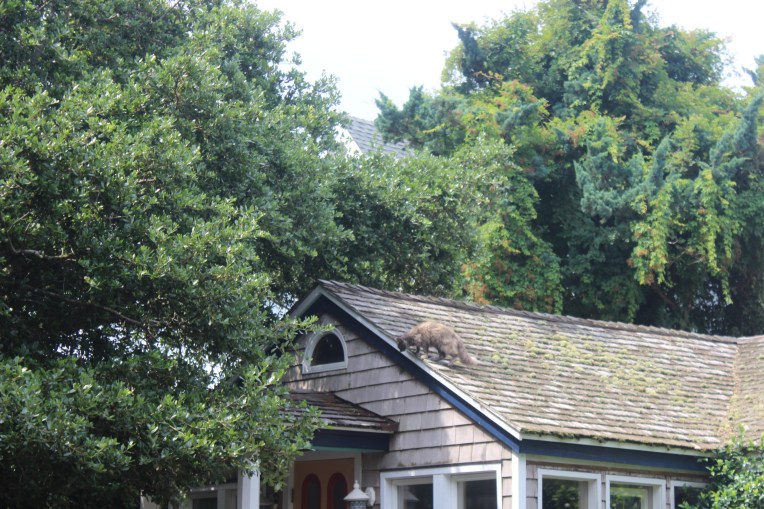
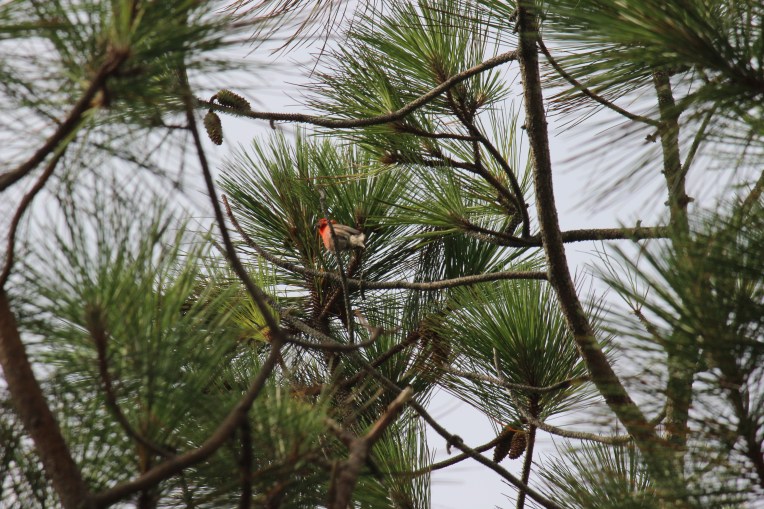
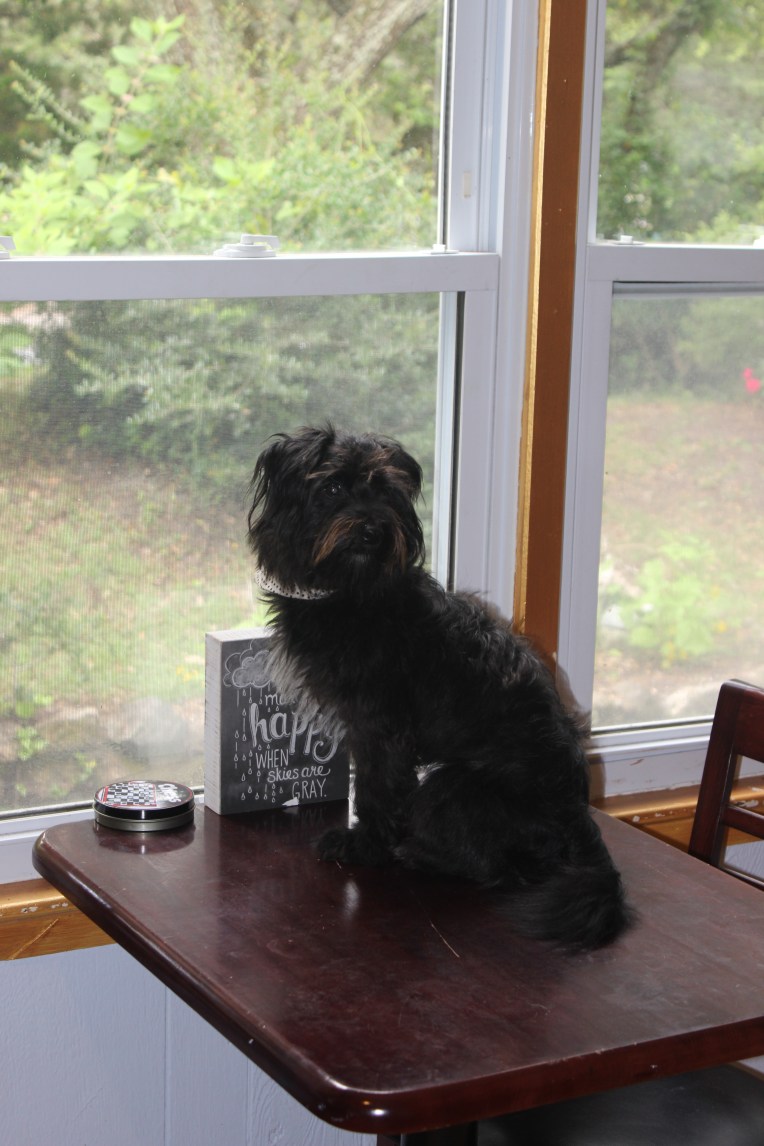
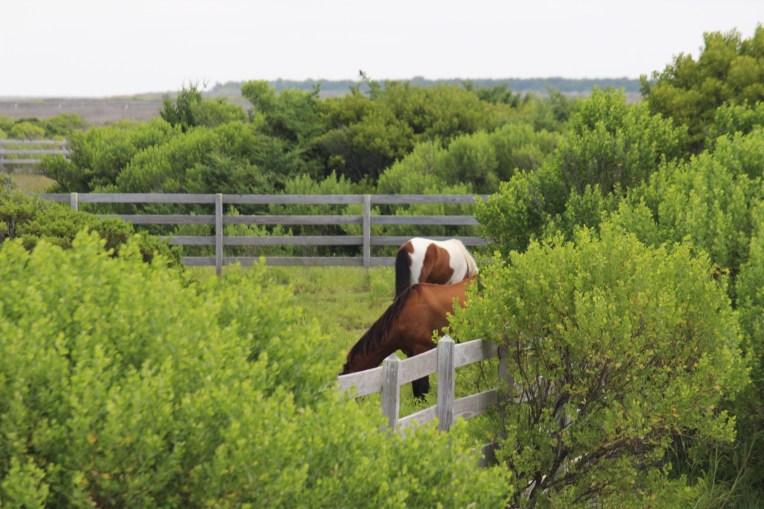
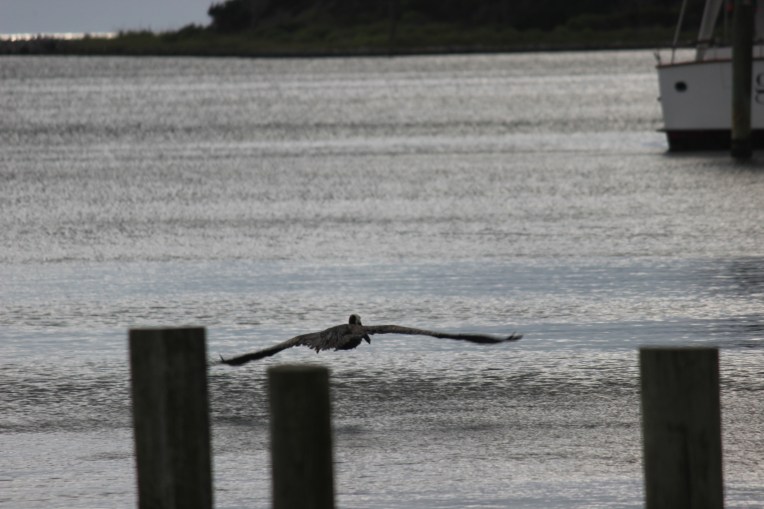

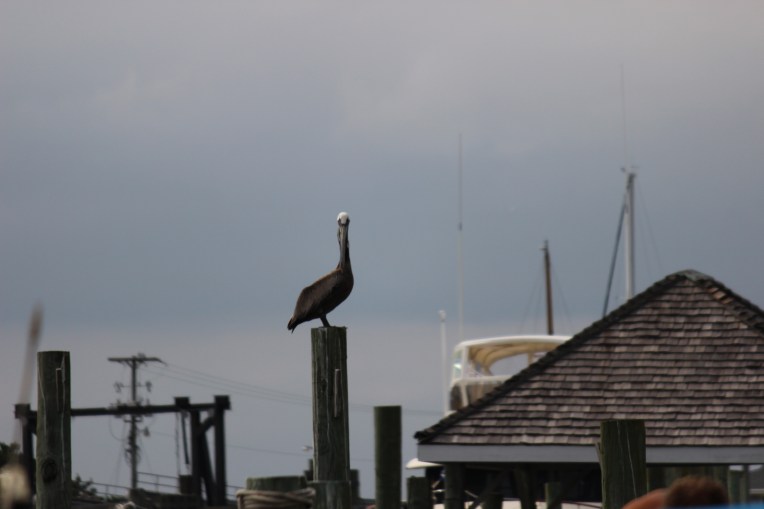
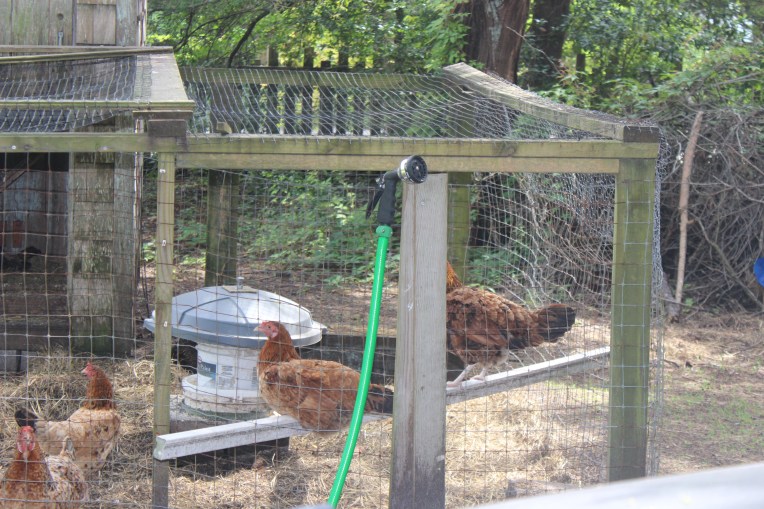
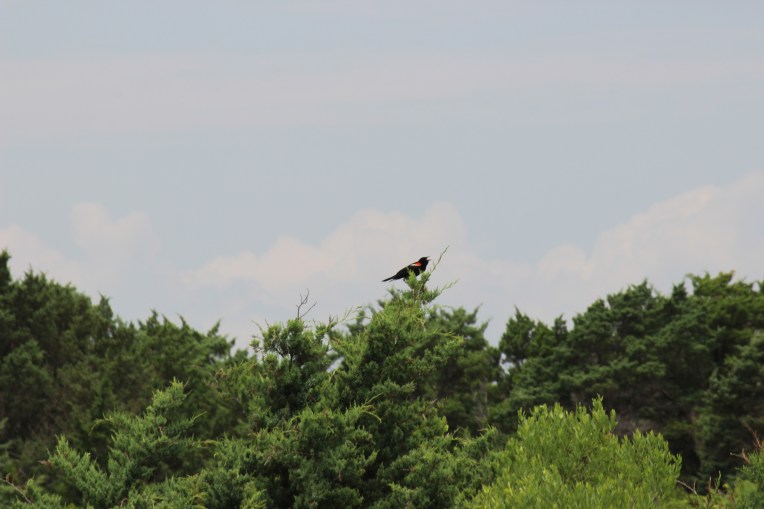
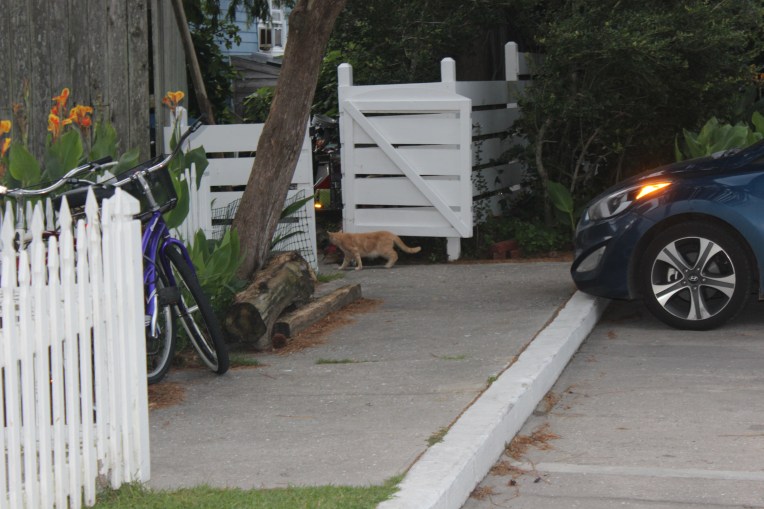
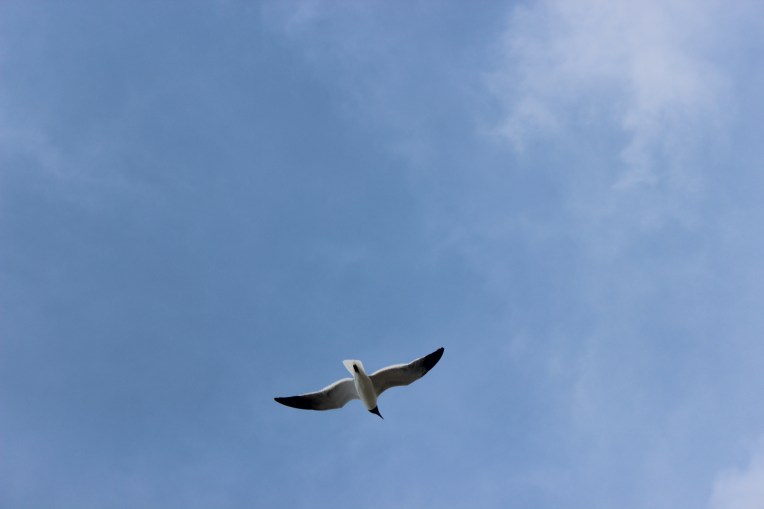
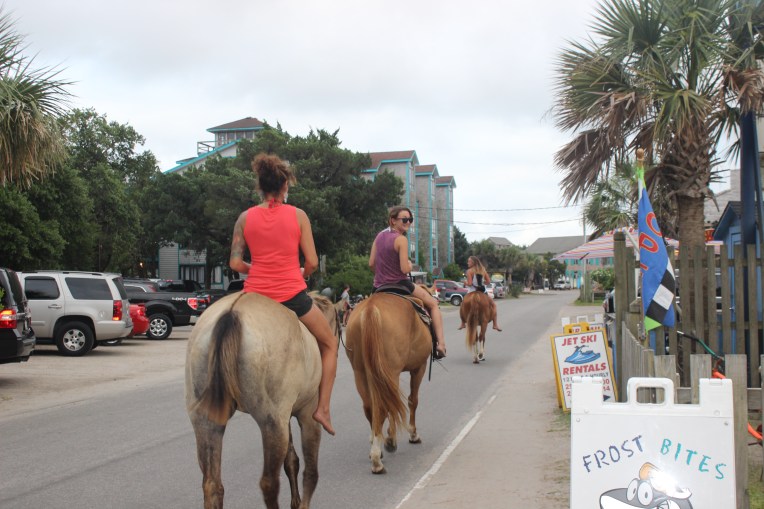
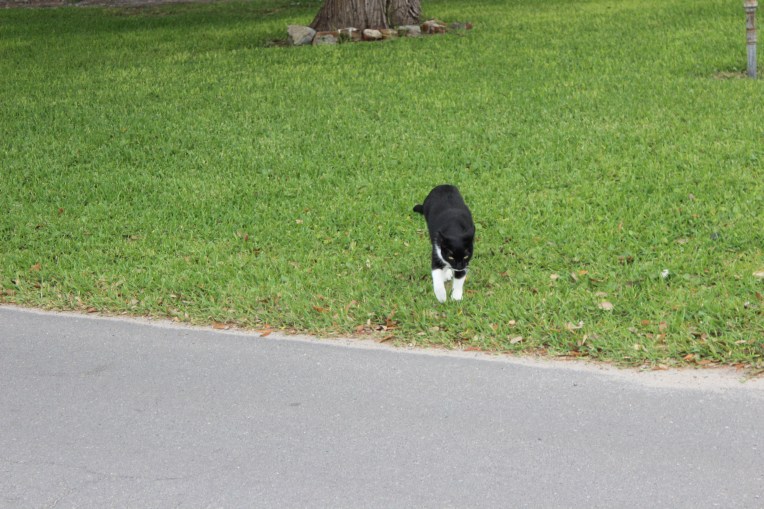
This Tuxedo cat jumped out of a tree to come and get petted.
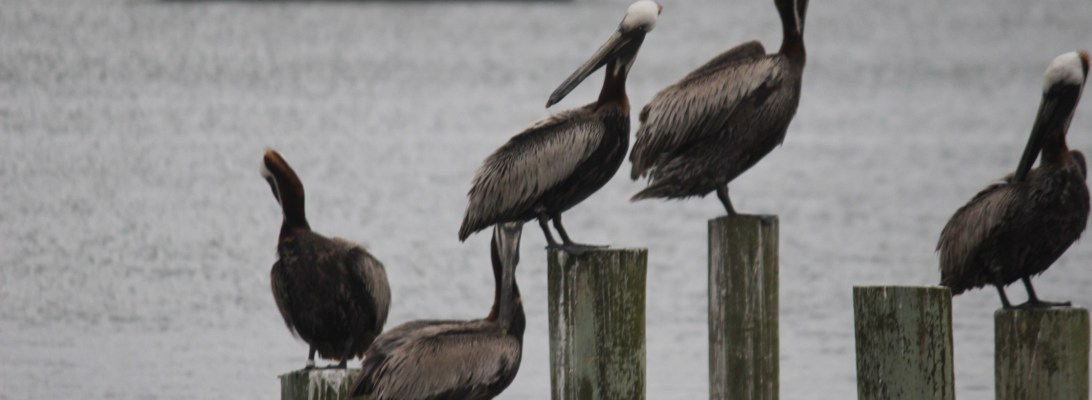
FLOWER loves the critters.
Stay tuned for flowers, trees, boats and more art.
I love Ocracoke!
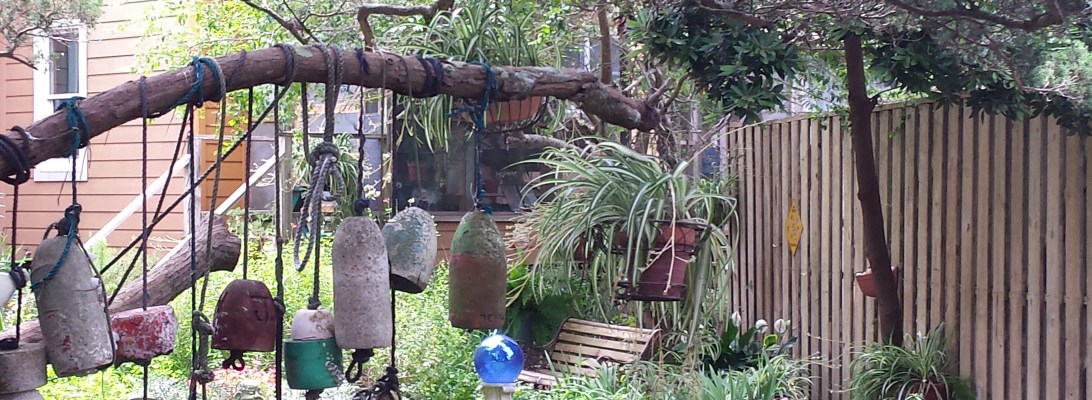
Speaking with art.
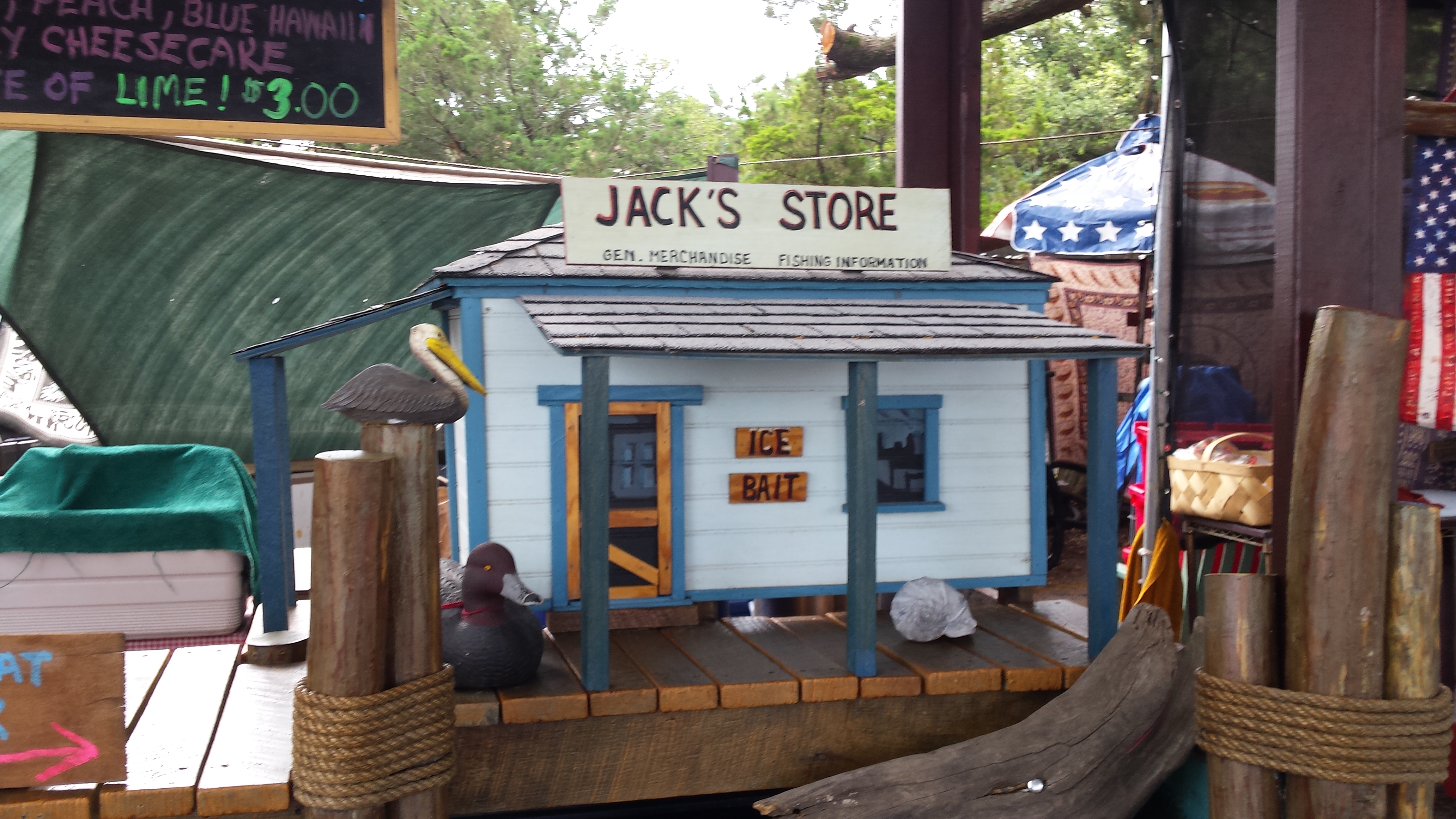
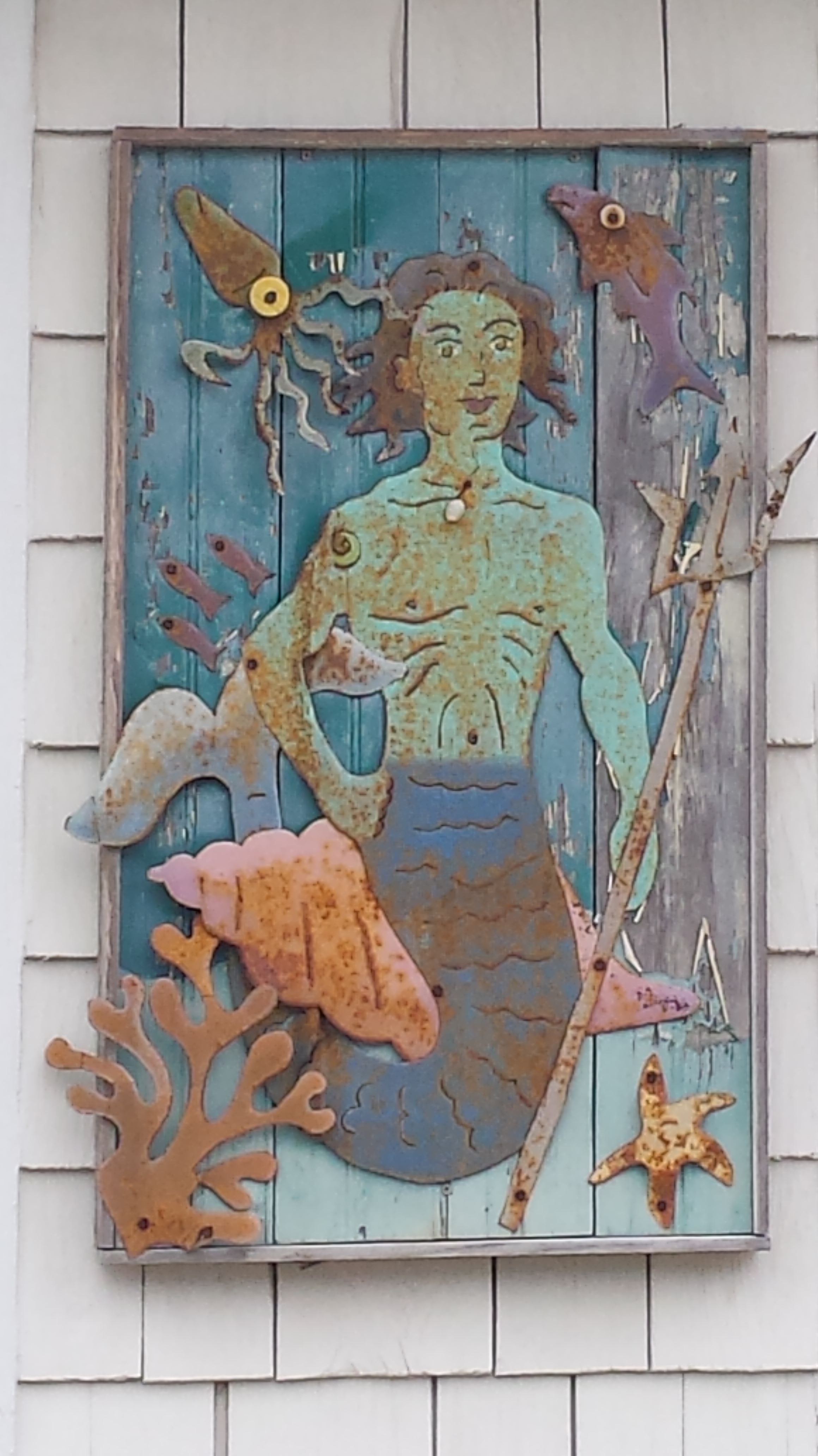
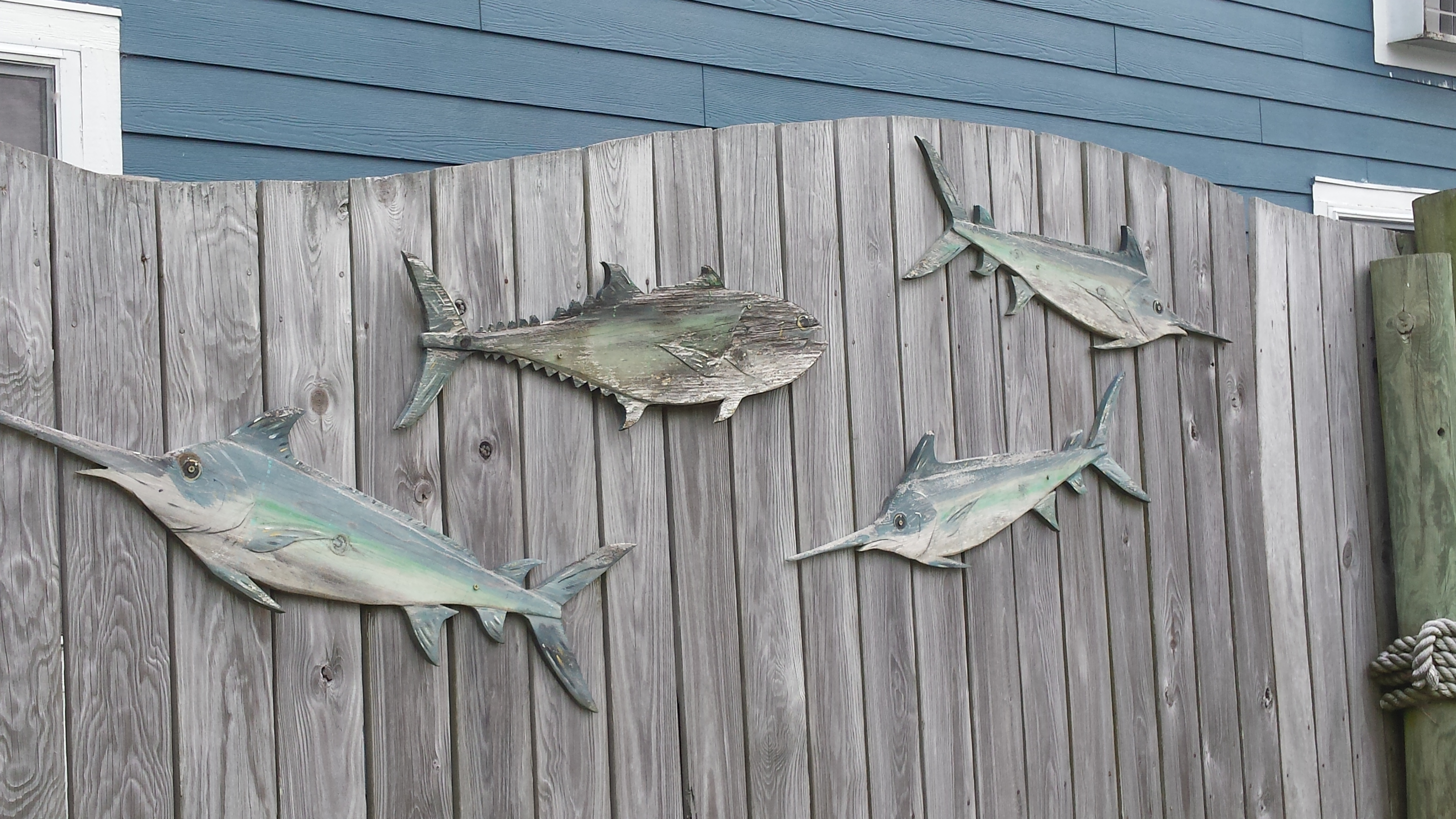
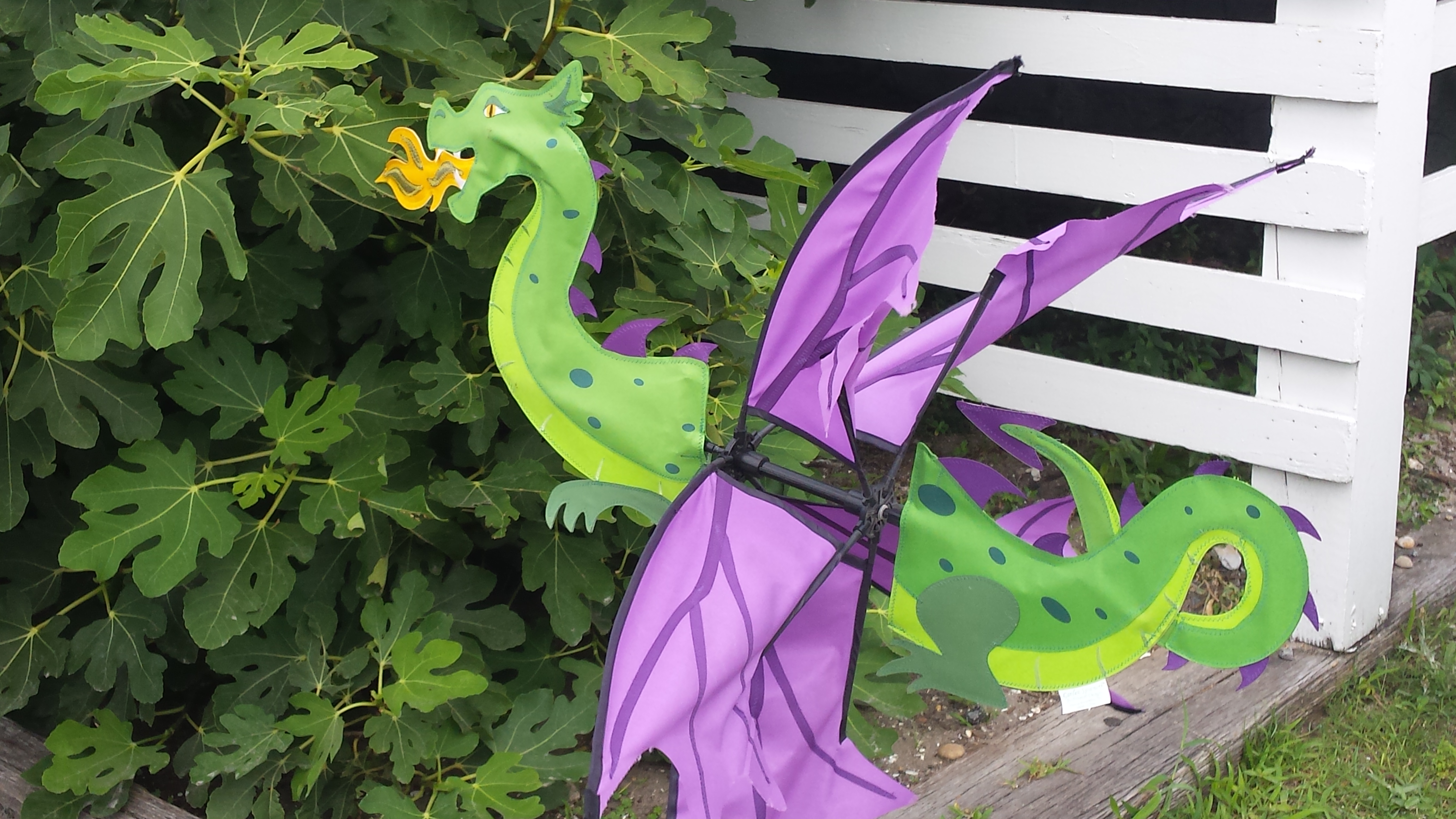
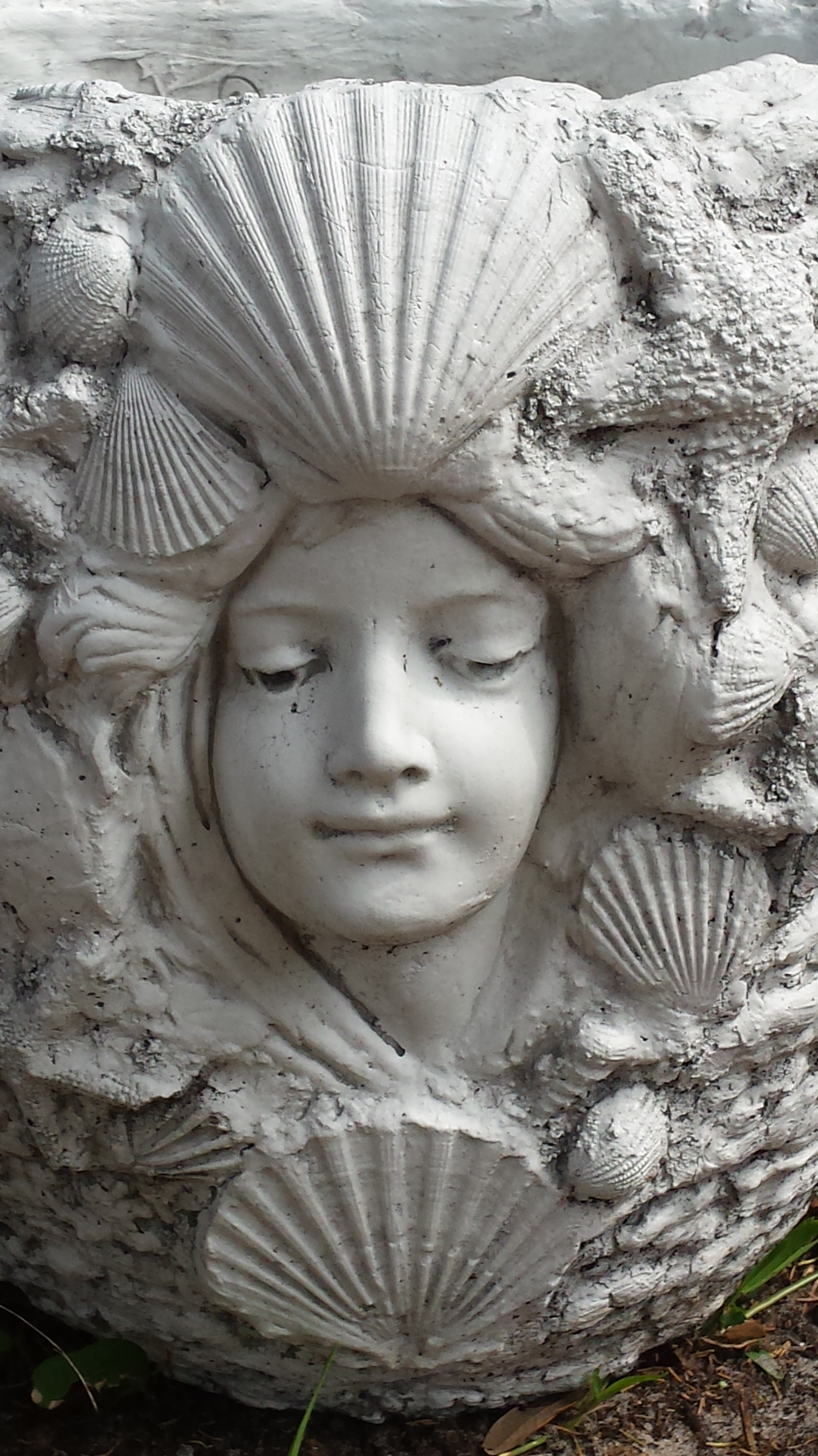
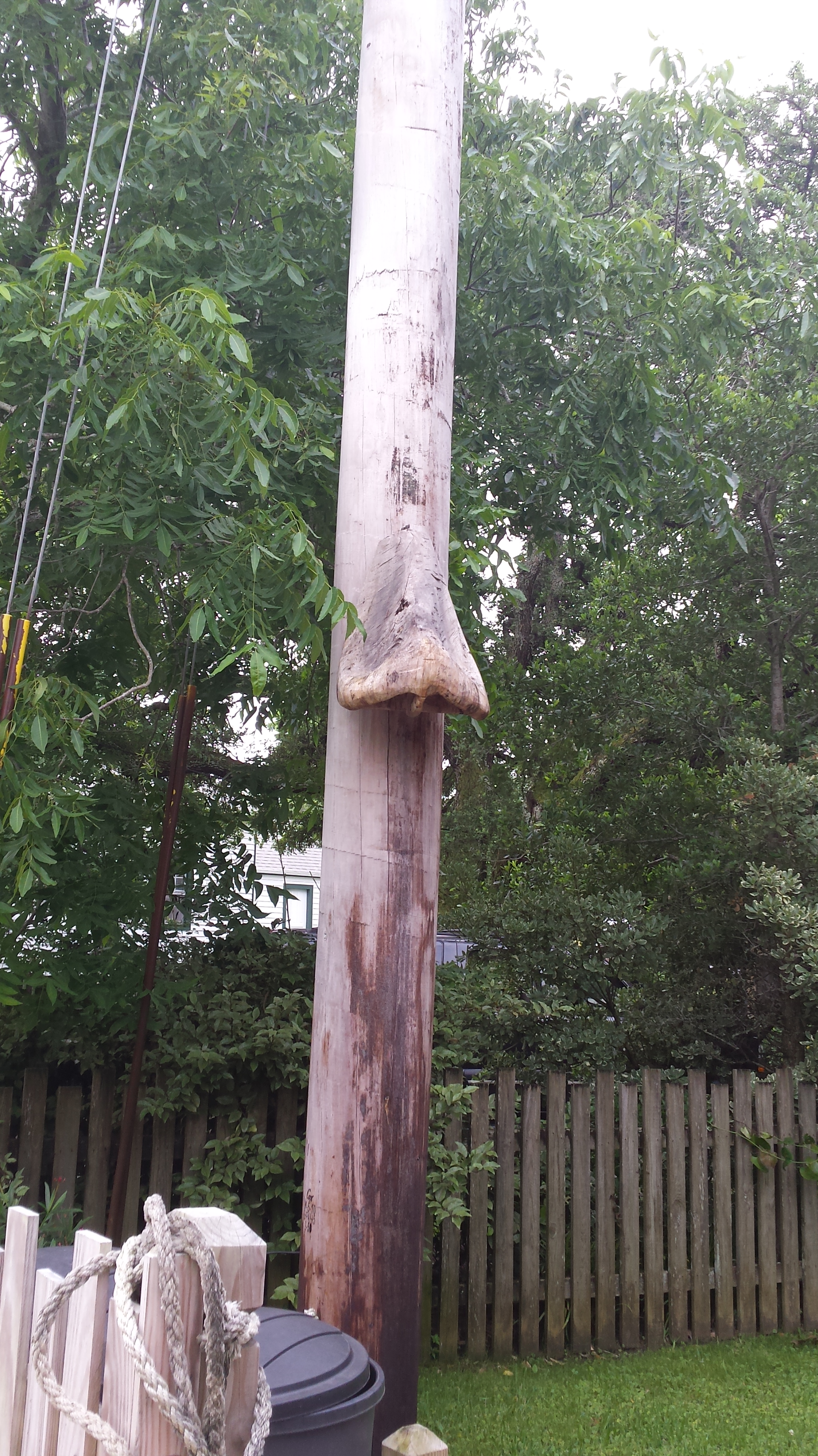
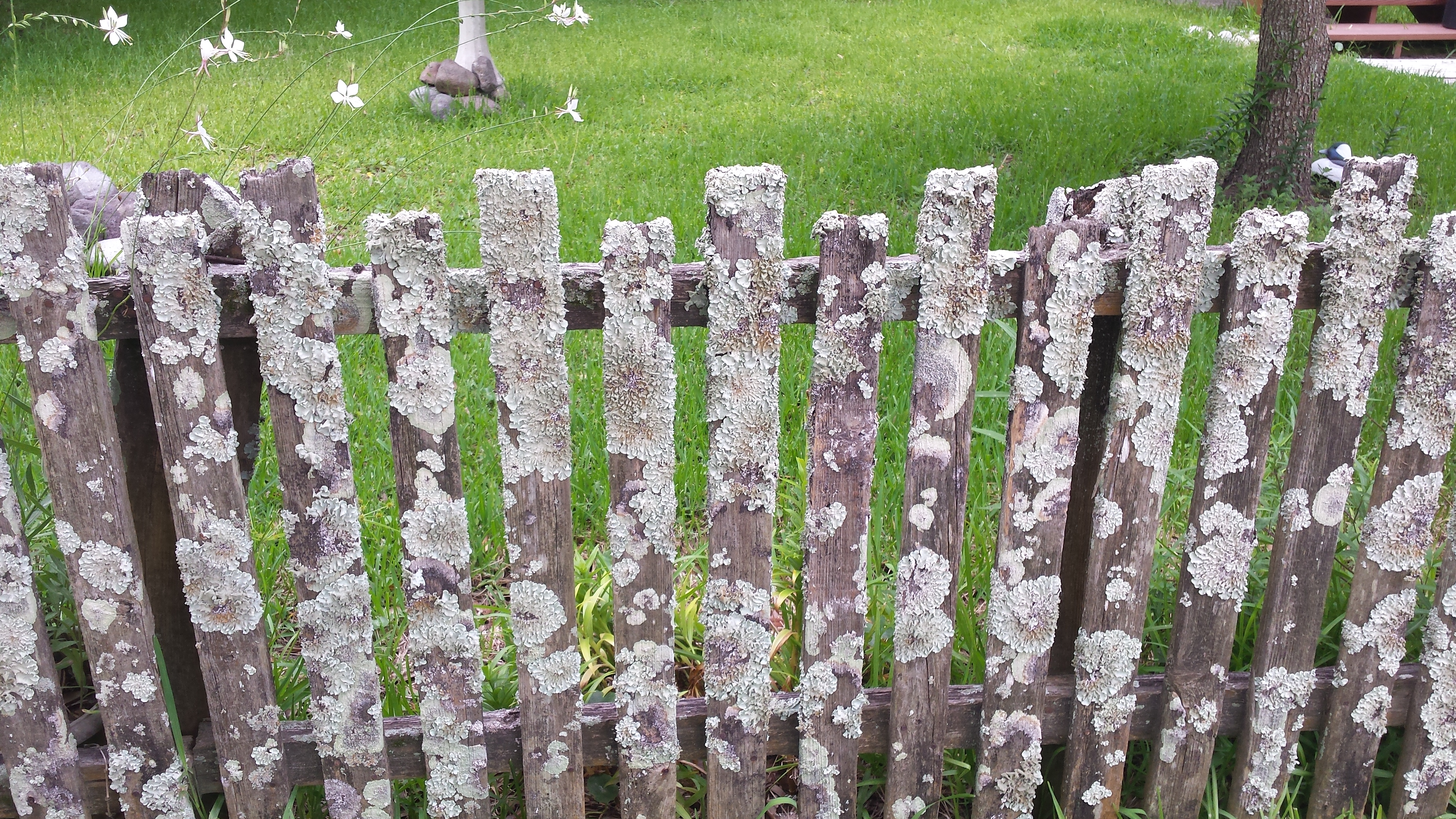
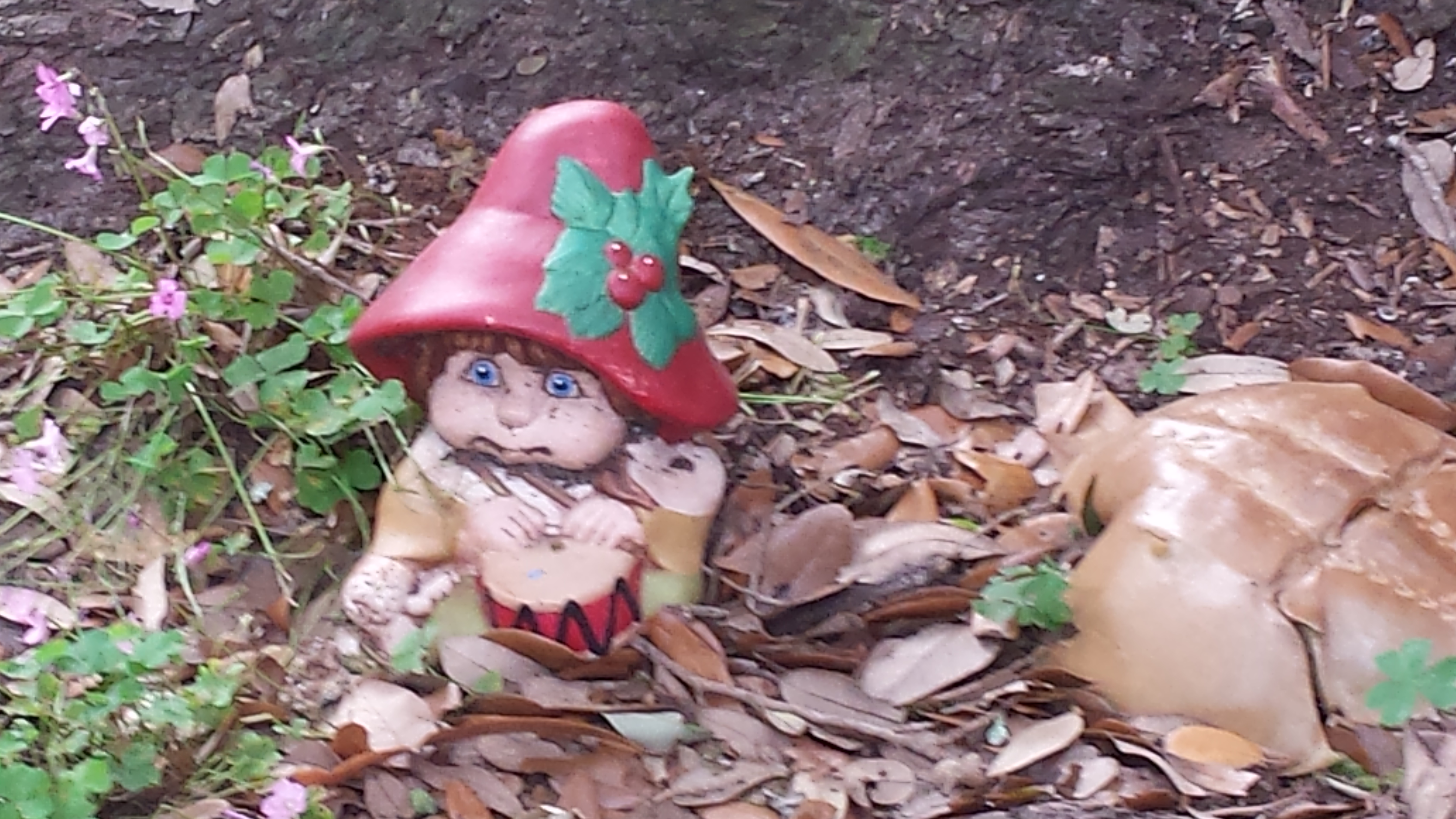
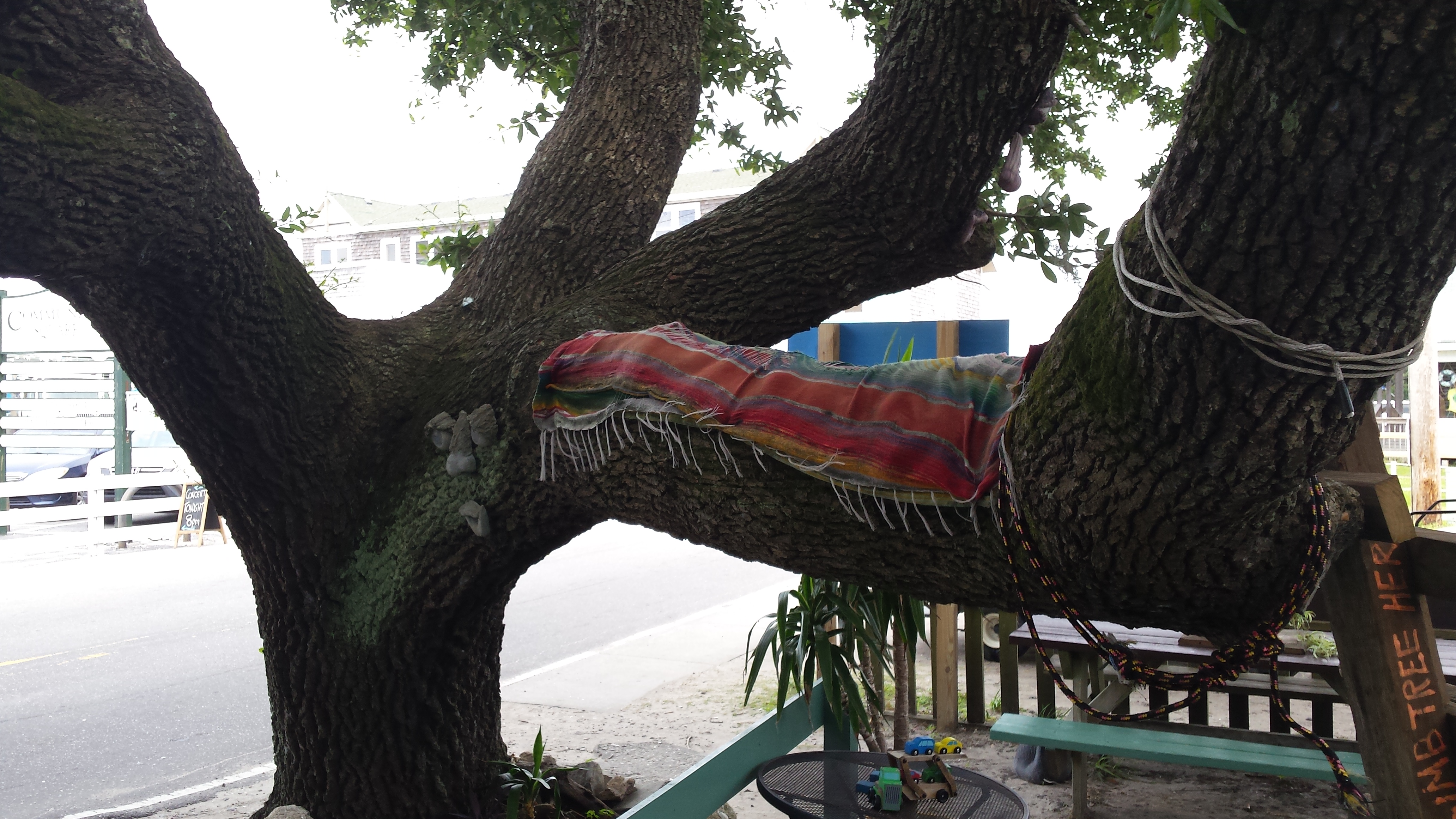
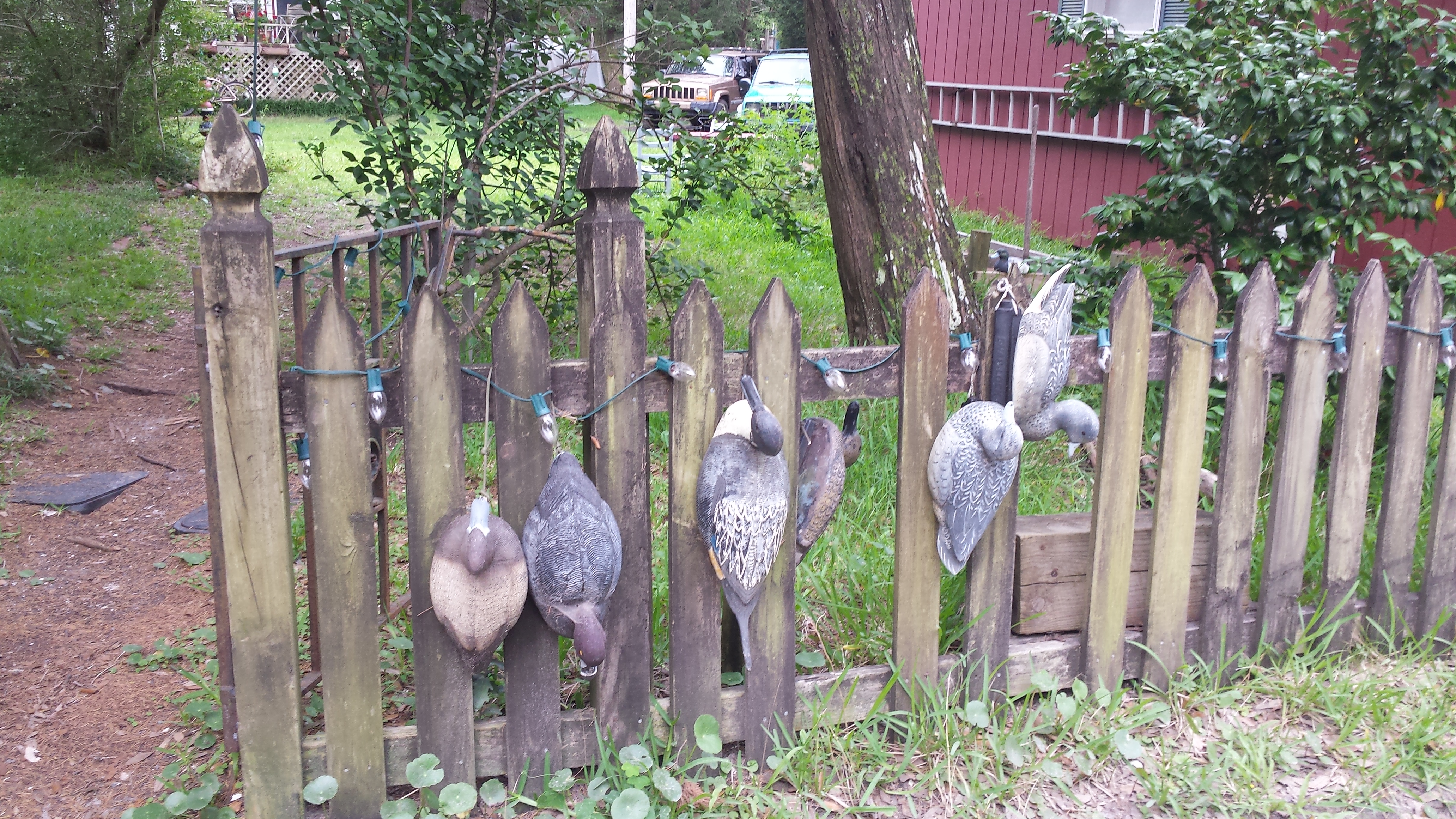
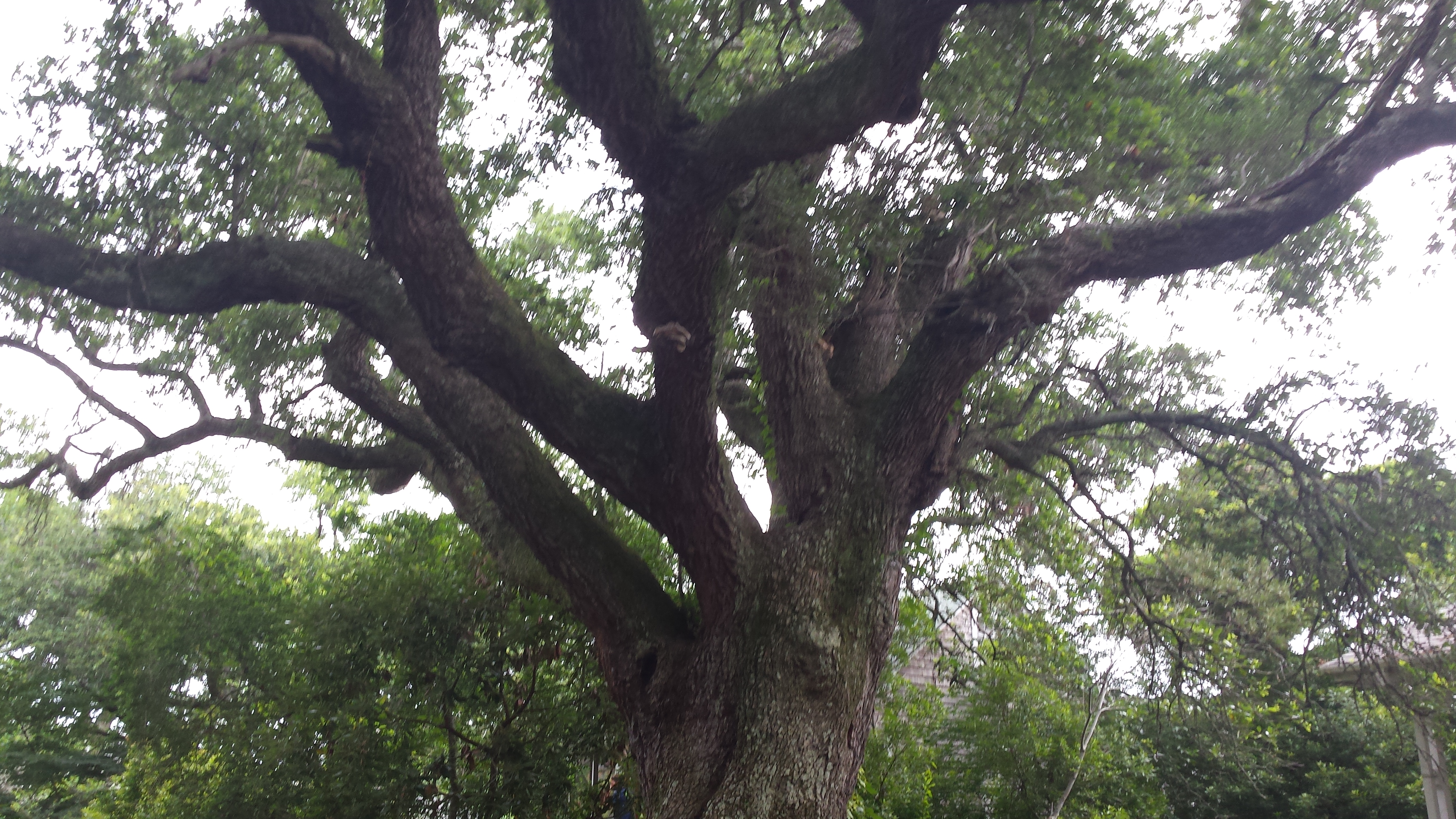
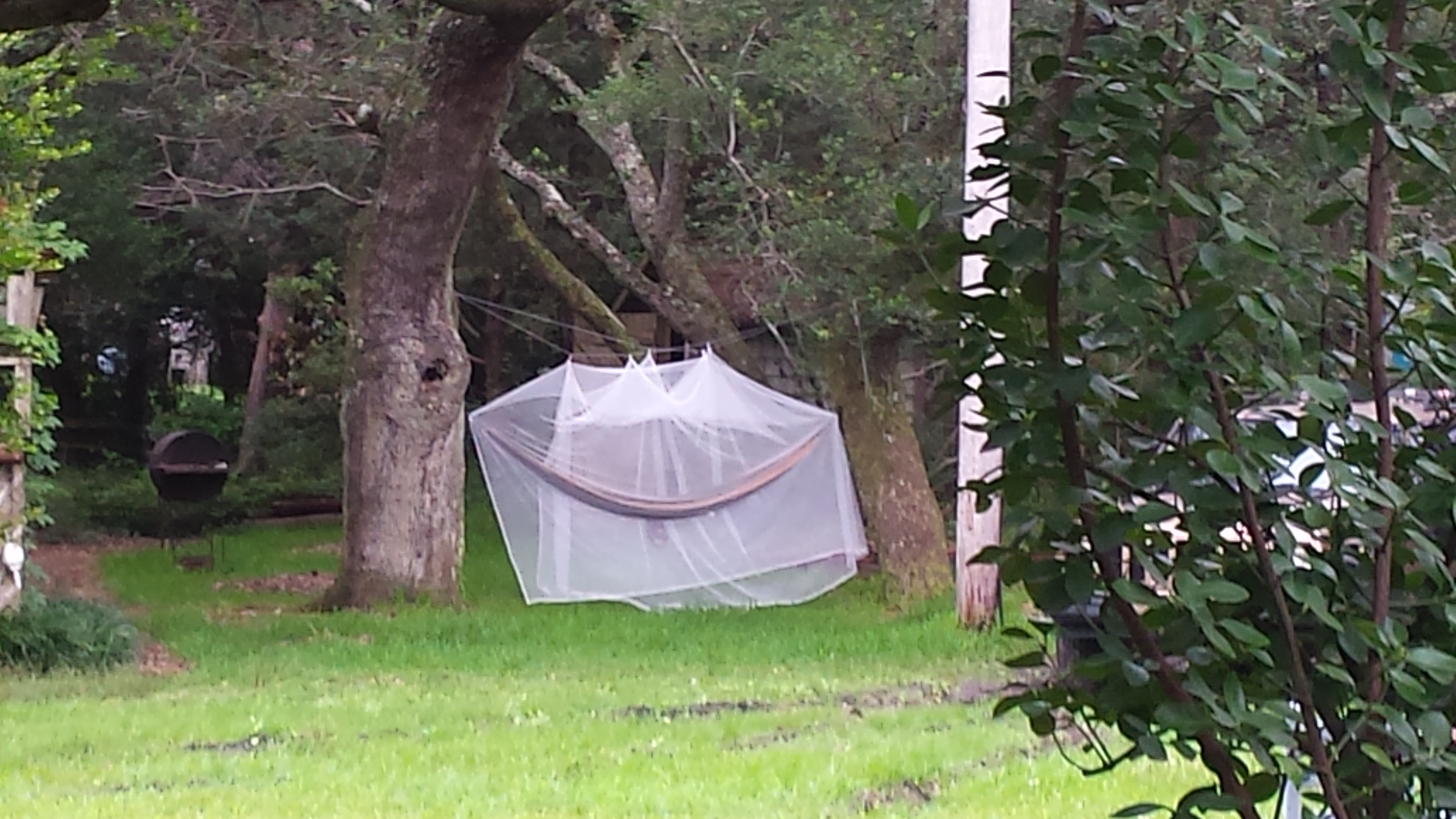
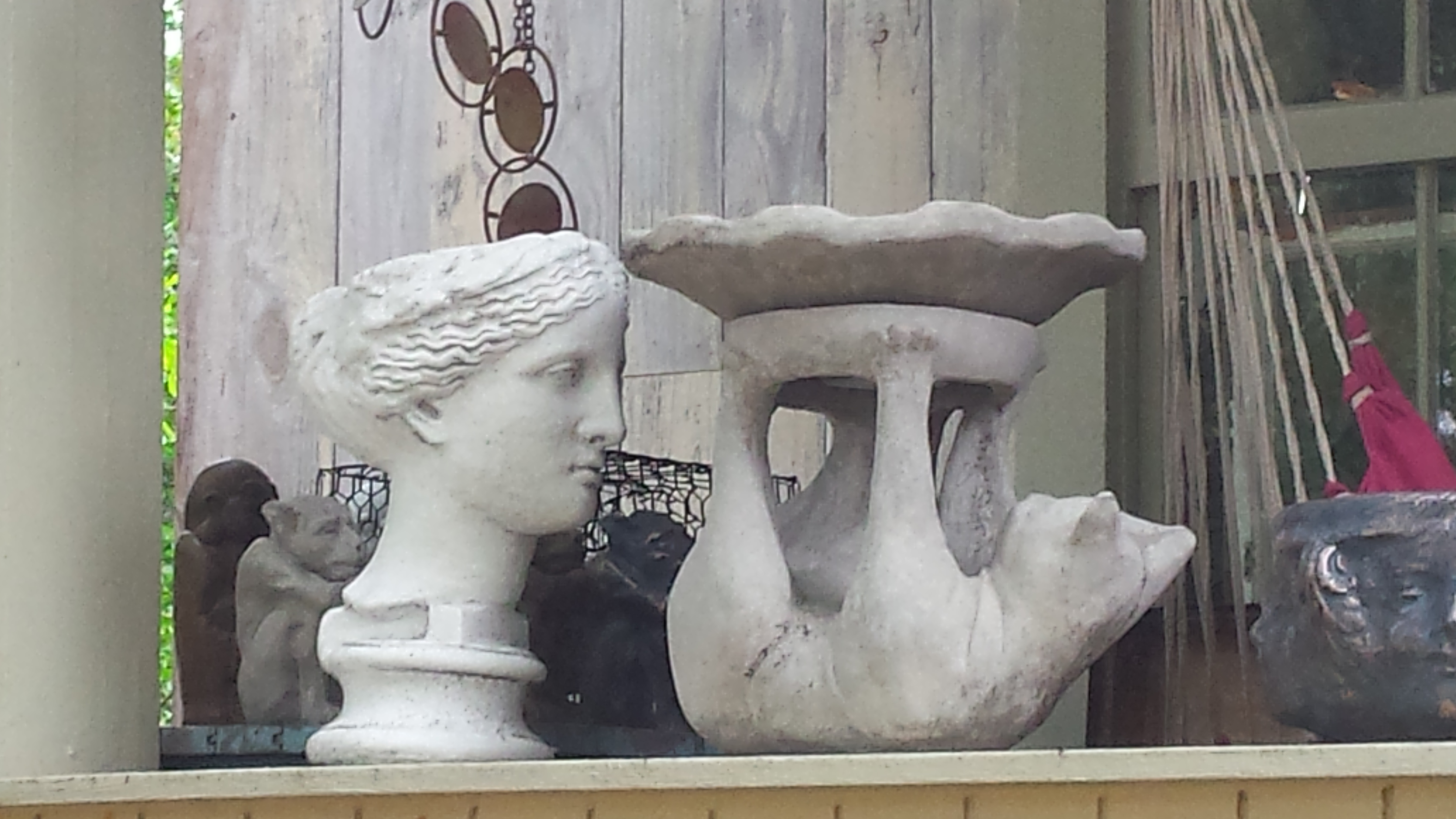
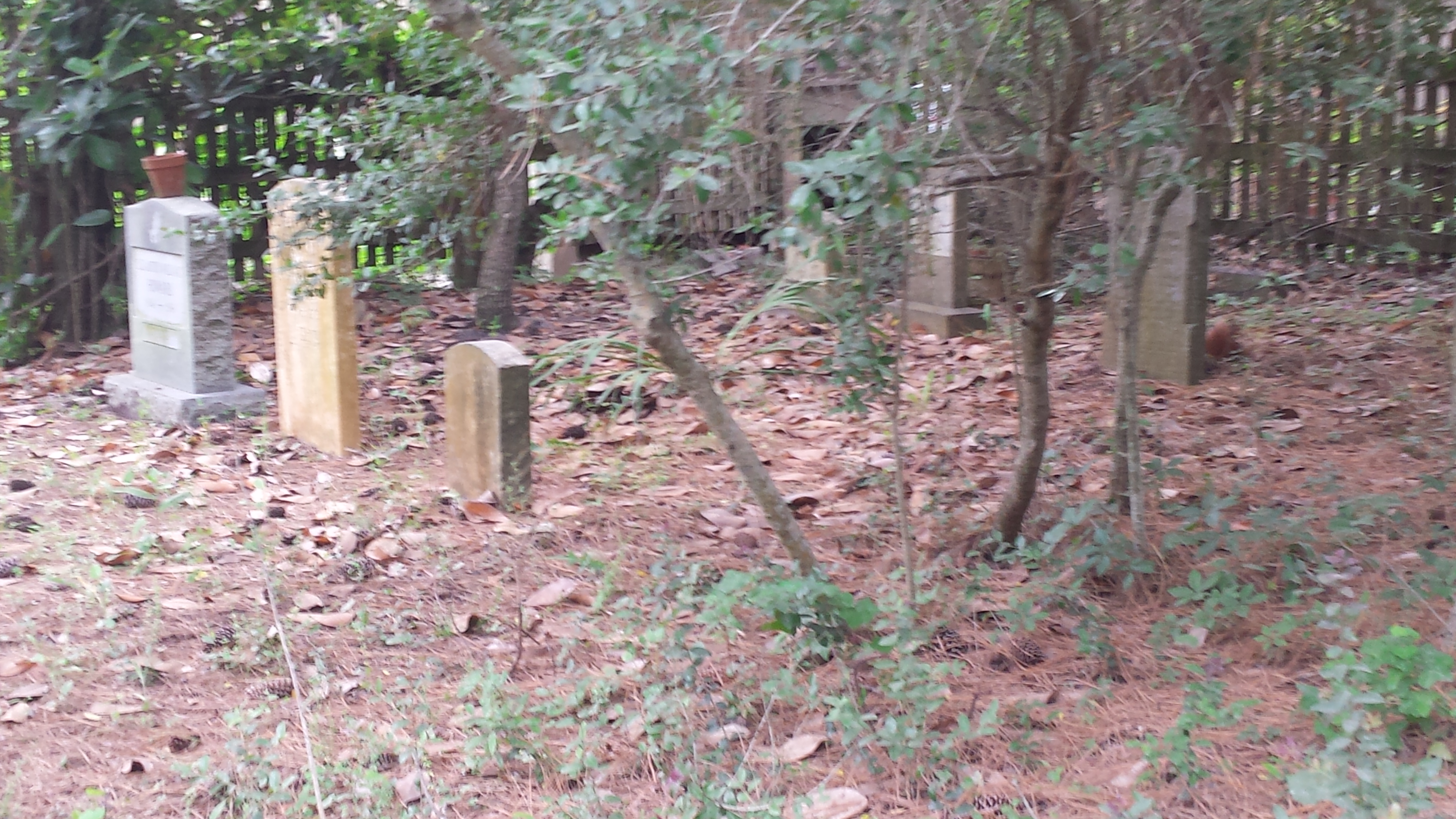
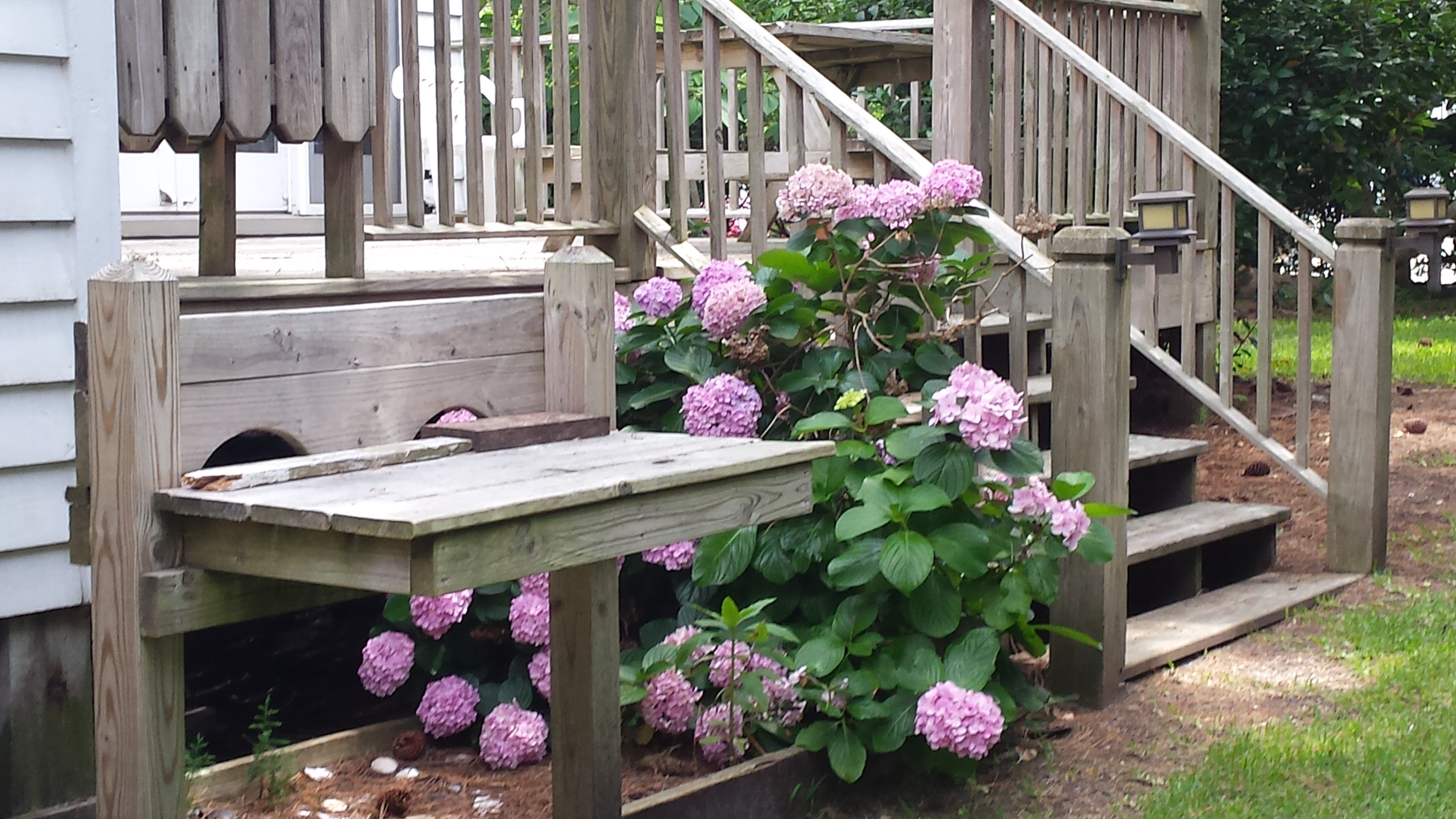
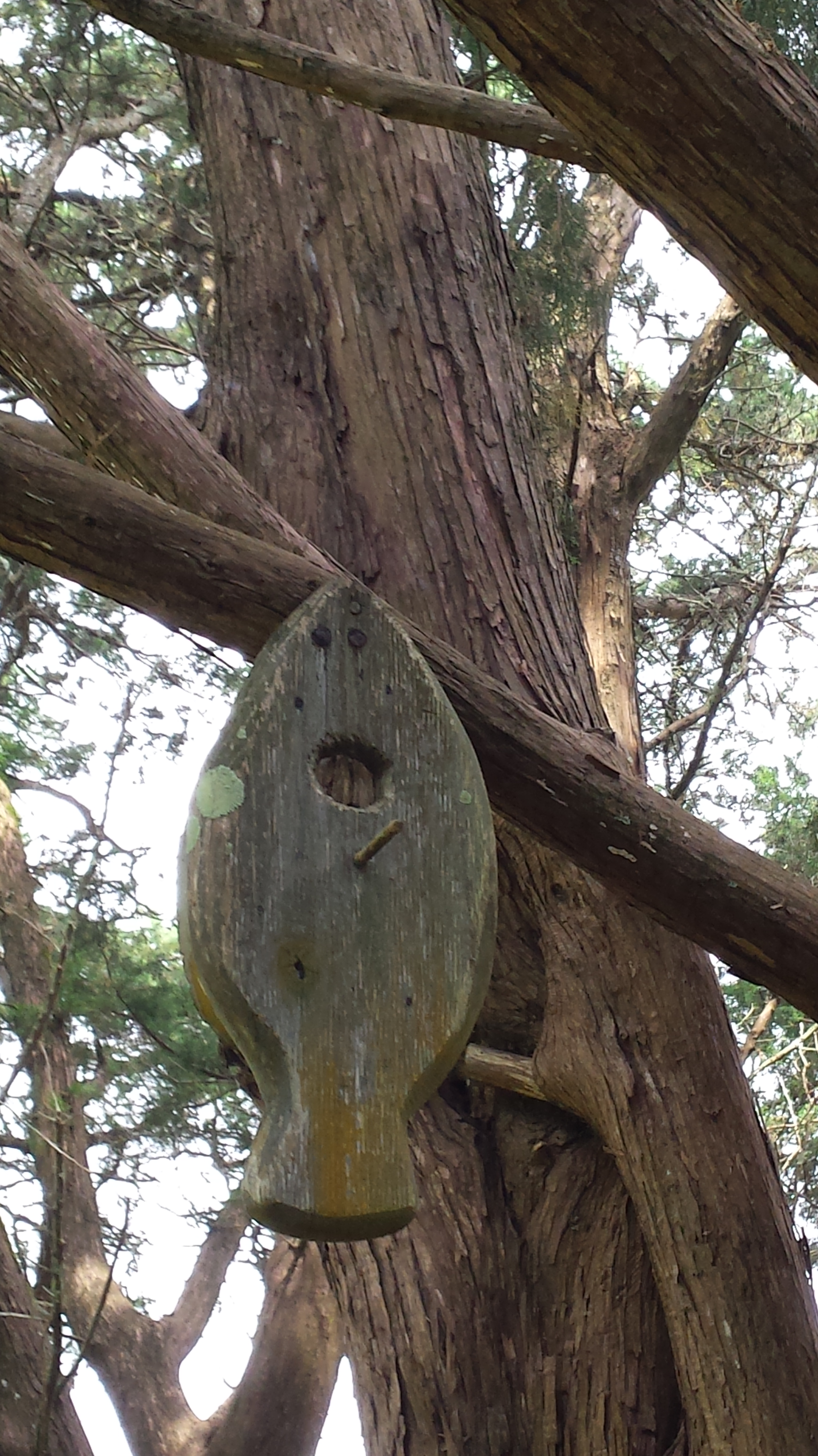
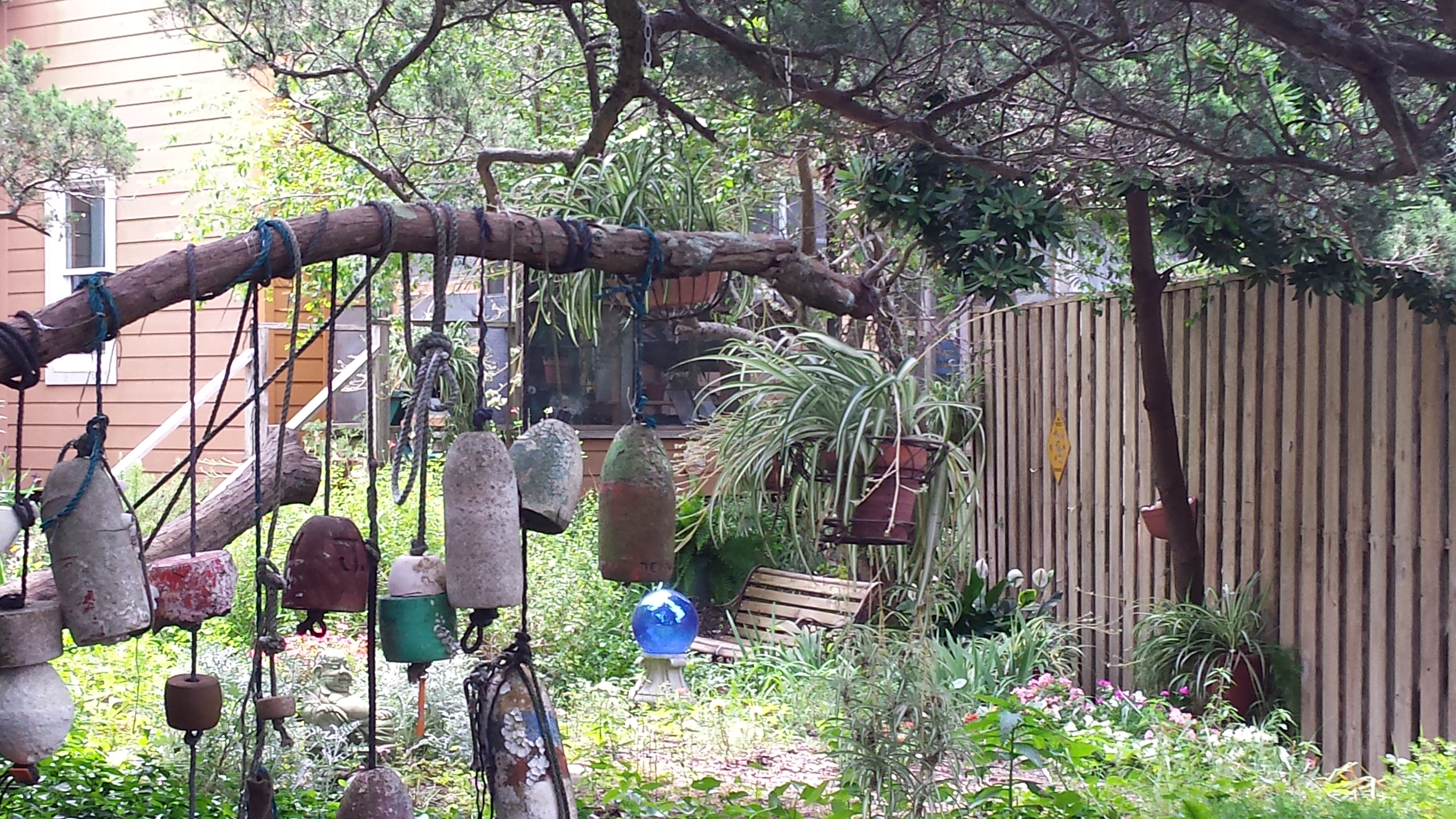
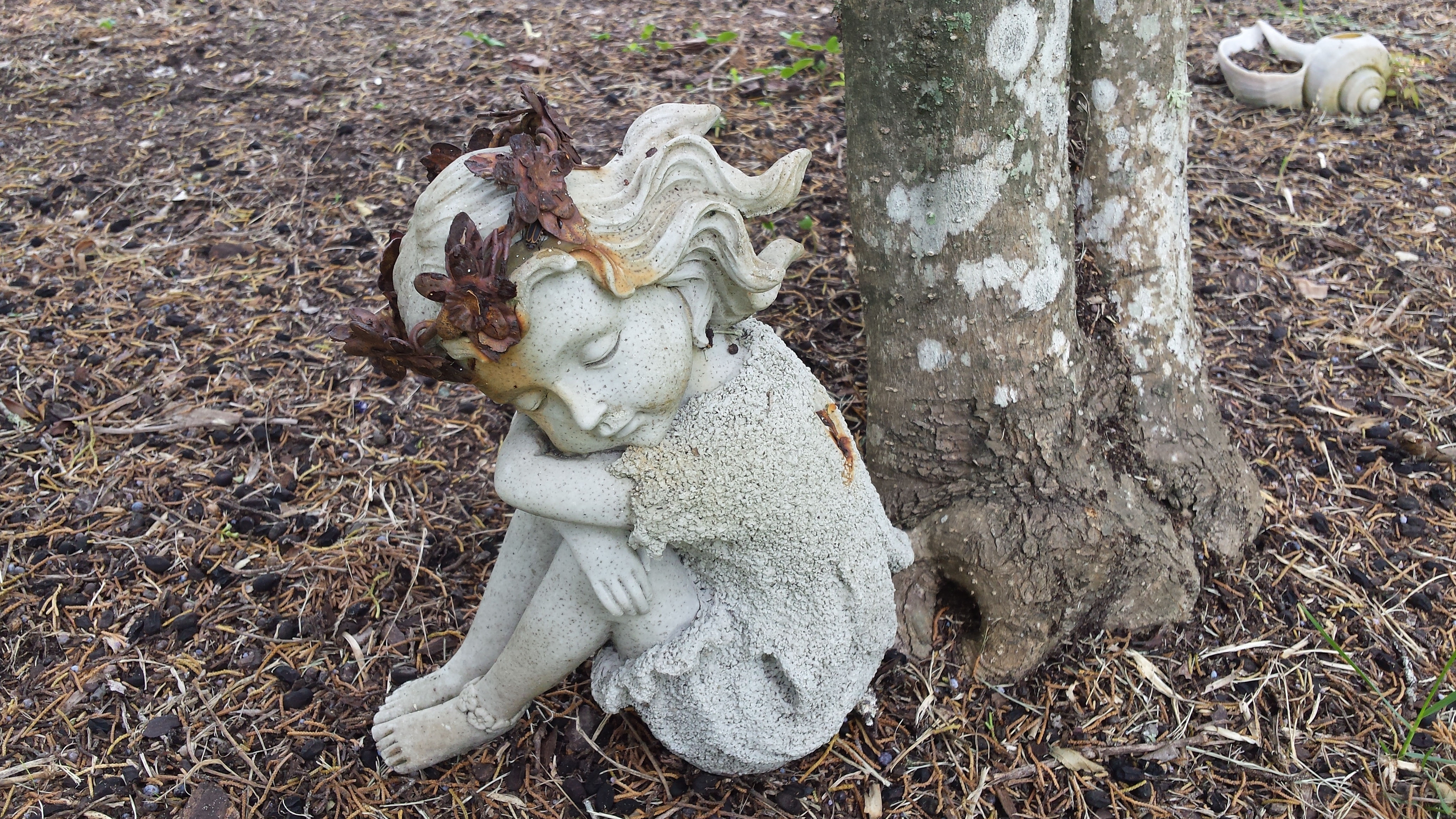
Love without words.
FLOWER is quiet.
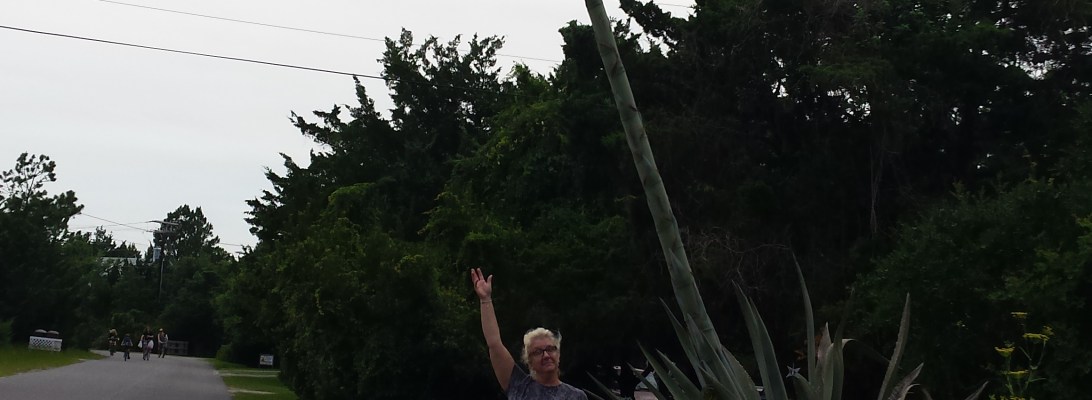
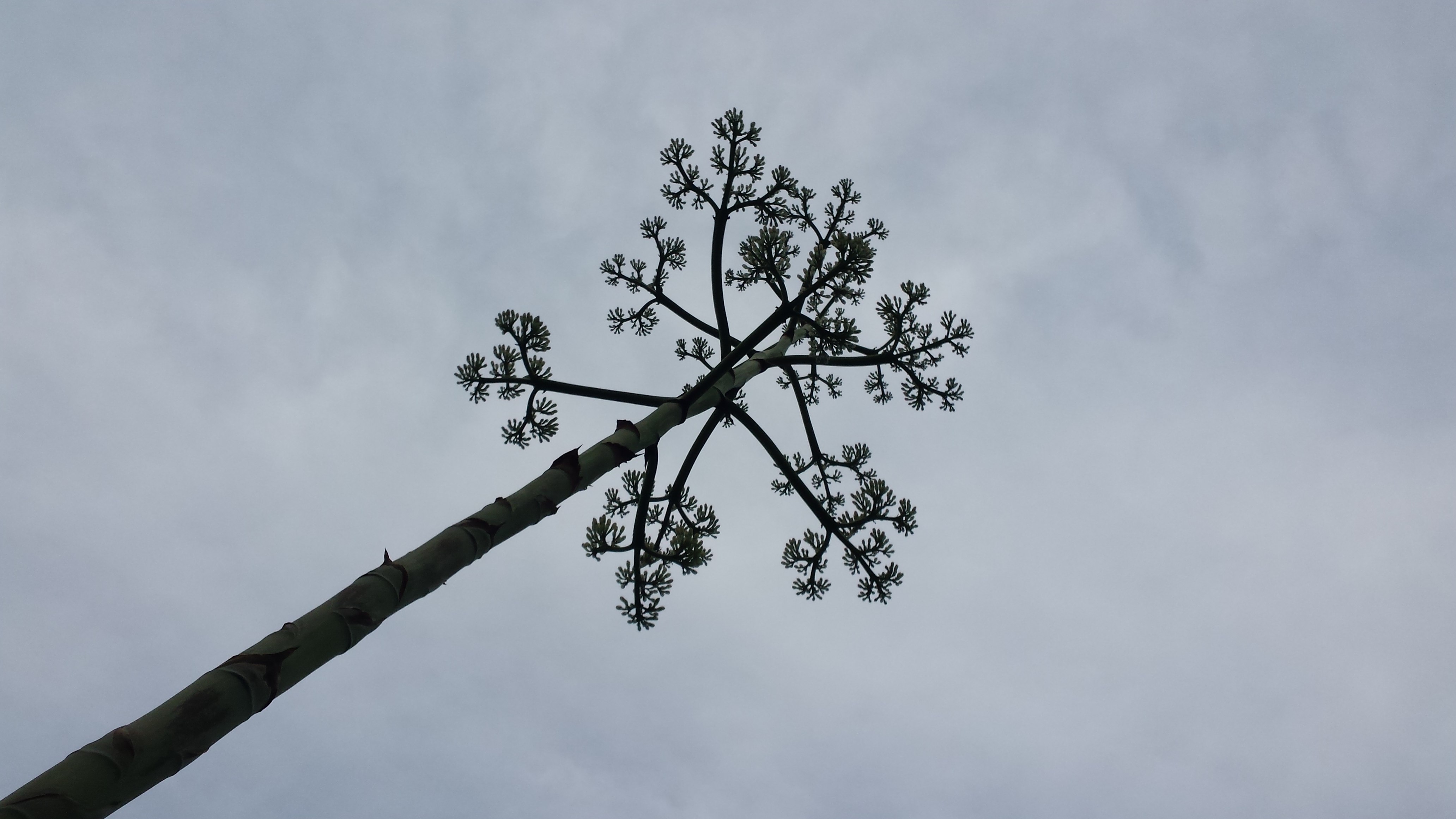
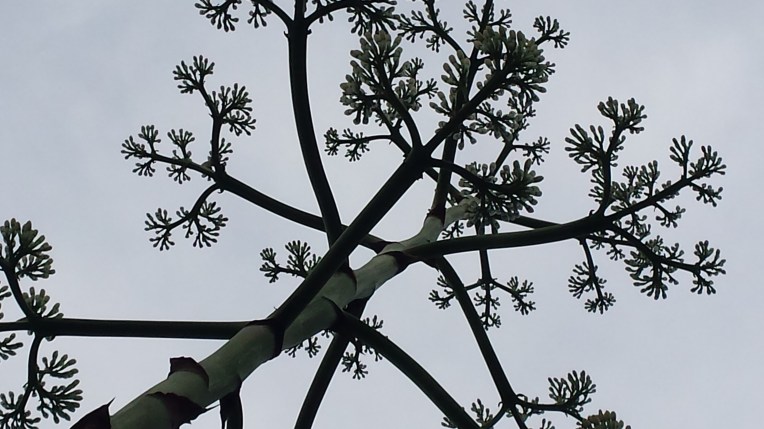
This Agave americana / Century plant will bloom only once in its life.
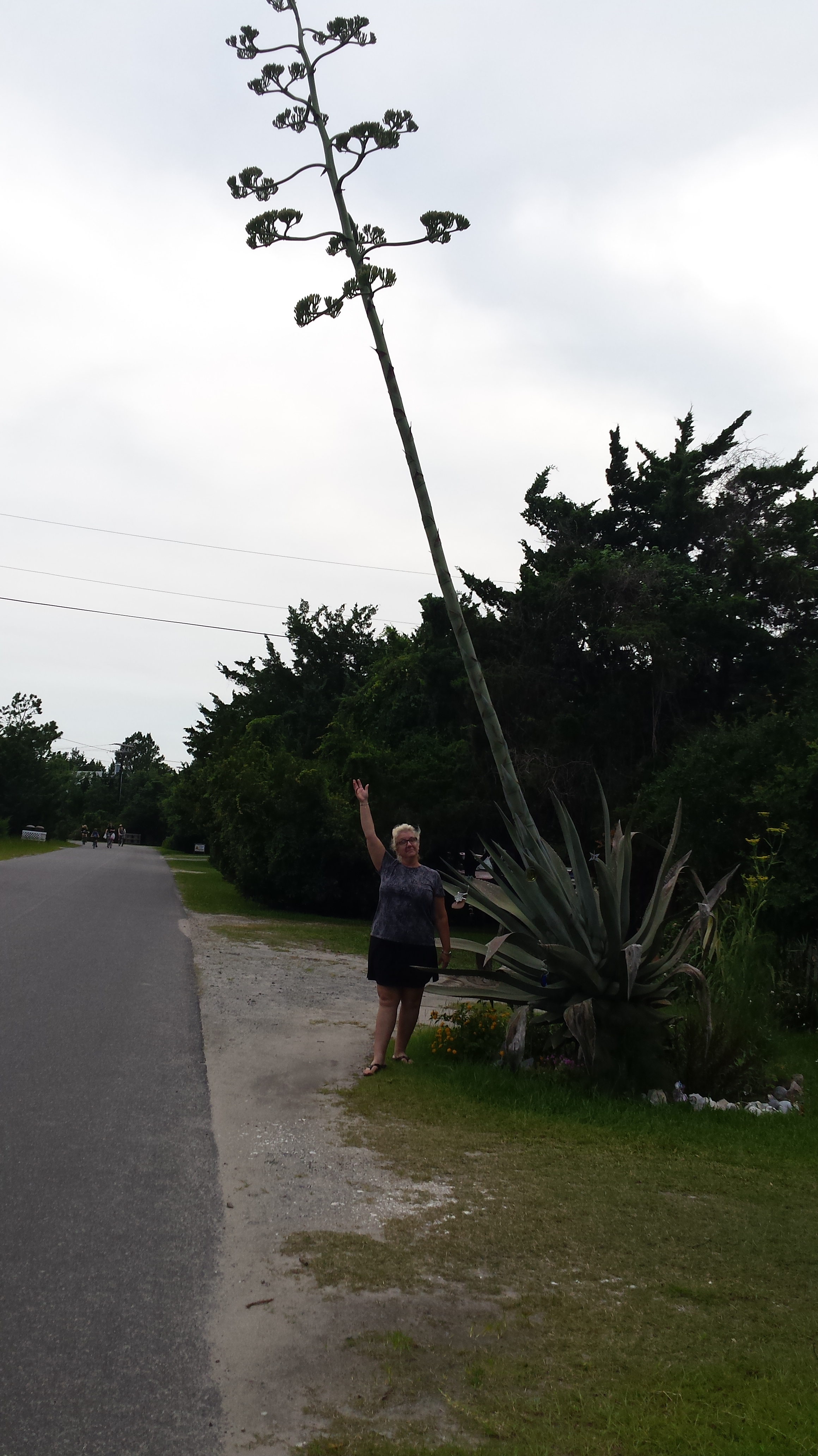
That is Flower standing under its giant bloom stalk.
What a thrilling thing to see up-close.
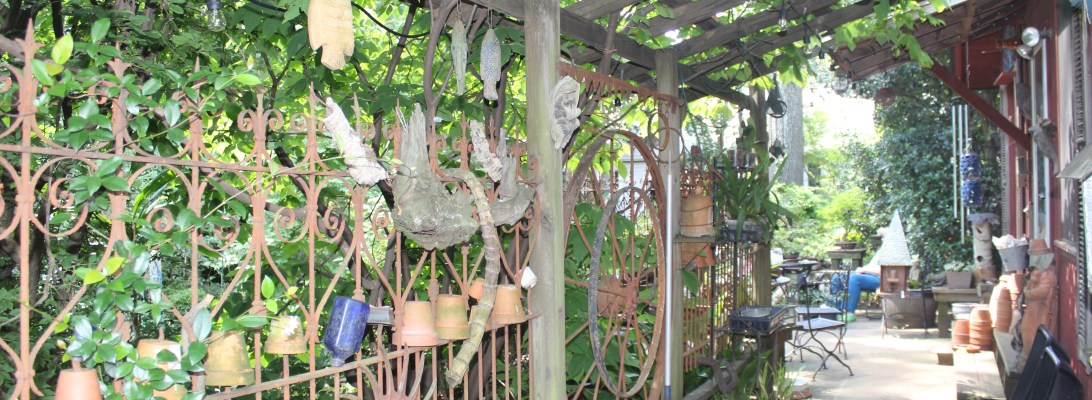
How do you take the seed of a talent and grow it into genius?
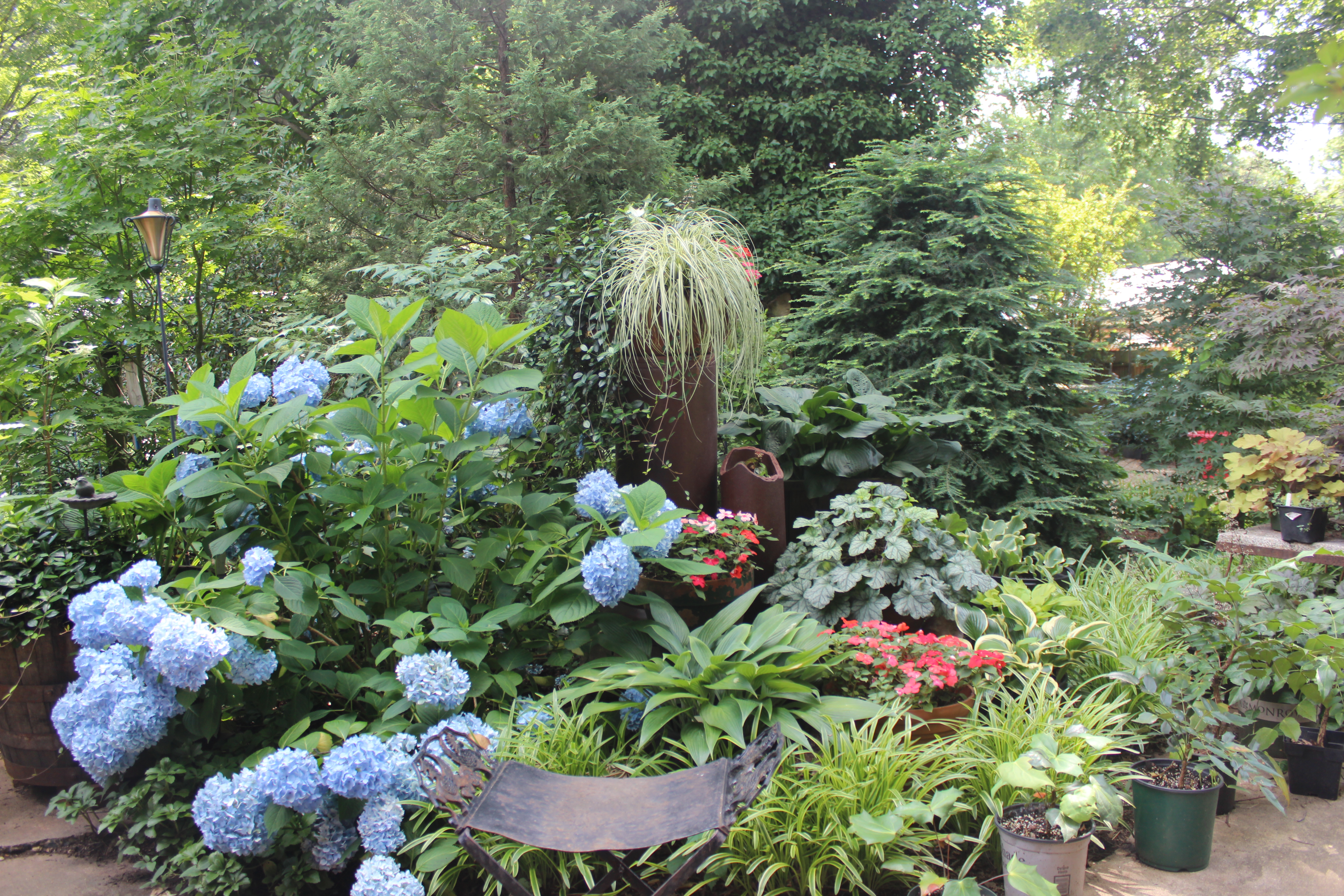
When does a skill become a craft and then a gift?
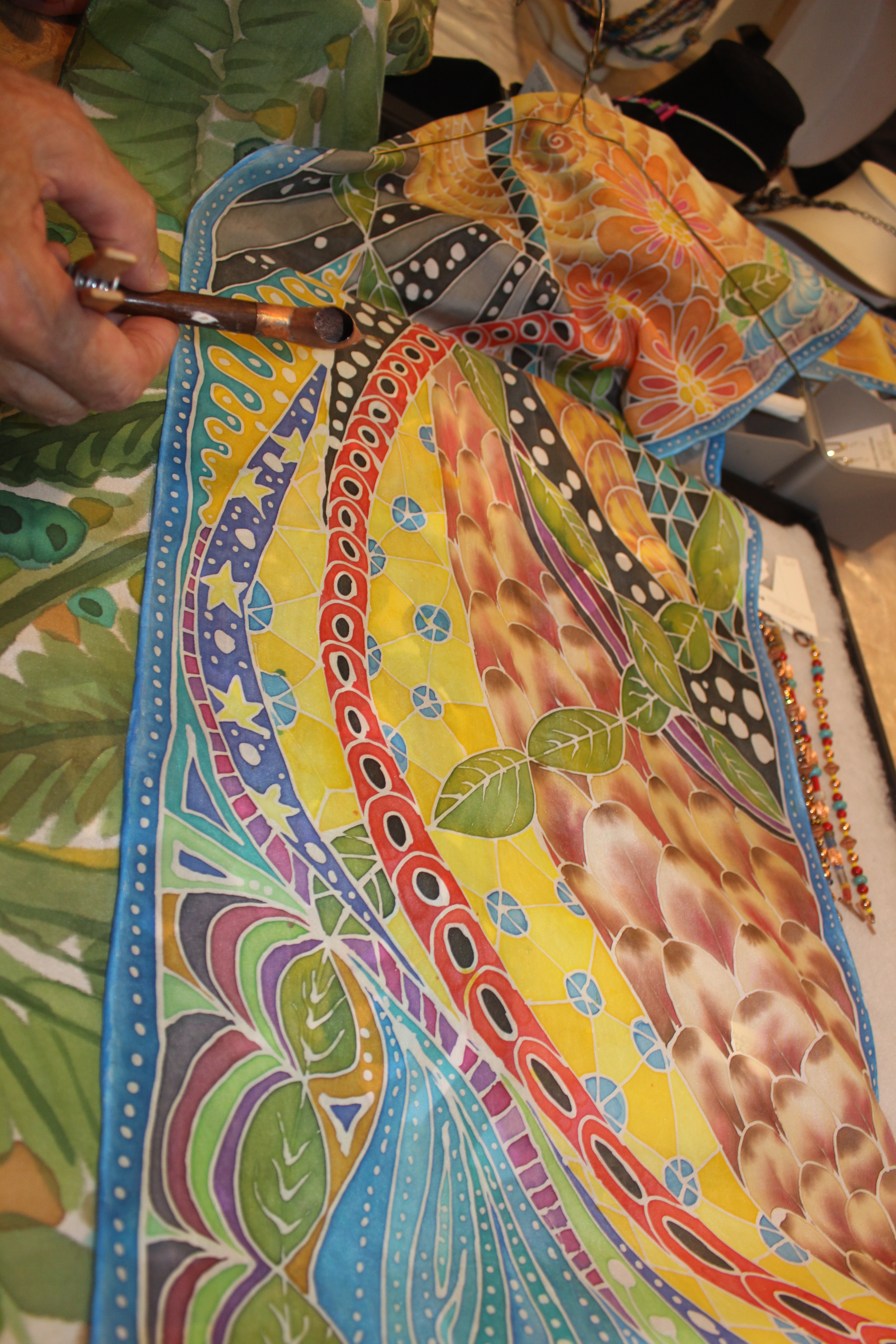
What do these seeds within us need in order to grow and flourish?
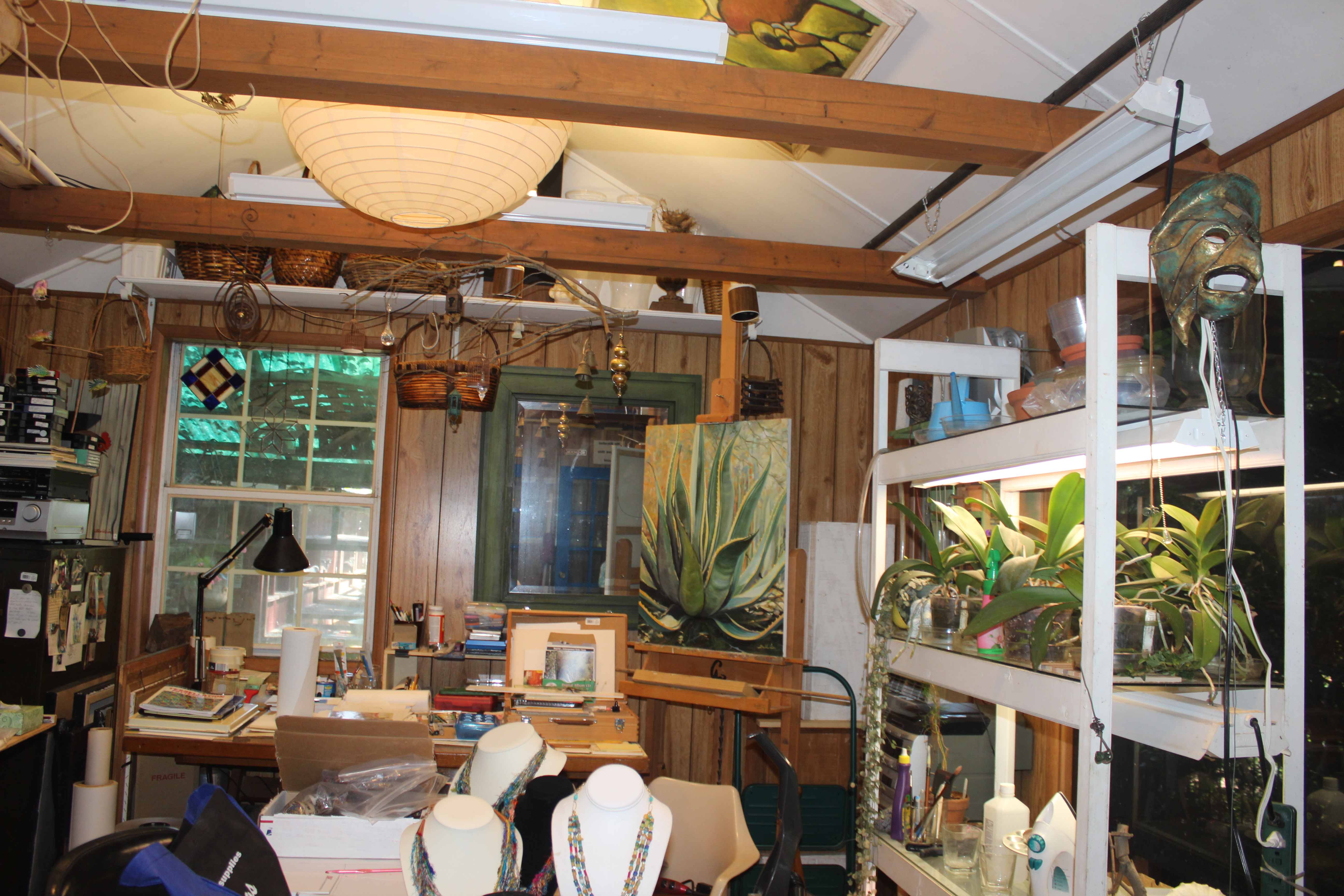
I know they need time and attention.
Talents need to be tended and nurtured.
I visited a genius yesterday.
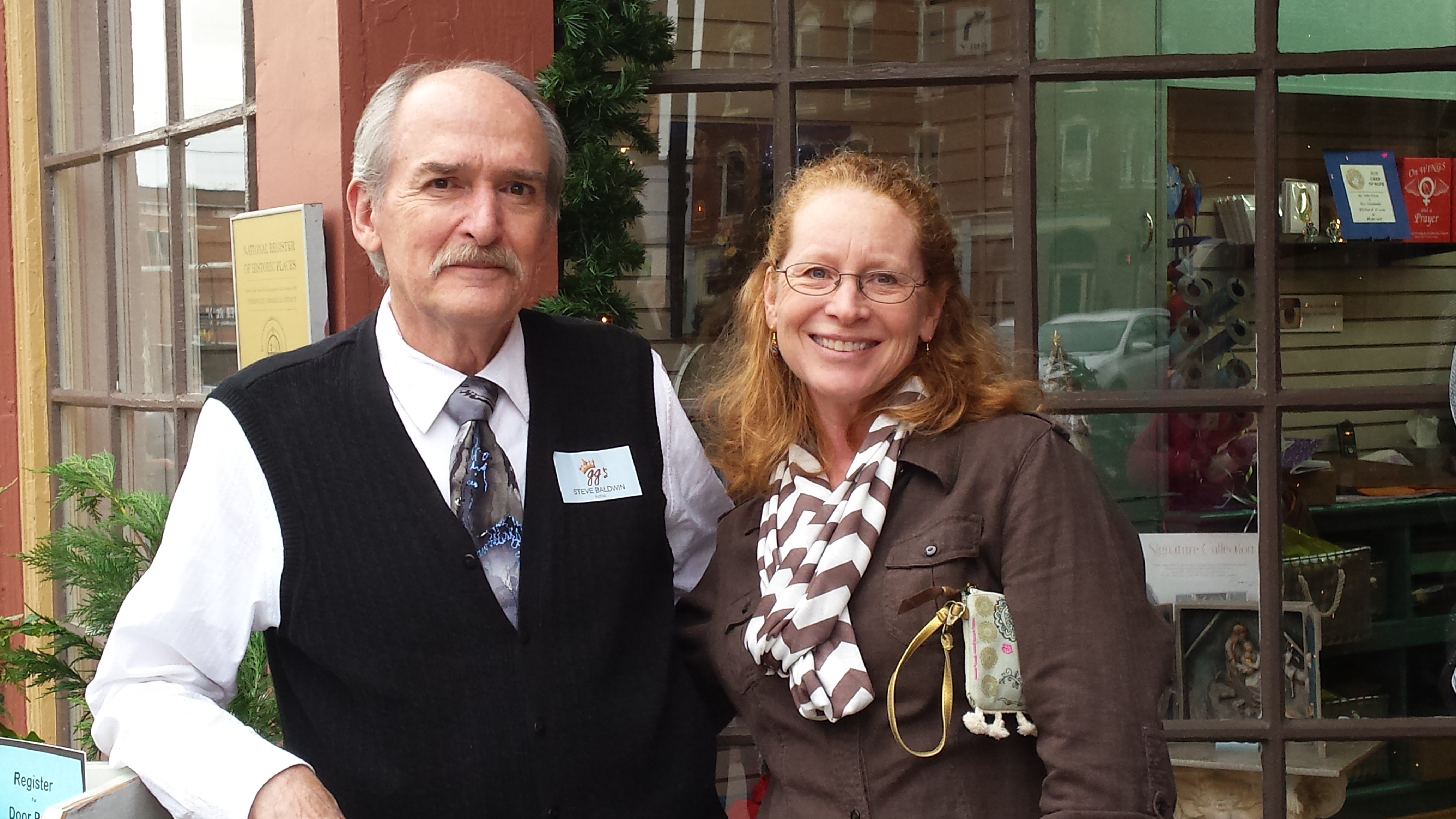
I heard him talk. I saw his work. I felt his love for his family, art, plants, pets and pigeons.
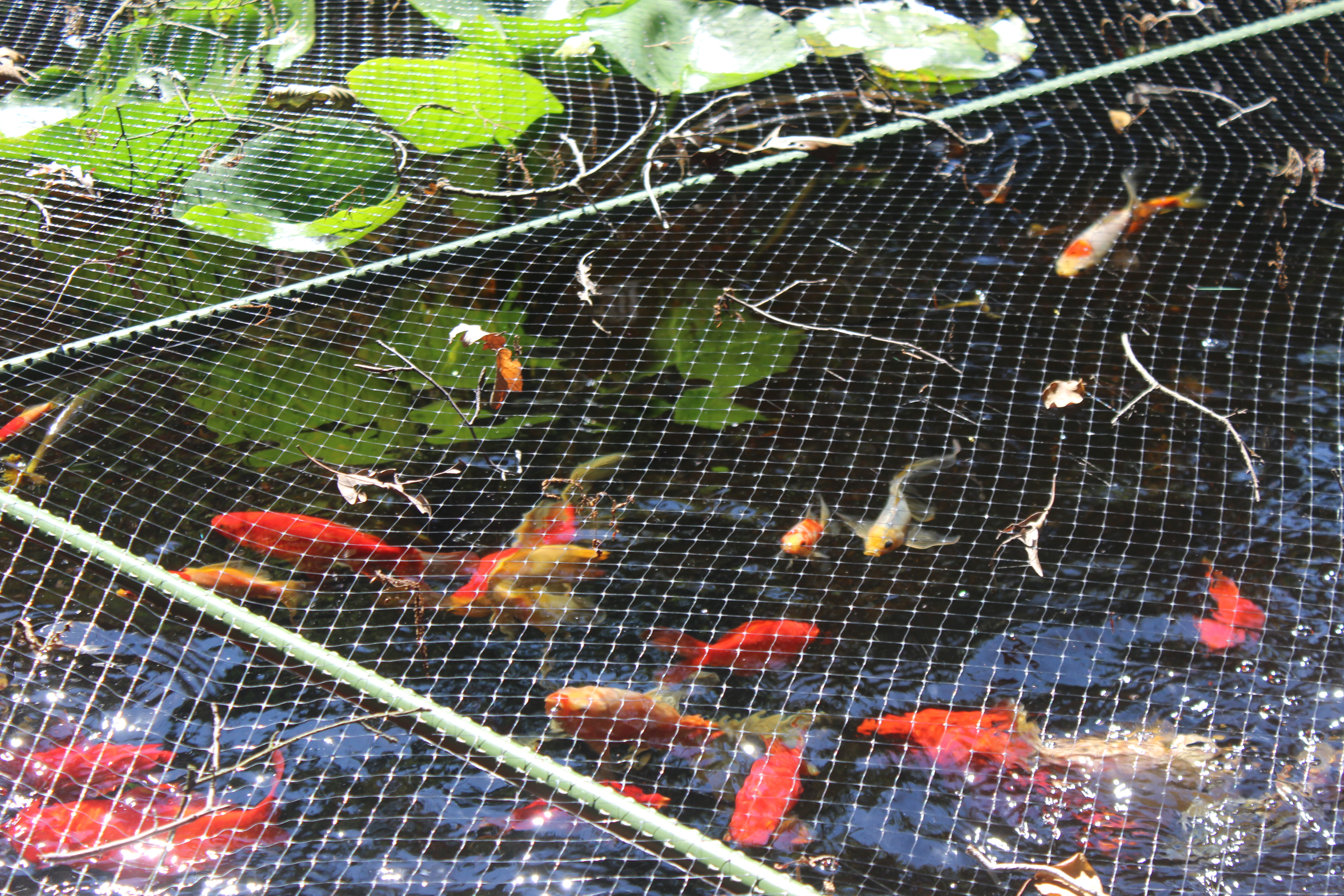
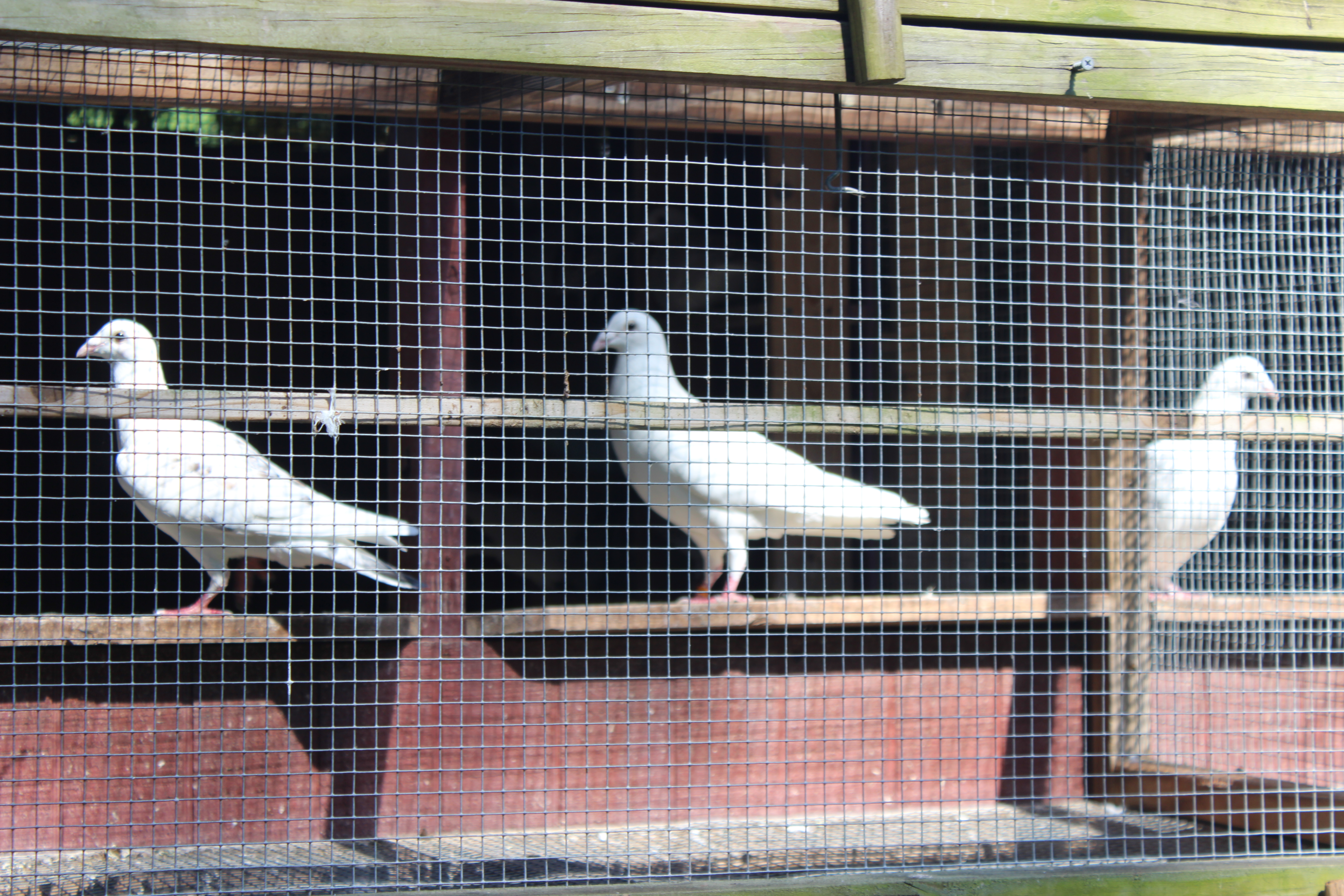
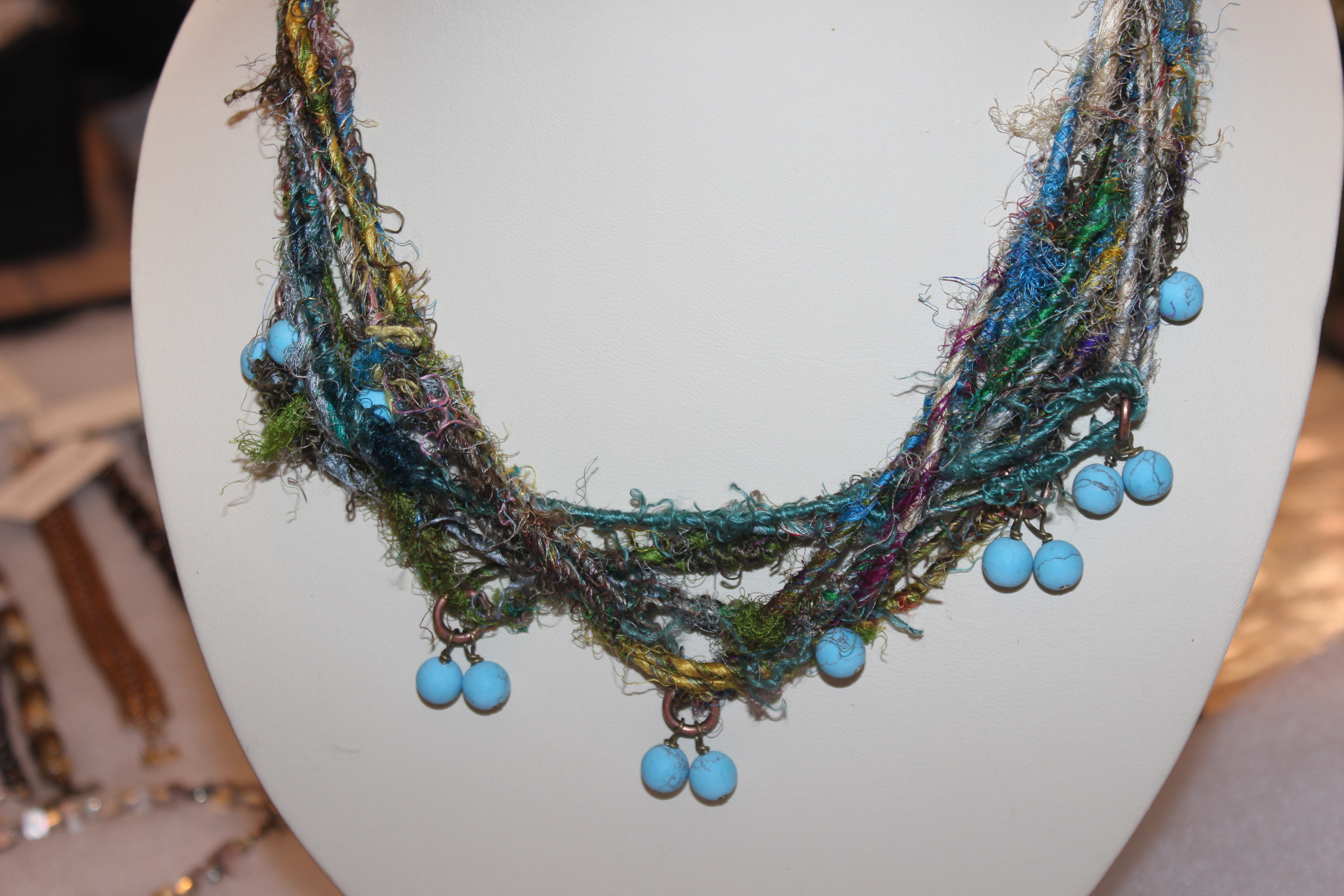
I was overwhelmed by the beauty of his creations. So many. So diverse.
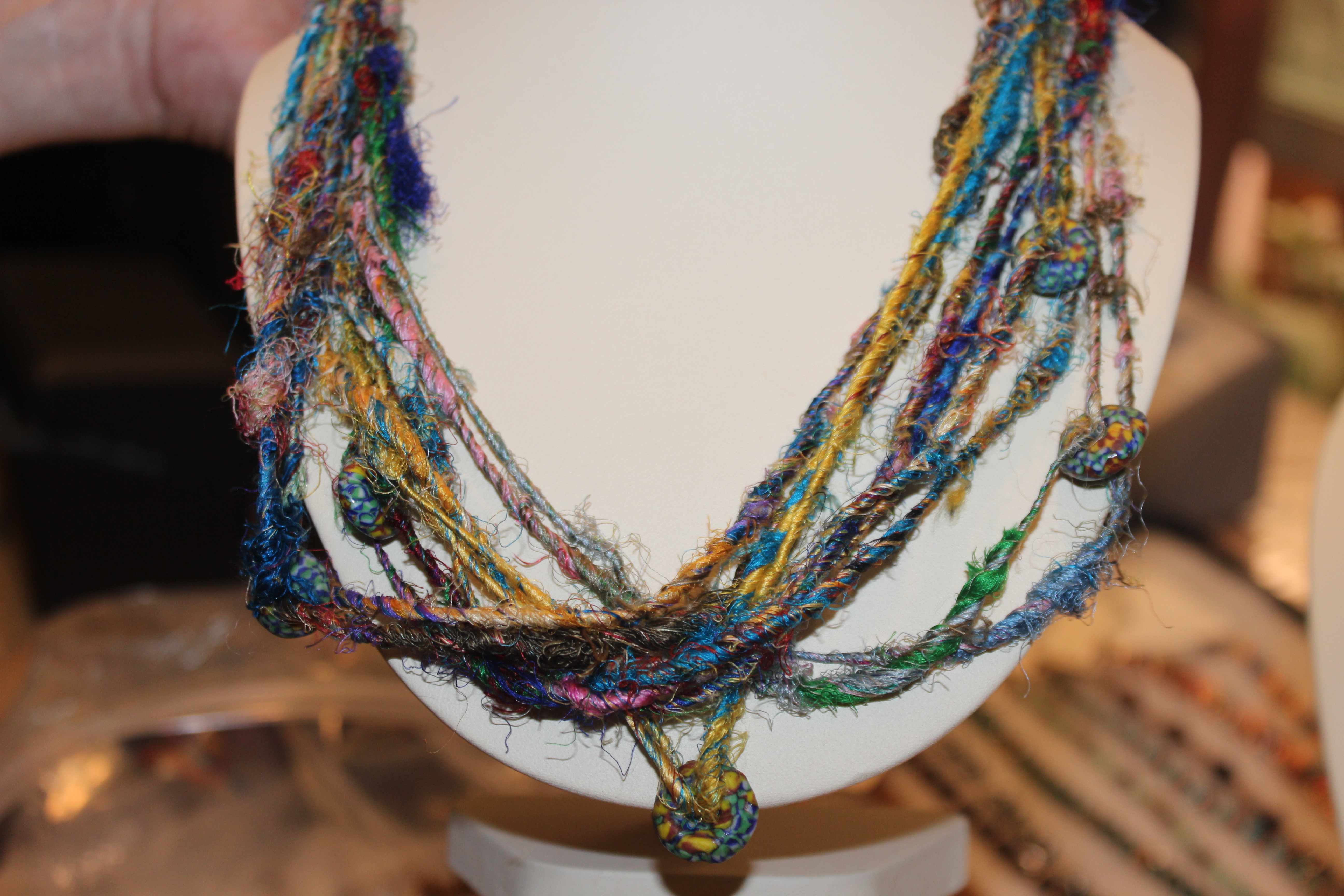
Jewelry of silk and stone,
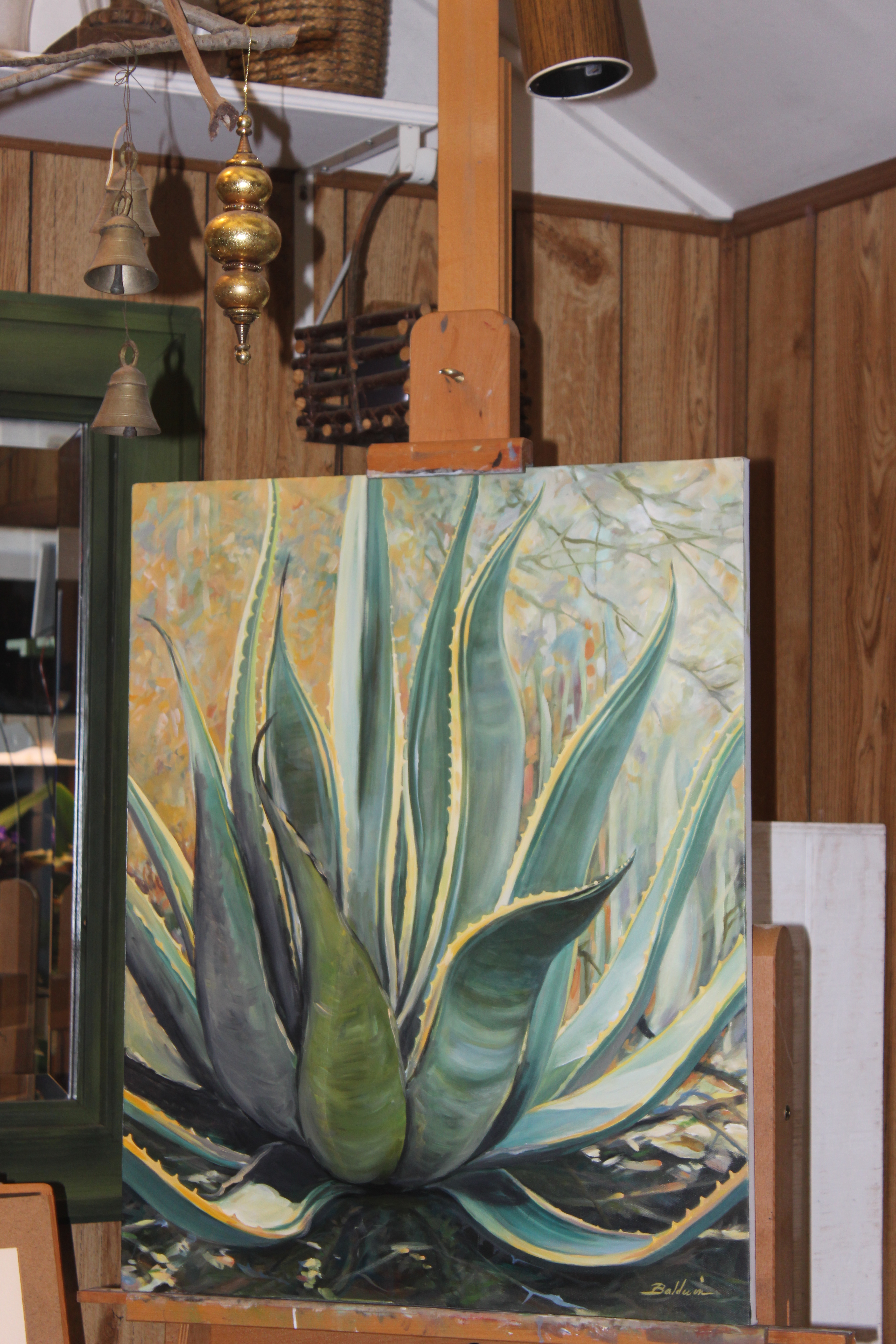
Paintings of nature,
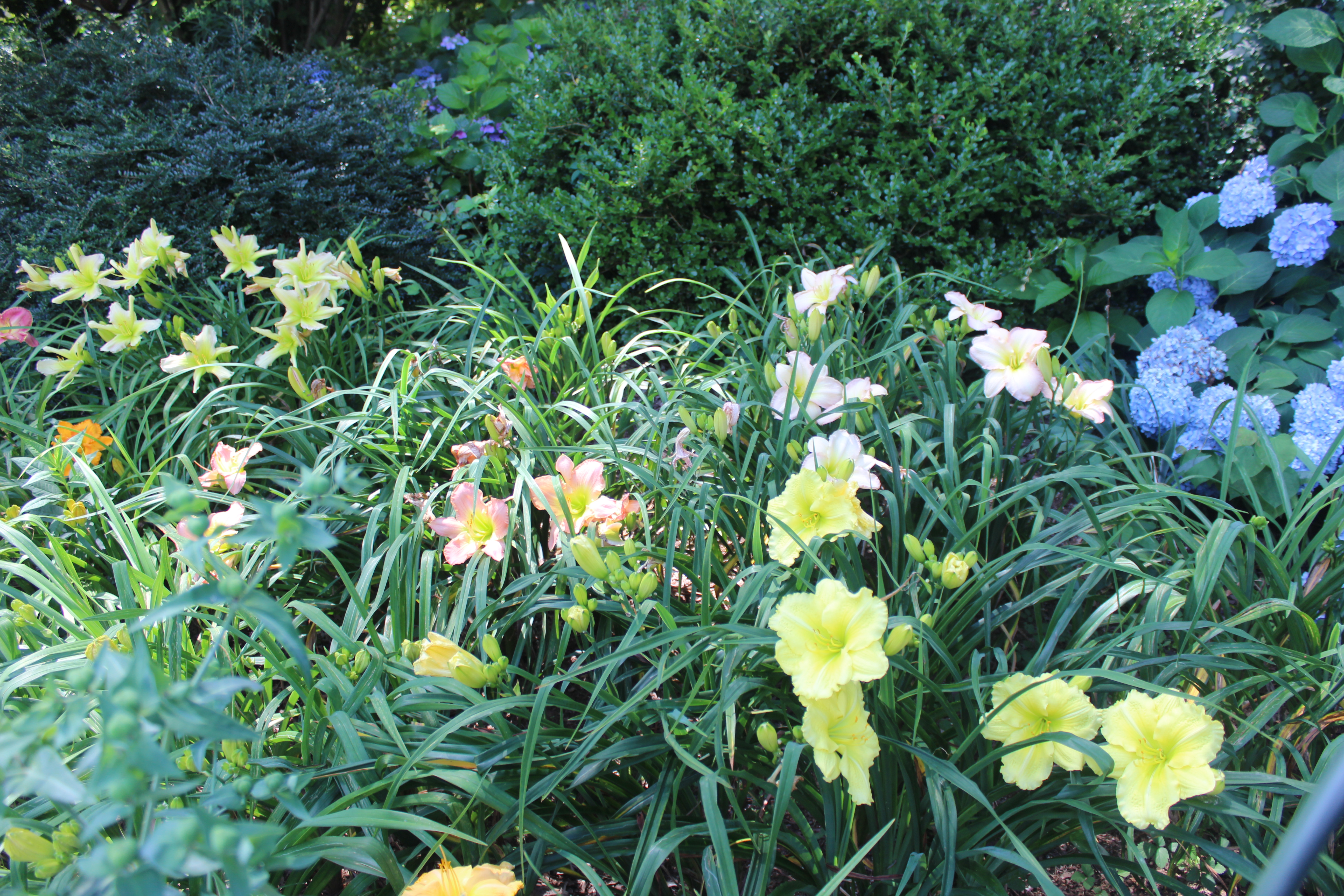
Gardens with plants known by name and needs,
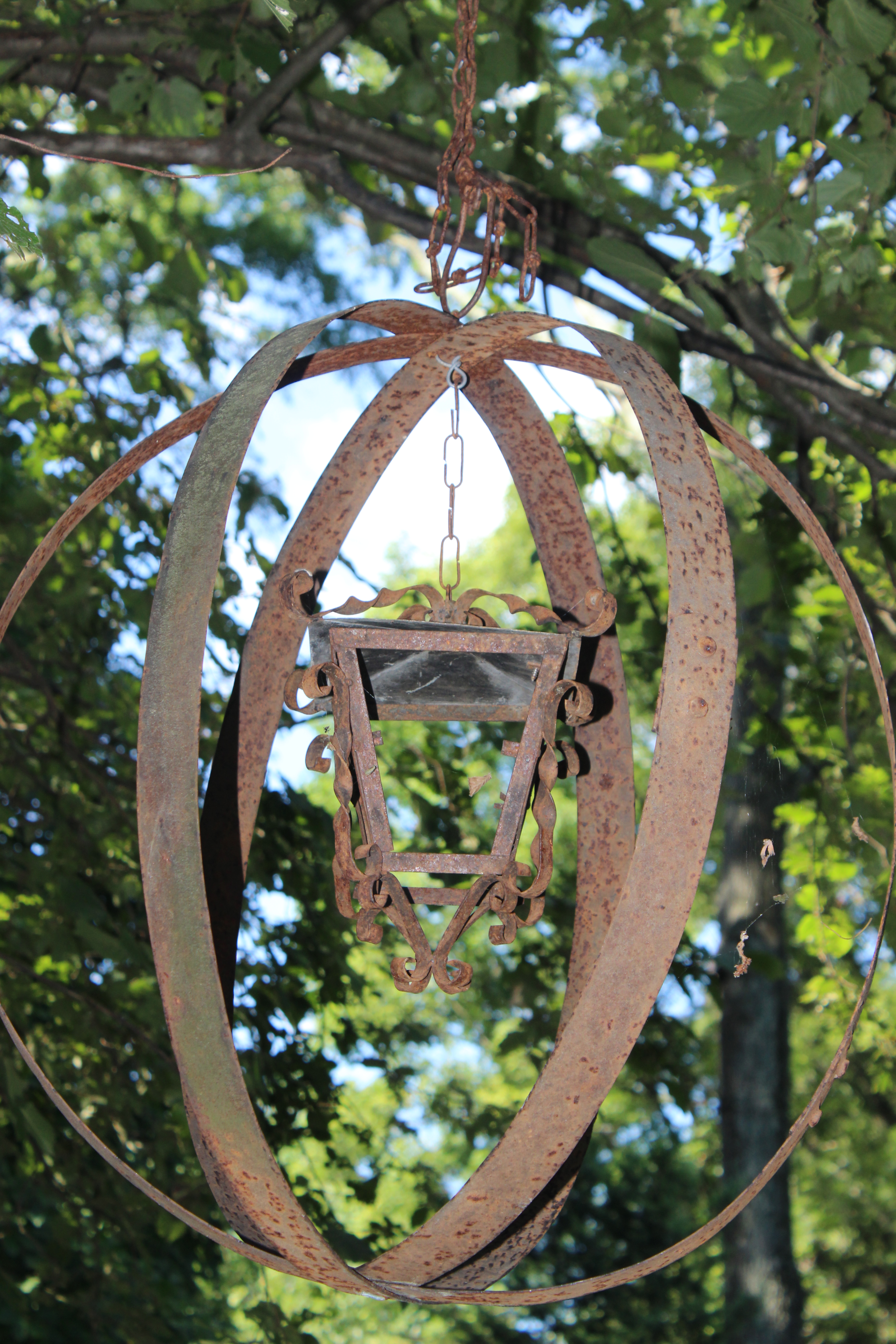
Sculptures of wood or iron,
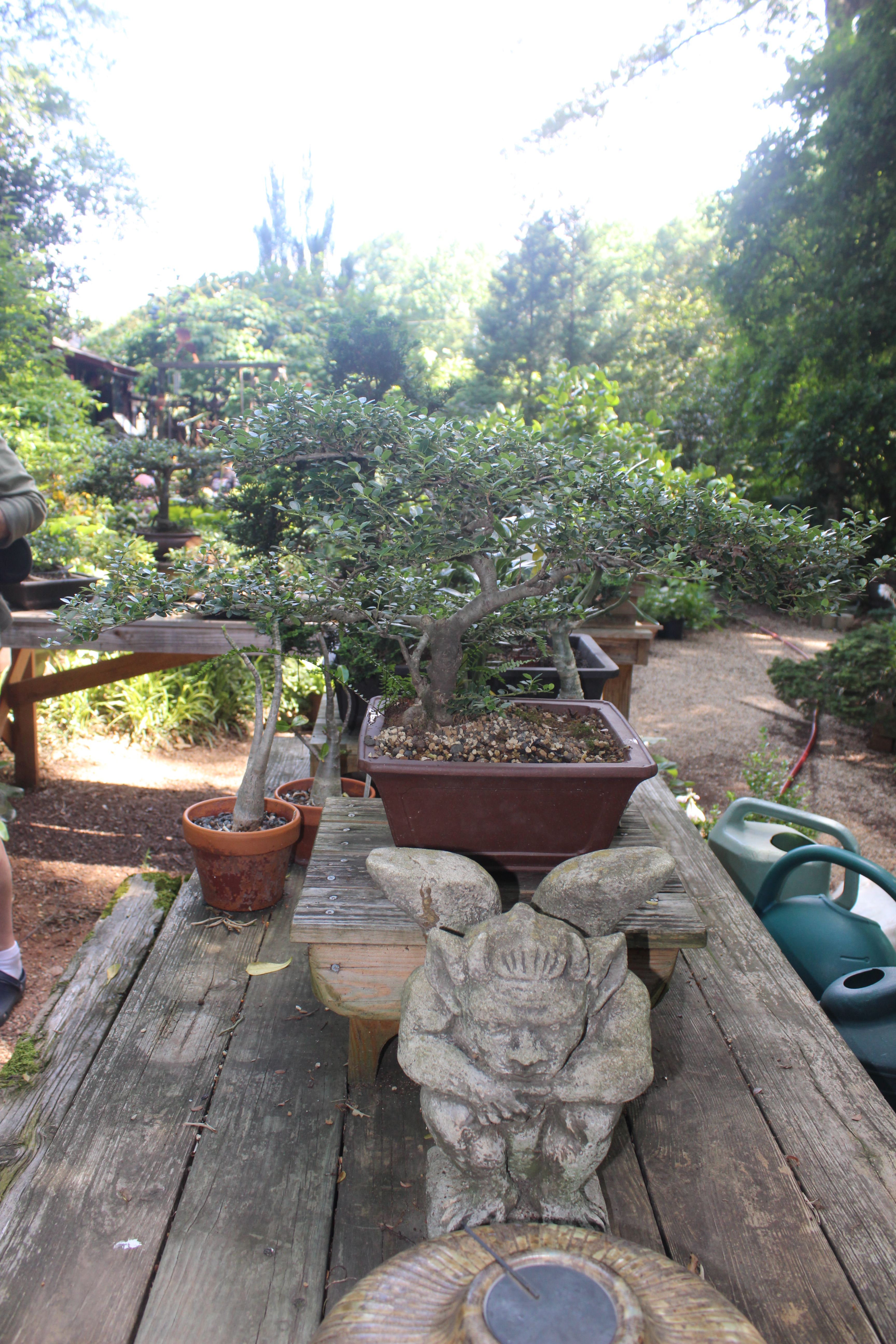
Bonsai like miniature worlds,
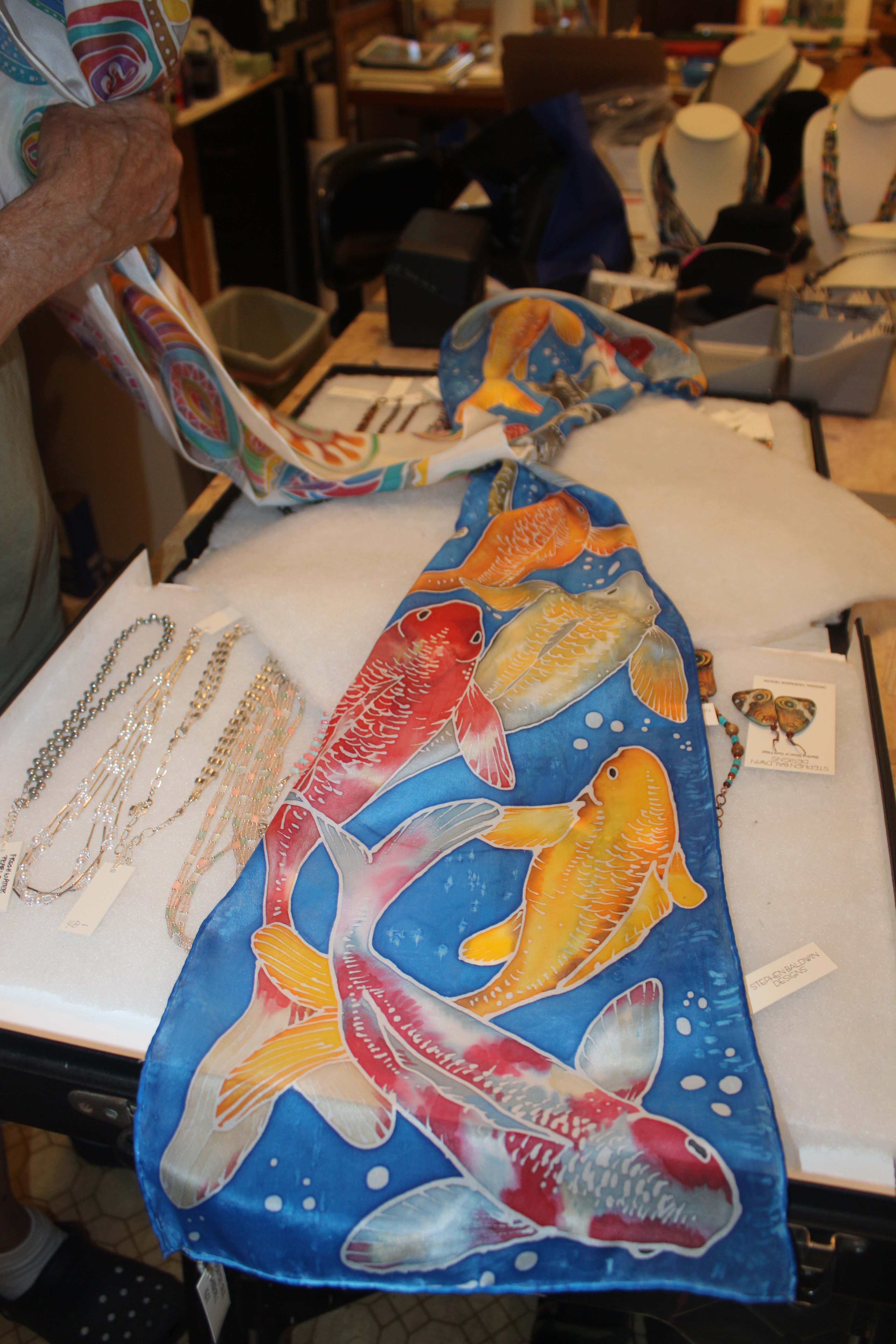
Silk scarves that speak to the soul.
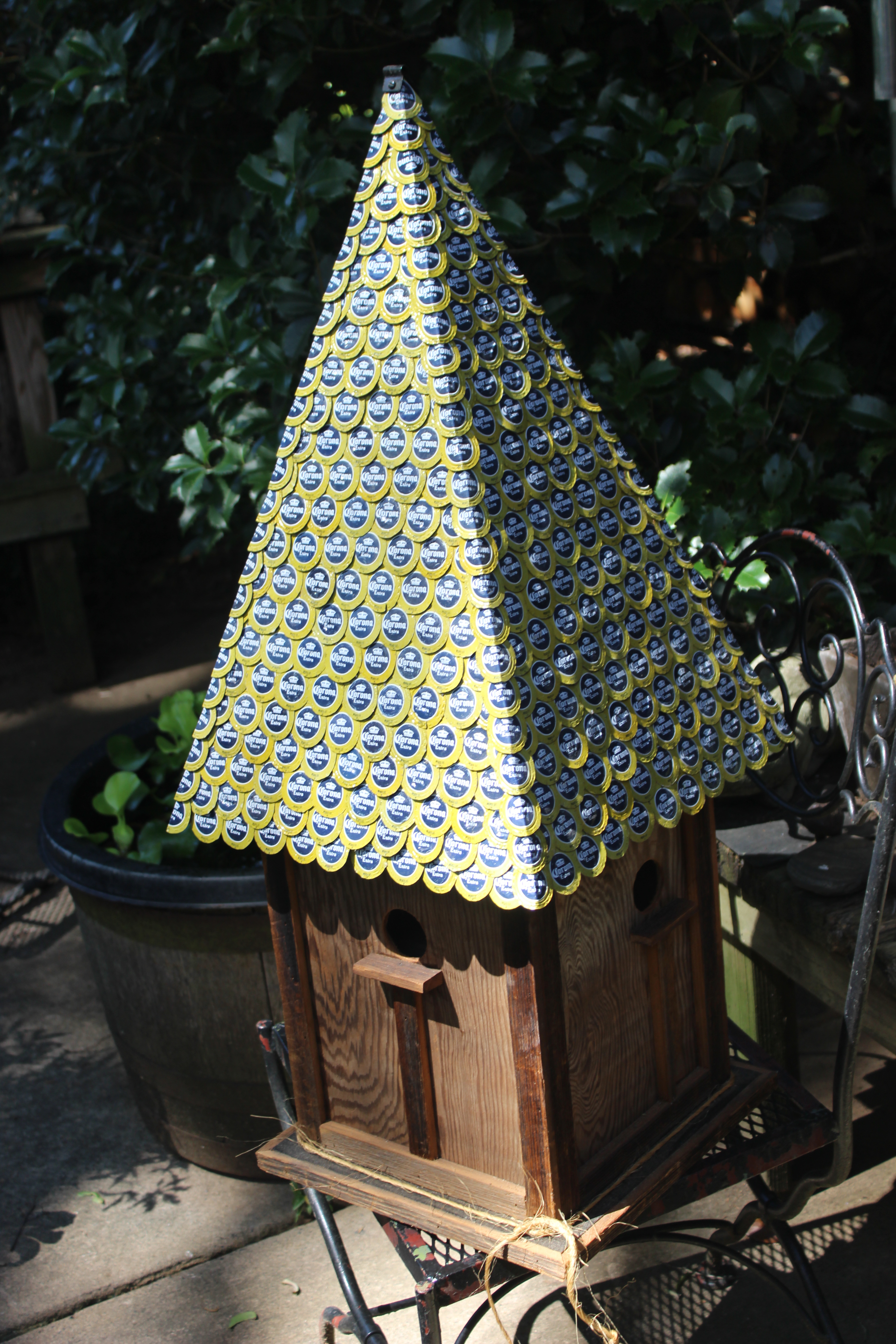
Birdabodes for the spoiledest of songbirds.
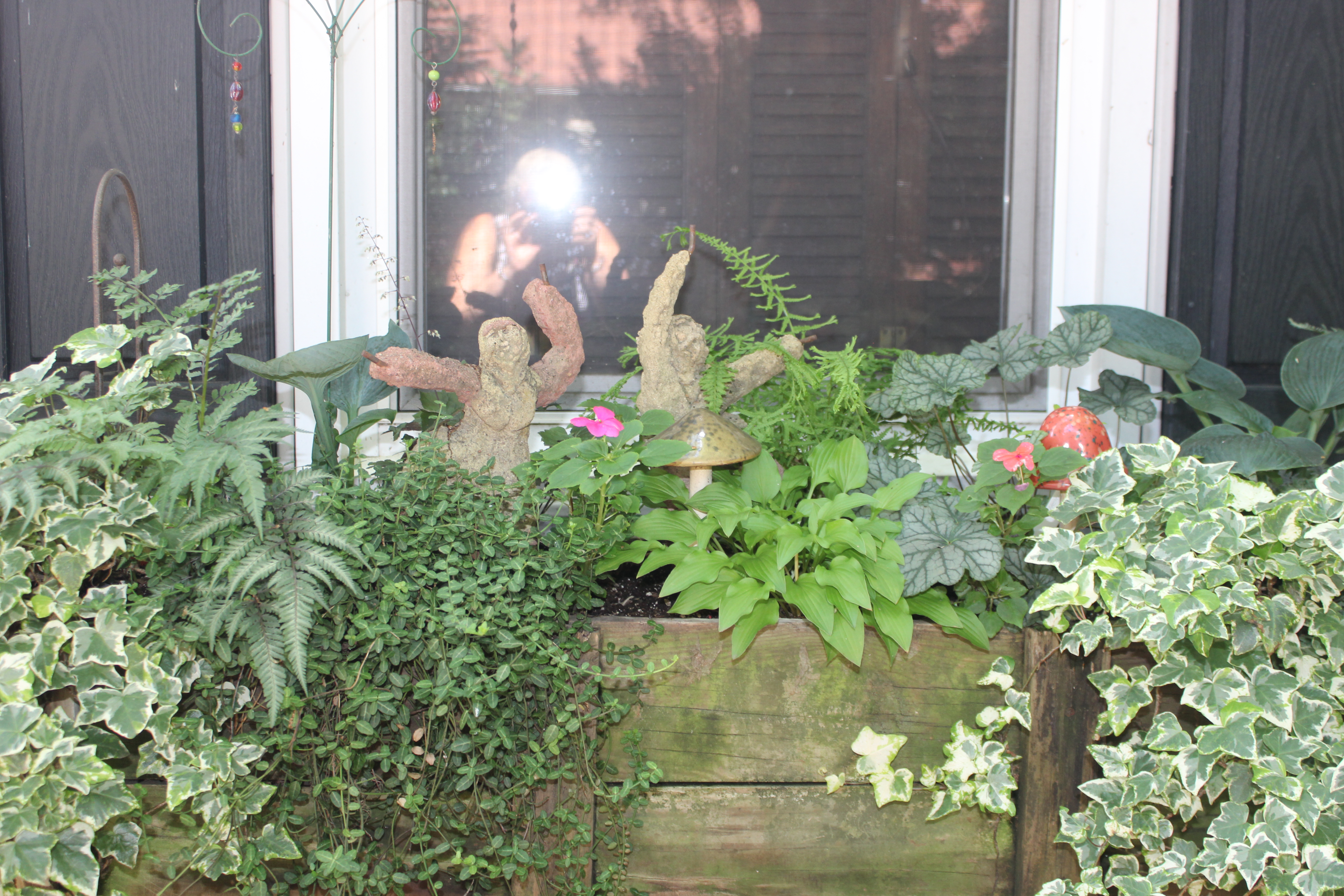
So many seeds grown to fruition.
Do we ALL have seeds? What are mine?
Have I given my seeds my time, talent and undivided attention?
How does one grow a genius?
I’ve seen one. I know one. I want to make one. I want to be one.
It takes inspiration, determination and a team of support.
What’s your seed? How can you grow it? Who is going to help you?
Thank you Stephen and family for sharing your treasured time with me.
You have and will continue to inspire me.
Love grows us all.
FLOWER.
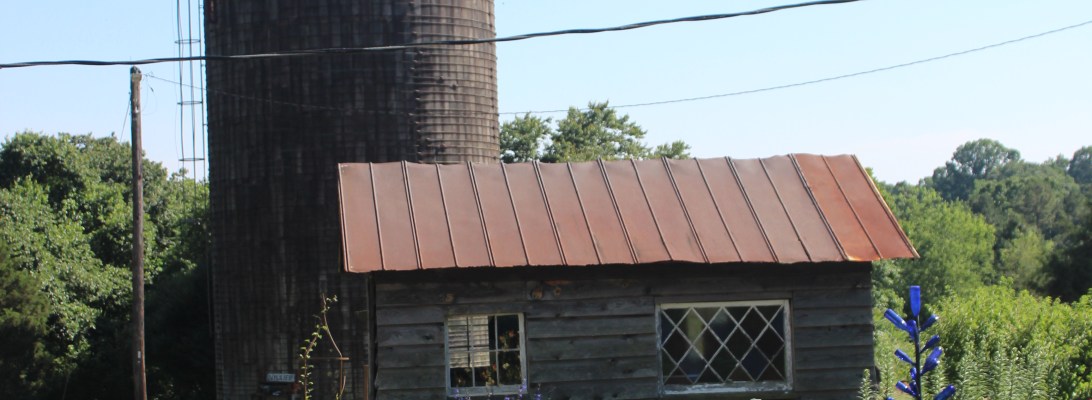
If you want the whole story, listen to the trees.
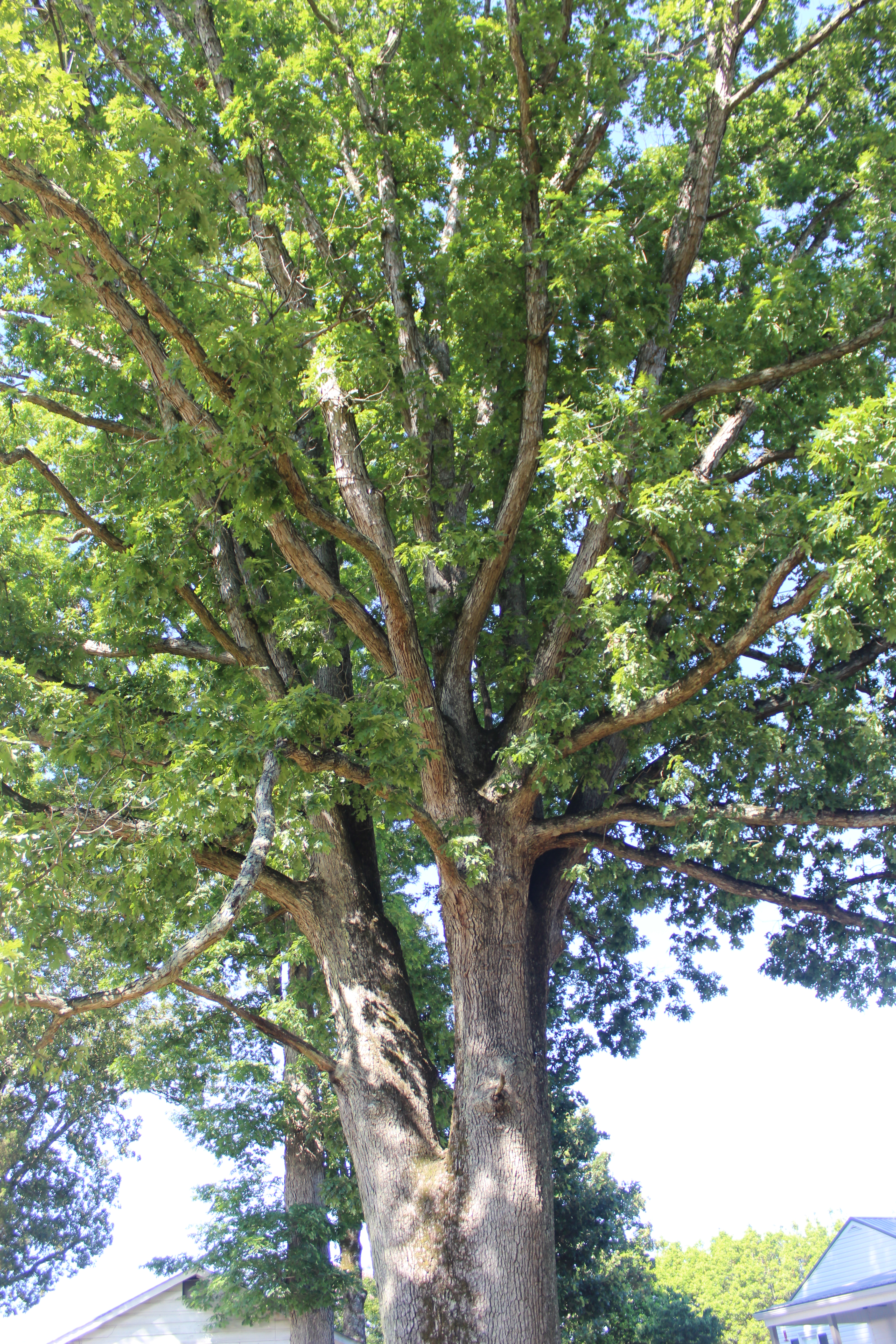
The flowers will greet you at the driveway.
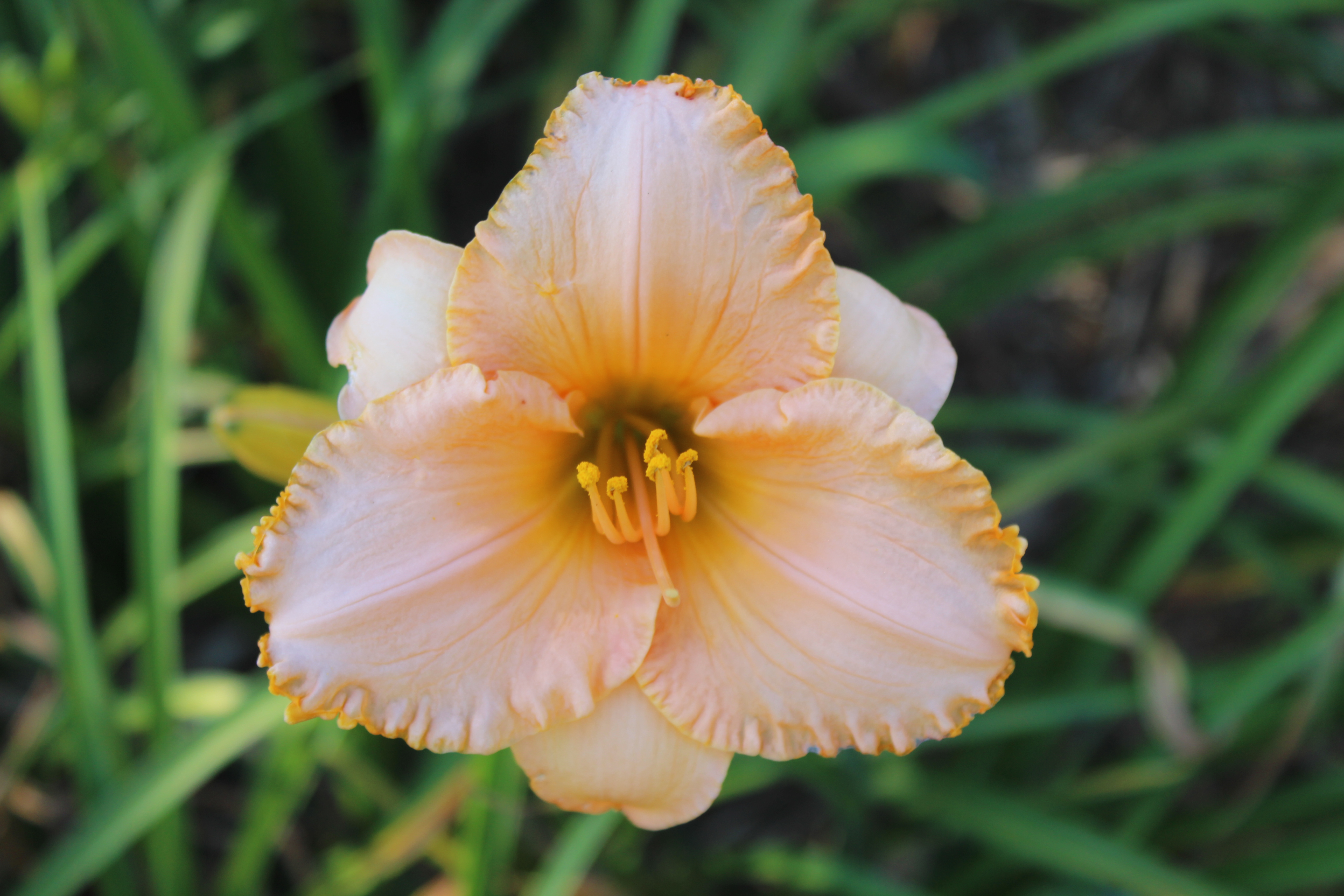
The shrubs will show you to the door, but the trees see it all.
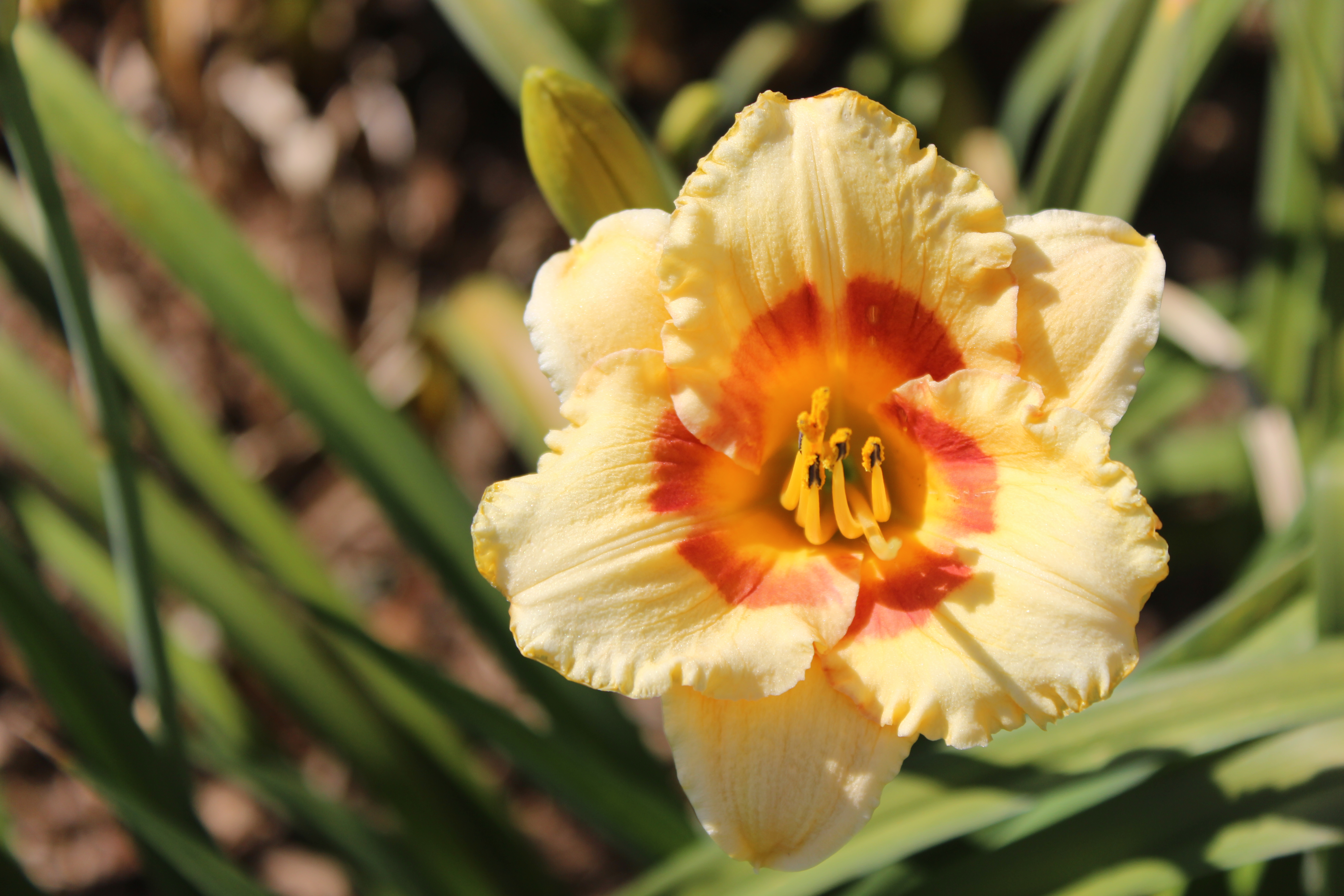
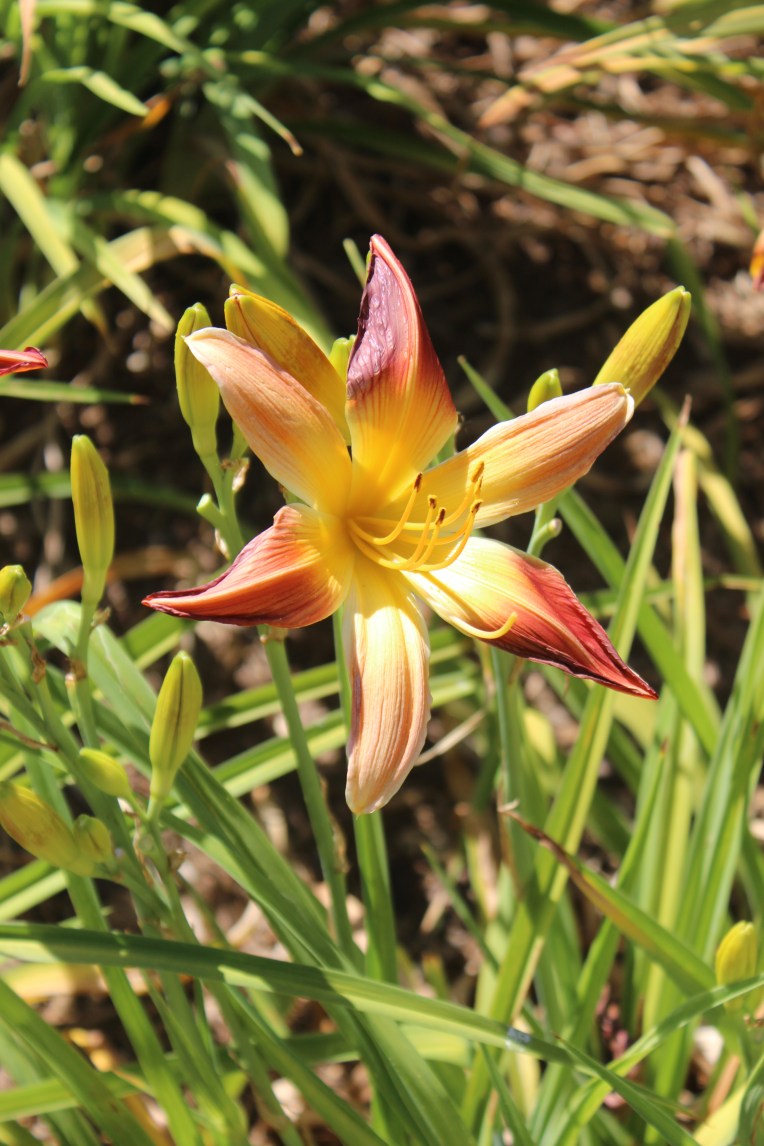
I went to my friends’ farm to photograph the daylilies.
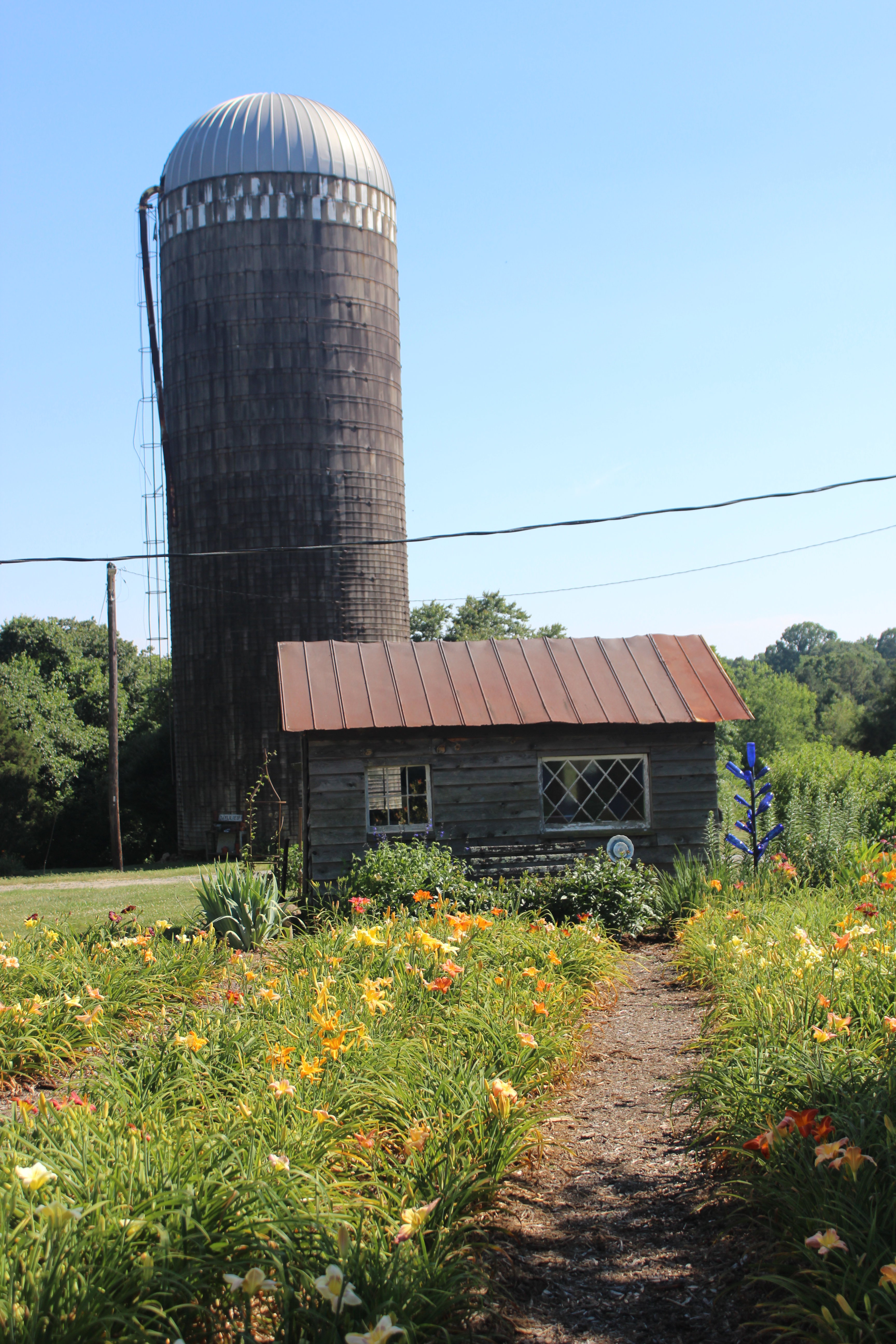
It is June. They are beautiful.
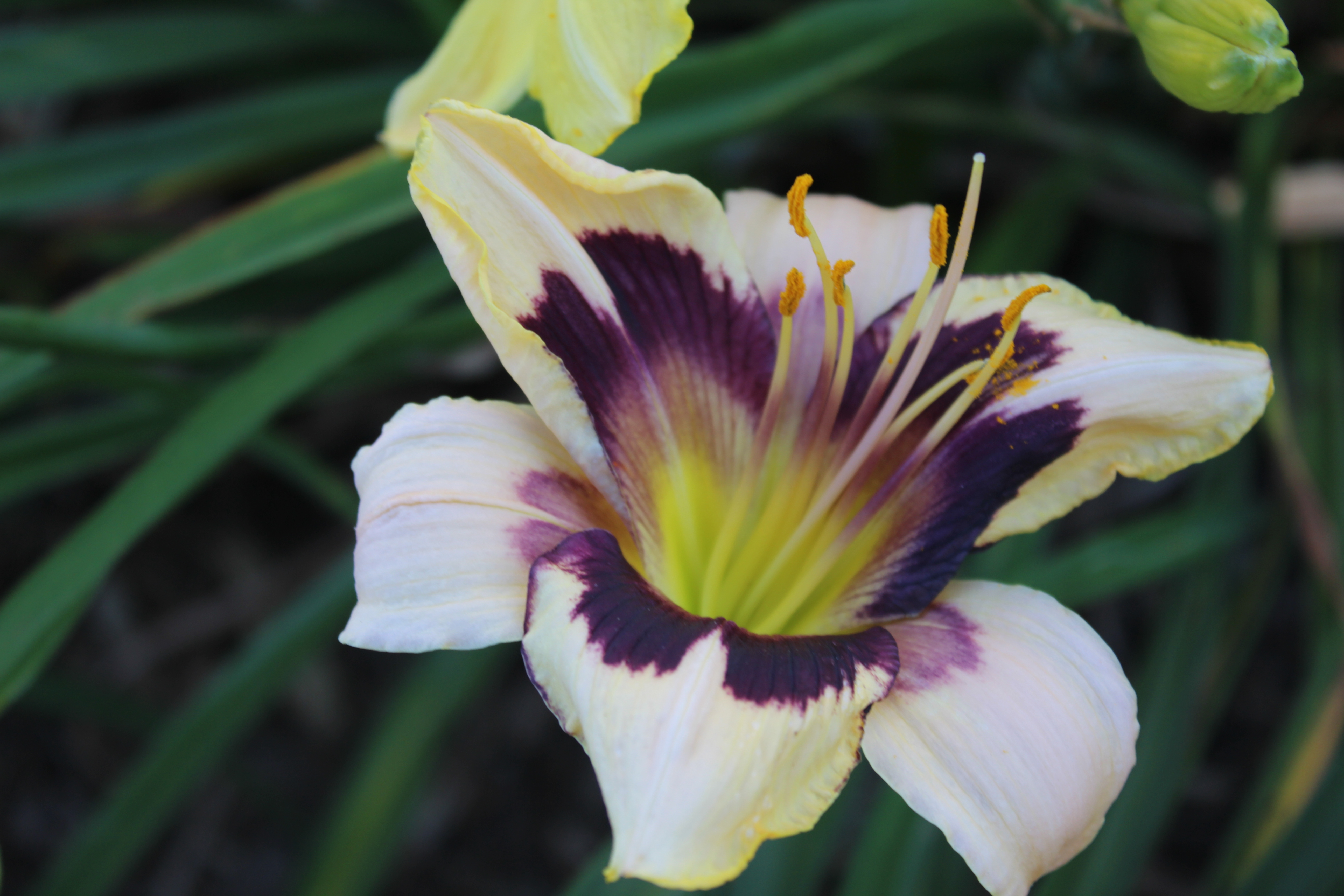
I felt the trees watching me.
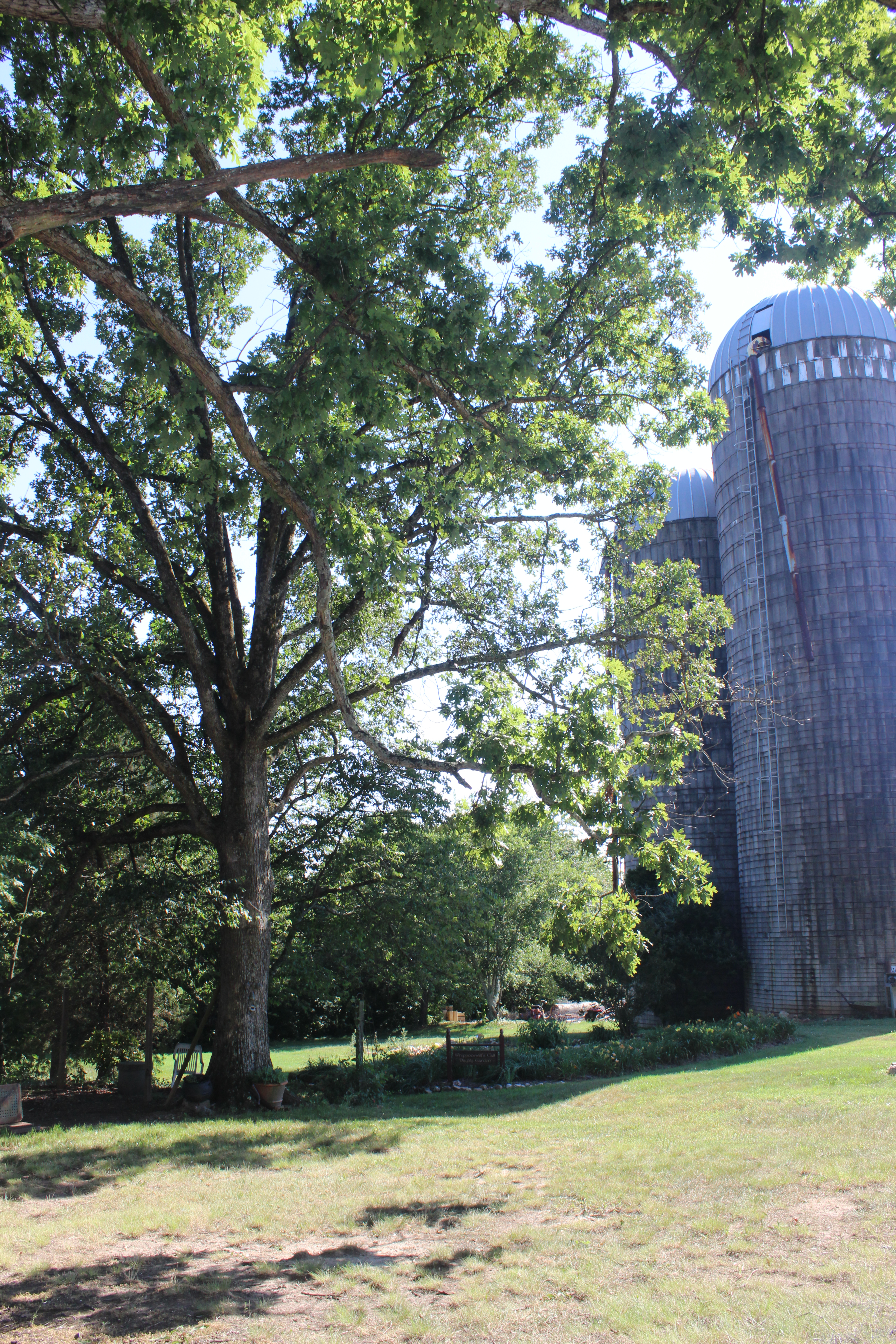
“More folks to see the new-comers.” they said.
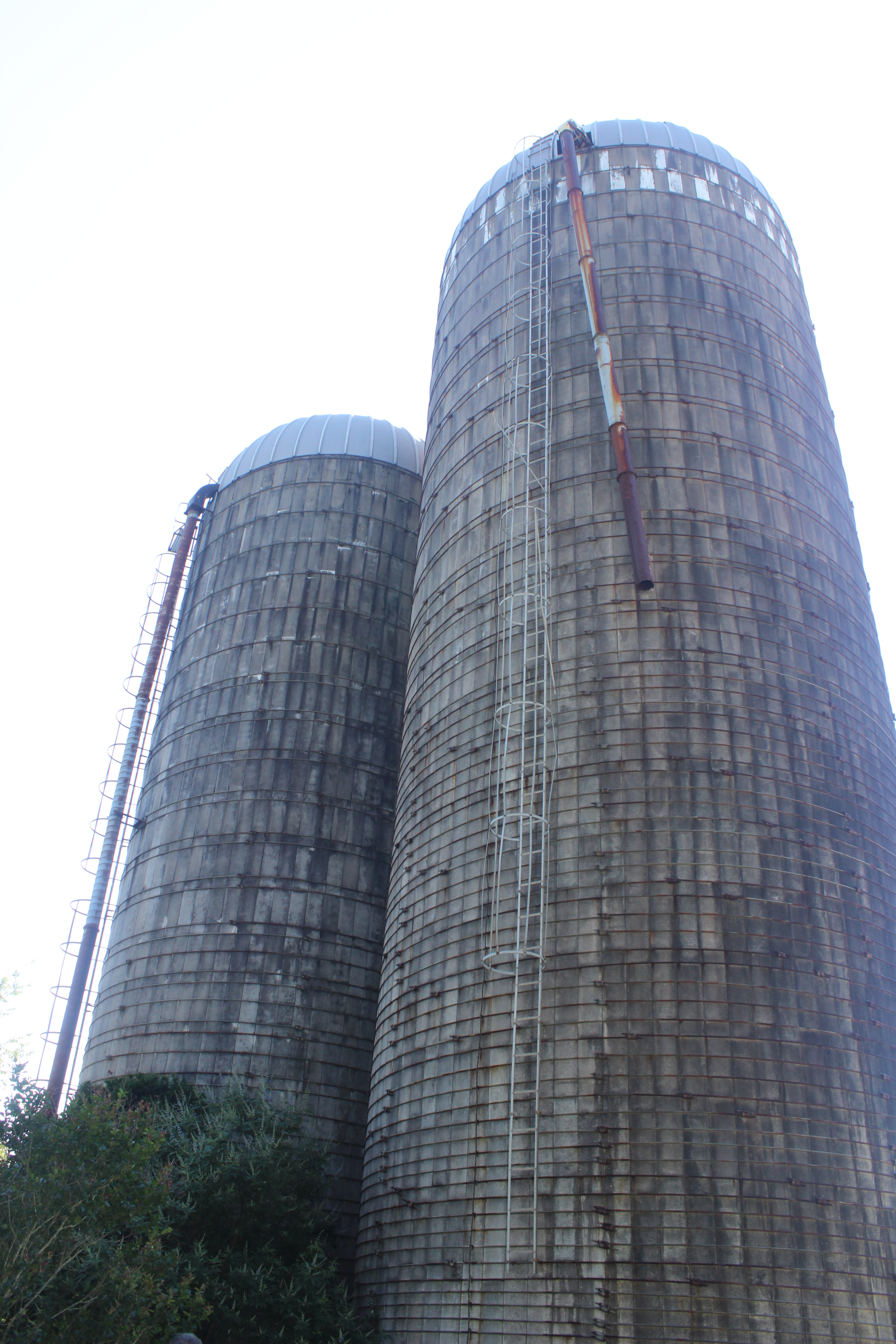
The silos sighed.
“Pretty faces, shallow roots.” whispered the trees.
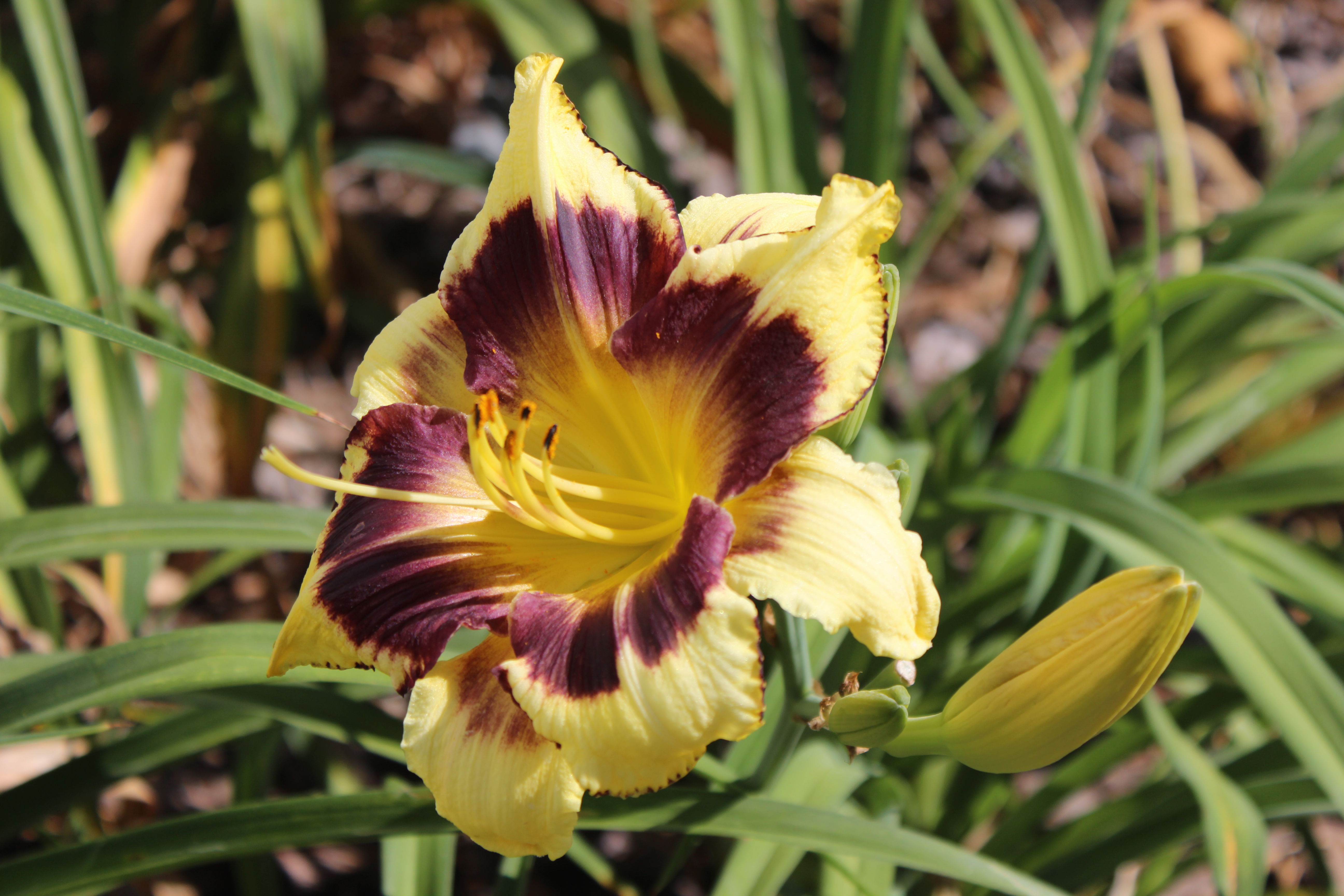
“They know nothing. Blooming little twits.”
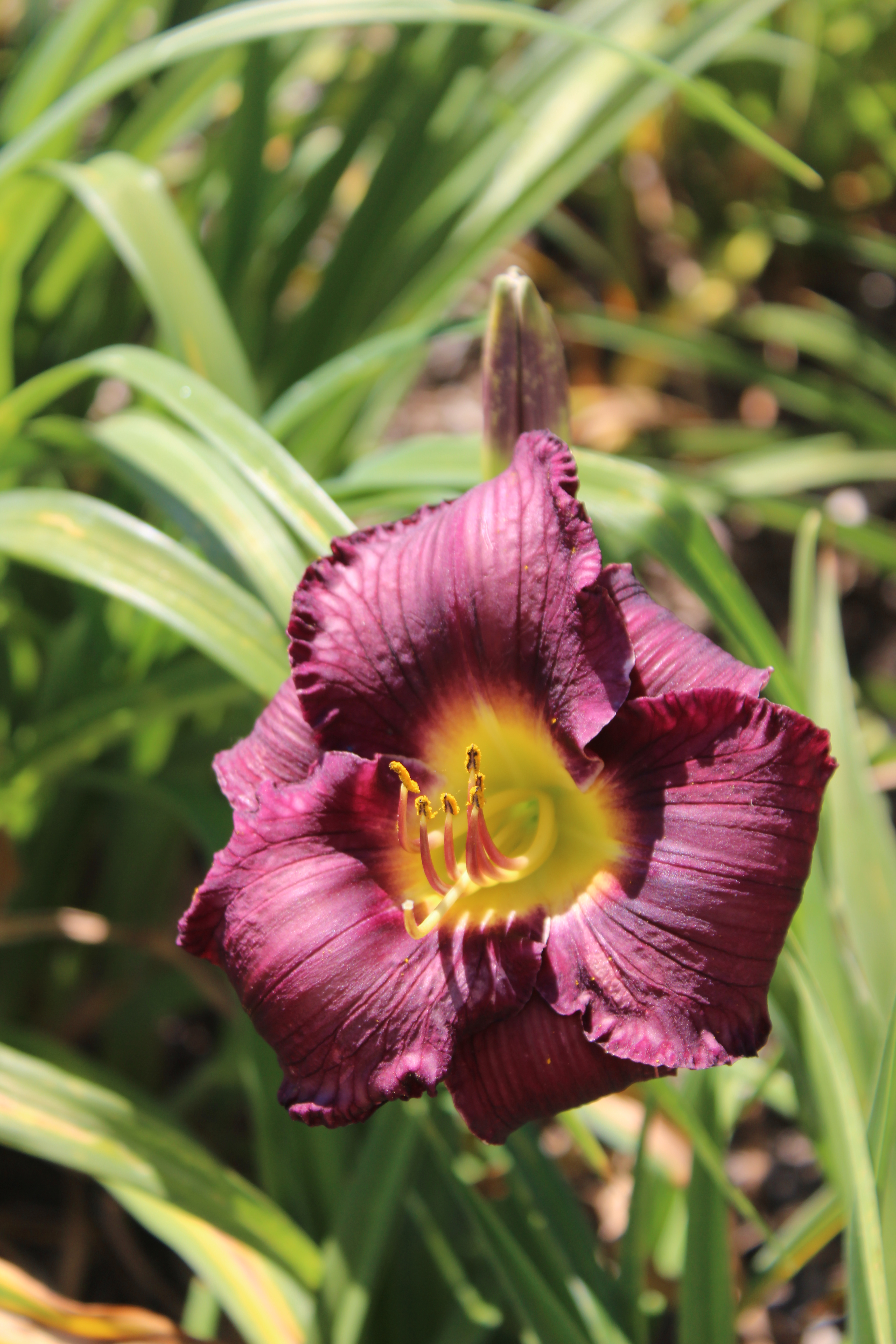
“Show-offs. The weeds know more than they do.”
I felts as though I were in a museum taking pictures in the gift shop.
“The story is up here.” they said.
“We have the history.”
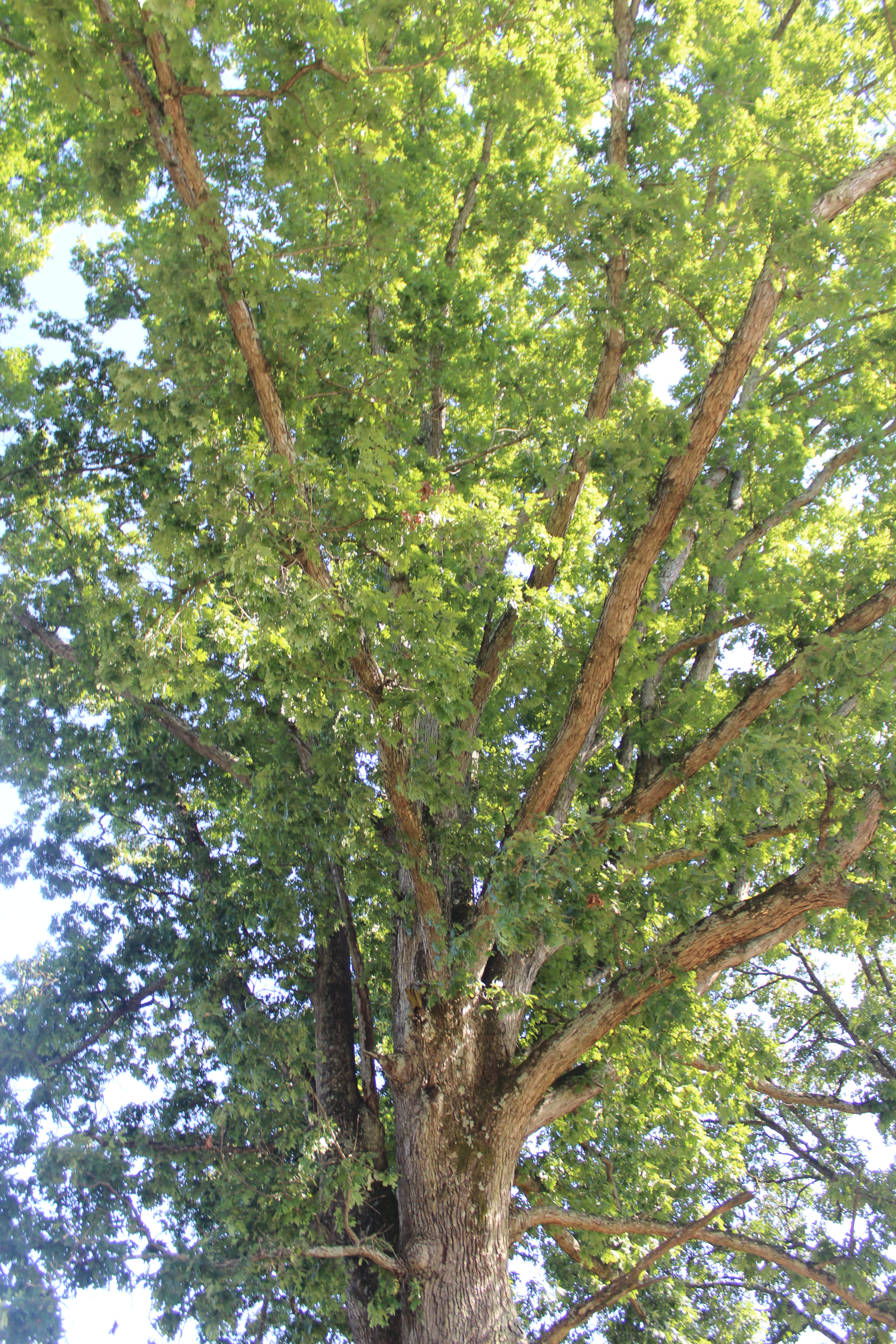
“We saw the boy grow to a man and his boy grow to a man.”
“We shaded the cows. We saw the storms and sunsets.”
“We watched the pastures change to neighborhoods.”
“We know the history, yet you are focusing on the flashy little trinkets.”
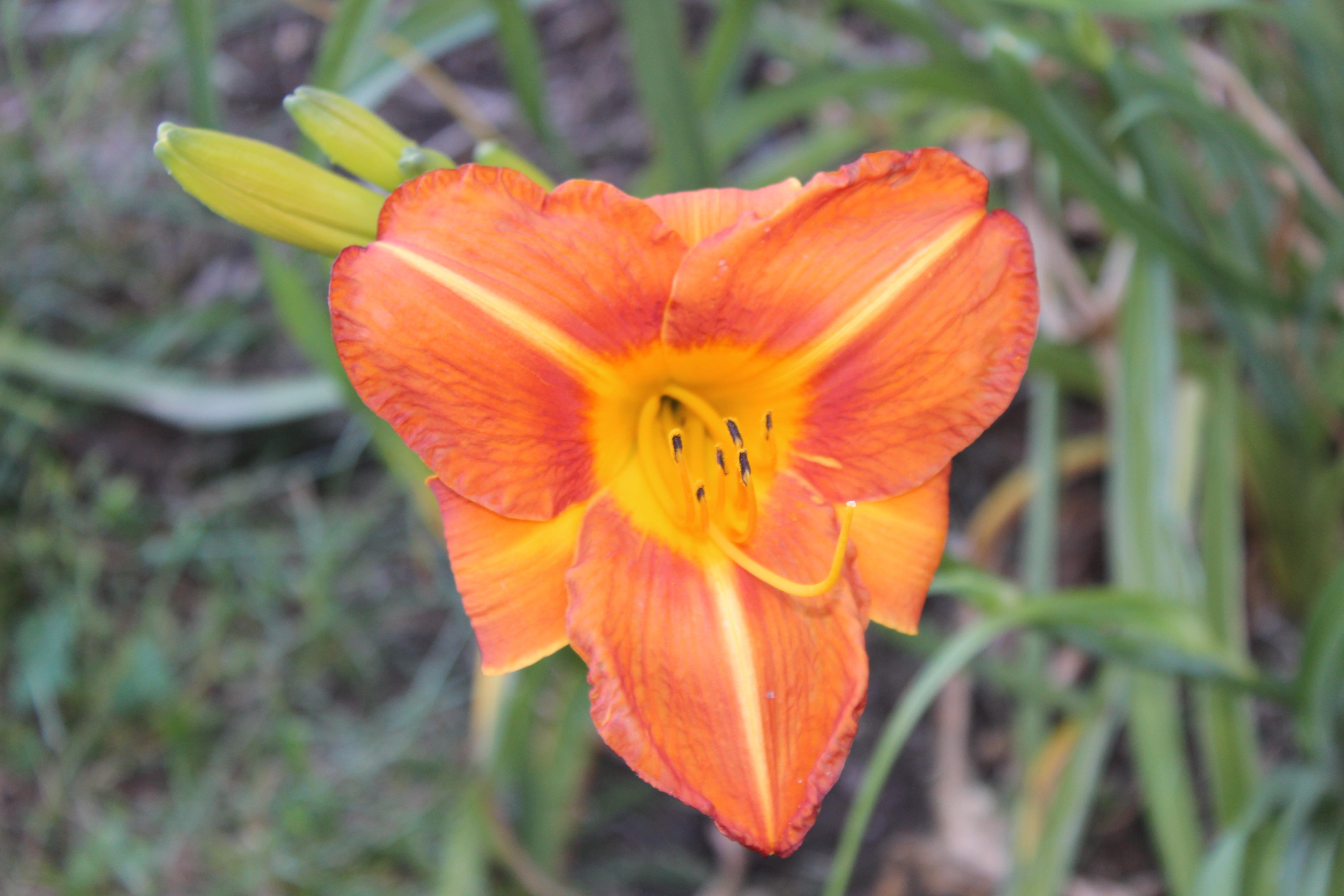
“All they know is a rainwand and sunshine.”
“Needy and greedy.”
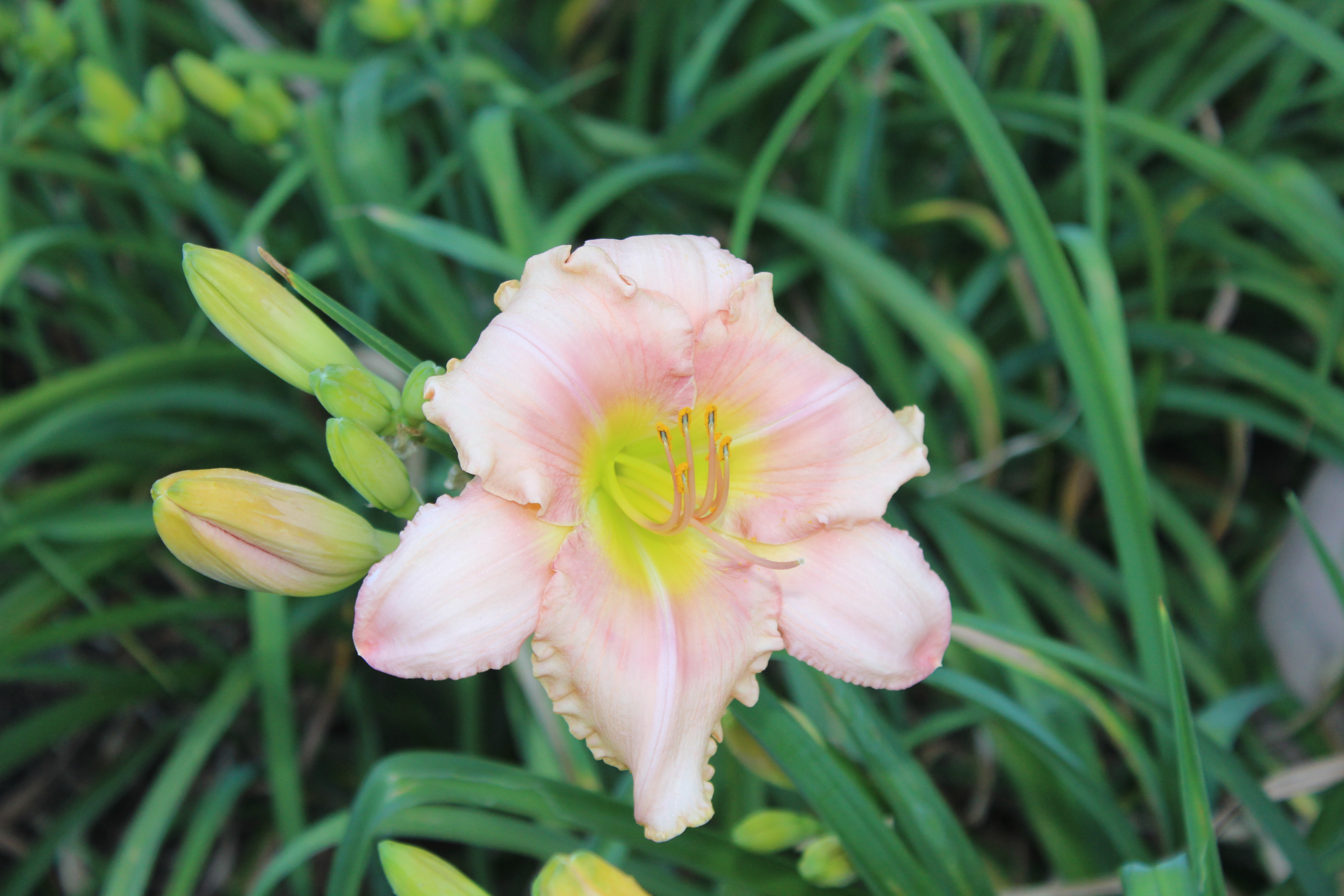
“Are you shallow too.” they asked?
Follow the TREES!
I went out in the garden early this morning with my chopstix.
I’d been using knives, but there were issues.
NO, I wasn’t eating sushi for breakfast.
I was marking my daylilies.

I use plastic knives with the names engraved on the blade.
These have been stepped on and broken by a certain blundering gardener.
If it is muddy, I have to wipe off the knife blade to read the name.
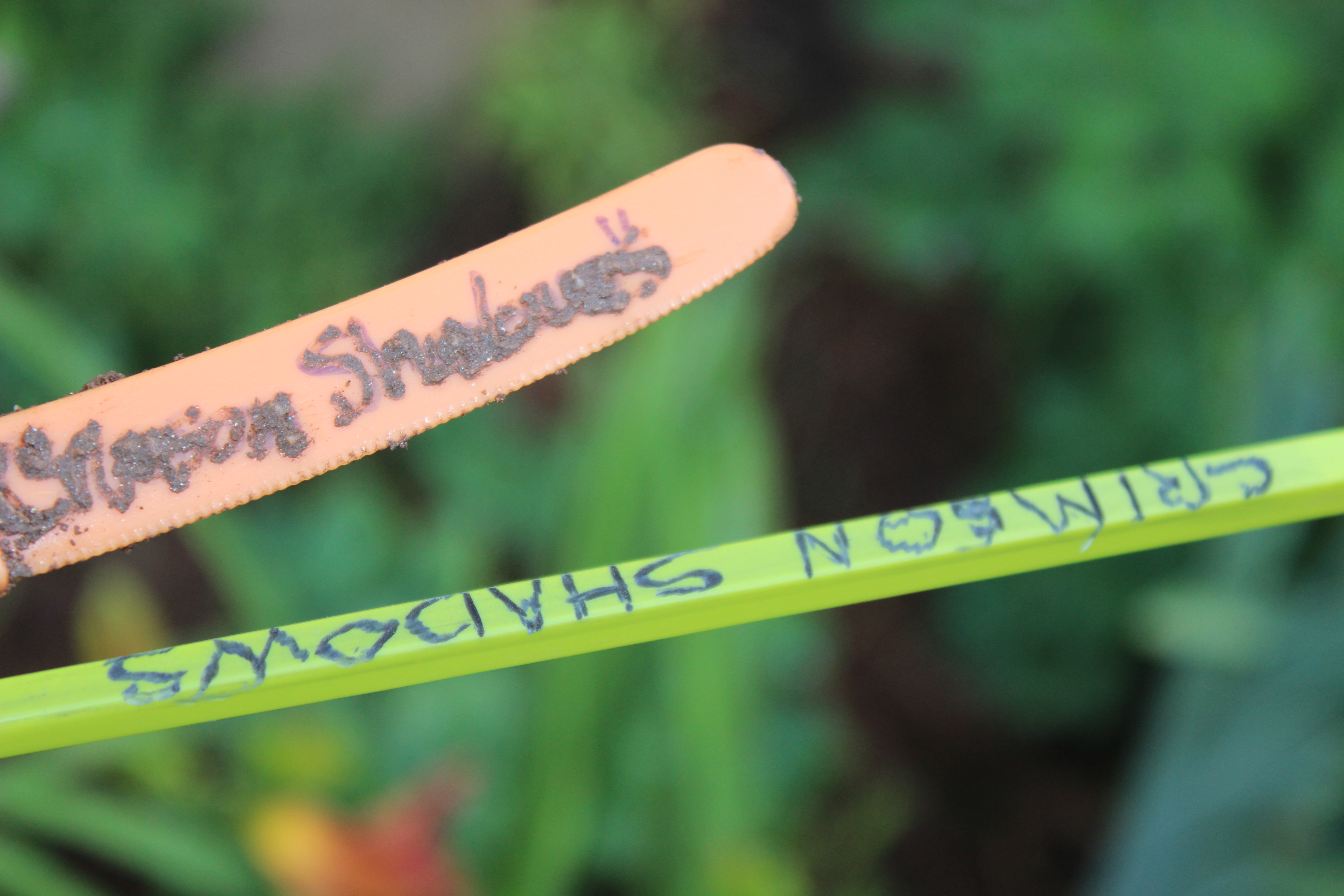
So my new plan is plastic chopstix with the name engraved on the top. Then use a Sharpe marker to fill in the scratches and wipe the rest off with 91% alcohol. Isopropyl alcohol people!
I sat down with my list and Dremel tool last night.
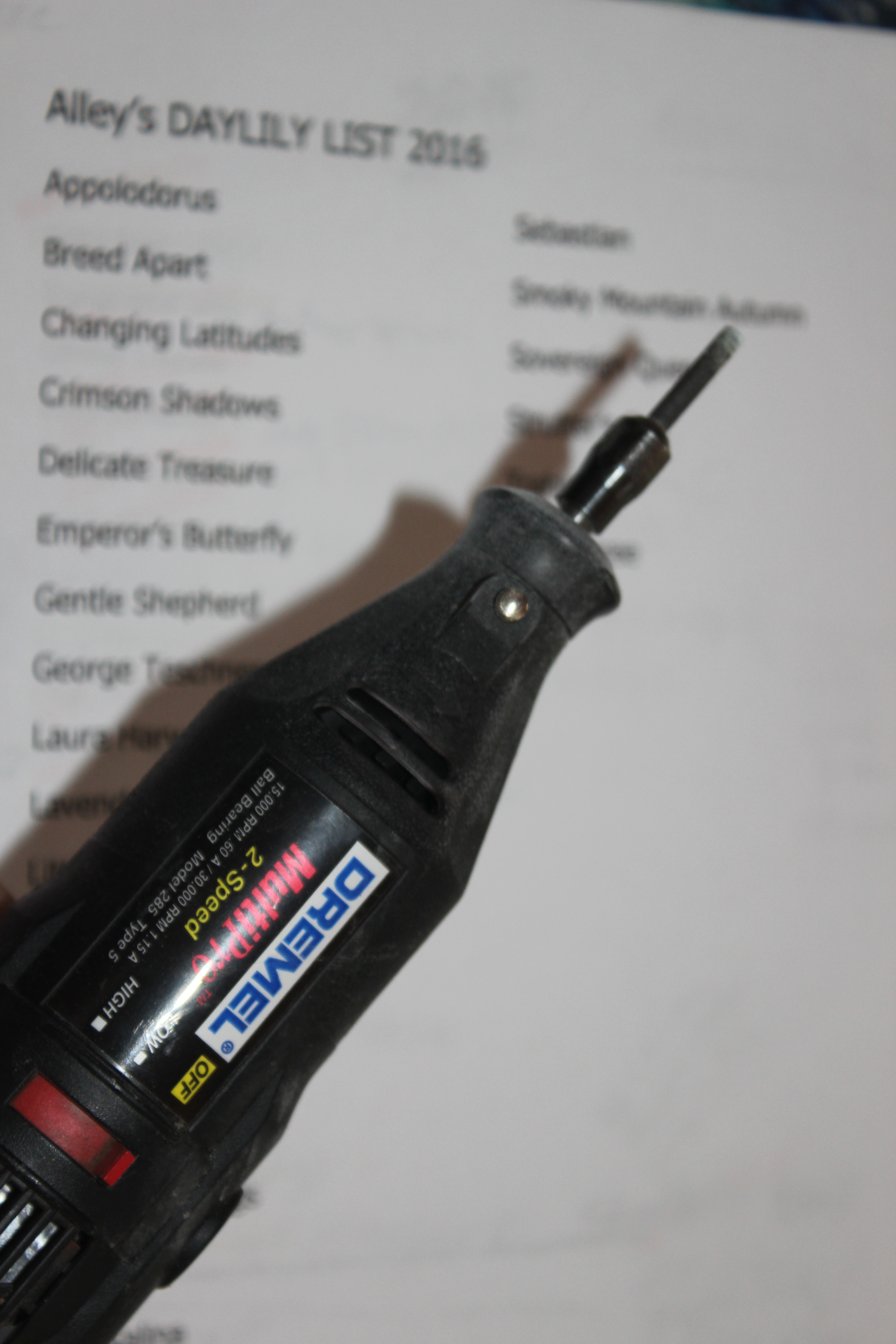
I made a whole new batch of markers.
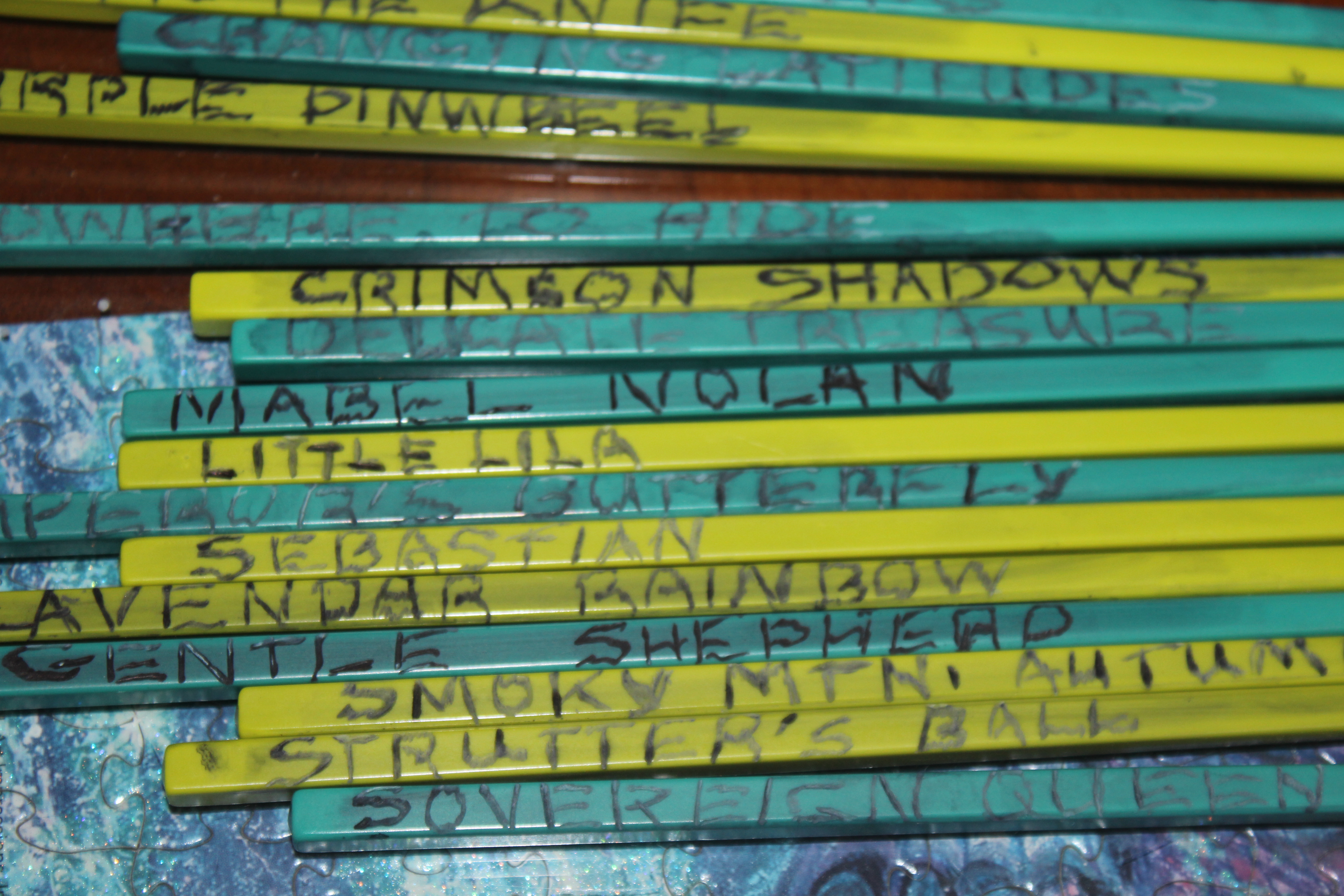
I chose blue and green to be inconspicuous. Maybe I should have gotten red instead.
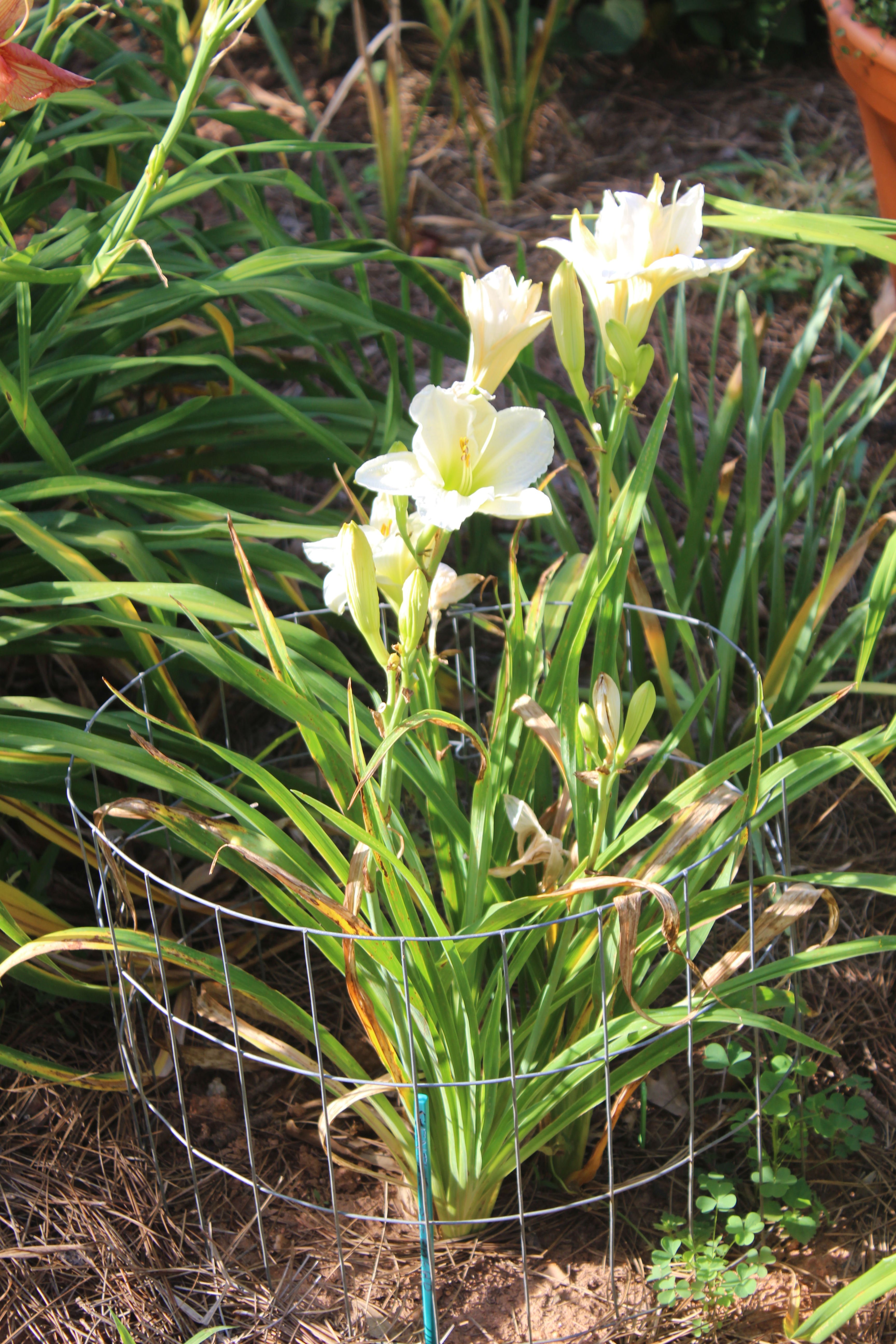
We will see how this works out.
I only broke one this morning.

Now if I can just read my writing!
Follow the forgetful FLOWER.