My Deal with the Thicket

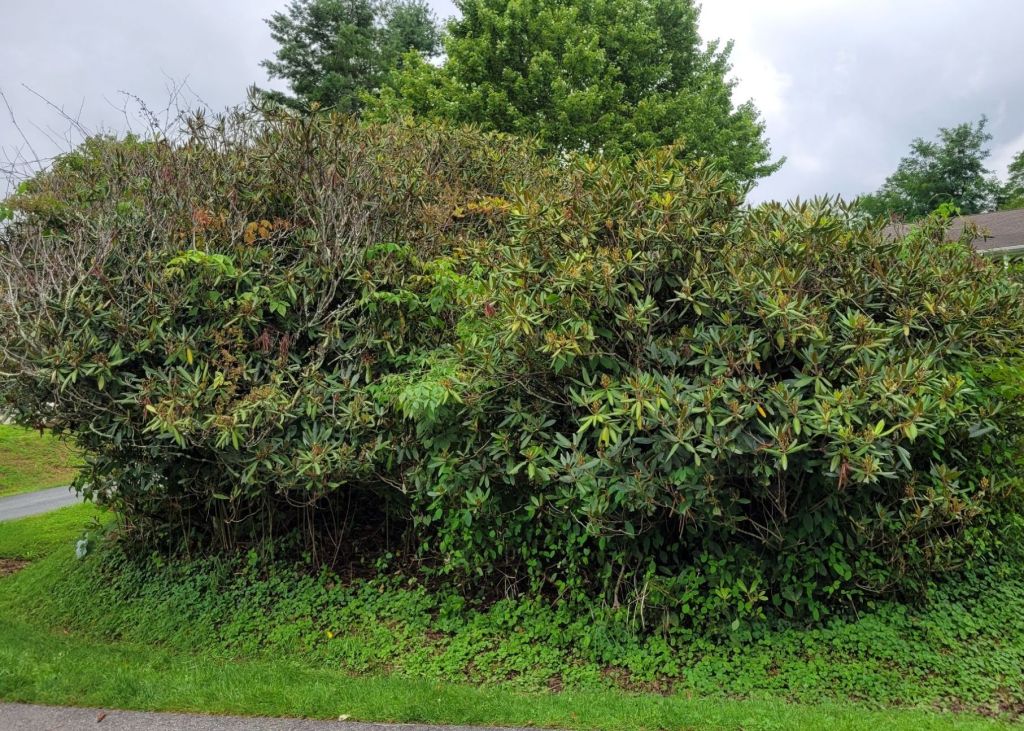
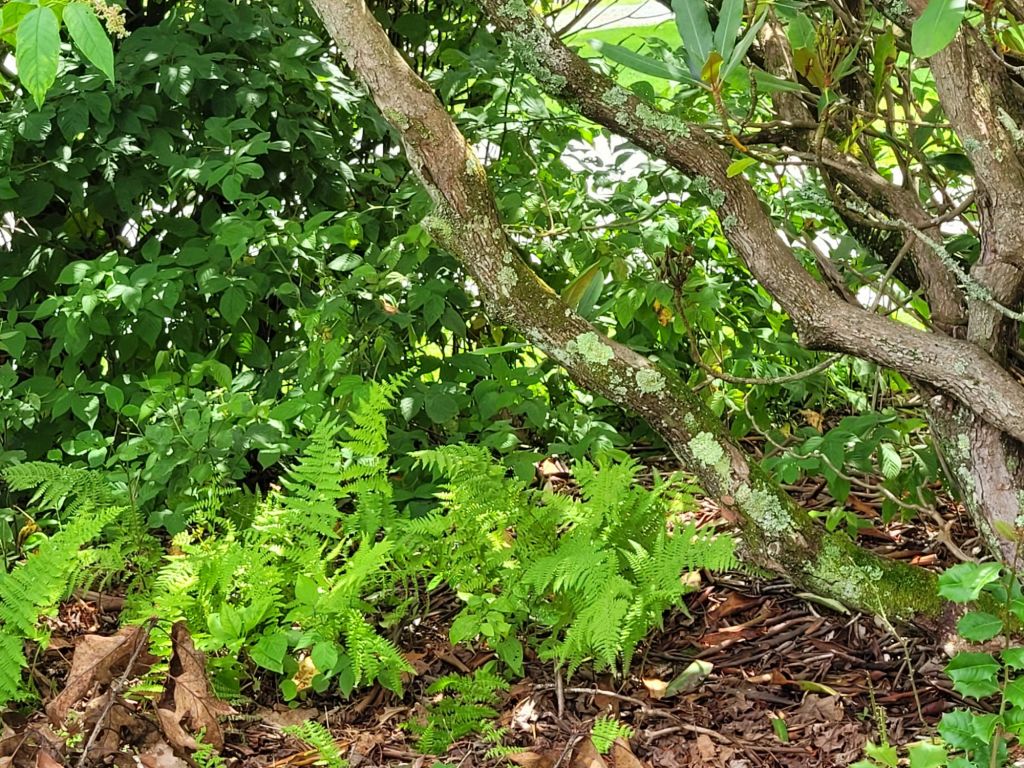
Our thicket is neither pretty nor tidy. If those were requirements for survival, I would have been purged as a child.
It is not the appearance of the thicket that matters, it is its function.  What it does makes it of value.

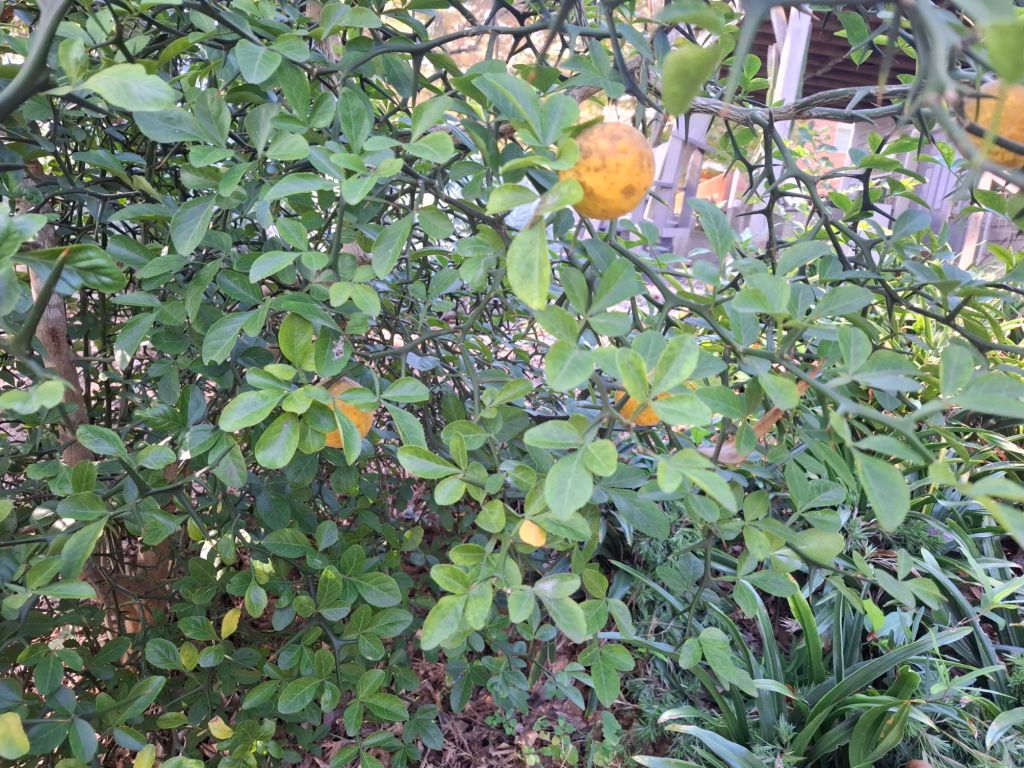
The thicket on the corner.

Things live in the thicket, eat in the thicket and hide in the thicket. Those things matter to me, you see.

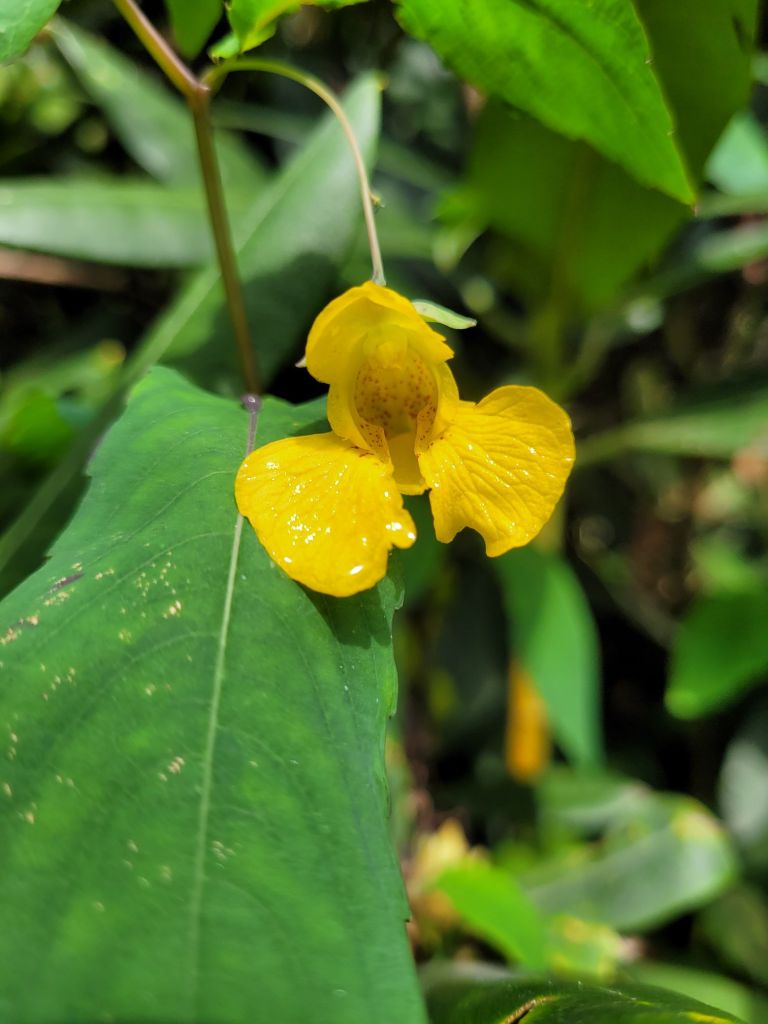
Jewelweed grows around the margin.

A pair of rabbits lives in the protection of the thicket. These two come out in the evenings to graze on grass or eat pieces of Daddy’s apples that have been dropped by careless crows.

A bunny and two crows under the apple tree.

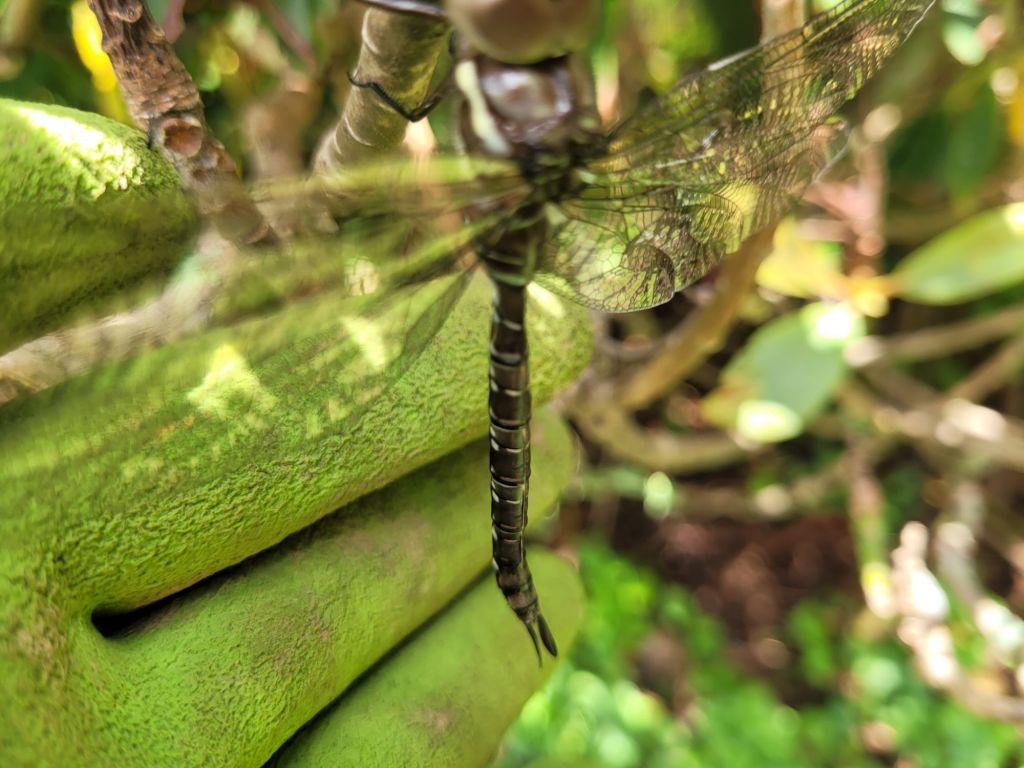
I often encounter insects in the thicket. Today, I disturbed a butterfly. This dragonfly was undeterred by my trimming around it.

Dragonfly posing

Birds nest in the thicket. If I spot a nest, I leave that part messy until the season changes. Birds also shelter in it during bad weather.

Once a tiny fawn hid in the thicket while it’s mother wandered elsewhere to feed. The branches of the rhododendrons twist together to make the middle safe from large predators.

Under the thicket.

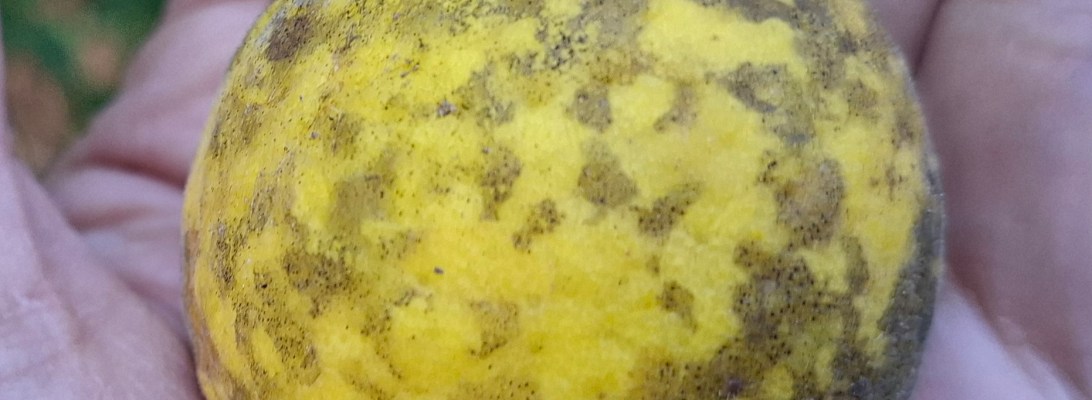
Food grows within the thicket. I trim the outer blackberry stalks back, but leave some for foragers. There are pokeberries, too.  The brown thrashers love them. They also love thrashing about in debris under the thicket to find insects.

Pokeberries

There is a tiny world inside that thicket. I have pledged to leave it undisturbed in the middle. I just keep the exposed surfaces tidy to placate any picky neighbors. That’s my deal. I plan to keep it.

Giving the thicket a trim.

Yes, the thicket is a bit ugly. But ugly can be useful. Just as pretty can be useless.

FLOW
From Many to Only One

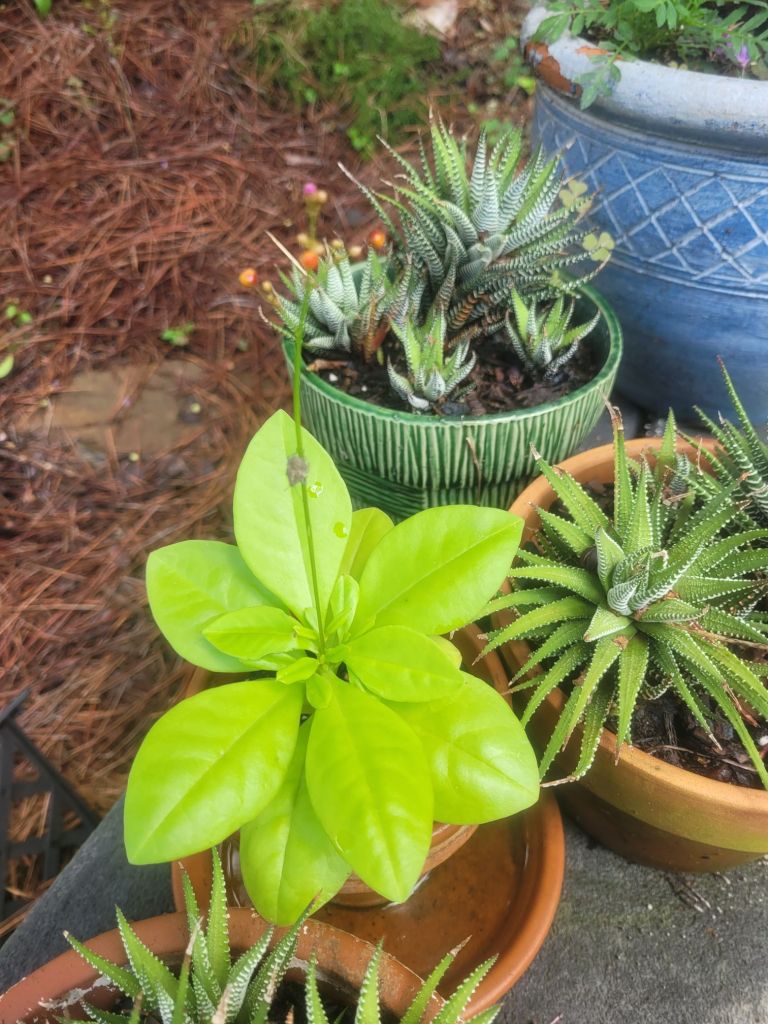
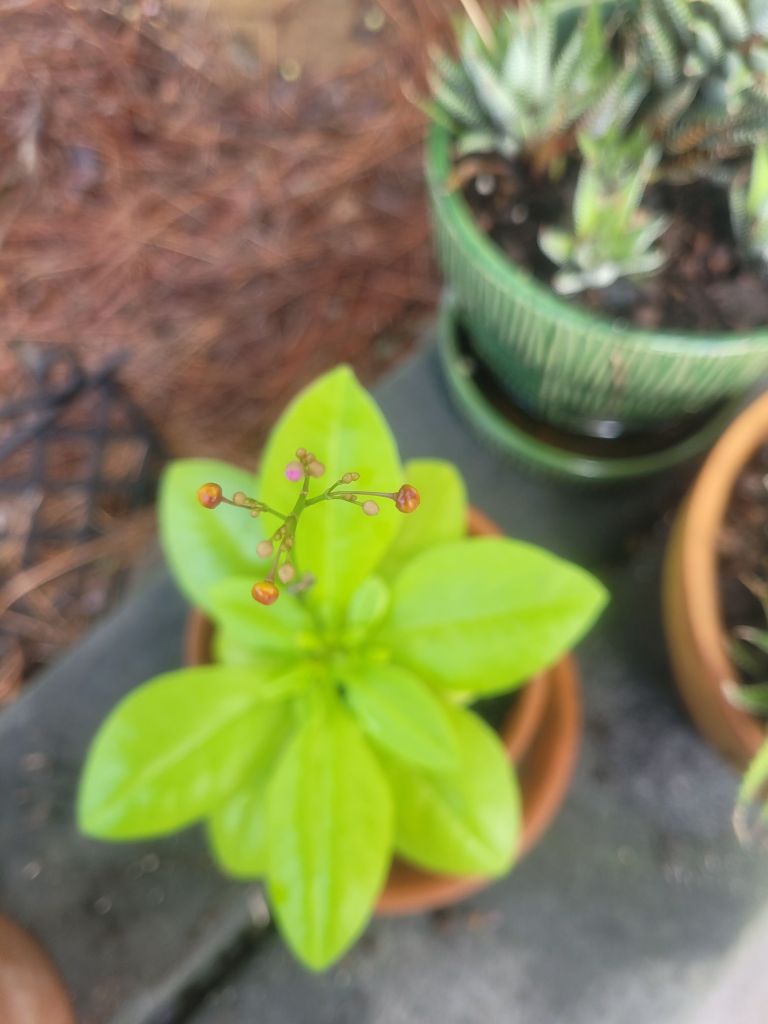
I was shocked to find only one Jewel of Opar ‘Limon’ plant while I was home. This lovely plant used to self-sow everywhere. I feared it might become an invasive pest with its long root and many, tiny seeds.

This one ‘Limon’ was growing in the middle of a pot of tiny sedums and weeds. Its bright yellow leaves caught my attention. Once I was reminded of ‘Limon’, I searched for more. There were none. Only one had survived my neglect.

I am so grateful that this one jewel of a seed survived in that pot of sedums. I pulled the whole mess from the pot and cracked the soil in half. Then I carefully removed and replanted the ‘Limon.’

Jewels of Opar ‘Limon’

The weeds were removed and the sedums replanted. The ‘Limon’ has doubled in size since I removed its competition. I must make certain Mr. Flower and Rose are aware of its value.

It is the only jewel left. Another close call on Wildwood. Having treasures that can die is difficult. I should have collected stamps!

FLOWER

Remnants of Ravaging

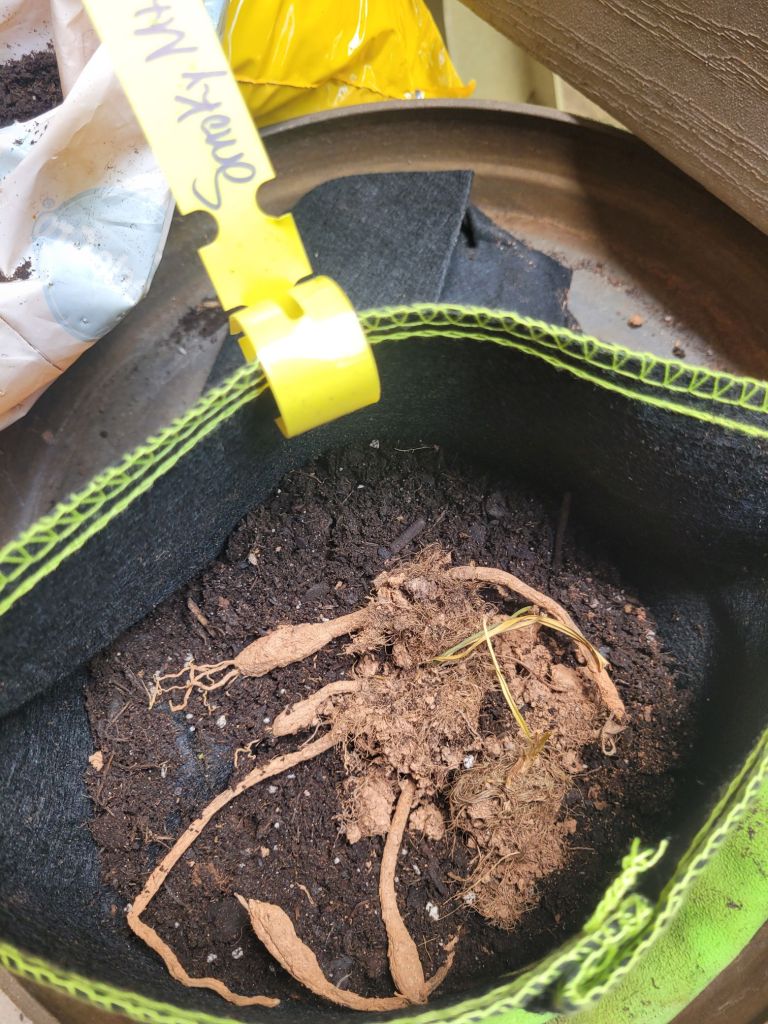
I knew where Smoky Mountain Autumn was supposed to be, but there were no green shoots above ground. I dug a hole over a foot wide and six inches deep to finally find three shrivelled tubers.
One of my favorite daylilies had been reduced to this. It must have been a deer favorite, too.

Pitiful remnants of Smoky Mountain Autumn

I consider this another in a long line of metaphors for my life. I have thought of my dear friend Sandra many times this week. We had long discussions about adapting to change after her husband died. We could not foresee that her first year of widowhood would be her last year of life. We who loved them both would have to adapt again.

I am not one to immediately embrace change, but I am a realist. Change is sometimes forced. Move or lose what is left is the lesson.

Smoky Mountain Autumn has a chance to survive now that it has been relocated and protected. One of its other daylily neighbors totally disappeared. That fate would have been repeated by more every year until most were obliterated.

I made the right choice. With every choice comes some loss. It is a matter of deciding what one is willing to lose in order to maintain or gain something else.

Someday, if we’re are careful and lucky. We will see blooms again on this remnant of a life. That restoration will be the reward.

Smoky Mountain Autumn

FLOWER

More Prep for the Move

Before any plants get relocated, their new home must be prepared. Today I cleared weeds and trimmed herbs in the former bunny yard. Then I put down all the  cardboard I have been collecting to serve as a barrier between the ground and the fabric pots.


I also hooked one of the two labels for each plant to be moved onto the handles of a fabric pot. I placed the fabric pots and plant labels into paper bags for different gardens, so I can easily put the labels on the actual plants.

Tiger lilies were left alone until last year.
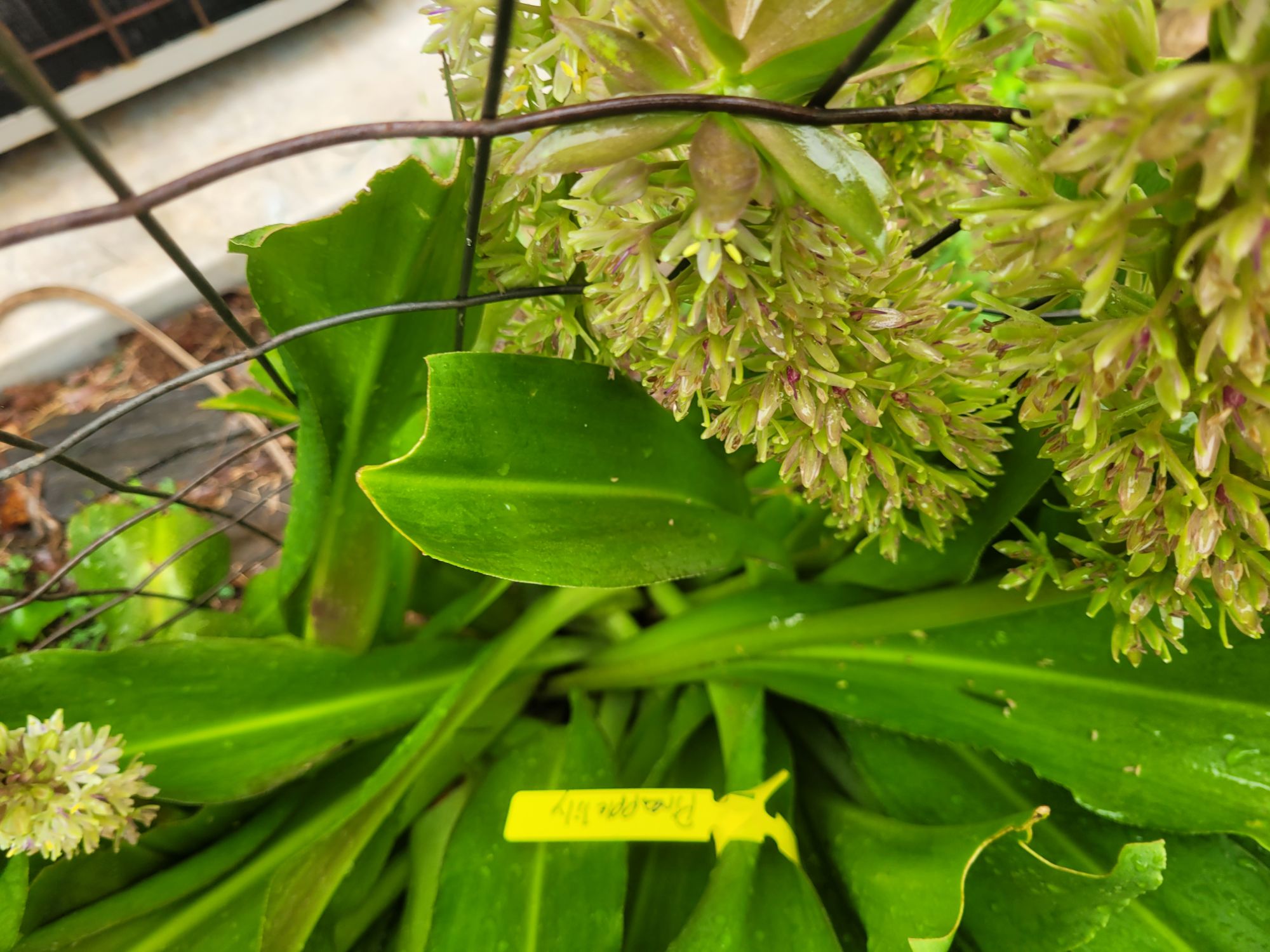
Pineapple lily is a new favorite.

The crew will check to see if the plant label matches the pot label before moving it inside the fence.

Labels on fabric pots will match labels on plants, hopefully!

I checked each garden this evening and found some plants that I had forgotten were there. These names must be added to area lists and labels will be made. Unfortunately, I also discovered a whole row that has disappeared. I will dig a bit to be sure they are truly gone in the morning.  These are old plants near the driveway which are easily accessible to deer from the woods

These disappearances confirmed that the moving is necessary. Once all “deer food” is safe inside the fence, I can then care for the victims and find new homes that do not have a herd of hungry deer.

I previously dug sedums and put them in pots on the deck bridge to the entrance. The deer found them and have trimmed them. Some pots were even pushed over and broken.

Munched on Matrona sedum

This behavior shows how hungry and desperate the herd is. Fawns learn what to eat from smelling their mother’s breath. I have had deer eating here since 2018, so seven generations have been trained to eat daylilies, sedums, Solomon’s seal, Pineapple lilies, tiger lilies, lily of the valley, Stokes aster Peachie’s Pick, butterfly weed and gladiolus blooms. Nature always wins. I am not mad about this. Nature must win. That is how it should be. My role is to remove artificial food sources. Discouragement techniques no longer work because of the drought, herd size and habitat loss due to surrounding development.

Mr. Flower saw some of the herd peeking from the forests’ edge this morning. I think they were wondering who that lady was in their produce section.

Somebody’s watchin’ me!

This is alot of work, but I feel it is the right thing to do for the plants and the herd. They need to disperse and forage on native plants.

FLOWER on the move

Change Causes Change

More changes are coming. No shift stands alone. Even if you are in control of the first move, you have less control of the effects. Sometimes I refer to this as a cascade.

The Butterfly Effect is real. Although it sounds ridiculous that a butterfly flapping its wings can cause a tornado, a small shift in one part of a system can result in a large change elsewhere.

I have witnessed this over and over. I know to expect the unexpected. Any instability can cause chaos eventually.  A subtle, barely noticeable change can turn drastic over time.

So being the proactive person that I am, I respond with what I call “turtle mode.” I get very quiet and still and hide while peeking out to see what happens. Until I have a grasp of the new situation, I try to just be an observer. This may seem reactive, but why fight the tide as it comes in?

I will be moving most of my plant collection next week, Mr. Flower will officially retire and the house next door in our neighborhood of three is for sale. That sounds like a tornado to me!

FLOW in her shell

Plant People Bonding

If you are a Plant Person you know that all you have to do to make friends with other Plant People is recognize one of their plants and call it by name with love in your voice. When people know your plants, they know you.

Yin Yang riverstone art among lantana, bougainvillea and Texas sages

This happens wherever I go. I call a plant name over a wall and next thing I know, I am invited in for a tour or even a concert on a grand piano. Yes…that happened in Bramwell. (Look it up in the search bar.)

My sis and I walked most mornings in Palm Springs. We loved admiring the xeroscape landscaping. I was not familiar with most plants, but one near-by yard was full of old friends that I knew well.

One of the gardeners was outside doing some morning watering. I dropped a few plant names. VOILA!

My new friend Neal

We were invited in to tour the front gardens. We then got to enter a gate to a hidden garden around back only after Neal checked to be sure that Roger had clothes on. It was Naked Gardening Day.

Rogers reflection and a white bird of paradise, begonia, philodendron…

What a plant haven/heaven they have created. I examined every luscious plant. What a collection! Roger gave me tips on growing special plants and koi pond maintenance.

Pond in a pail

These two new friends made our morning extra special. The tour of their private botanical garden was a highlight of an already fabulous adventure. They have developed a microclimate using shade and water to grow plants that would not normally survive in Palm Springs.  Roger is a Plant Whisperer.

Begonias and Wondering Jew, impatiens, coleus

Plant People bond over plants. We have a common passion which instantly connects us. Our blood runs green.

I hope Neal or Roger messages me on this blog. I am wanting to share ‘The Gran Plant’ (redbird cactus) to see if they can get it to bloom.

FLOWER

Red Yucca Blooms and Seedpods

I love the structure of the red yuccas.

A spiky sea urchin- like base with a slender stalk rising high above the plant body to offer its blooms to hummingbirds.

The real name is Hesperaloe parviflora. May be called Hummingbird Yucca or Red False Yucca. I have seen the term false yucca several times here.

Red Yucca blooms and pods

I was happy to see it will grow in Zones 5-11.  I would love to add a drought tolerant plant as I purge my needy plants in the future.

Rock mulch xeriscaping

There are many examples of xeriscaping here. It is necessary to have plants that are drought tolerant here in Palm Springs California.

Functional and lovely

FLOW  liking low water land-scaping

The Rhombicosidodecahedron

This amazing piece is near the entrance of the Palm Springs Art Museum. It was designed by Anthony James in 2020.

Rhombicosidodecahedron by Anthony James

The rhombicosidodecahedron is made of steel, specialized glass and LED lights.

My hypothesis is that the glass is one-way glass with mirrors on the inside surfaces. The reflected shapes inside repeat to infinity.

Mesmerizing!

The name was too hard for me to say, so I called it the Buckyball Mirror Ball.

FLOW

Bougainvillea Bracts

I have loved bougainvillea since one grew on my balcony in Santa Monica when I lived there as a child.

Bougainvillea

The true flowers are small and white. The colored bracts are what attracts the pollinators.

Flowers are tiny and white.


There is a bouganvilla spilling over the fence here. Its bracts perfectly match the deep pink theme color of the house’s door and decor.

Bract on a float


The match is too perfect to be coincidental. This is how design finds inspiration.

FLOWER among flowers and palms