High Tech Plant Tag

No more plant research for me!

Now all I have to do is buy plants with QR codes on the tags.

img_4980

Scan the code with my QR Code Reader App.

img_4983

Then type in the plants’ name…

img_4981

VOILA!   Instant information.

Now that I have shown you the tag, I will let you see the irresistible flowers.

img_4944
Plectranthus  ‘Mona Lavendar’

Who could resist that tiny purple face?

img_4949

What lovely little buds!

img_4960

It is not cold hardy.   You know what that means?    Another plant in the house all winter.     Hooray!

FLOWER has a flower fetish.

Before or After?

Frost is a four letter word to a gardener.  (Ok.  Not really, but you know what I mean.)

There are many tender plants that need to be lifted BEFORE frost.

There are also plants that must be “bitten” by frost,

and then taken inside AFTER the first frost.

This count-down is not quite as dramatic as the “Countdown to 32″/freezing

that I blogged about last fall, but it is an important time for bulbs, corms, rhizomes or tubers.

I finally wrote a BEFORE and an AFTER list inside the cover of my gardening journal.

Here is my ‘rule of thumb”.  (Gold Nugget is what this was called when I taught biology.)

IMG_6292IMG_6255

If mostly water (turgor) holds up the plant, it needs to be bitten and wilted down by Mr. Frost.

Also: Does the plant look “done” for the season? Did it bloom weeks ago and is the foliage wilting down? DONE.

I know this is too simplistic. What it means is,  if you cut down plants with juicy stems you will be hauling in a lot of water.  The plant needs to bring in nutrients and drain its own water out to start dormancy.

Also, frost seals the tissues to prevent rot.   Think of it as a “cold cauterizing.”

When the time is right .   Dig up the bulbs, corms, tubers or rhizomes.

img_4905

Clean off the soil, wash, dry and store in labeled bags with dry peat moss.

img_4912

Here are MY lists for ZONE 7.

BEFORE:  Callas/Zantedeschias (Hot Chocolate can stay out, but bring one in as your stock plant just in case),  Acidantheras,  Glodiolas ( babies and mamas)

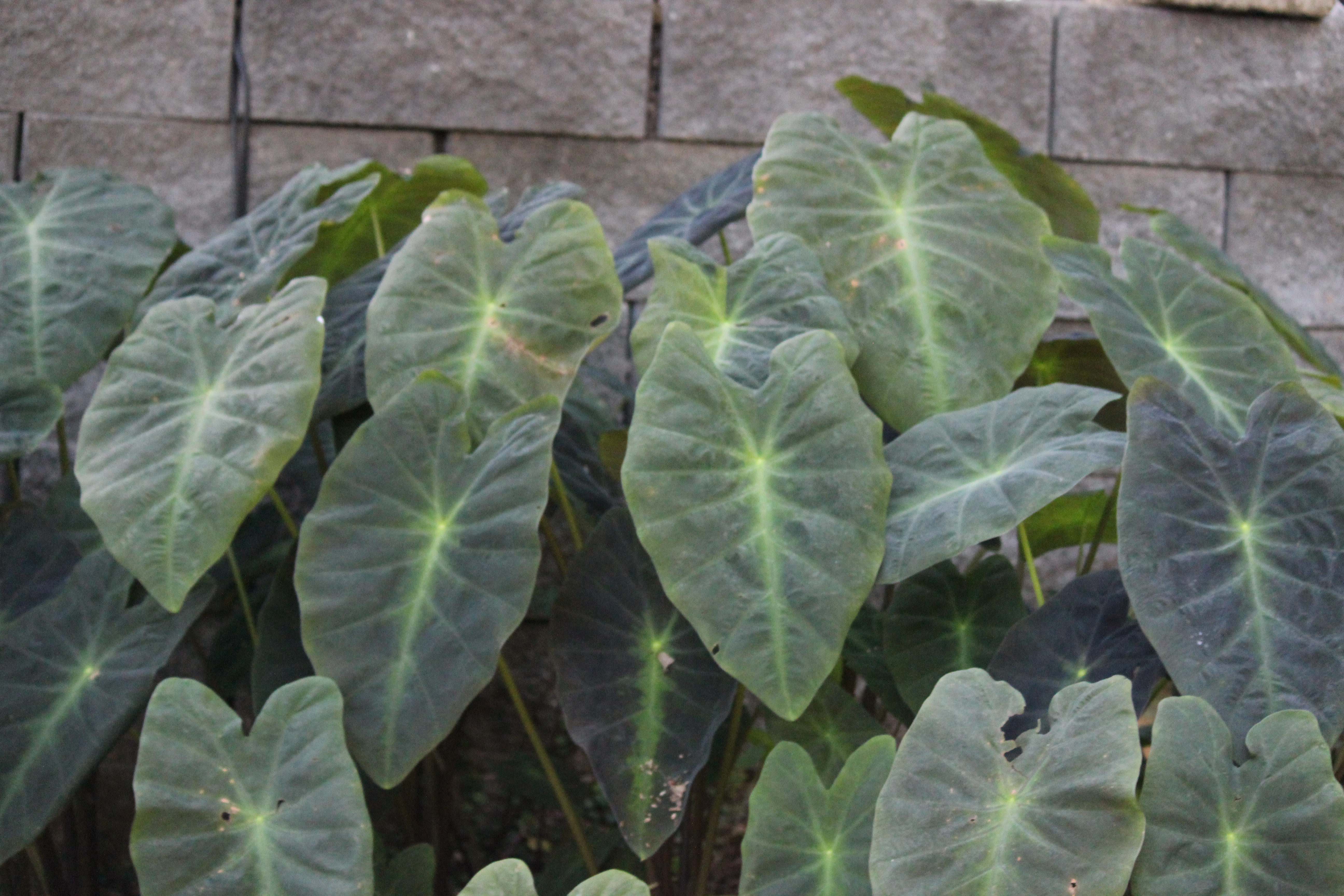
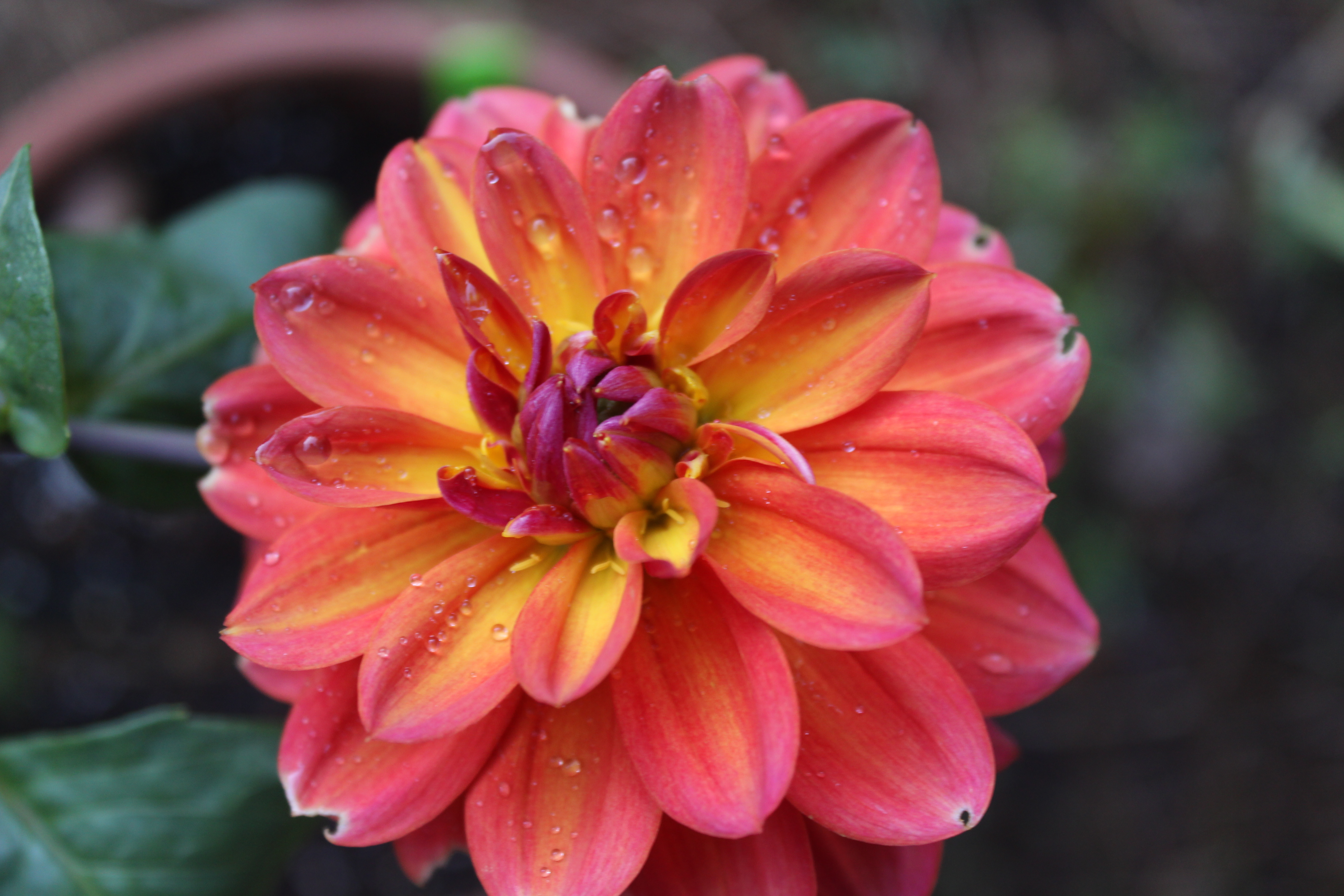
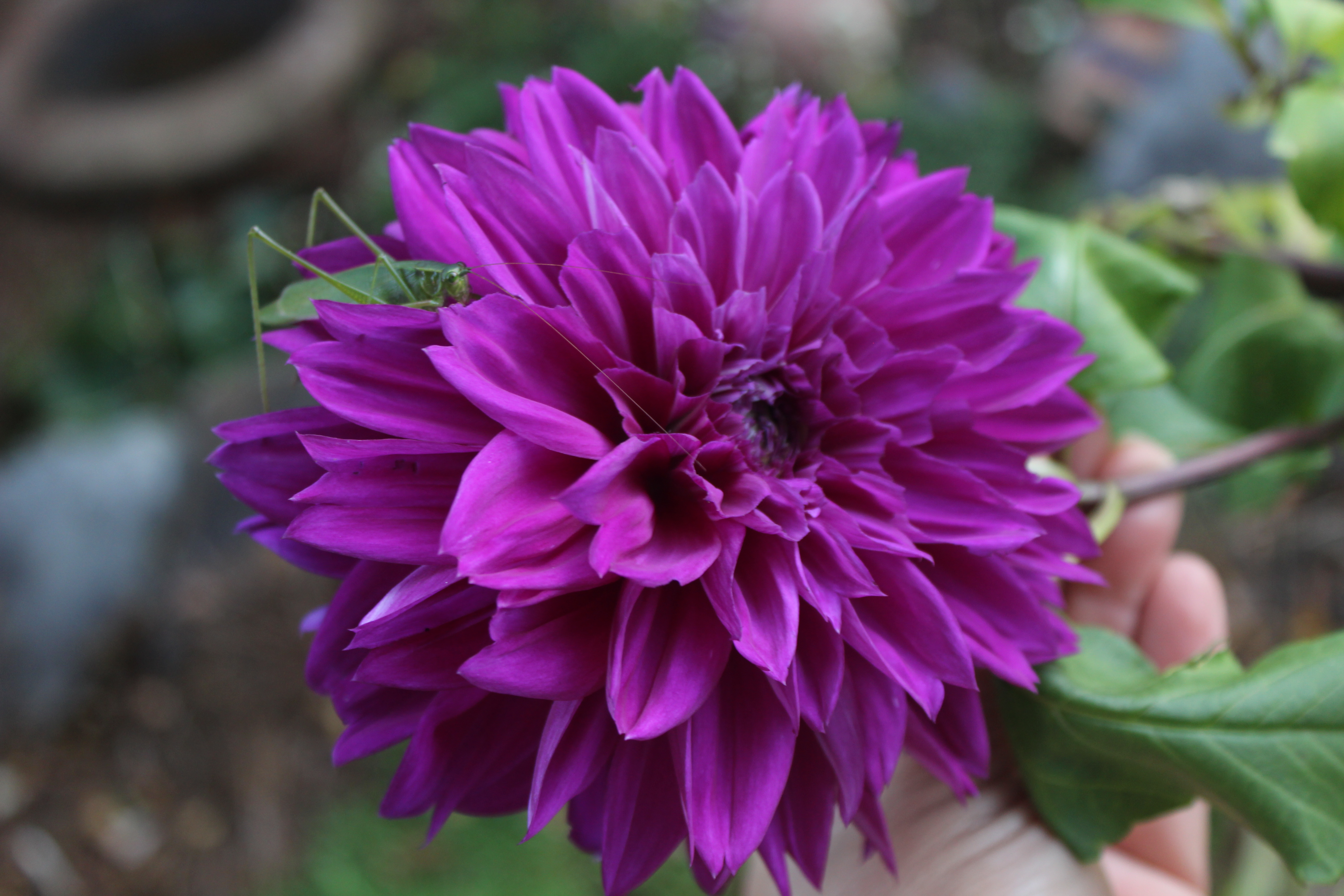
AFTER: Elephant Ears/Calocasias,  Dahlias,  Tuberoses (babies only)

Your lists will be different based on your HARDINESS ZONE.

I always err on the side of caution and bring in some of each of my special plants to use as stock plants.

Wet winters can be as bad as cold ones because roots rot.


POP QUIZ

IMG_6253
Thomas Edison Dahlia

1.  Before  or  After?

IMG_0341
Hot Chocolate Calla

2. Before or After?

IMG_1782
Priscilla Gladiola

3.  Before or After?

Featured Image -- 378
Mojito Elephant Ear

4. Before or After?


(Answers =1 dahlias/after , 2 callas/before, 3 glads/before, 4 elephant ears/after)

FOLLOW the FLOWER to FROST.


A Conk On An Oak

This is a rather large and lovely fruiting body of a fungus.

img_4868

Although I was happy to find it, it is a bad sign for the oak on which it resides.

It is also referred to as root rot or butt rot.

This part of the fungi is called a basidocarp. These can get several feet wide and over half a foot tall.

img_4869

The top is a mixture of oranges, browns and whites. The top is hard and leathery or rubbery.   The underside is white with tiny pores.

img_4872

These two were found around the base of my neighbors’ oak.  This is twice as bad as finding one because it means the decay is more severe. (Sorry M & N.)

I also spotted the one below downtown, which I plan to report to our local arborist.

20160927_105348.jpg20160927_105412.jpg

The Conk is lovely but a deadly delight.

FLOWER


Another Mother

I have posted on another Mother-of-Thousands,

This one is also called Mother-of-Millions, Alligator Plant and Mexican Hat Plant.

img_4899

It also goes by several scientific/genus names; Bryophyllum, Crassulaceae or Kolanchoe.

Even the species/specific epithet may change from daigremontiana to pinnata.

No wonder it had no label when I purchased it from a greenhouse.

img_4890

The leaflets on the mama leaves are held by tiny pink “spoons” along the edges.

img_4900

Some grow roots before they drop off, but most do not.

img_4881

They do not get far from the mama plant.

img_4880

Cute, but crowded.

FLOWER

A Plant that Feeds Ants

I was thrilled to discover my first Red Passion flower bloom last week.

img_4627

When I checked on it the second day, it had all ready closed.

img_4821

Upon closer examination, I discovered it was covered with tiny ants.

img_4822

These ants were busily scurrying between tiny green discs on the outer edges of the sepals/calyx.

I at first thought these green discs to be aphids,

but they were too uniformily spaced.

img_4818

I had to do a little research to discover their identity.

They are tiny nectaries, produced by the plant to feed the ants.

These ants in residence provide services in return.

They guard the plants against aphids and caterpillars.

If you have been following the FLOWER, you have seen my caterpillar photos,

many of which were taken on my wild Passion flower vines.

I have not seen one caterpillar on this Red Passion flower vine.

So the Red Passion plant has pet ants.

Who knew?

img_4827

FLOWER

Red October

I started this post yesterday as Red October.

Today, as I finish it, I wonder if its title should be Wet October.

I can finally stop watering thanks to hurricane Matthew.

My thoughts are with my friends closer to the action. (ShrubQueen)

For all of us who are safe, but not dry, here are some colorful photos for this dreary day.

This last one is a picture of a dogwood sprig thrown down to me by a thoughtful squirrel. What a nice little bouquet.

Hang in there folks. This is no Hugo, or is it?

FLOWER

Amazed by a Spadix

I had to divide and conquer some Mojito Elephant Ear plants/ Calocasia esculenta.

img_4673

They had grown so many roots that they filled up the filter basin for the Koi pond.

img_4676

Instead of water flowing back into the pond, it was flowing out onto the ground.

I am so glad I was outside working and heard the top pump sucking air.

When I arrived at the pond, it was half empty.

A massive fish kill was diverted.  Whew!

OK,  back to the Mojitos.

img_4672

The plants were as tall as I am, so to handle them for re-potting,

I had to remove some foliage and blooms.

I brought the blooms inside for a closer look.

This form of flower is referred to as a spathe and spadix.

img_4657

It has a male part at the apex and a female part at the base.

I peeled away the outer sheath/spathe to expose the floral parts.

img_4661img_4663

Then I sliced into the darkly spotted female part covered in florets/fruits.

img_4667img_4665

Under the microscope I smashed these little florets/fruits to release some seeds.

img_466520161004_195141

I sliced off part of the yellow outer layer of the male floret part.

img_466620161004_200151

The yellow powder/ pollen has an interesting shape.

I must say the spathe and spadix makes an ugly flower, but its components are beautiful under a microscope.

20161004_195439

FLORET

Steadfast Spider has Spiderlings

Success for Mama Green Lynx/ Peucetia viridans.

img_4697

She has not left the eggs sac for weeks.

Today is has been ripped open and dozens of tiny spiderlings are out.

img_4689

She seems to have woven a web-playpen for the babies.

img_4698

She moves around the cluster of young ones tapping them with her lovely spiky legs.

img_4693

I feel privileged to have witnessed this.

img_4701

FLOWER is a happy grandma.