







“I’d rather be a tall, ugly weed.”
This is the last line of Julio Noboa Polanco’s poem, Identity.
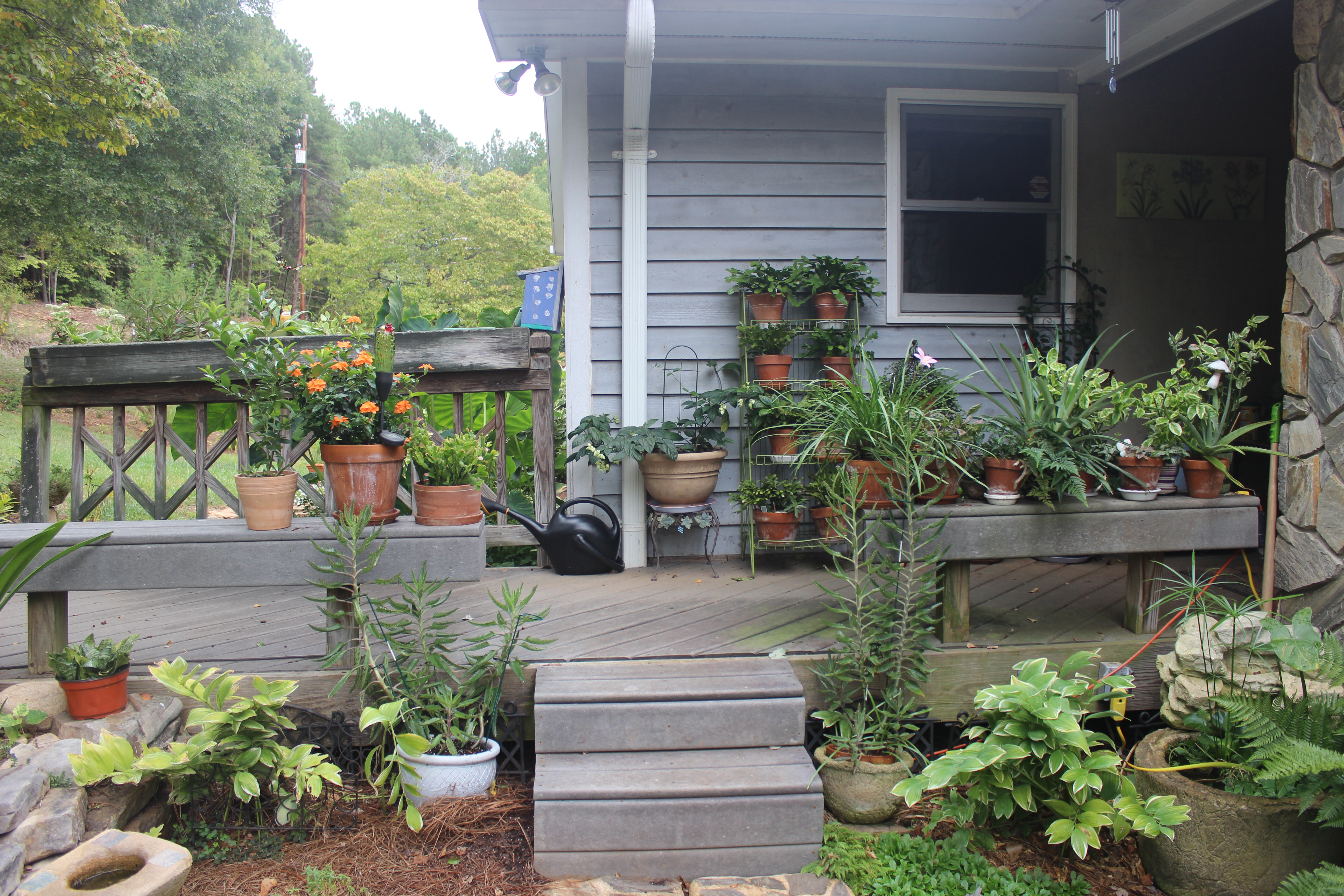
Many of my posts have been about cultivated plants and flowers,
purposely bred, raised and carefully tended.
In Julio’s poem this type of plant is described as “watered, fed, guarded, admired, but harnessed to a pot of dirt”
I have chosen to give some attention on Wednesdays to the wild plants
that are sometimes called weeds.
Not all weeds are wild and not all wild plants are weeds.
Weed is a term used to refer to a plant growing where it is not wanted.
Weed is also used as a verb referring to the removal of the unwanted plants.
This is not the case when using the slang term Weed to refer to marijuana/Cannabis/hemp.
It is possible to weed weeds while smoking weed. If you confuse these three you may end up in a bit of a jam.
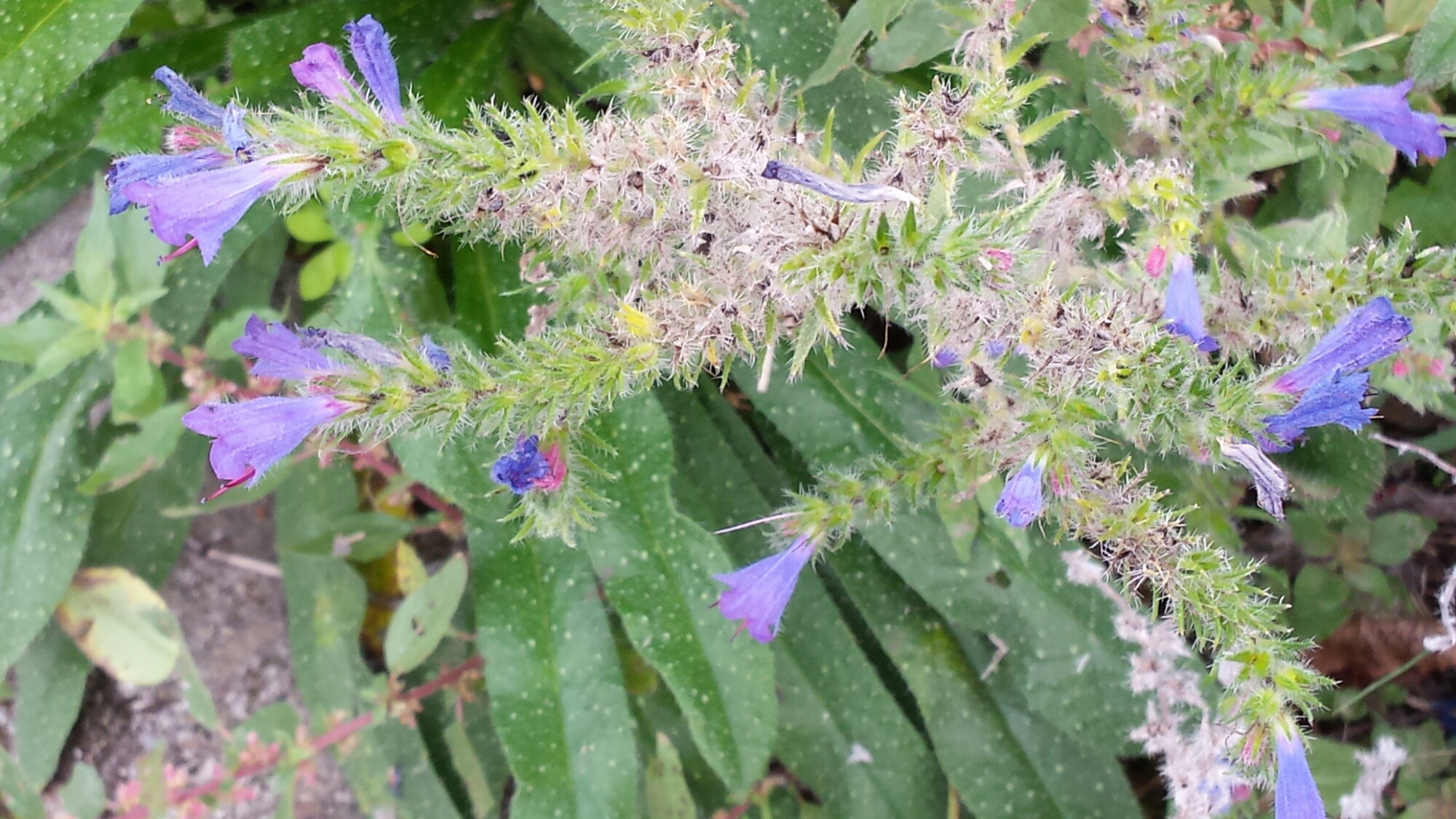
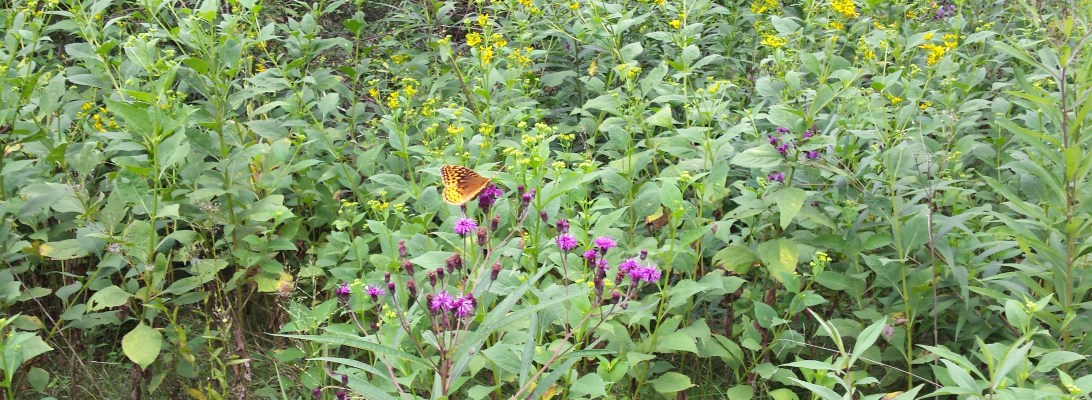
So today, I will show you some tall weeds on the Alley farm the are far from ugly.
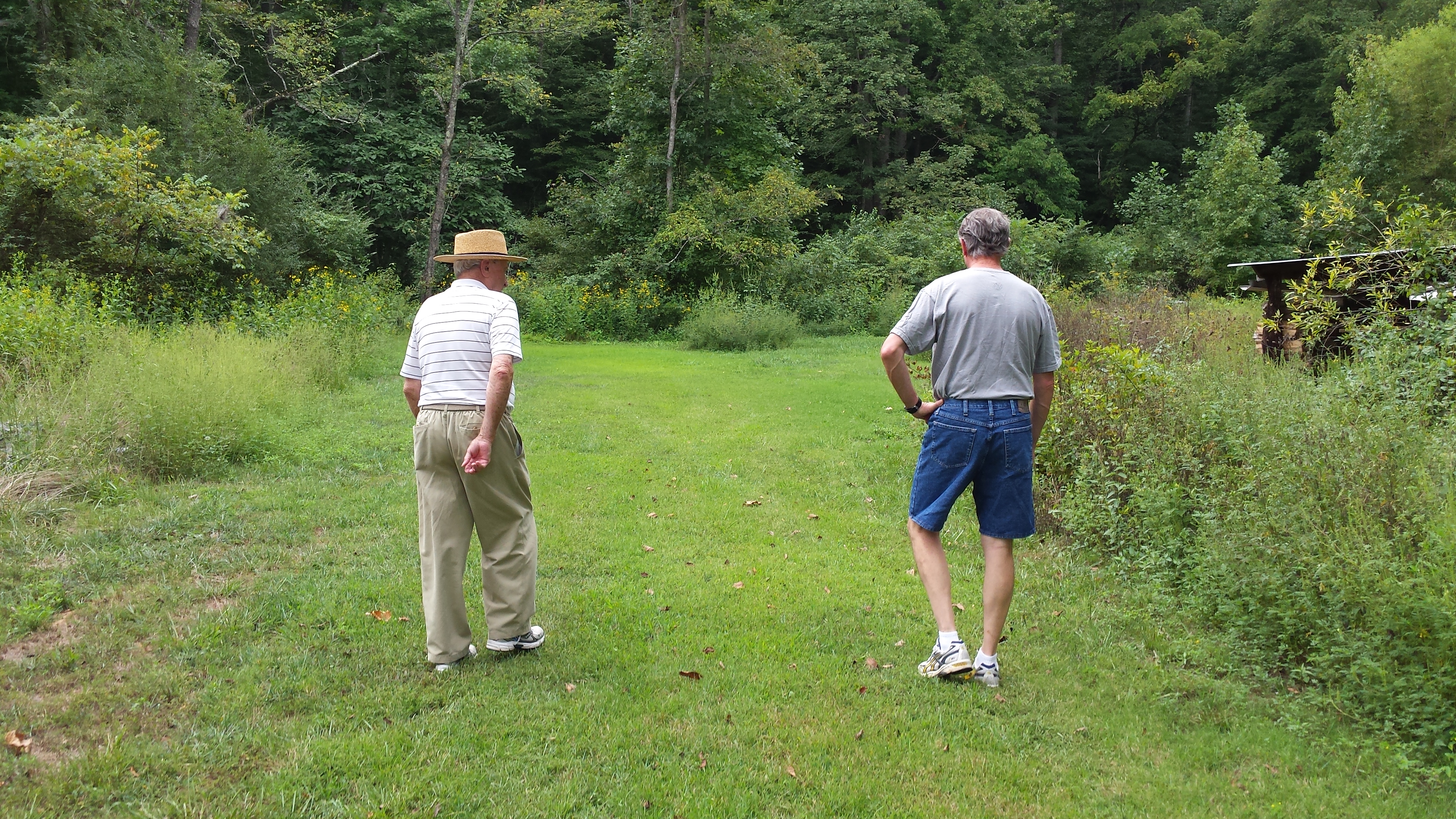
These may be called wild flowers by people who appreciate their beauty.
A former post “Weeds are the Champions” highlighted the resilience of weeds.
I would like to tweak that to say “Wild is the Champion” for this post.
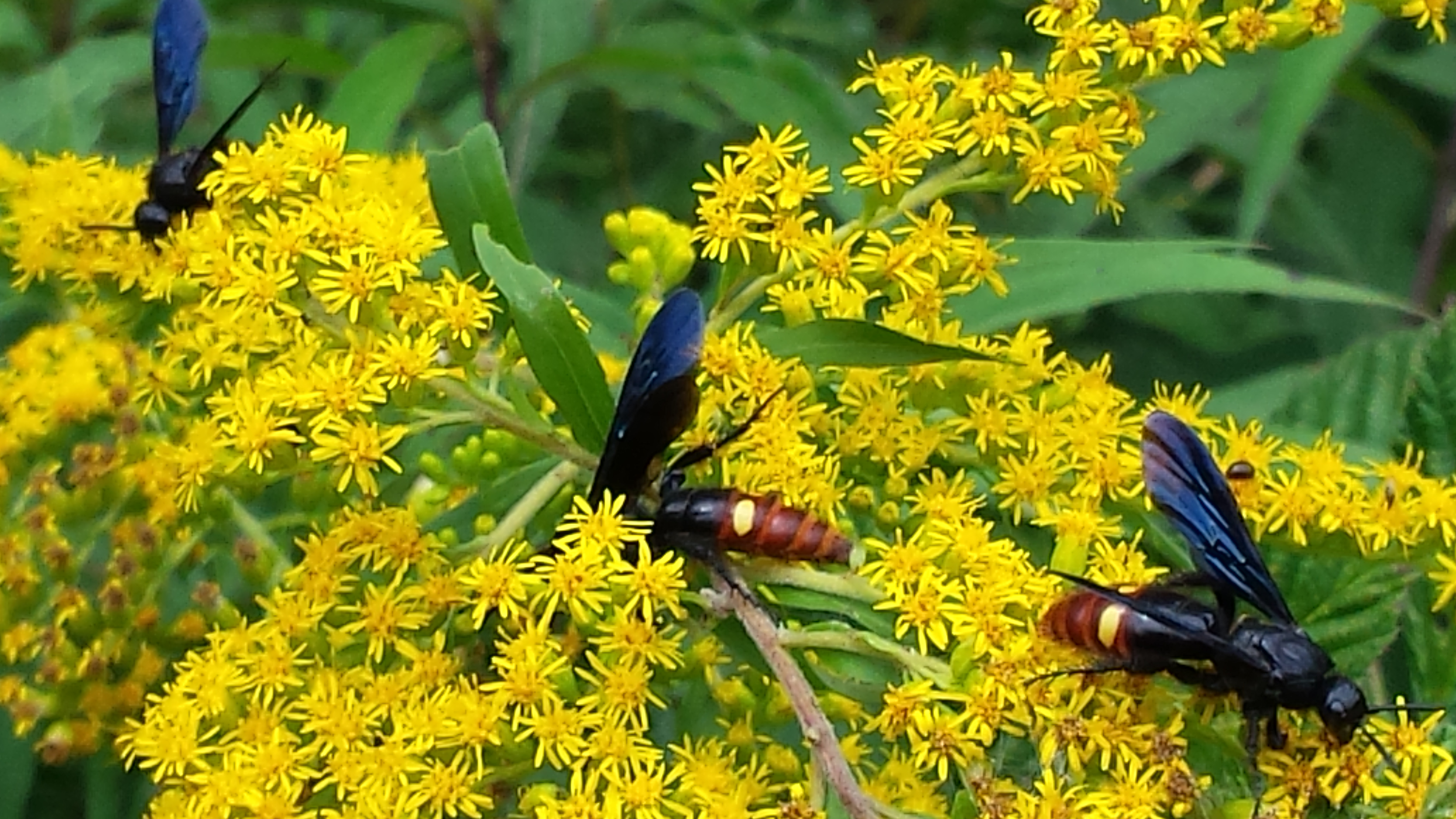
These lovely plants were neither planted nor tended.
God is the best gardener.
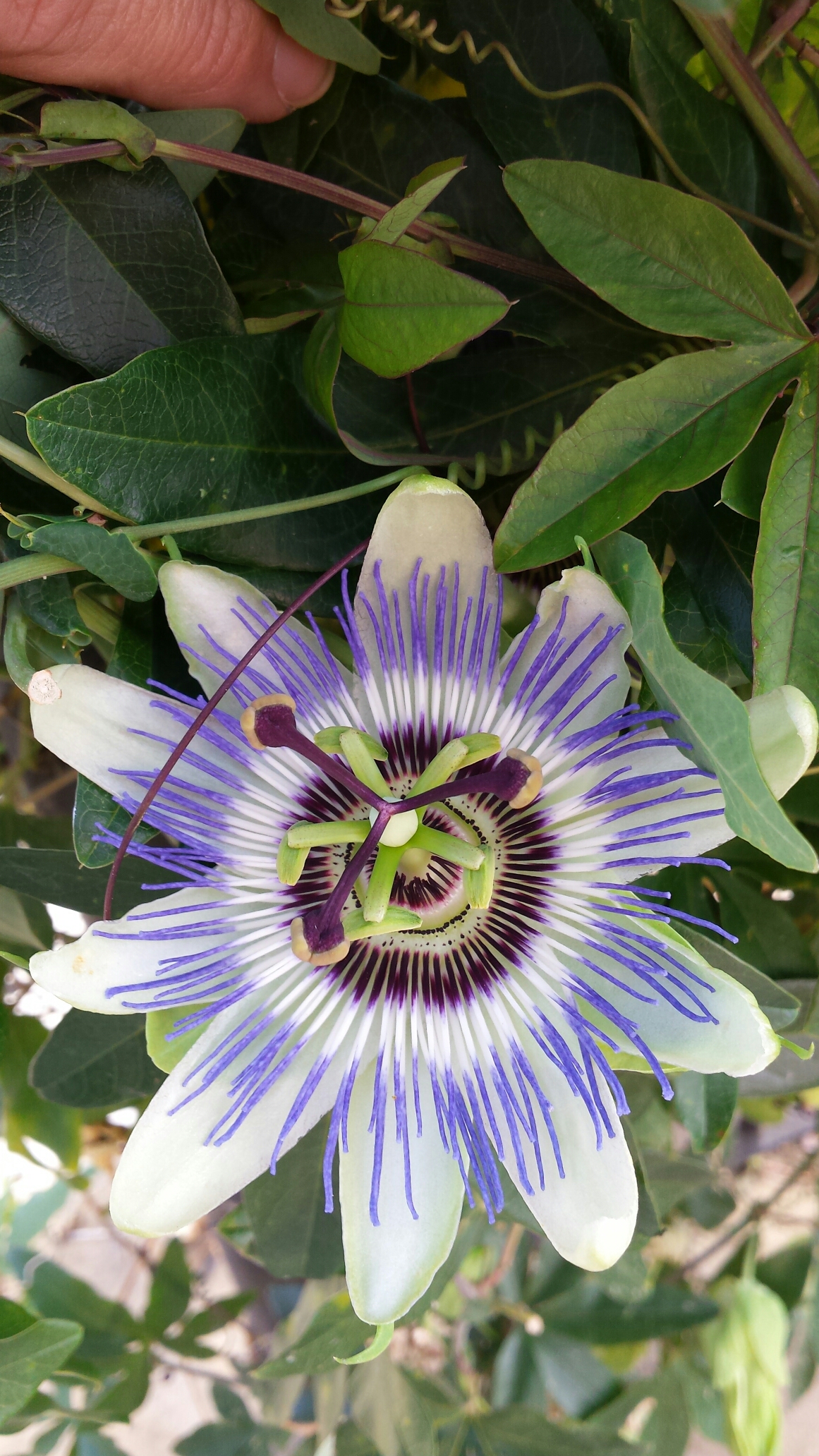
I have nothing in my garden that compares to this vine.

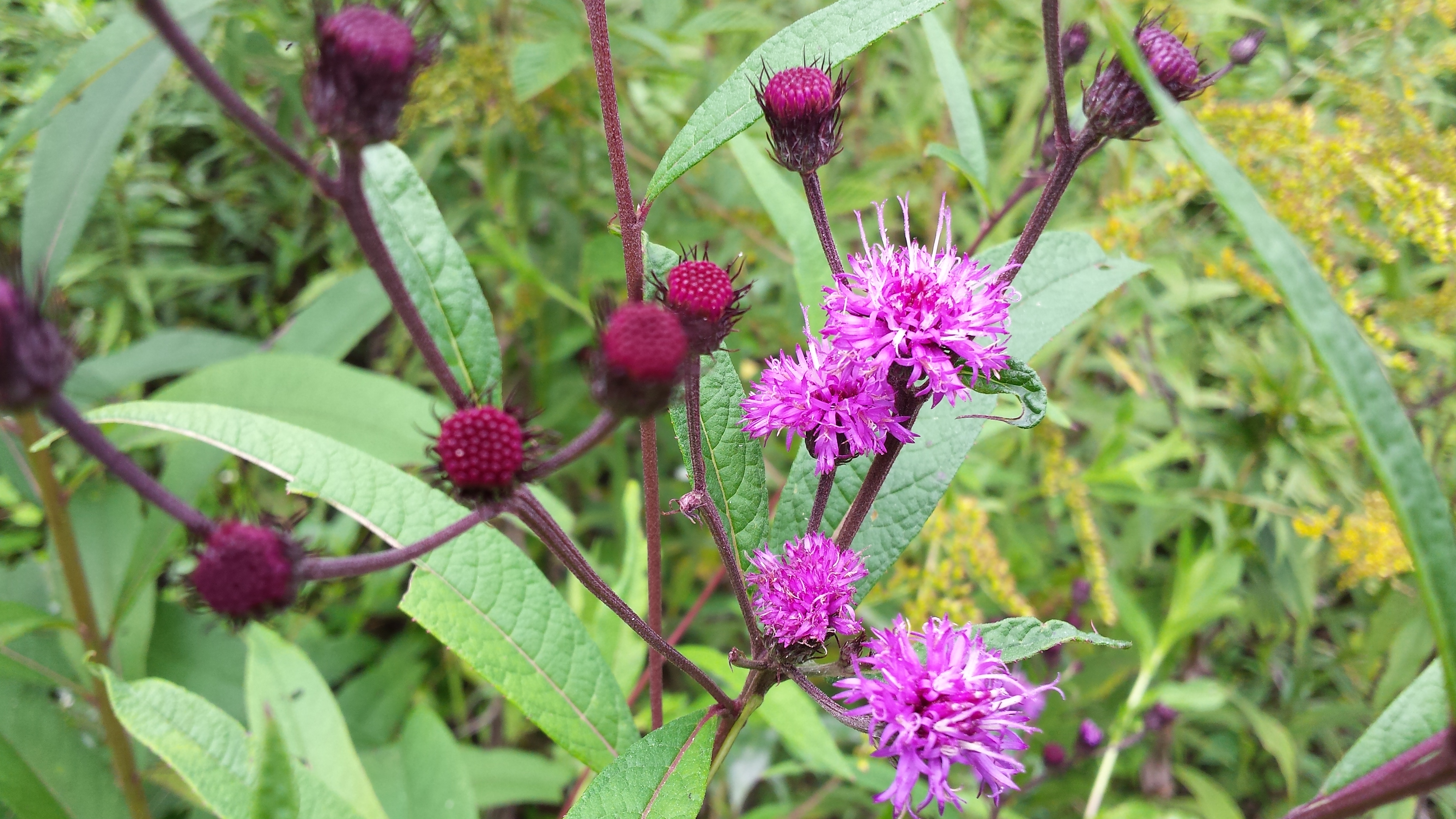
The butterflies love this tall Joe Pye Weed.

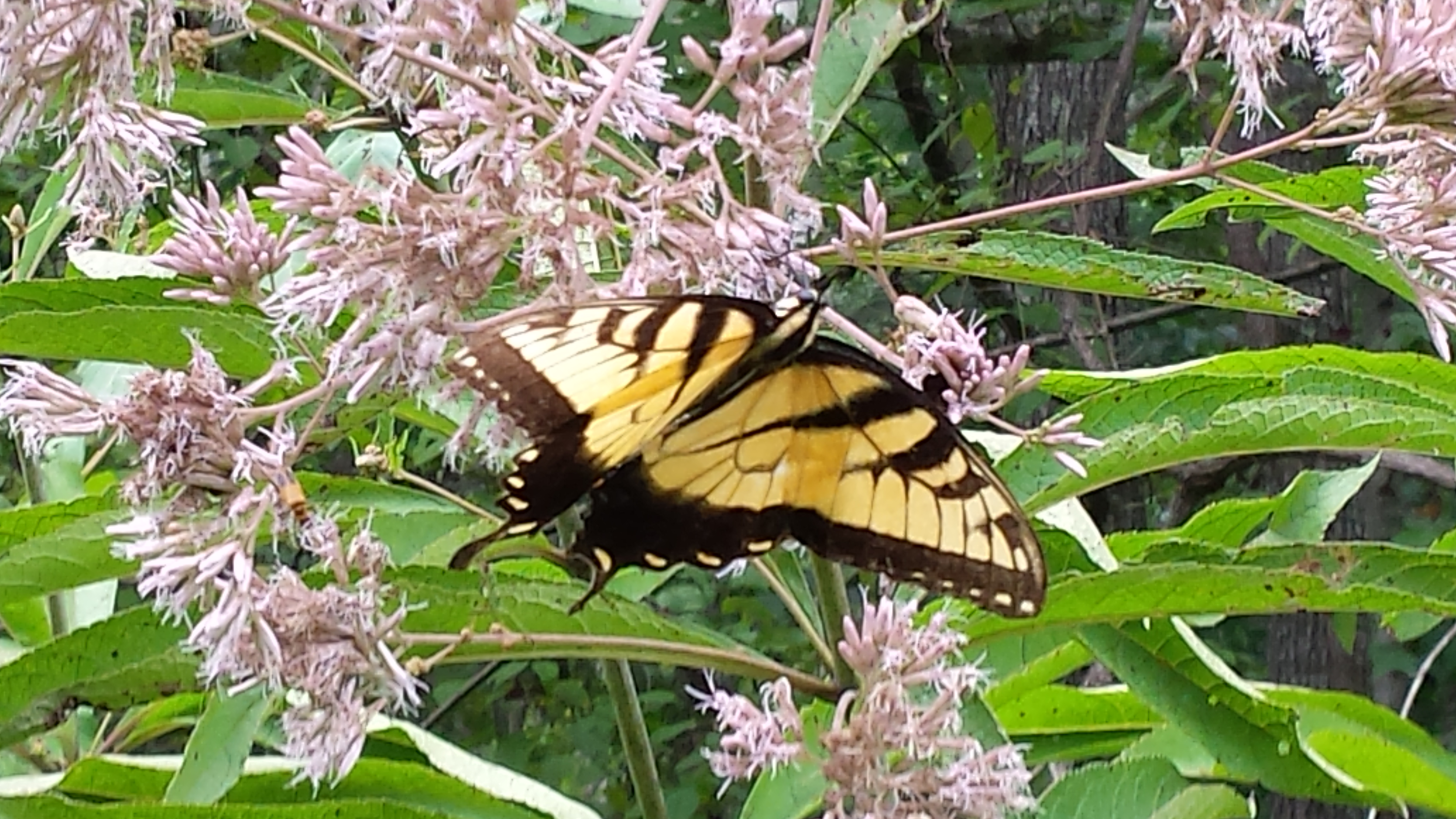
I was a bit jealous that I wear myself out taking care of my “harnessed hybrids” ,
while all this beauty was totally maintenance free.

Follow the Flower.
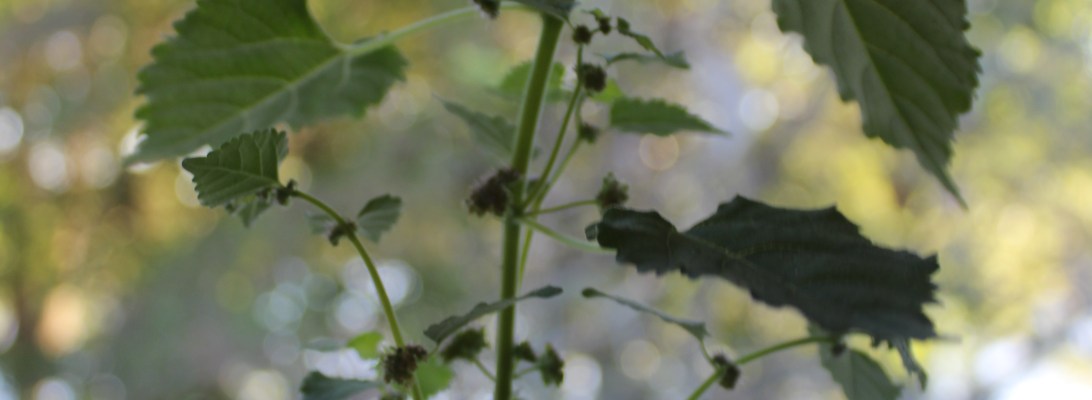
Mulberry weed, Fatoua villosa, is the worst weed-foe that I have ever encountered. It is a survivor.

It has alternate leaves with spiked, microscopic hairs as well has hairy stems. Little “stemlets” and blooms come from the nodes where the leaf emerges from the stem.
If you break off the top of the plant, the stem “medusas out” and it comes back up as a little bush.
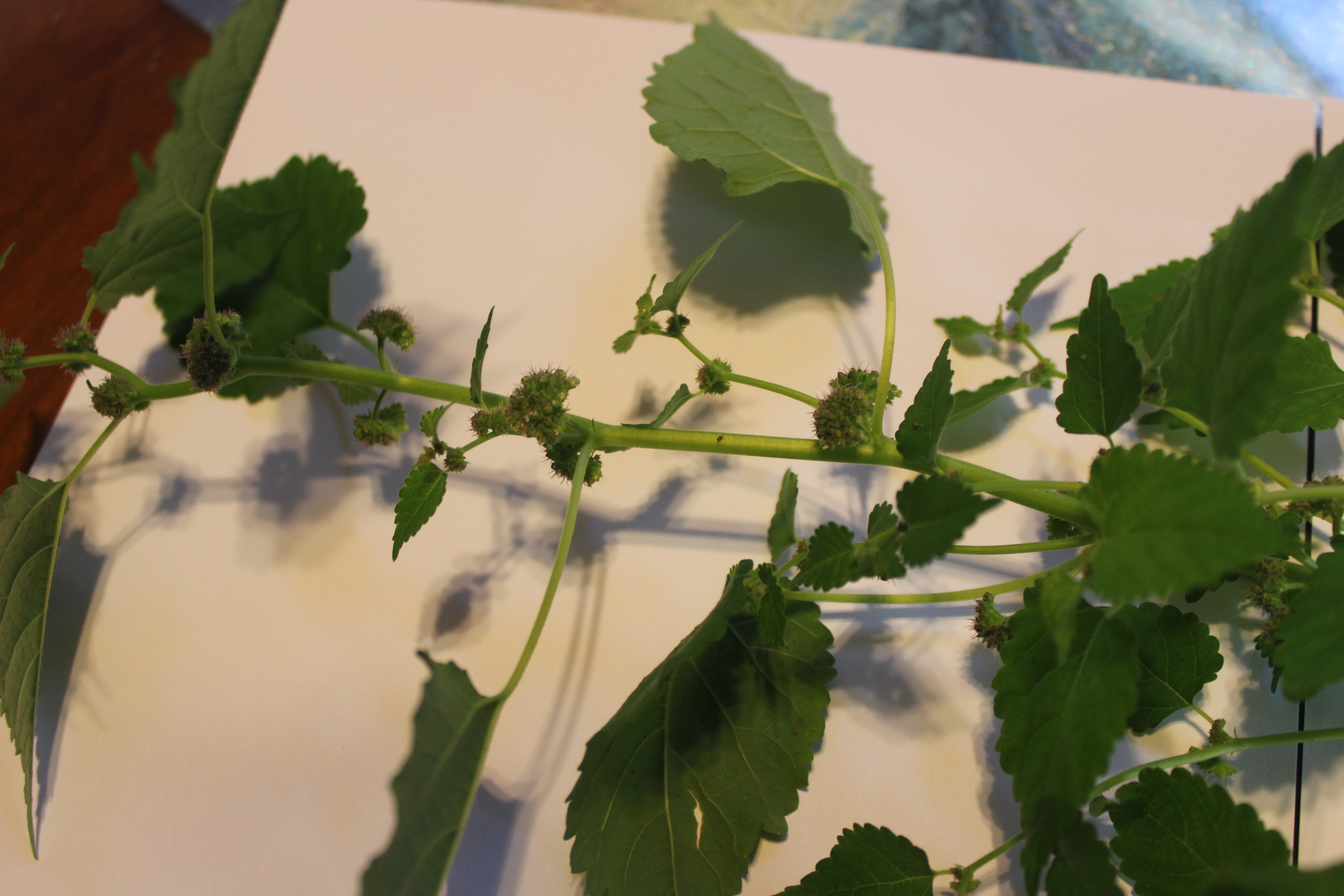
The tiny white flower clusters ripen into purple pod clusters full of tiny seeds.
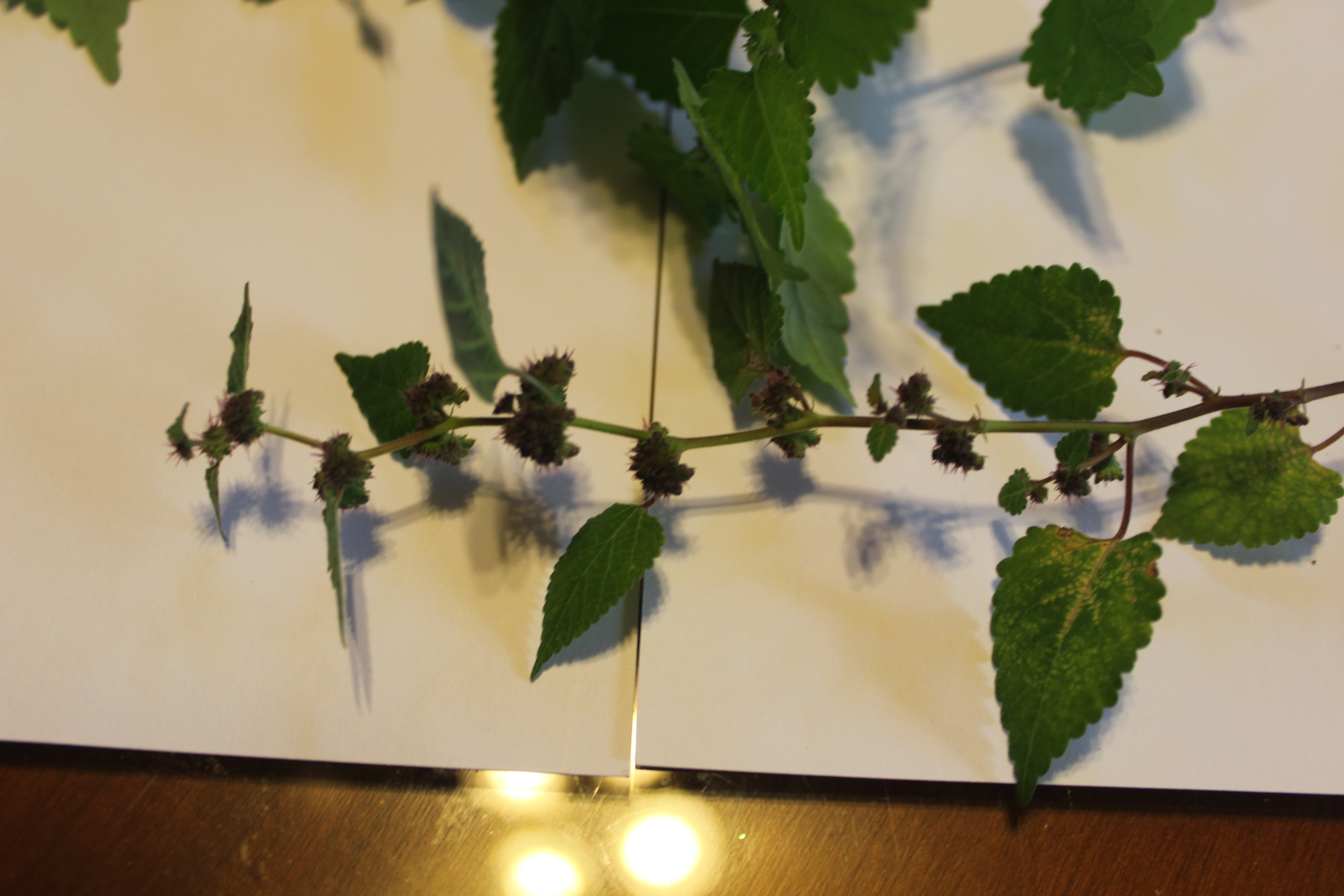
The seeds shoot out of the dried pods as you pull up the plant. You must get it before blooms ripen into pods.


Do not throw these weeds on your compost pile. If you do you will plant them next year. Even the tiny plants can set seed.
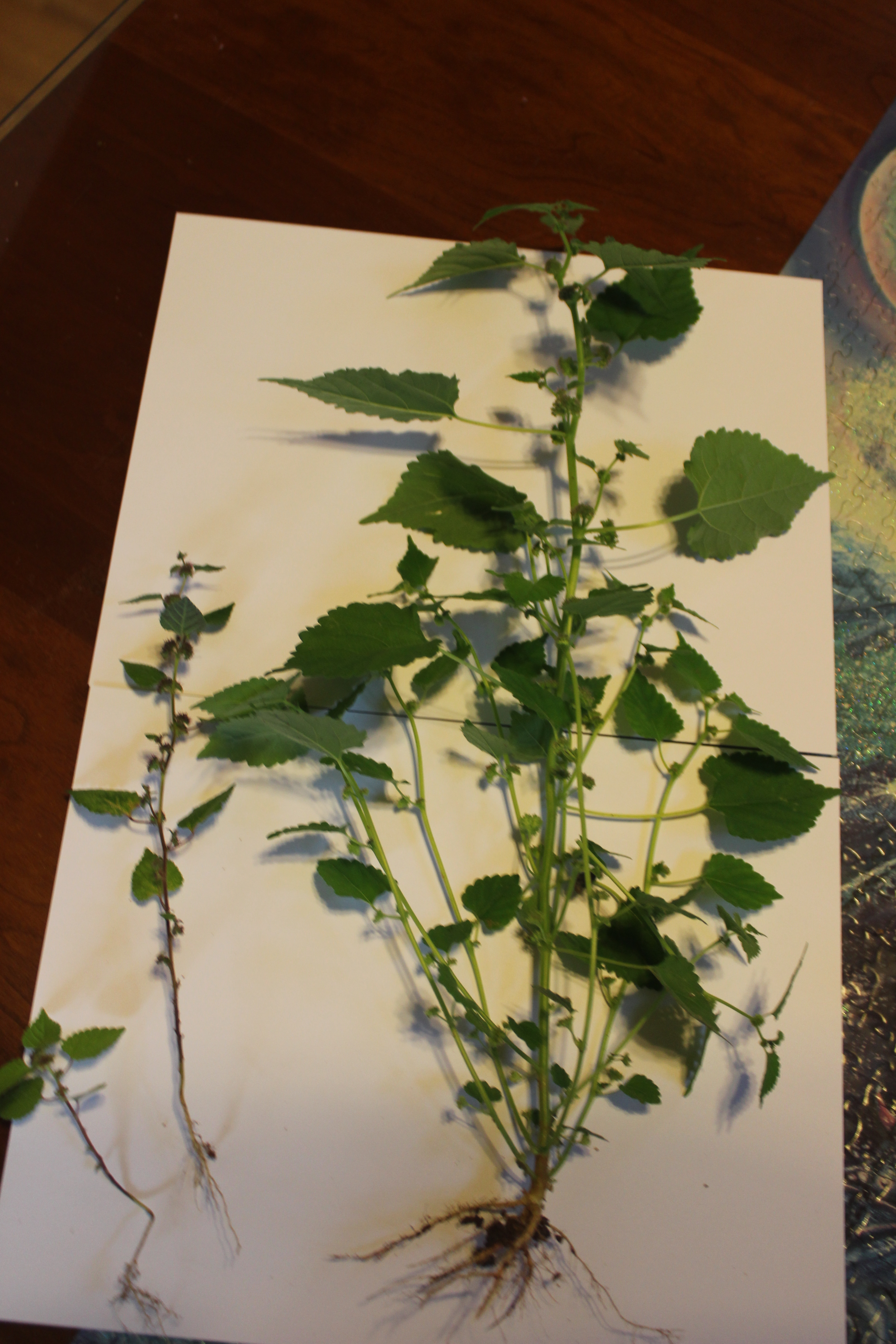
It is an import from Asia that piggy-backs into your plantings from nursery stock.
It is suspected of coming to the USA with the troops and equipment after WWII.
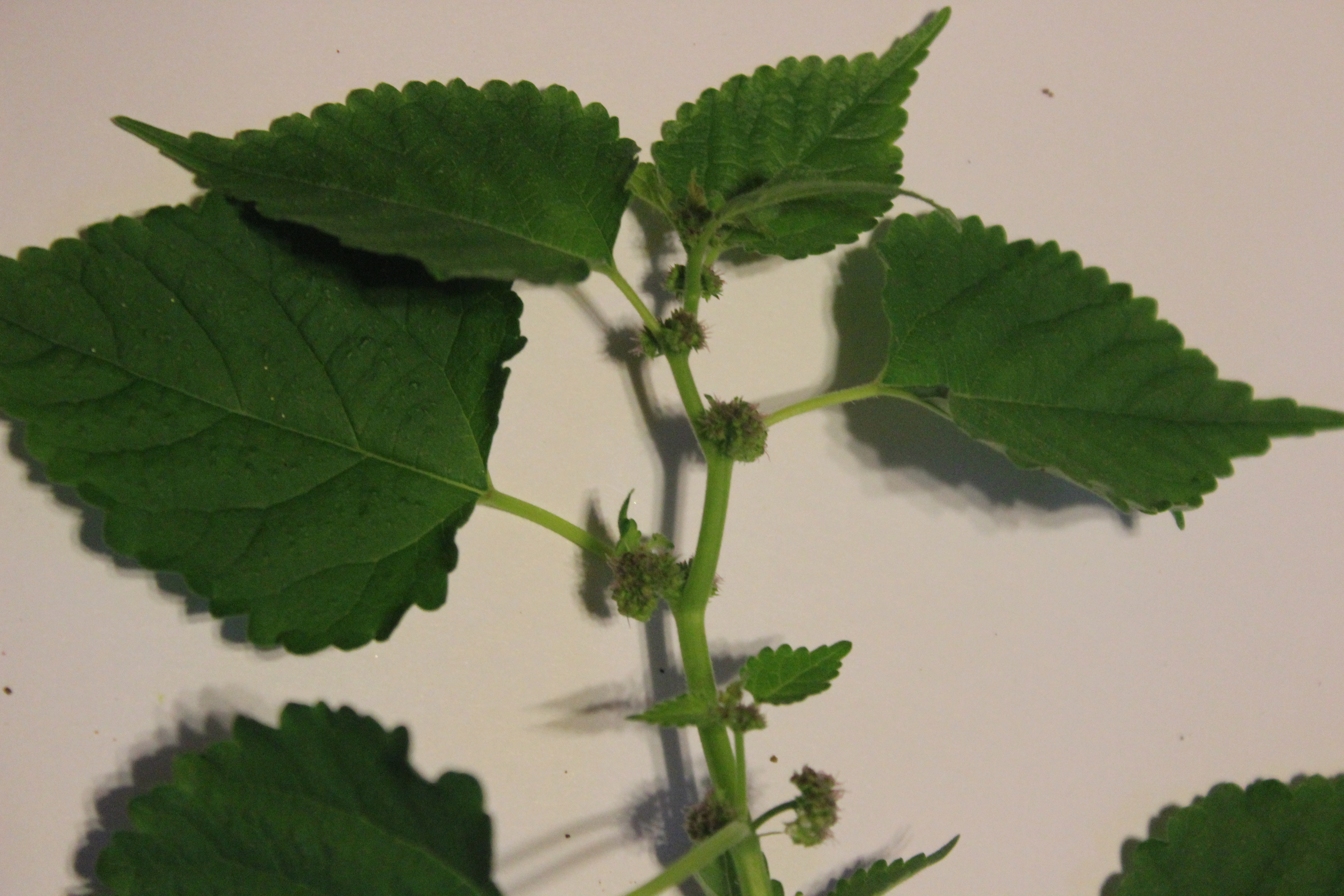
It is described as noxious and invasive. These are not terms of endearment.
I usually try to find attributes for my local weeds, but this is an imported pest that ranks right up there with Kudzu.
Follow the FLOWER. Return next Wednesday for another visit with a WEED.
I’ve planted my seeds
time after time.
I’ve done the digging.
I’ve committed the time.
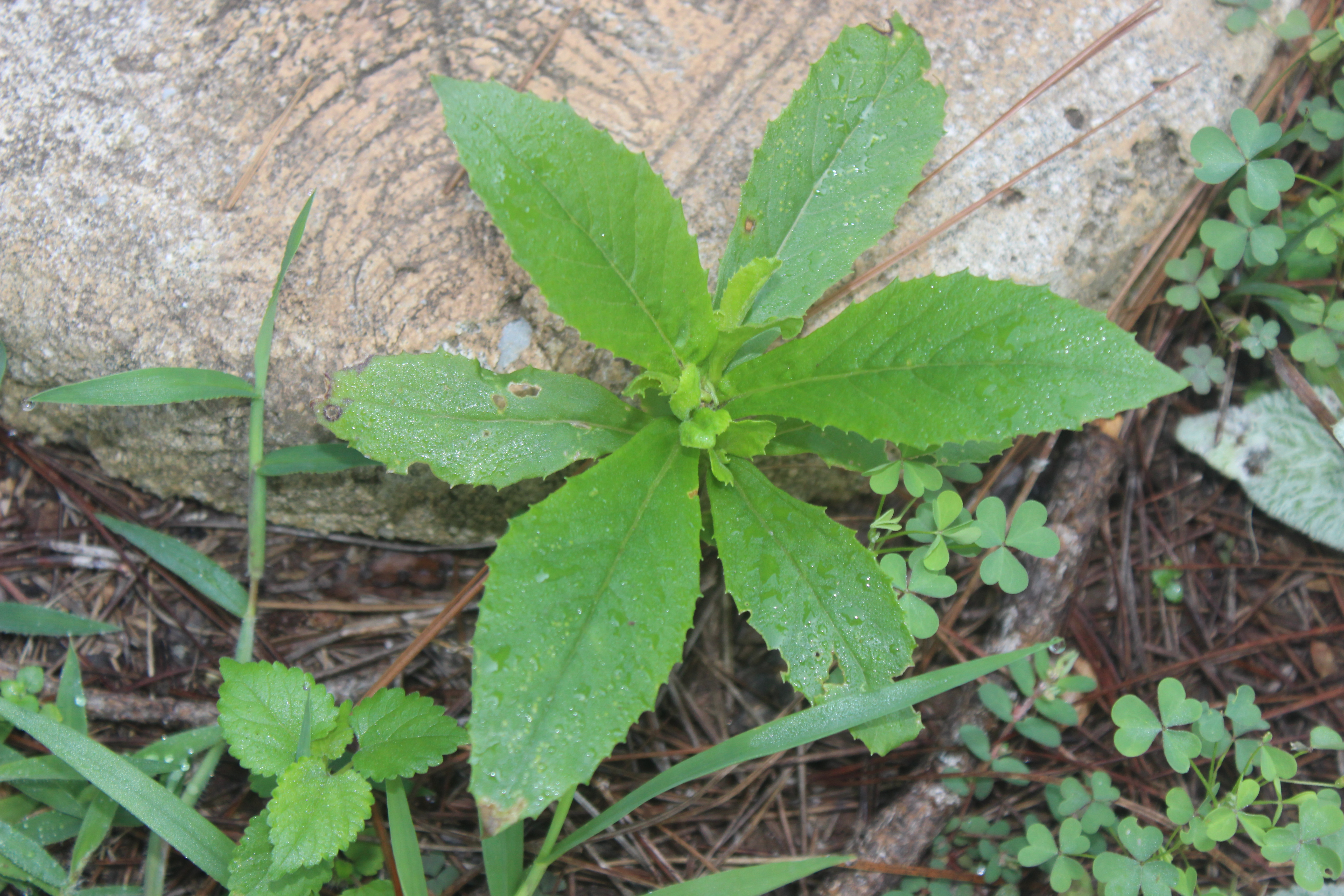
Made some mistakes.
Planted some brutes.
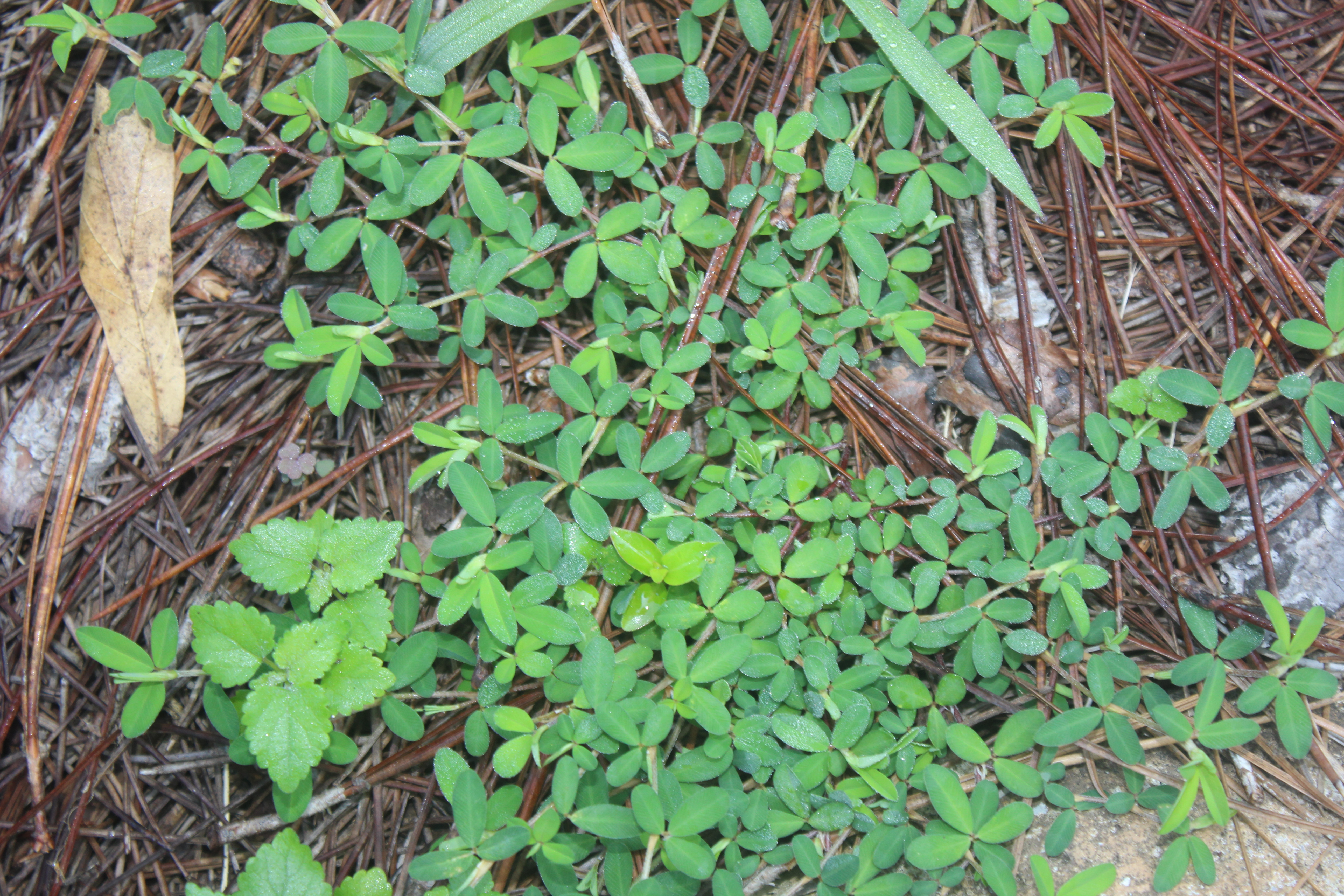
I’ve had my share of seeds blown in my face,
But I’ve come through.
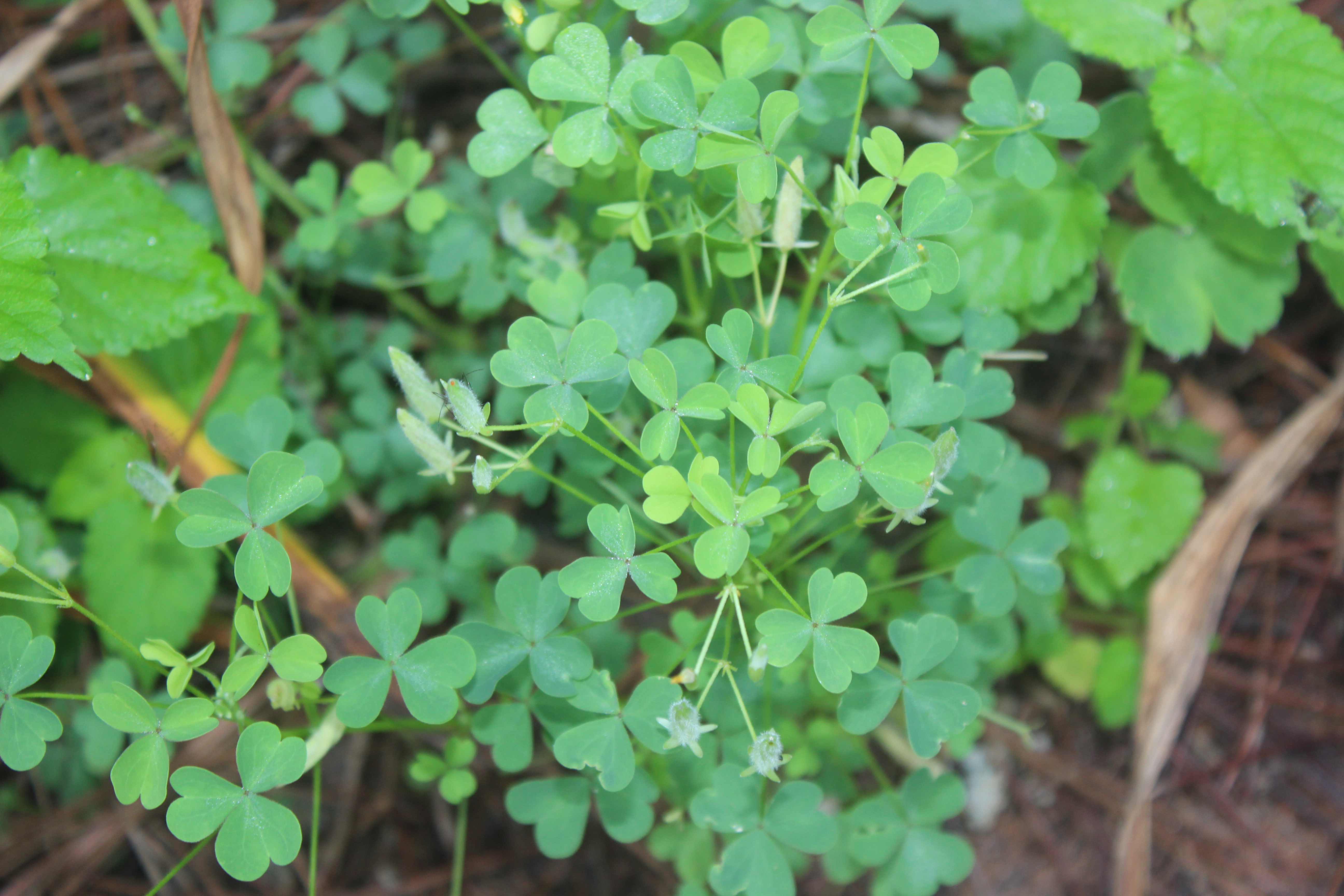
And I could go on and on and on and on because…
Weeds are the champions, my friend
but I’ll keep on weeding ’til the end.
Weeds are the champions
Weeds are the champions
No space for hybrids
“cause weeds are the champions of the WORLD.
FOLLOW the FLOWER for “WEED Wednesdays” for a new take on what we call weeds.

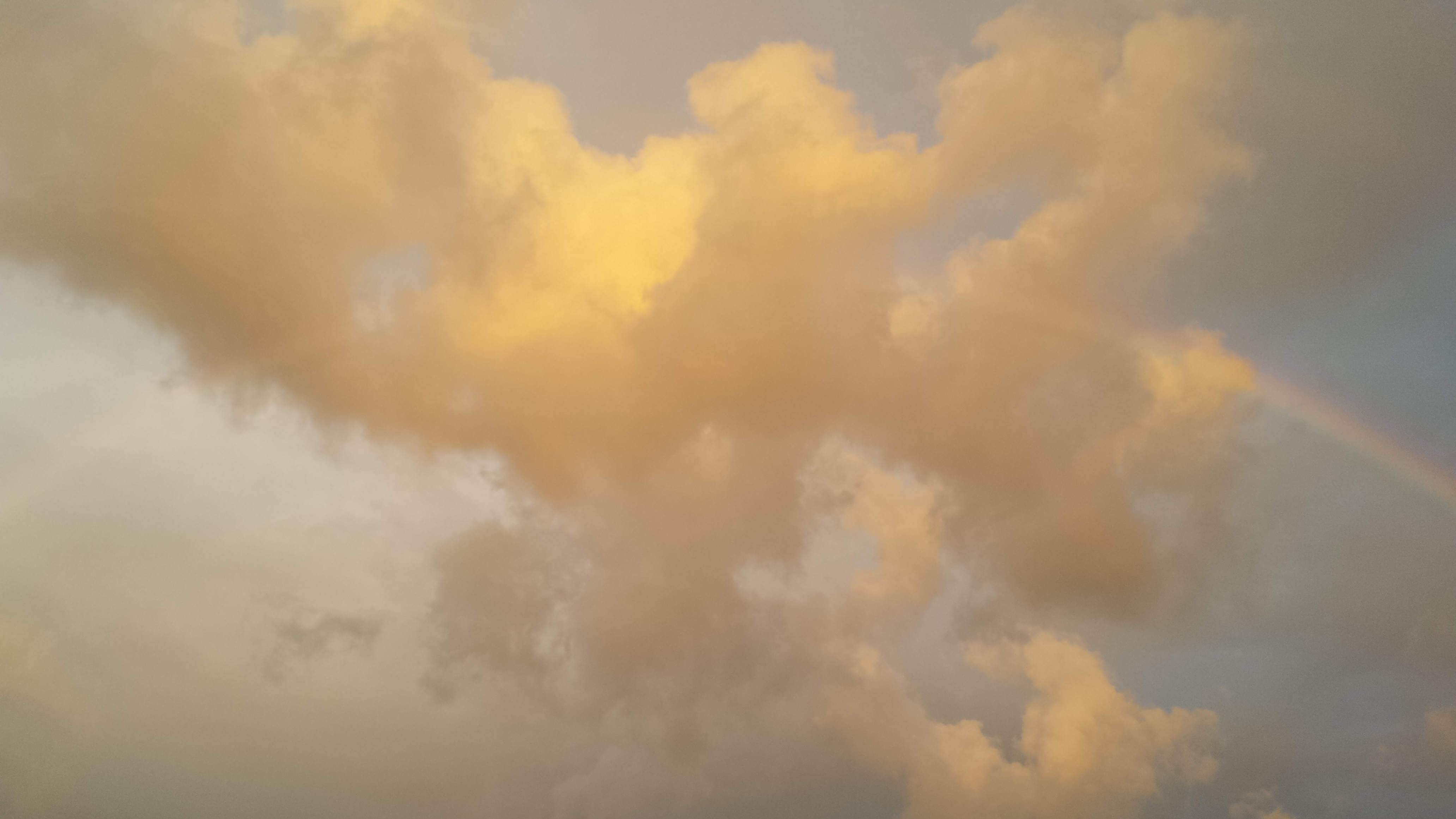
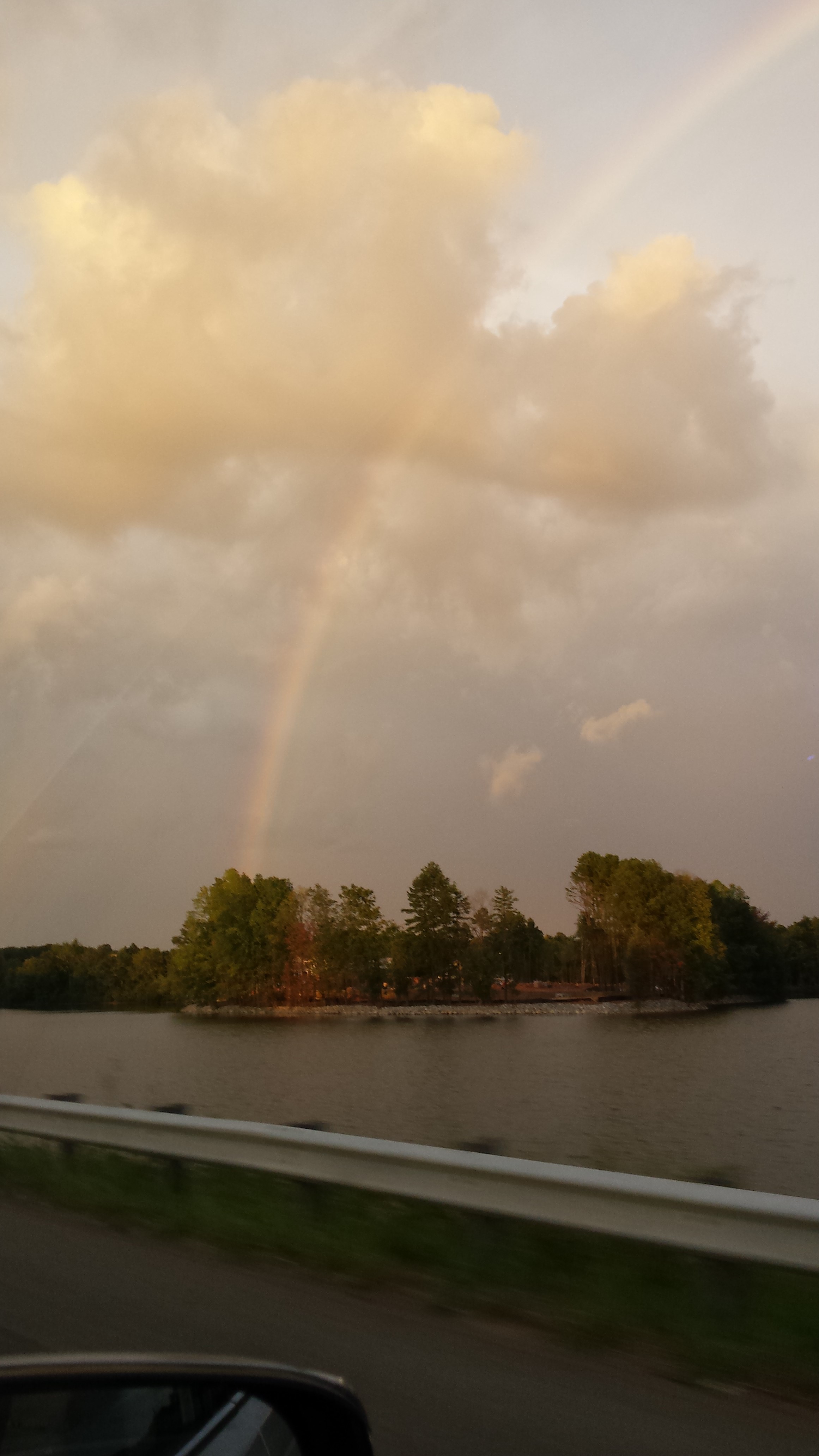


Morning light is different.

The low angle of the sun’s rays causes the subject to cast vertical shadows on itself.

It gives a three-dimensional effect that you can’t get any other time of day.

I got up early this morning and let the sun’s rays spotlight what I should photograph.
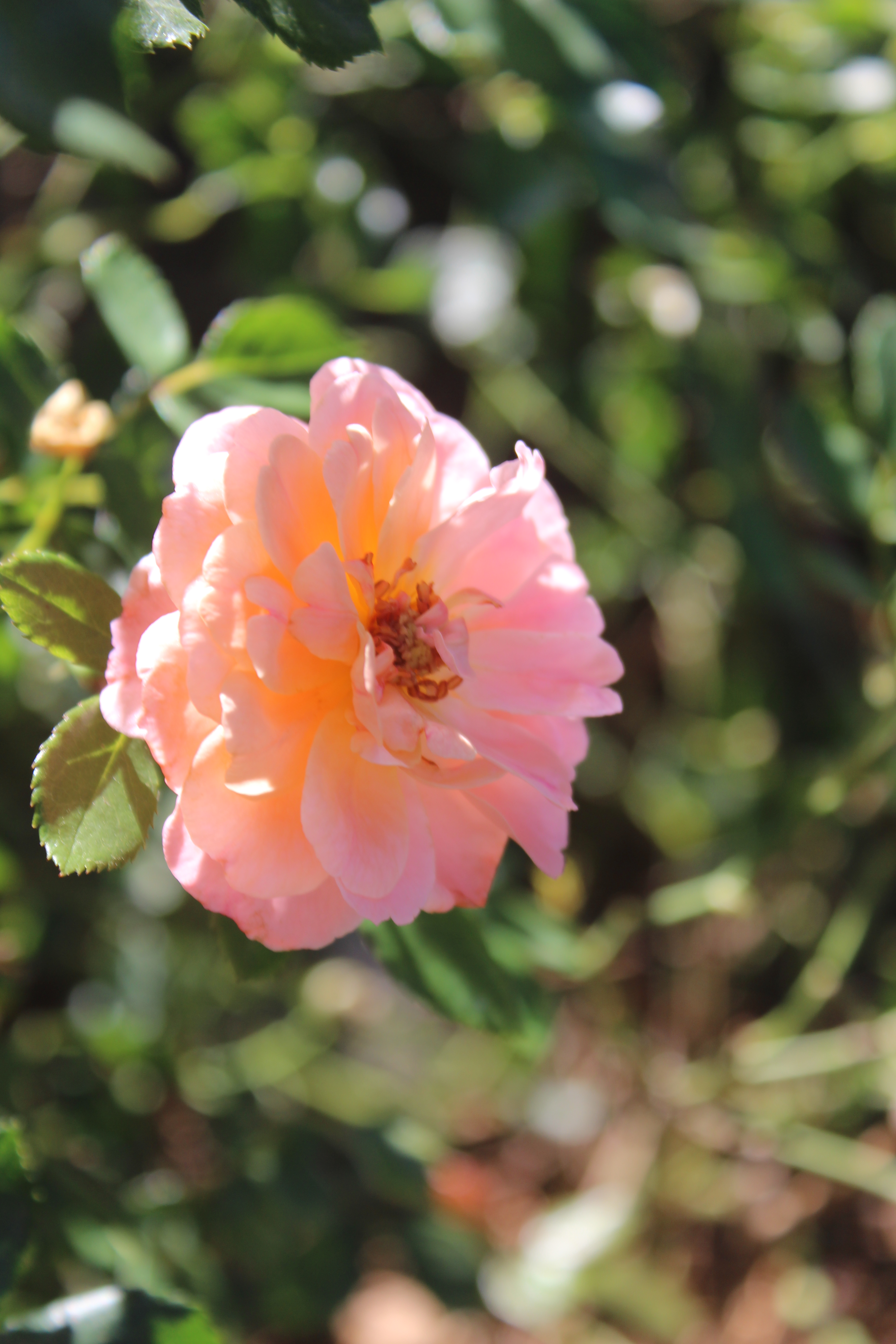
I paced up and down the eastern side of the garden waiting to see what lit up next.

It was like being lead on a treasure hunt.

Look closely for rays and shadows.
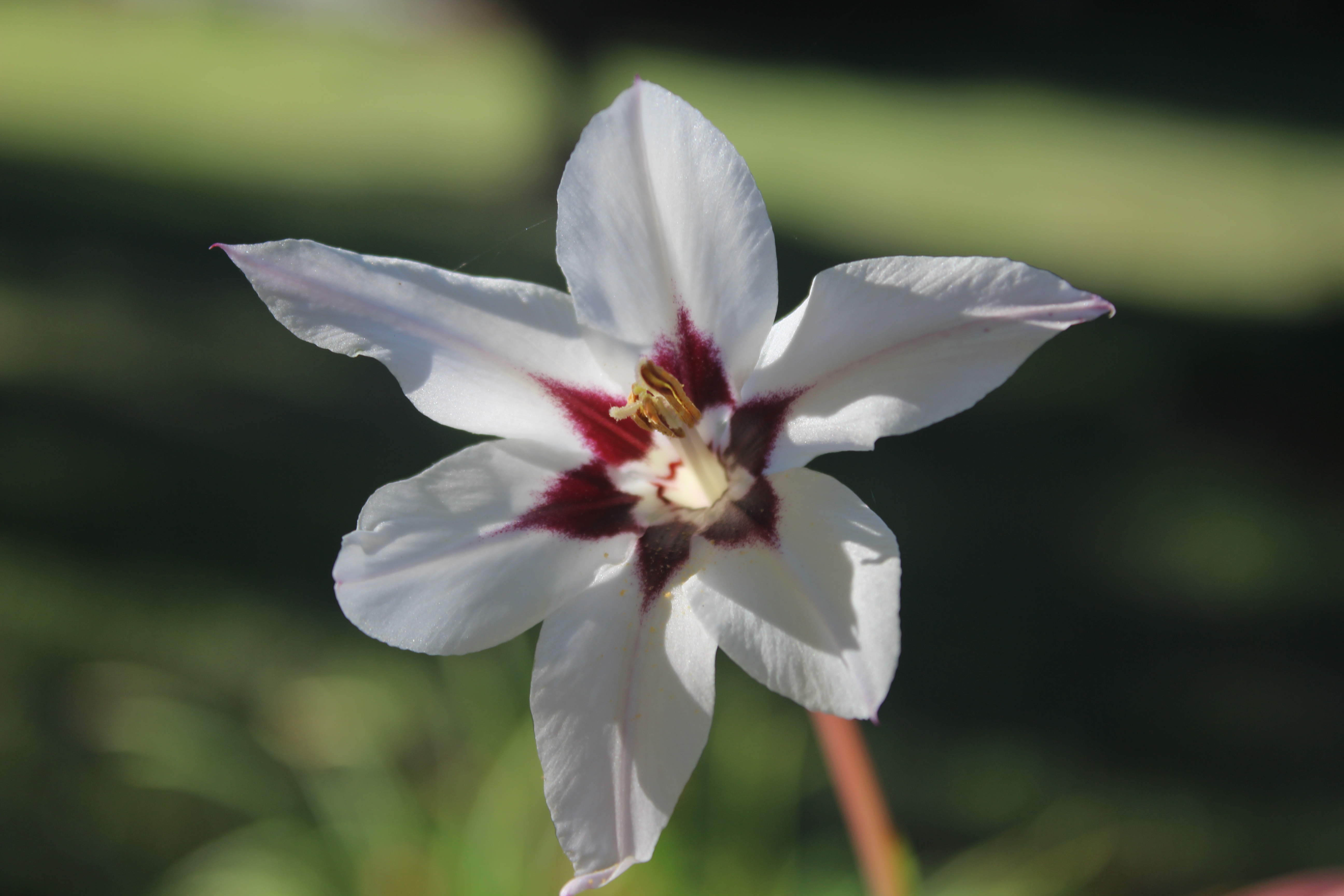
Let the light guide you.
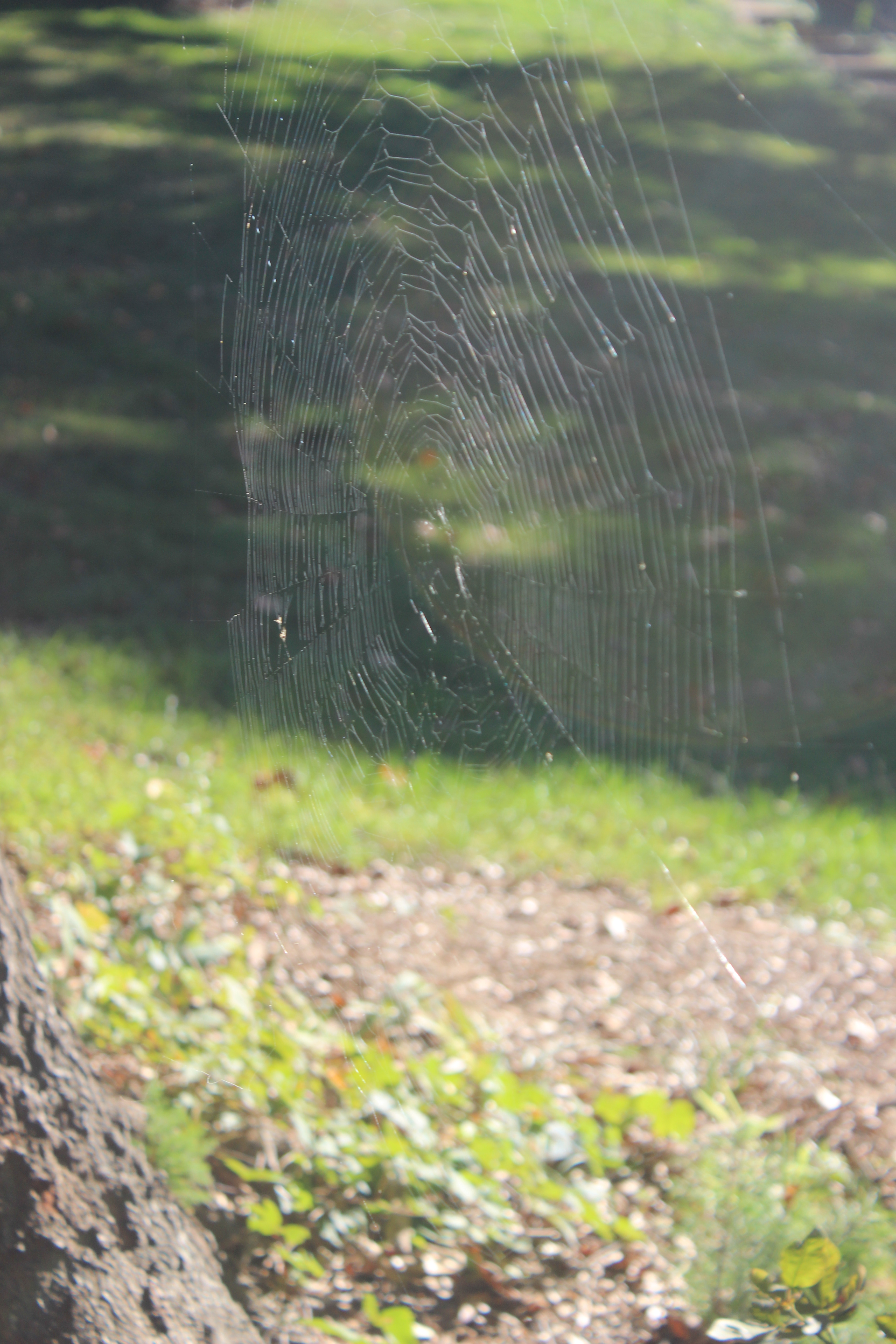
FOLLOW the FLOWER.
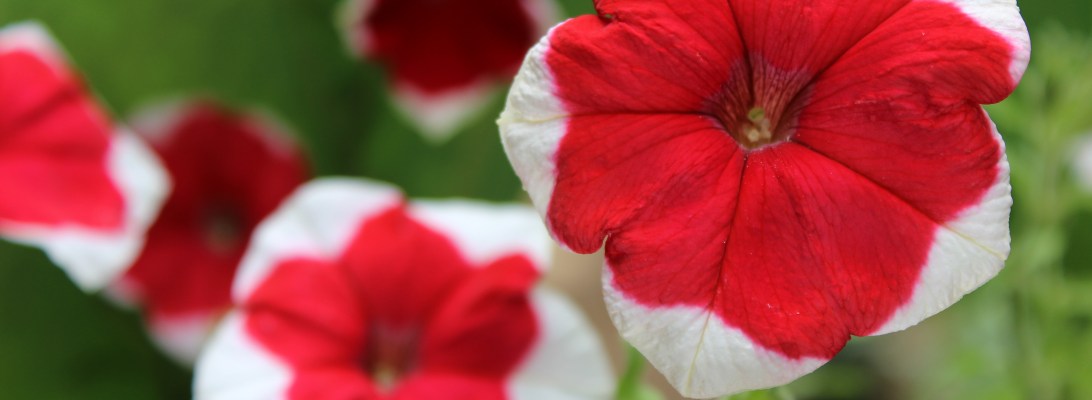
Why do we use the color red to signal stop?

Red has longest wavelengths we can perceive with our eyes.
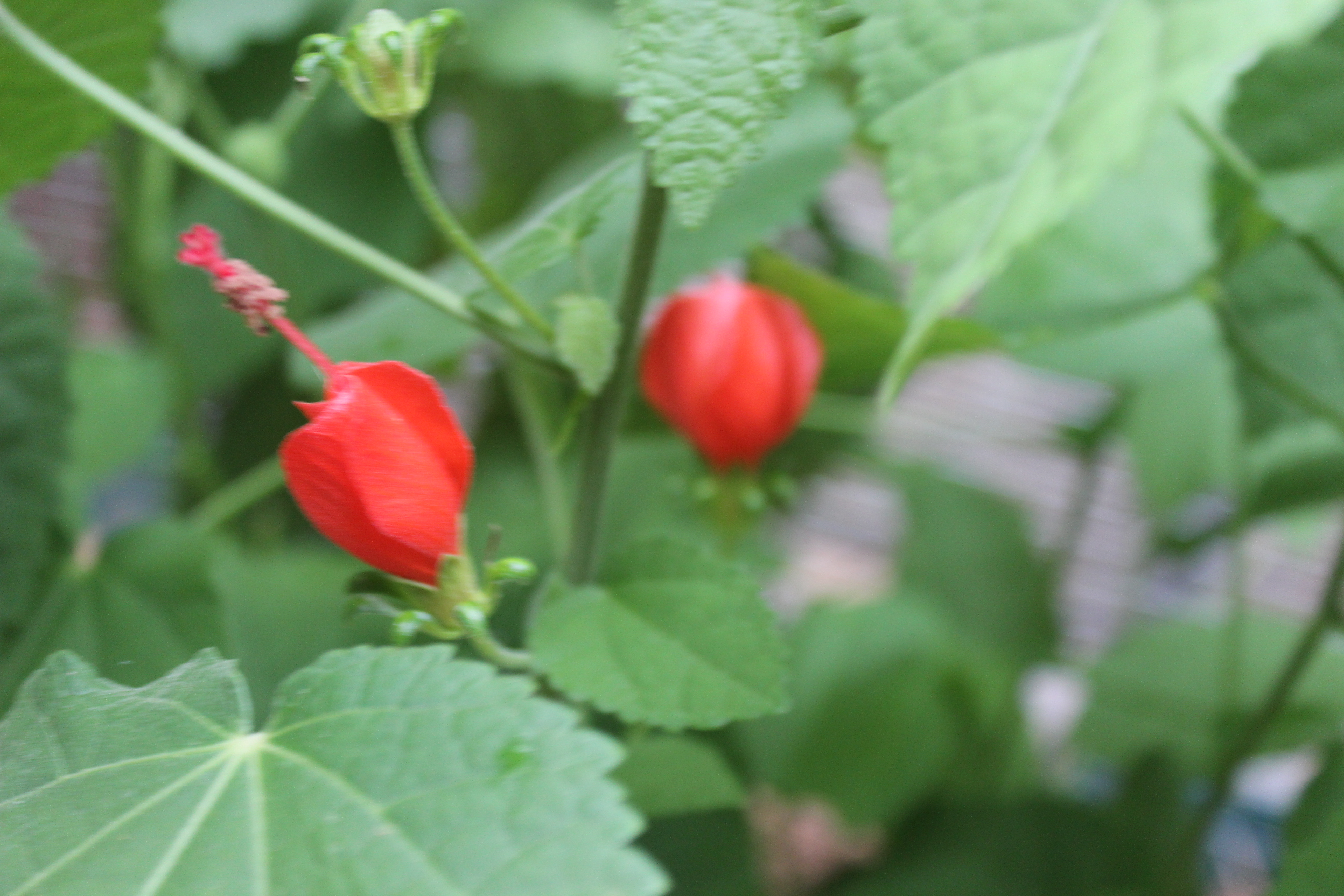
Longer wavelengths are infrared waves, microwaves and radio waves.
We can’t see these longer waves, but can we sense them?

I often wonder if we can feel red somehow.
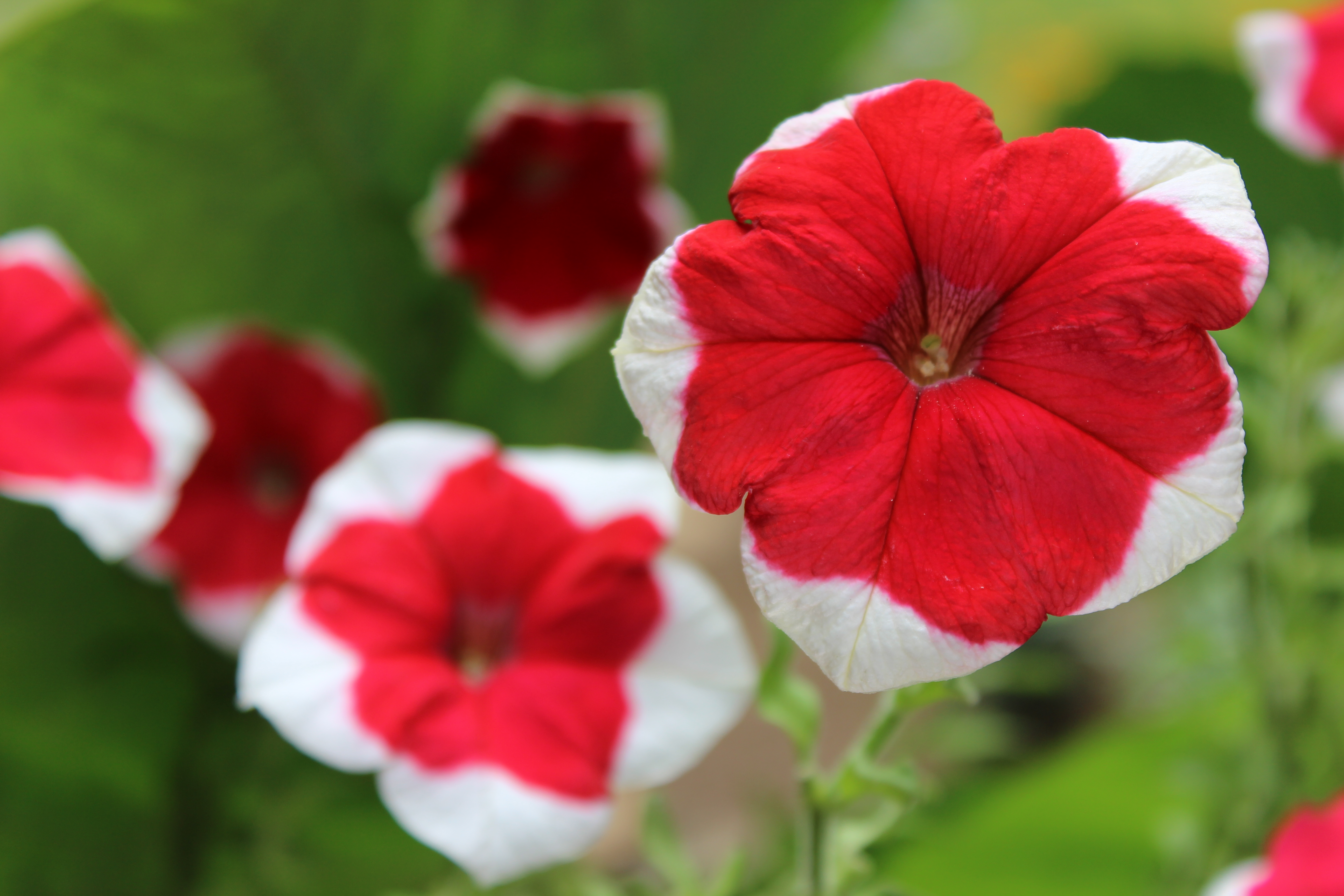
When it is mixed with other colors it demands our attention.
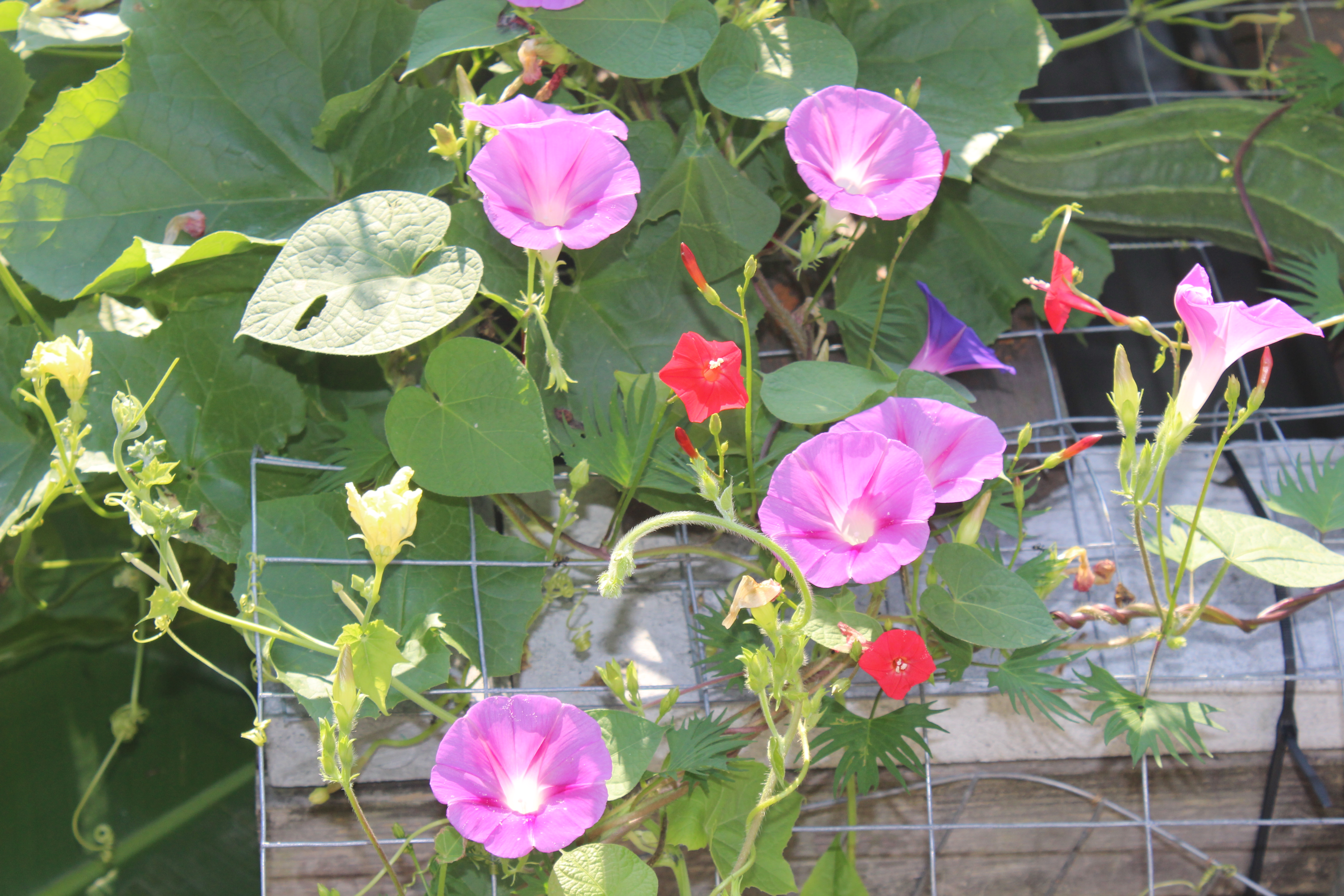
When it’s bright and big it makes us pause.
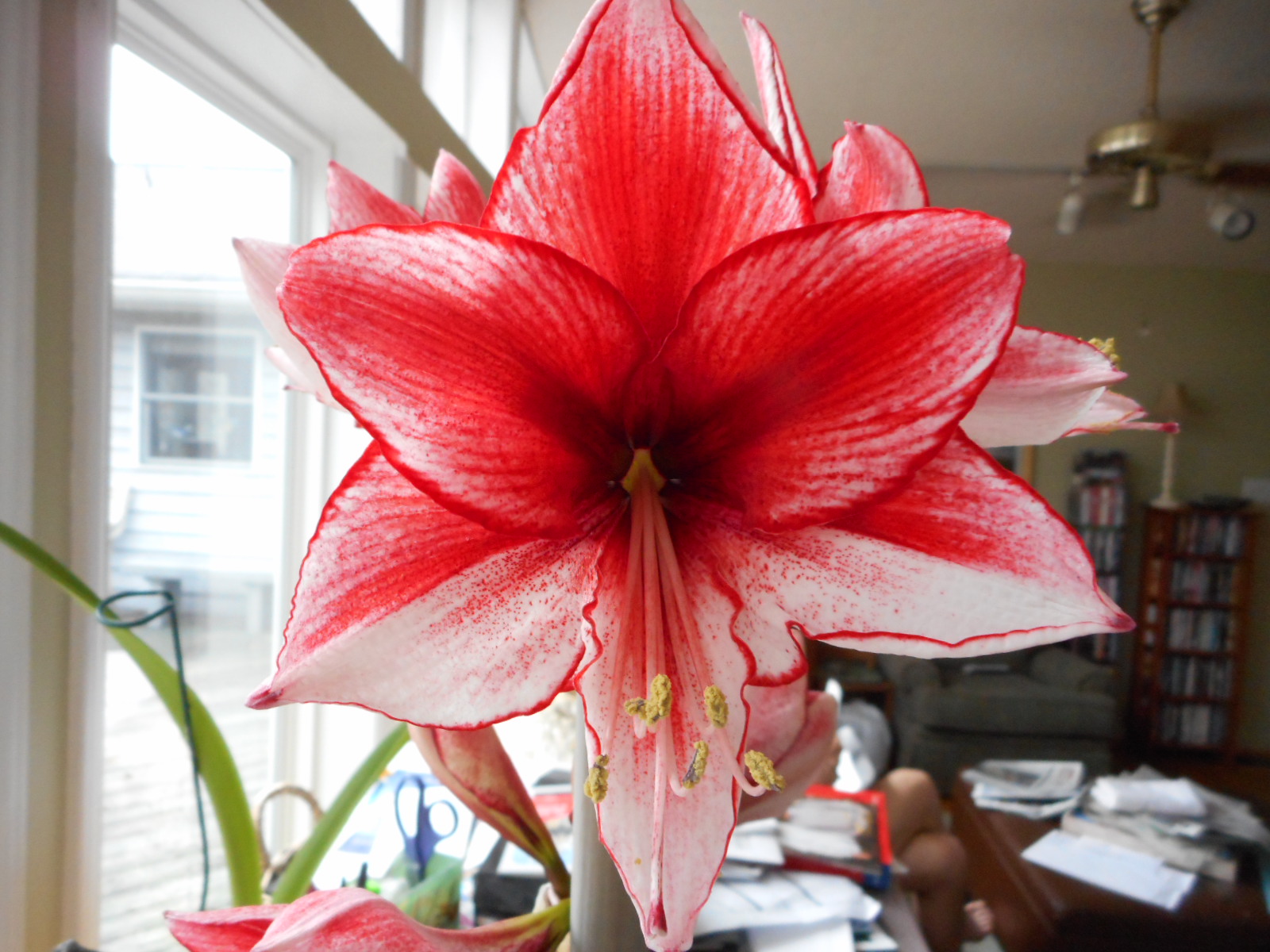
What does red light beaming at us feel like subconsciously?

Why does it universally mean stop?
Red Hot.

Red Devil.

Do we all have an ancient memory of blood red danger?
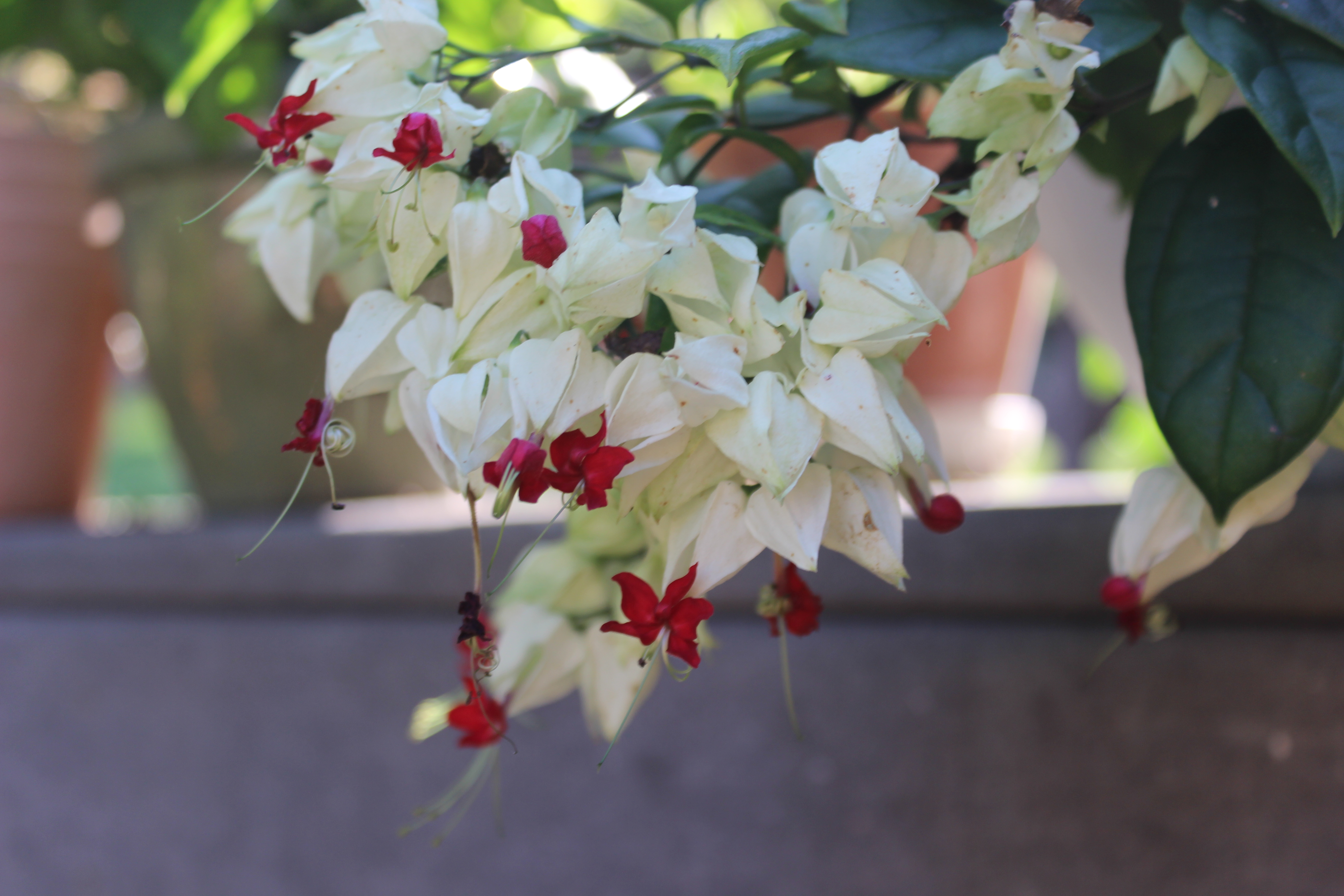
Does red make some of us blush and make others feel angry?
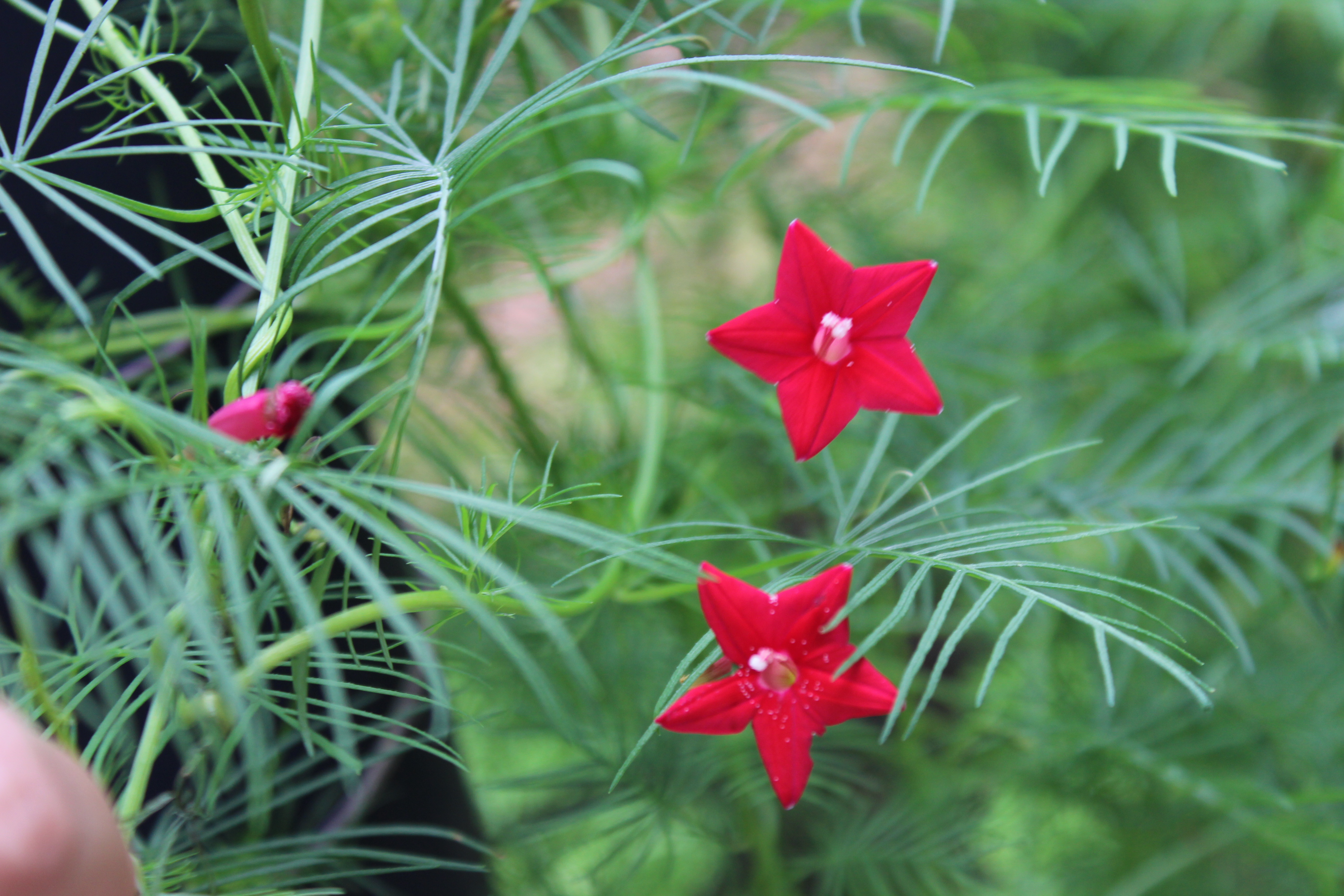
How does red make us feel?
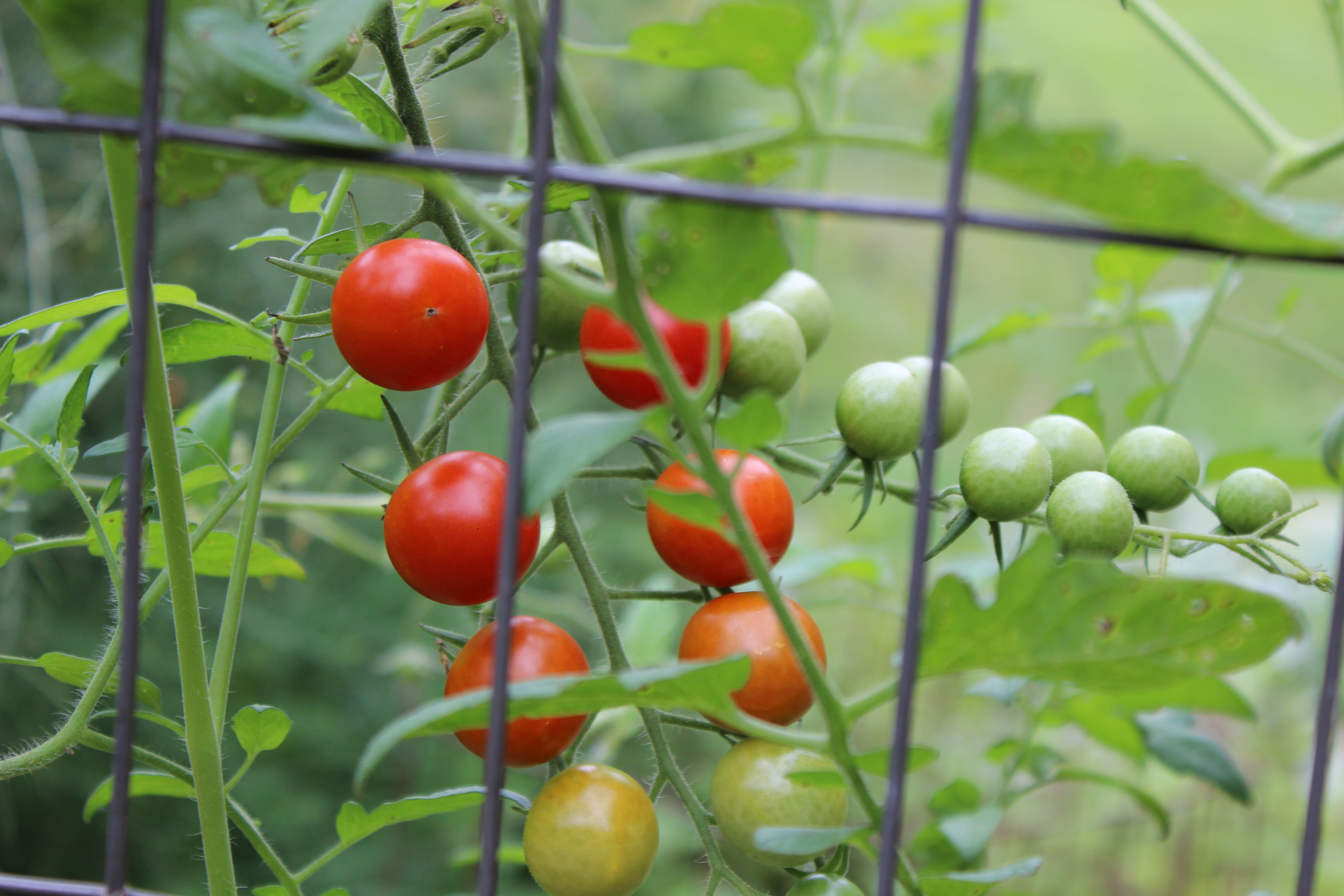
I wonder…
FOLLOW the FLOWER.

If you want tiny friends, you must move slowly and quietly.
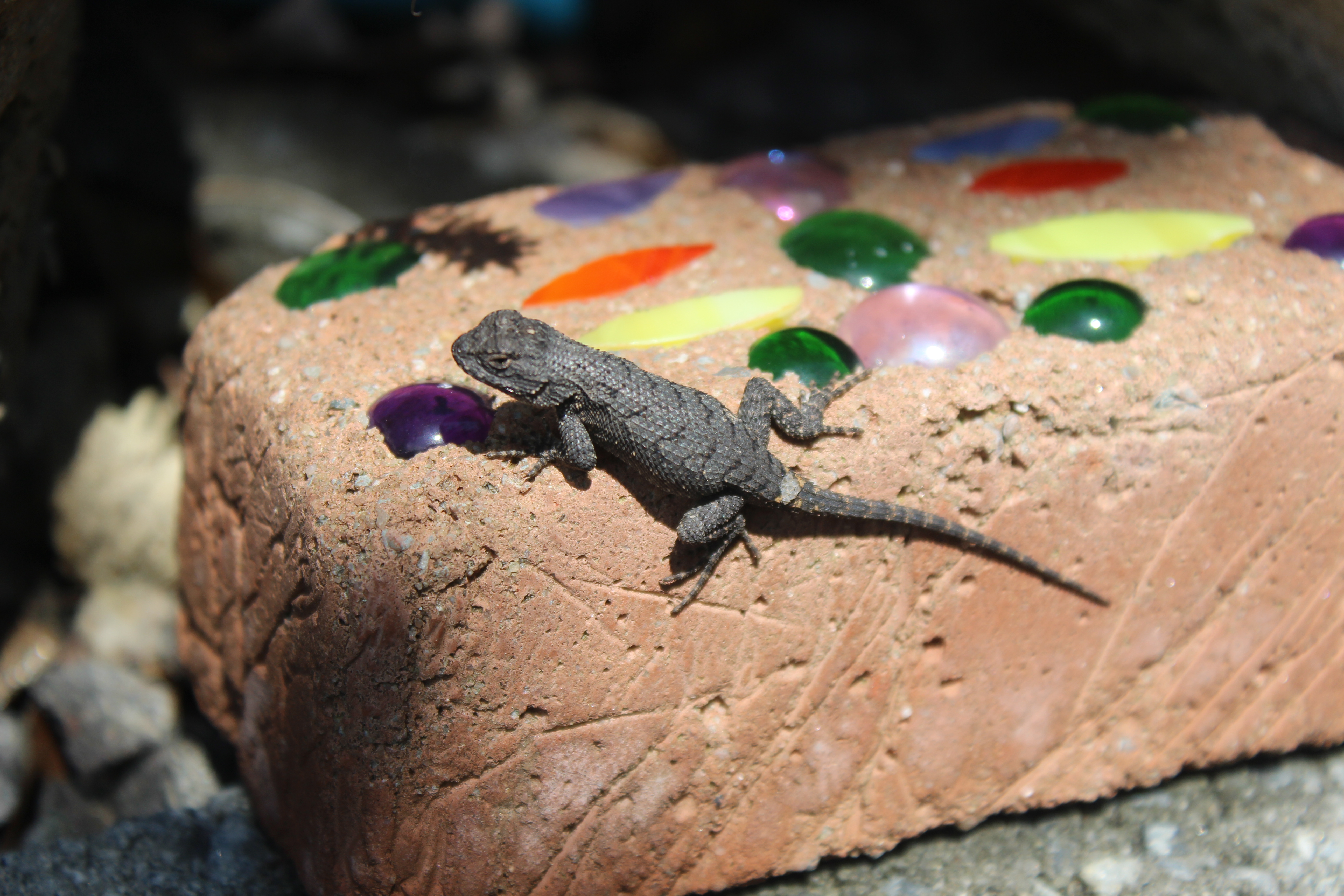
Remember you are a giant and they are fairies and elves.
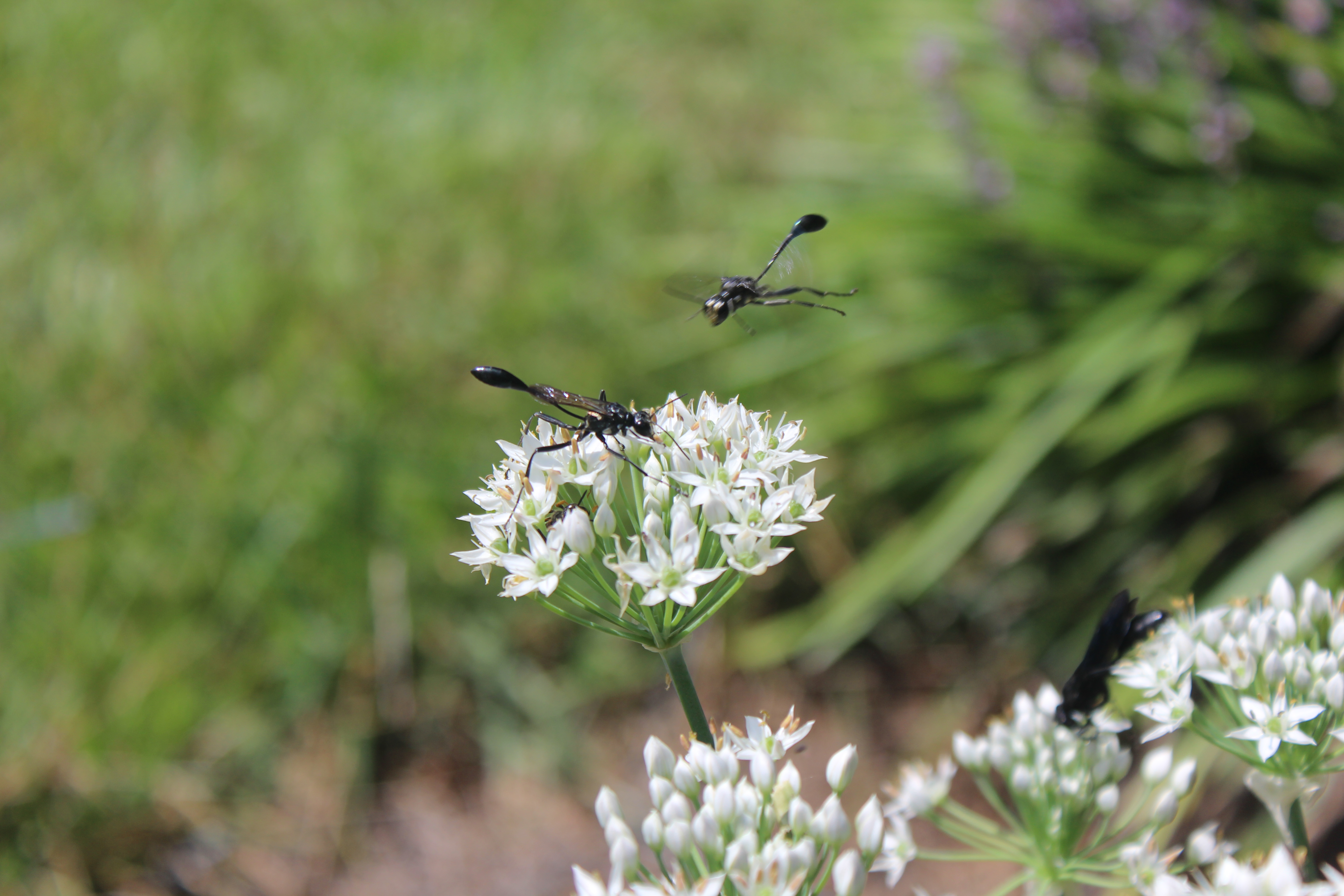
I am out and about so often that many of my tiny friends ignore me.

I think this is rude, because I always speak to them.
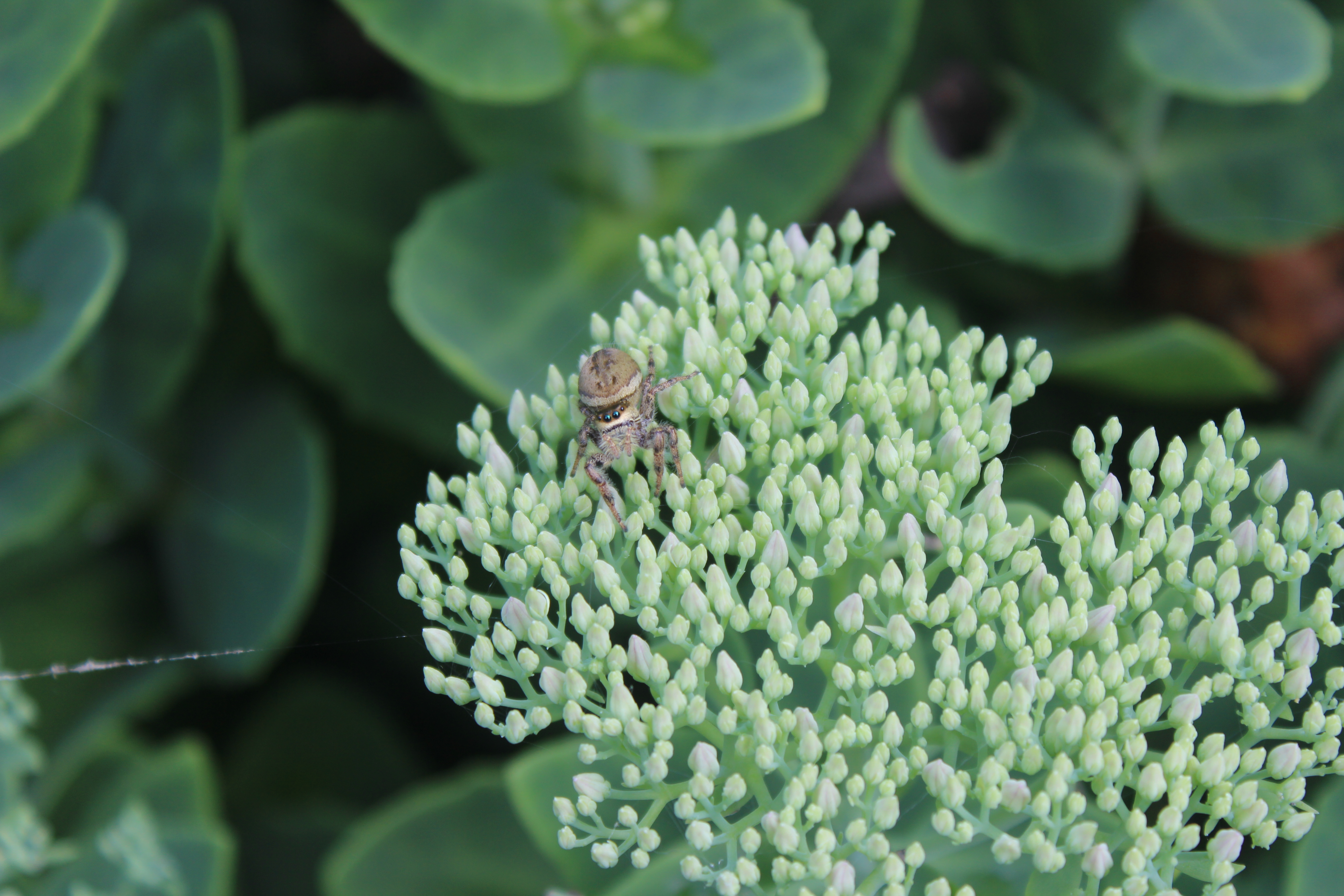
My friends may have fur, feathers, scales or an exoskeleton.

They may have two, four, six or eight legs.
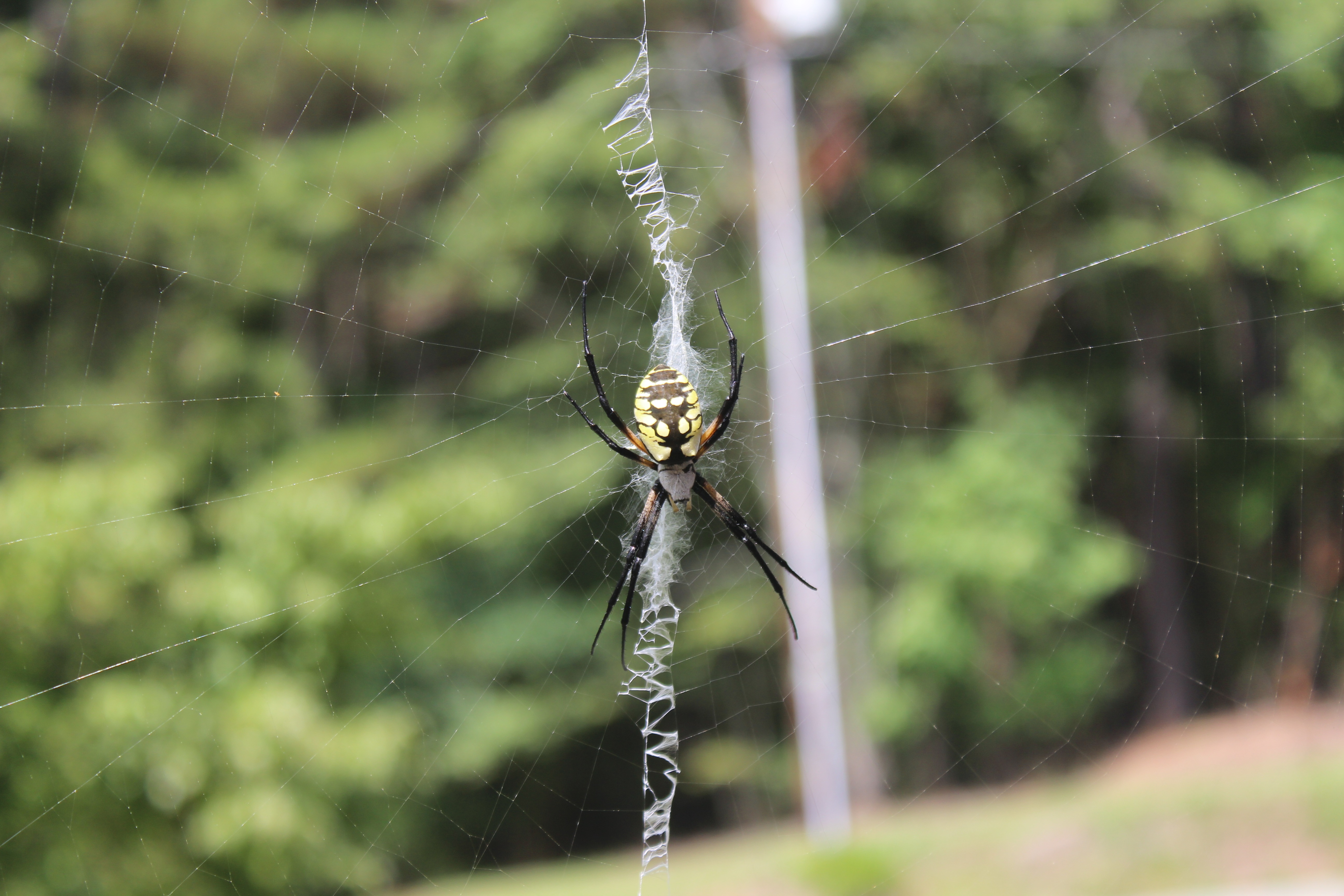
Some even have wings.

I am always glad to see them and they make me smile.
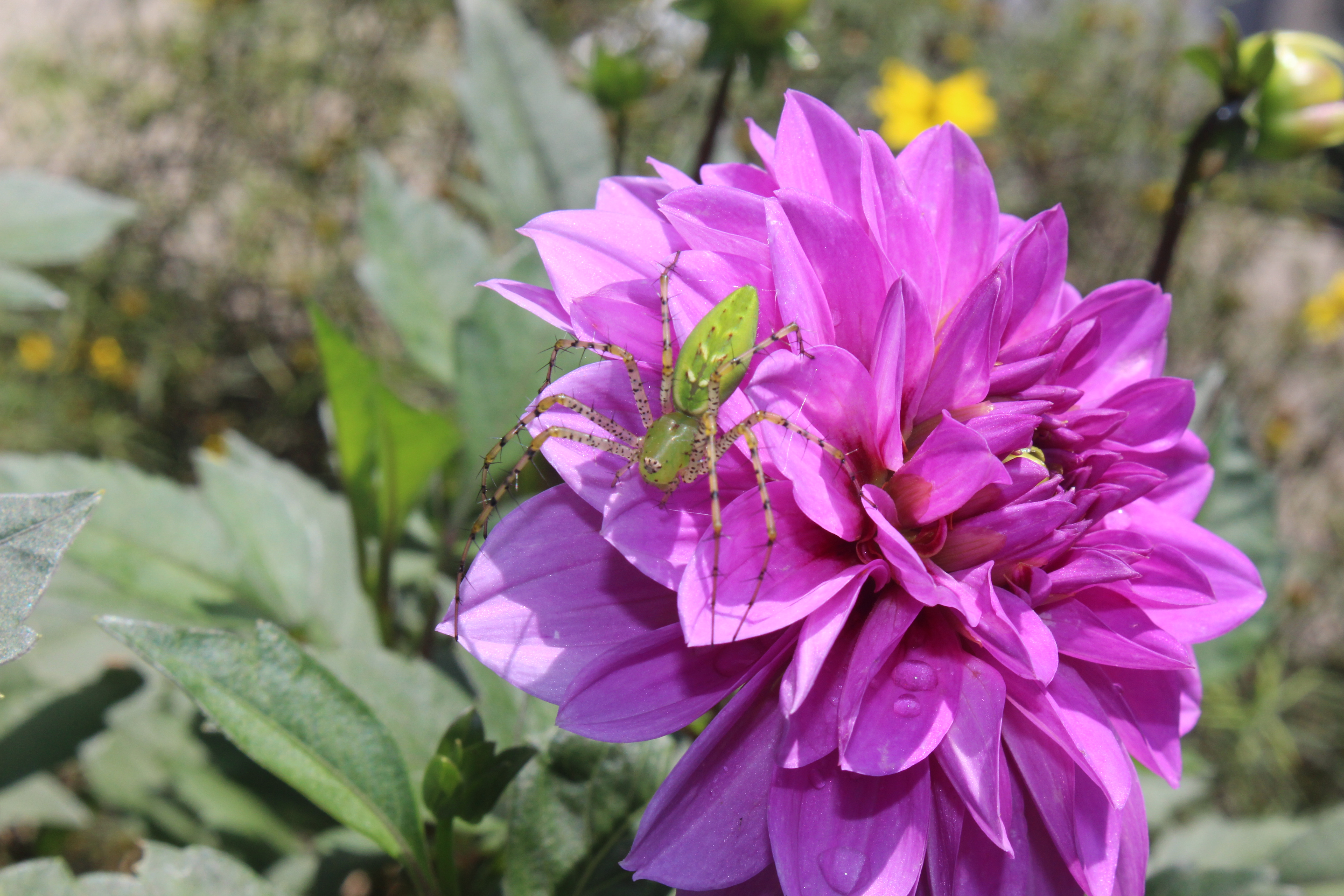
That means they are my friends.


Vines are amazing the way they use support from their surroundings to get where they want to go. They will grow up a trellis or a tree, a fence or some furniture, whatever is available to serve as a bridge to the sunshine. Growing toward the sun is termed phototropism. More sunshine means more photosynthesis which means more food.
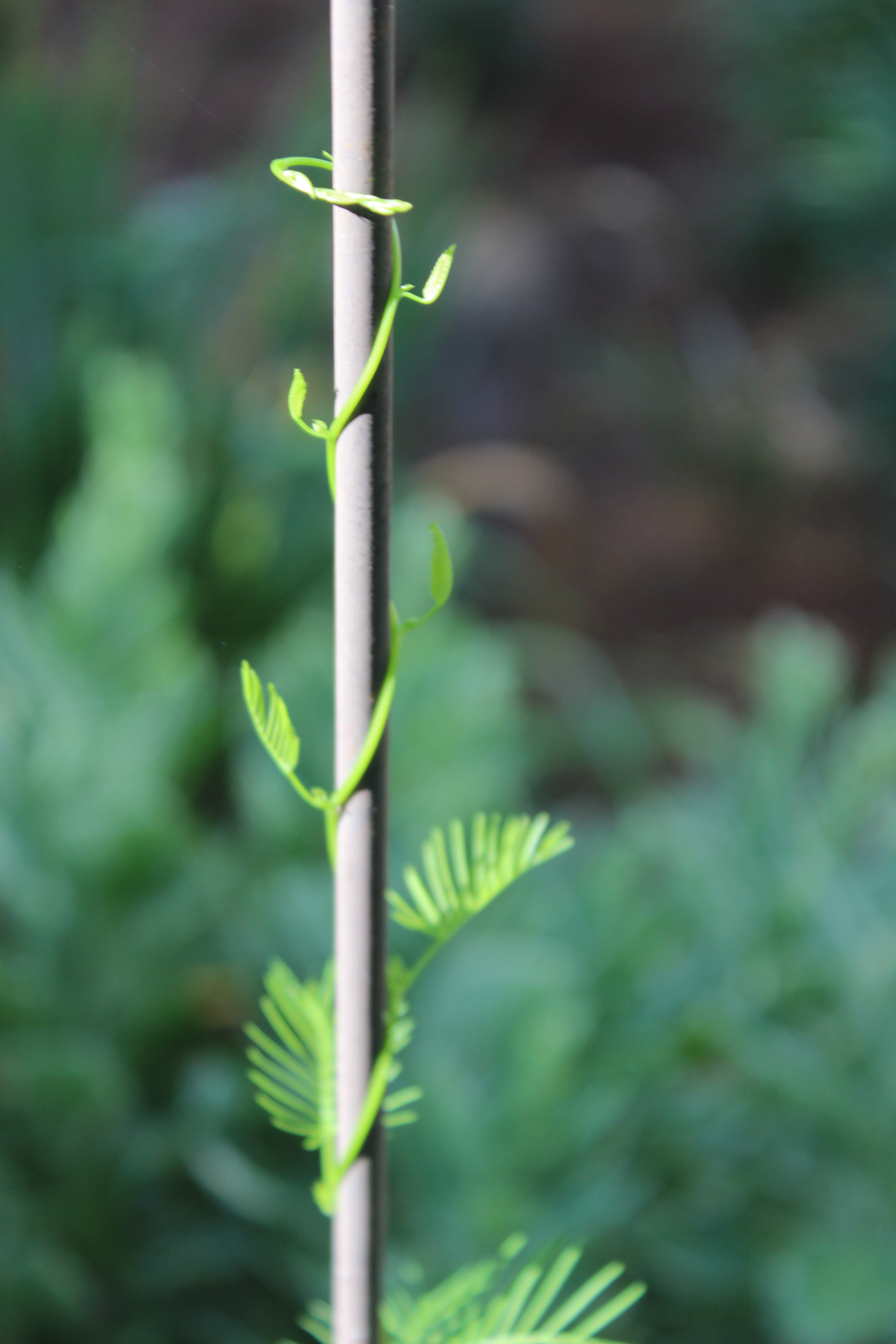
Other types of plants have to support themselves as they rise, but not the vines. All they need is a crafty way of growing that enables them to attach themselves to surrounding structures. Plant growth in response to touch is termed thigmotropism. Vines use this to grow in response to touching things that might serve as a support.
Vines use different ways of attachment. Some actually twine the whole growing end of the stem around a nearby, taller structure or plant. Wisteria does this. (I have a wisteria story I’ll save for a later post.) Morning glories do this also. Morning glories are very ambitious in their growth. The vine seems to reach for the sky and count on something to catch it. Maybe that optimism is why they are so successful.
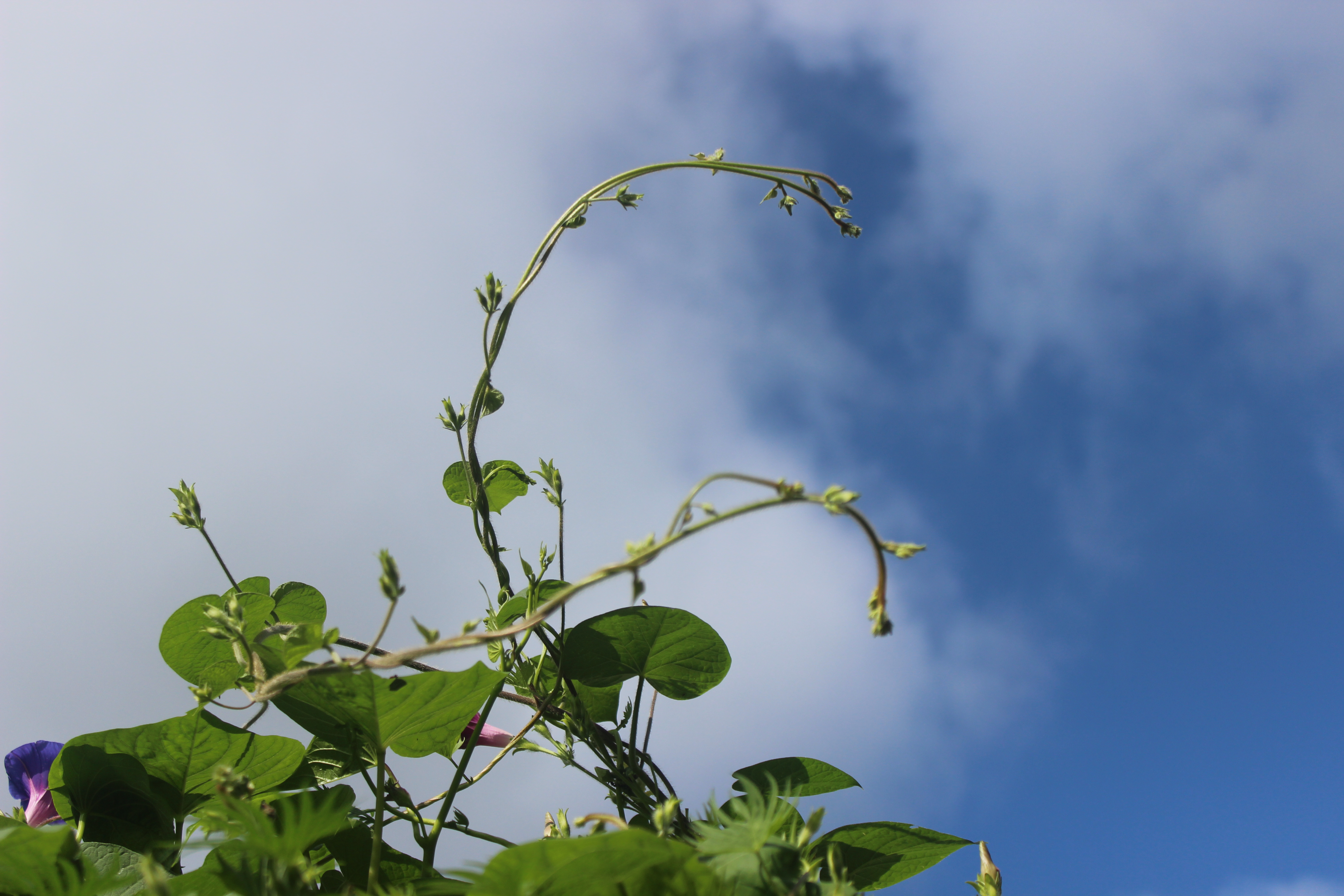
Cardinal Climber does this. It swings it’s little vine arms in the breeze hoping to catch a hold on something.

Hummingbird/Cypress Vine does this, too. It almost makes me sad when it outgrows the lamppost. They little vines viciously wrap around each other trying to stay up.

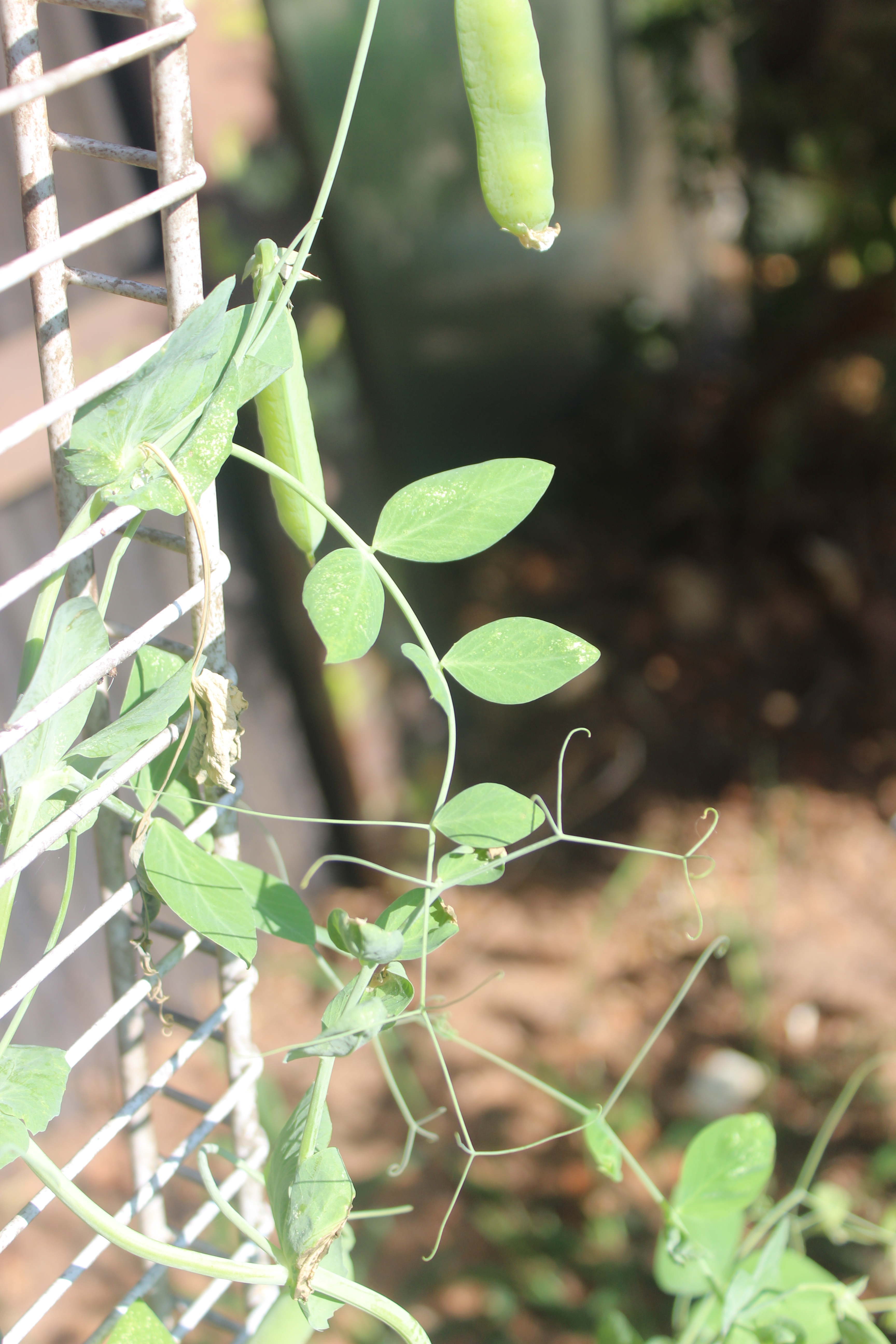
There are vines with their own little swirling tendrils. These often grow out straight until they touch something and then curl around it like a tiny pig’s tail. My peas do this daintily. I wouldn’t count on much support from a picky pea tendril.
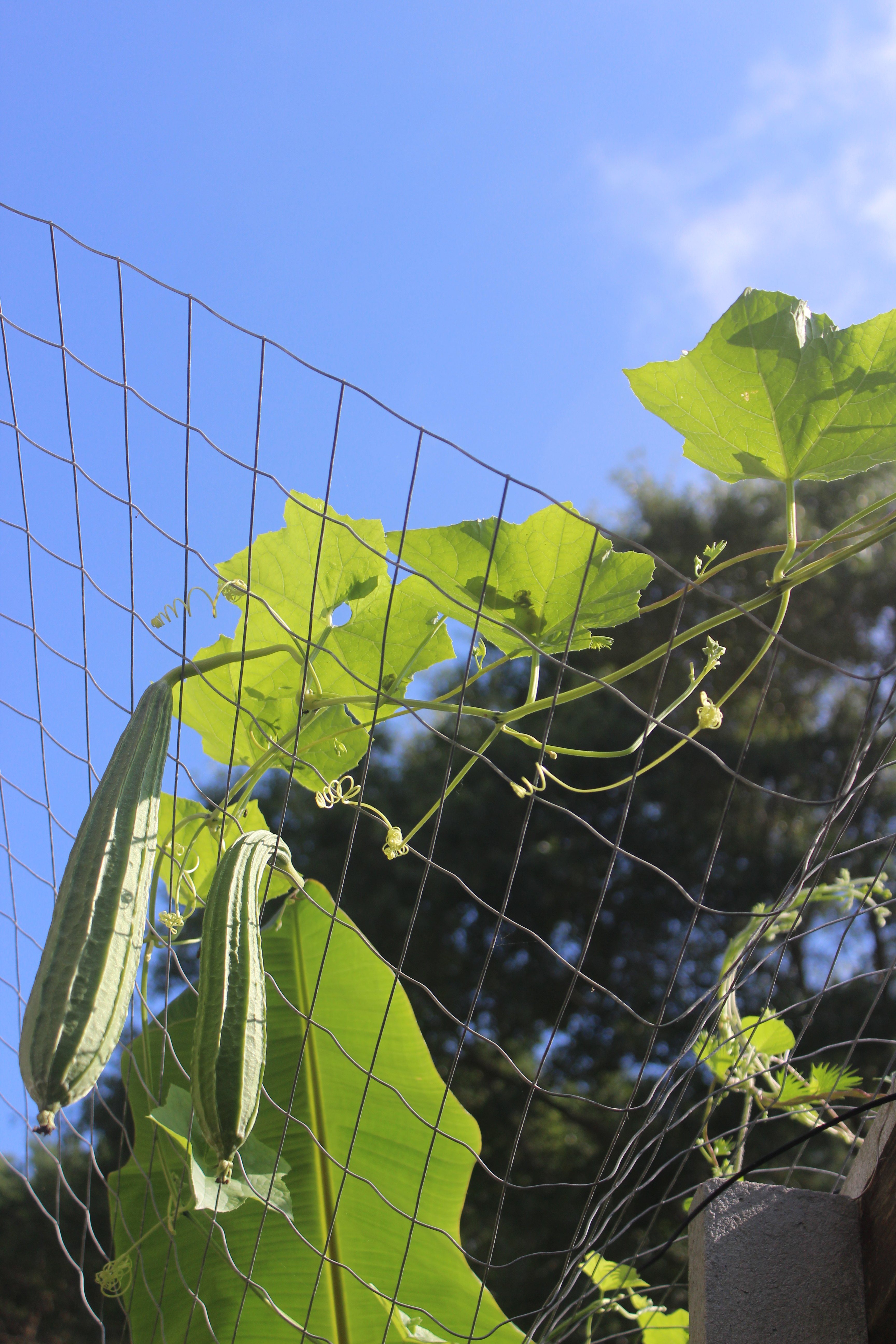
Climbing Okra (Luffa acutangula) has hefty, T-shaped tendrils that are strong enough to support its giant fruit.

Some plants have special little leafstalks in charge of supporting the rest of the plant. Clematis does this. Mine has been pitiful this year, but hopefully there is enough there to get a picture of this. Maybe my particular clematis had some lazy leafstalks that refused to support the rest of their vine?
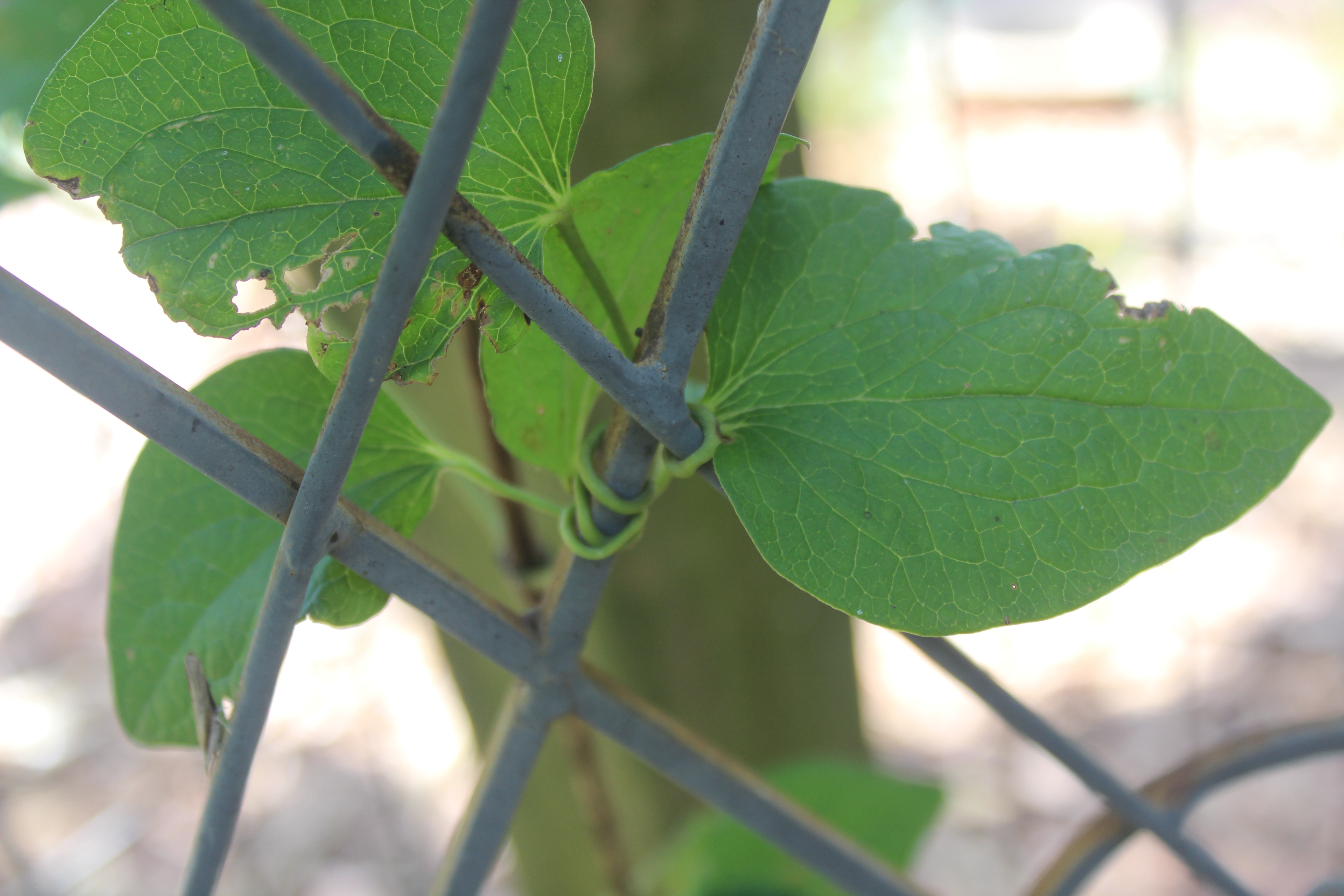
Another way vines borrow support from their surroundings is through holdfasts or rootlets that actually dig into the structure. Holdfasts are special little disks that glue themslves to the structures. (not pictured)
I had English ivy (Hedera helix) that dug its little, brown, hairy, rootlets into the bark on the trunk of a tall, old pine once. When I tried to remove it, it pulled the bark off the tree. One of my gardening mantras is, “Never ever plant ivy.” Don’t bother to argue with me on this. It took me months of pulling and cutting in snakechaps to get rid of that viscious vine.
As you can see, I have many vines growing in my garden.They don’t get growing until it gets warmer in the summer. I try to train them up onto the fences and trellises early. By August, they are tall and strong and need some cutting back.
We have a structure that used to be the children’s playhouse. Now, it’s my Vine House. This year it was supposed to be covered with Cardinal Climber on the front, Moonflower on the side, and Climbing Okra up the back. The Moonflowers have not shown their faces yet and the Morning Glories invited themselves, as usual.


