My children spotted this little guy while they were fishing one evening last week. We grabbed the camera and the bird book. We thought it was an immature night heron, until we read the article in the Charlotte Observer by Taylor Piephoff.
If it was a limpkin, it came from Florida. We knew we had not seen this bird before, but did not know this was possibly a rare event. Jacob and I are still comparing photos of both. Some of the markings look more like a night heron.
Jacob got these great photos. The bird was eating crayfish from the rocks of our seawall.
If you want to read more about our birds in the piedmonyt of North Carolina, Taylor Piephoff has a blog, piedmontbirding.blogspot.com.
Unusual bird on our shore.Limpkin eating a crayfish.Limpkin on Lake Norman
I lost this week’s post in cyber-space. I am new to this blogging and sometimes I click in the wrong spot and lose things that I do want or add things that I don’t want. It’s not so easy, all this typing and clicking.
My post was a question, but I have answered it myself now.
Two days have gone by. I have seen a doctor and been given a big ugly boot to wear.
I have visited my precious, “produce-sharing” parents. I have spent the night with my sister.
We spent the past two days taking care of a tree. Not just any tree, Mark’s tree. Our cousin who left us.
We spent the first day gently removing it from its pot and inspecting its roots. We measured for a new pot and trimmed out its dead twigs.
The next day we drove to many places to find the right pot and new soil.
Then we carefully teased out some of its roots and re-potted it.
My mother arrived in time to advise on its location and position in the natural area behind Rachel’s house.
Mark’s Maple
Plants are not just plants. They are living connections between the people who share them.
I have a “Gran plant” which I have shared with many of the Dudleys. I have a “Great Grandma Pearson Peony” which has been shared, and will continue to be shared every third year. I have a fig tree from a dear family friend, Miss Robbie, that grows beside the reading porch to give dappled shade.
These are my living connections to these people I love(present tense), who are not here for me to touch or to talk to.
I am surrounded by living memories of the friends and family, who shared their love and love of plants with me.
Mine isn’t just a garden. It’s my life I’m standing among. My past and my future.
In the spring on 1980, Mount Saint Helens erupted. It blew out the north side instead of the top, which left a huge swath of devastation northward and mud slides down its eastern and western slopes. The devastation and dust from this blast covered about two hundred square miles around the mountain. Millions of plants and animals were erased from the landscape.
Mount Saint Helens
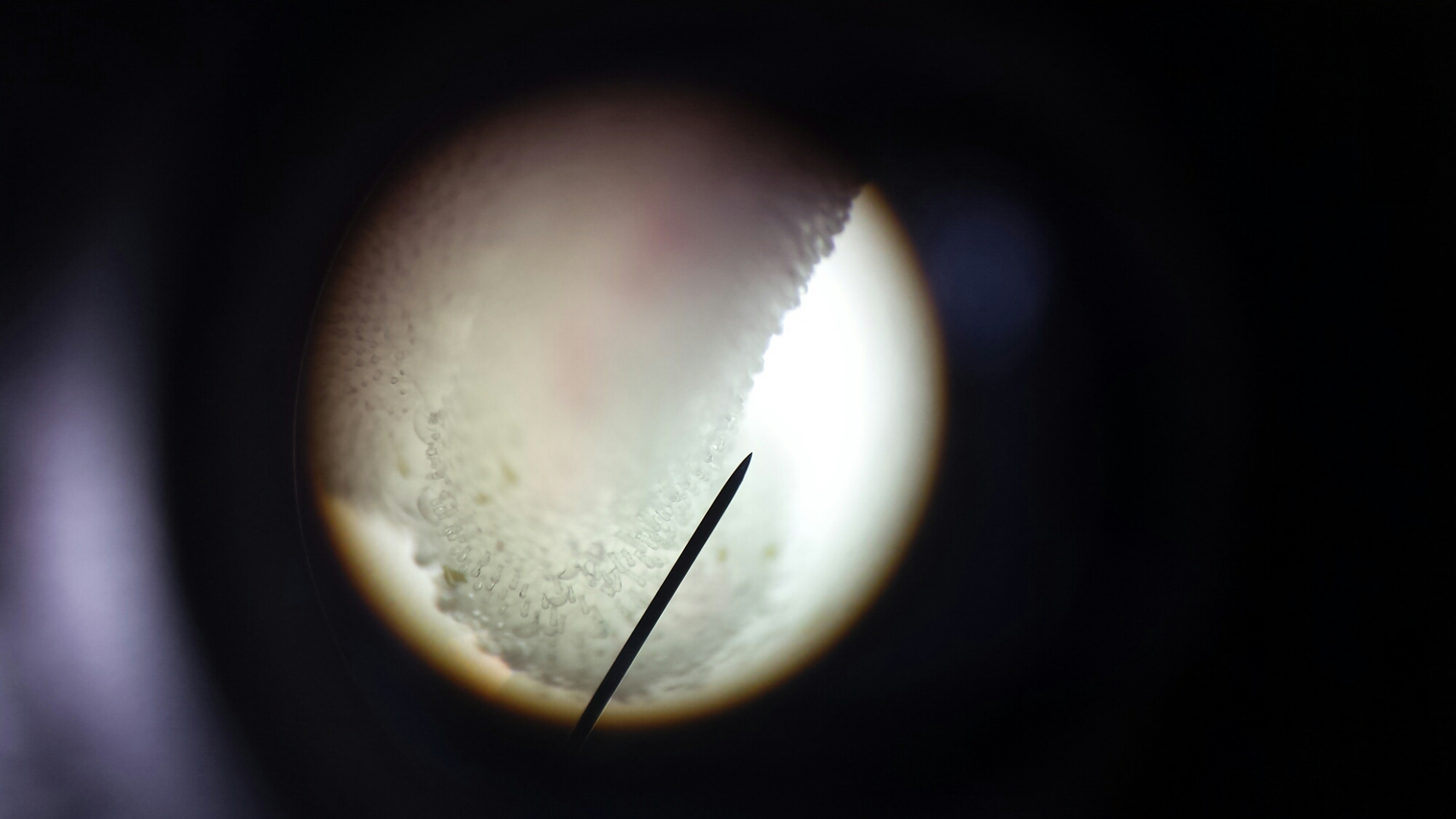
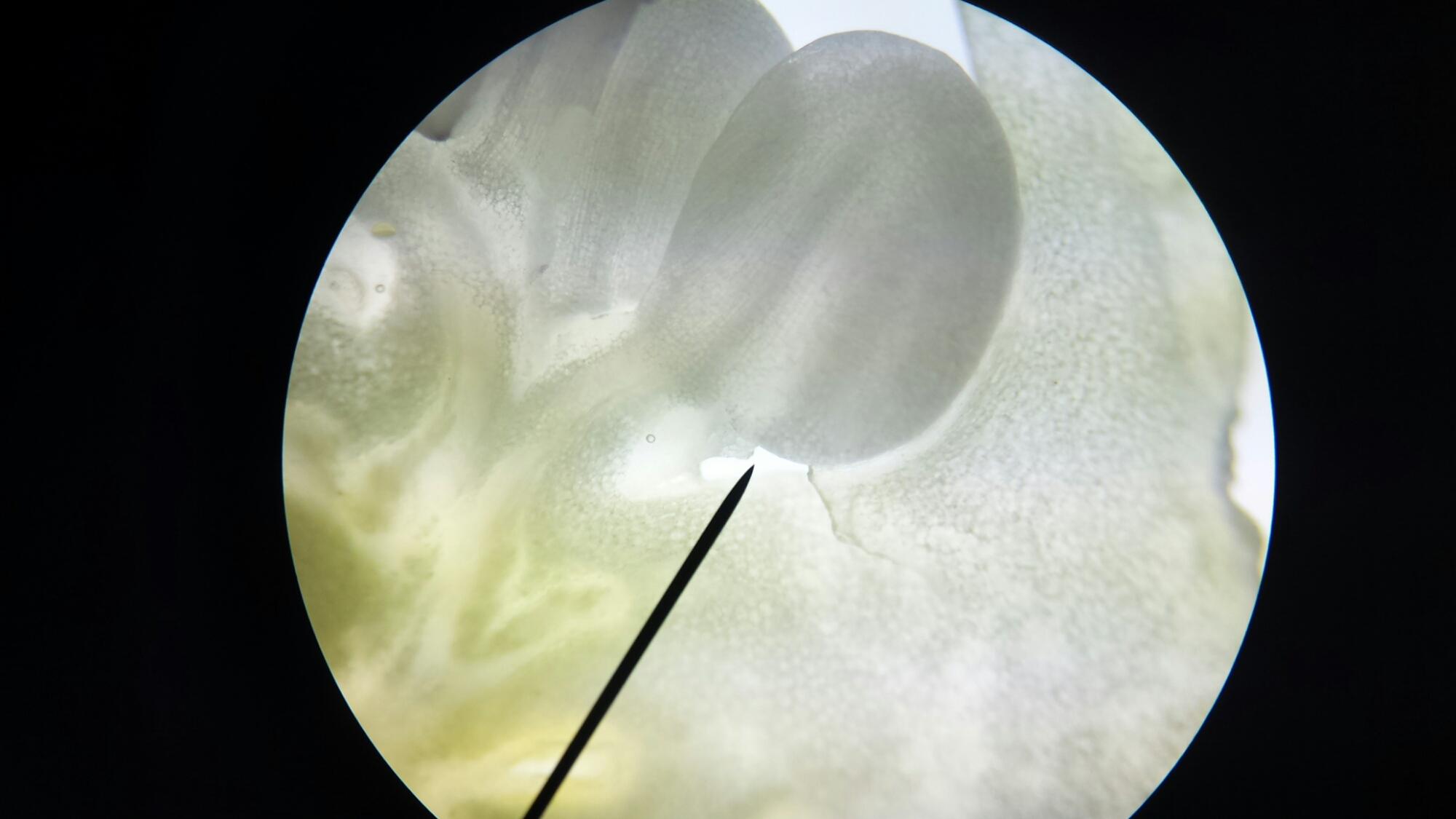
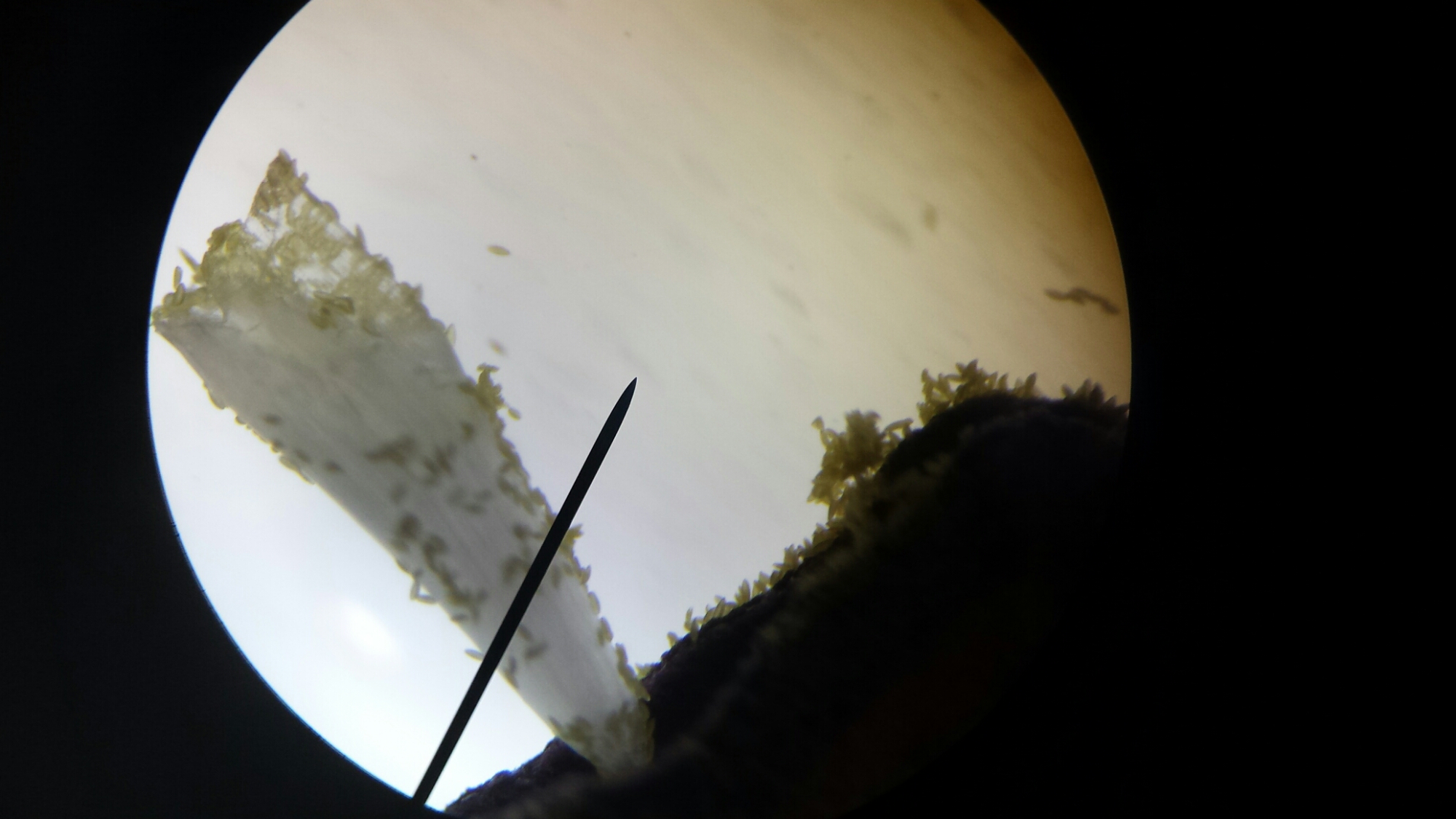
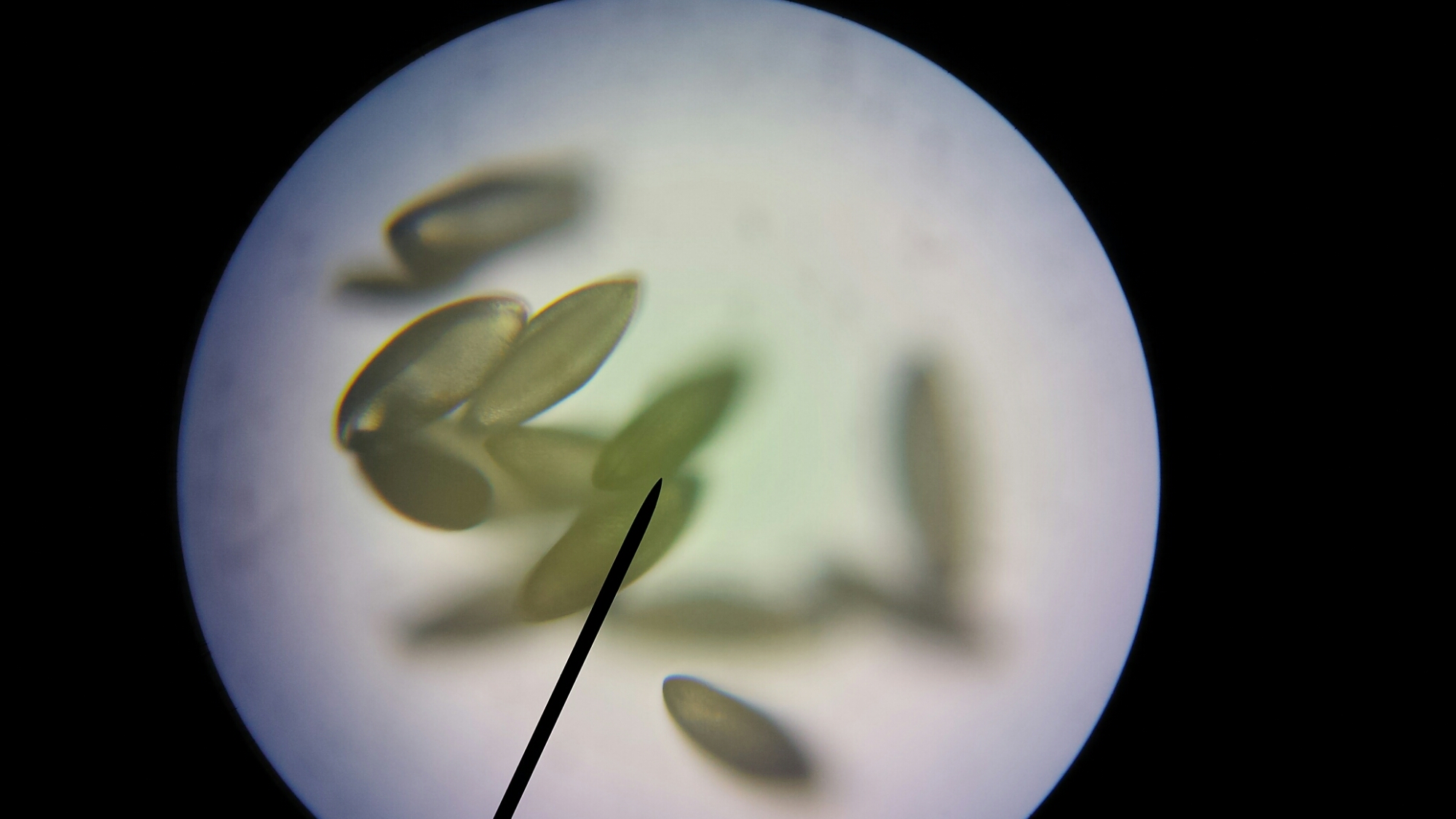
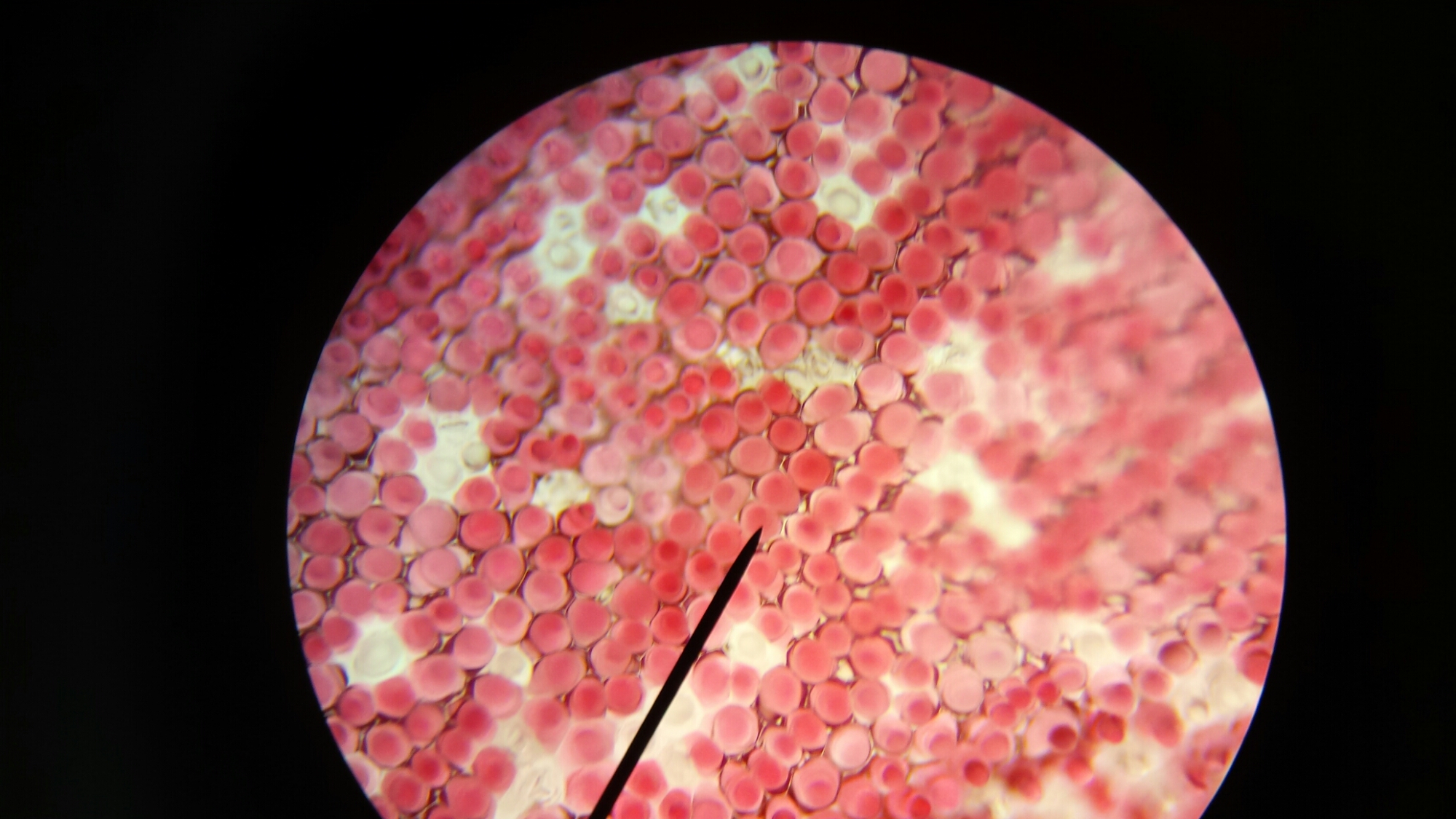
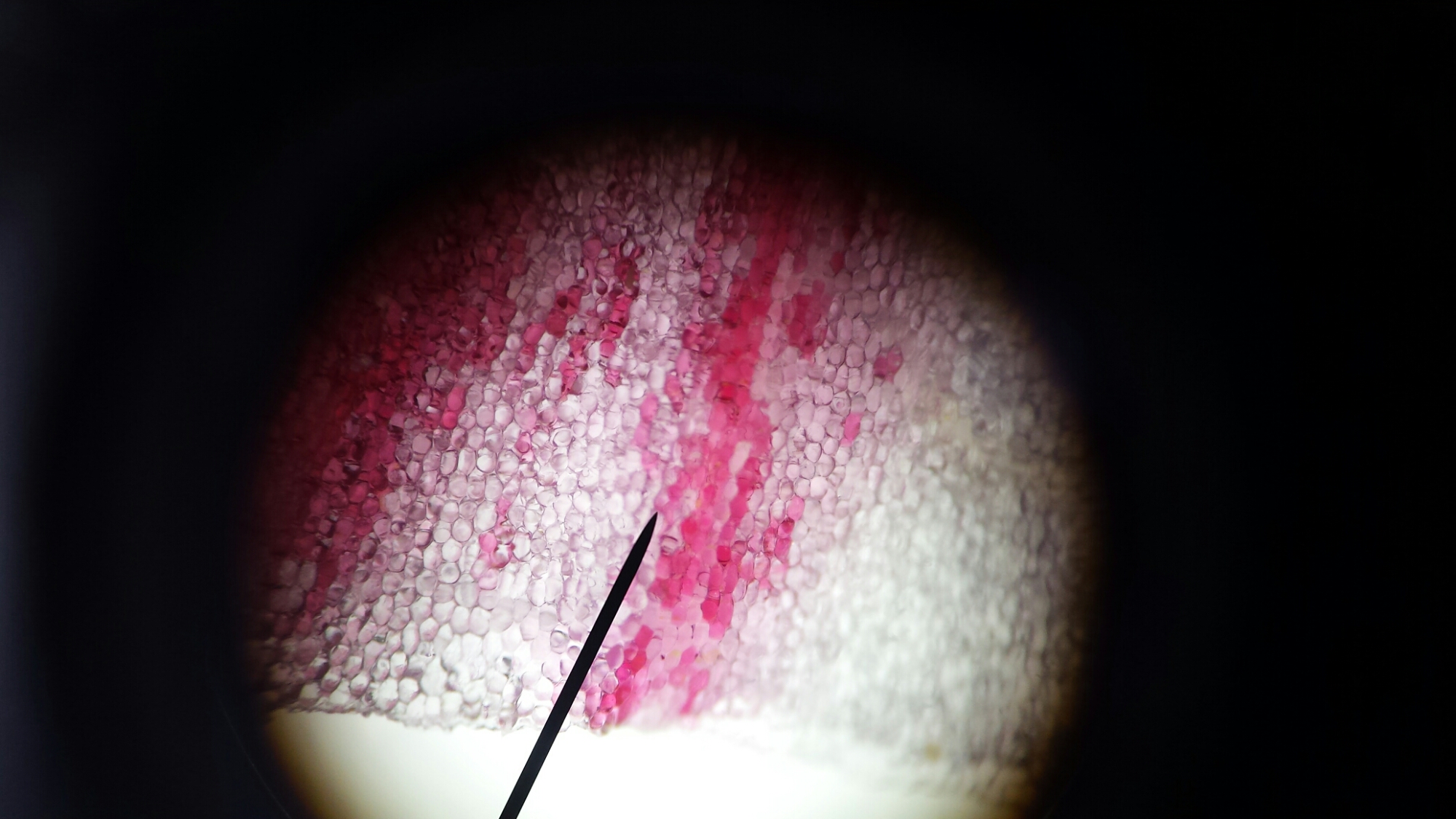
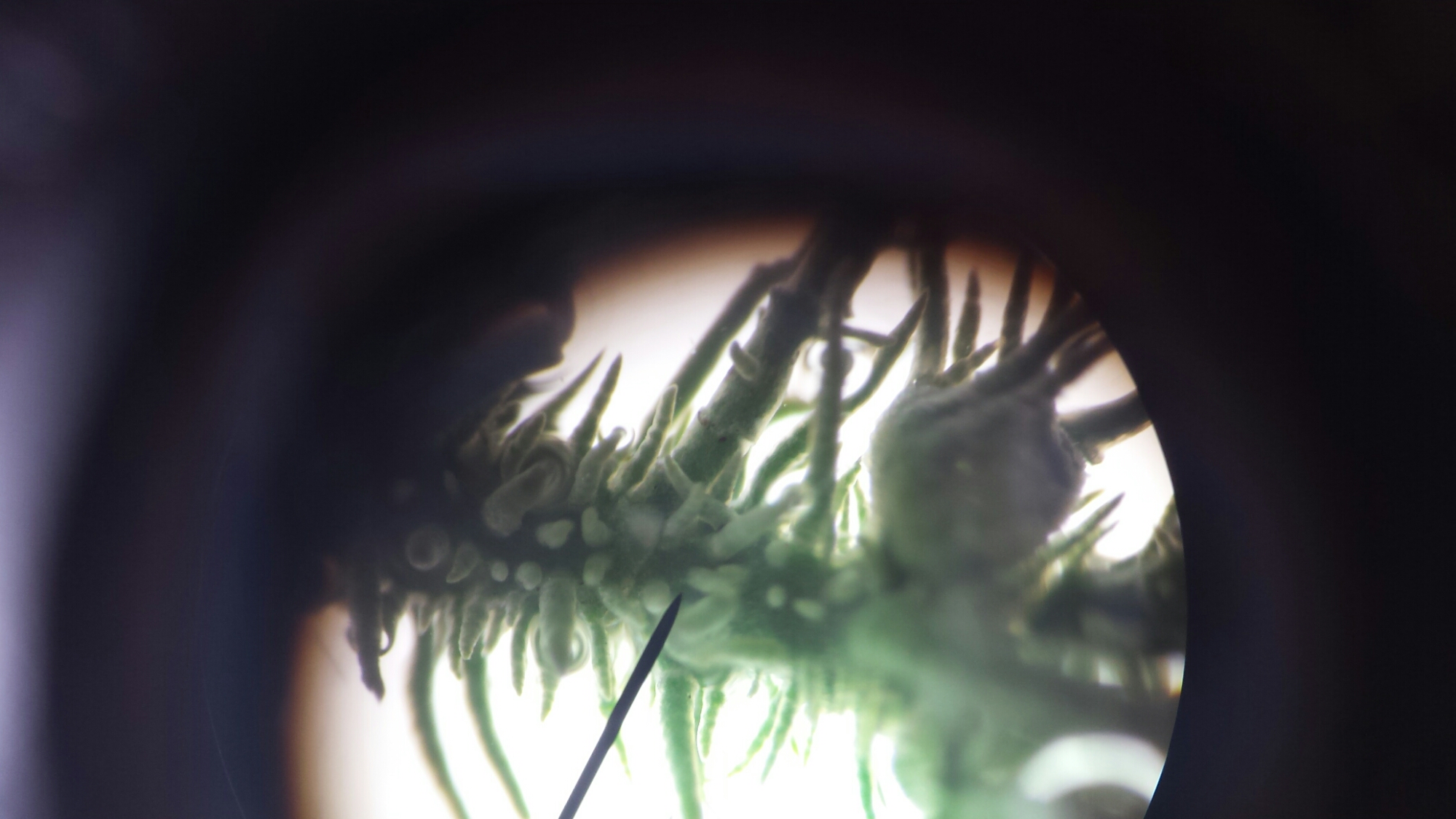
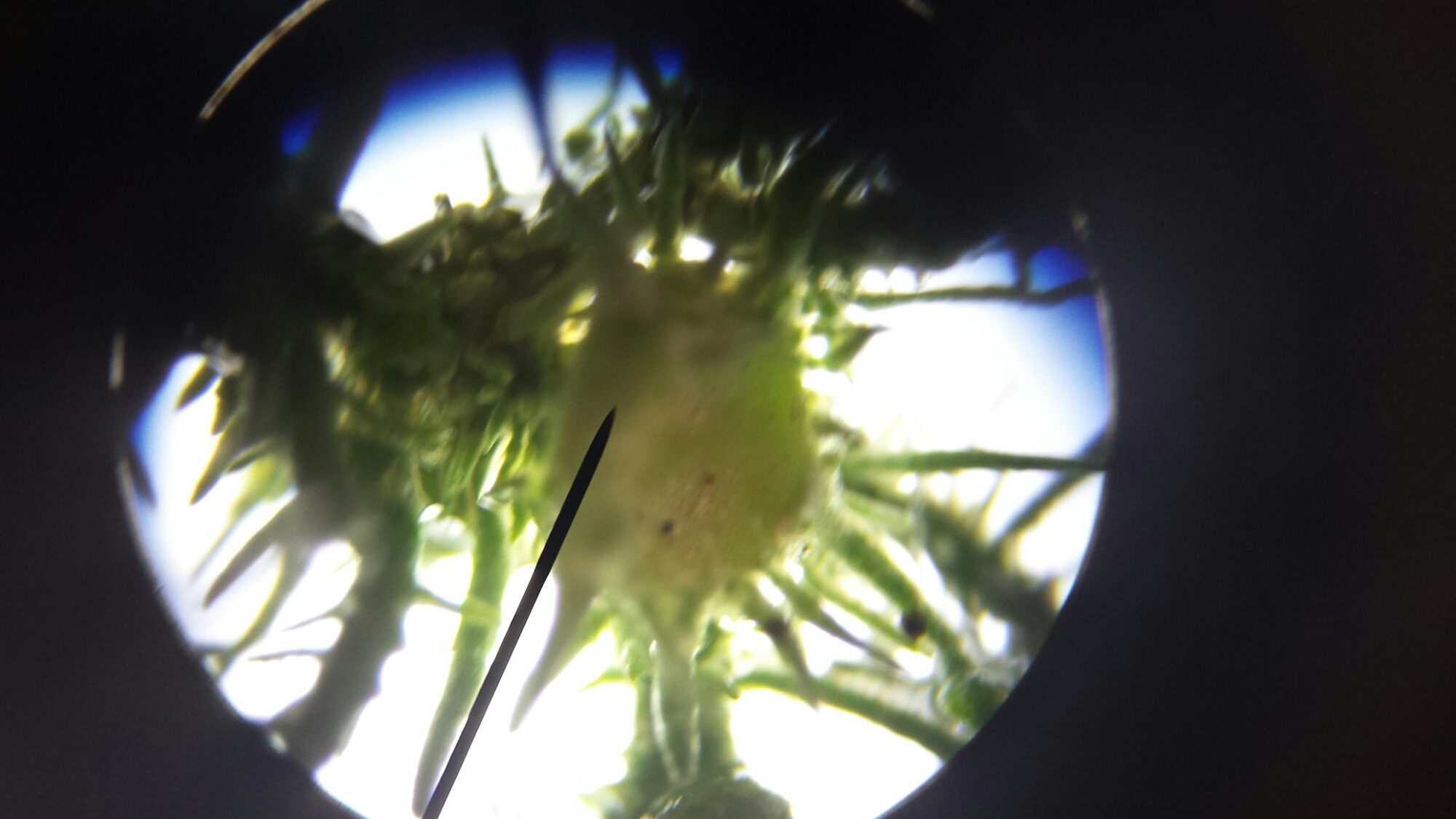
My father went there in the early 1980s and brought back a bag of ash. This is not like wood ash that you clean from a fireplace. This is rock ash from molten rock being blown out of the earths mantle. I passed around this ash in my classrooms whenever we studied volcanoes. I wanted my students to feel the texture and weight of this ash. Since I can’t do that here, I have photographed some under a microscope.
ash 4x
Last week, thirty five years later, I got to go see Mount Saint Helens myself for the first time. There was still evidence of the blast scattered here and there if you know what to look for. Still some tree trunks laid like matchsticks in parallel groups. A set of taller trees that survived the blast by being on the lee side of another mountain top.
Trees that survived.Valley filled in with ashflow.
The folks who knew the place before can point out many changes in the landscape including missing lakes and valleys that were filled in by the mudslides. What I saw were green trees and blooming flowers with wildlife everywhere.
Chipmunk collecting seeds.
How does a place recover from such devastation? How did it change from gray ash to green forests and meadows? I must admit that people sped up the process quite a bit to control erosion and continue timber production. Trees were planted by the thousands.
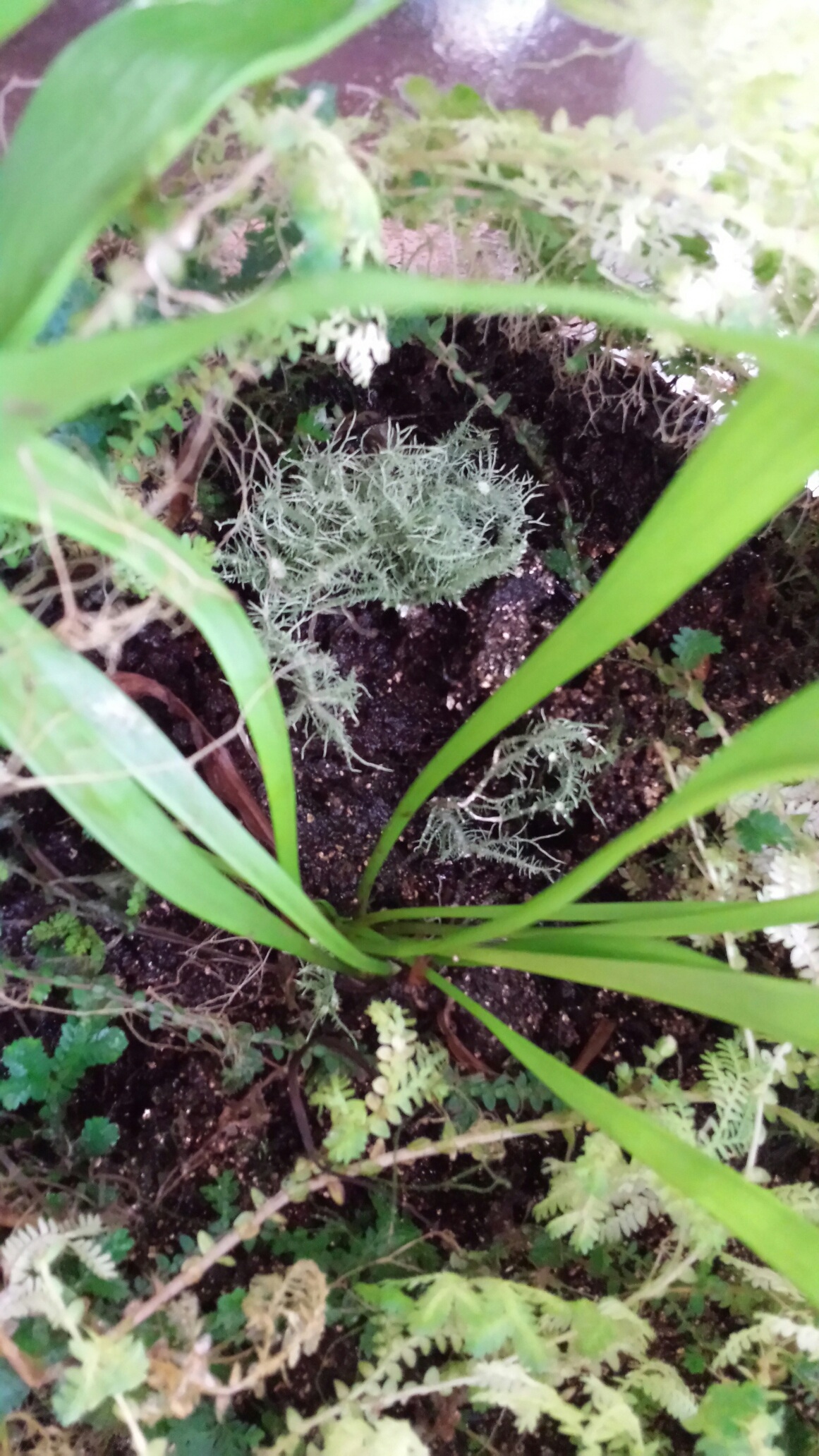
Nature has its ways of recovering. Seeds are the secret. Burrowing animals pushed up soil to mix with the ash and seeds were pushed up, carried in or blown in. This with a little rain and snow started the cycle of life again in the midst of all that destruction.
Most seeds could not survive on the ash, but one type actually thrived. Lupine, Lupinus lepidus, a pioneering species could grow on the ash mix. The seeds of this species germinated and grew because of its low nutrient needs, due to a bacteria in its roots that converts nitrogen.
Lupine
Once the Lupine took hold in an area, succession could begin. As these plants died and decayed, they produced organic matter for other plants to use. Thus, other plants moved into the area to produce the beautiful mix of wildflowers there today.