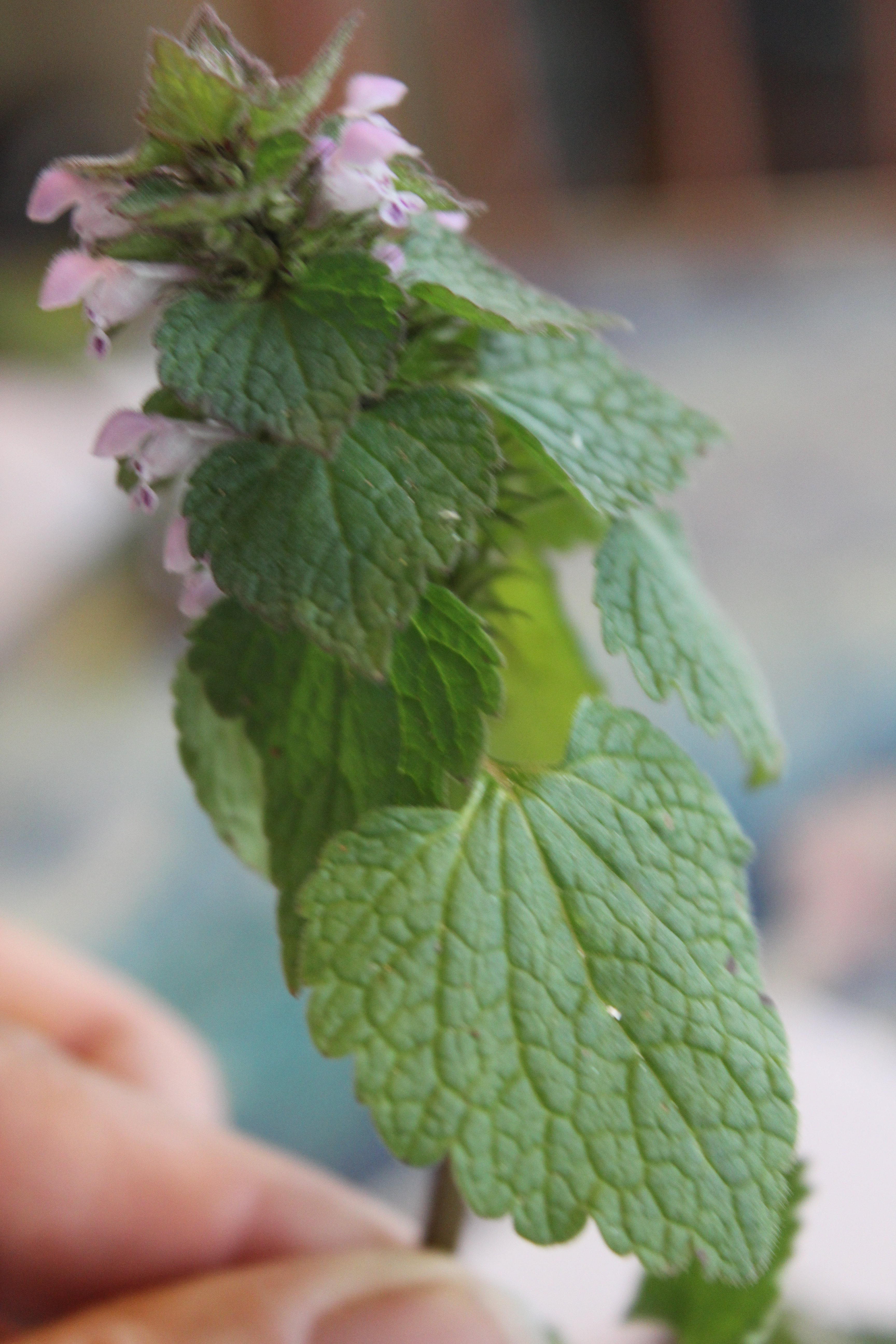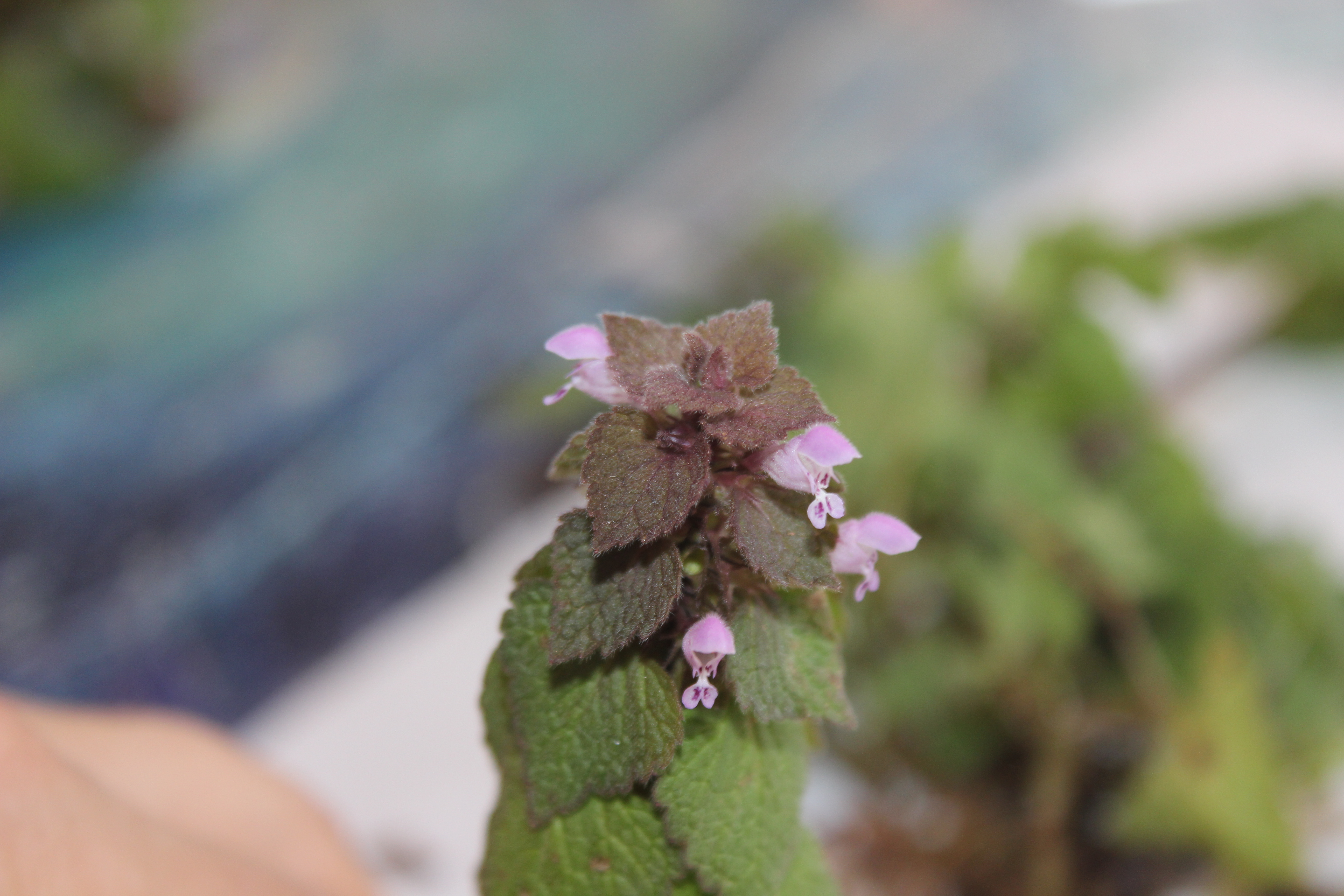
Mulberry weed, Fatoua villosa, is the worst weed-foe that I have ever encountered. It is a survivor.
Mulberry weed
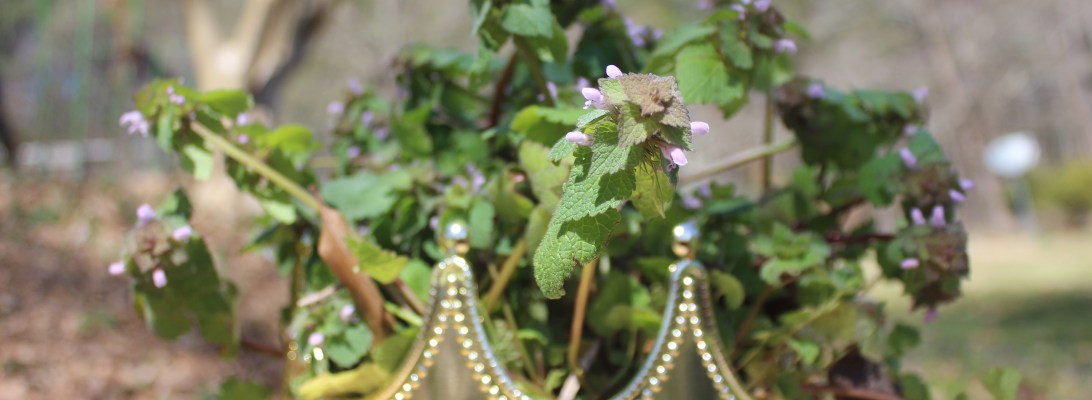
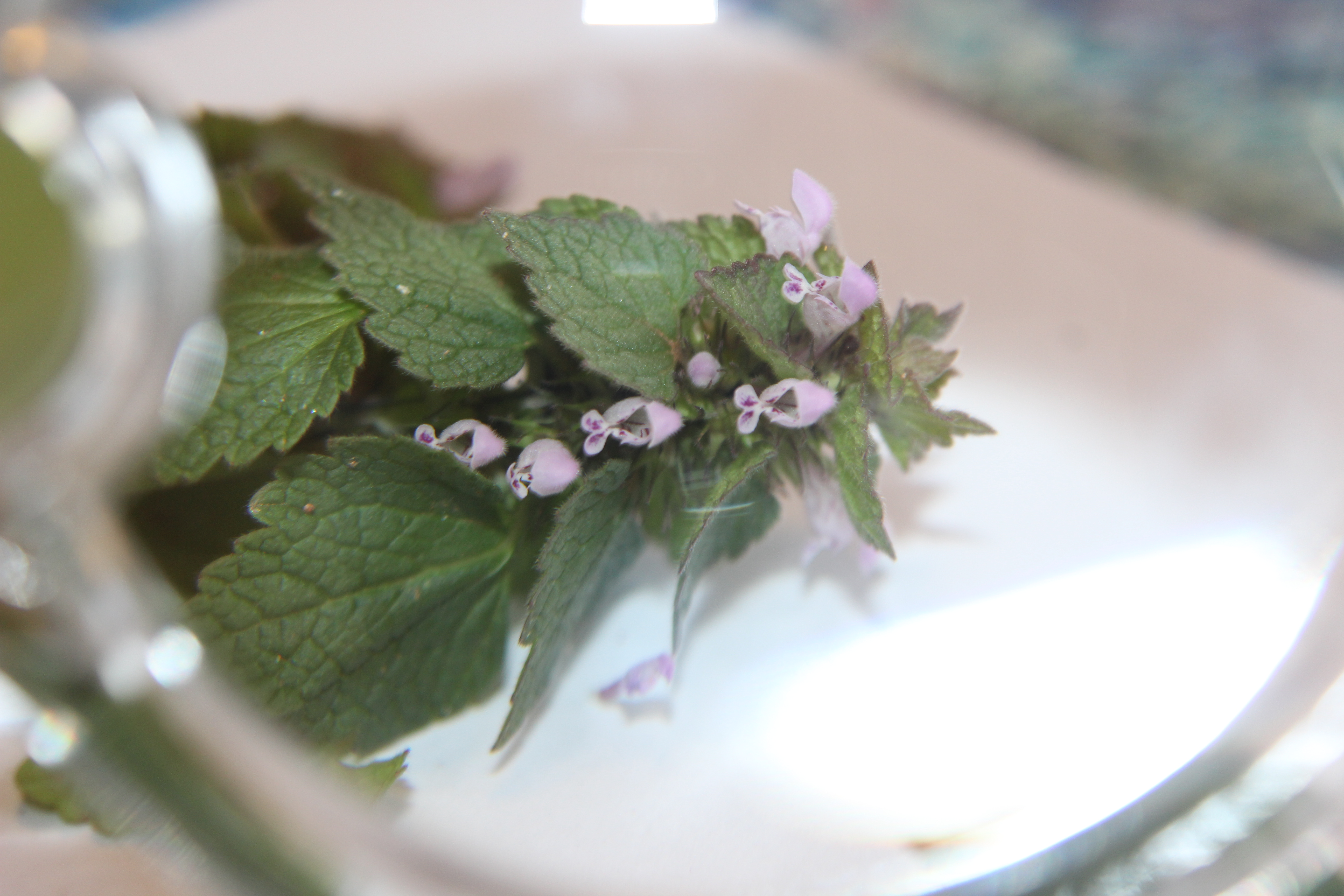
It has alternate leaves with spiked, microscopic hairs as well has hairy stems. Little “stemlets” and blooms come from the nodes where the leaf emerges from the stem.
If you break off the top of the plant, the stem “medusas out” and it comes back up as a little bush.
multiple stems from being broken off
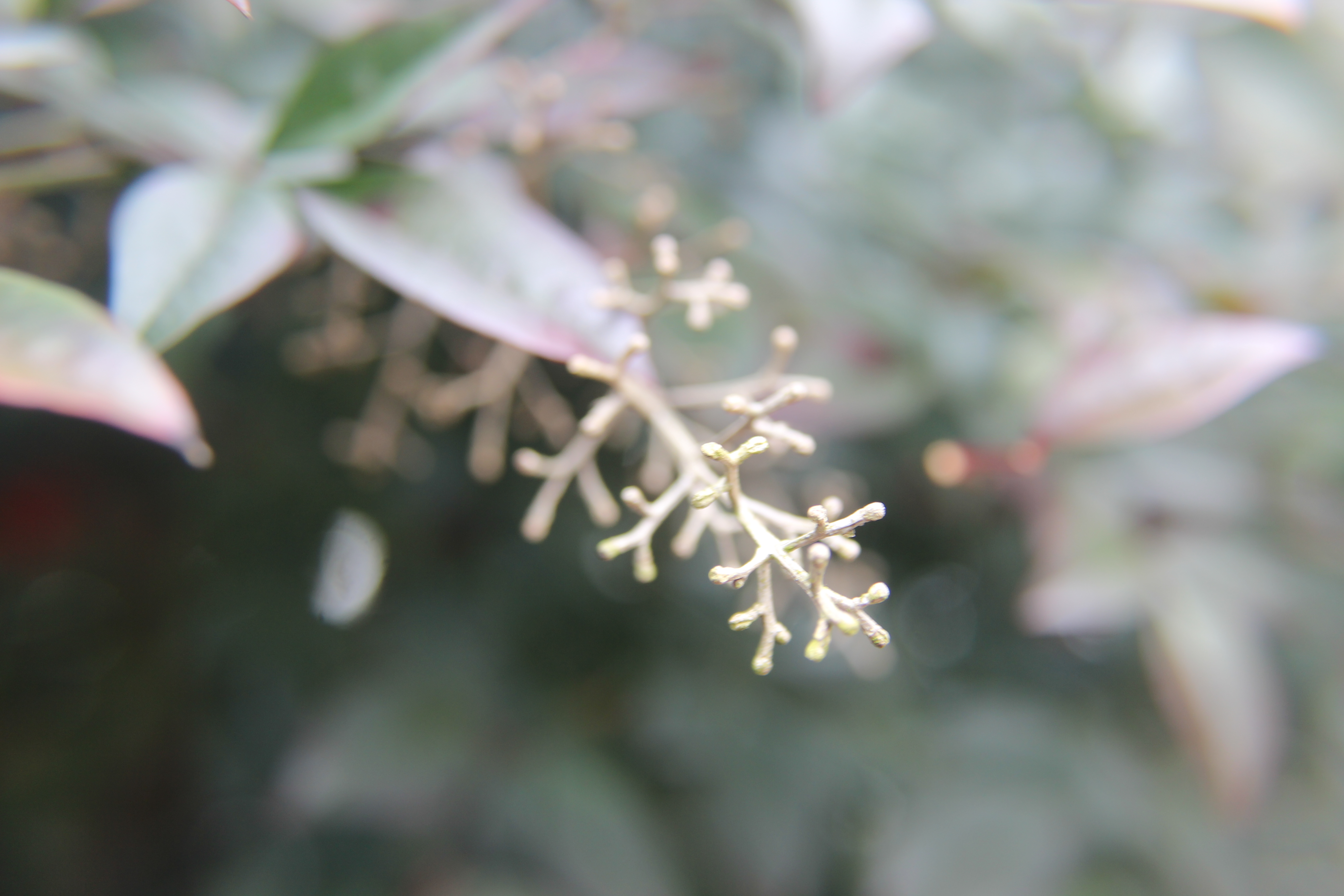
The tiny white flower clusters ripen into purple pod clusters full of tiny seeds.
seed pods ripened purple
The seeds shoot out of the dried pods as you pull up the plant. You must get it before blooms ripen into pods.
“hairy crab” seed pods
Do not throw these weeds on your compost pile. If you do you will plant them next year. Even the tiny plants can set seed.
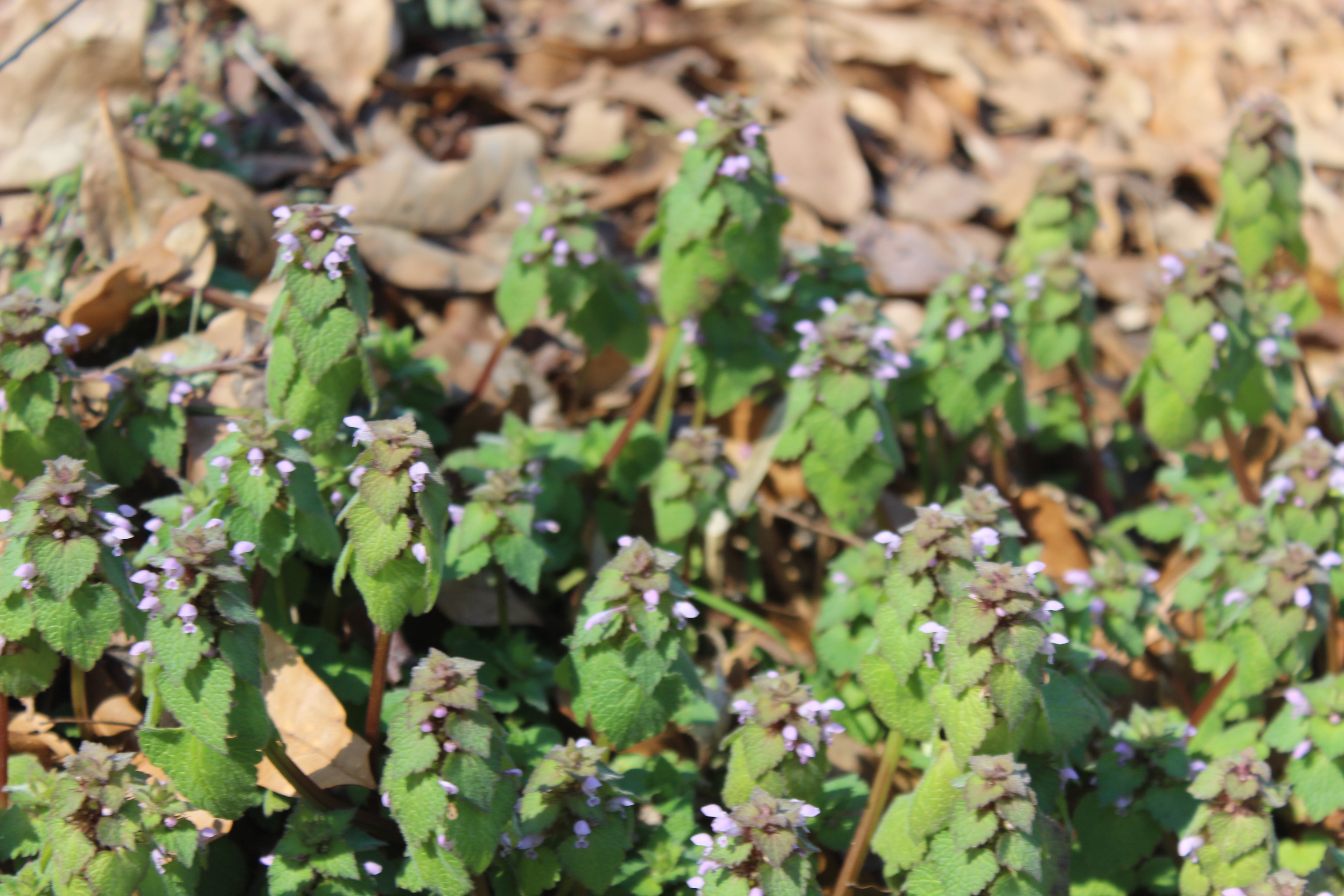
different sizes
It is an import from Asia that piggy-backs into your plantings from nursery stock.
It is suspected of coming to the USA with the troops and equipment after WWII.
alternate leaves and blooms at the joint
It is described as noxious and invasive. These are not terms of endearment.
I usually try to find attributes for my local weeds, but this is an imported pest that ranks right up there with Kudzu.
Follow the FLOWER. Return next Wednesday for another visit with a WEED.
Vines are amazing the way they use support from their surroundings to get where they want to go. They will grow up a trellis or a tree, a fence or some furniture, whatever is available to serve as a bridge to the sunshine. Growing toward the sun is termed phototropism. More sunshine means more photosynthesis which means more food.
swirling toward the sunlight
Other types of plants have to support themselves as they rise, but not the vines. All they need is a crafty way of growing that enables them to attach themselves to surrounding structures. Plant growth in response to touch is termed thigmotropism. Vines use this to grow in response to touching things that might serve as a support.
Vines use different ways of attachment. Some actually twine the whole growing end of the stem around a nearby, taller structure or plant. Wisteria does this. (I have a wisteria story I’ll save for a later post.) Morning glories do this also. Morning glories are very ambitious in their growth. The vine seems to reach for the sky and count on something to catch it. Maybe that optimism is why they are so successful.
Reach for the Sky
Cardinal Climber does this. It swings it’s little vine arms in the breeze hoping to catch a hold on something.
Cardinal Climber Vine
Hummingbird/Cypress Vine does this, too. It almost makes me sad when it outgrows the lamppost. They little vines viciously wrap around each other trying to stay up.
Hummingbird/Cypress Vine
There are vines with their own little swirling tendrils. These often grow out straight until they touch something and then curl around it like a tiny pig’s tail. My peas do this daintily. I wouldn’t count on much support from a picky pea tendril.
Pea Tendril branched, thread- structure.
Climbing Okra (Luffa acutangula) has hefty, T-shaped tendrils that are strong enough to support its giant fruit.
Climbing okra/Luffa VinaLuffa/”okra” fruit
Some plants have special little leafstalks in charge of supporting the rest of the plant. Clematis does this. Mine has been pitiful this year, but hopefully there is enough there to get a picture of this. Maybe my particular clematis had some lazy leafstalks that refused to support the rest of their vine?
Clematis leafstalk hugging the trellis
Another way vines borrow support from their surroundings is through holdfasts or rootlets that actually dig into the structure. Holdfasts are special little disks that glue themslves to the structures. (not pictured)
I had English ivy (Hedera helix) that dug its little, brown, hairy, rootlets into the bark on the trunk of a tall, old pine once. When I tried to remove it, it pulled the bark off the tree. One of my gardening mantras is, “Never ever plant ivy.” Don’t bother to argue with me on this. It took me months of pulling and cutting in snakechaps to get rid of that viscious vine.
As you can see, I have many vines growing in my garden.They don’t get growing until it gets warmer in the summer. I try to train them up onto the fences and trellises early. By August, they are tall and strong and need some cutting back.
We have a structure that used to be the children’s playhouse. Now, it’s my Vine House. This year it was supposed to be covered with Cardinal Climber on the front, Moonflower on the side, and Climbing Okra up the back. The Moonflowers have not shown their faces yet and the Morning Glories invited themselves, as usual.
The first in line was Whooperee on May 30,2015. The last to bloom was Sabre’ Salina on August 12, 2015. The parade of blooms lasted 72 days. I enjoyed every single morning of walking around with my camera.
I must admit I missed some bloomers due to a week of back pain and a week of vacation. I also left out the spiders. I omitted the six or seven that don’t have names, except for the yellow giant(pictured with Santa). that one was to big to ignore.
I have many daylilies because my best friend used to have a beautiful daylily farm. They gave me many of these. (Thanks Joyce and Jimmy.)
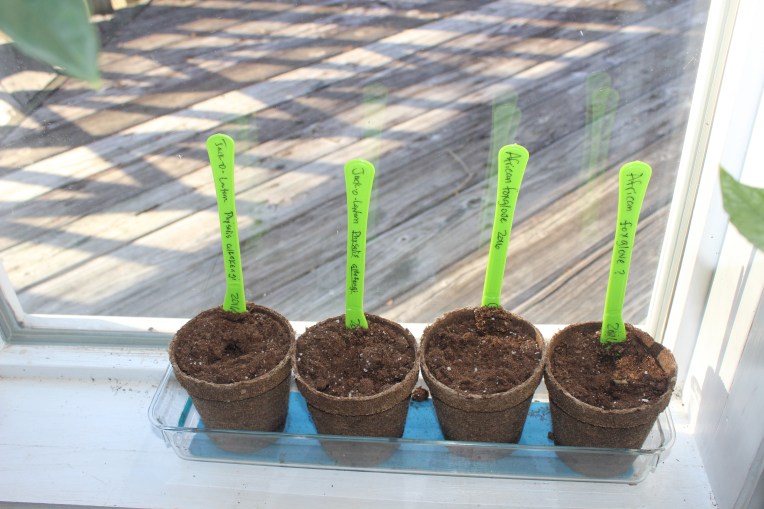
How do I remember all the names? My little secret is etching the names onto colored plastic knives from any party store. I use a Dremel tool, that way the names don’t fade away like when you write…
Years ago some friends at church, the Howards, gave me a bag of seeds. They called them Climbing Okra seeds, but the seeds were black and shaped like small watermelon seeds. I asked them later if I had been given the wrong bag. They assured me that they had shared the intended seeds.
I planted them and was amazed at the vines that grew all over our trellis. There were lovely, glowing, yellow flowers that opened in the evening and fruit that did look and cook like okra.
Luffa acutangula vine flowering.
So what is this mysterious vine of mine?
It is Luffa acutangula. Also know as Chinese okra or edible gourd. It is kin to the cucumber. It’s yellow blossoms open in the afternoon. They seem to glow as the sun goes down.
climbing okra bloom and a moth
There are separate male and female flowers. These are pollinated by moths and possibly ants. I have photos of both, busily moving from flower to flower.
Mad moth disturbed while drinking at flowerMoth open flower and ants on cluster(right)
Each joint of the vine has one leaf, one tendril to grab and climb, one small cluster of male flowers and one female flower on its own stalk.
The fruit gets long in a hurry. Last year, I was surprised by foot-long “okra” hiding among the foilage.
The fruit is best picked at about 6-8 inches. You can leave it and see how big it gets.
I look forward to picking a batch and frying them up in cornmeal.
Frying some Luffa/Climbing OkraLuffa on the table.
In the meantime, I’ll enjoy the glowing flowers with the moths and ants.