
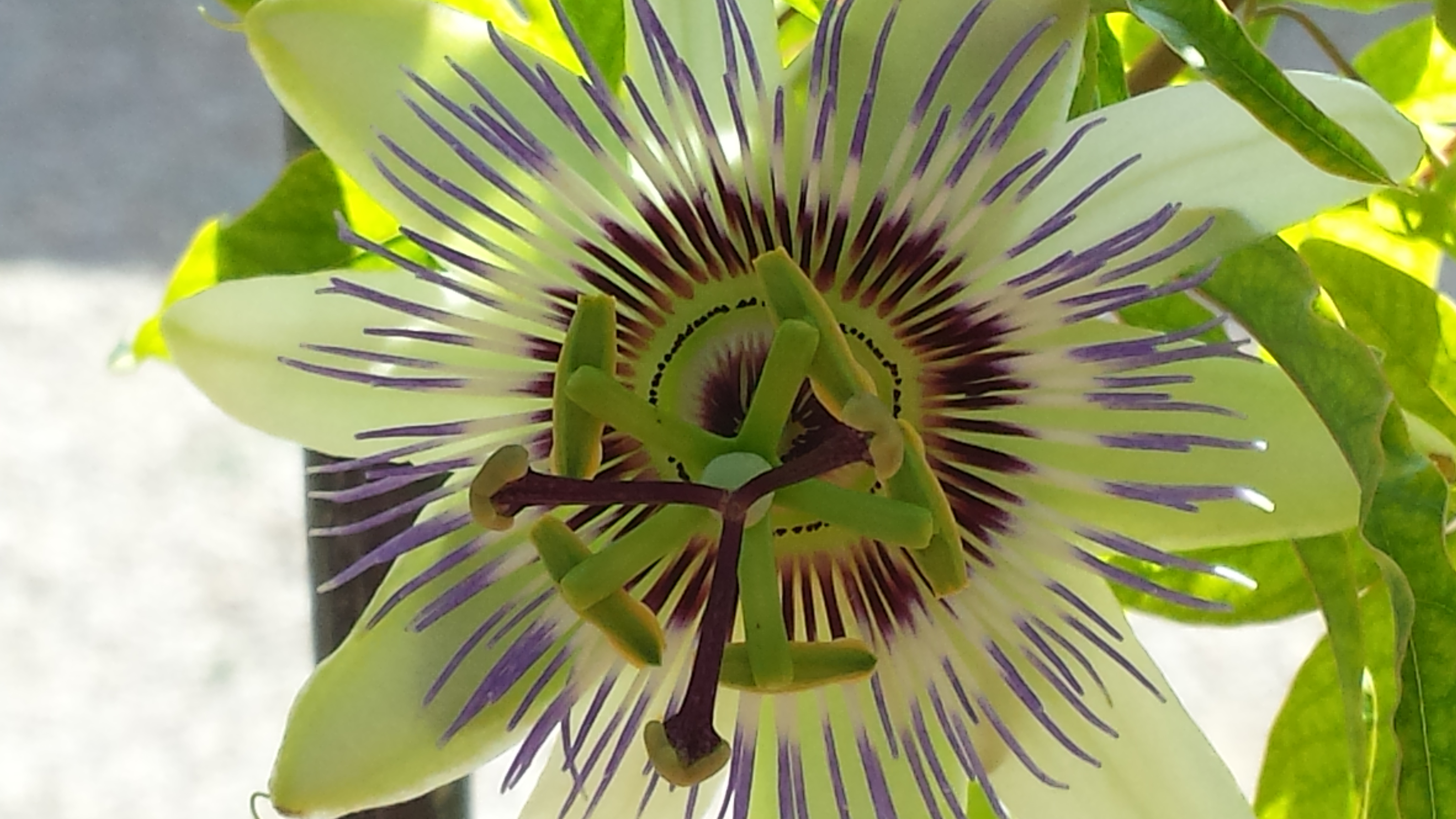

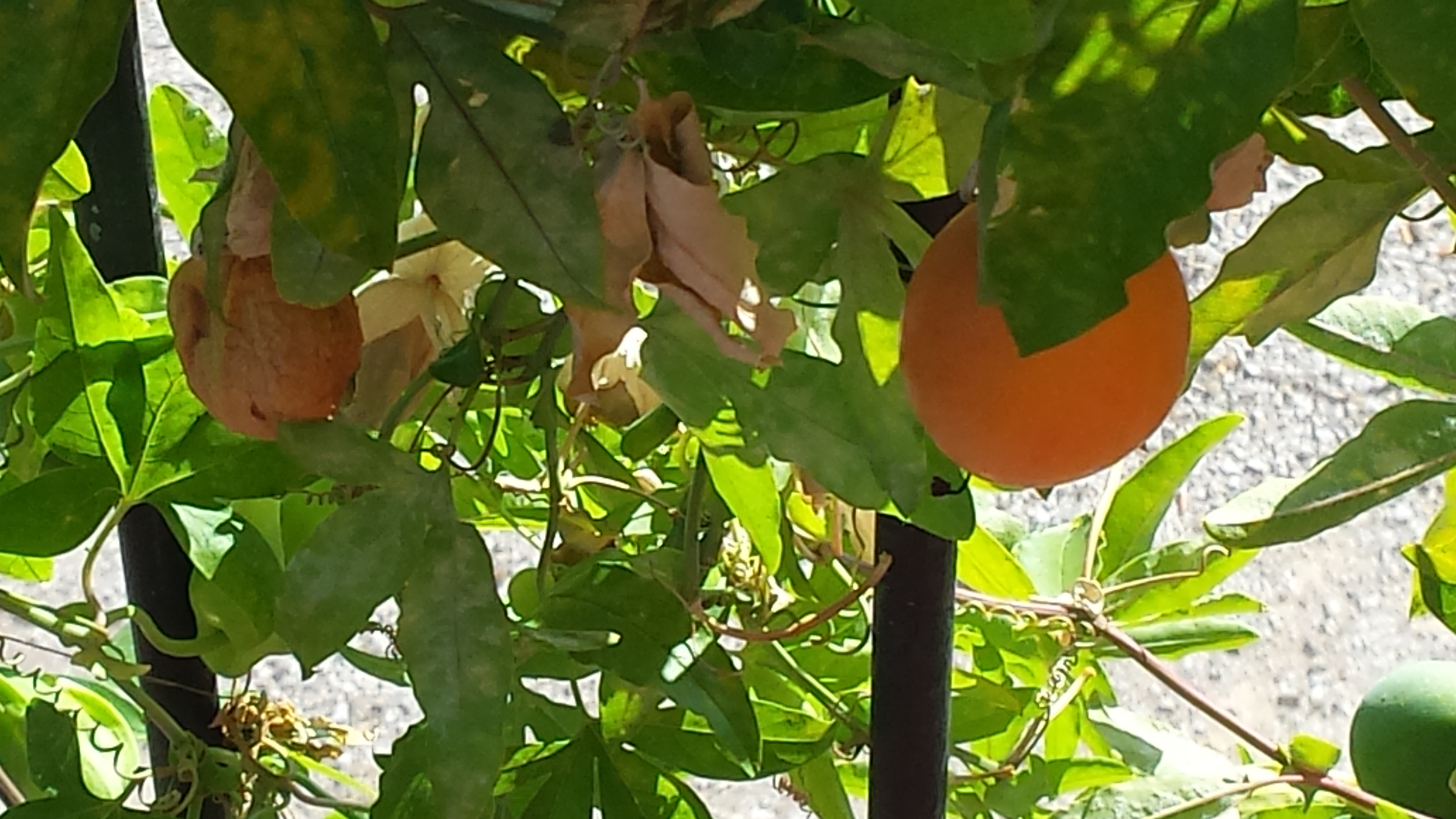
Passion on Wordless Wednesday

I am a gardener, but I’m also a biologist.
Because of this,I want to know the name of the plants I find.
If you have ever used a dicotomous key. You know that you can answer one question wrong in the series of many questions and end up with the wrong class and family name. This means you have to start all over again to find the actual species name.
In other words, you can’t get there from here.
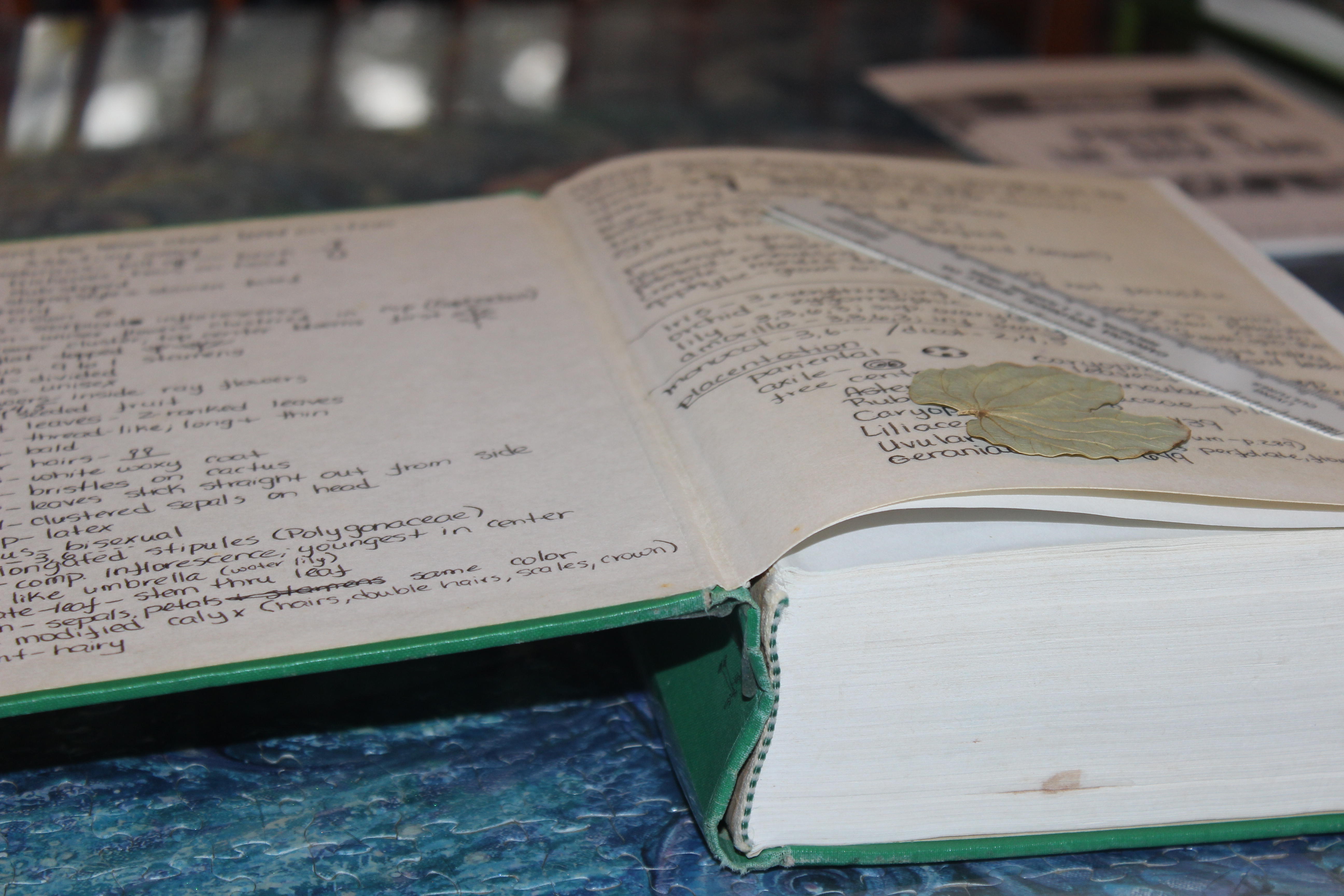
I have a dicotomous key for plants in the Carolinas that is rather large. I have used it quite a bit over the years. There are also keys on-line associated with universities or companies that can be used. I struggle with these when I have to back-track.
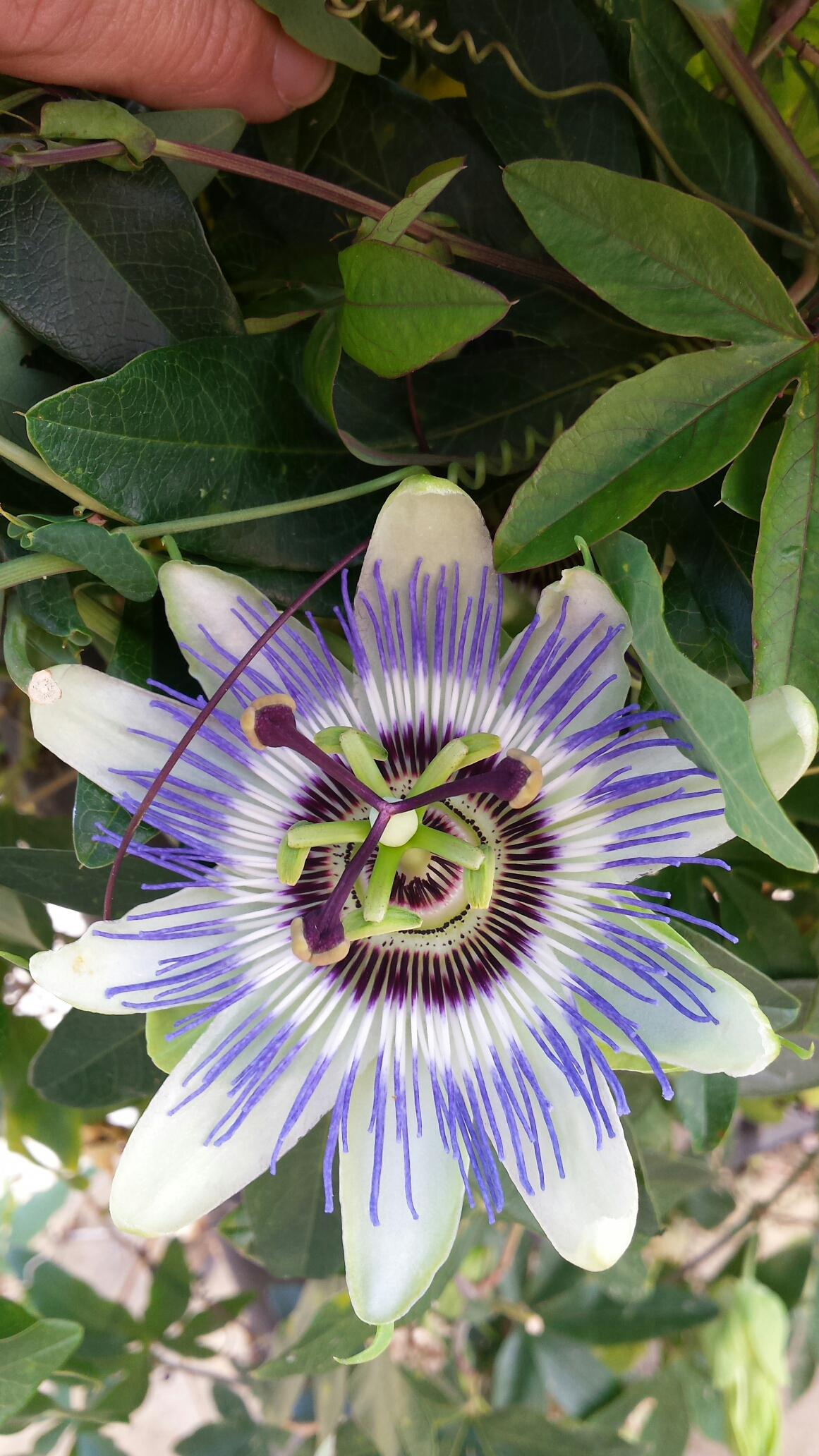
There’s a new way to help find the name of a flower. It’s an app called Like That Garden. I have this on my phone.


I have tested it out on plants at home that I know. You take a picture of the flower. The app scans the photo and comes up with a list of possible names and photos of those choices. I think color is the main searching factor because several times a totally different shape of flower would appear as a choice, but the color was true to my mystery flower.
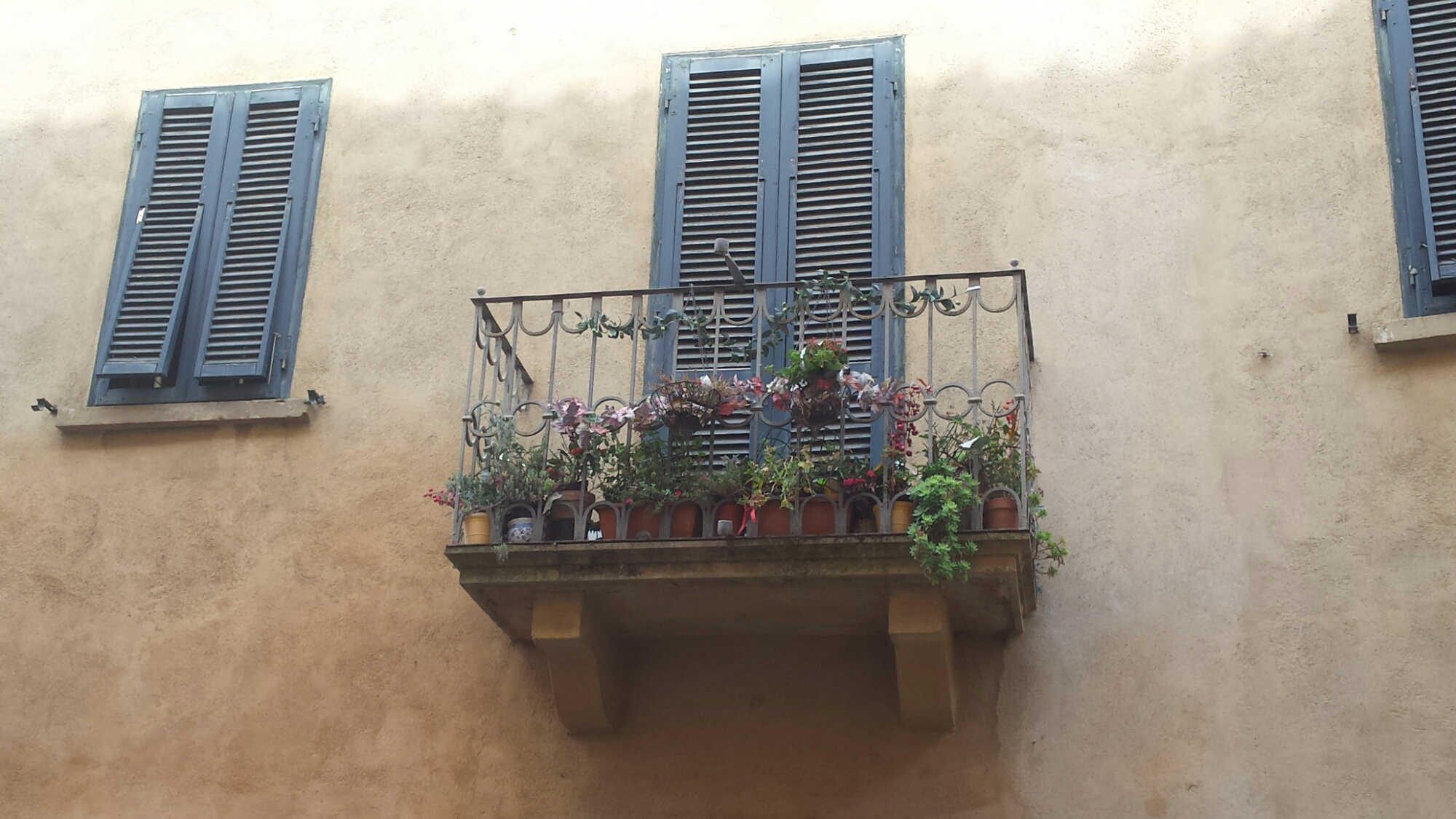
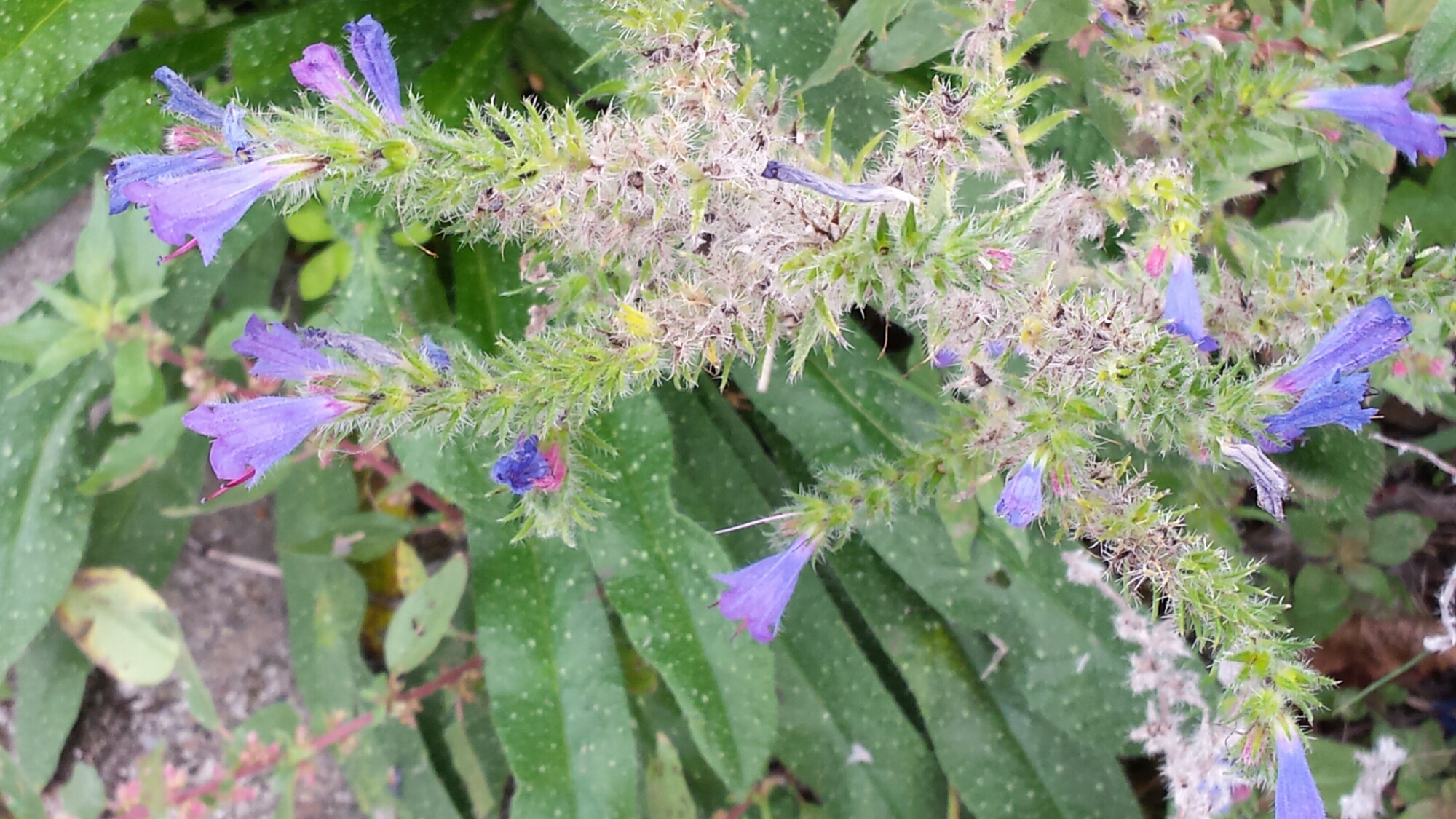
You then confirm that the apps’ picture is a match and it stores your pictures and location along with its data. I used this app to identify two wildflowers in Volterra, Italy. Now my data is part of the information bank.

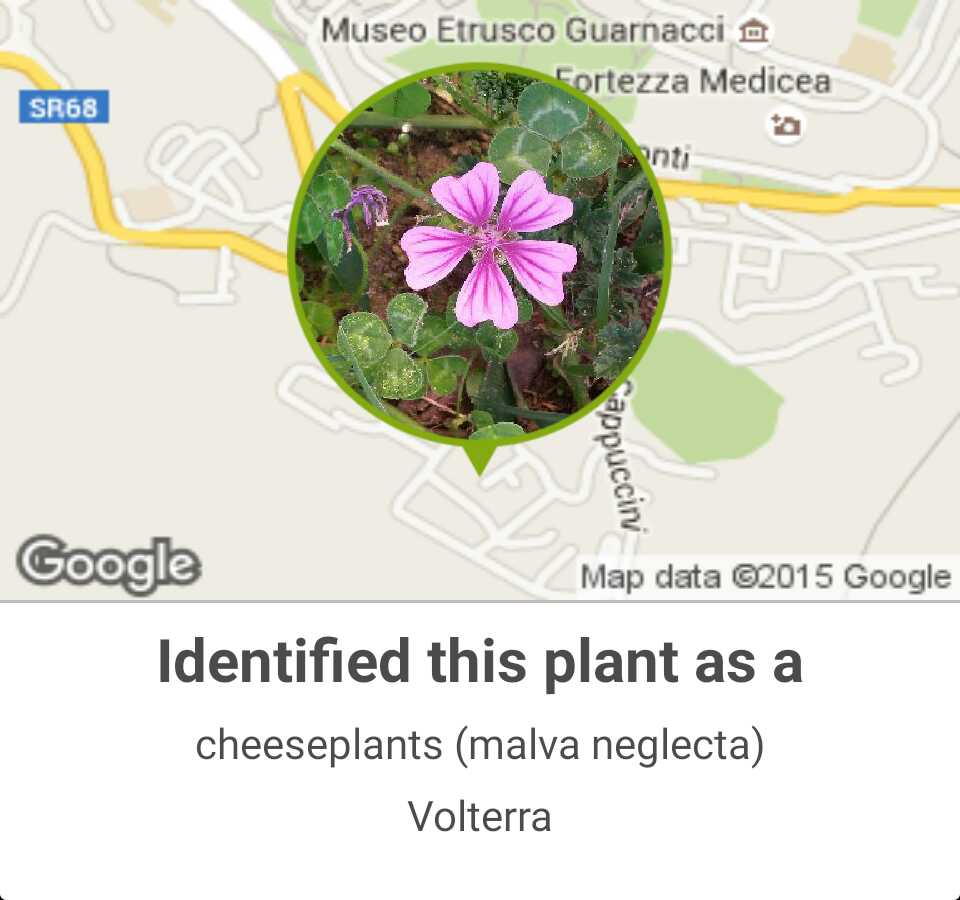
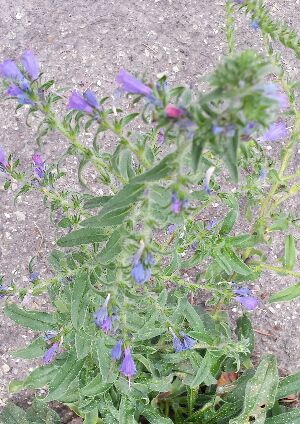

The app keeps track of the plants I have identified in my phone with the date and their location.

If you are like me in needing to know plant names, you will love this app. It has a huge bank of photos at your fingertips. You won’t need a ruler or to know the leaf venation nor arrangement. You just need to find a match for your photo. I even took a photo of a flower on my computer screen to see if it could identify it.
It’s like having a new toy.
Follow The Flower
I have been reminded of a book about the flower industry this week
I have photographed many flower shops.
The book is Flower Confidential.
I will be doing a post about it soon.
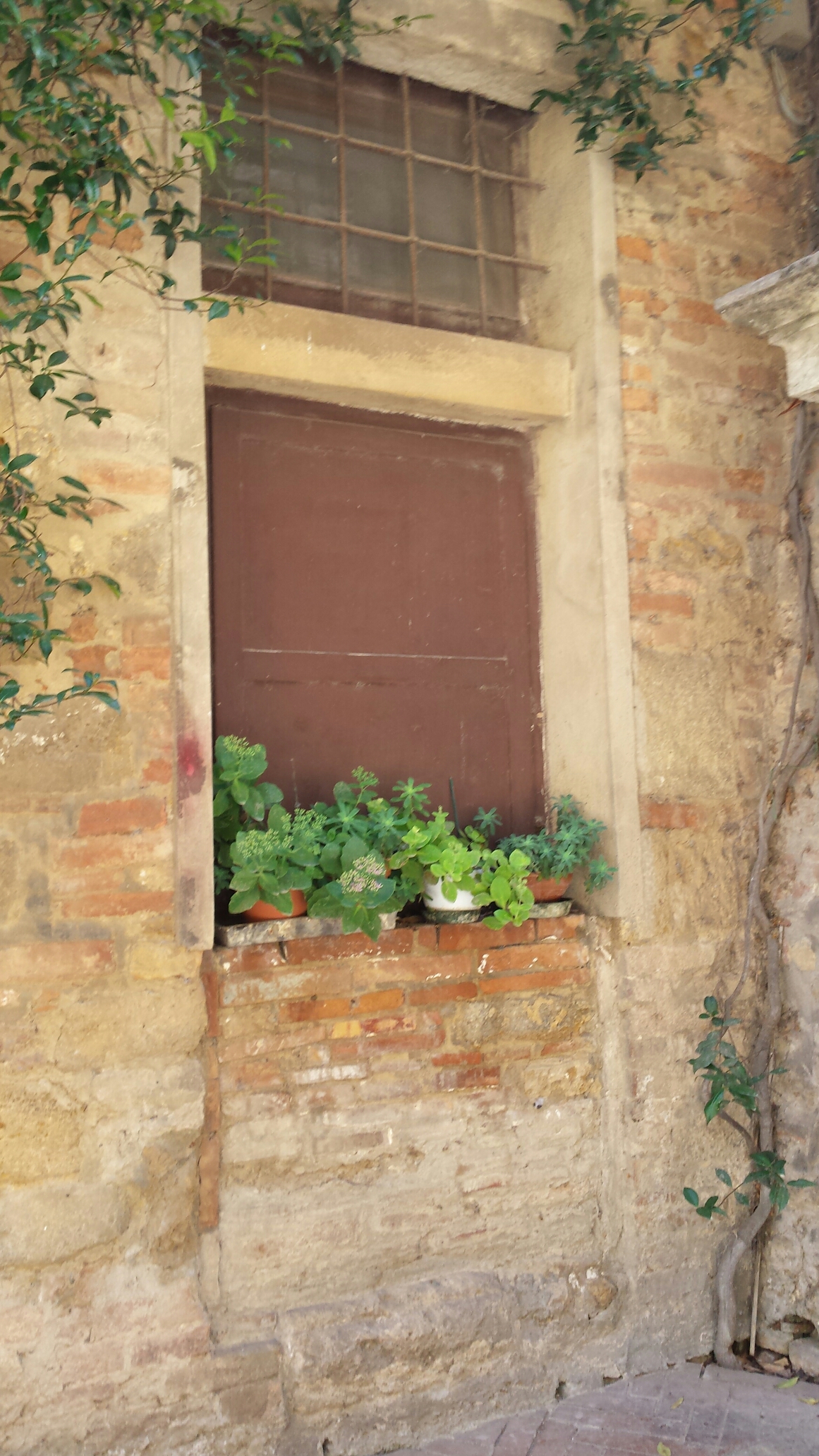
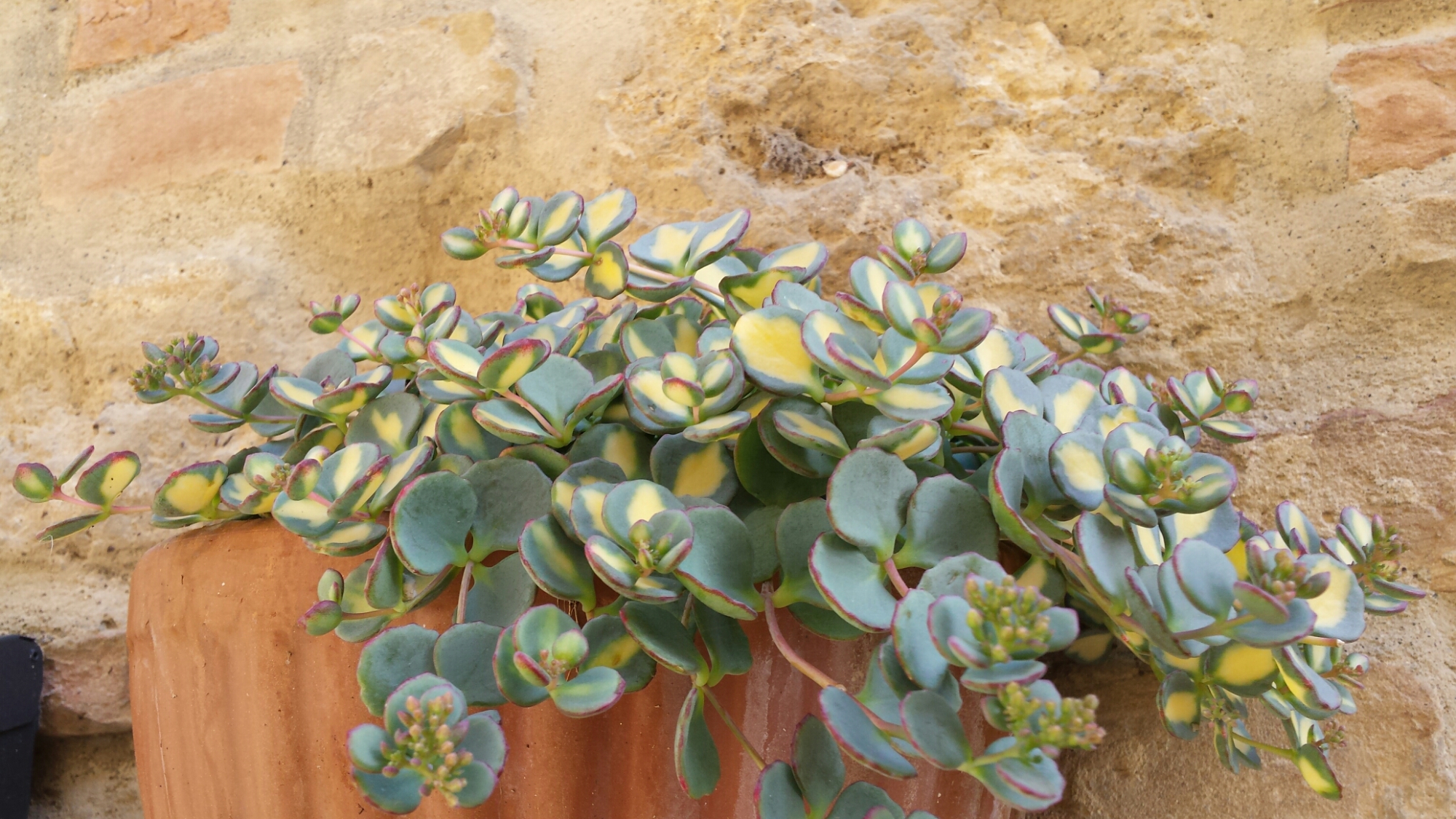
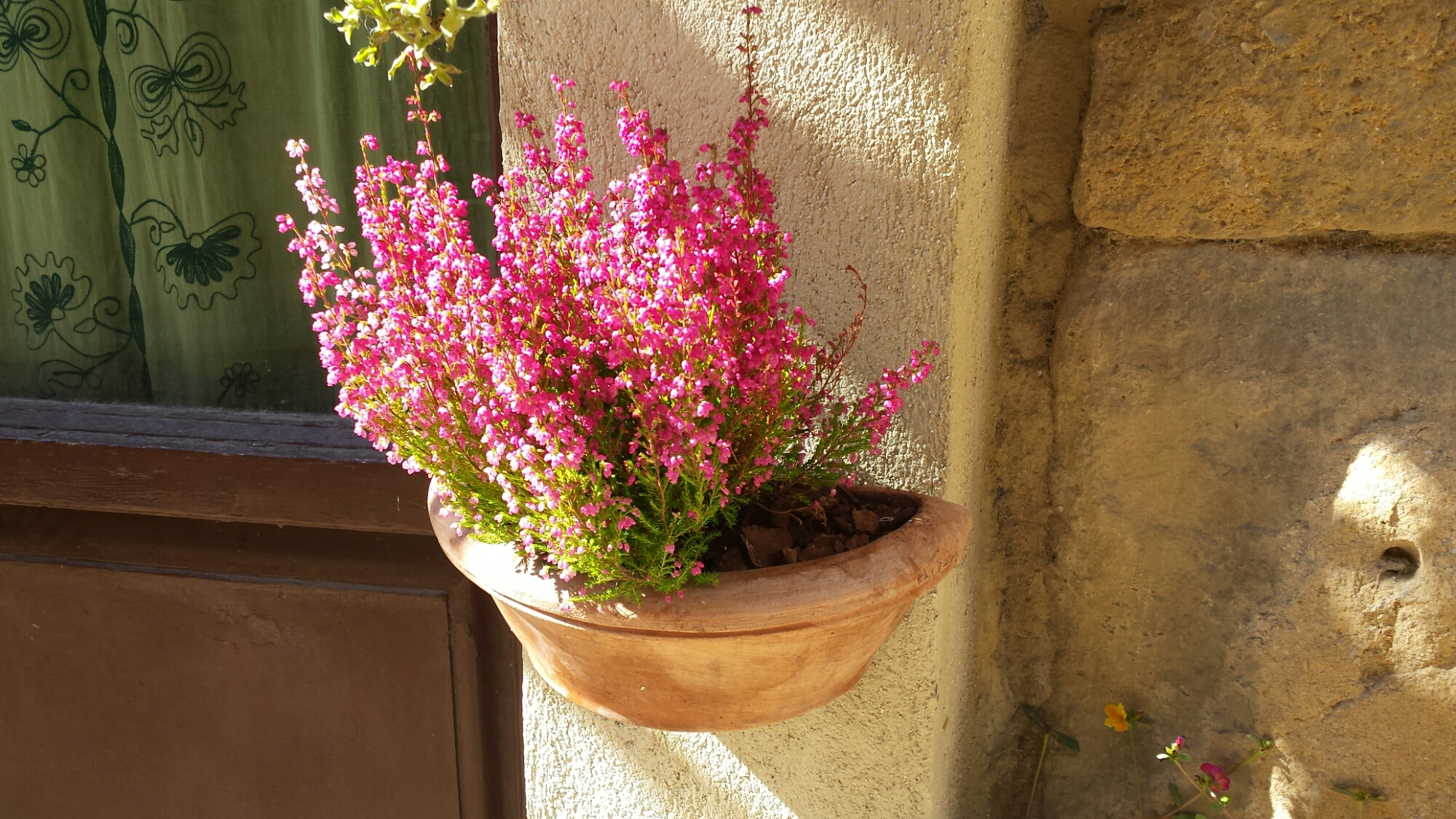
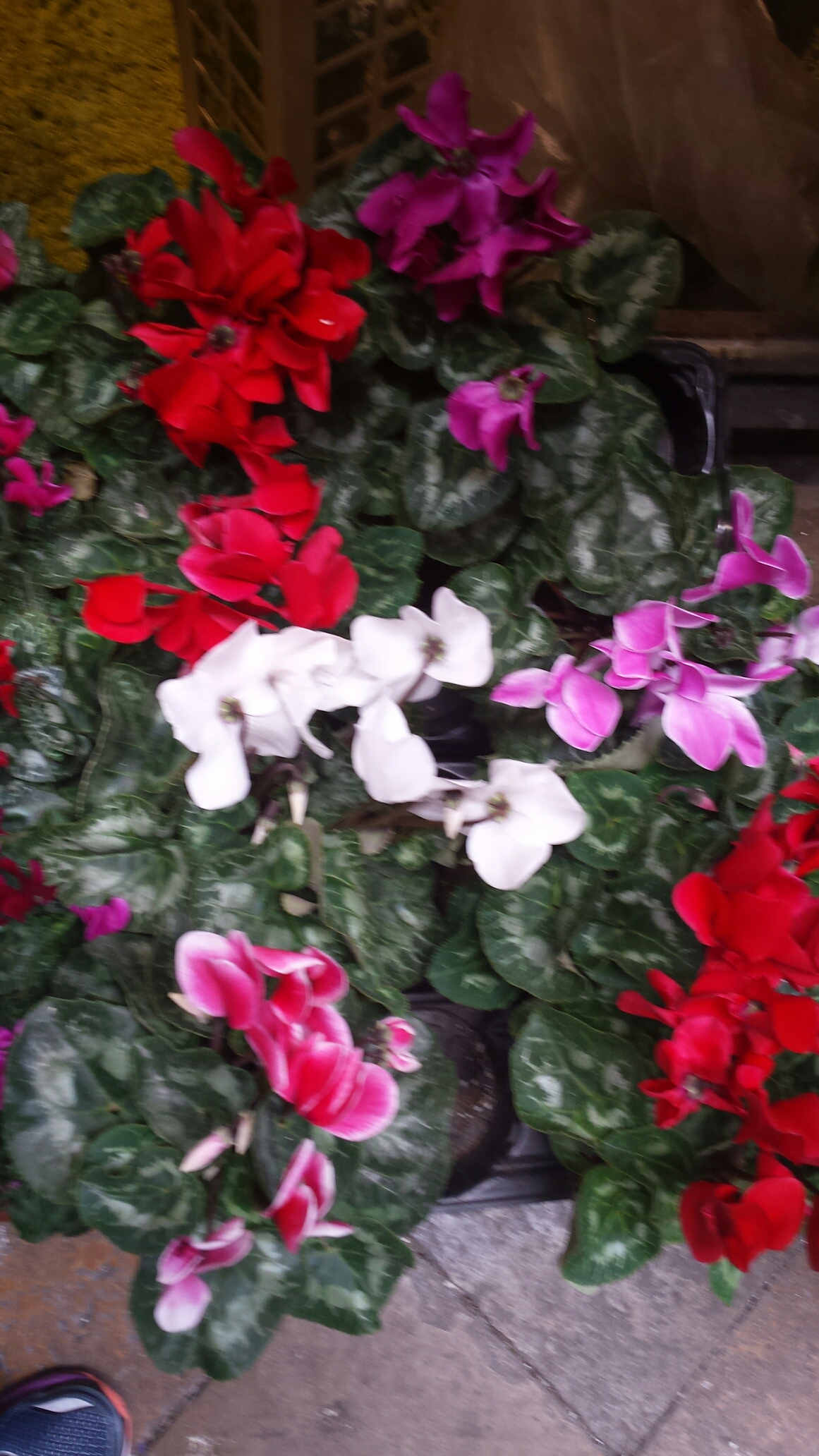
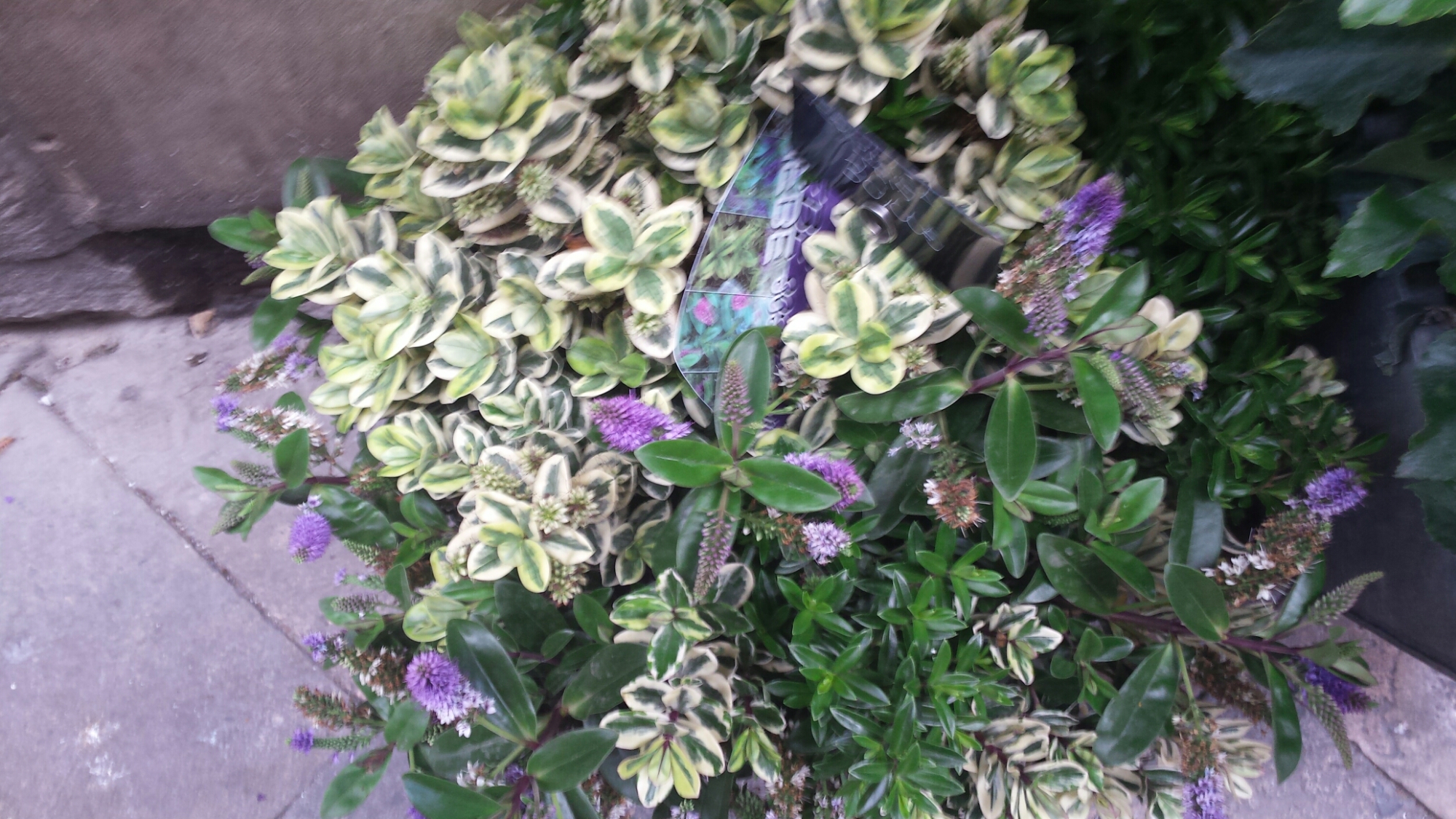
Here is a glimpse at some high-end offerings available to city-dwellers who need their “flower fix.”


These lovely flowers are like living jewels.
Follow la Flower. I have been Italicized!!!!!








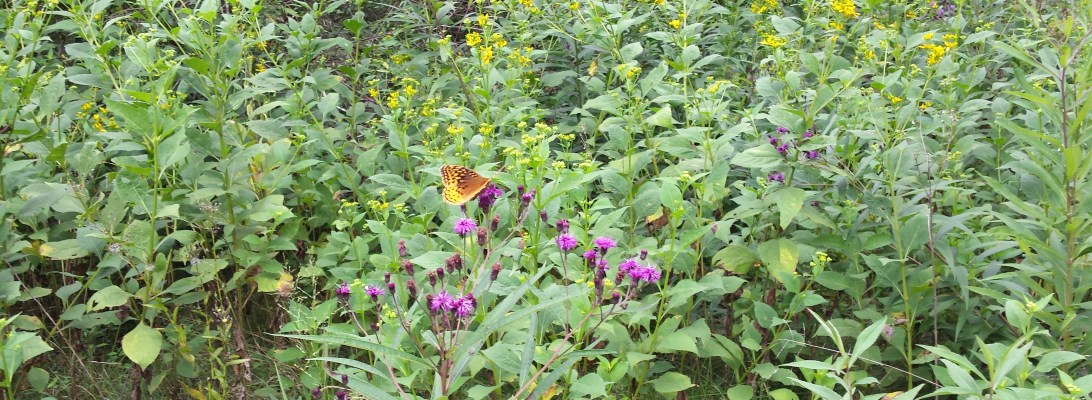
“I’d rather be a tall, ugly weed.”
This is the last line of Julio Noboa Polanco’s poem, Identity.
Many of my posts have been about cultivated plants and flowers,
purposely bred, raised and carefully tended.
In Julio’s poem this type of plant is described as “watered, fed, guarded, admired, but harnessed to a pot of dirt”
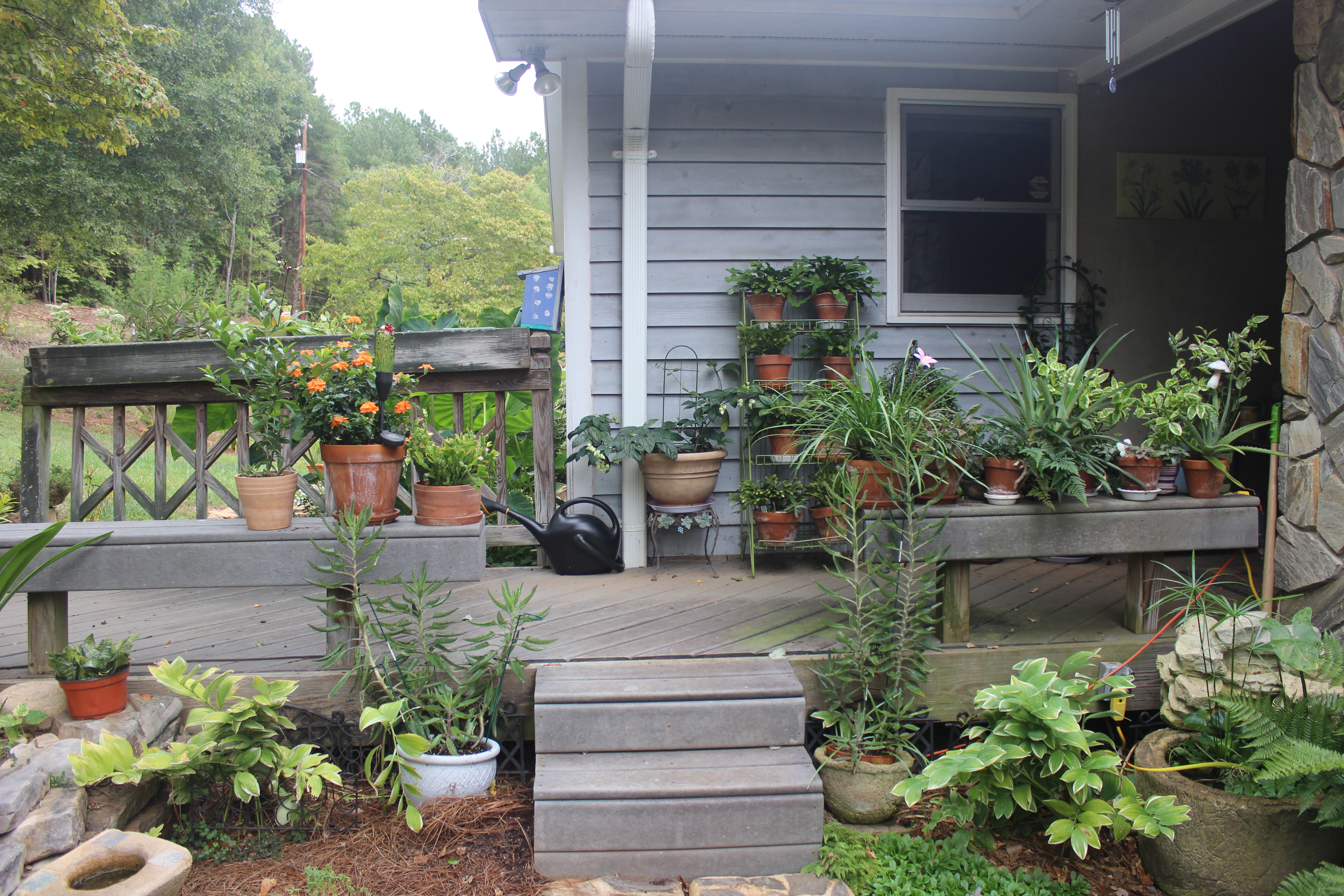
I have chosen to give some attention on Wednesdays to the wild plants
that are sometimes called weeds.
Not all weeds are wild and not all wild plants are weeds.
Weed is a term used to refer to a plant growing where it is not wanted.
Weed is also used as a verb referring to the removal of the unwanted plants.
This is not the case when using the slang term Weed to refer to marijuana/Cannabis/hemp.
It is possible to weed weeds while smoking weed. If you confuse these three you may end up in a bit of a jam.
So today, I will show you some tall weeds on the Alley farm the are far from ugly.
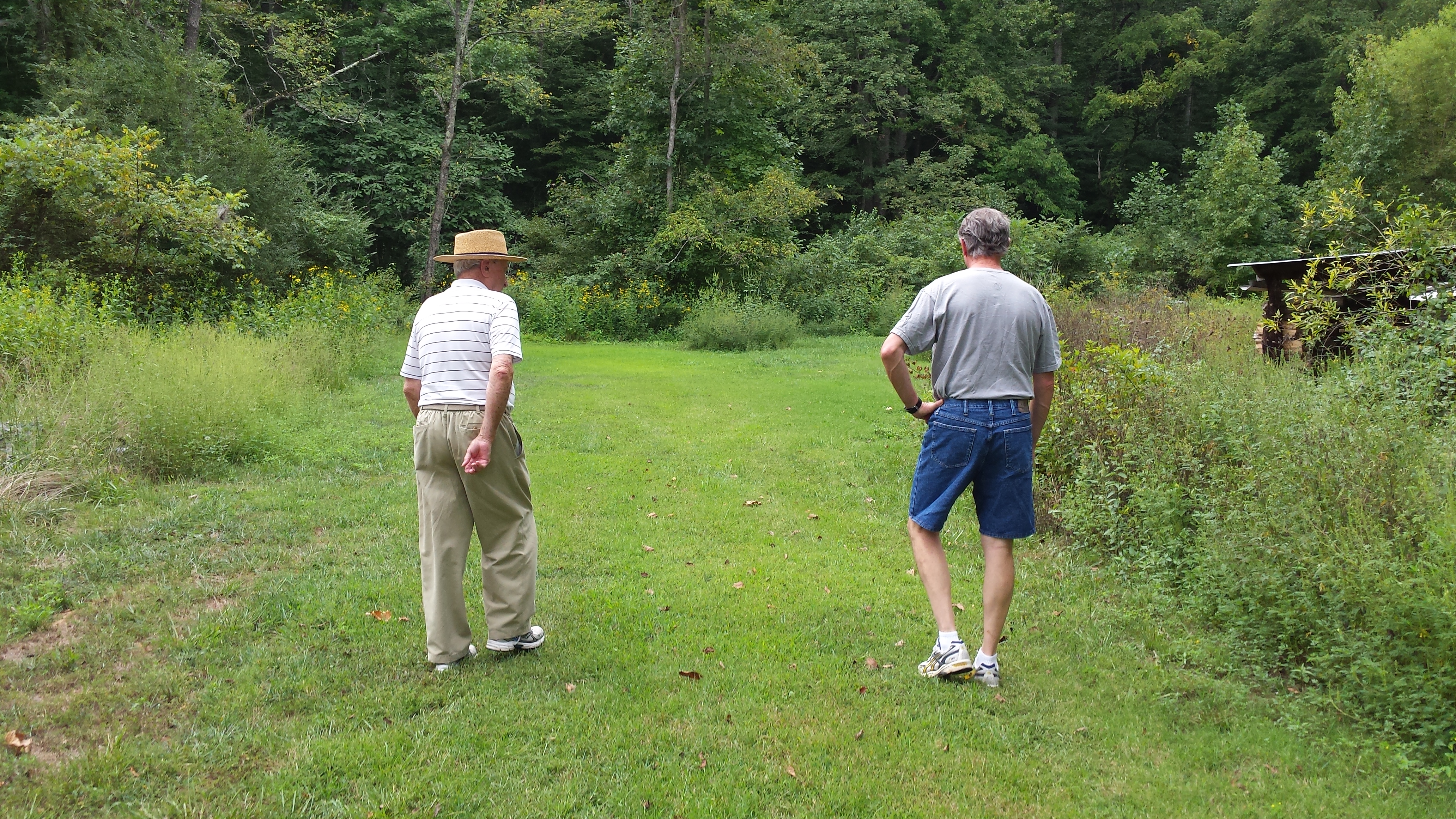
These may be called wild flowers by people who appreciate their beauty.
A former post “Weeds are the Champions” highlighted the resilience of weeds.
I would like to tweak that to say “Wild is the Champion” for this post.
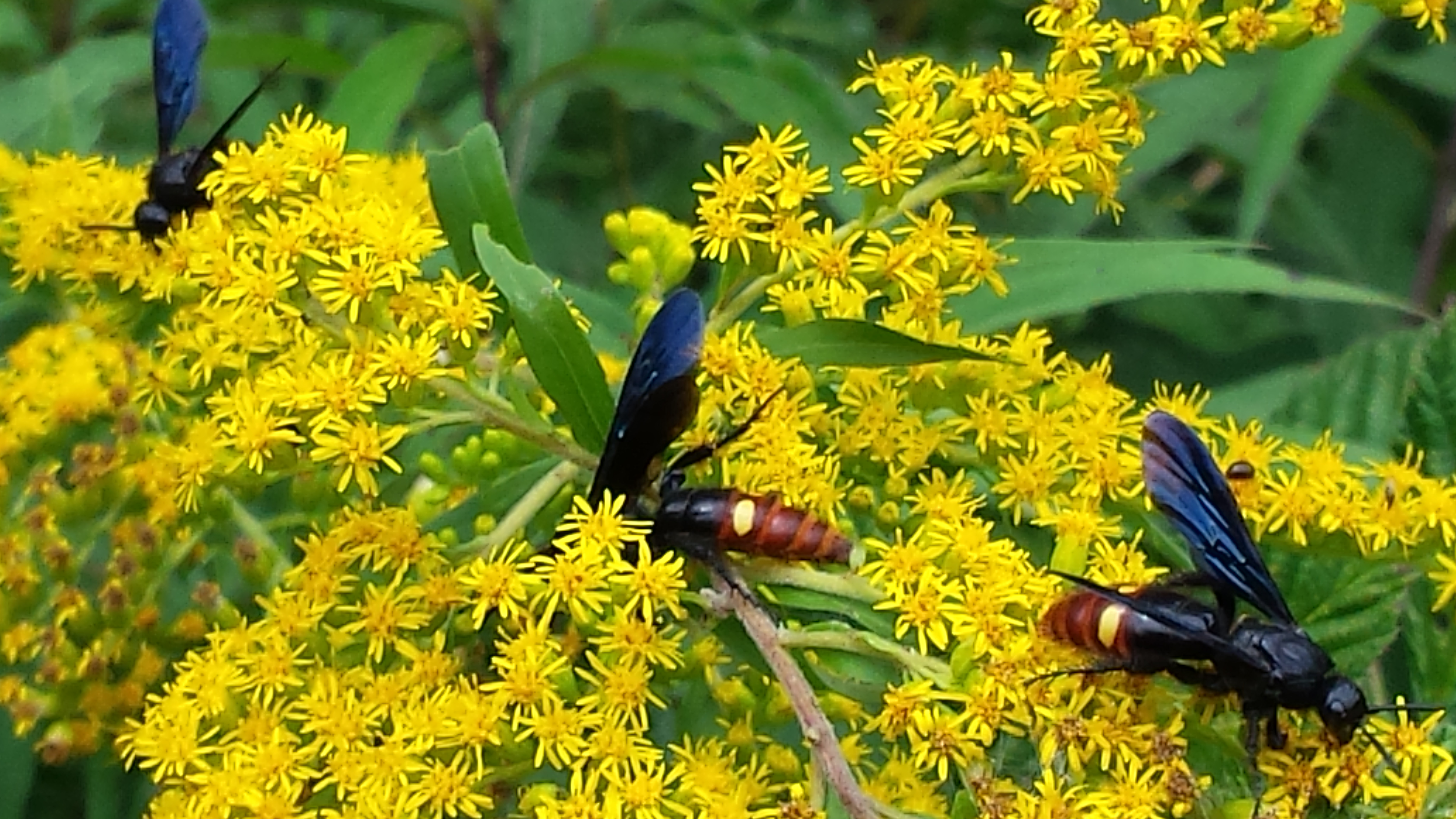
These lovely plants were neither planted nor tended.
God is the best gardener.
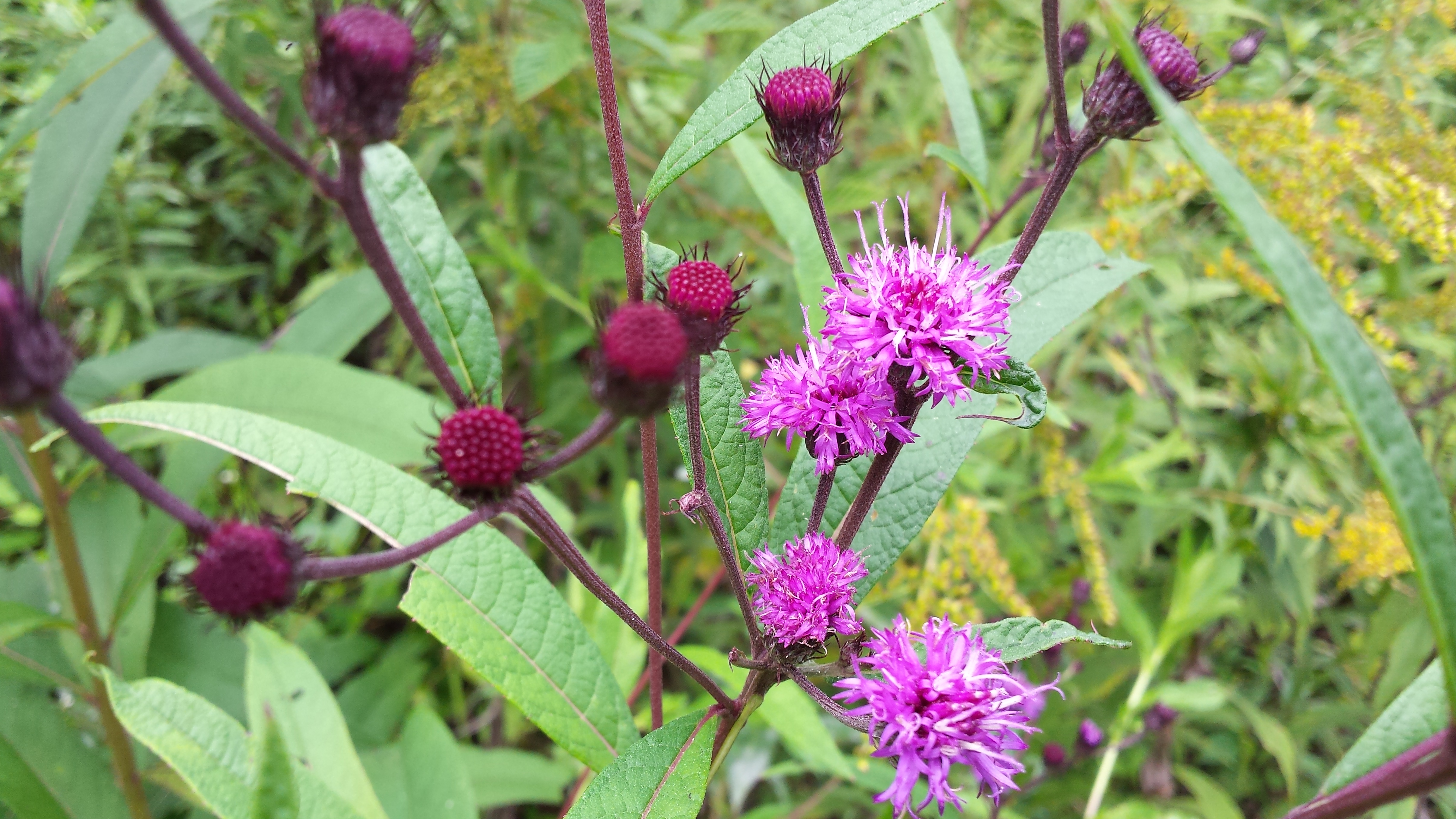
I have nothing in my garden that compares to this vine.

The butterflies love this tall Joe Pye Weed.

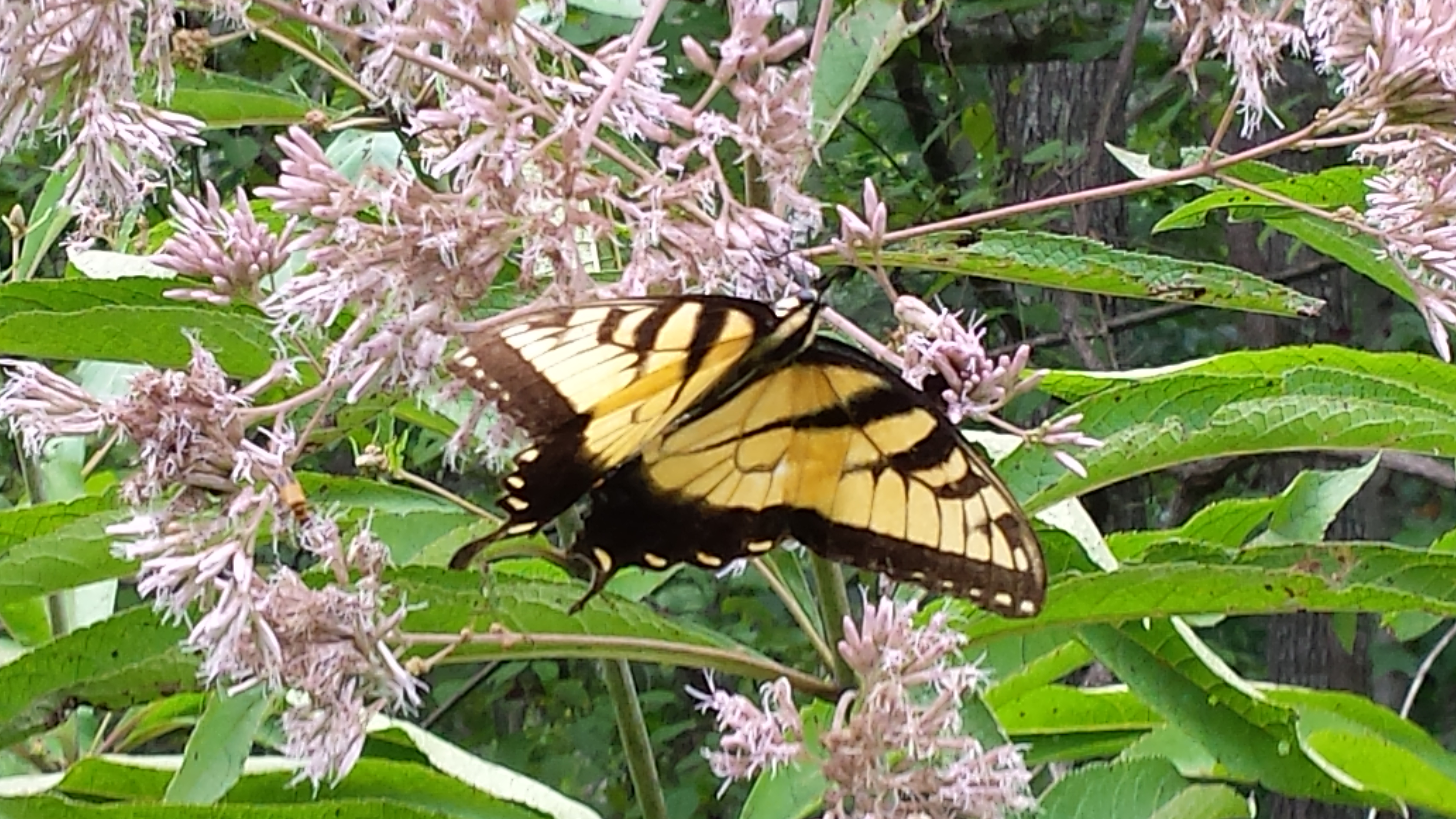
I was a bit jealous that I wear myself out taking care of my “harnessed hybrids” ,
while all this beauty was totally maintenance free.

Follow the Flower.
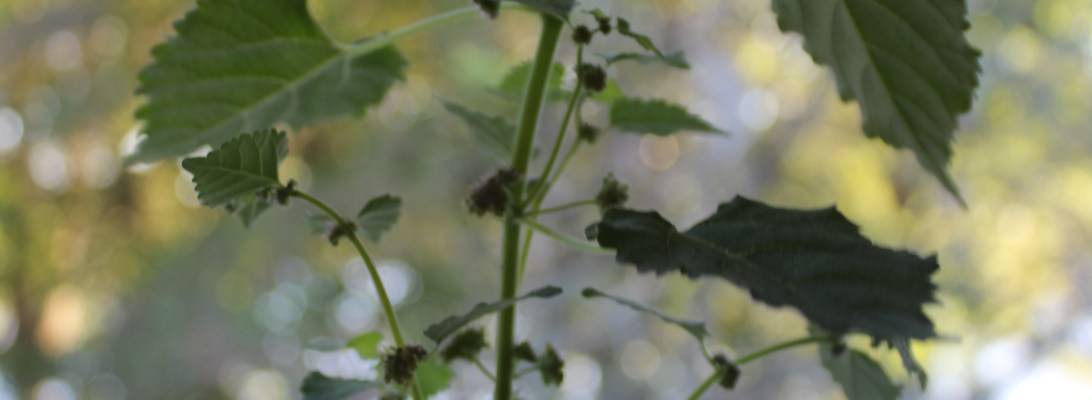
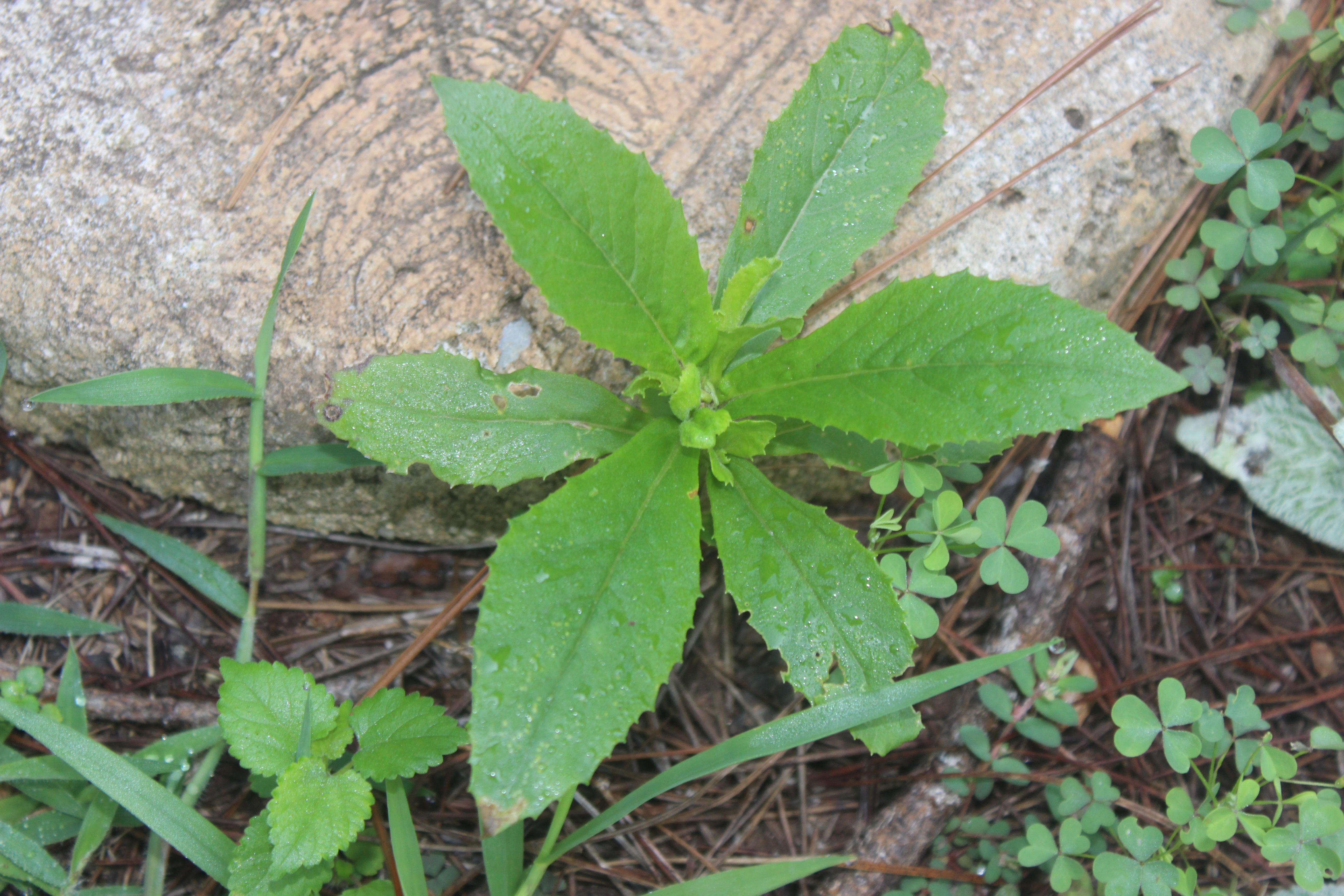
Mulberry weed, Fatoua villosa, is the worst weed-foe that I have ever encountered. It is a survivor.

It has alternate leaves with spiked, microscopic hairs as well has hairy stems. Little “stemlets” and blooms come from the nodes where the leaf emerges from the stem.
If you break off the top of the plant, the stem “medusas out” and it comes back up as a little bush.
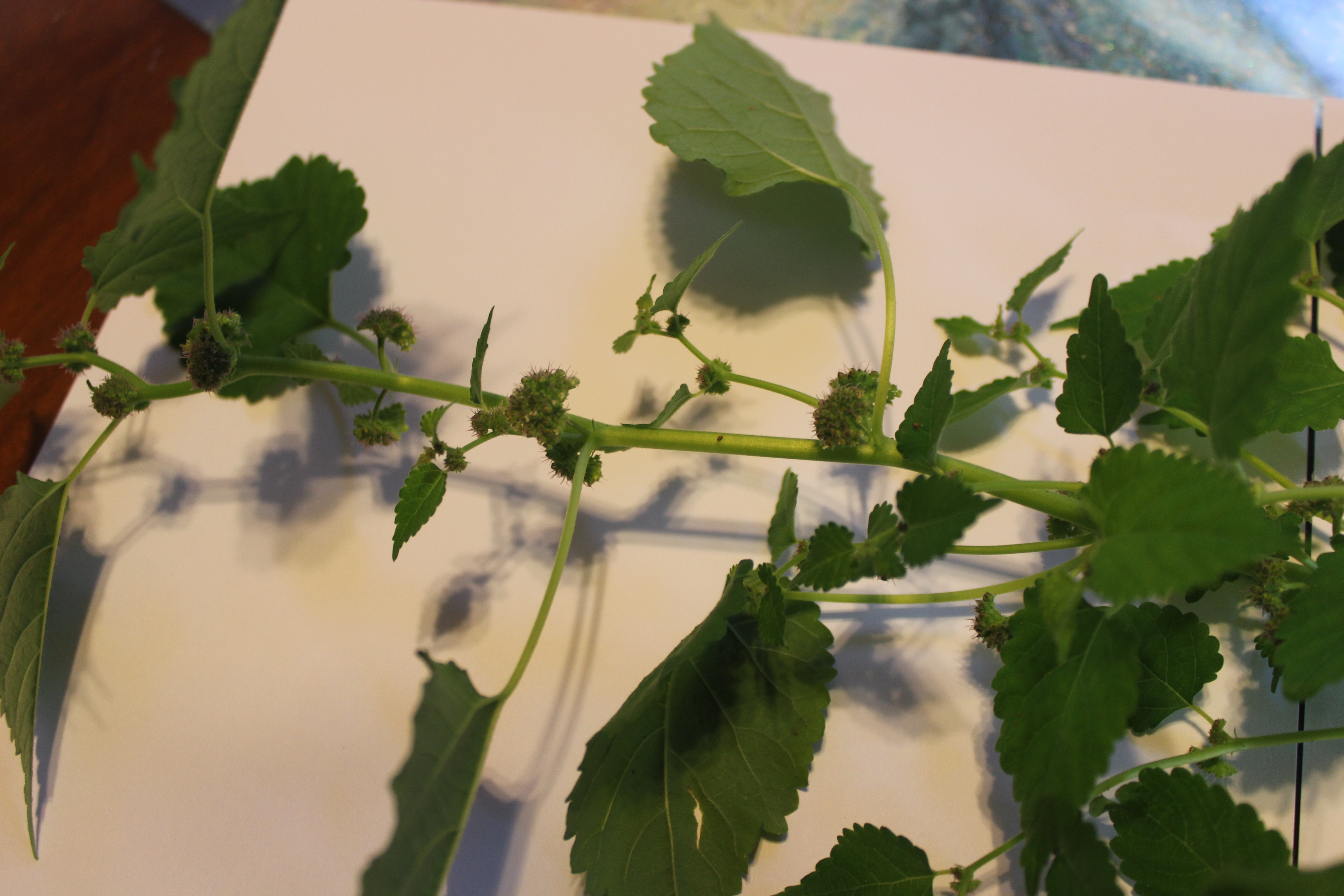
The tiny white flower clusters ripen into purple pod clusters full of tiny seeds.
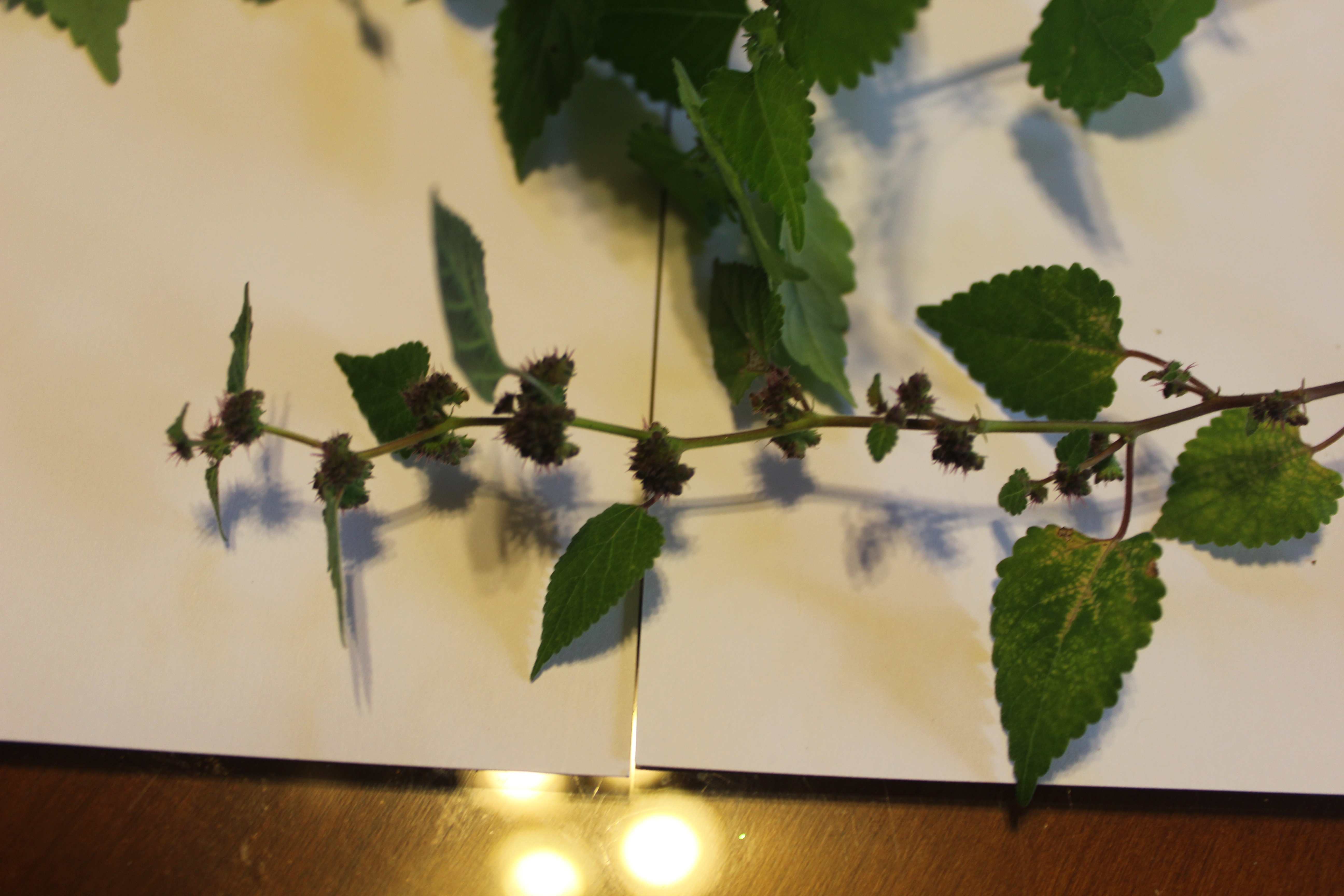
The seeds shoot out of the dried pods as you pull up the plant. You must get it before blooms ripen into pods.


Do not throw these weeds on your compost pile. If you do you will plant them next year. Even the tiny plants can set seed.
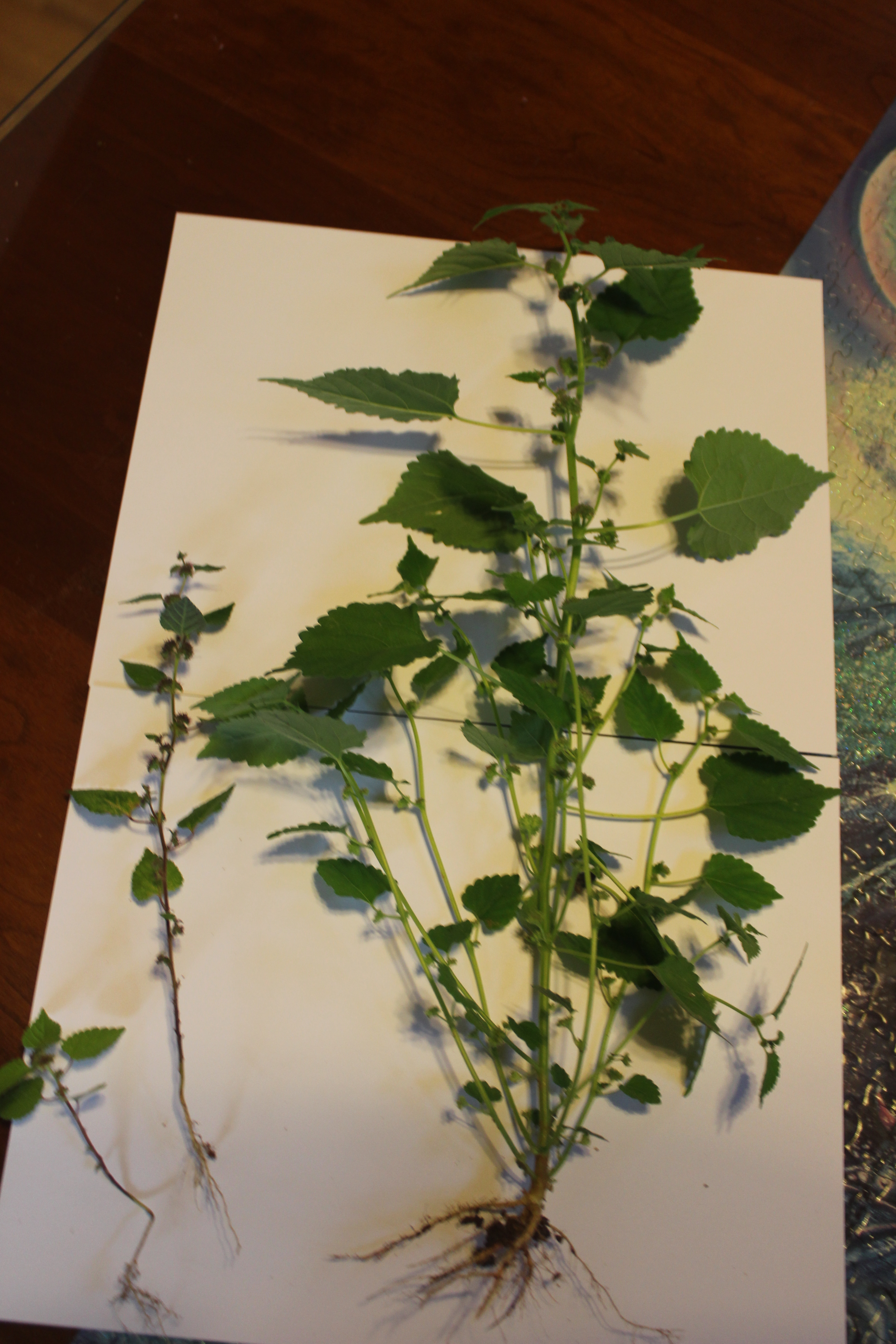
It is an import from Asia that piggy-backs into your plantings from nursery stock.
It is suspected of coming to the USA with the troops and equipment after WWII.
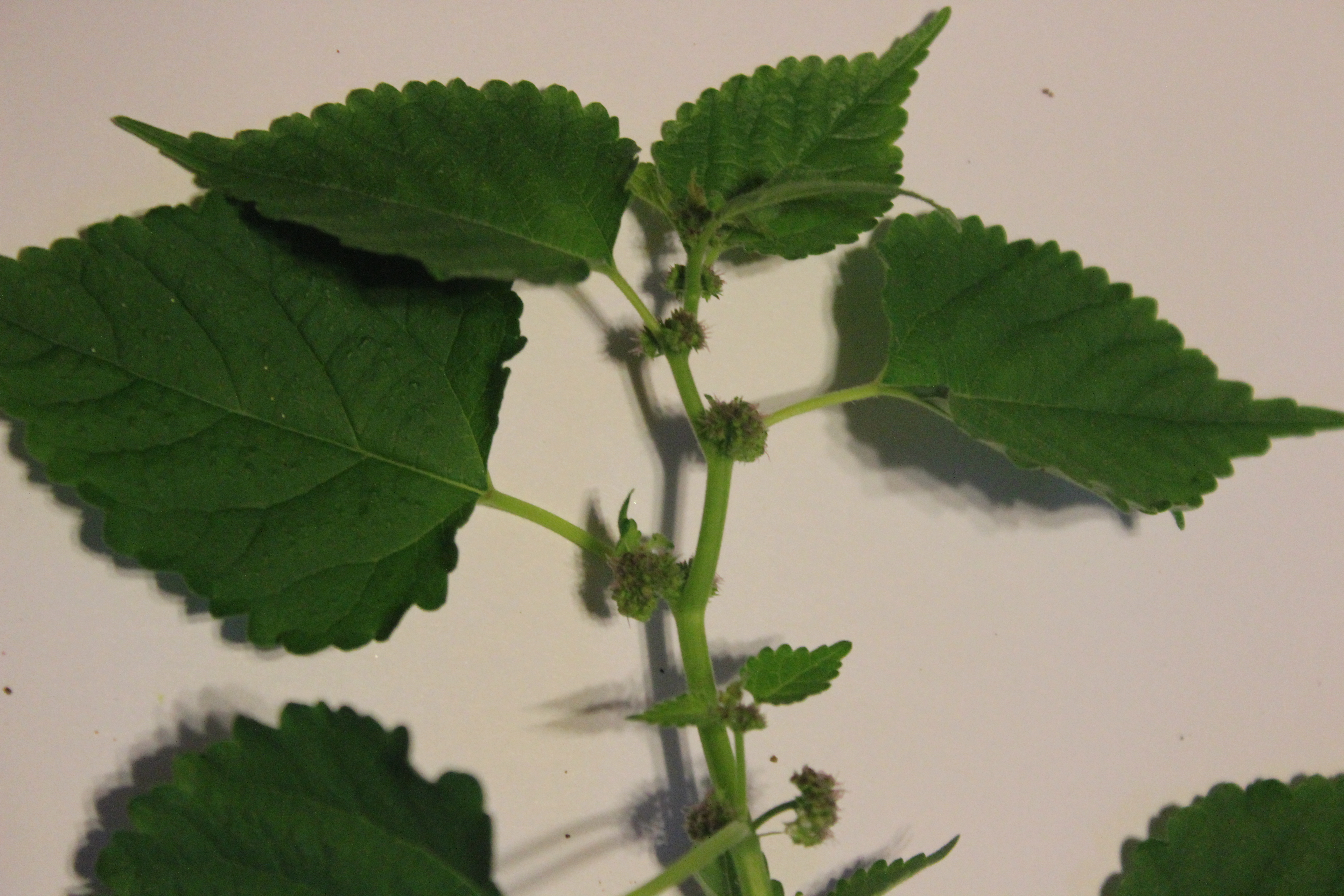
It is described as noxious and invasive. These are not terms of endearment.
I usually try to find attributes for my local weeds, but this is an imported pest that ranks right up there with Kudzu.
Follow the FLOWER. Return next Wednesday for another visit with a WEED.
I’ve planted my seeds
time after time.
I’ve done the digging.
I’ve committed the time.
Made some mistakes.
Planted some brutes.
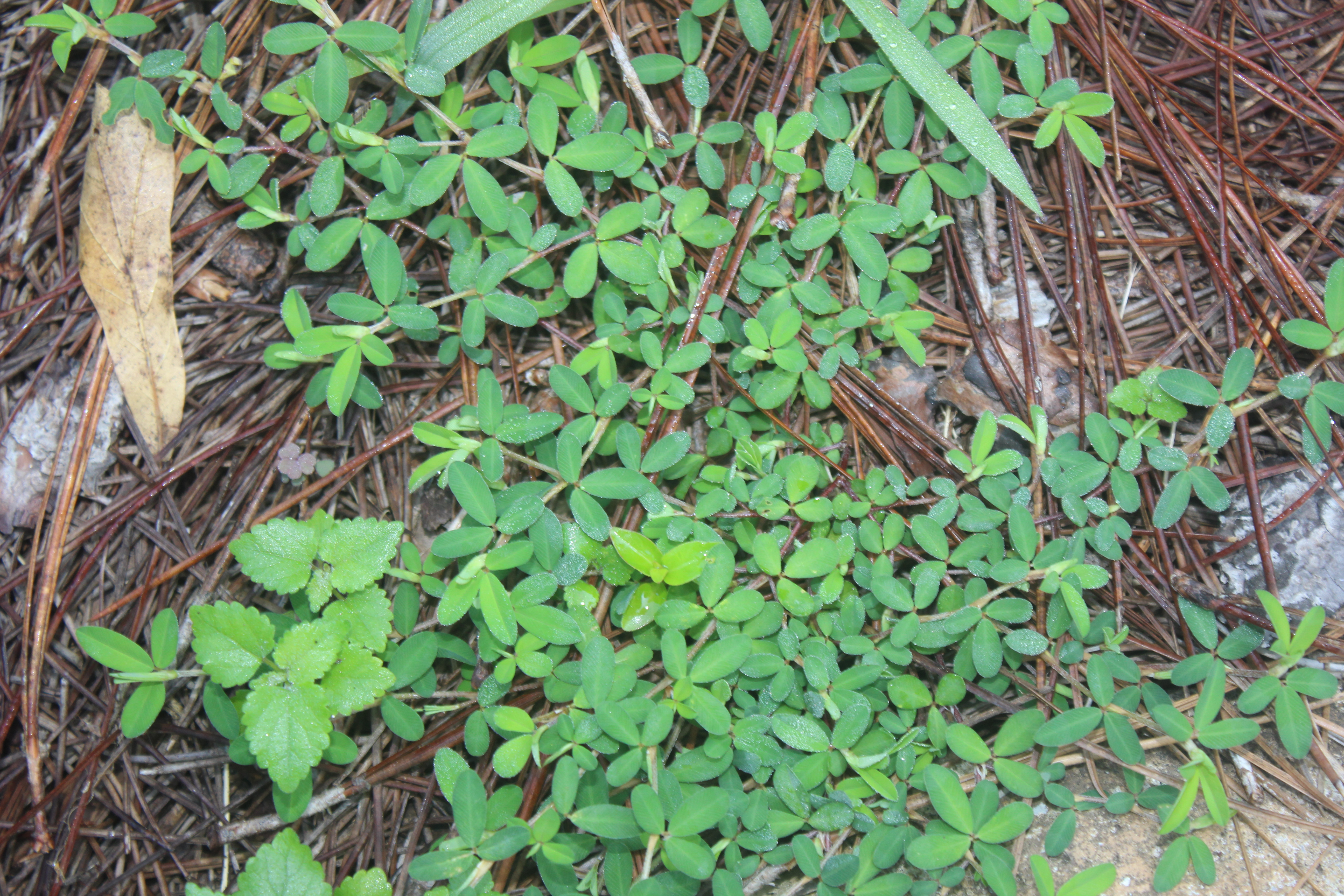
I’ve had my share of seeds blown in my face,
But I’ve come through.
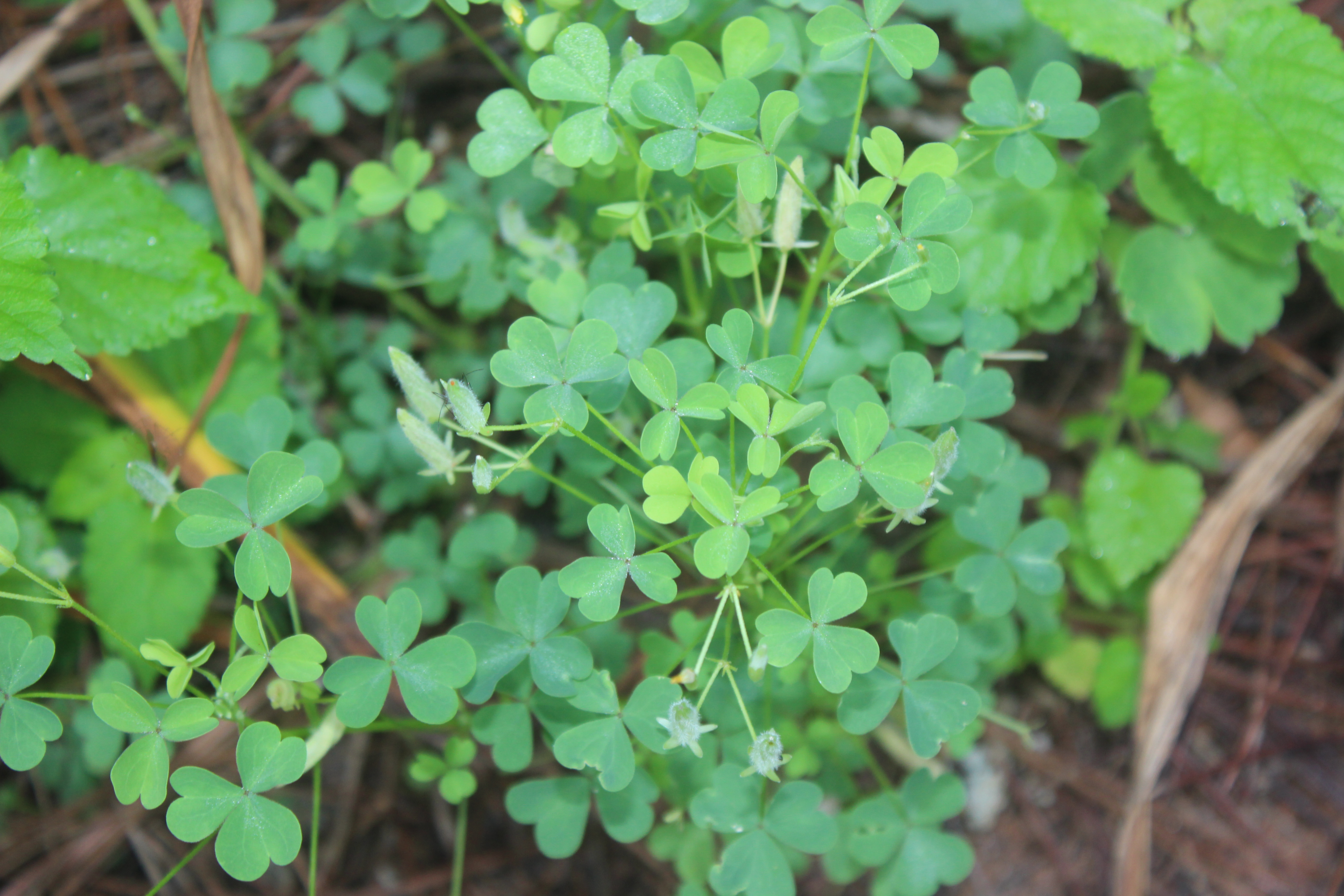
And I could go on and on and on and on because…
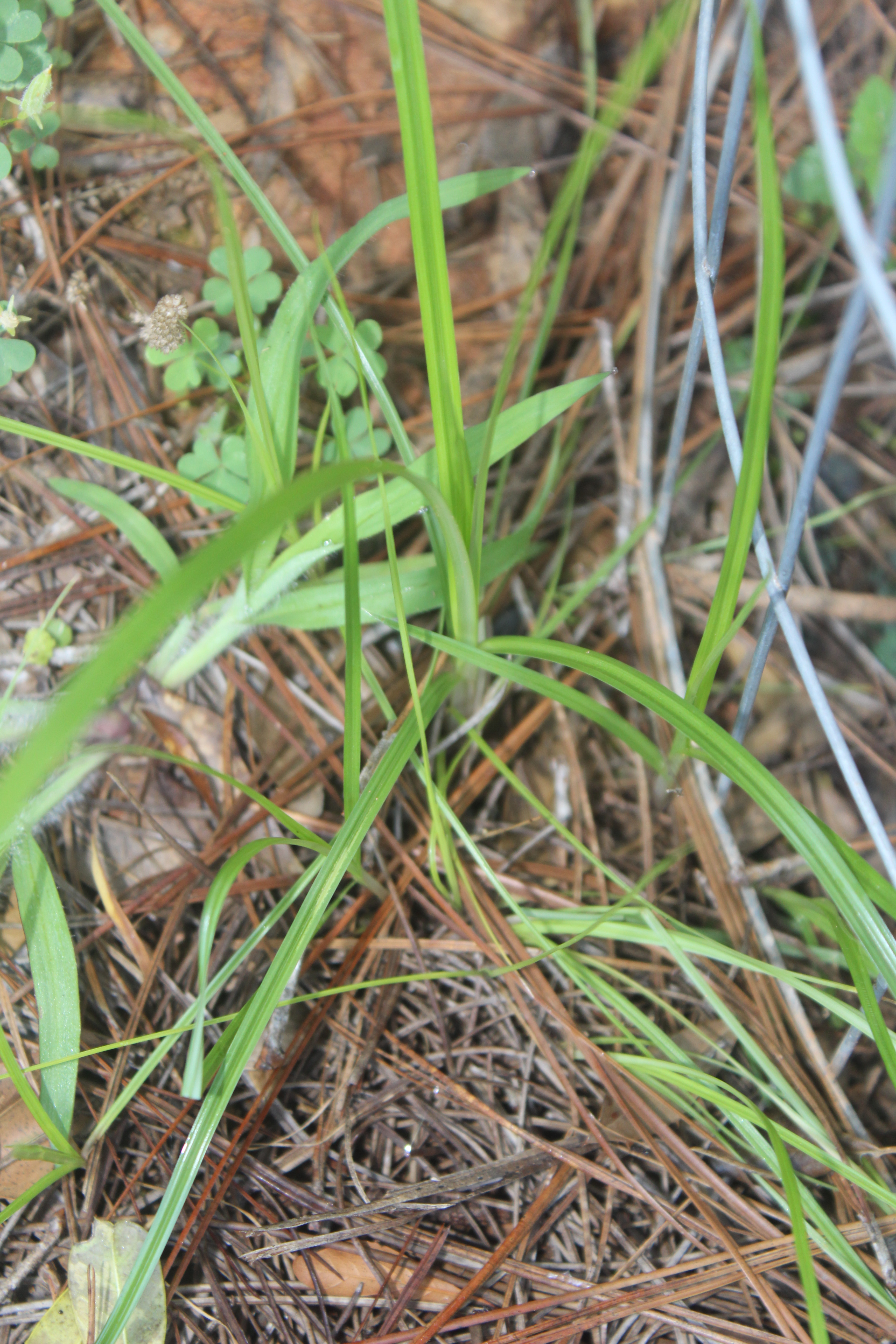
Weeds are the champions, my friend
but I’ll keep on weeding ’til the end.
Weeds are the champions
Weeds are the champions
No space for hybrids
“cause weeds are the champions of the WORLD.
FOLLOW the FLOWER for “WEED Wednesdays” for a new take on what we call weeds.

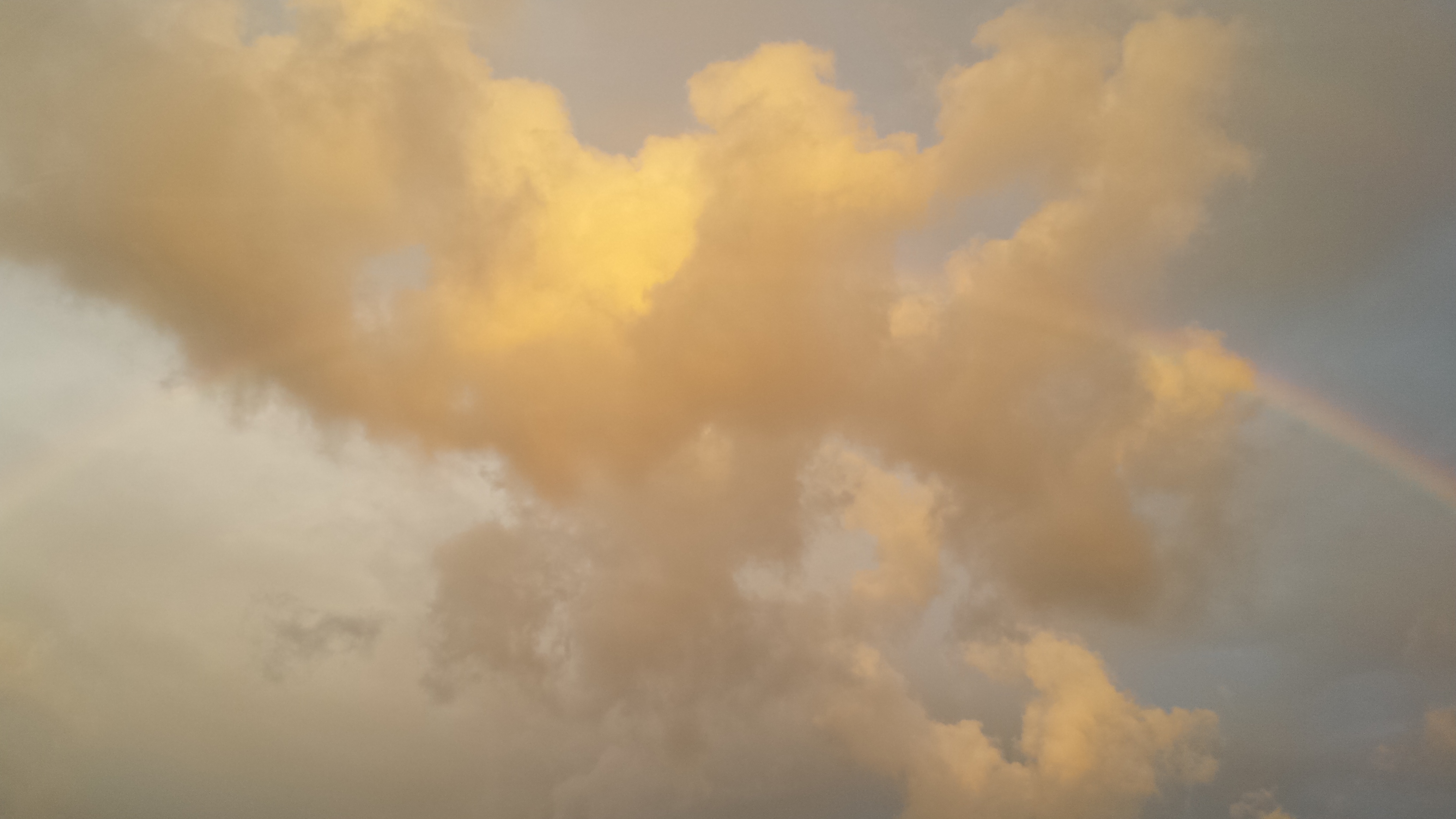
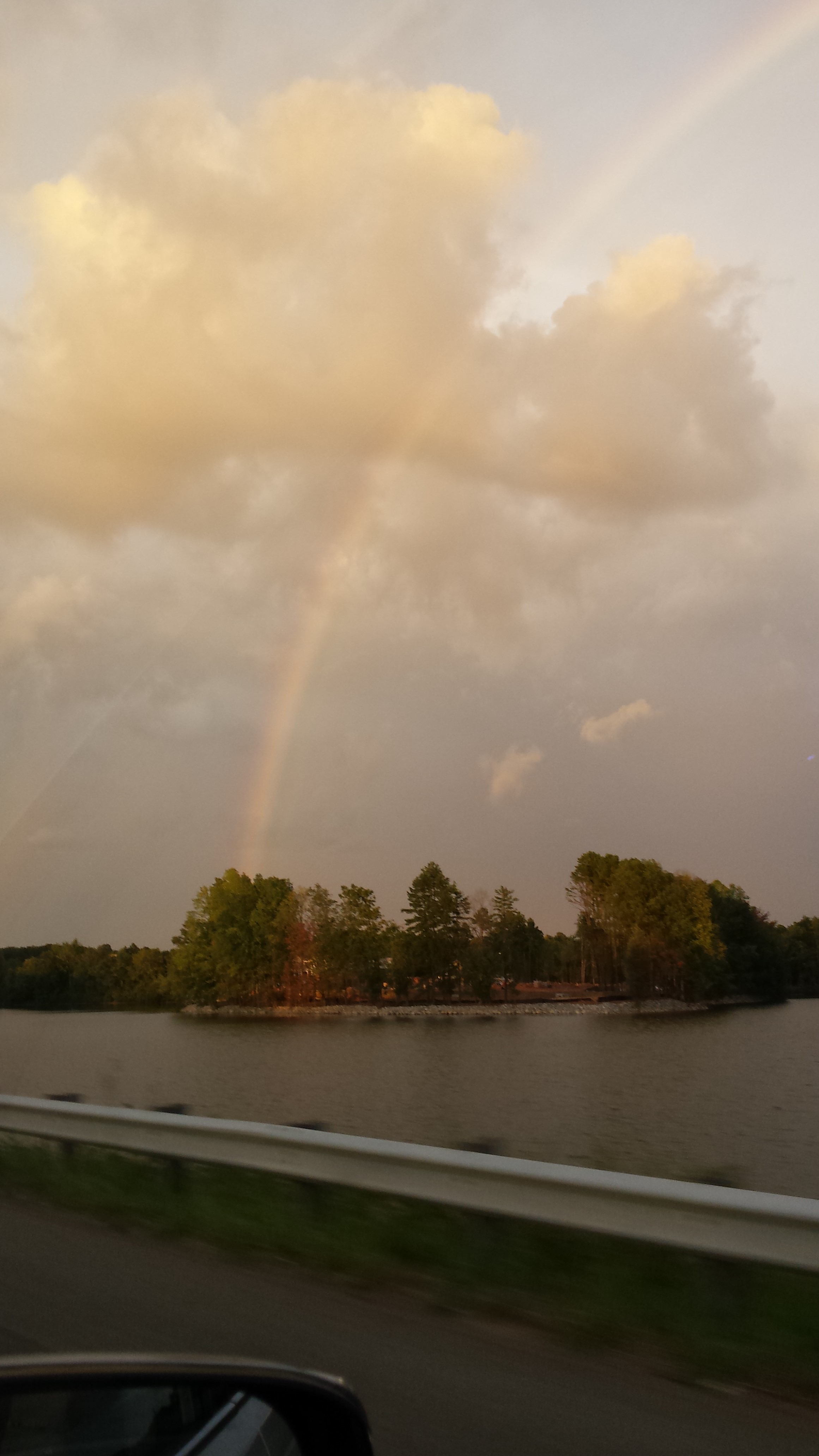


Morning light is different.

The low angle of the sun’s rays causes the subject to cast vertical shadows on itself.

It gives a three-dimensional effect that you can’t get any other time of day.

I got up early this morning and let the sun’s rays spotlight what I should photograph.
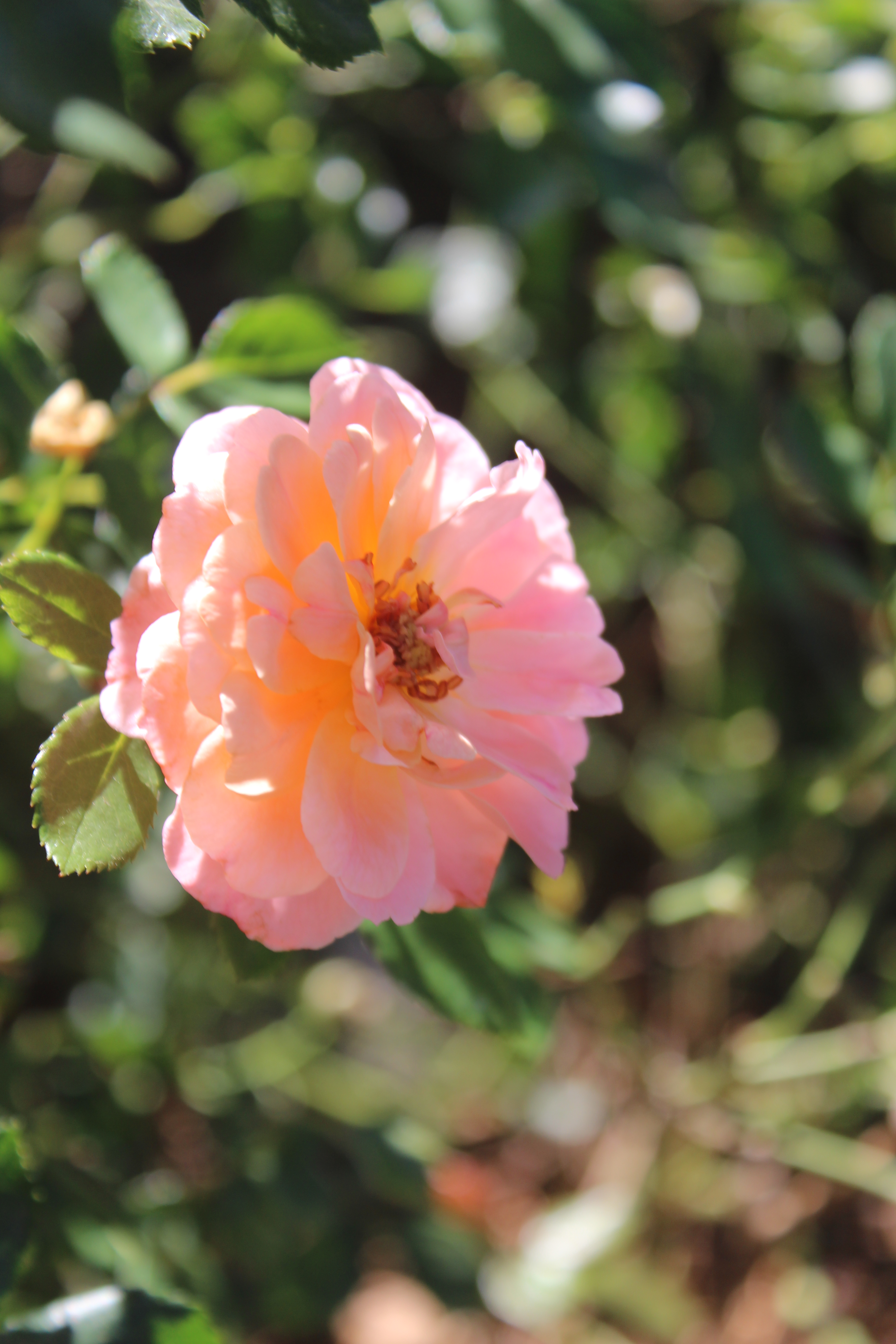
I paced up and down the eastern side of the garden waiting to see what lit up next.

It was like being lead on a treasure hunt.

Look closely for rays and shadows.
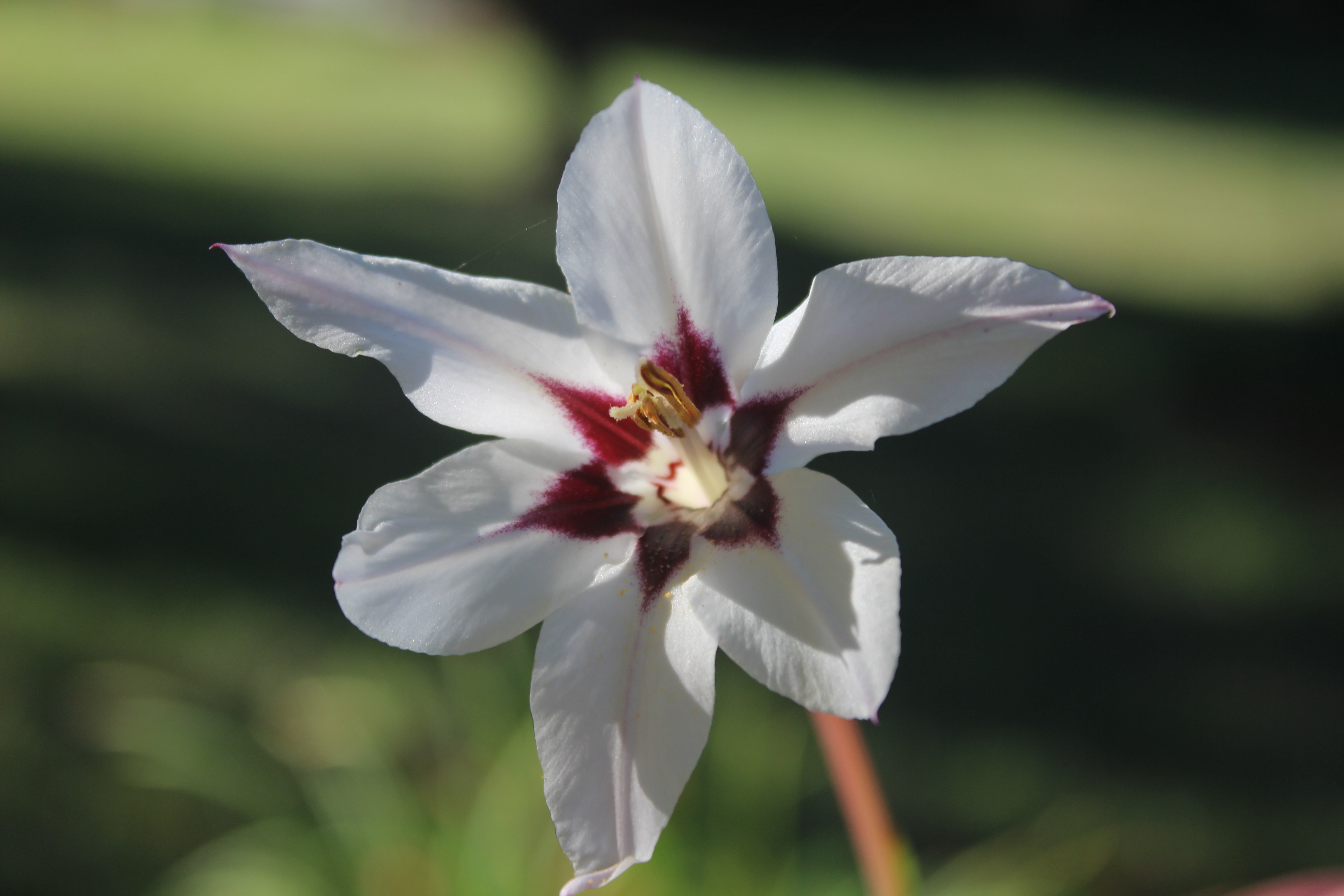
Let the light guide you.
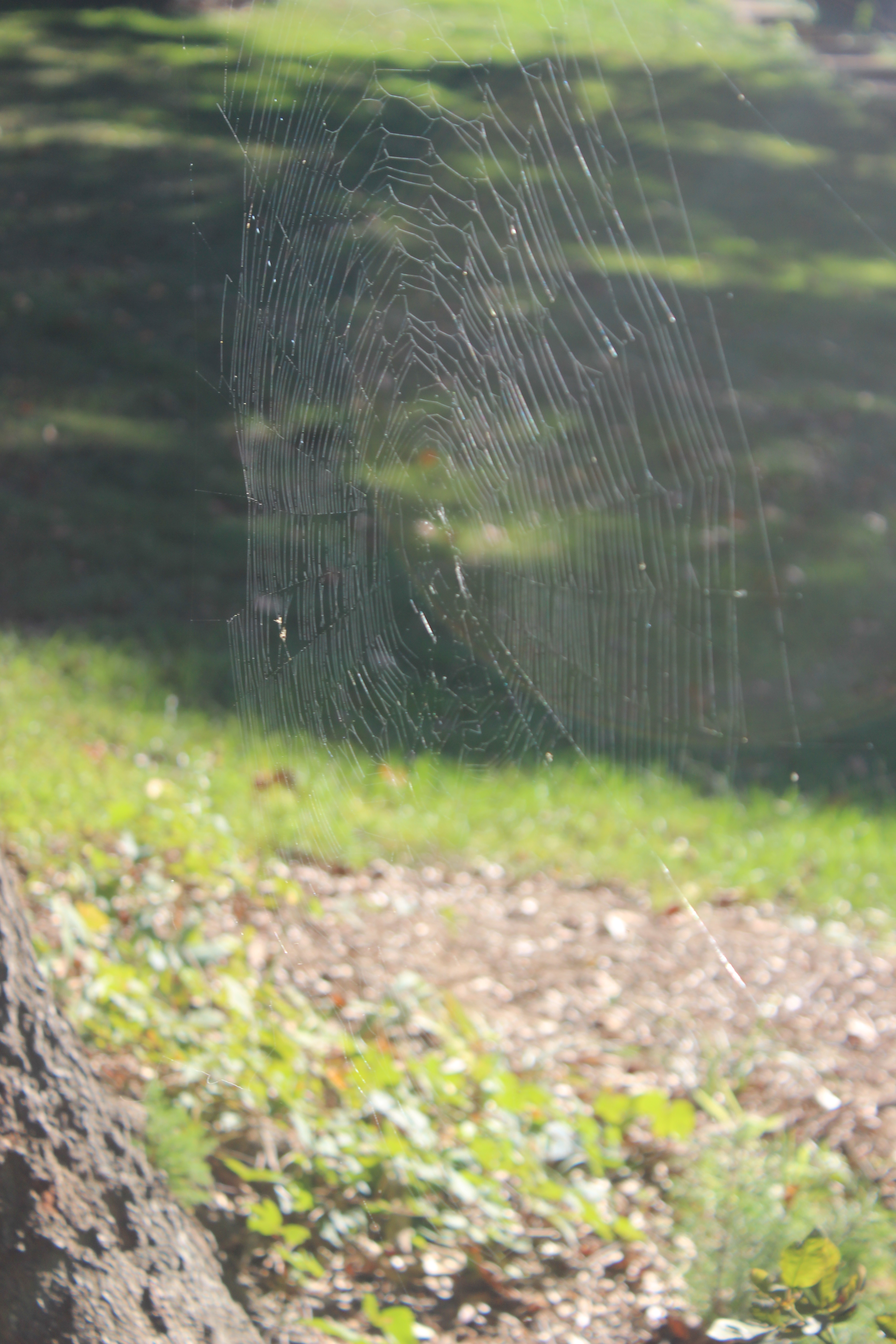
FOLLOW the FLOWER.

