I was fortunate to see the Chinese Lantern Festival at Daniel Stowe Botanical Gardens.
It has been there since September 7th and ends this Sunday, October 29th.
Each figure was made of metal frames with colored acetate pulled over it,
Details were painted on. They are illuminated from the inside.
Some have moving parts, while others are accompanied by animal sounds.
It was hard to pick favorites for this brief post. Here are a few of my best photos.
The arch over the entrance was spectacular.
The displays were set up in groupings that might occur in nature.
The African Migration display seemed to be the favorite of children.
Family groups of animals were tucked into niches throughout the gardens.
This male lion was alone and on guard as is natural.
This snail stole my heart.
The chameleon had a moving tongue as though eating its fly.
The huge and colorful sea display was worth sitting down to watch. The lights in the bells of the jellyfish moved rhythmically as the bell would contract in real life.
The whale was a friendly giant.
Giant birds and insects were positioned along paths and in trees.
Each lantern was an amazing piece of artwork. I could have spent hours looking around.
I met an amazing artist, Tom Gow, at the Moses Cone Estate last weekend.
He was out on the front porch demonstrating his craft.
I wish I had had the time to watch him work. He studies the shape of the wood and lets it guide him on what form it should become.
Tom makes whimsical pieces of art out of various types of wood and from the bark of dead Canadian Cottonwood trees.
He had been carving for about ten years, when he saw an article in a carving magazine about bark carving. He took a class from the artist in that article. His love of the bark carving shows through in these magical pieces.
My favorite is the Old Woman Who Lived in a Shoe. This is Tom’s favorite, also.
I also thought Rapunzel’s Tower was wonderful.
The tiny, crooked details in each piece make it special and unique.
Tom is a member of the Southern Highland Artist Guild.
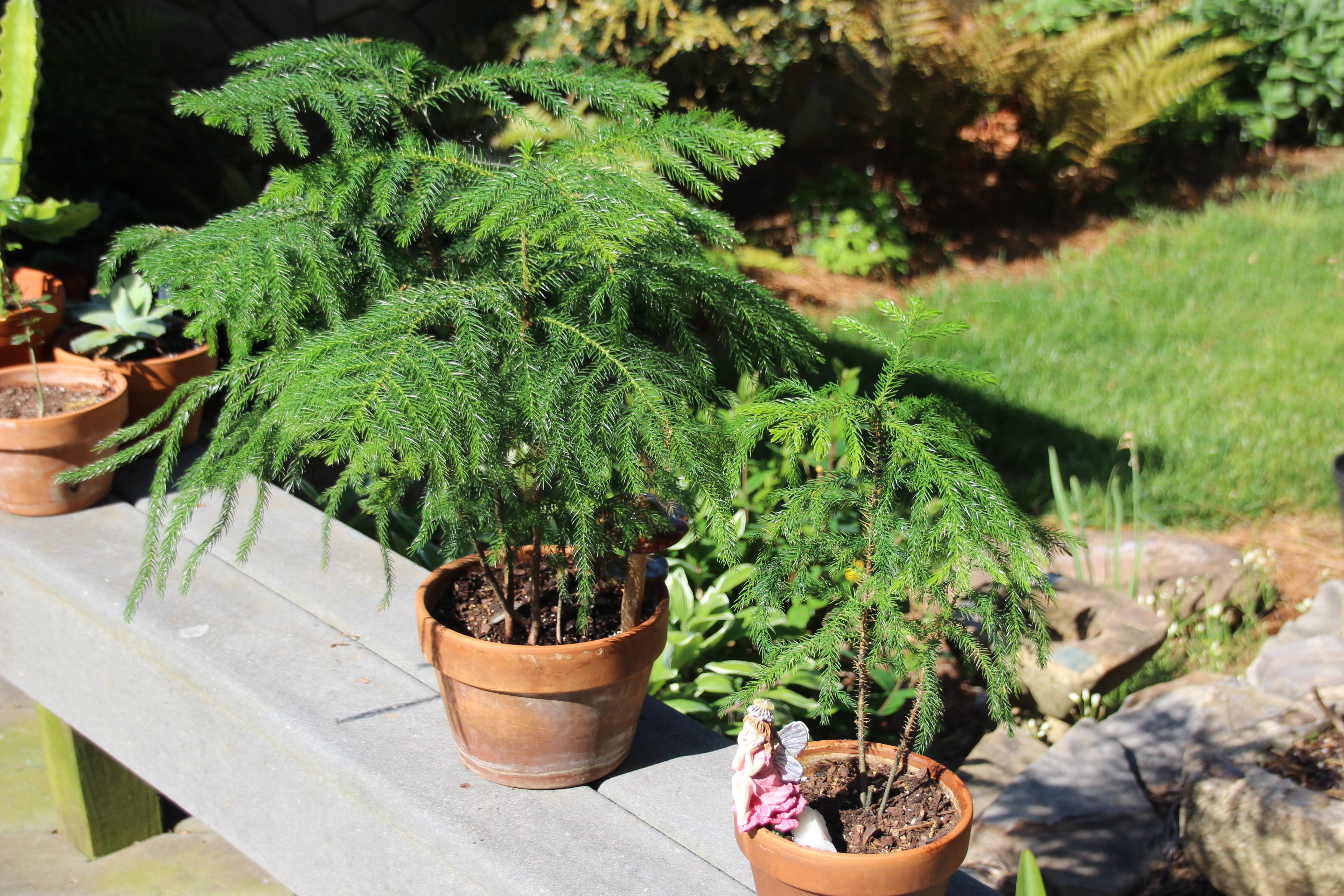
I love terra-cotta pots. I have them in all sizes and shapes.
My plants love them, too. They weep moisture. They breathe. They patina with algae. The plants thrive in them so much better than plastic.
What I do NOT like about them is their weight. Moving the the large ones around outside is bad enough, but lifting them and moving them around inside is worse.
So this year, I had the idea to re-pot most of my largest plants that over-winter in the basement workshop into durable PLASTIC pots. Many are in 2 or 3 plus gallon pots.
I have to shift these around in the workshop. They take turns at the windows. Sometimes the ones on the workbench must be moved, if I have a big project. I need to move the plants in the front rows to water others in the back.
A lot of these plants are my stock plants. I do not bring in every one, just a sampling in case of a harsh winter. Some eventually go dormant, like the dahlias and callas, most just rest.
Yes, it is a lot of work. Yes, I know I have too many plants. I have been told that.
This little idea cost roughly two and a half dollars per pot, bigger ones were over three dollars. The total was well worth the lessons I learned. Not to mention not having to do all that heavy lifting during the winter months.
I will re-pot them back into their cleaned terra-cotta pots in the spring. Moving them outside to do this will be easier. No rush. No countdown to cold weather.
Here are my lessons I learned from this.
mushrooms
squirmy wormy
root bound and mesh
Many plants that I thought were comfortable, were actually root-bound. These got a slightly bigger pot, and some new soil in bottom and sides as a bonus.
Some plants were in over-sized pots with no roots any where near the perimeter. These were downsized. No use carrying around that bigger pot and all that unused soil for the winter months.
Some plants, like Agapanthus, that had been potted up from the gardens had critters in them. These little guests needed to be released back into the wild, except for the slug that ended up under my finger nail. He didn’t make it.
I found some surprise problems during the process. Slime mold, a woody type fungus and mushrooms. This would be like putting a baby to bed with a dirty diaper. These plant babies are cleaned up and comfy now.
Having the sides of the pots vertical, instead of at an angle has taken up much less space. I have half of my workbench clear, due to a second tier using plastic tables.
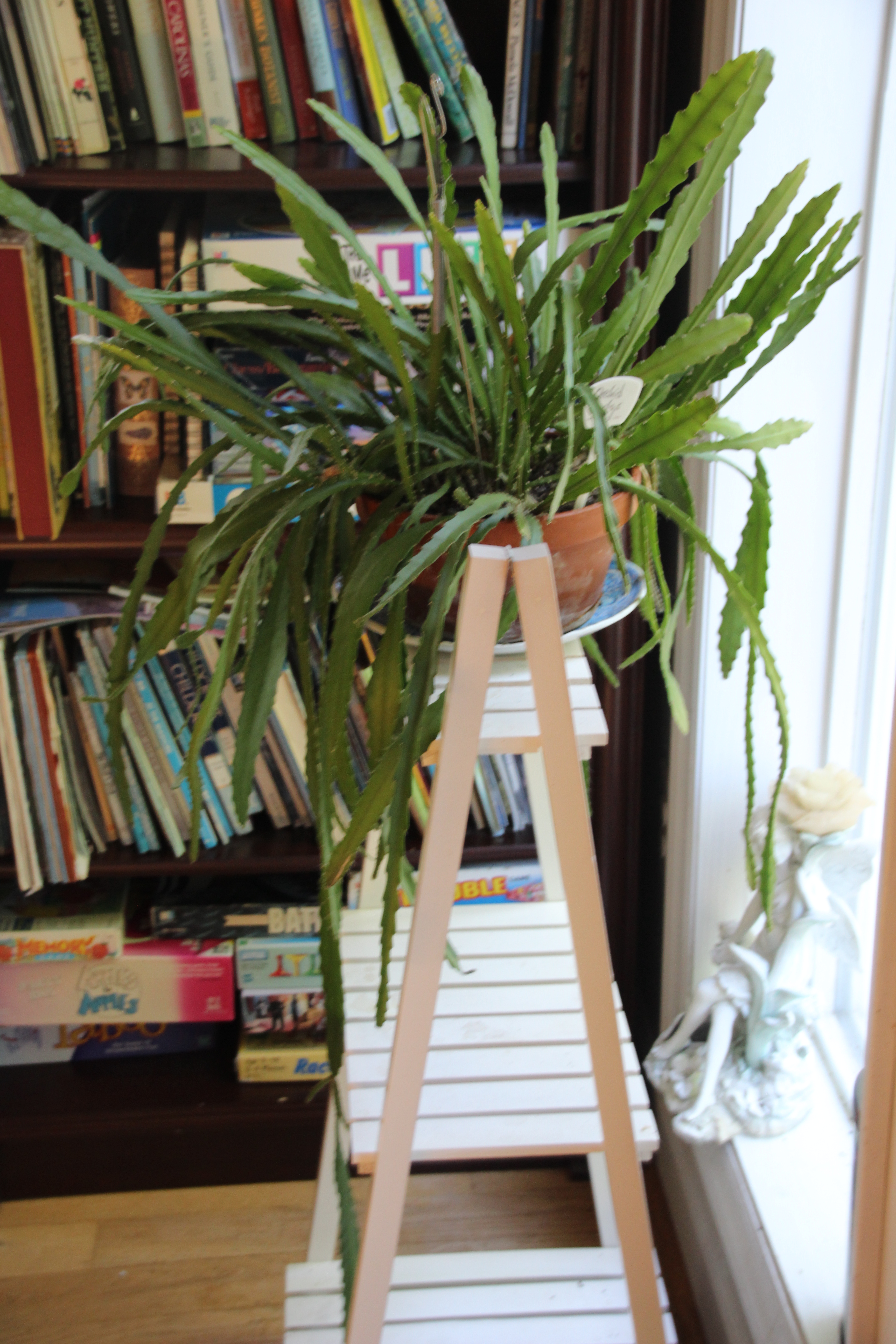
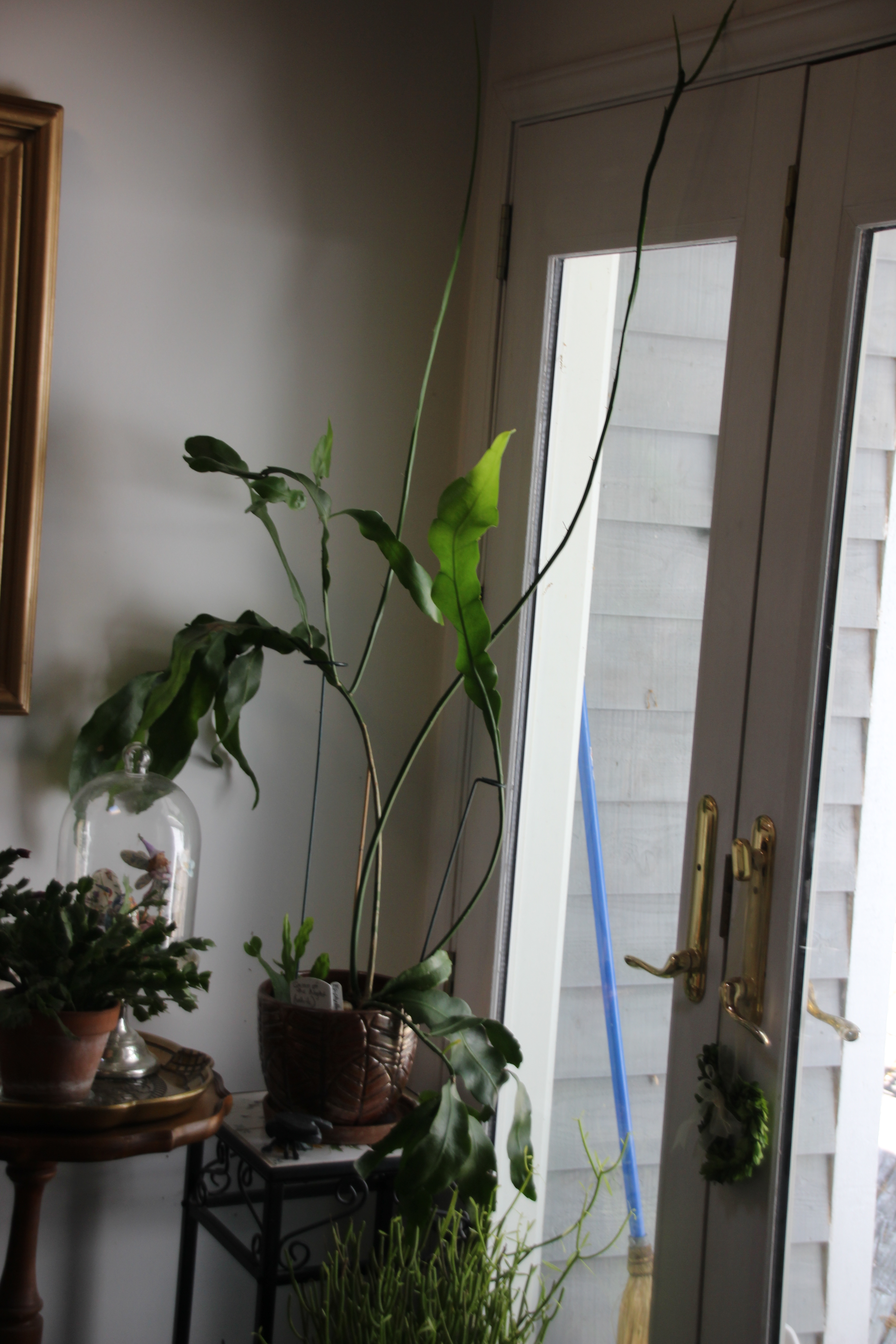
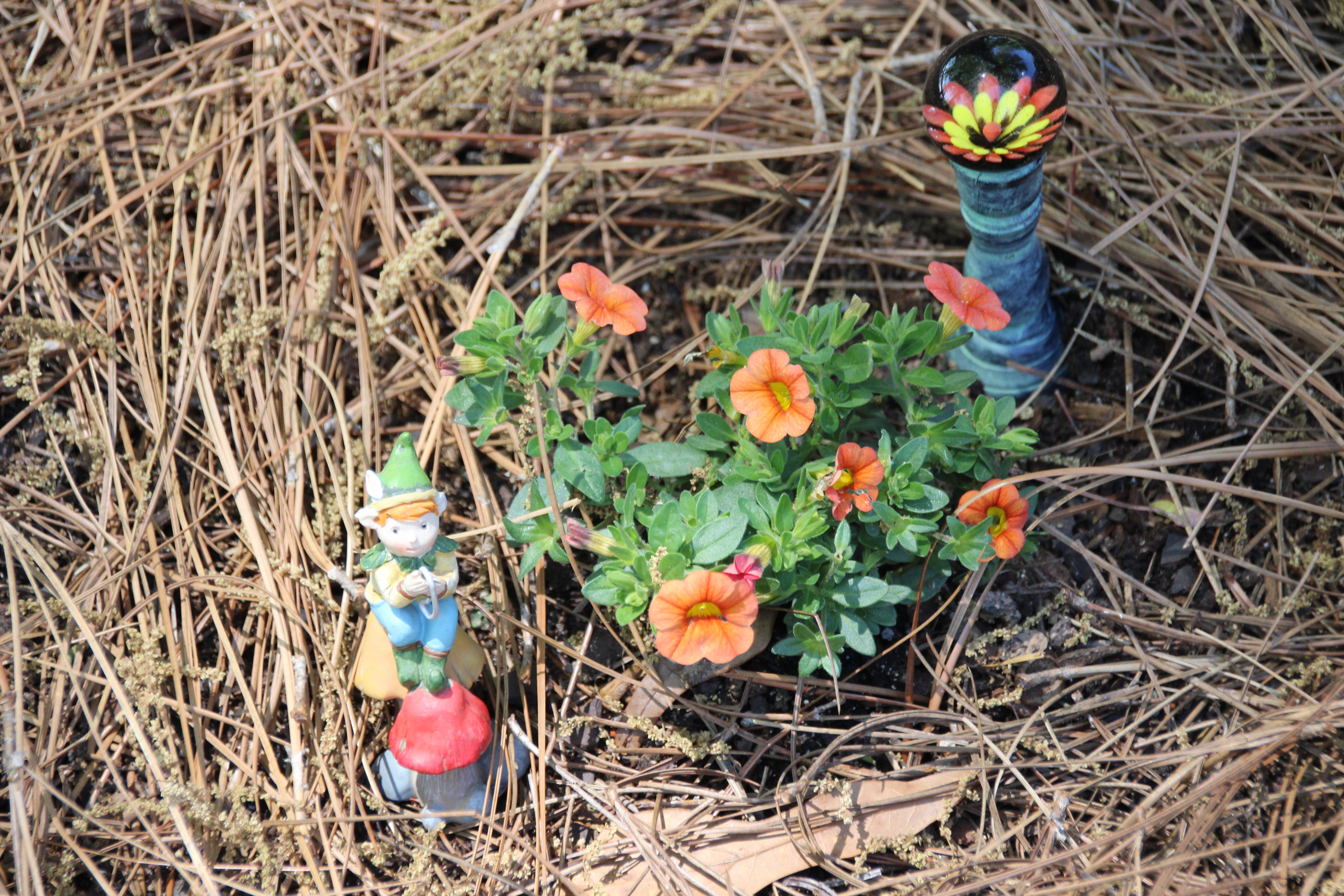
Notice the stakes with glass balls on the cactus. This is not decoration. It is for my protection against impalement.Lucky hanging baskets get the best spots.Ooh, a bunny photo. How did that get in here?
I will assess the results at the end of this winter, but I feel this was a very effective change in the transition process. I did still flood all pots to saturate the soil, but did not feel like I was blasting pests out the bottom.