The Moorings of the Spirit

What holds my soul fast and safe, when all else fails or falls away?

My strings of flimsy faith?

The hand of a merciful God?

My devoted family?

My loyal friends?

What keeps me whole, when I am cracking and breaking?

Where does all that strength come from?

Something saves me.

I know this to be true.

I have been broken and I have been mended.

What saved me? What held me together? I am not sure.

How could I keep standing by his bed in ICU to put a wet, sponge pop in his mouth?

How did I stop screaming to clean up her blood on the rocks?

How will those church people who were hit with this horrible shock stay sane?

What will hold them up?  What will keep them from shattering?

Will it be God?

Will it be the heartfelt prayers of millions of puzzled and sad humans from afar?

Will it be the love and touch of the caring people around them?

Will it be soothing words or holy music?

Will it be some secret inner strength that appears when needed?

Whatever it is.

I hope there is a whole lot of it in Texas.

Mourning Glory FLOWER
The Conk Colony

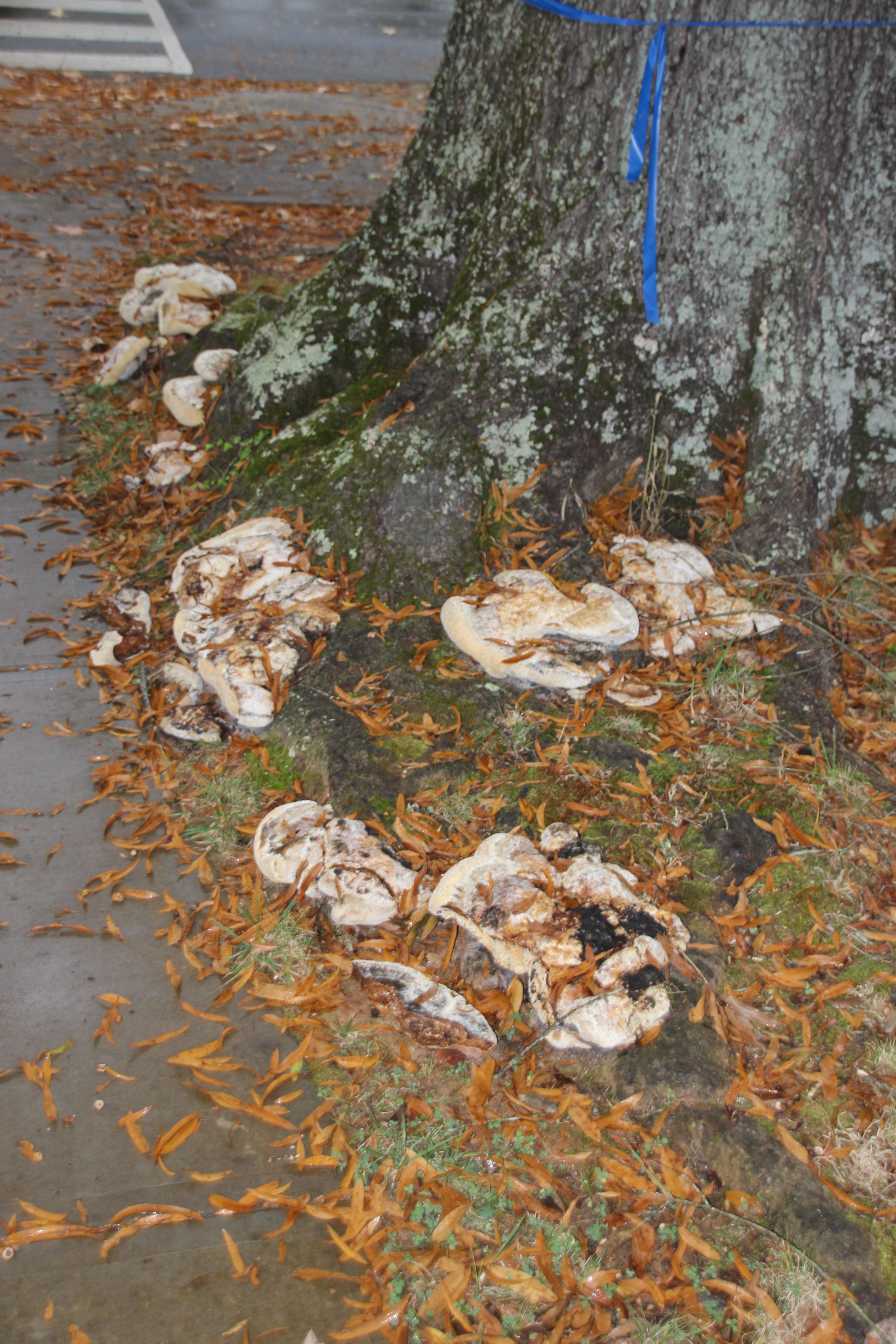
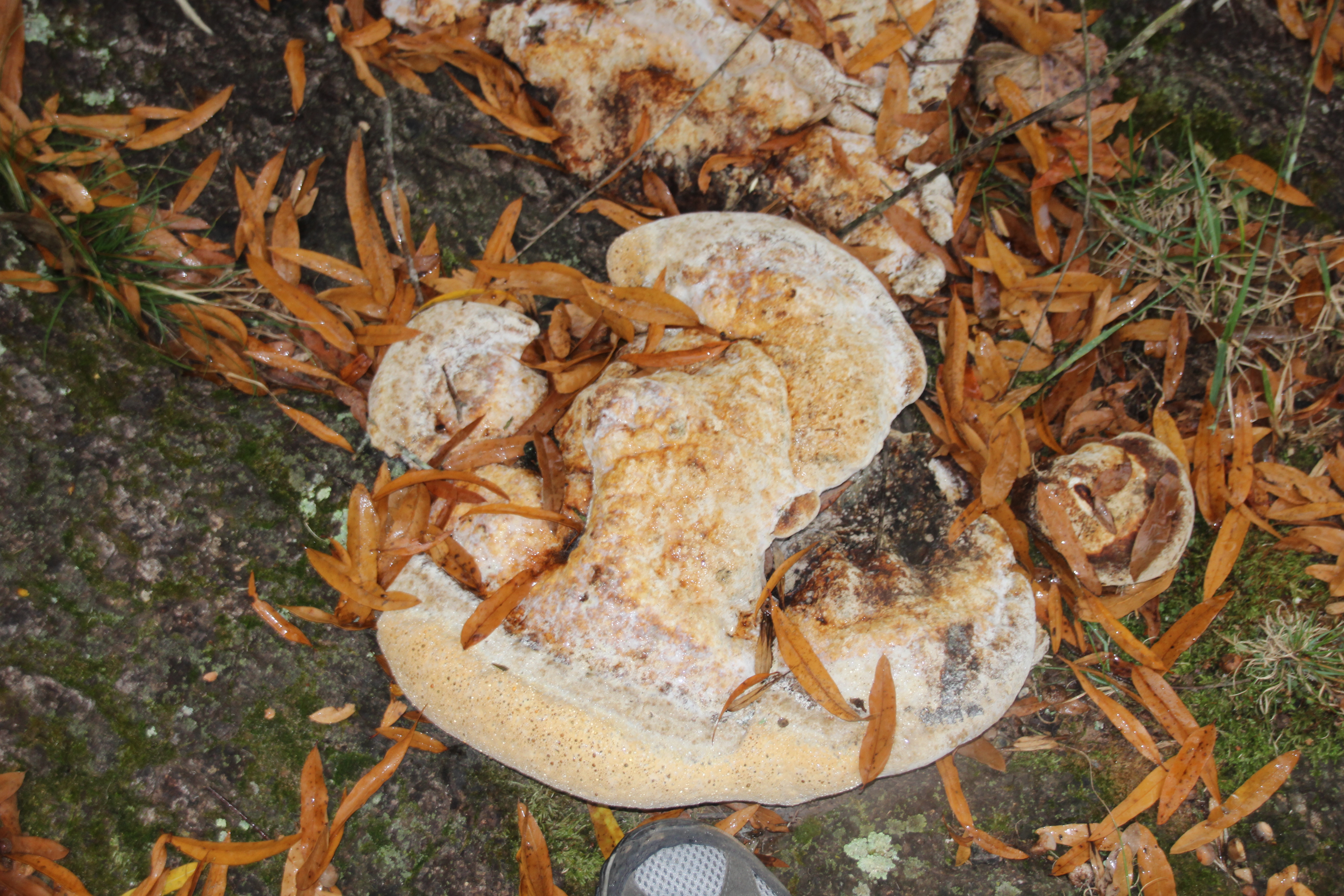
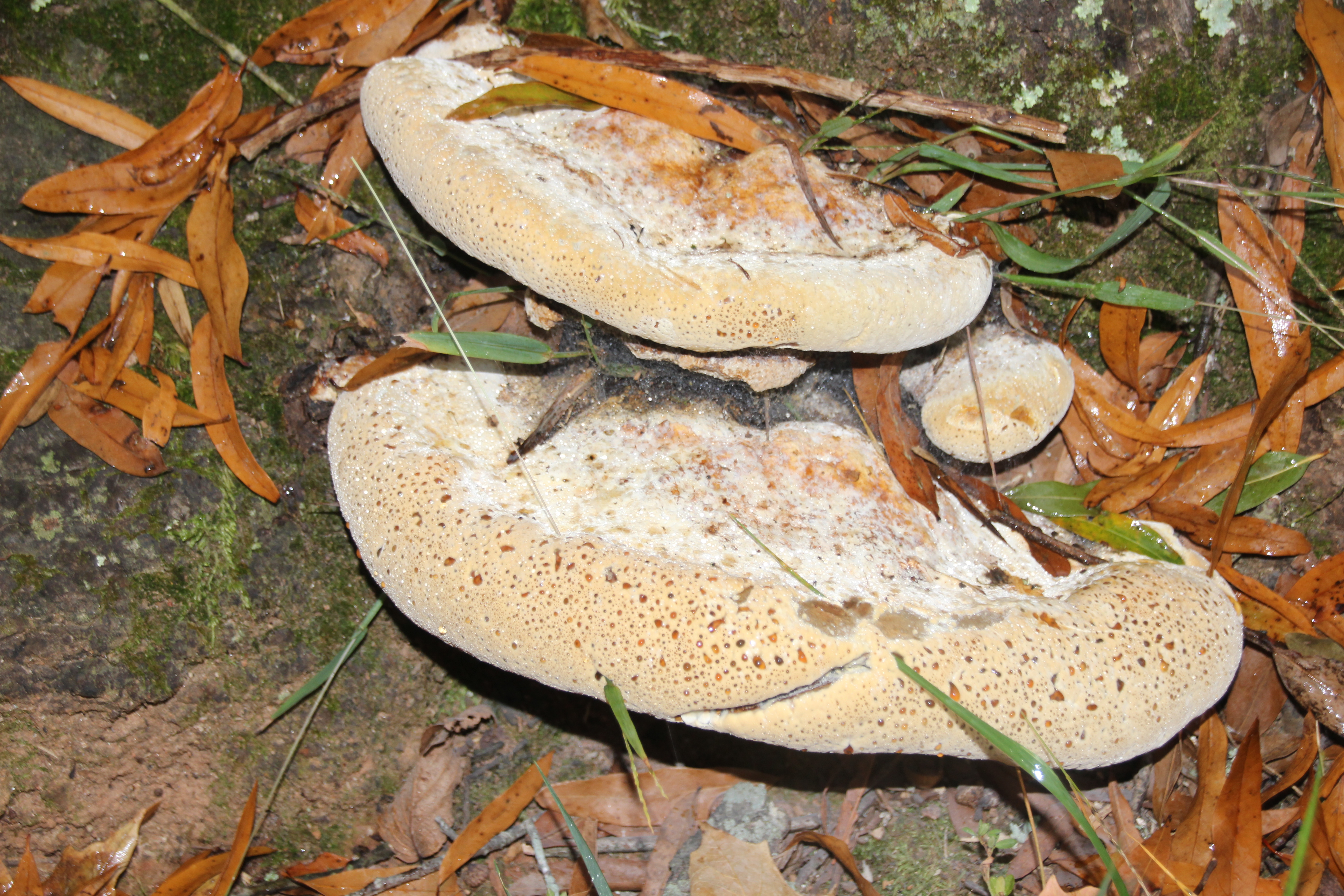
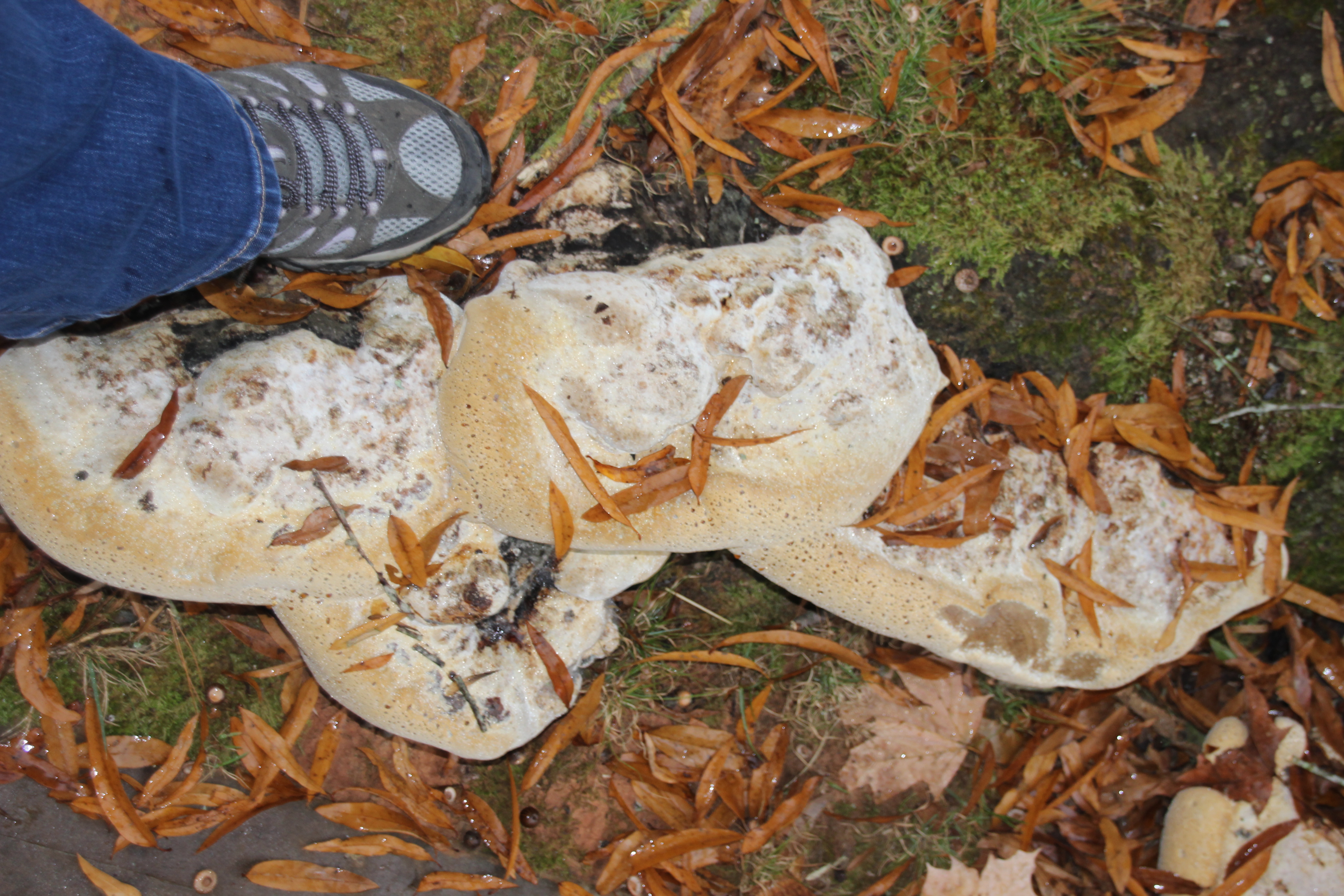
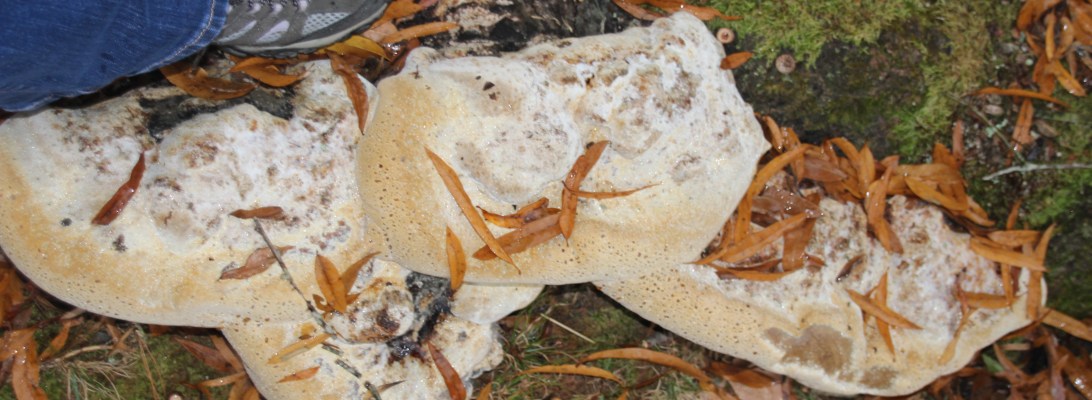
I have been watching the growth of a group of conks around an old oak in town.

I think its scientific name is Inonotus dryadeus. 

Other common names are weeping conk, oak bracket, warted oak polypore and weeping polypore.

Inonotus dryadeus

It is a beautiful sight, but a bad sign.

The presence of the weeping conks is a sign of root rot or butt rot. More and bigger conks mean more rot for the tree.

I posted on a lone giant conk last year. This group is a block away from that one.

conk cross-section

This city has very old oak trees in the hell strips.

The roots get damage from the sidewalk side and the street side.

It’s amazing they have lived this long.

I find all fungi fascinating whether they are friend or foe.

FLOWER

I Wish I Knew Their Secrets

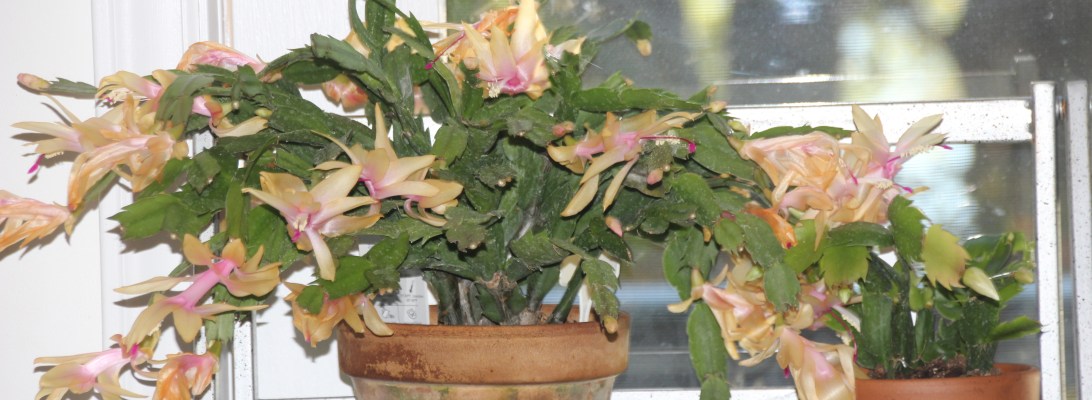
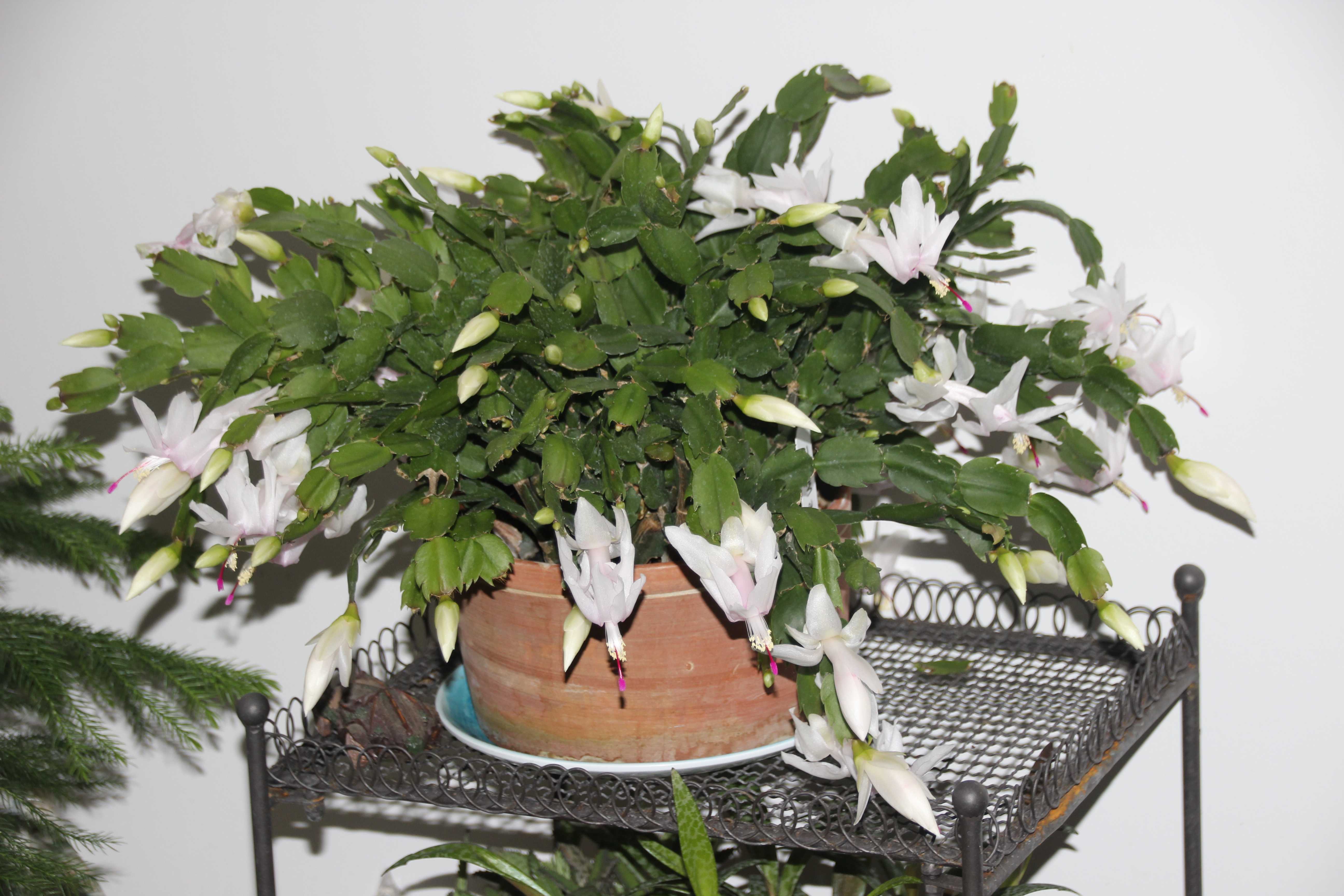
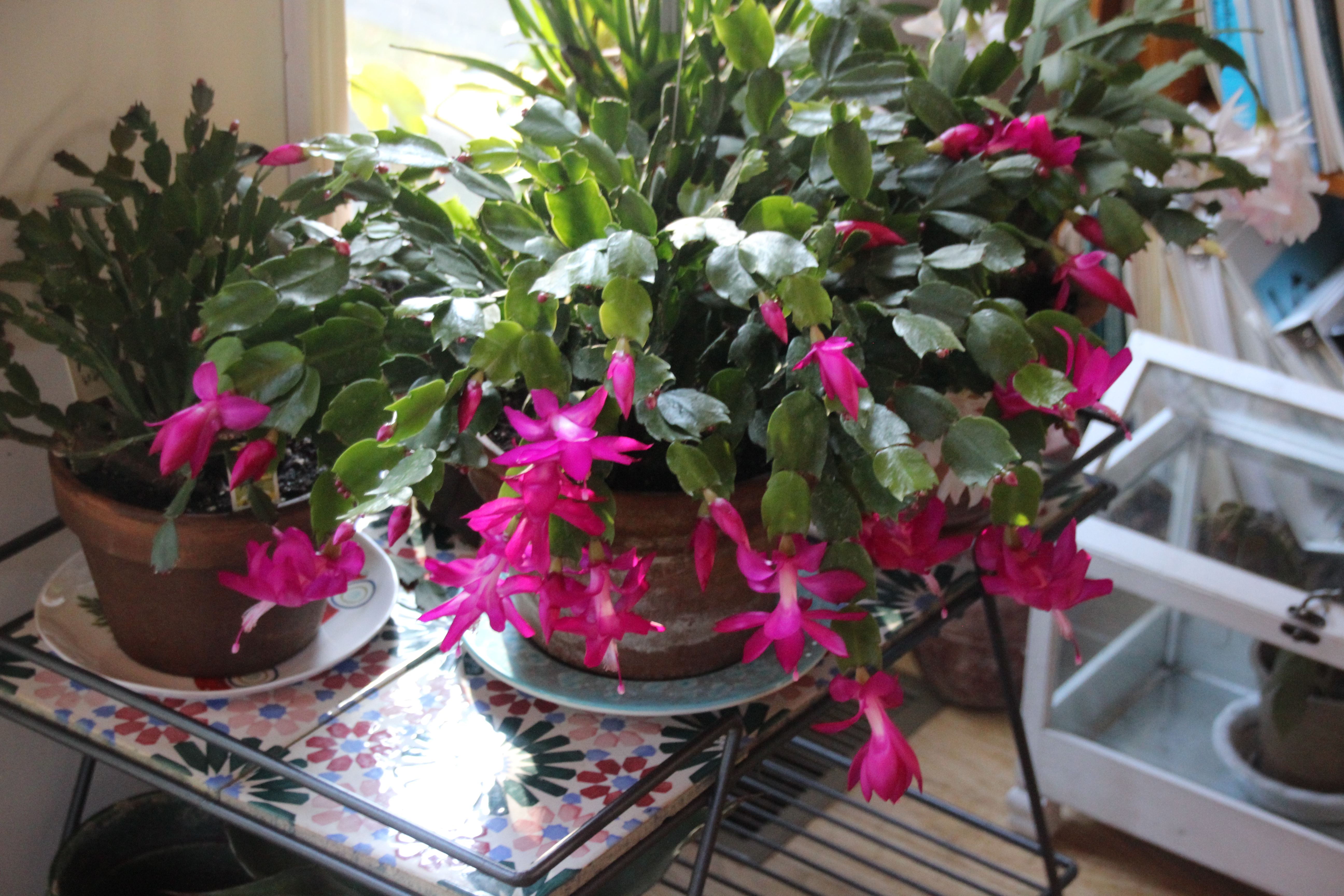
It’s Schlumbergera truncata/Christmas cacti blooming time.  Well, actually I think it is early.

The GOLD came in first and is blooming profusely.

gold Schlumberegra truncata

The WHITE is also covered with blooms and buds.

white Schlumbergera truncata

The SALMON colored is about at its peak also.

salmon Schlumbergera truncata

The FUCHSIA is the brightest ever, but one-sided. Oops!

fuchsia Schlumbergera truncata

The PINK is tumbling over because of so many blooms.

pink Schlumbergera truncata

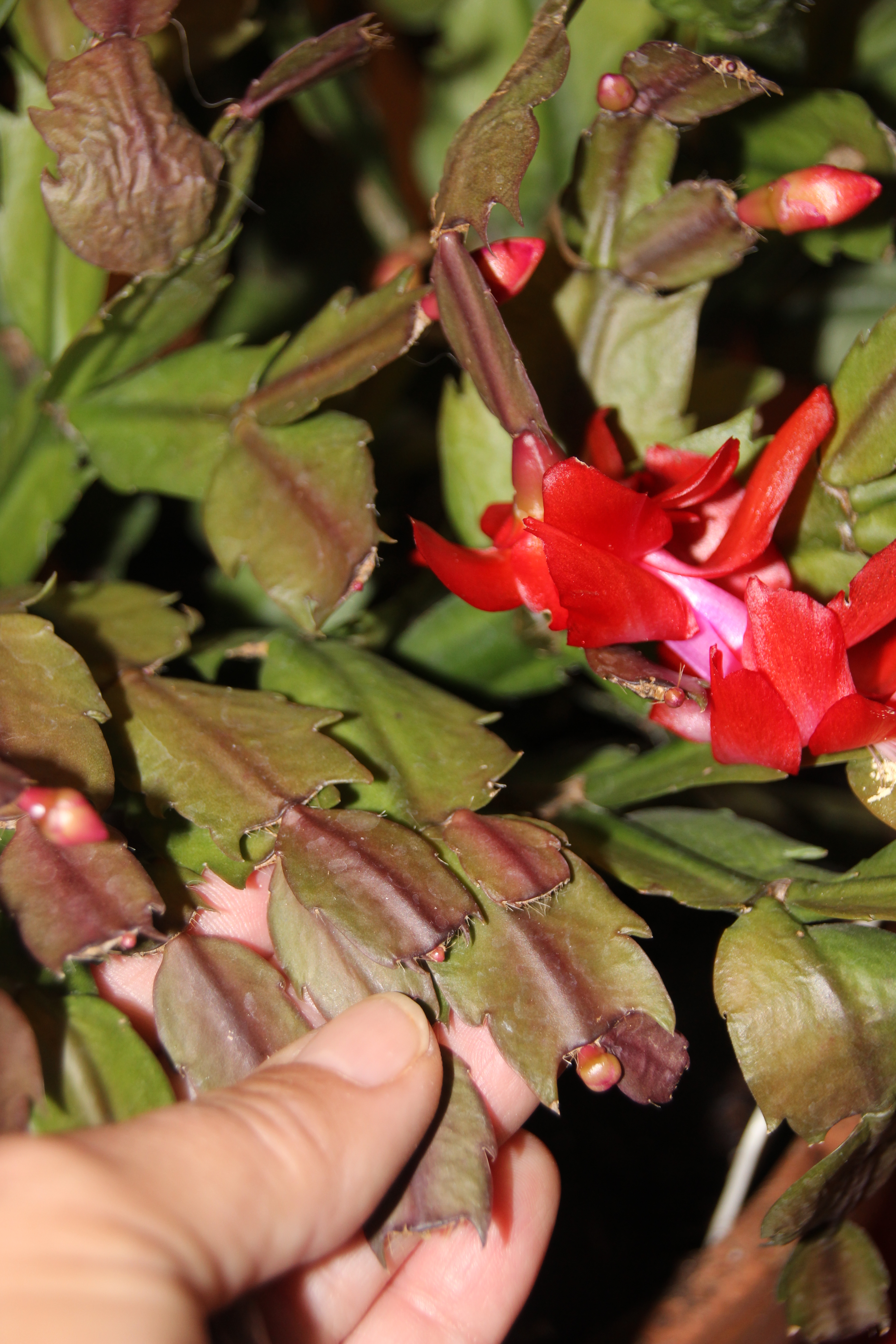
It’s the REDS  and Light Pinks that are struggling.

red Schlumbergera truncata

They look a little dehydrated. They have fewer blooms.

There’s a problem. Some of them changed. The bottom half to be exact. The “Shop” group.

I had them in two different locations. I watered and fed both sets the same like a good scientist should.

The variable was not as much the amount of sun, but the time of day that they got sun.

None got much direct sun because they were all under an overhang most of the time.

The struggling group got afternoon hours, the thriving group got evening hours of sun.

That hypothesis makes sense, but I have another.

The group by the entryway got more attention.  A plant?  Needs attention?

This may surprise some of you, but plants are living things.

They process and respond to their environment. They communicate with each other.

I can read some of their signs like wilting, drooping and color changes.

I cannot however perceive their chemical signals.

The needs of the downstairs group were not met in some way.

I turned them less, rearranged them less, pruned them less.  It shows.

They have fewer buds, smaller buds and less color.

Maybe you had better check on your plants more often.

Turn them around, pull a leaf or two, maybe a kind word…

I have been misting the sick ones and giving them “banana water.” Now there’s a secret!

FLOWER


Being Followed

I had quite a fright this evening.

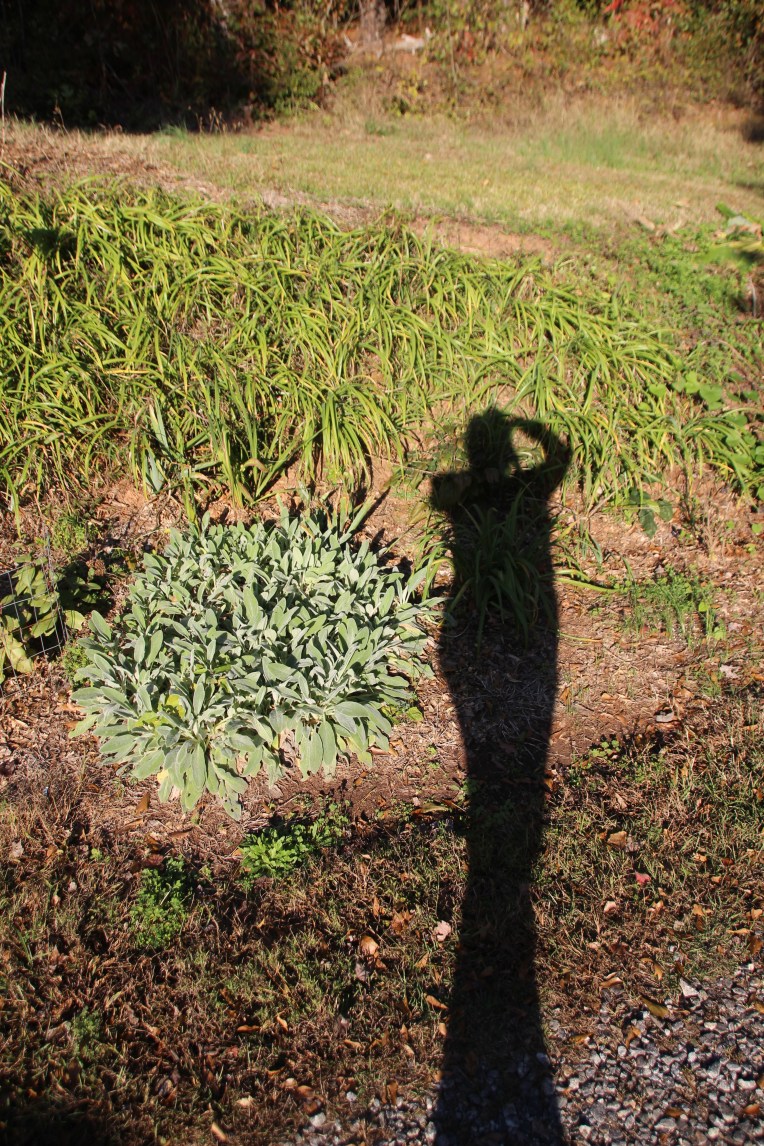
As I was walking around the neighborhood, I noticed a tall person following me.

IMG_5641

I quickly walked to the nearest bench and sat down.

She sat down right behind me.

IMG_5648

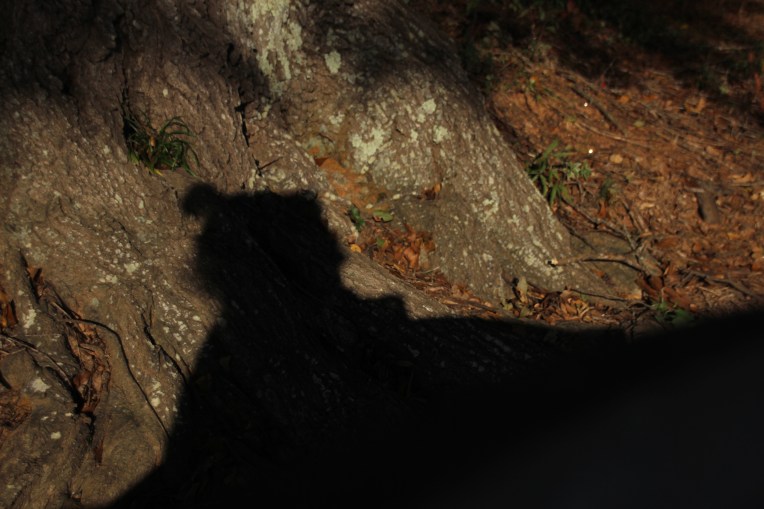
I tried to keep quiet as I tiptoed to hide behind the nearest tree.

I peeked out and there she was, hiding behind a tree looking back.

IMG_5645

I decided I needed to get in the house where it was safe. Maybe this pest would leave.

Later, when I went to the garden to pick greens.

IMG_5662

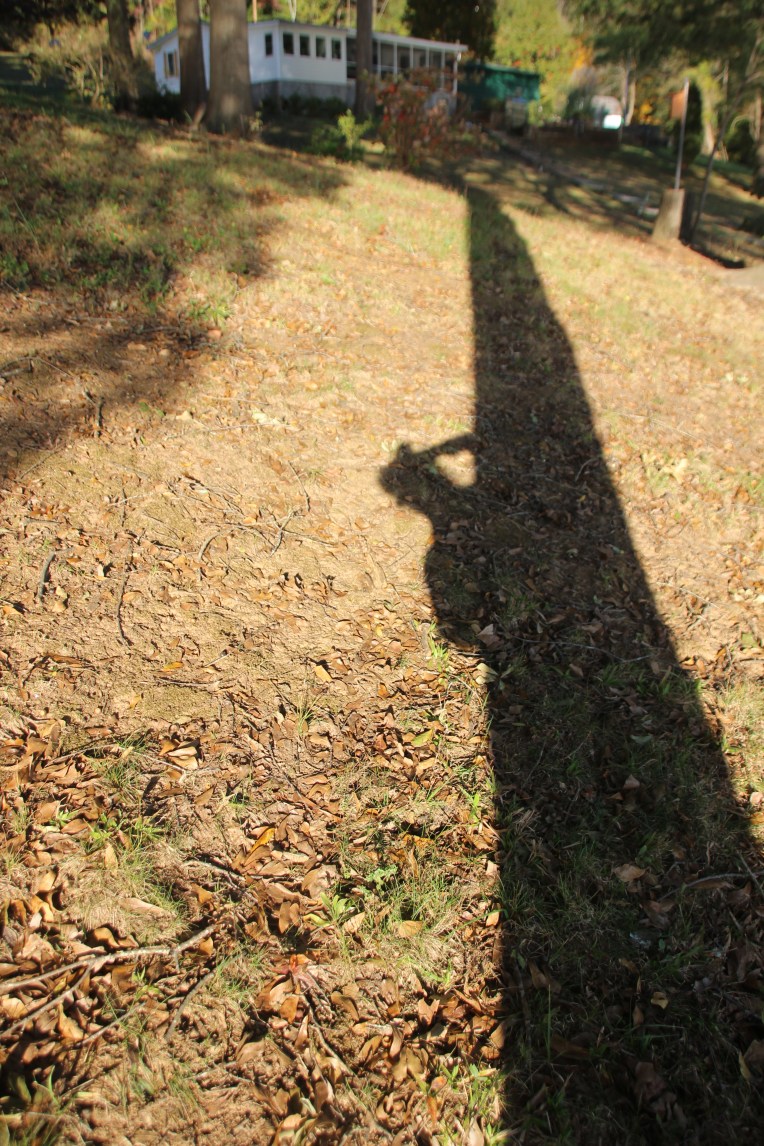
I saw her arm raised with scissors in her hand.

IMG_5660

I grabbed my basket and ran back to the house as fast as I could go.

Happy Halloween!

IMG_5663

The FLOWER is fearless.
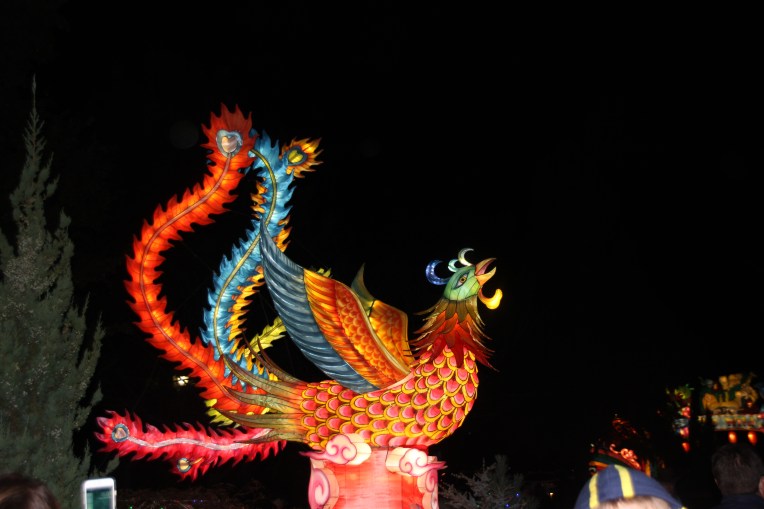
Lovely and Lively Chinese Lanterns

I was fortunate to see the Chinese Lantern Festival at Daniel Stowe Botanical Gardens.

It has been there since September 7th and ends this Sunday, October 29th.

Each figure was made of metal frames with colored acetate pulled over it,

Details were painted on. They are illuminated from the inside.

Some have moving parts, while others are accompanied by animal sounds.

It was hard to pick favorites for this brief post.  Here are a few of my best photos.

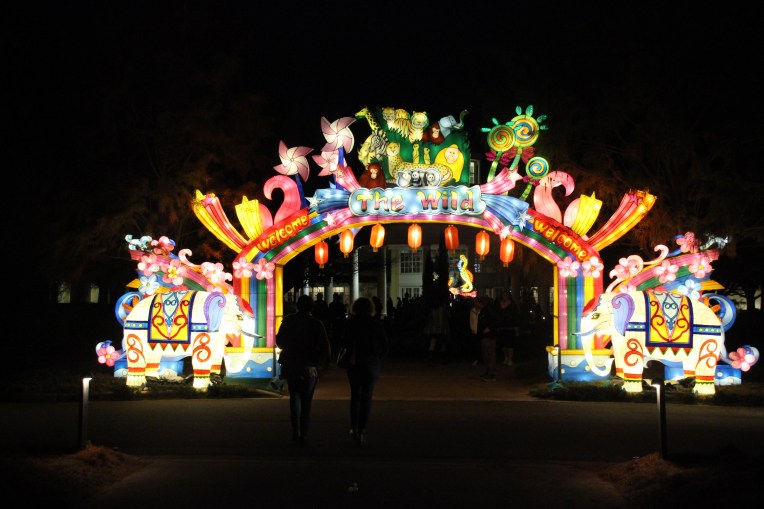
The arch over the entrance was spectacular.

IMG_5452

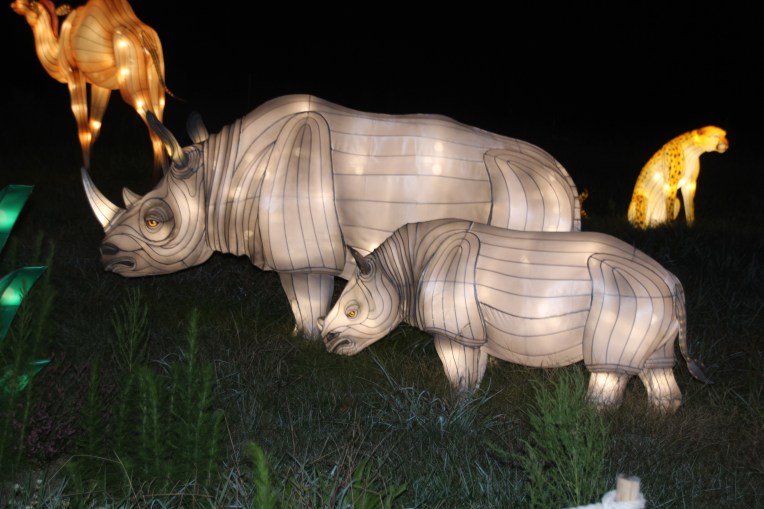
The displays were set up in groupings that might occur in nature.

The African Migration display seemed to be the favorite of children.

IMG_5547

Family groups of animals were tucked into niches throughout the gardens.

IMG_5545

This male lion was alone and on guard as is natural.

IMG_5540

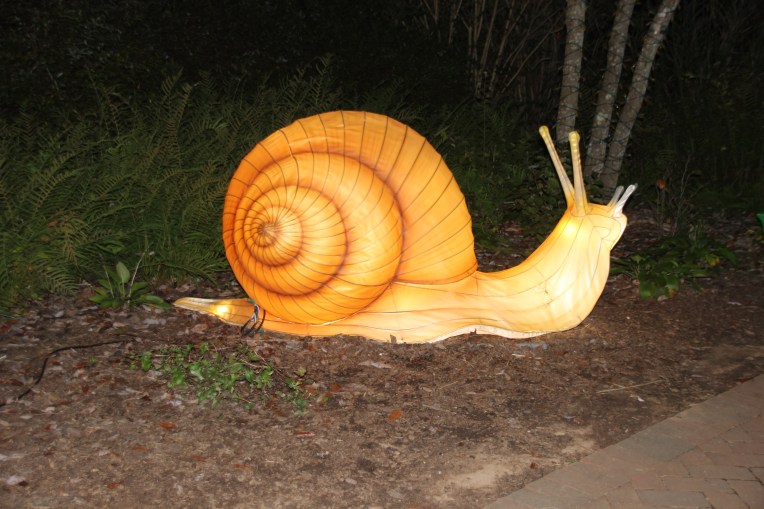
This snail stole my heart.

IMG_5491

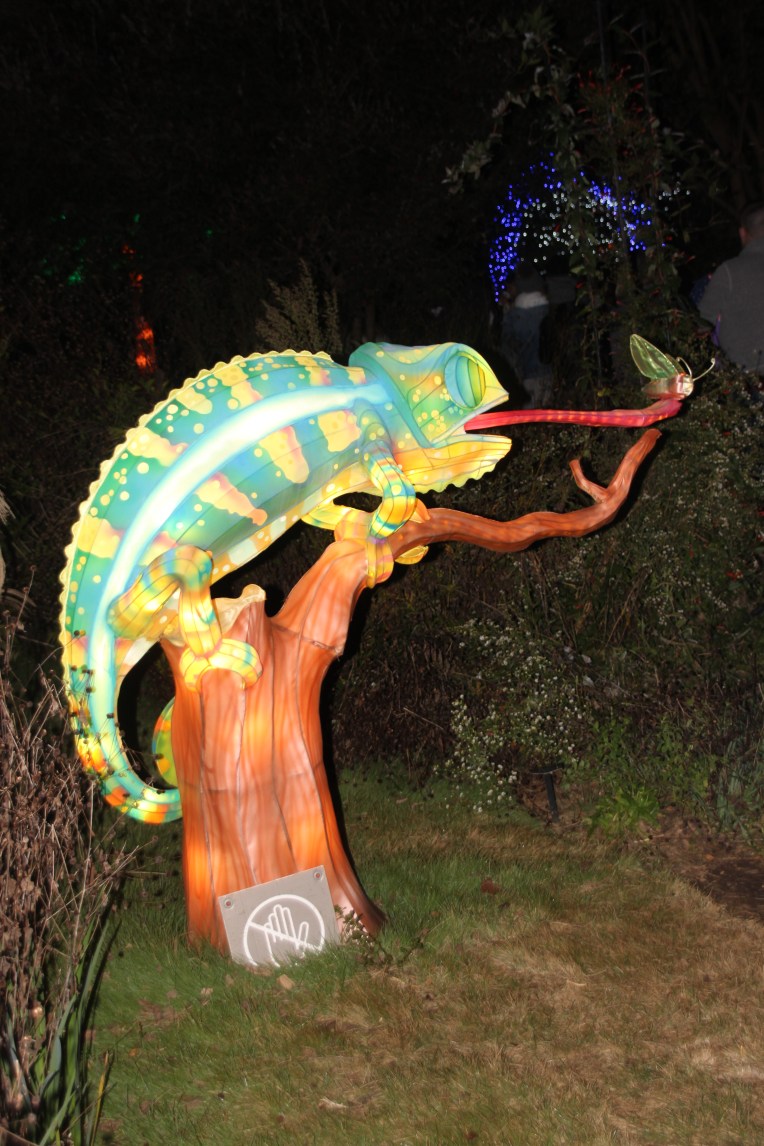
The chameleon had a moving tongue as though eating its fly.IMG_5529

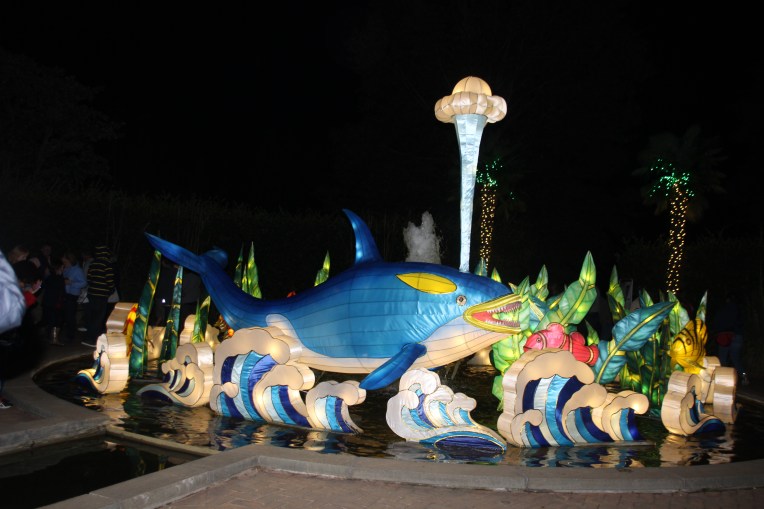
The huge and colorful sea display was worth sitting down to watch. The lights in the bells of the jellyfish moved rhythmically as the bell would contract in real life.

IMG_5455

The whale was a friendly giant.

IMG_5476

Giant birds and insects were positioned along paths and in trees.

IMG_5562

Each lantern was an amazing piece of artwork. I could have spent hours looking around.

FLOWER on the Move.
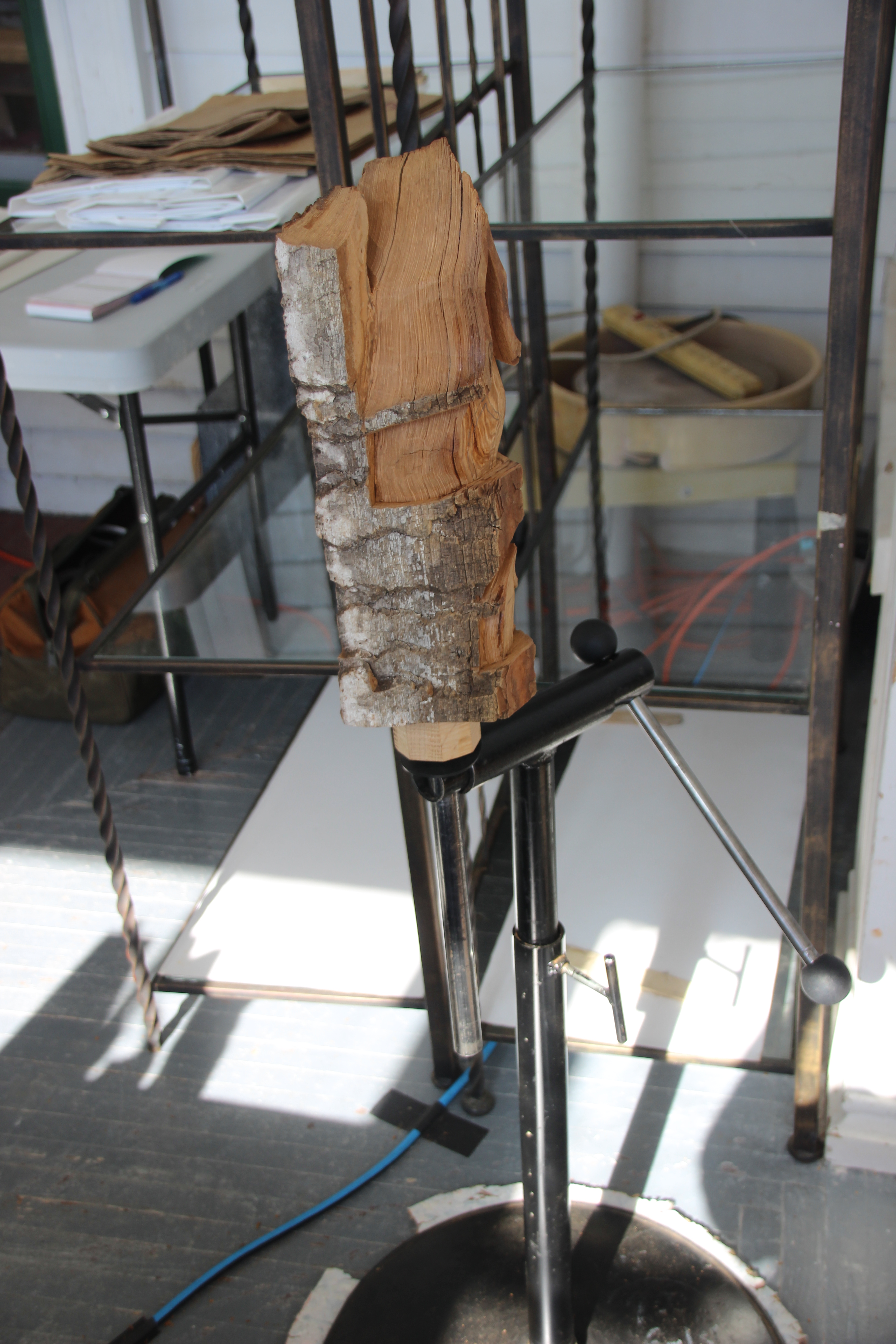
Carving Magic

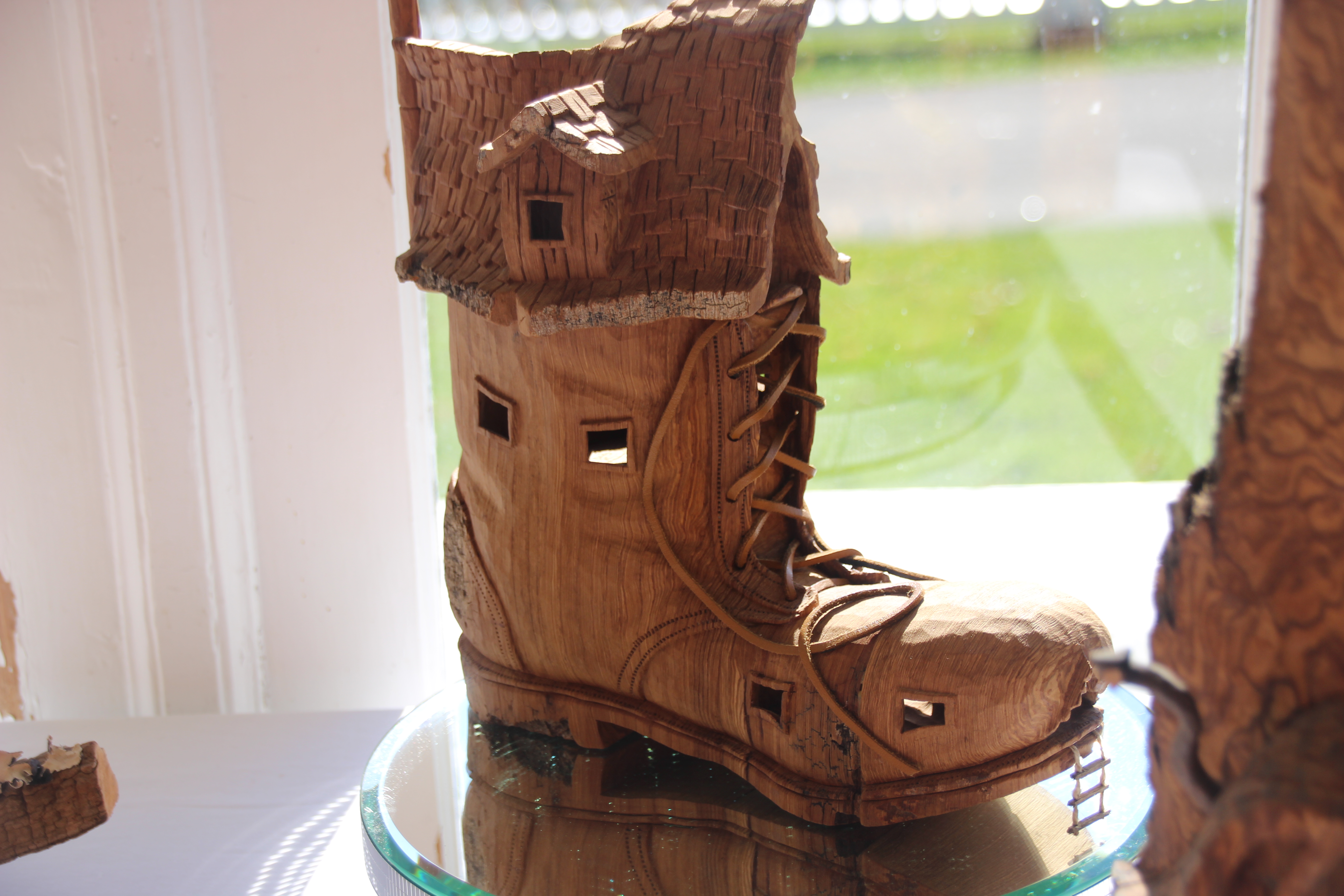
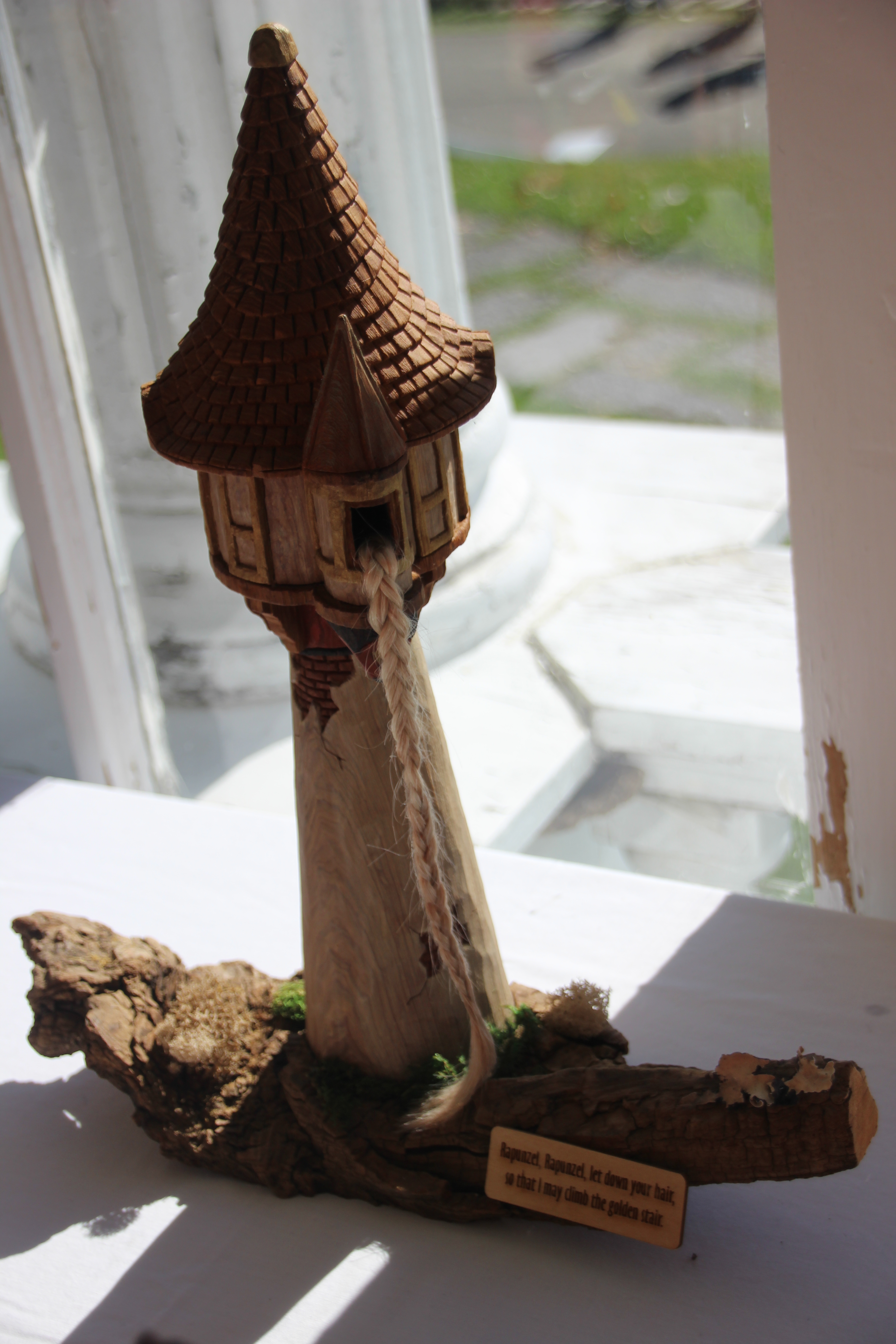
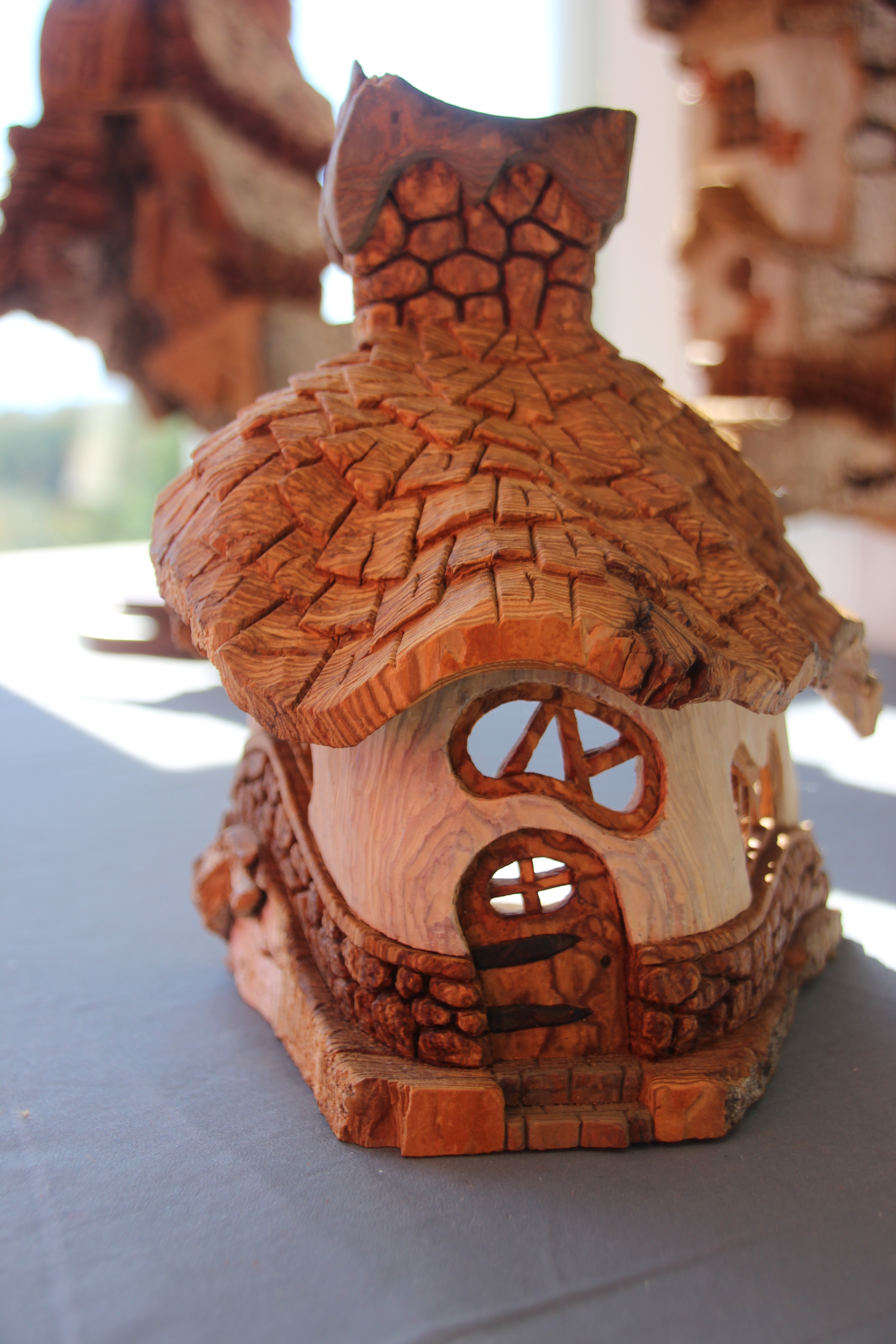
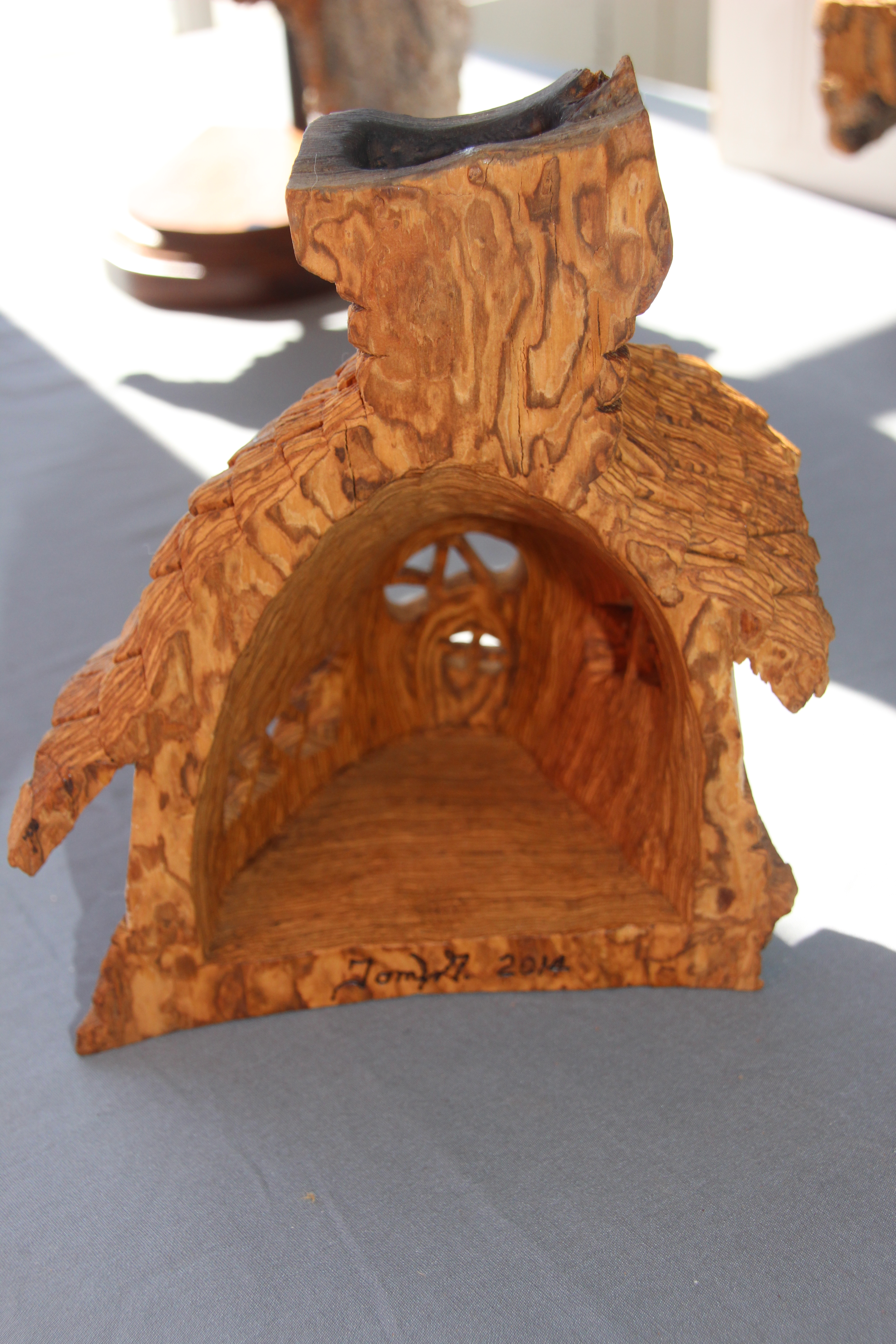
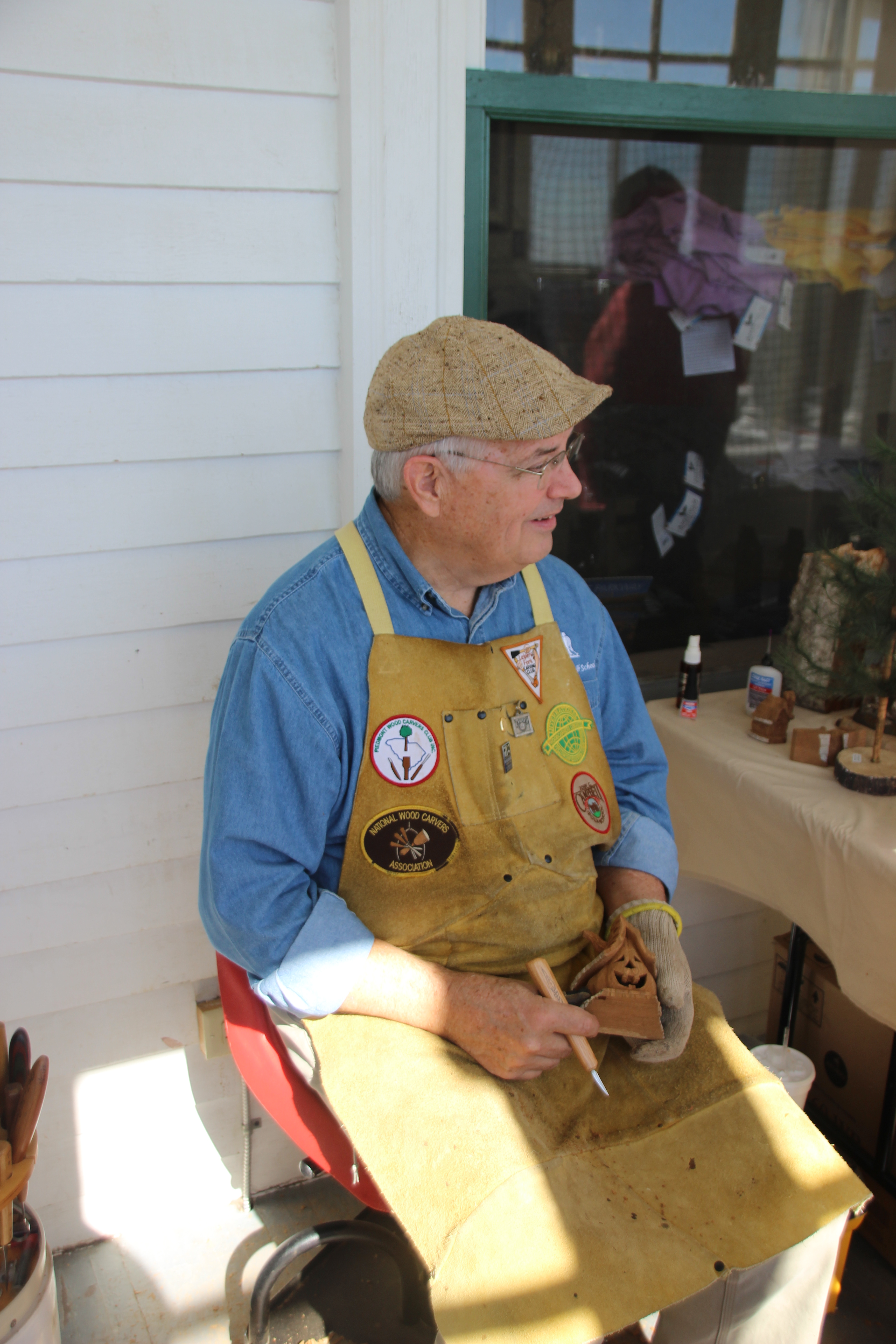
I met an amazing artist, Tom Gow, at the Moses Cone Estate last weekend.

He was out on the front porch demonstrating his craft.

I wish I had had the time to watch him work. He studies the shape of the wood and lets it guide him on what form it should become.

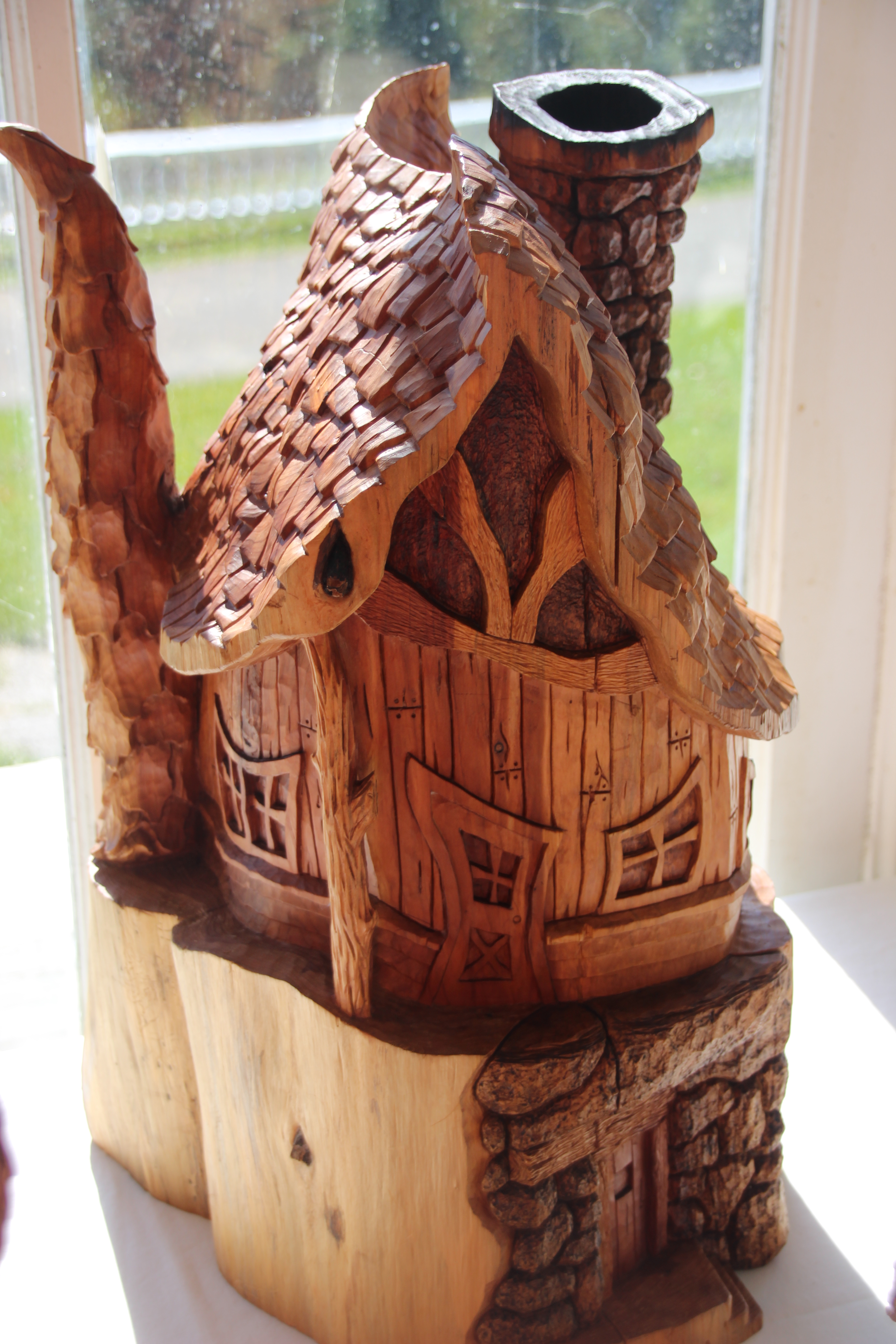
Tom makes whimsical pieces of art out of various types of wood and from the bark of dead Canadian Cottonwood trees.

He had been carving for about ten years, when he saw an article in a carving magazine about bark carving. He took a class from the artist in that article. His love of the bark carving shows through in these magical pieces.

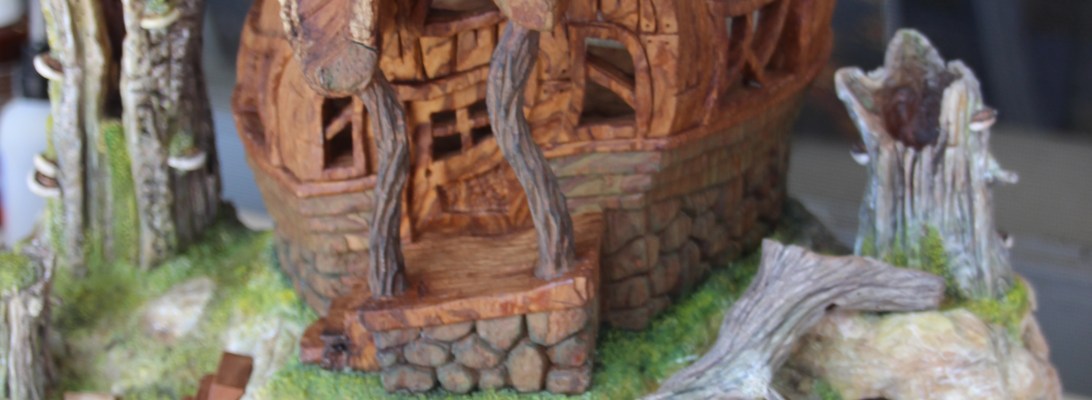
My favorite is the Old Woman Who Lived in a Shoe.  This is Tom’s favorite, also.

I also thought Rapunzel’s Tower was wonderful.

The tiny, crooked details in each piece make it special and unique.

Tom is a member of the Southern Highland Artist Guild.

His contact through them is http://southernhighlandguild.org/tombarkcarving.

FLOWER on the Move.
 

The Second Story

I have been going to the Cone Estate outside Blowing Rock, NC for decades.

IMG_5324

This was my second trip upstairs.

My first was years ago. My camera battery died at the top of the steps. Hi, Ho!

My sister and friend, CP, lucked up on it being open while we were there.

It was like winning the lottery.  My camera had a full battery, too.

There is a book about this estate, A Mansion in the Mountains, by Philip T. Noblitt.

This book started as his graduate thesis. If you love the place, you will love the book.

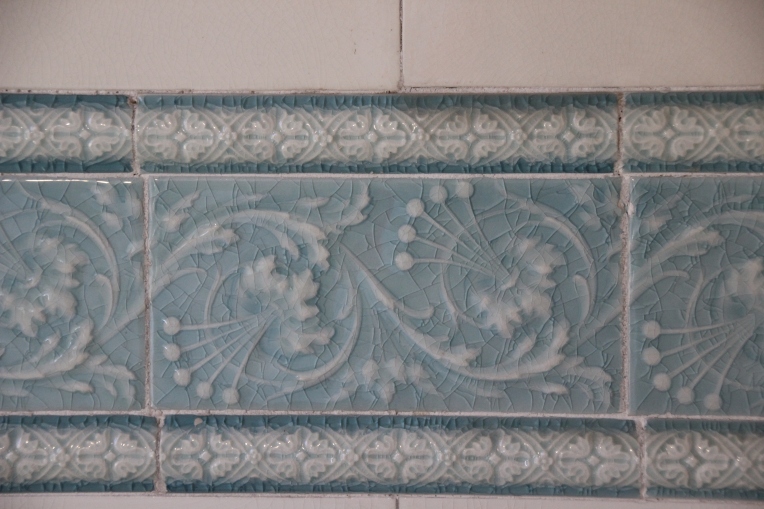
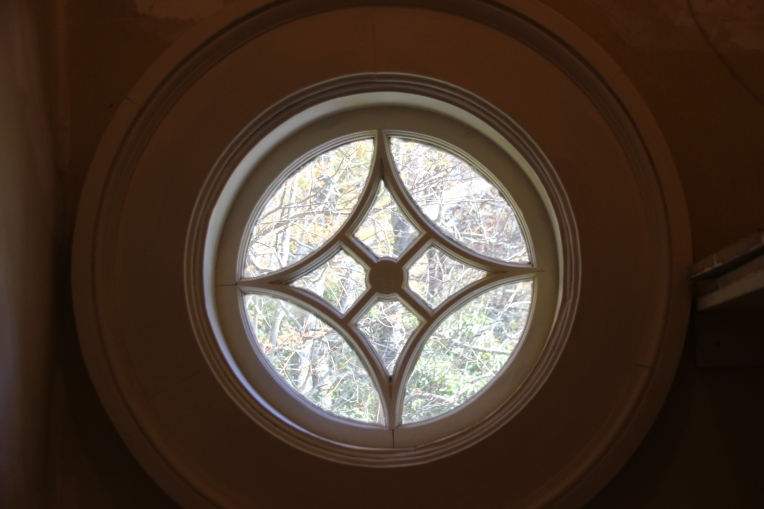
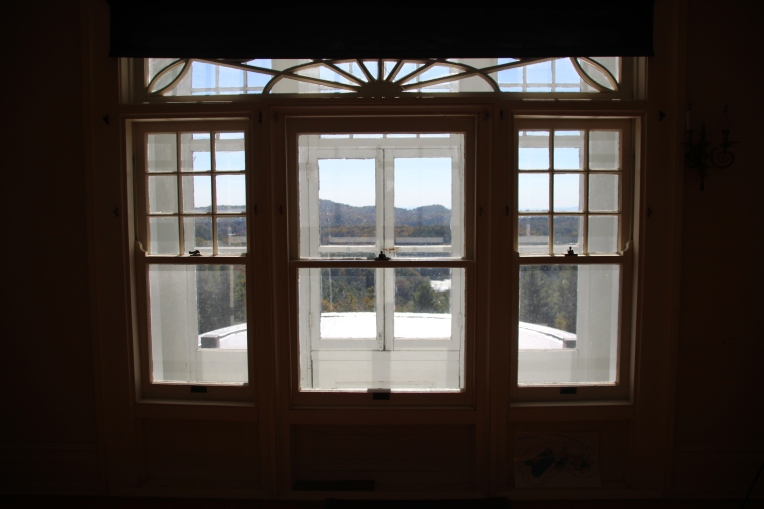
The second floor has lovely details.

IMG_5375IMG_5349IMG_5369IMG_5370

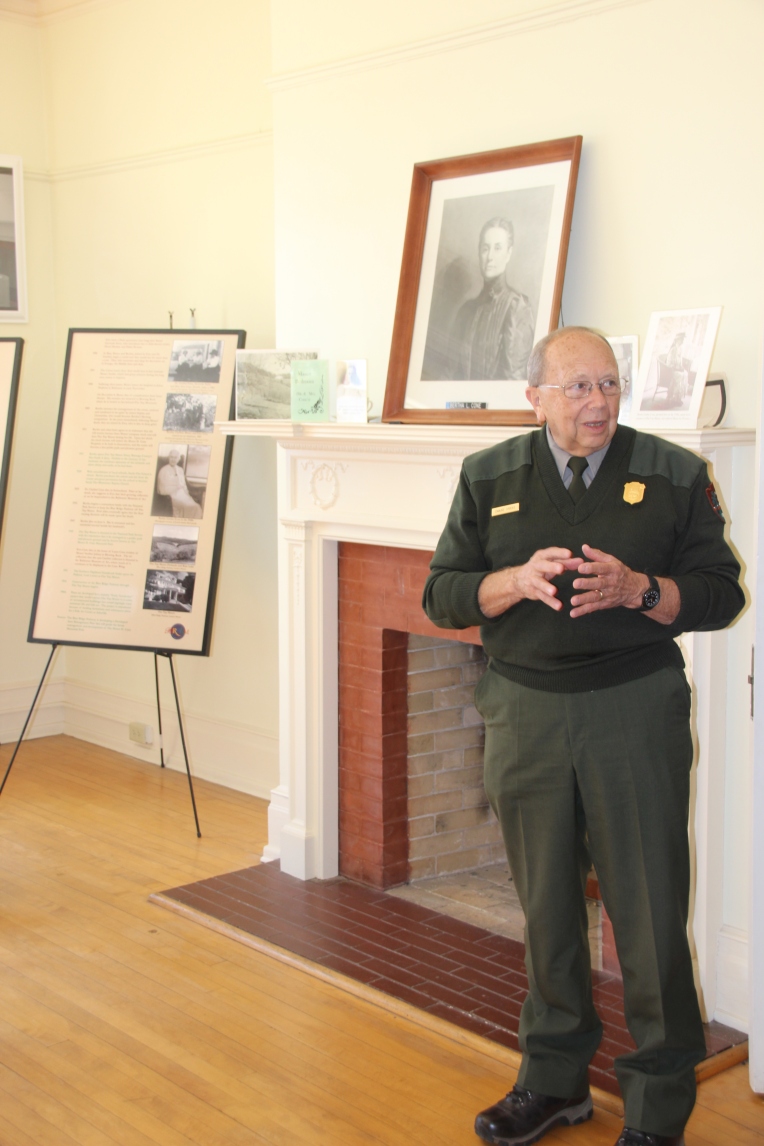
Photos of Moses and Bertha Cone and other family portraits are scattered around in the rooms.

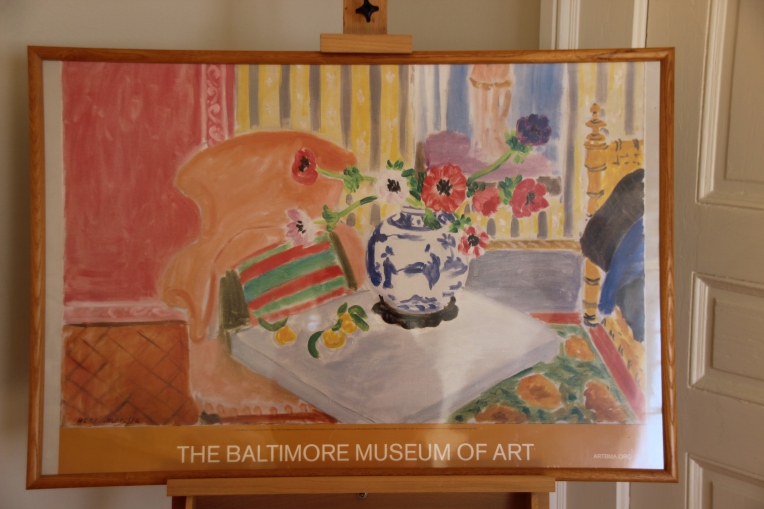
The sisters have a famous art collection on display in Baltimore.IMG_5353

There were several tour guides sharing fascinating details.

IMG_5374

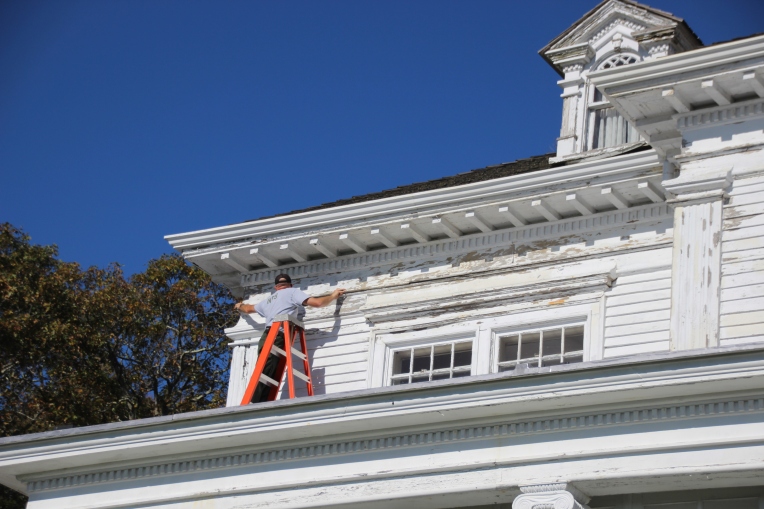
I was happy to see some renovations in progress.

IMG_5343

The bottom floor has local art and a book store.

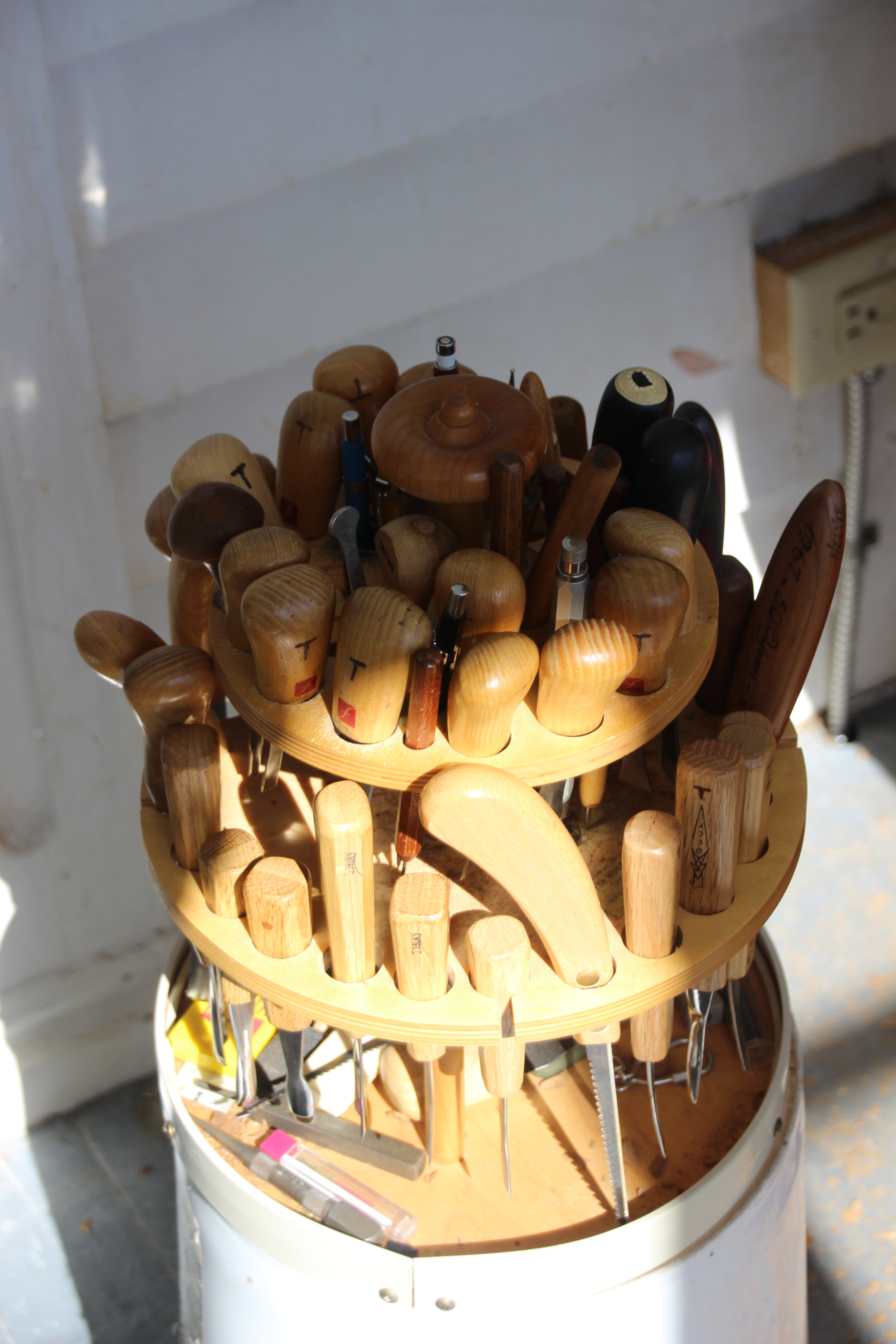
A featured artist sets up in the covered porch on weekends to demonstrate crafts.

That will be my next post. The art was magical.

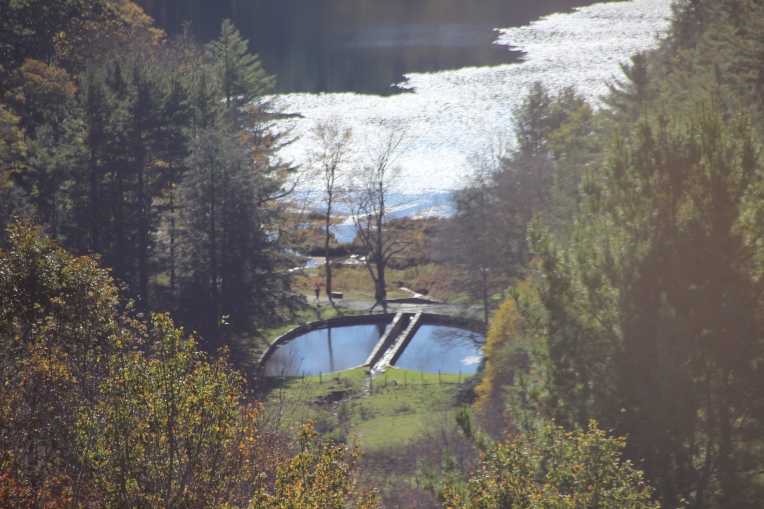
I will end with a view from the second story window.

IMG_5358

Below is Bass lake and the newly renovated “Heart Pond.”

IMG_5368

I have walked here many times.

This place is a dream.

FLOWER


Cold Scarlet Flame

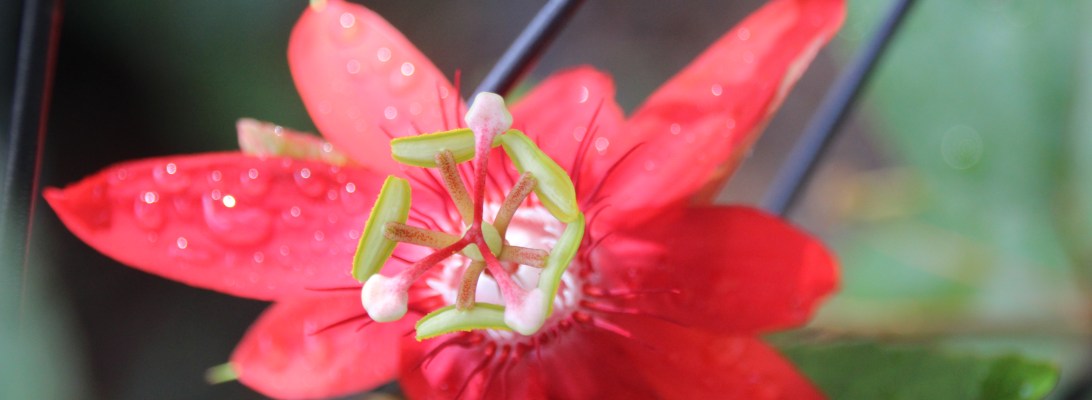
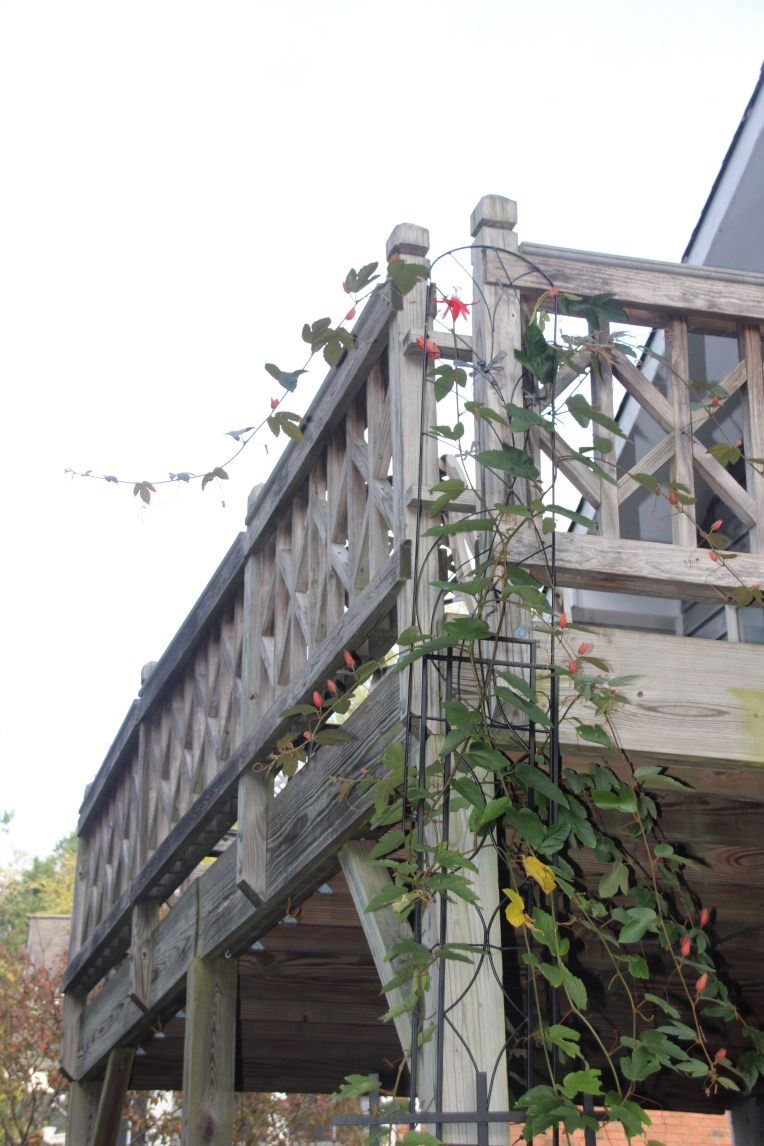
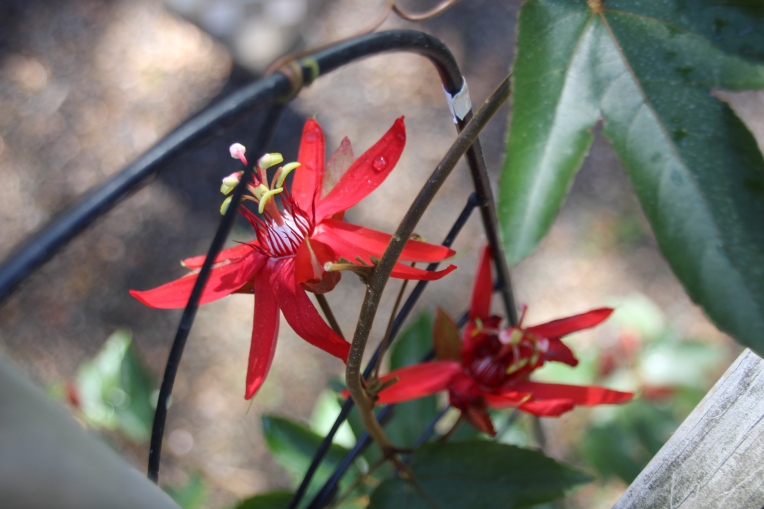
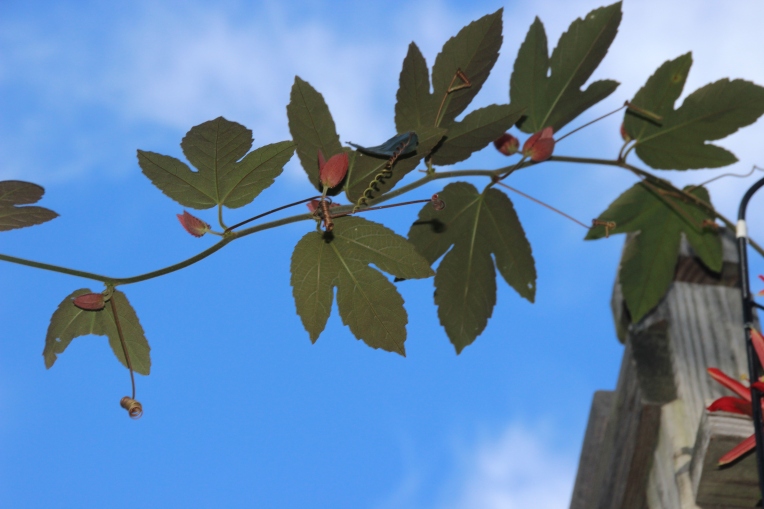
I was unsure when to bring in my Red Passion vine/ Passiflora vitafolia/ Scarlet Flame.

The first frost came. I looked out on the deck rail where it has climbed up to and beyond.

IMG_5234

It is still blooming.

IMG_5190

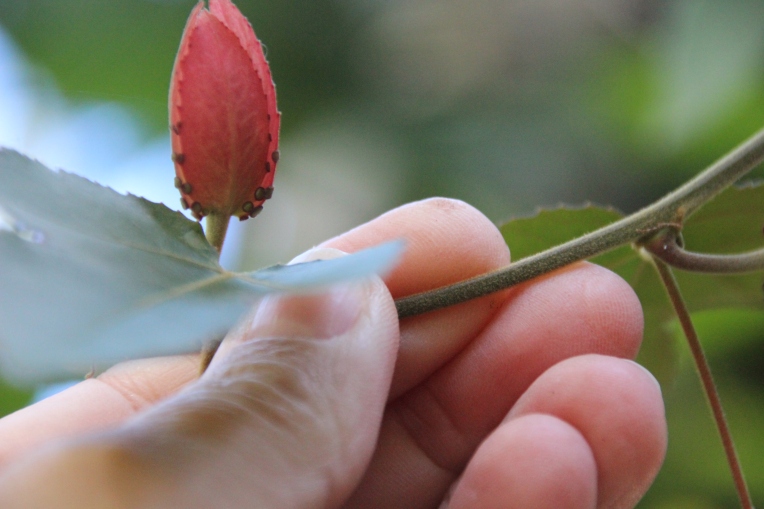
It’s little ant guards are still running up and down the stems.

IMG_5149

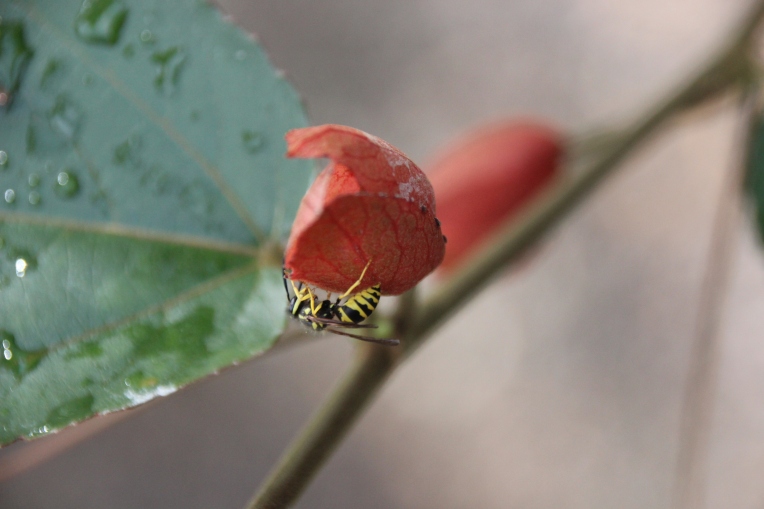
Even some yellow jackets have figured out how to harvest food from the glands on the bracts.

IMG_5135

I was expecting a wilt down, but it is thriving.

IMG_5183

This vine is amazing, but tropical.  It will not tolerate freezes.

IMG_5181

I will have to cut it back and bring it in before the first freeze.

I will enjoy it until then, along with the ant and yellow jackets.

I shall try to root some pieces over the winter. Get your name on the request list if you want one.

FLOWER
New Idea for Countdown to Cold

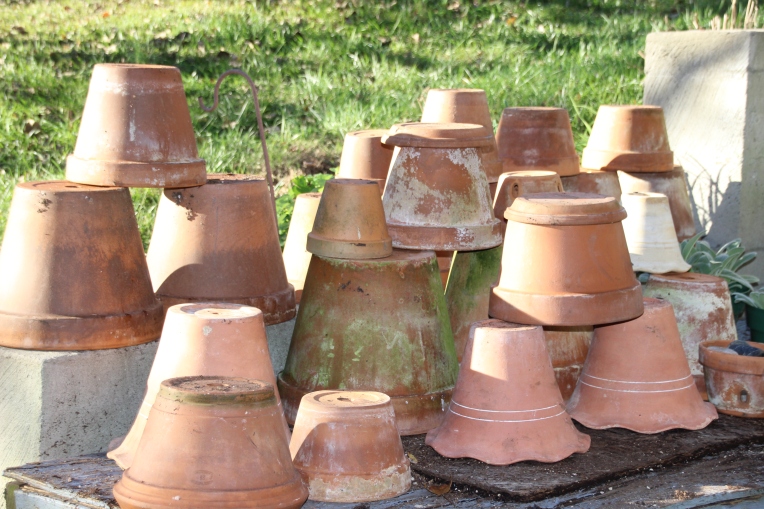
I love terra-cotta pots. I have them in all sizes and shapes.

IMG_5204

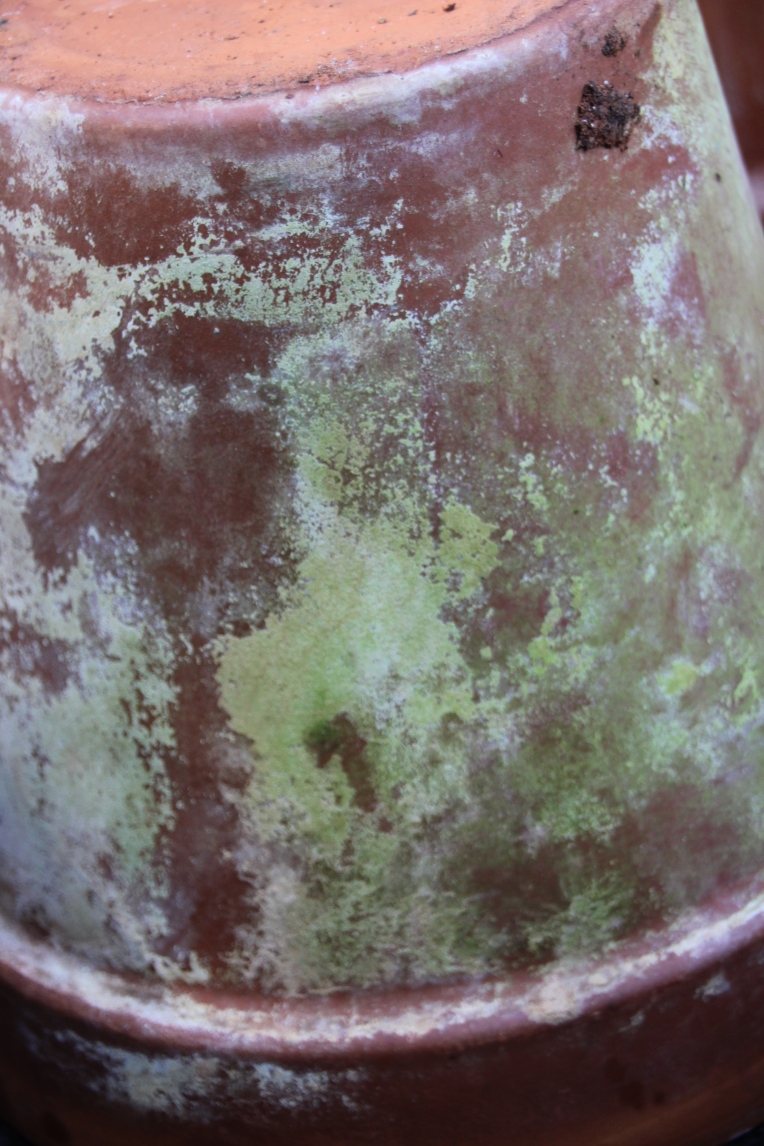
My plants love them, too. They weep moisture. They breathe. They patina with algae. The plants thrive in them so much better than plastic.

IMG_5184

What I do NOT like about them is their weight.  Moving the the large ones around outside is bad enough, but lifting them and moving them around inside is worse.

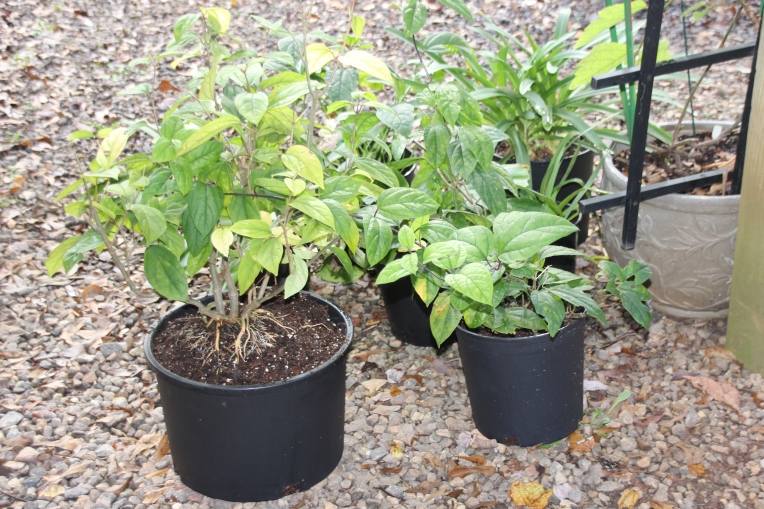
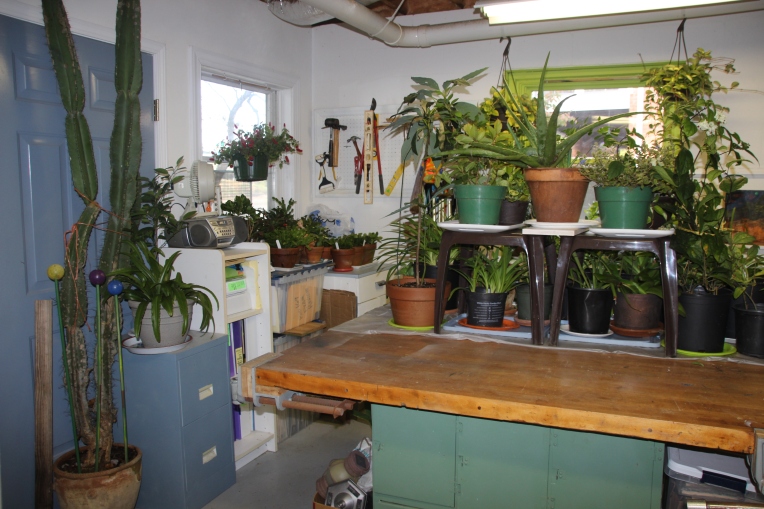
So this year, I had the idea to re-pot most of my largest plants that over-winter in the basement workshop into durable PLASTIC pots. Many are in 2 or 3 plus gallon pots.

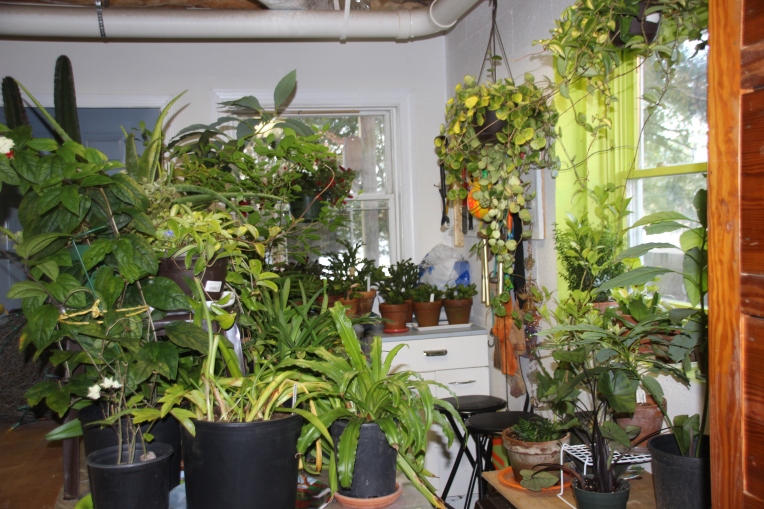
I have to shift these around in the workshop. They take turns at the windows. Sometimes the ones on the workbench must be moved, if I have a big project. I need to move the plants in the front rows to water others in the back.

A lot of these plants are my stock plants. I do not bring in every one, just a sampling in case of a harsh winter.  Some eventually go dormant, like the dahlias and callas, most just rest.

Yes, it is a lot of work.  Yes, I know I have too many plants. I have been told that.

IMG_5145

This little idea cost roughly two and a half dollars per pot, bigger ones were over three dollars.  The total was well worth the lessons I learned. Not to mention not having to do all that heavy lifting during the winter months.

I will re-pot them back into their cleaned terra-cotta pots in the spring. Moving them outside to do this will be easier. No rush. No countdown to cold weather.

Here are my lessons I learned from this.

  1. Many plants that I thought were comfortable, were actually root-bound. These got a slightly bigger pot, and some new soil in bottom and sides as a bonus.
  2. Some plants were in over-sized pots with no roots any where near the perimeter. These were downsized. No use carrying around that bigger pot and all that unused soil for the winter months.
  3. Some plants, like Agapanthus, that had been potted up from the gardens had critters in them. These little guests needed to be released back into the wild, except for the slug that ended up under my finger nail.  He didn’t make it.
  4. I found some surprise problems during the process. Slime mold, a woody type fungus and mushrooms. This would be like putting a baby to bed with a dirty diaper. These plant babies are cleaned up and comfy now.
  5. Having the sides of the pots vertical, instead of at an angle has taken up much less space. I have half of my workbench clear, due to a second tier using plastic tables.
IMG_5237
Notice the stakes with glass balls on the cactus. This is not decoration. It is for my protection against impalement.
IMG_5235
Lucky hanging baskets get the best spots.
IMG_5238
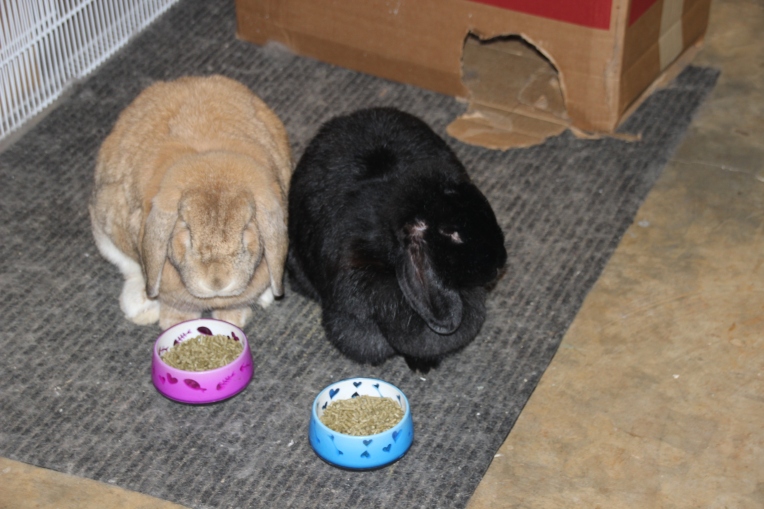
Ooh, a bunny photo. How did that get in here?

I will assess the results at the end of this winter, but I feel this was a very effective change in the transition process. I did still flood all pots to saturate the soil, but did not feel like I was blasting pests out the bottom.

FLOWER