
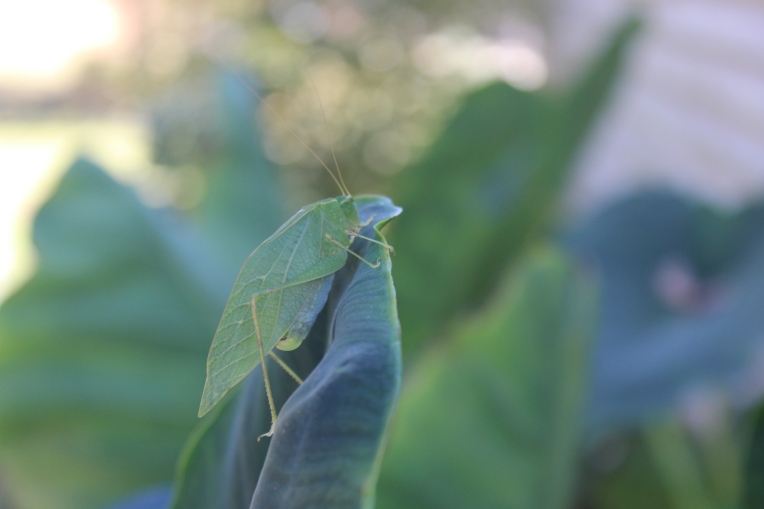
It is green like a leaf.
It is the shape of a leaf.
It is the size of a leaf.
It has marking like leaf veins.
It has legs, therefore it is NOT a leaf.
No buts…
FEMALE FLOWER
It is green like a leaf.
It is the shape of a leaf.
It is the size of a leaf.
It has marking like leaf veins.
It has legs, therefore it is NOT a leaf.
No buts…
FEMALE FLOWER
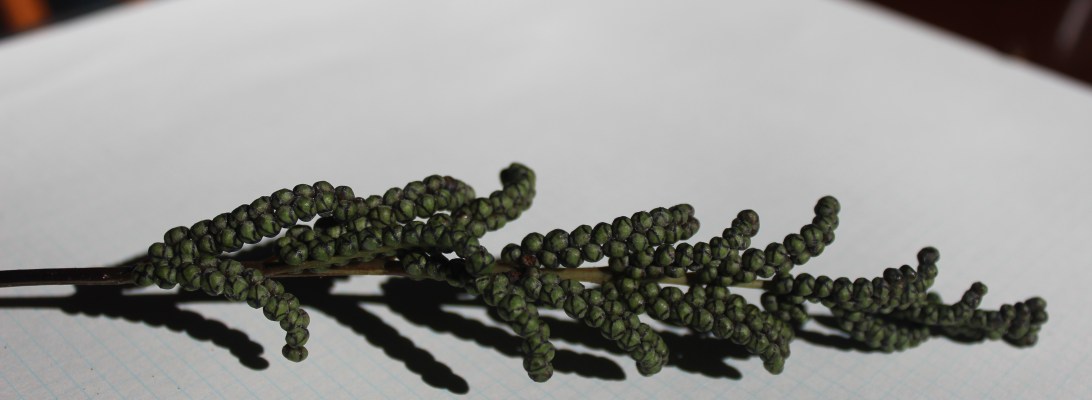
It’s the time of year when plants get ready to go dormant here in North Carolina.
This means in addition to losing leaves, plants set seed or form spores. This hopefully ensures another generation of plants.
This November is a little unusual because it has been so warm that we still have flowers blooming and bees buzzing. I have even had second generation seeds germinate and flower this season.
I will take you on a tour of s’more spores. Seeds will follow in another post.
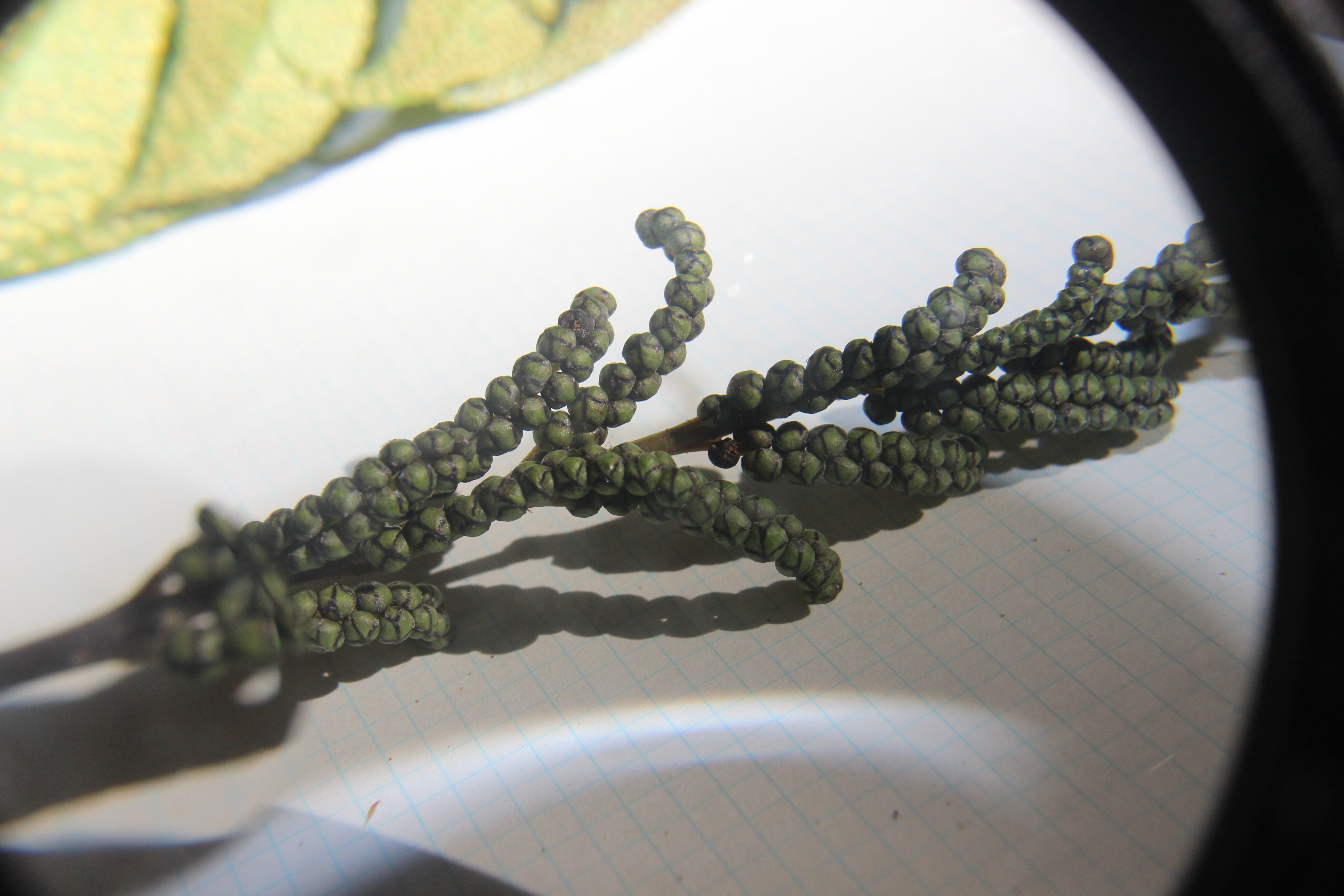
Sensitive fern/Onoclea sensibilis sends up its own spores on a stick. These are referred to as beads.
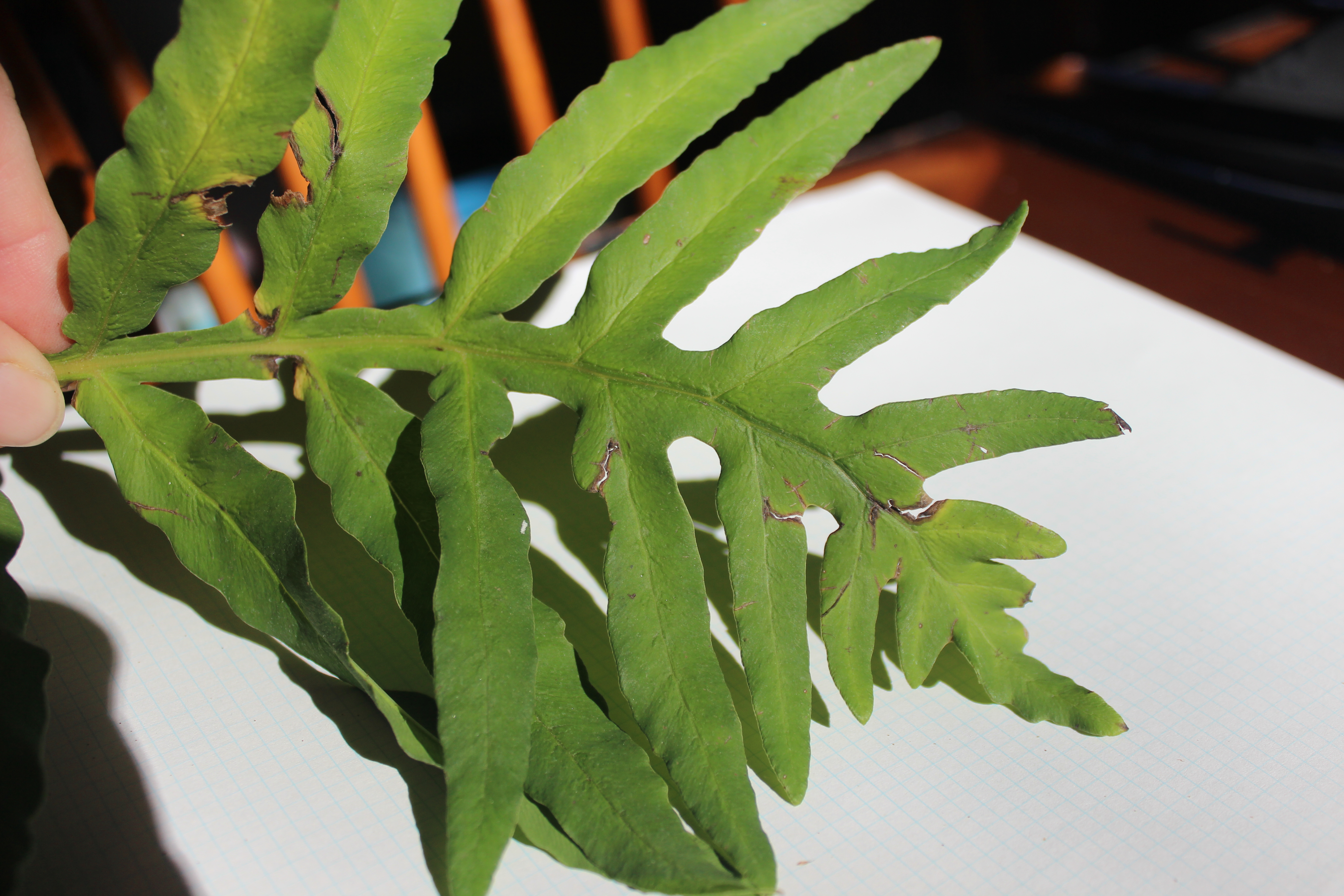
Its fronds are sterile, i.e. do not produce spores.
Chain fern/ Woodwardia areolata has a separate spore bearing structure, also.
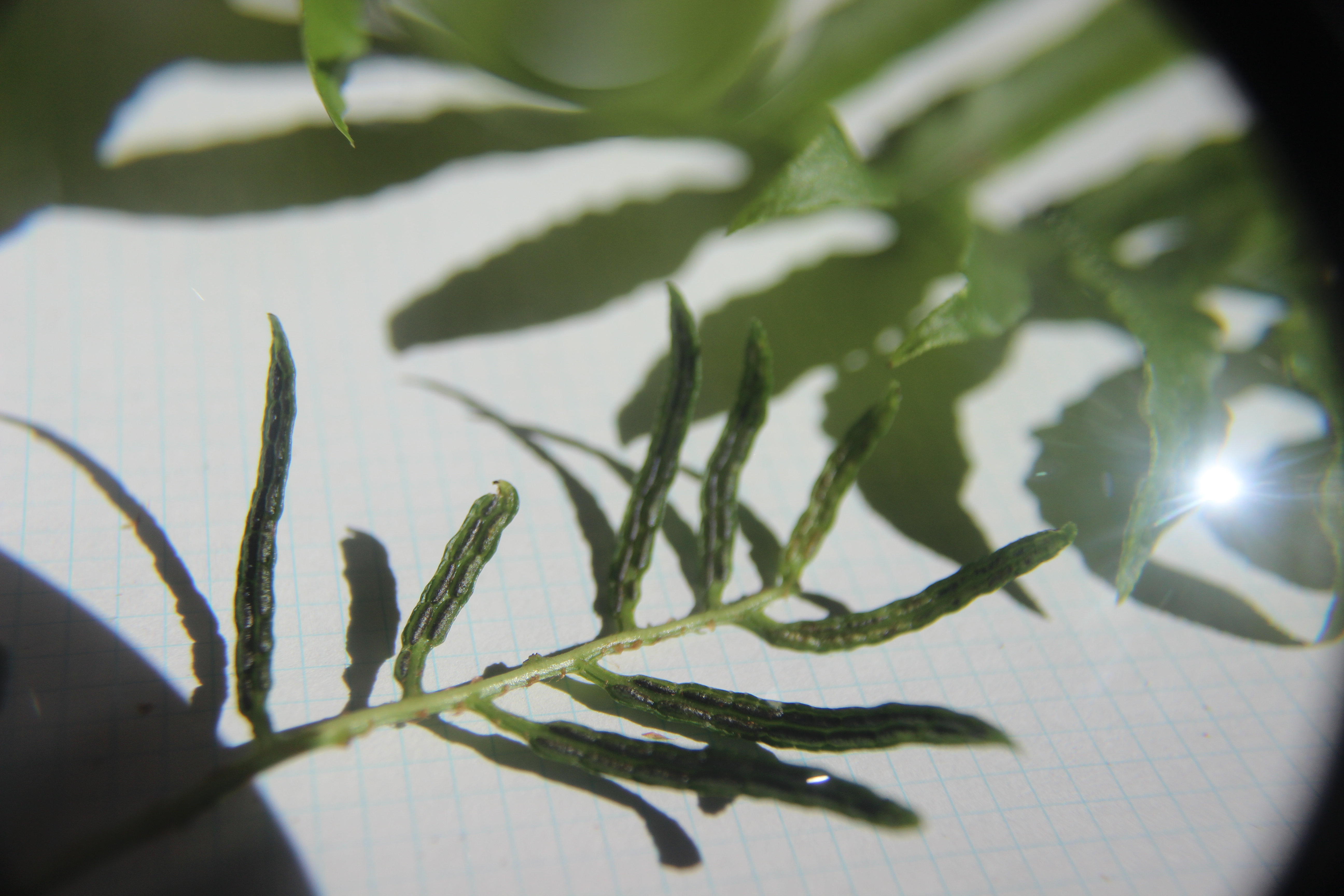
Its fronds do not produce spores either.
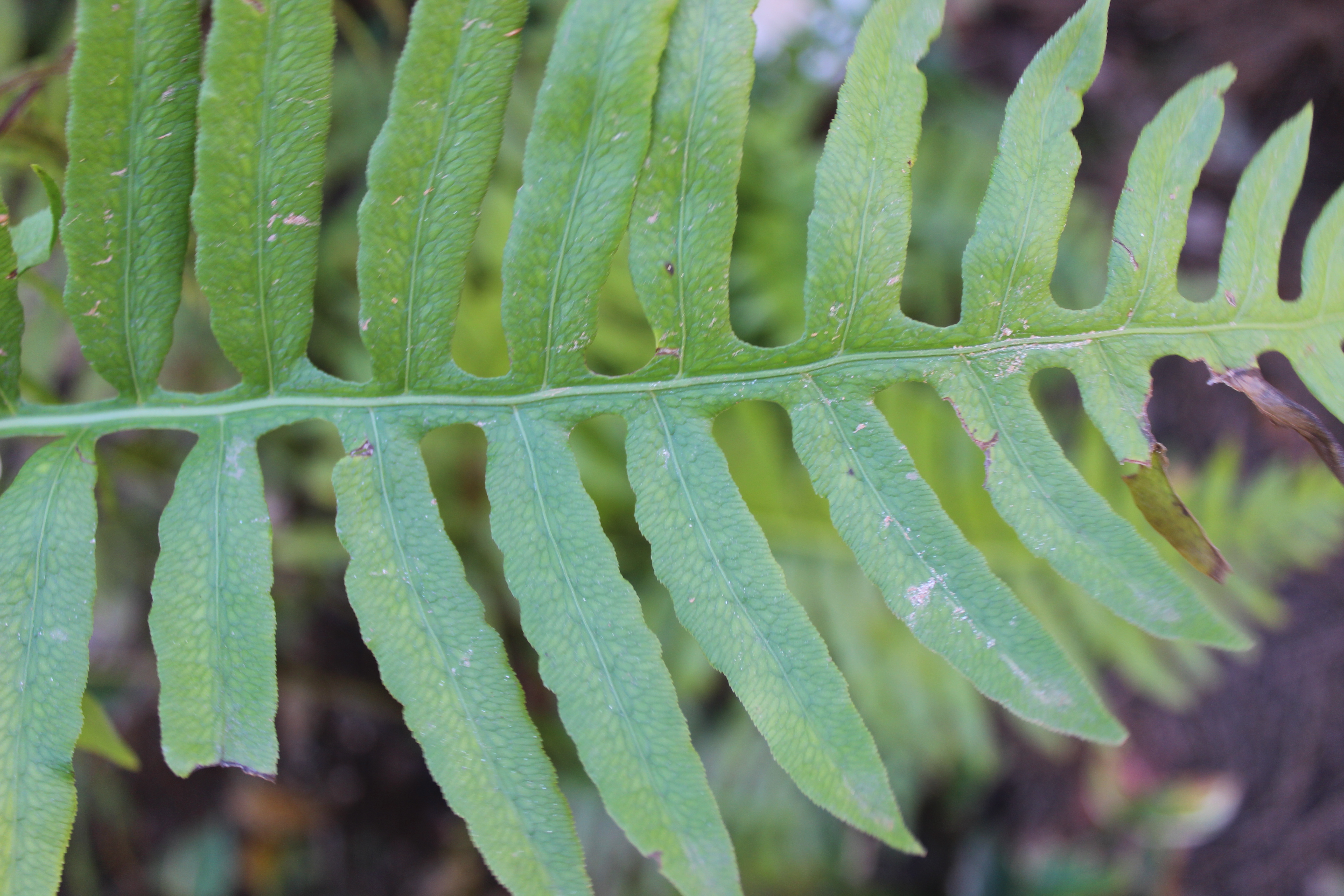
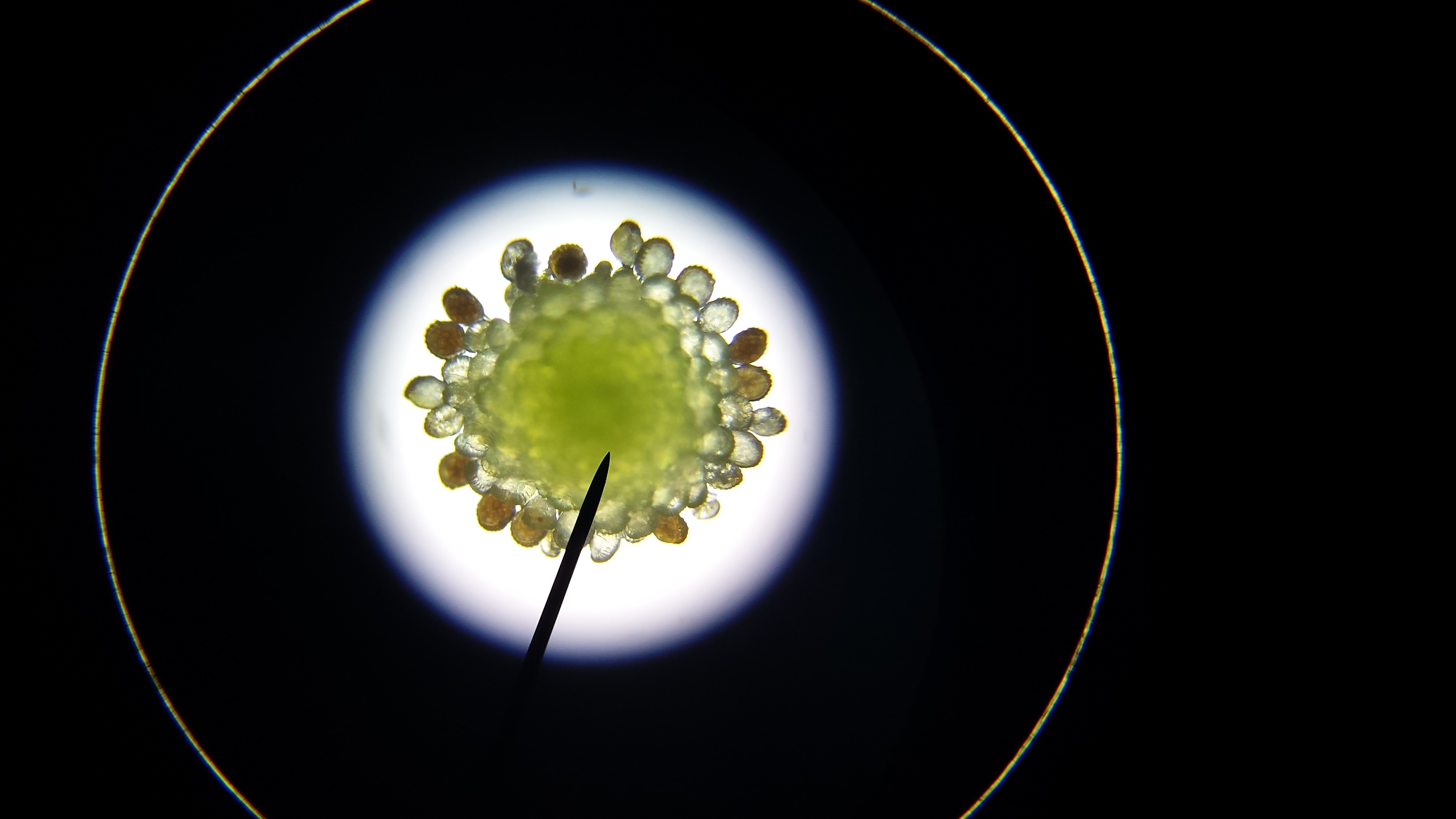
The Japanese Holly fern/Cyrtomium falcatum has a sporadic spore arrangement. No pun intended.
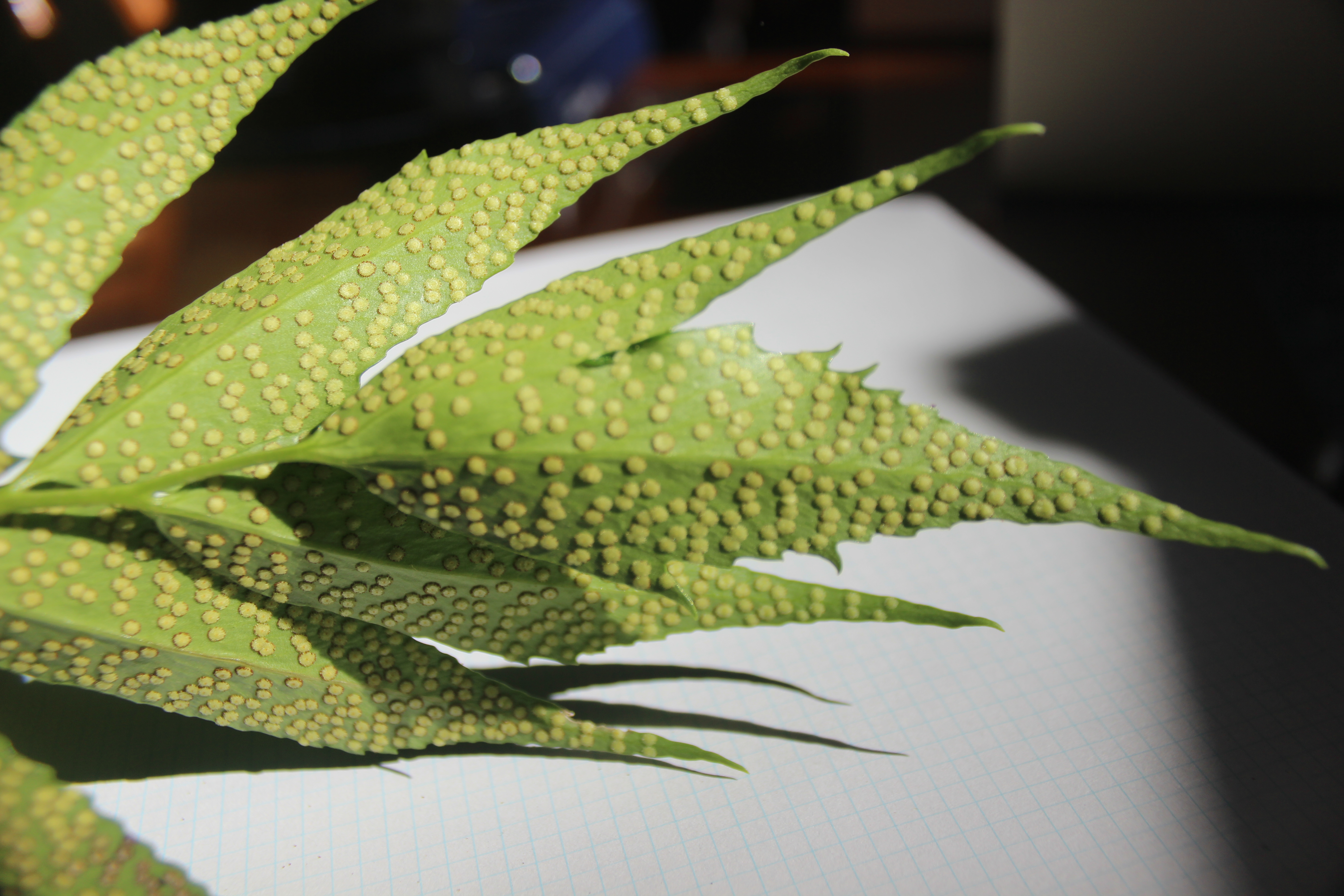
Its fronds are evergreen.
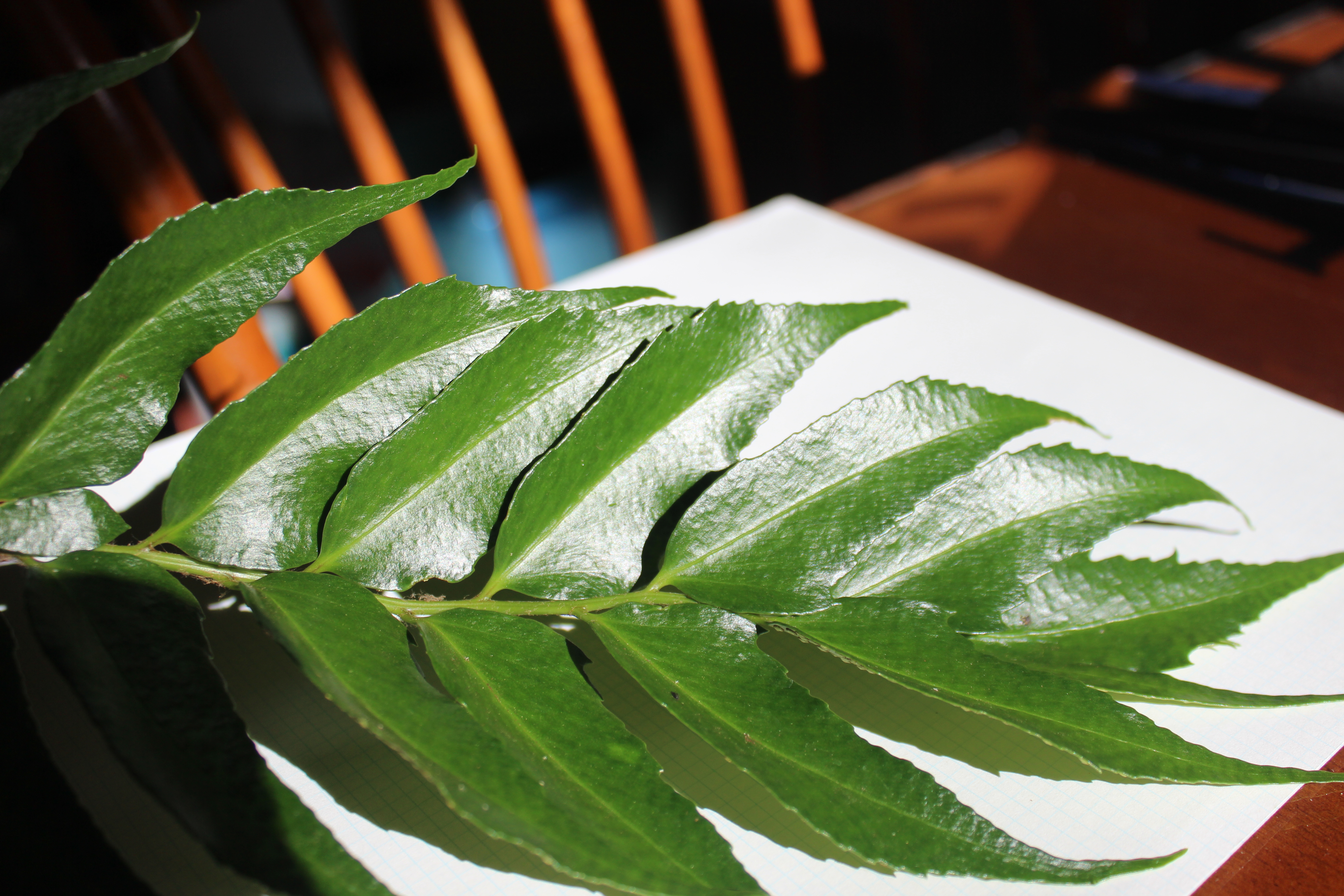
Here is one sorus from the Japanese Holly fern under the microscope.
Stay tuned for seeds.
FLOWER
Well, I intended to do a post on fern spores later, but the spores had other ideas.
I picked a frond off my Autumn ferns to bring in to my work space yesterday evening.

I took photos of the lovely sori lined up two-by-two down the leaflets.

I meant to take the frond back outside to the compost pile when I finished.
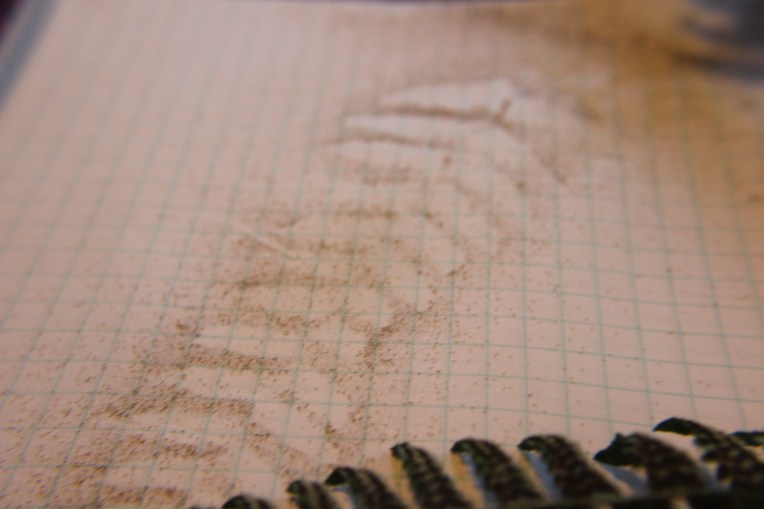
Over night, the frond dried up and shot spores all over the table.

I was amazed at the range the tiny sporangia catapults had.
While we are on the subject of spores, may I remind you that they are NOT seeds.

Each spore germinates into a tiny gametophyte that allows an egg and sperm join
then germination takes place and a new sporophyte/fern plant grows.
The tiny green structures (pin-head sized) in this jar are gametophytes grown from Dragon’s Tail fern spores.

If my snacked on baby fern (‘Disappearing Fern’ post) doesn’t survive, maybe its progeny will. Sniff, sniff.
Ferns come, ferns go, ferns come again.
FERN MAMA/FLOWER
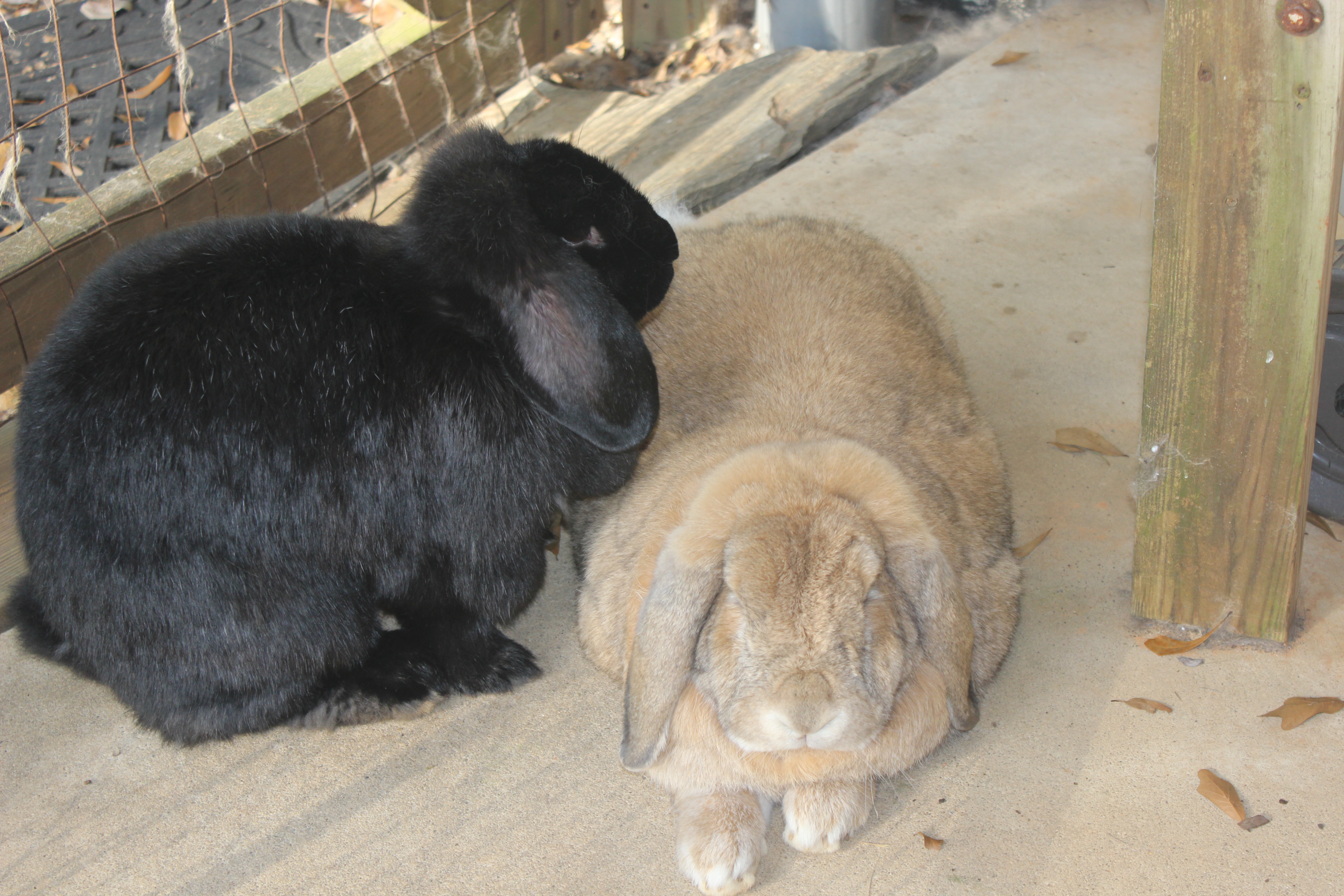
My first orders of business when I return from a trip are to check on the bunnies
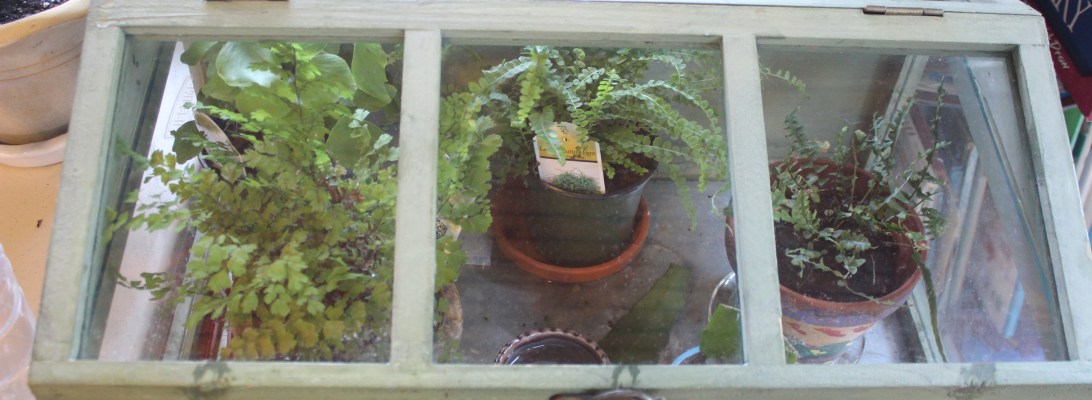
and then to tour my plants to check for any changes.
To my shock and horror, when I peered into the baby fern box
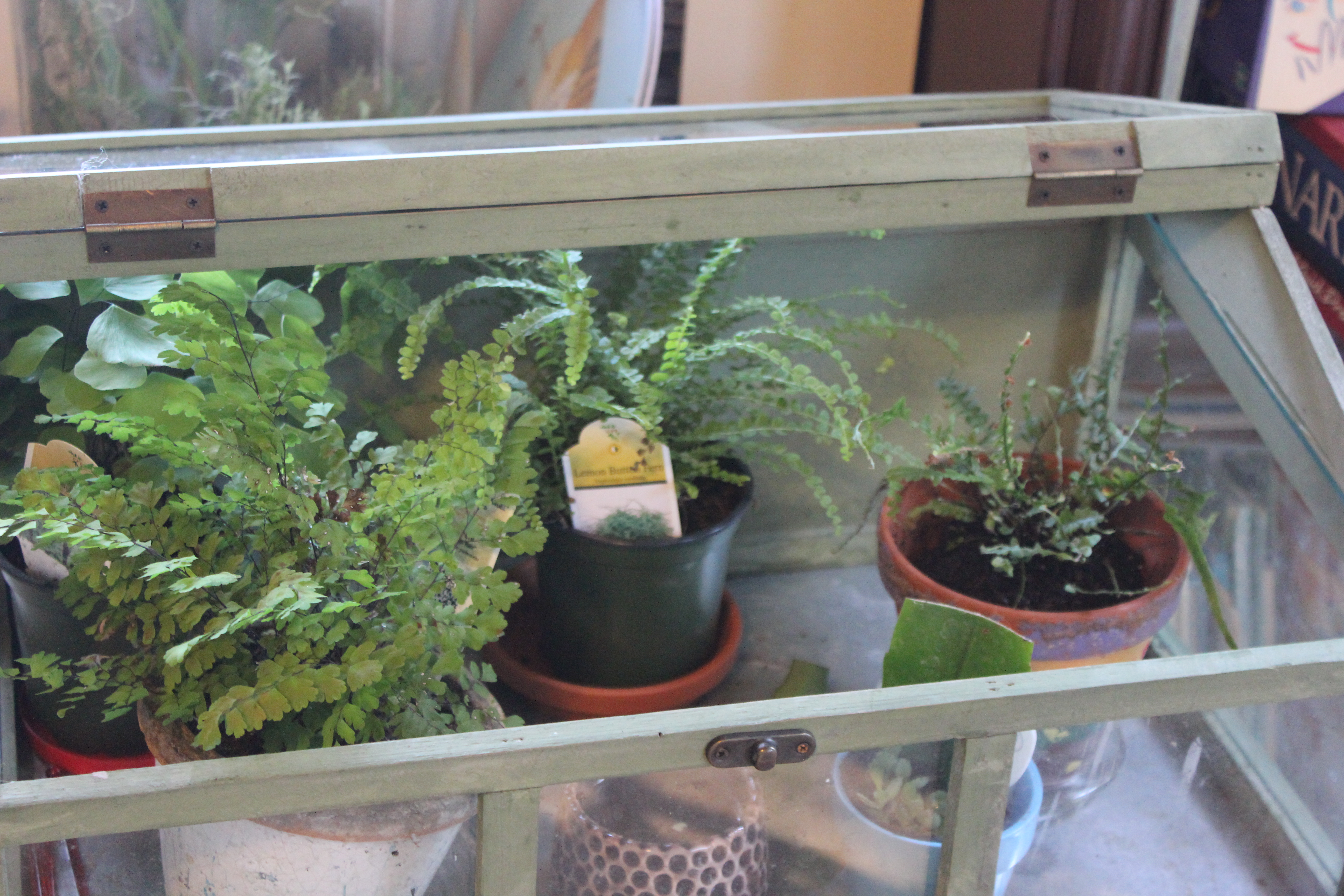
my prized Dragon’s Tail fern/Aspleniaceae x Ebenoides was missing many fronds.
Not whole fronds. The midribs remained sticking out nakedly brown without the lovely green scales.
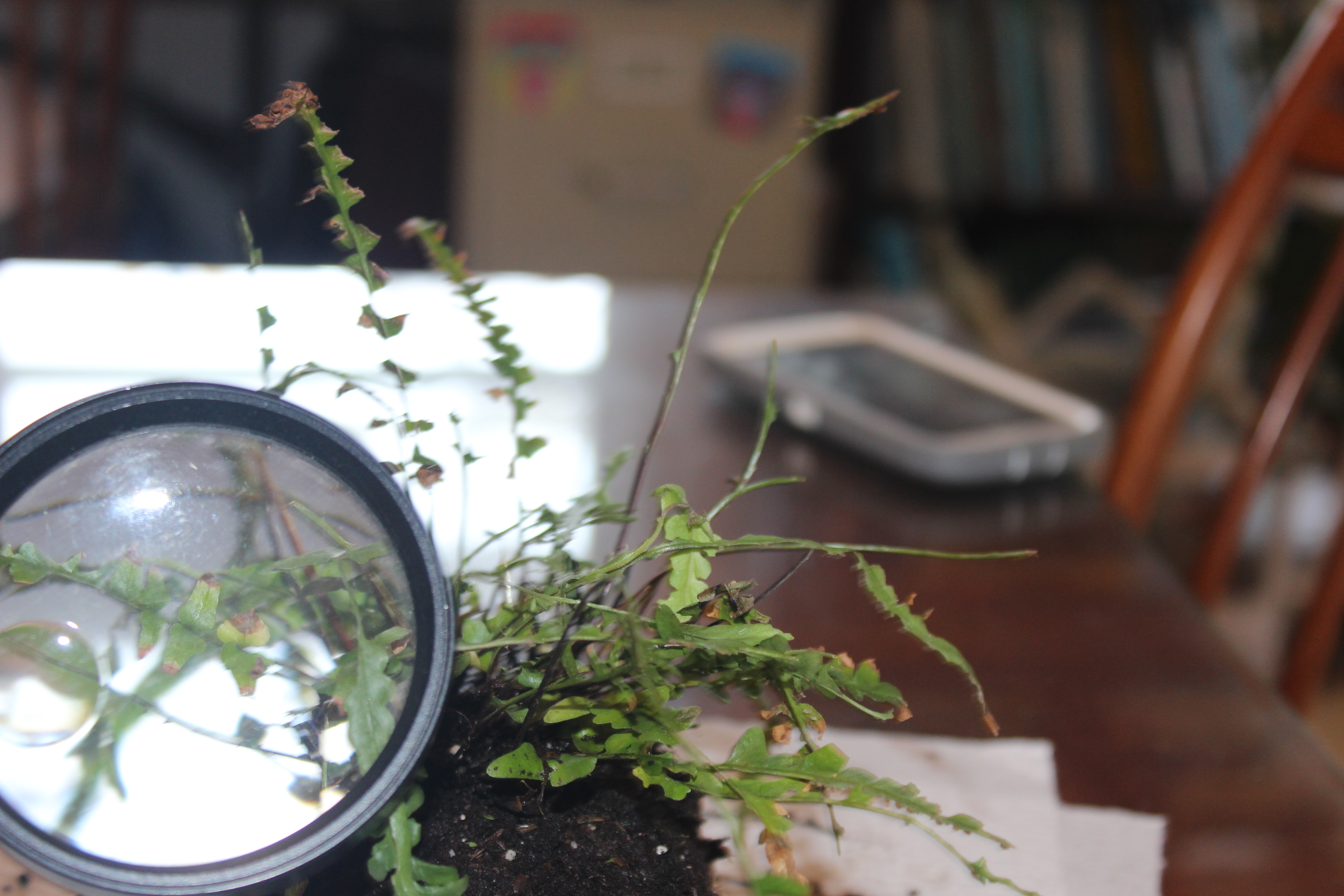
Something had eaten the Dragon’s Tails down to the bones.
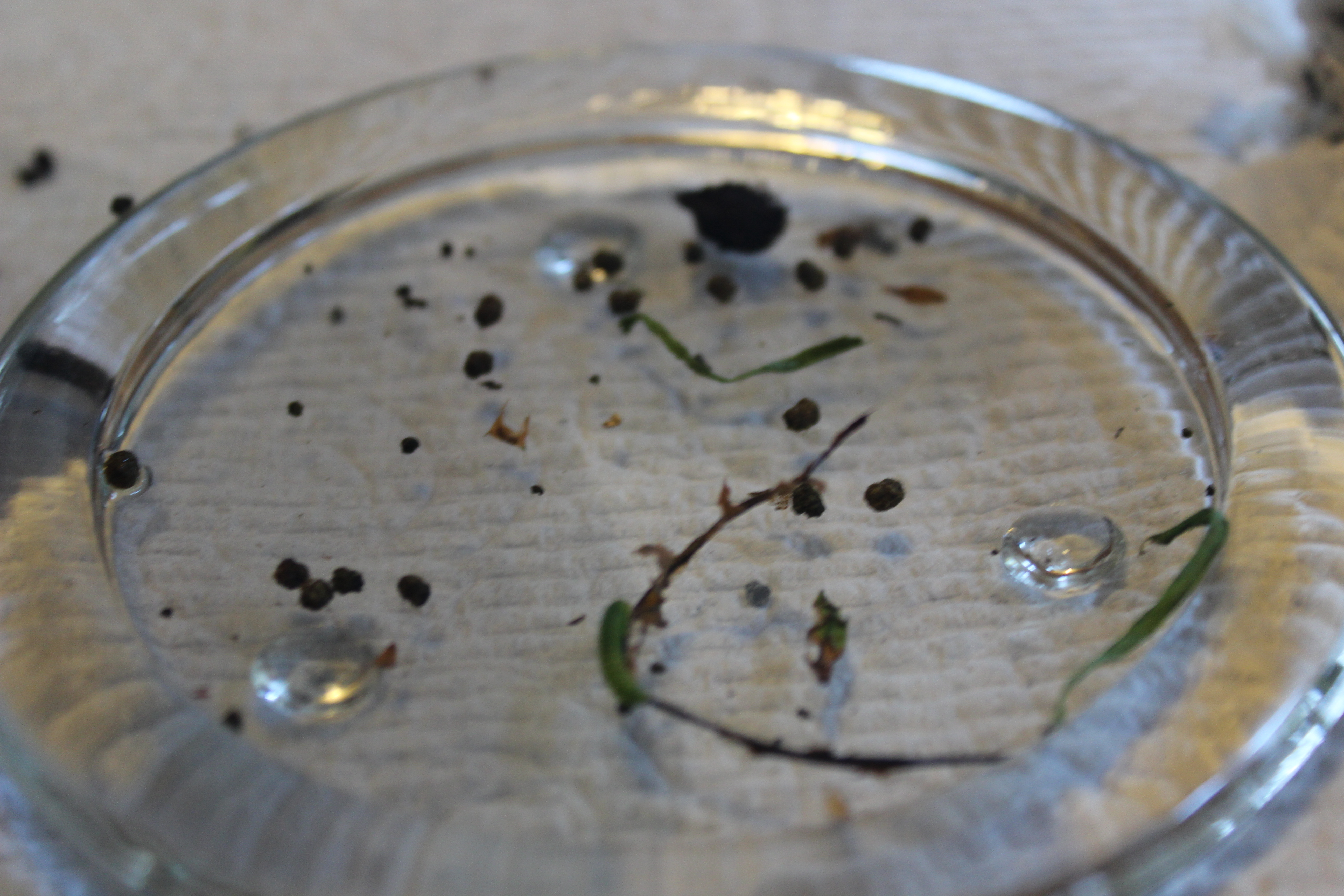
There were droppings left on the dish below. Evidence.
A hungry caterpillar was feasting on my favorite fern.
I searched the soil before examining each frond.
I found a small green snacker, but knew he was not large enough to produce the poop.
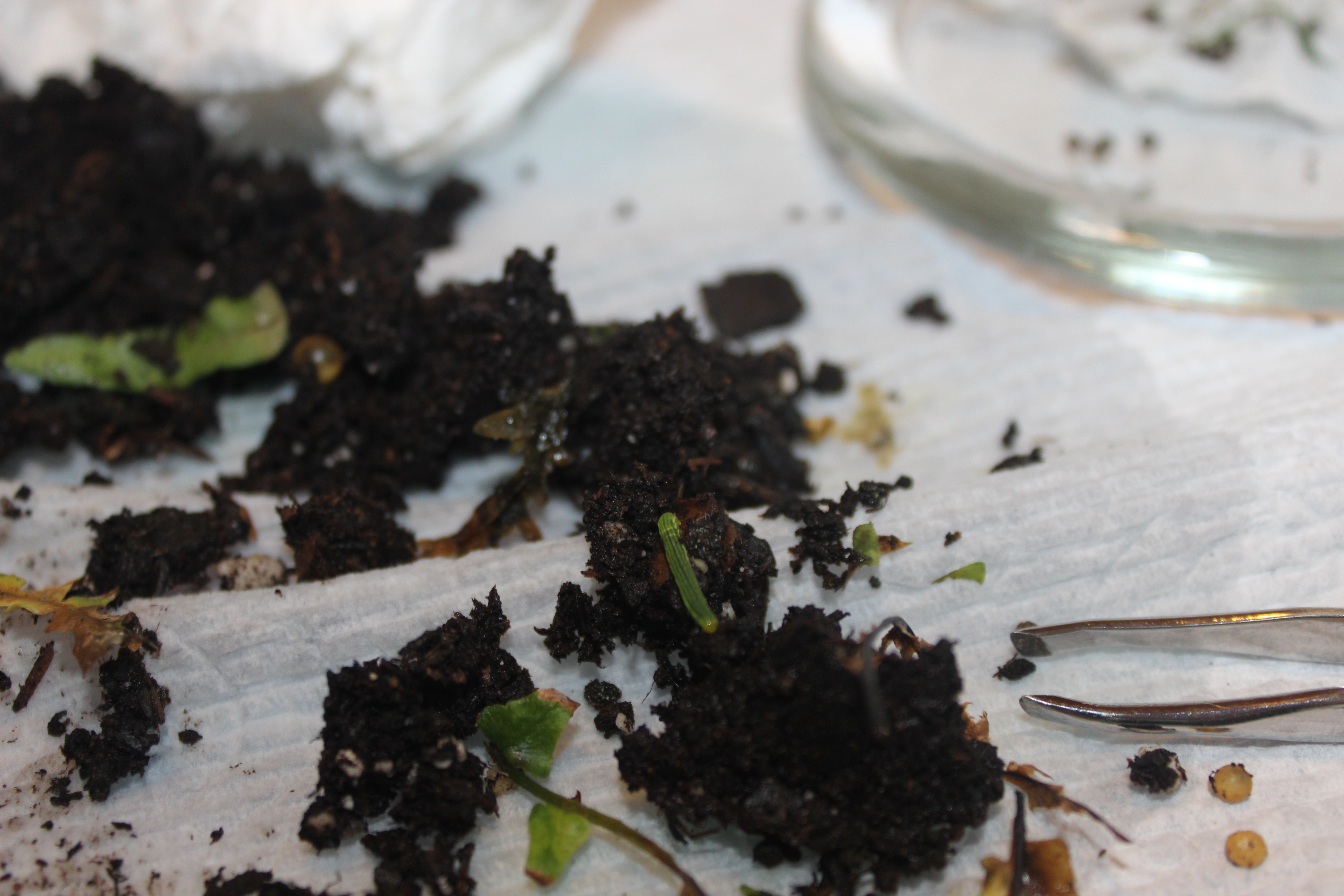
Ah Ha! Bad, Bad Larva Brown. He and his little Green Sidekick were escorted outside.
Go pick on a bigger fern you bullies.
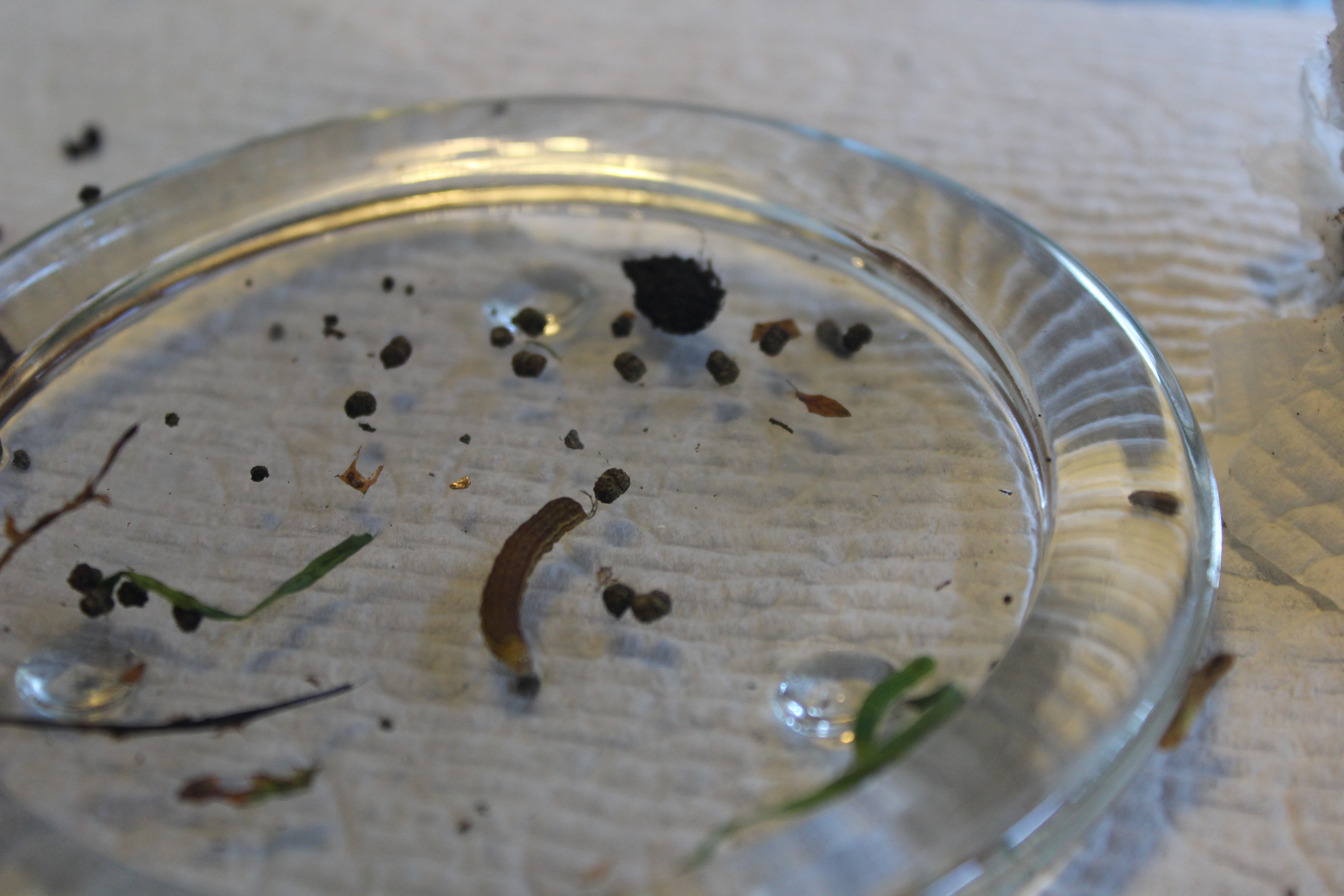
I hope little Dragon’s Tail can recover from this shock.
FERN MAMA
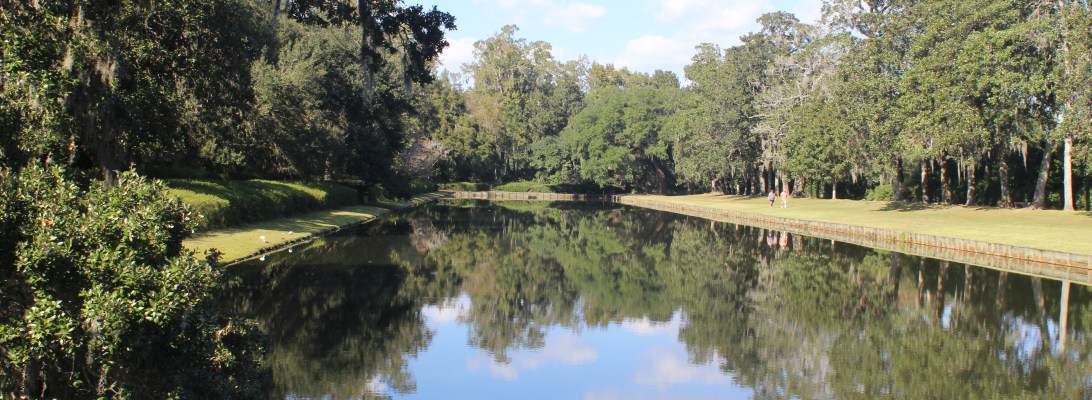
Middleton Place is located along the Ashley River near Charleston, South Carolina.
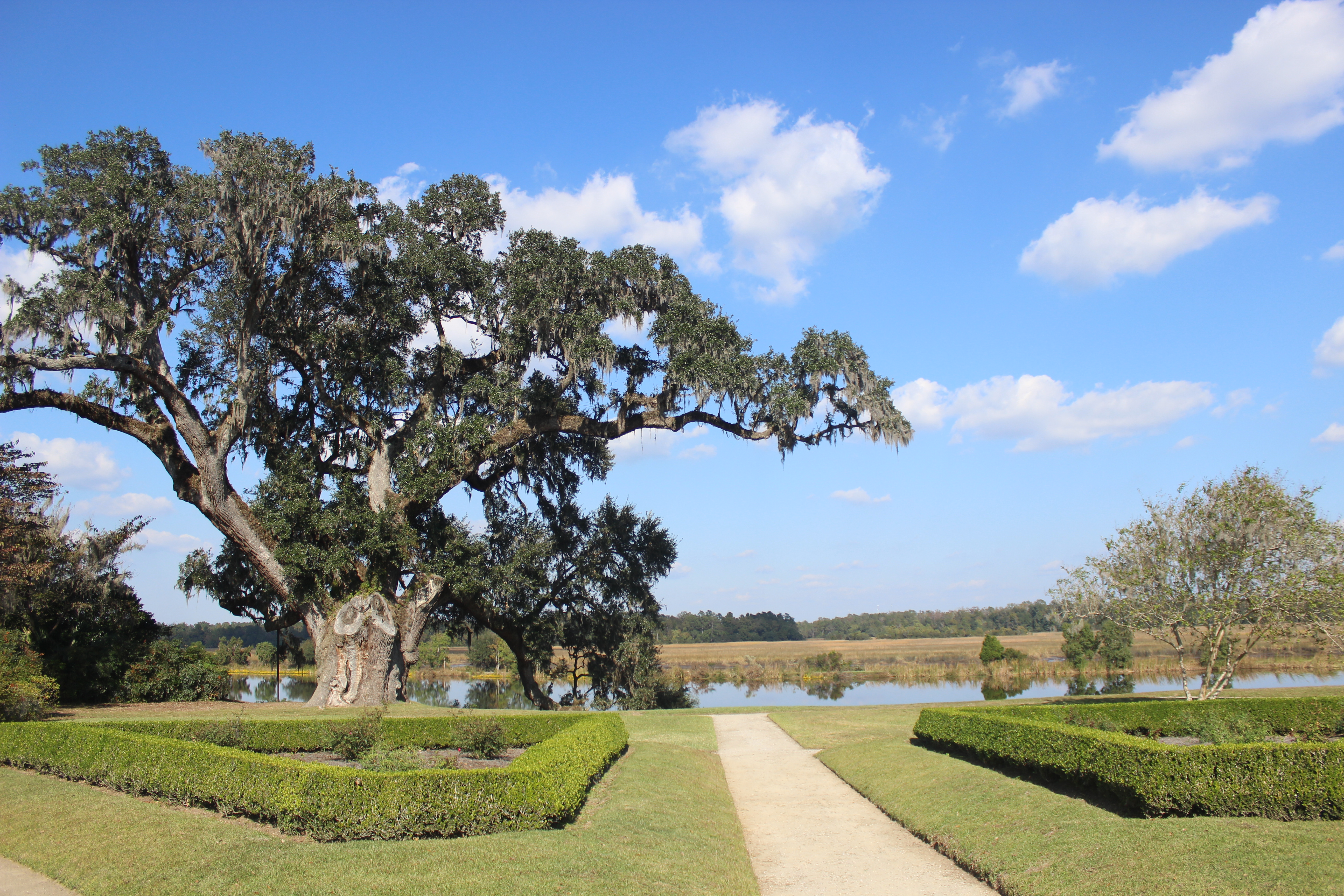
There are many separate gardens with each its own special features.

There is a large camellia garden and a formal rose garden and many water features and statuary.
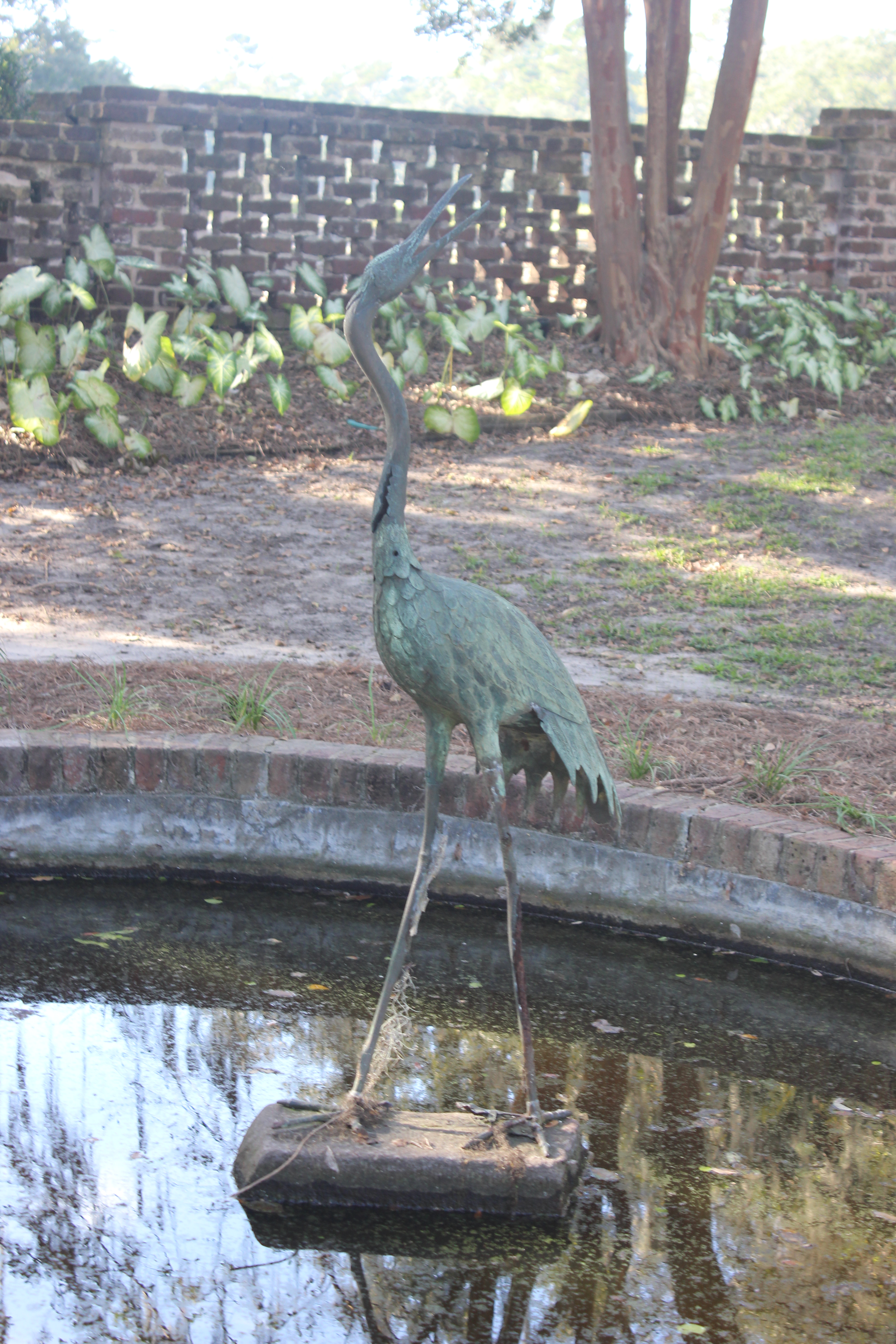
I especially enjoyed the area that is the working part of the plantation.
There are carriages and display shops of blacksmiths, coopers, carpenters and candle-makers.

The icing on the cake is the barnyard and barns with animals.
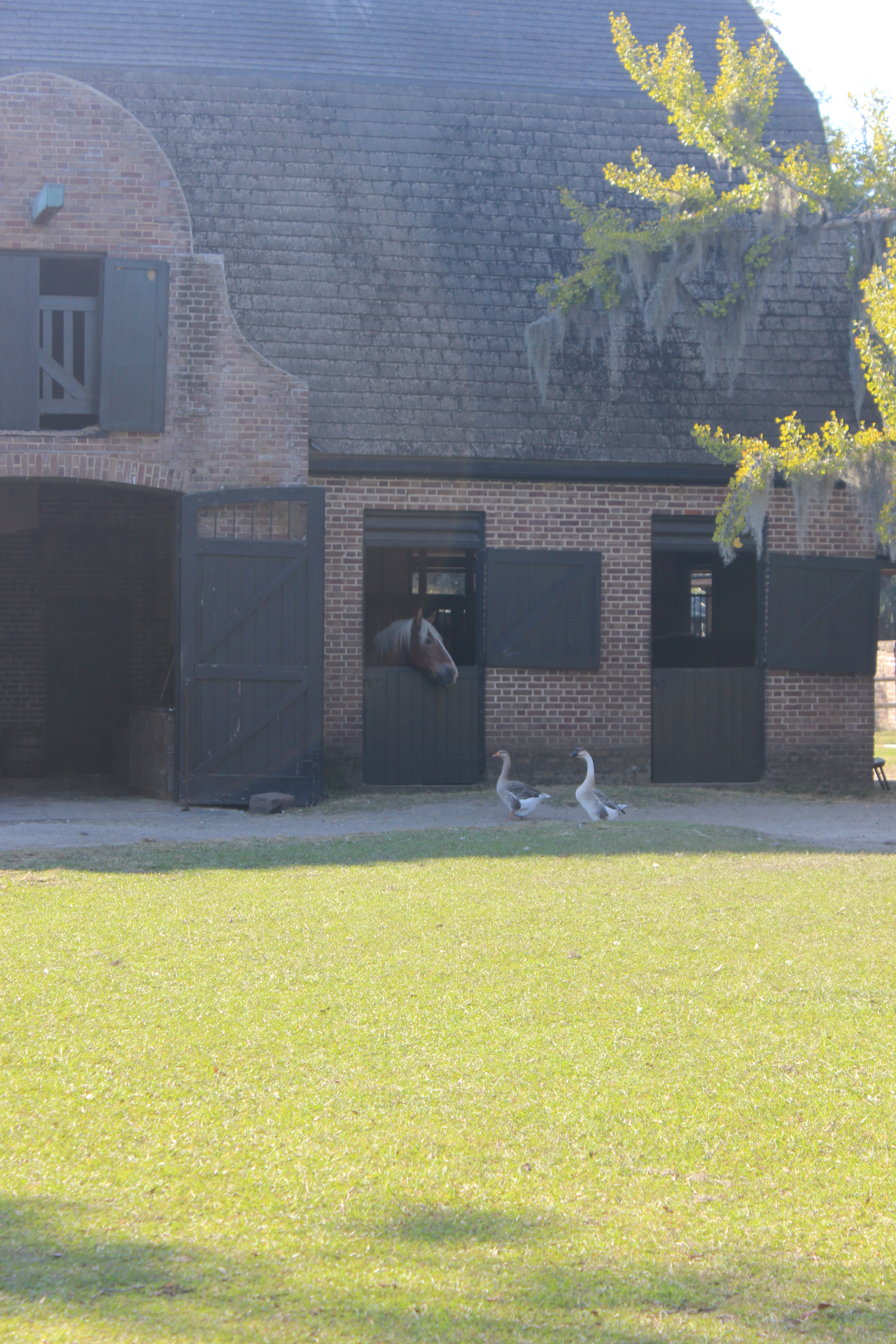
I made friends with a one-horned Water Buffalo
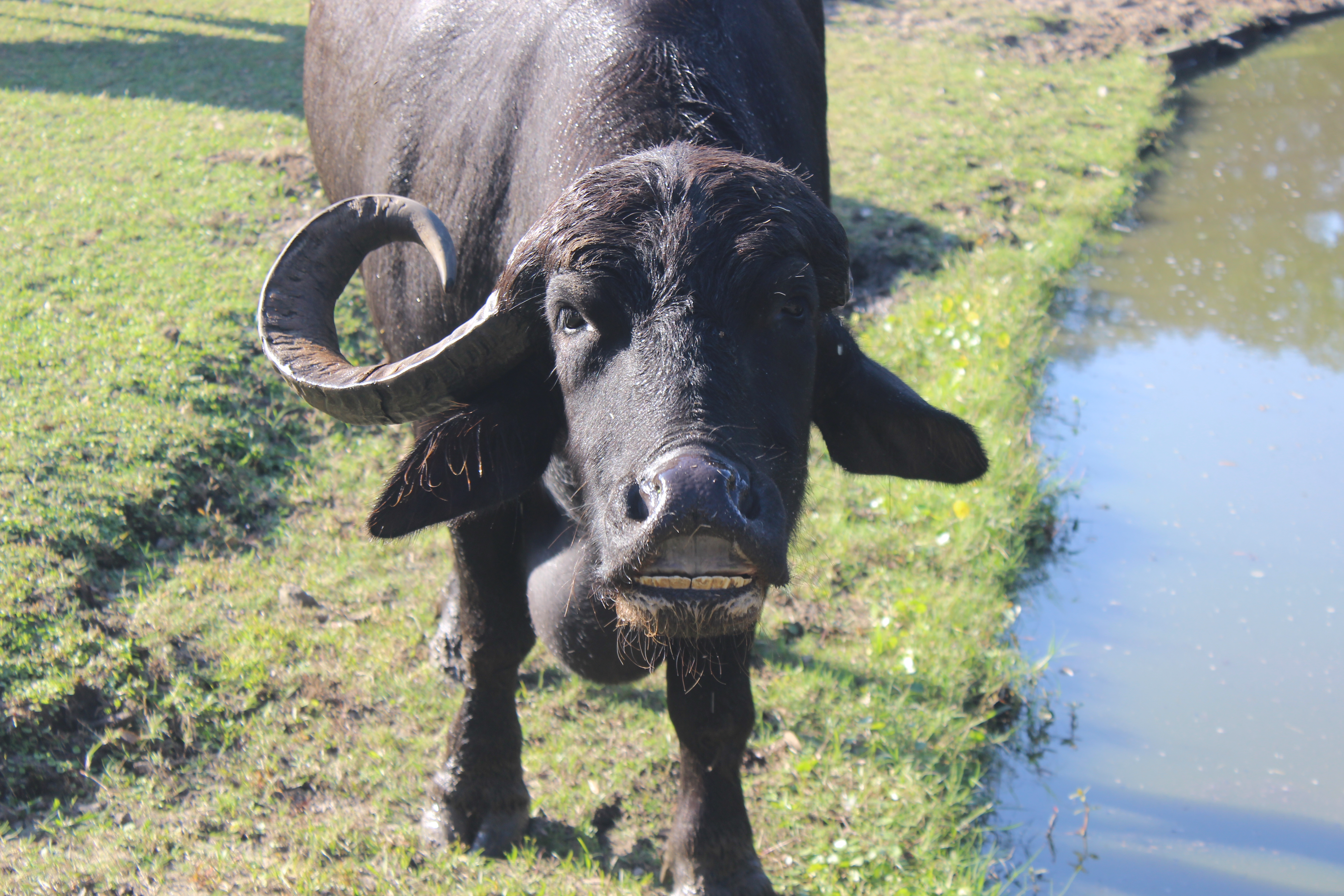
and a horse, of course.

Both beautiful and fascinating.
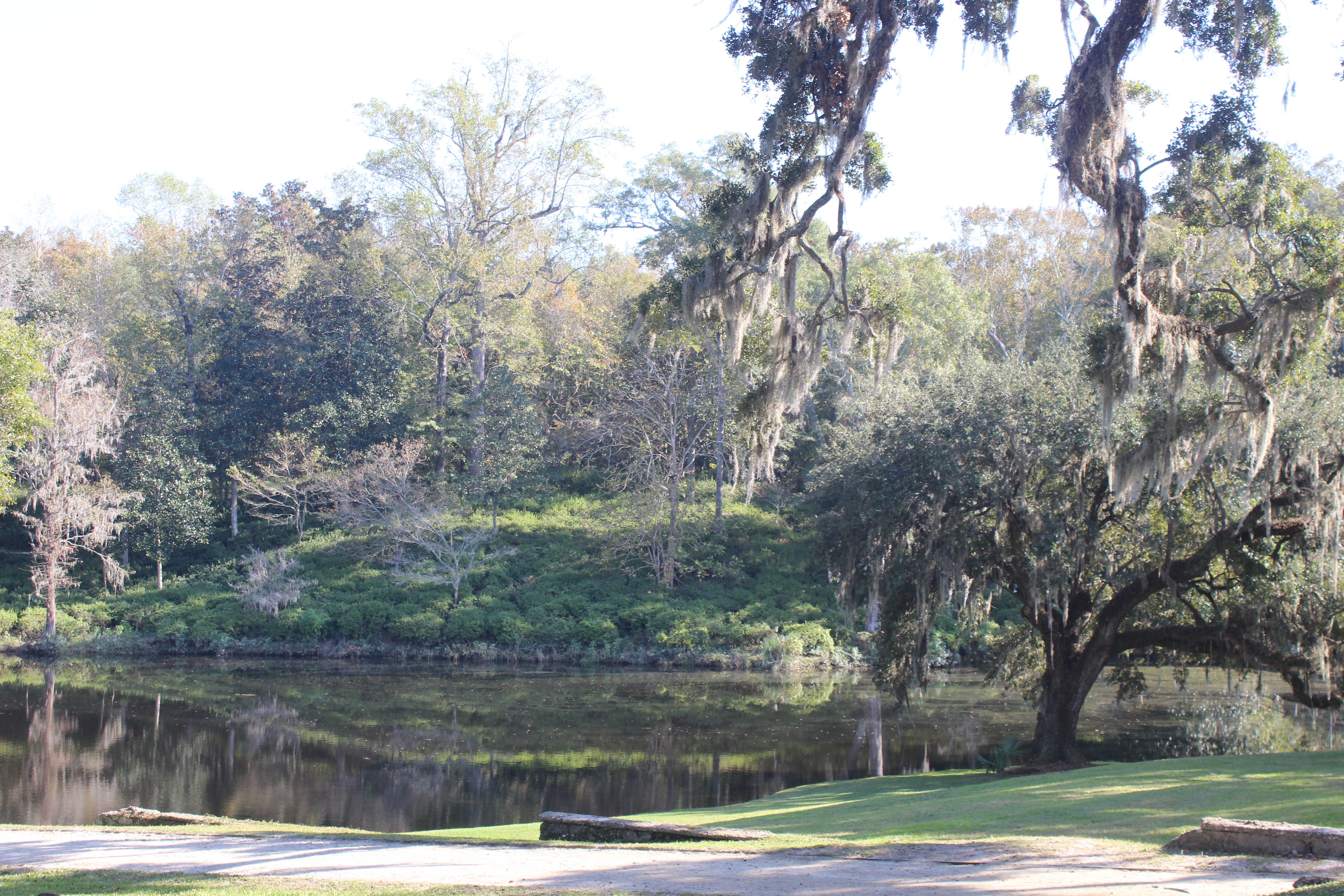
Middleton is marvelous.
FLOWER
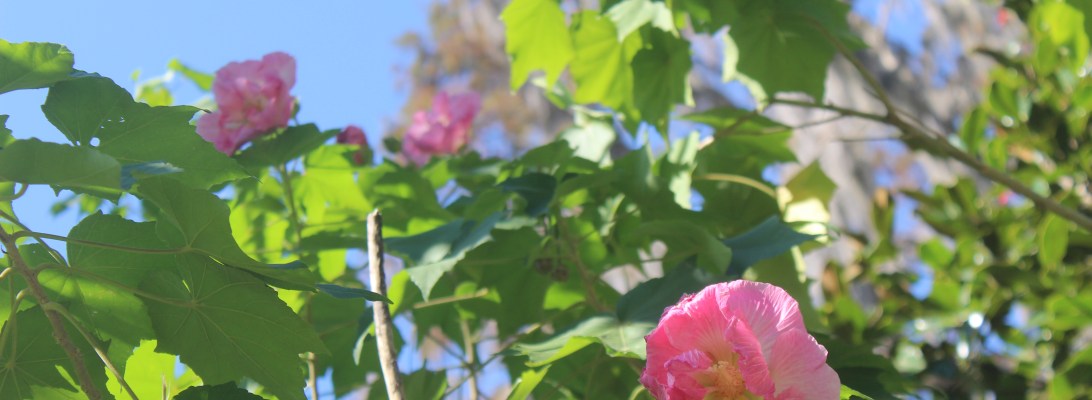
I found two treasures while touring Magnolia Plantation in Charleston, South Carolina.

The first is a hardy orange tree called Chinese Bitter Orange. Its scientific name is Poncirus trifoliata.
It has long, tough thorns.
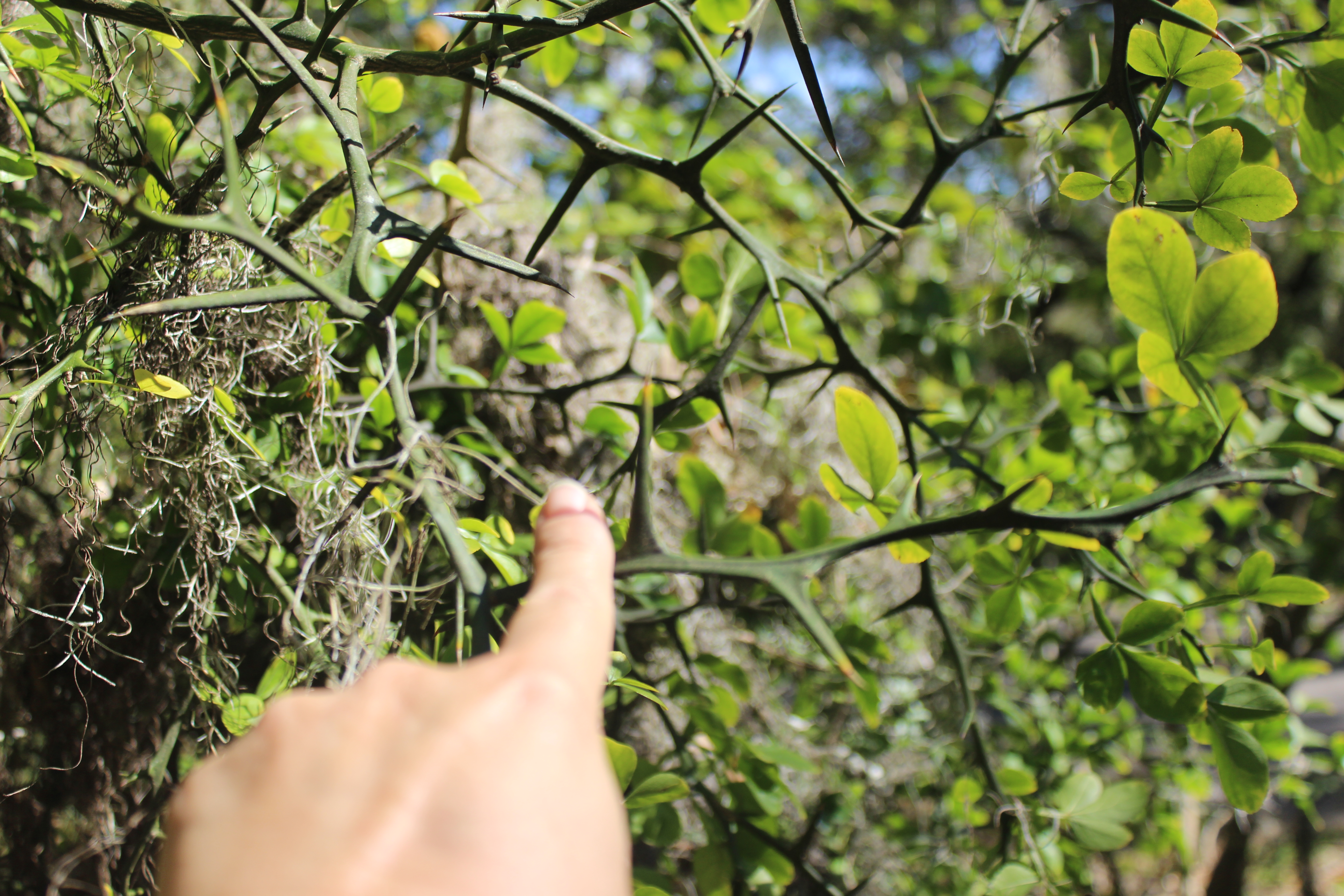
The fruit is not edible alone, but may be used in marmalade or condiments.

The second is called Confederate Rose. It is a tree hibiscus also called Giant Rose Mallow.

Its scientific name is Hibiscus mutabilis.
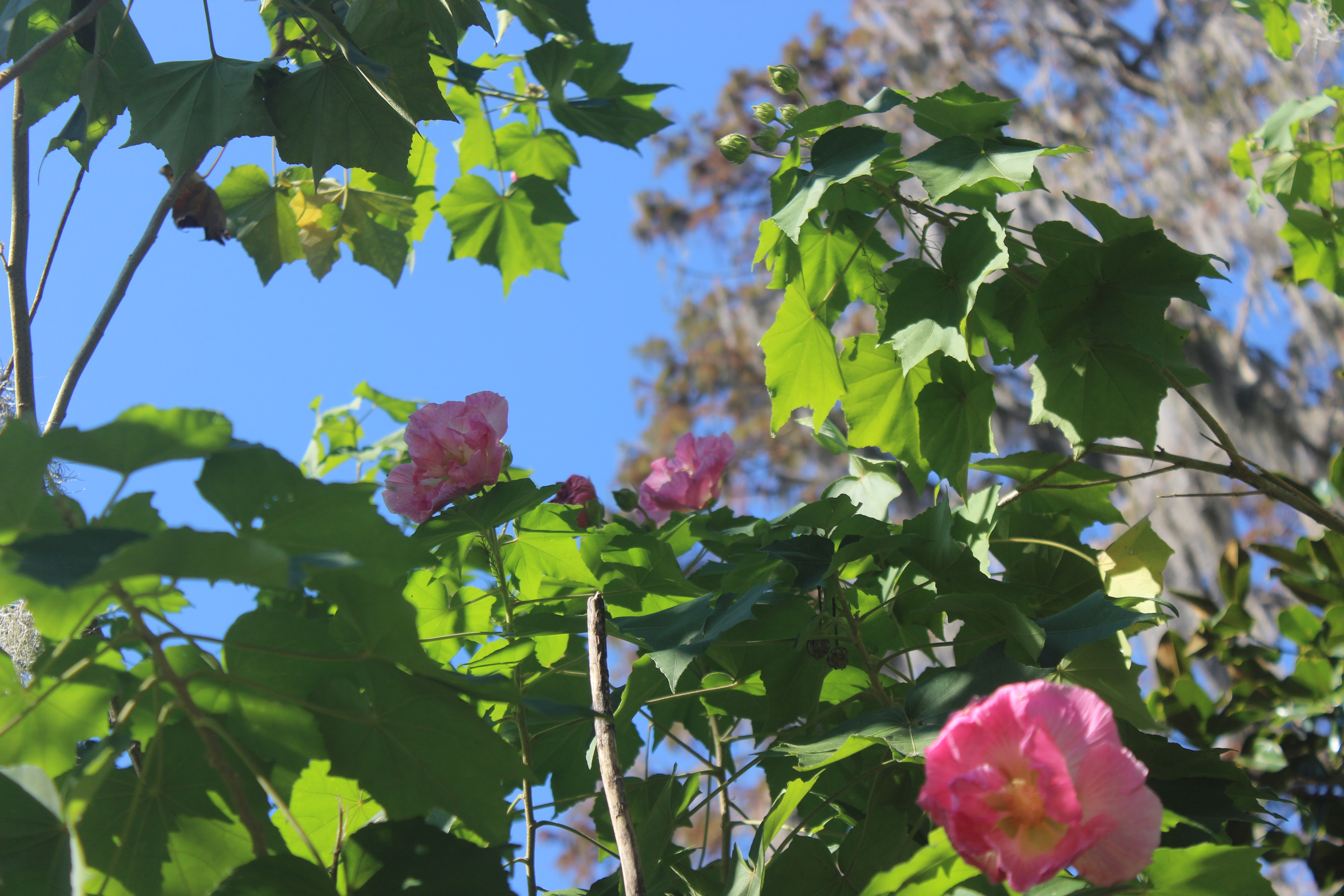
There were thousands of plants on this lovely plantation.
These two were my favorites.
FLOWER
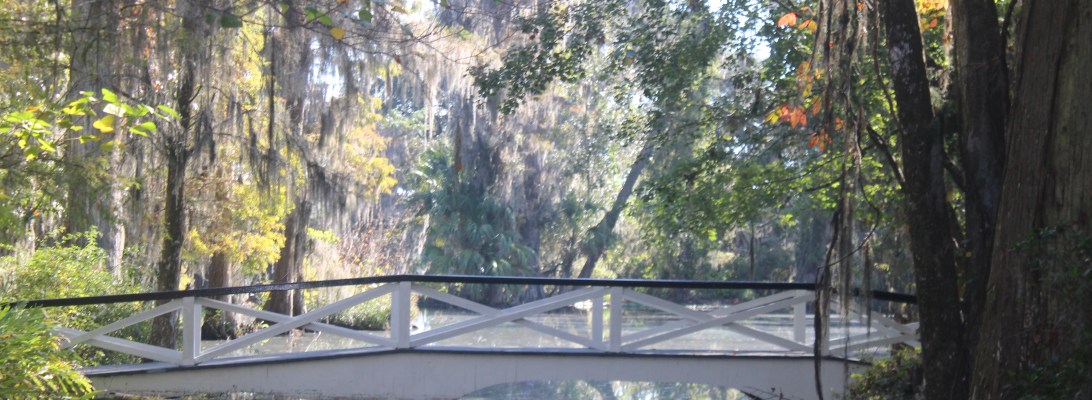
It was my great joy to attend a wedding at this lovely setting over the weekend.
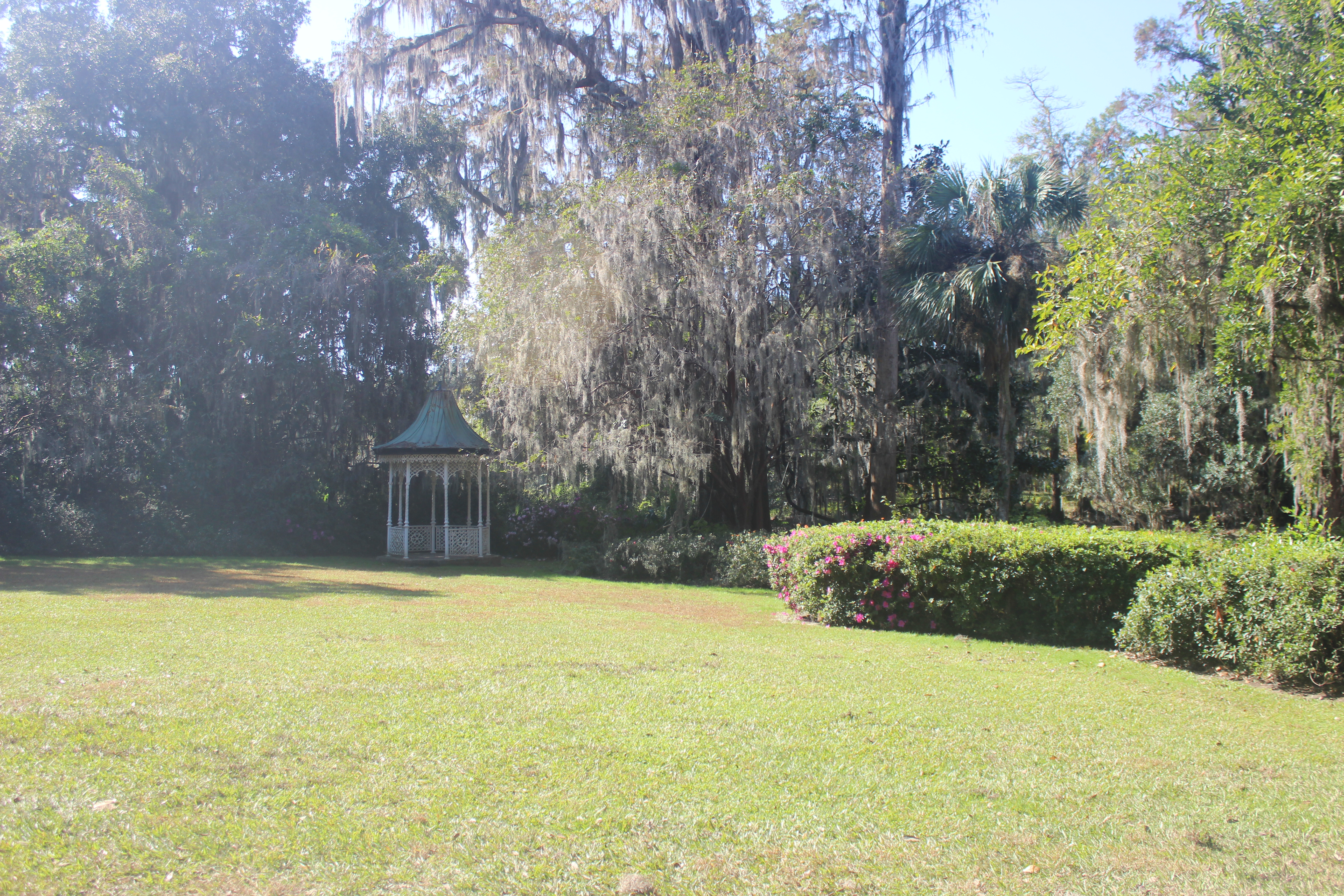
Magnolia Plantation has belonged to the Drayton family since 1676.
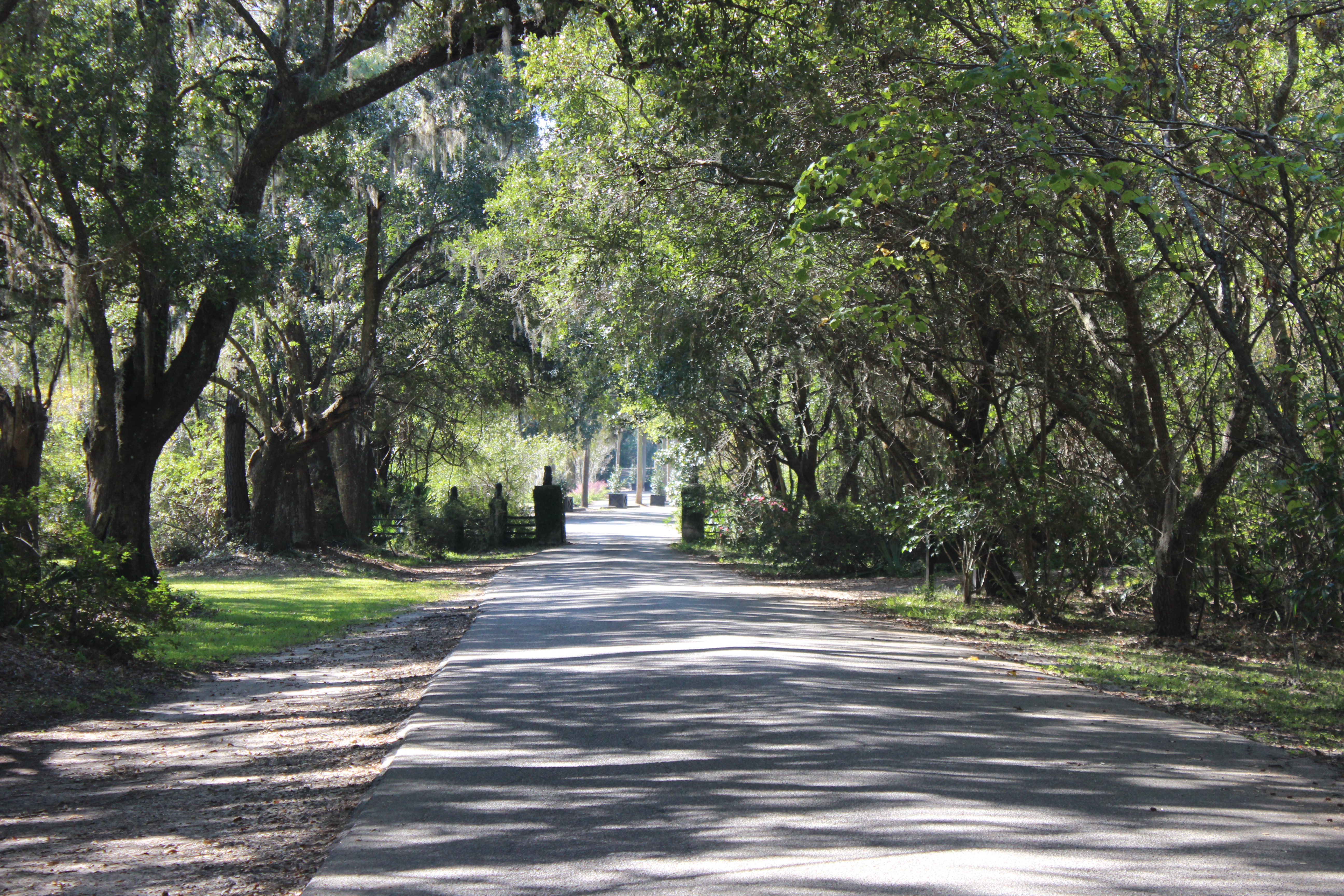
It is located near the city of Charleston, South Carolina along the Ashley River.
The house has a lovely wrap-around porch for entertaining and viewing the property.
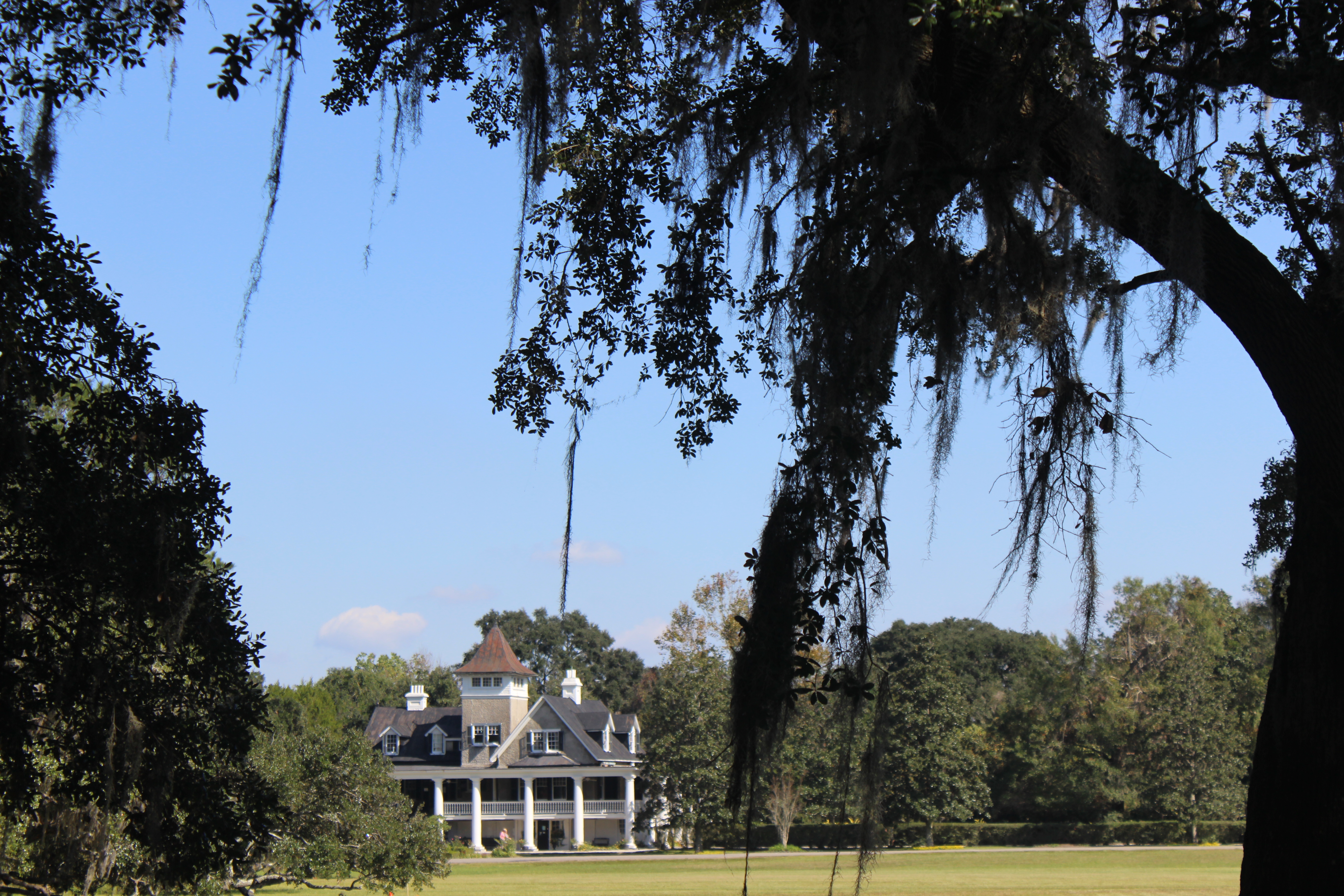
The house walls are covered with a stucco-like composite called pebbledash.
This is a combination of phosphate, lime and river mud. It has a rough texture due to shells and pebbles in the mix.

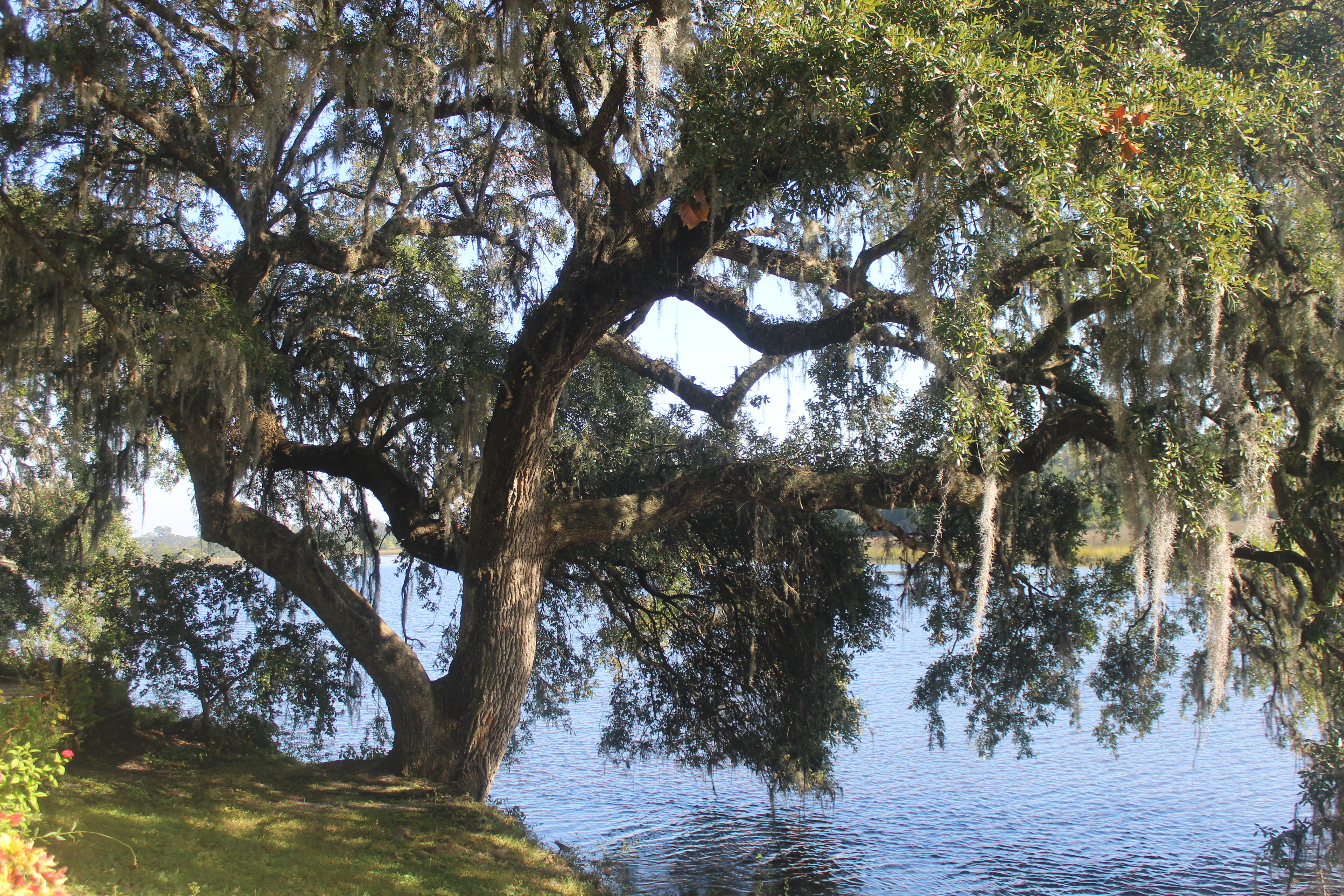
The Bald Cypress trees hung with Spanish moss surround various sizes of ponds and seemed to make little dams with their knees.
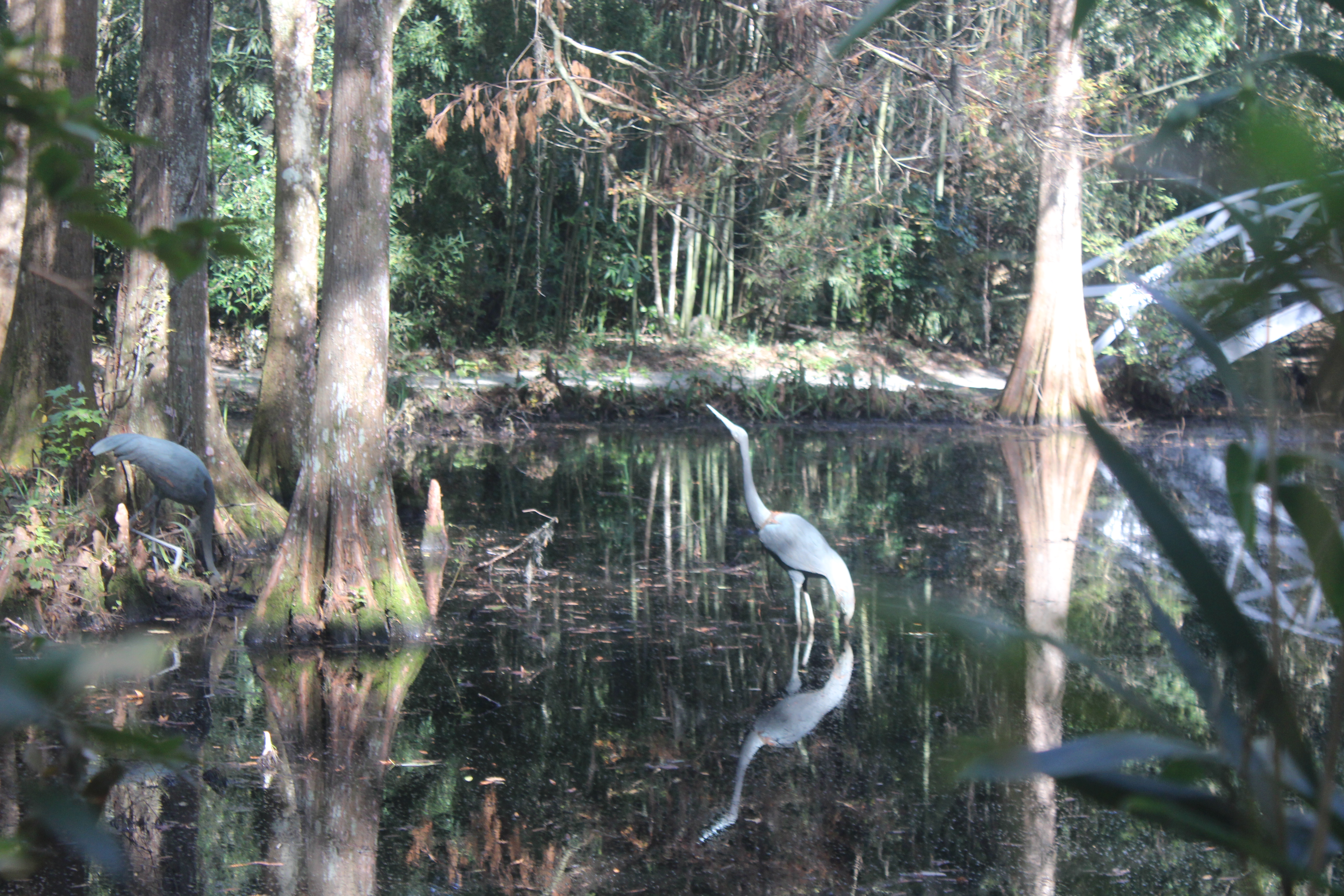
Several lovely bridges allow you pause and peer into the waters.
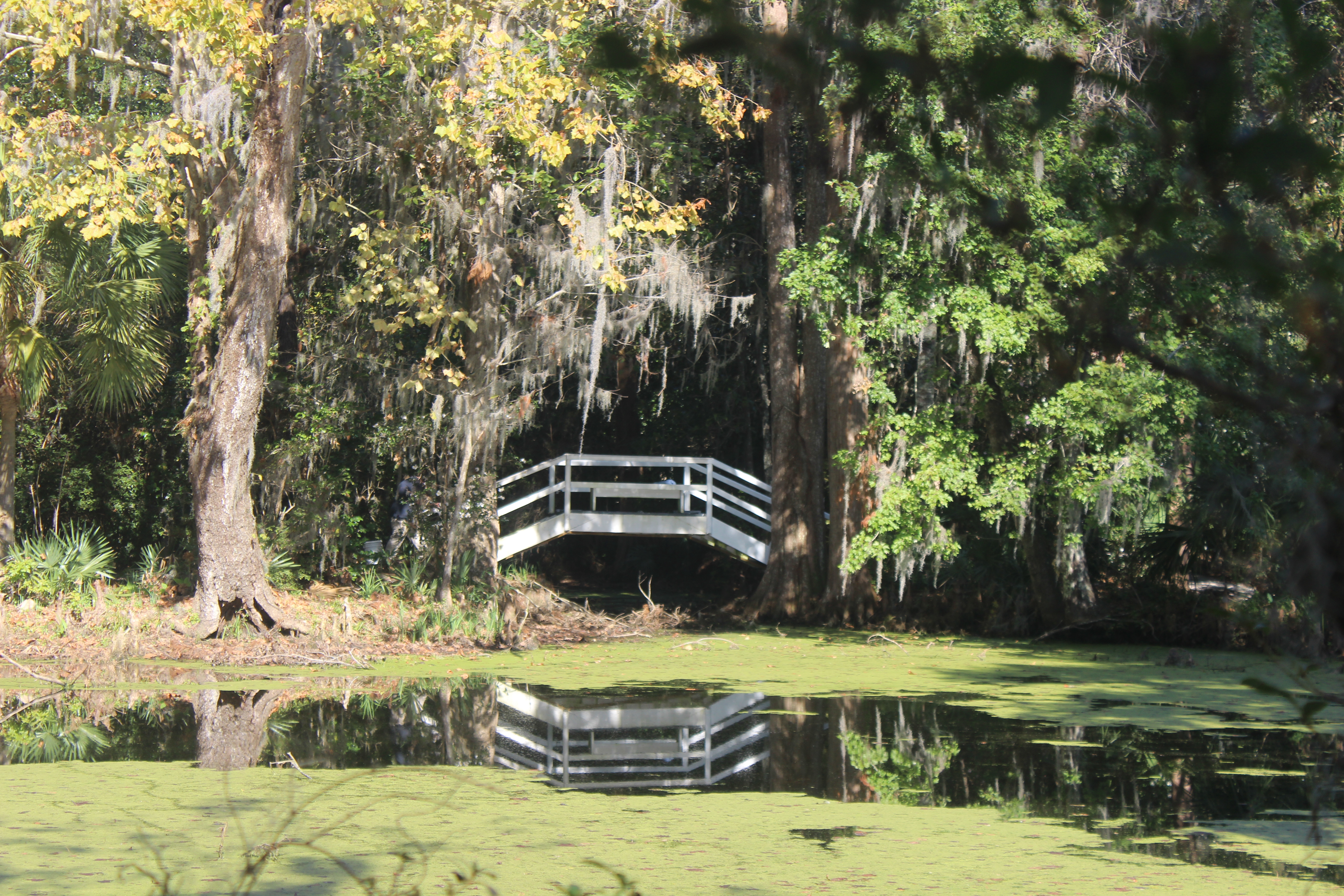
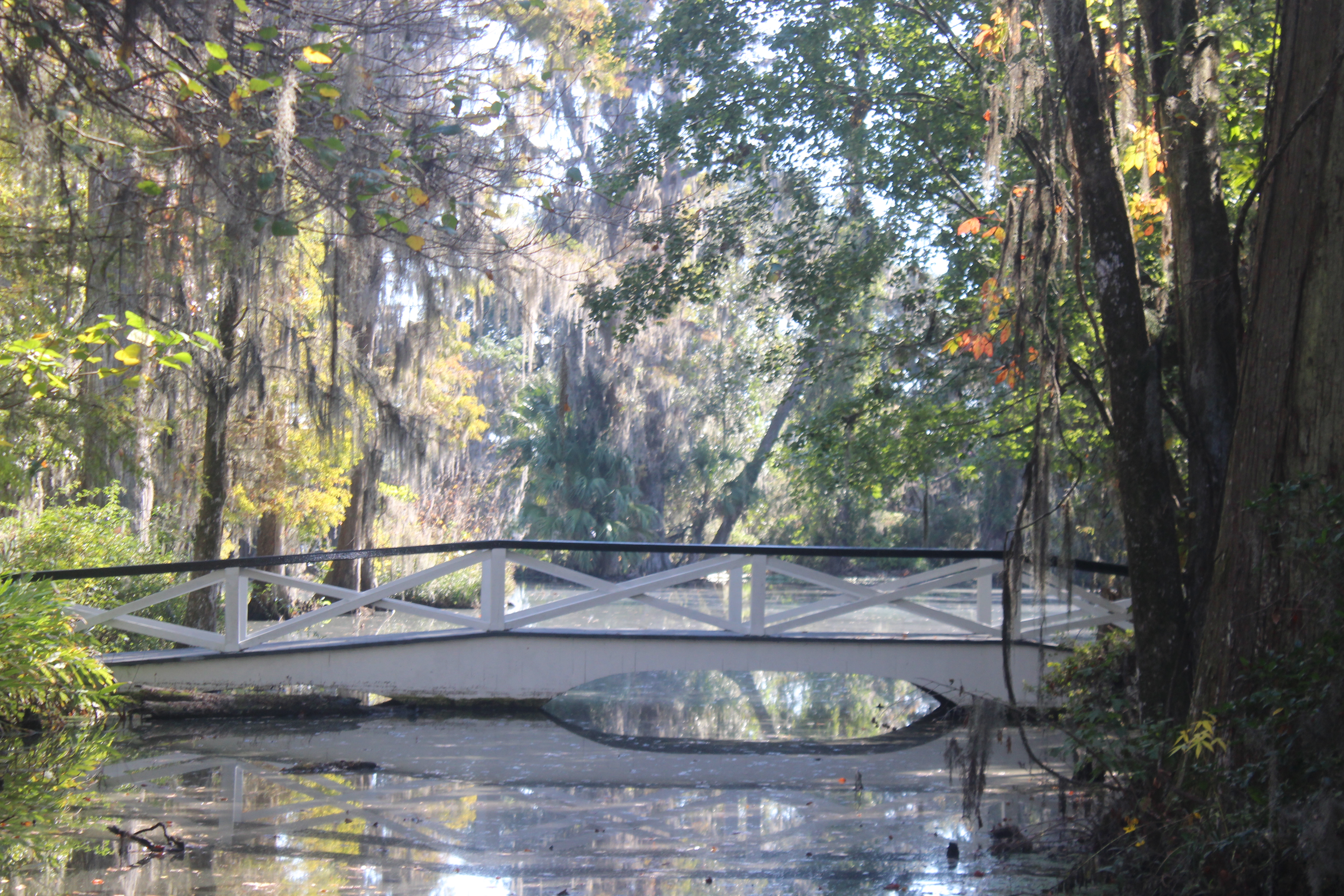
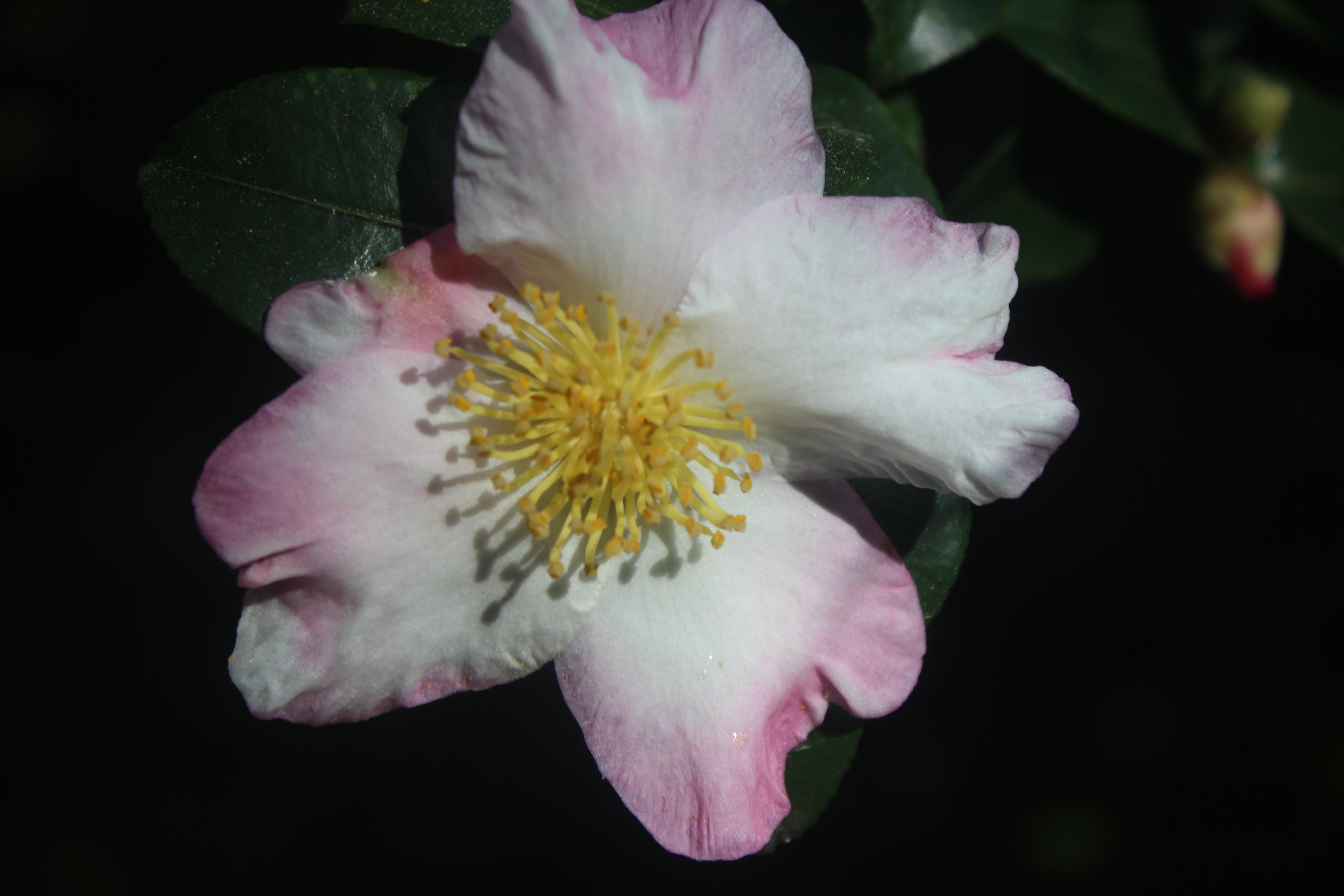
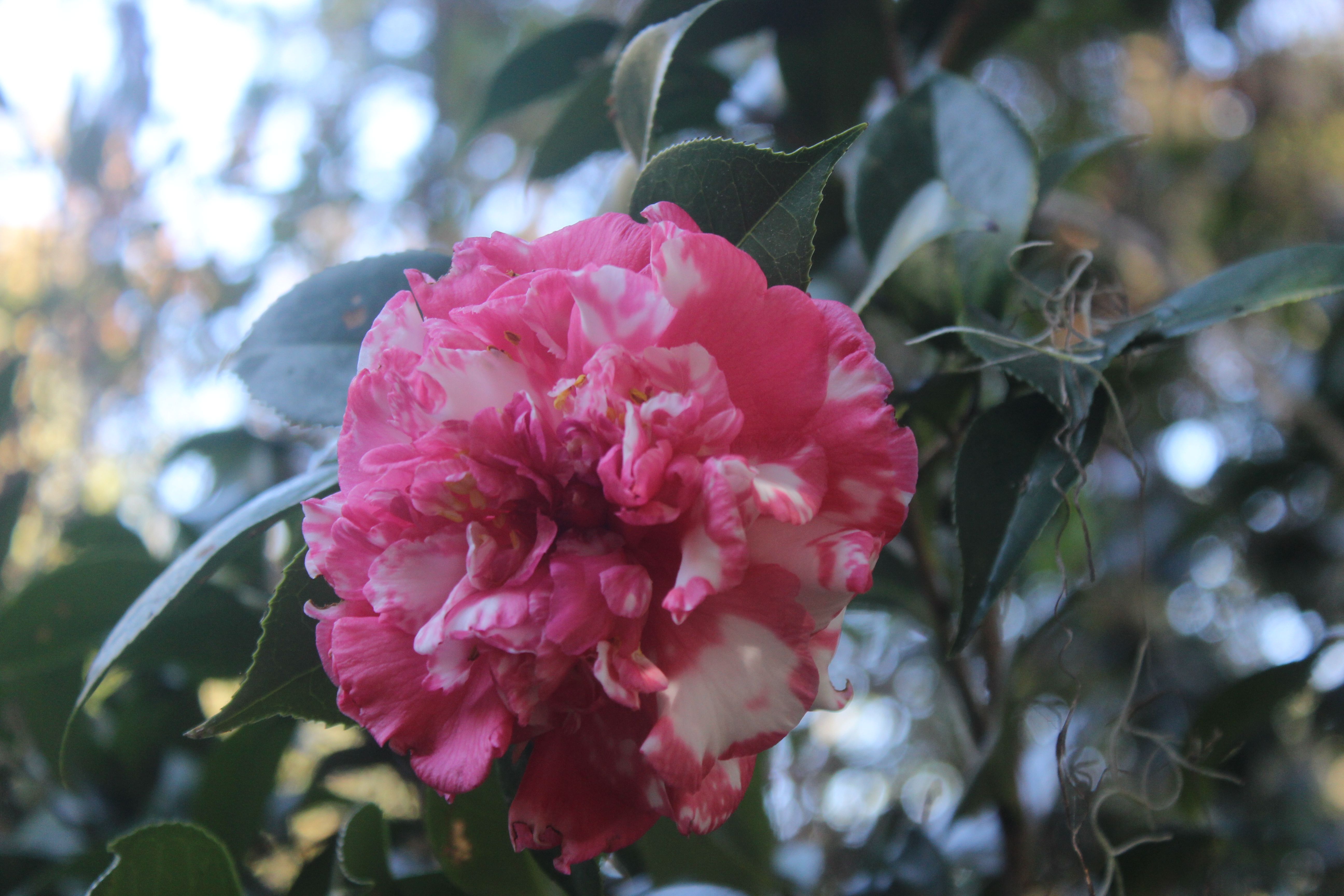
There are many camellias and azaleas on the grounds.
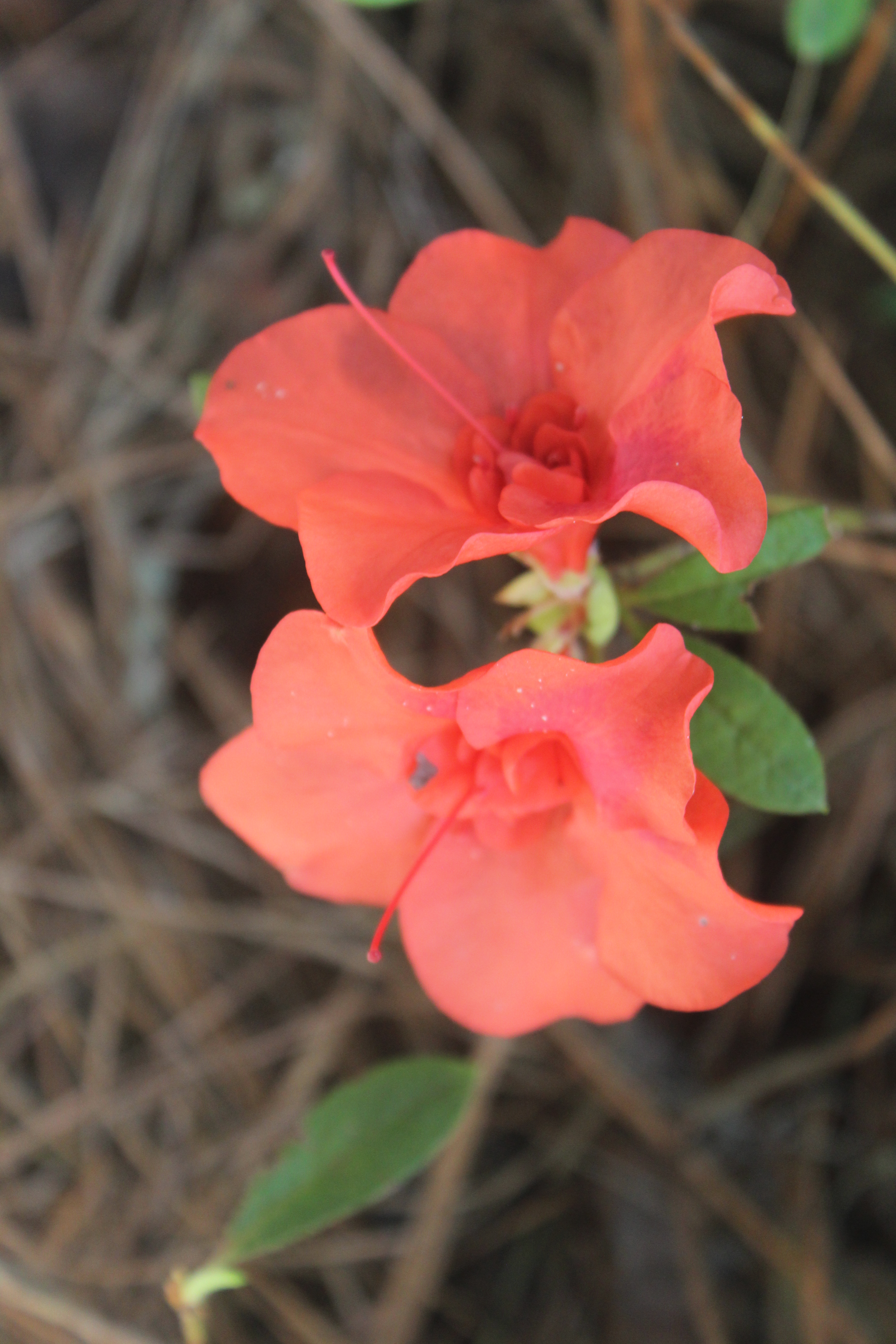
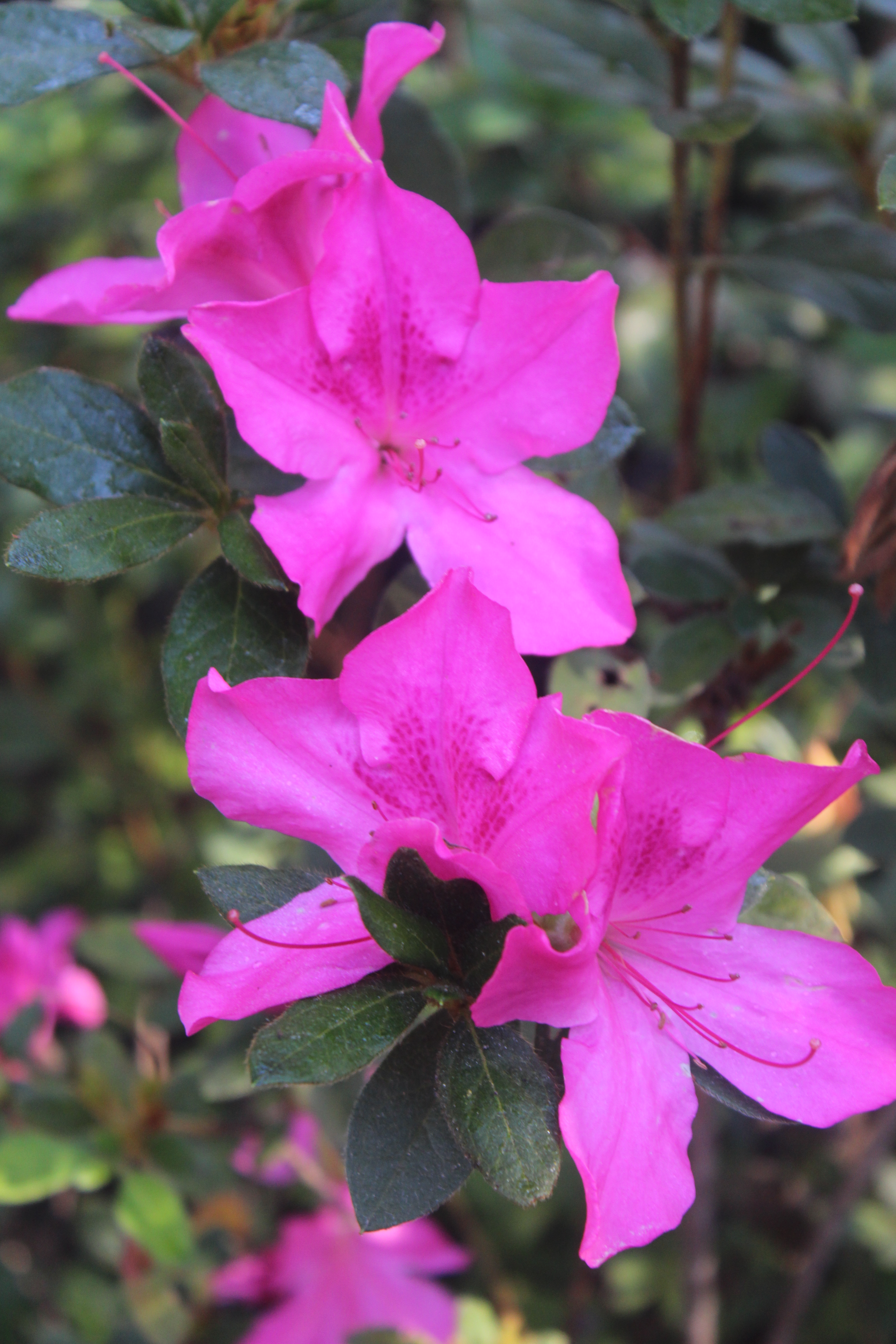
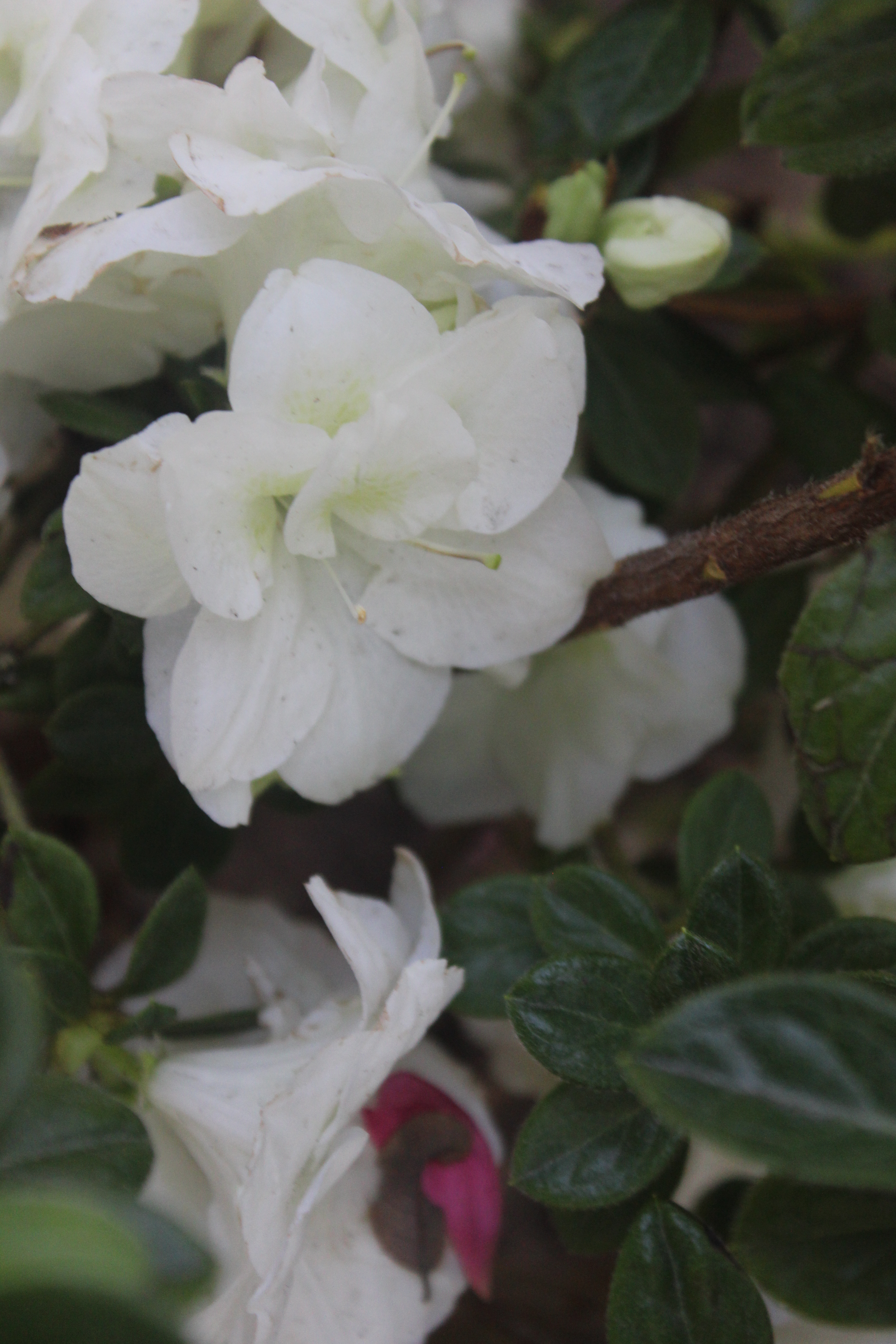
I will share two unusual plants from Magnolia Plantation in my next post.
Stay tuned.
FLOWER
 floweralley