
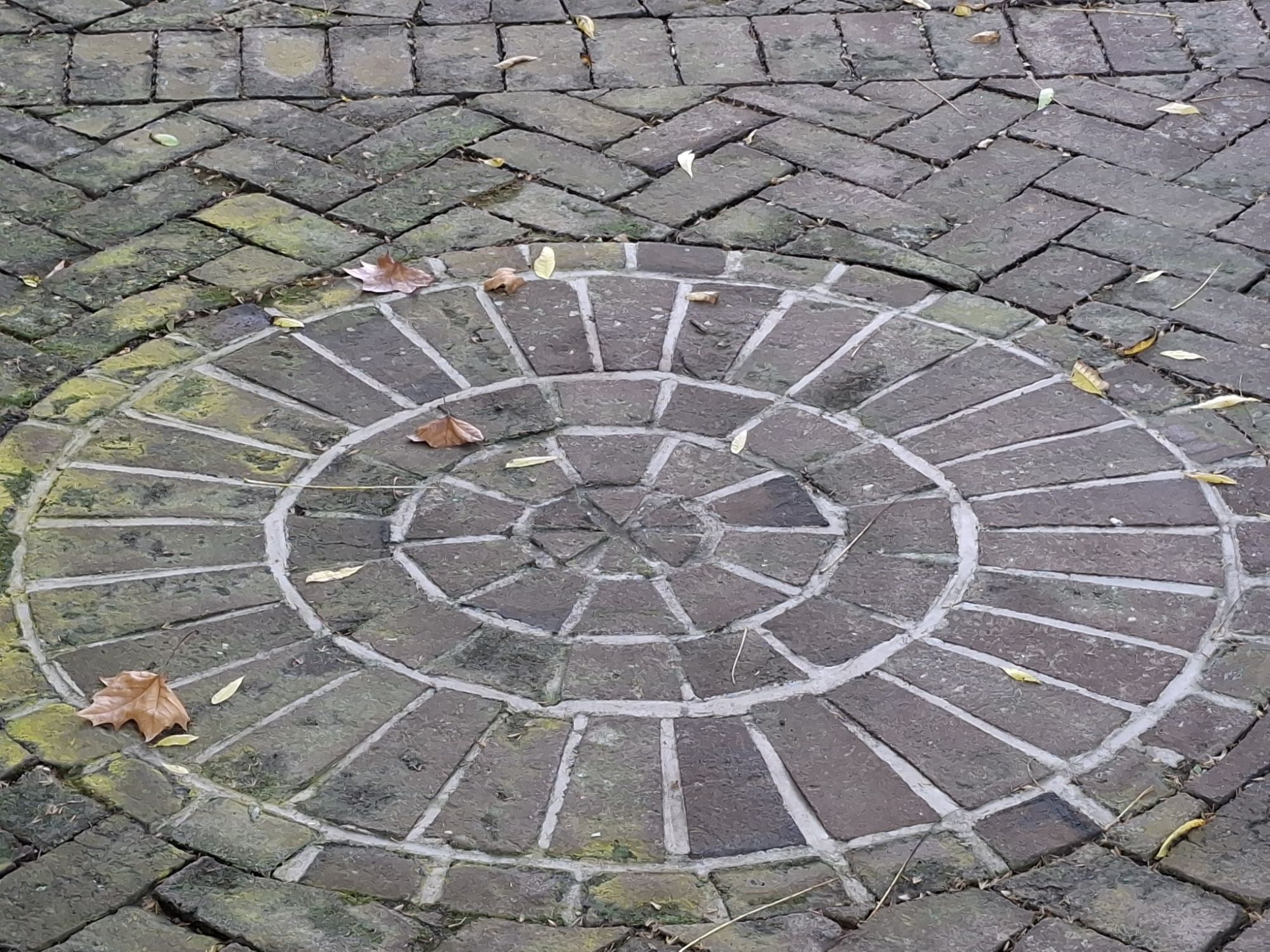
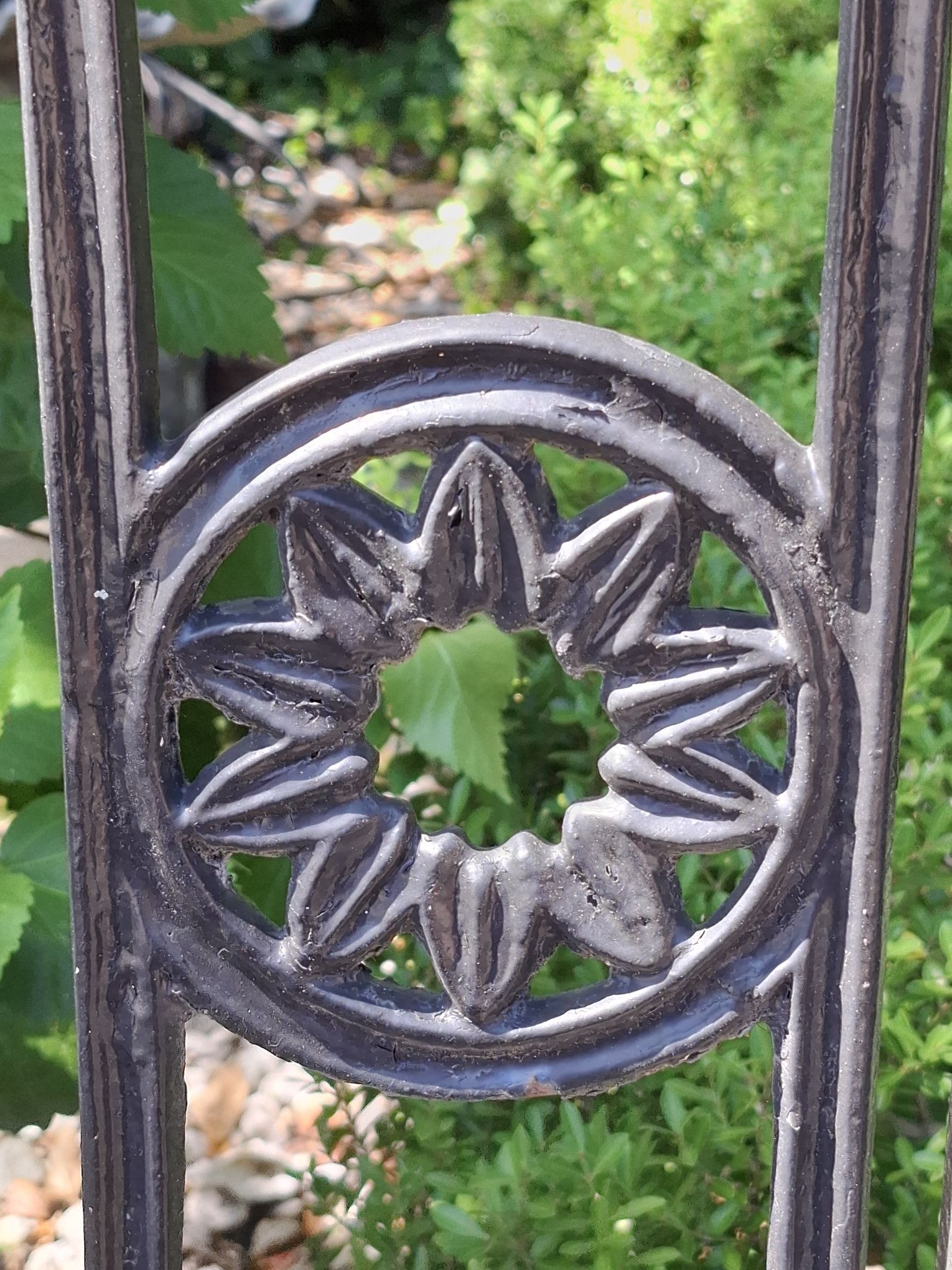
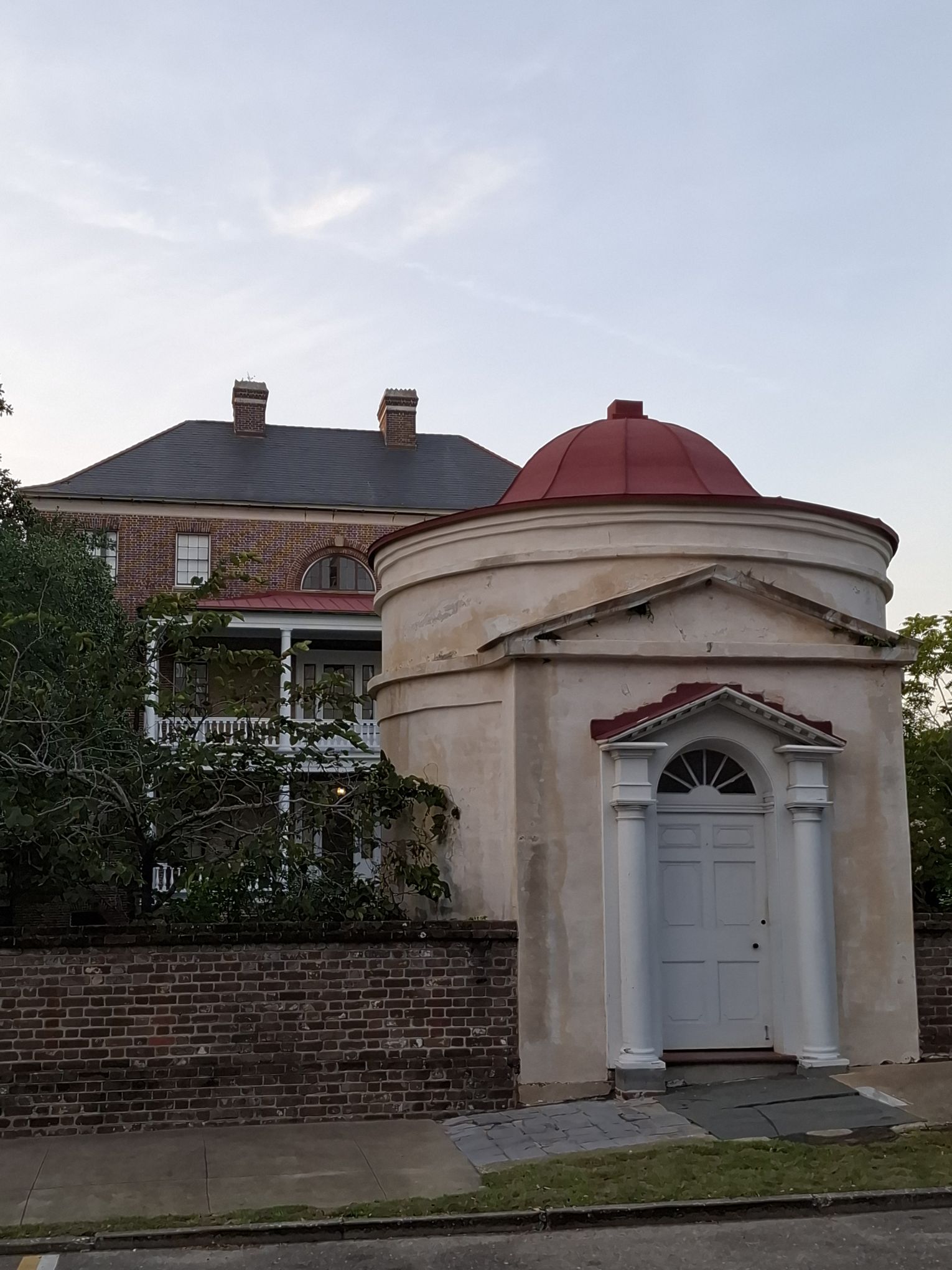
I get around.
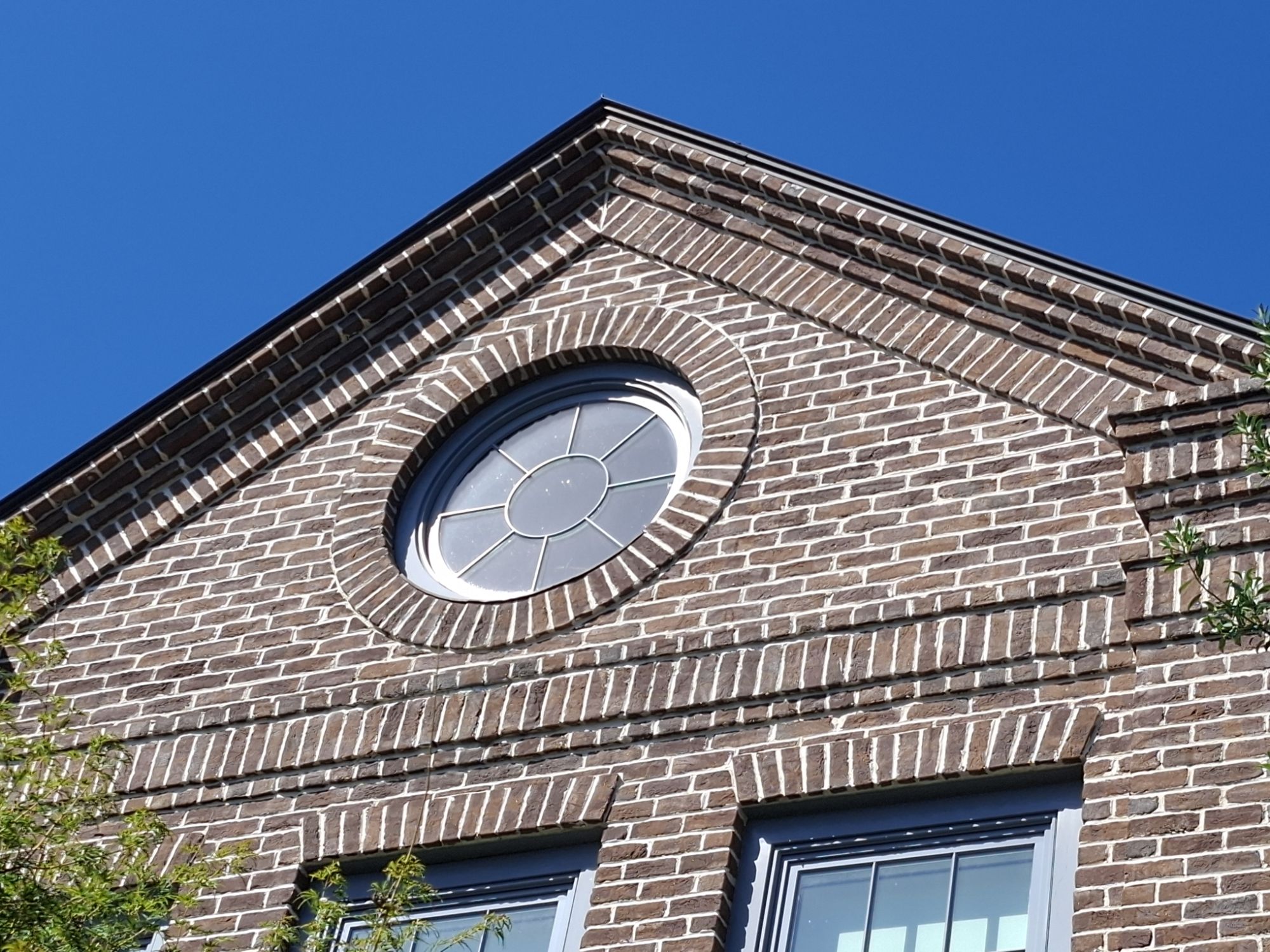
I love wandering around a round town.
FLOW
I get around.
I love wandering around a round town.
FLOW
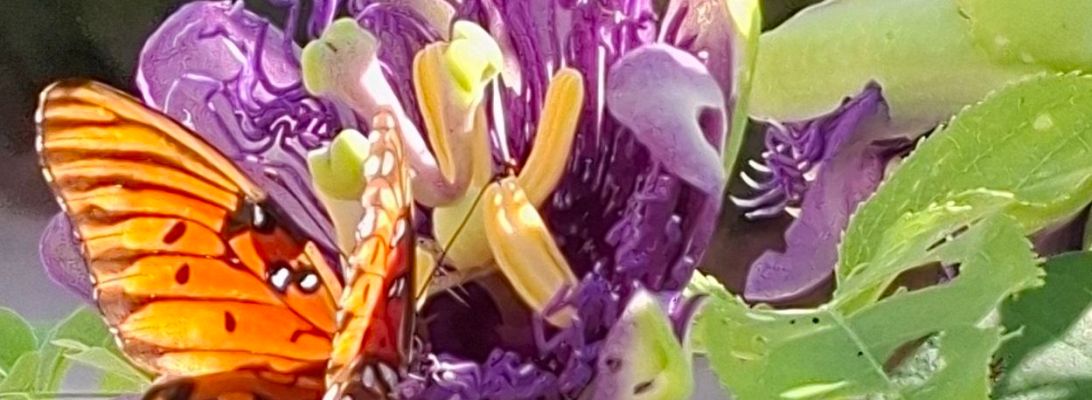
This was one of my favorite finds of the whole trip to Charleston. These two intertwined vines are covering two separate trellises in the gardens of the Manigault House.
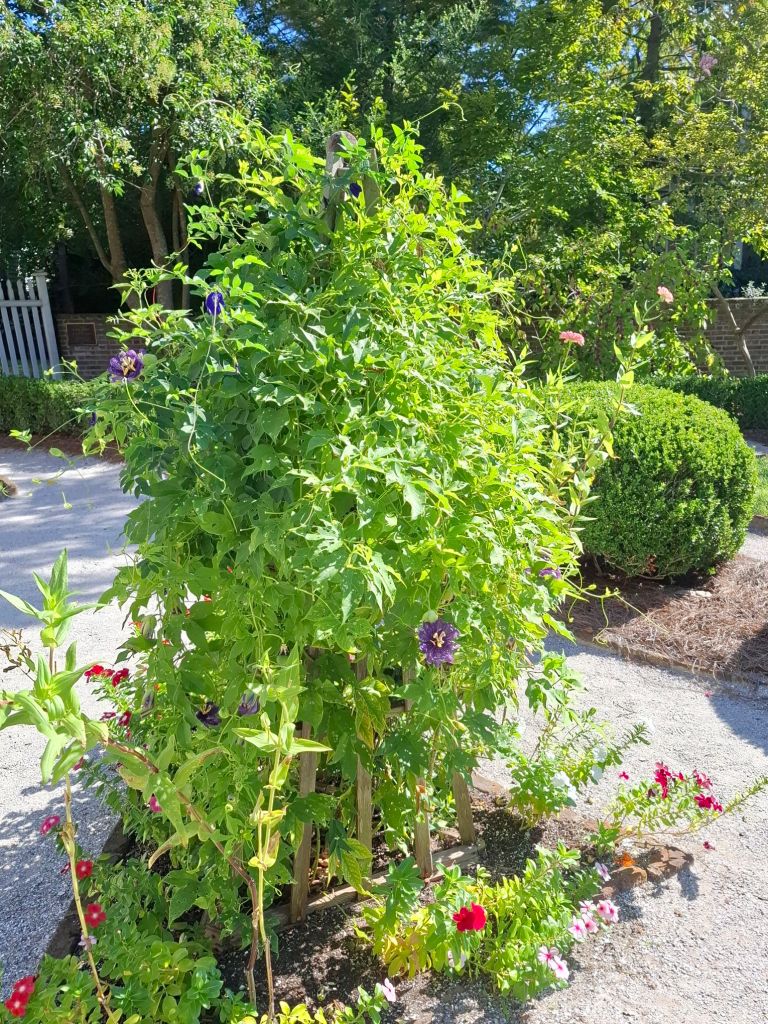
Passiflora vines and Butterfly Pea/ Bluebell vines/Clitoria ternatea vines covering sidewalk sentinel trellises near the gatehouse.
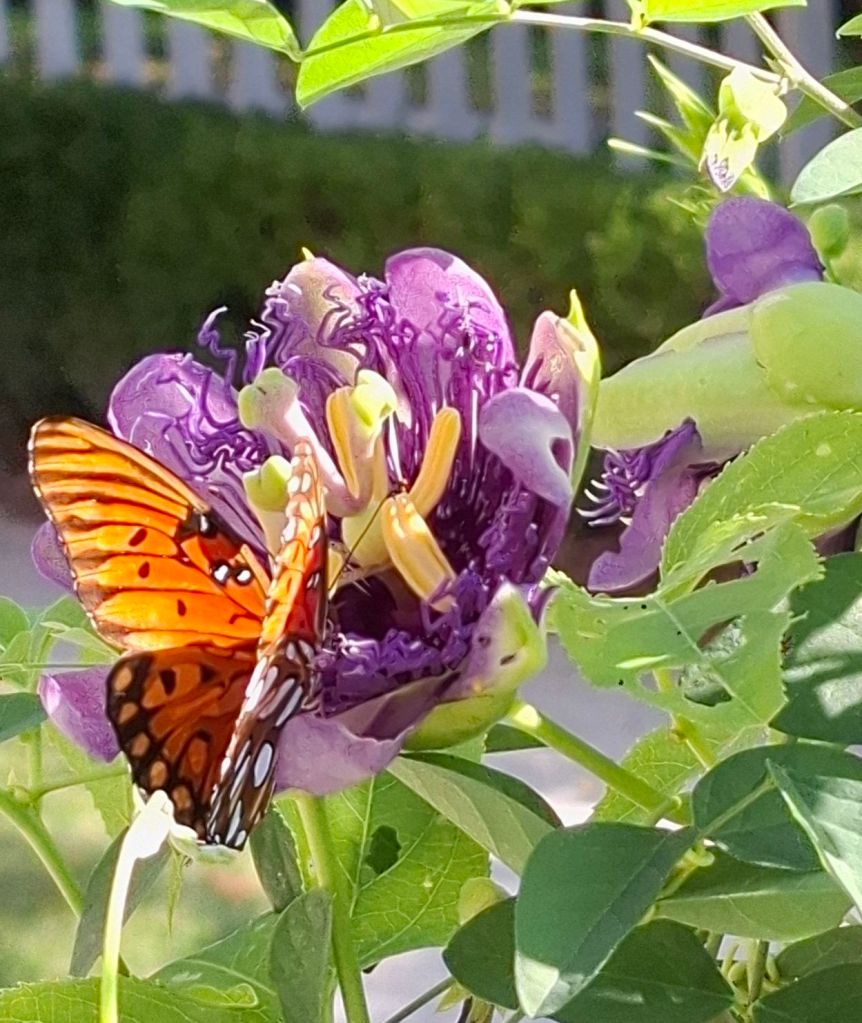
Not only are the blooming vines bursting with Fritillary butterflies. They are also crawling with caterpillars of all sizes.
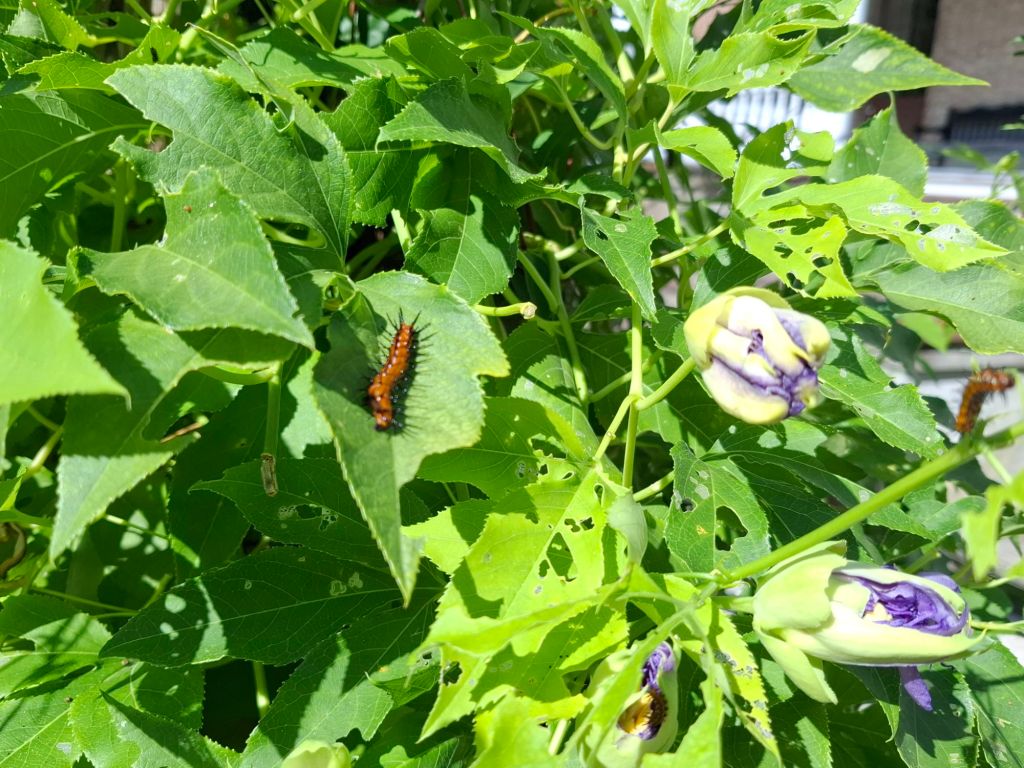
One is even forming a chrysalis. It was hanging beside a peapod of a similar shape.
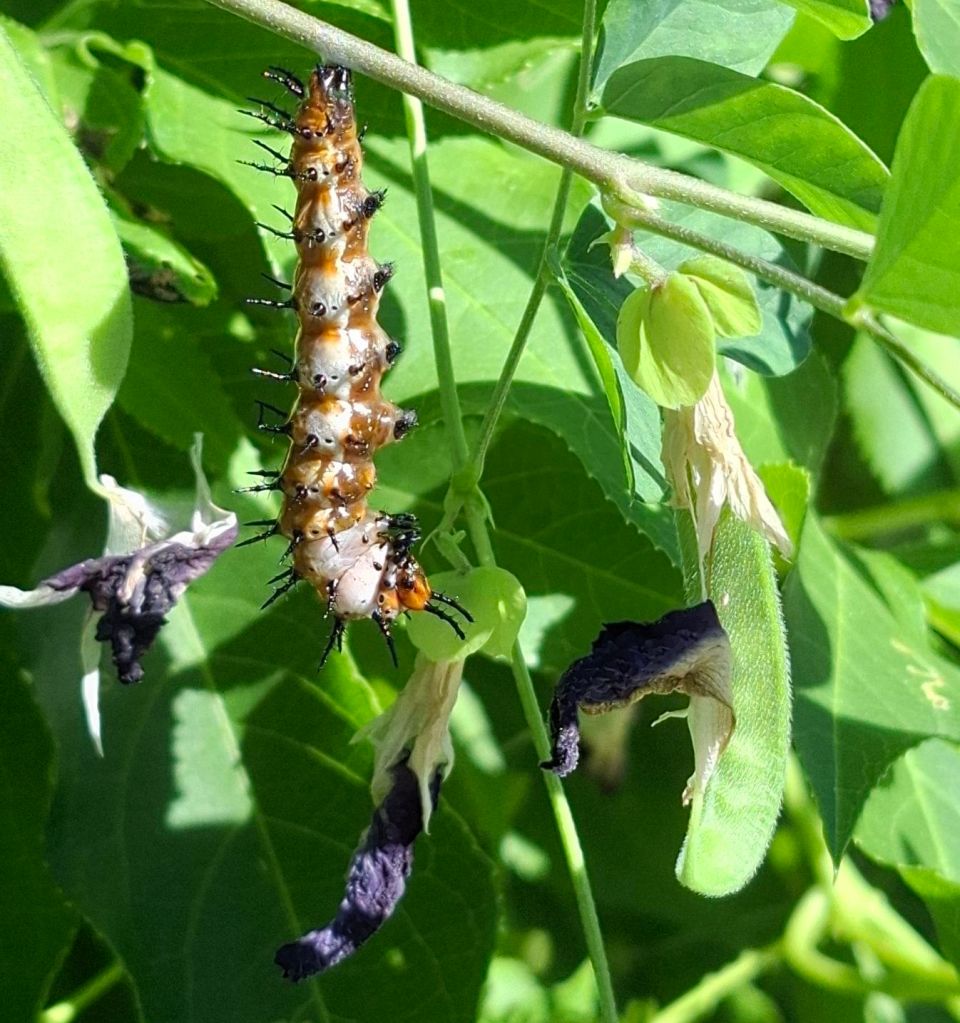
The passion flowers are a deep purple and the pea blooms are deep blue. My camera did not do them justice.
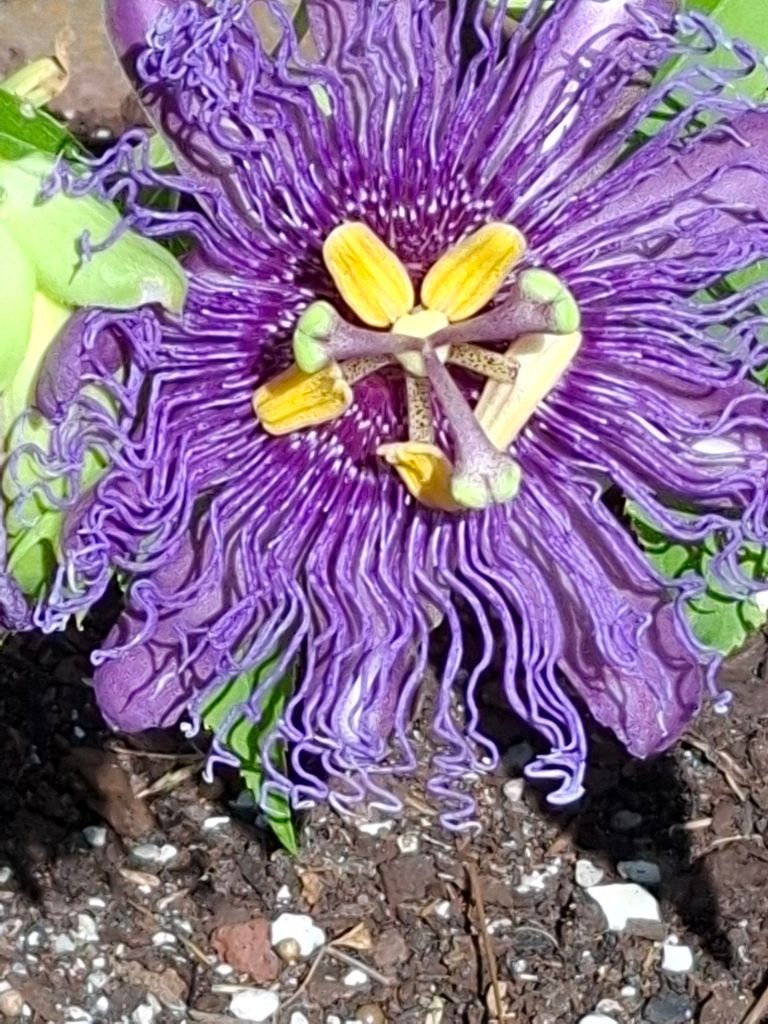
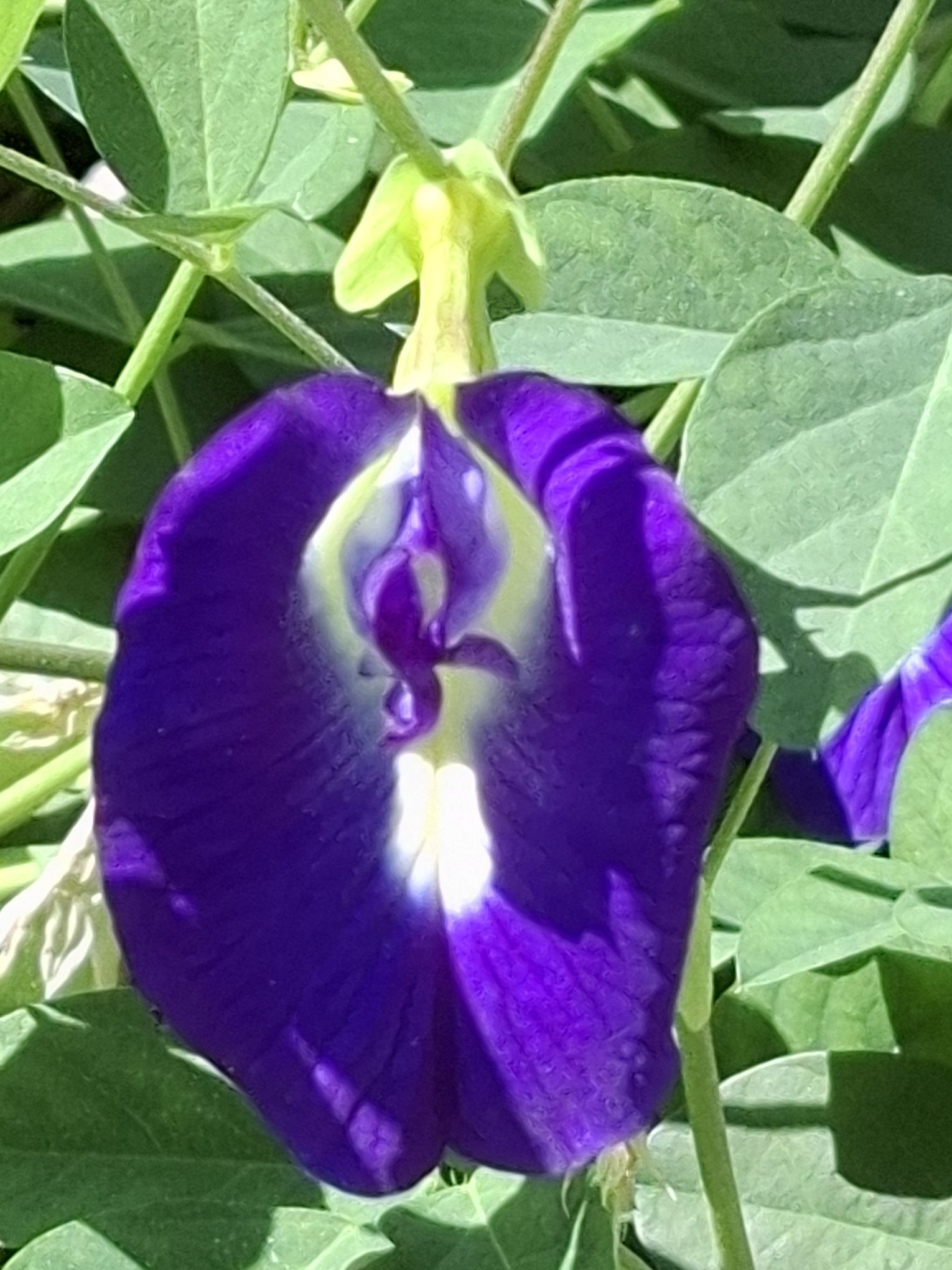
I just had to pause a while to watch all the fluttering and crawling on these Passions and Peas.
FLOWER
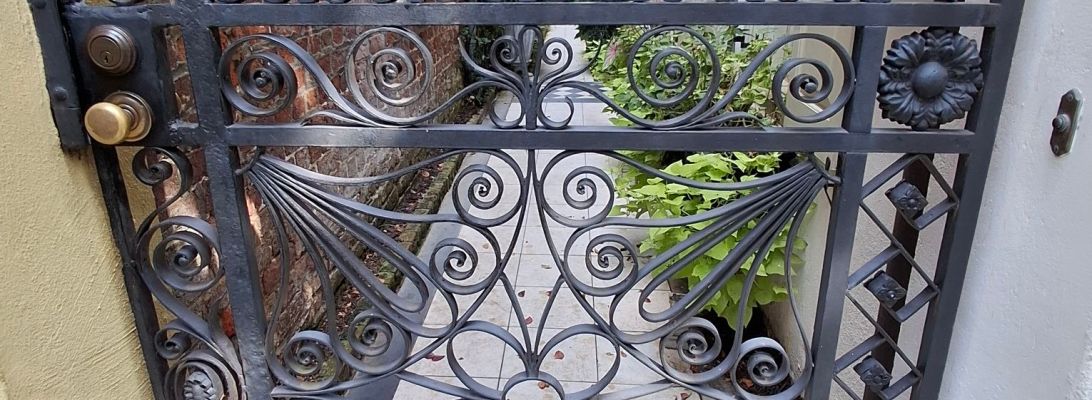
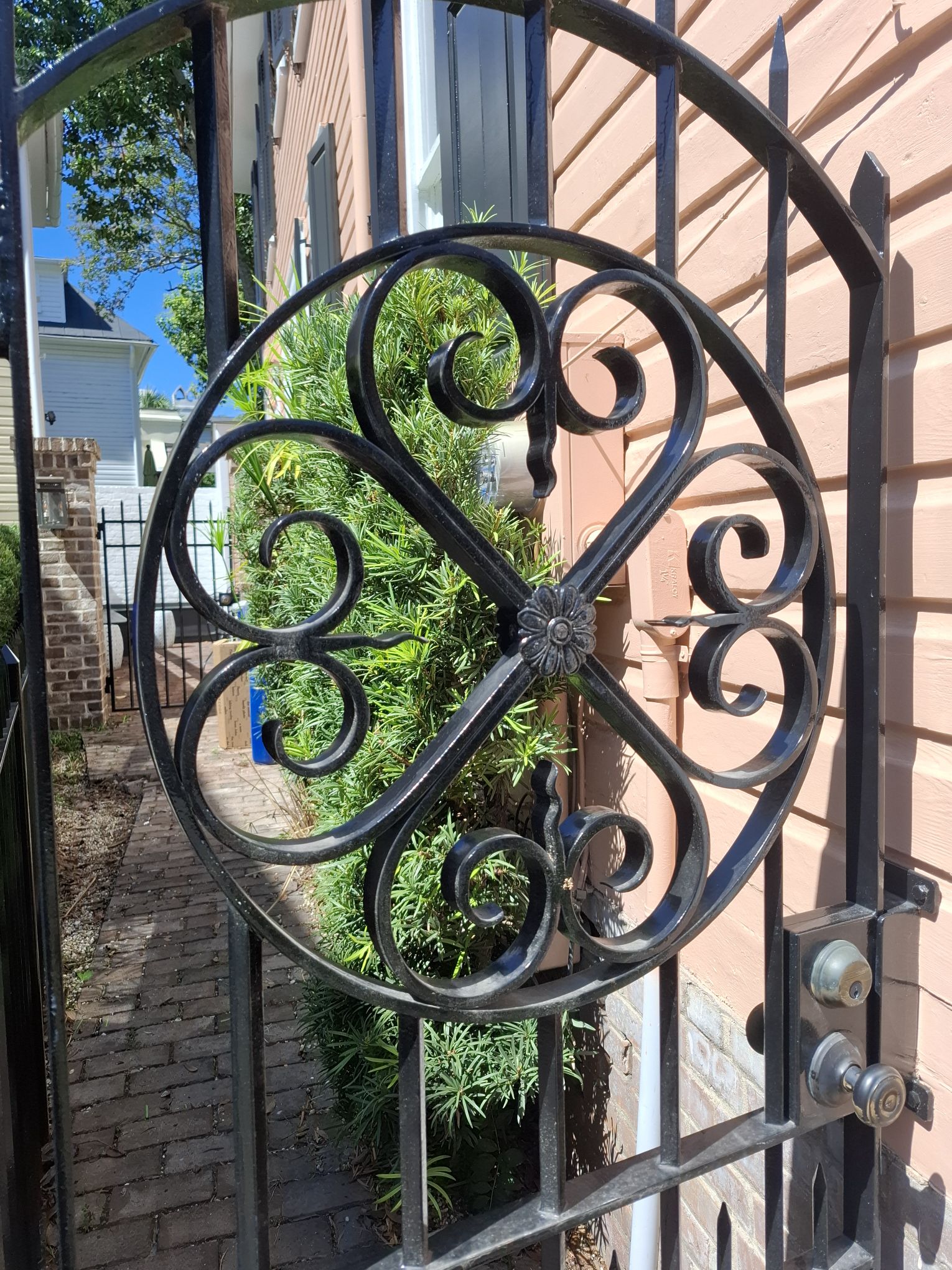
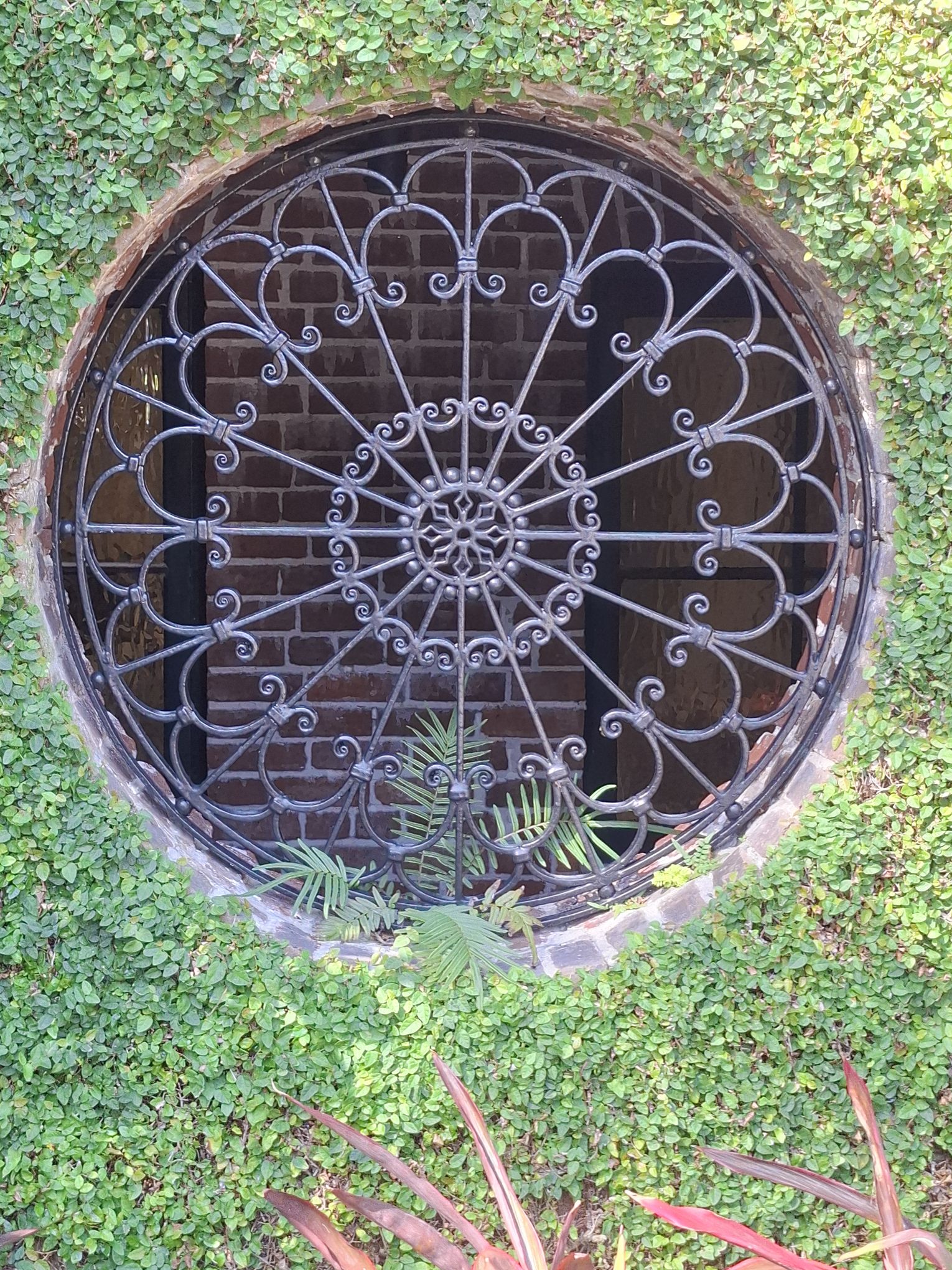
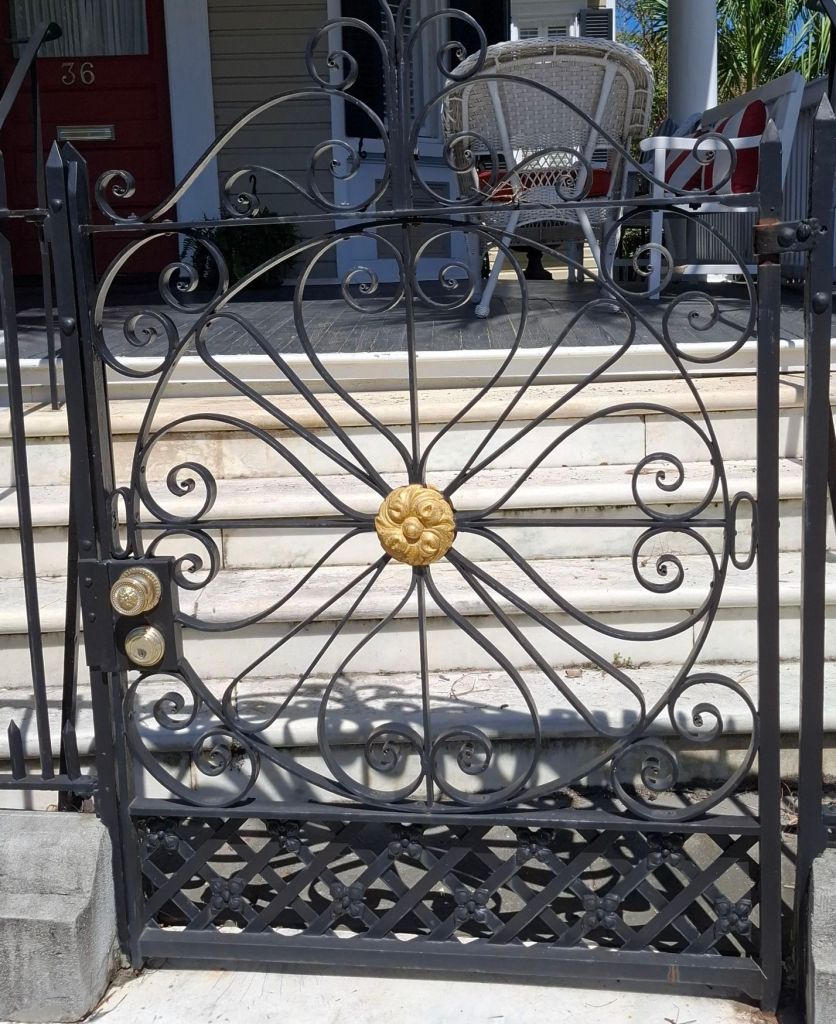
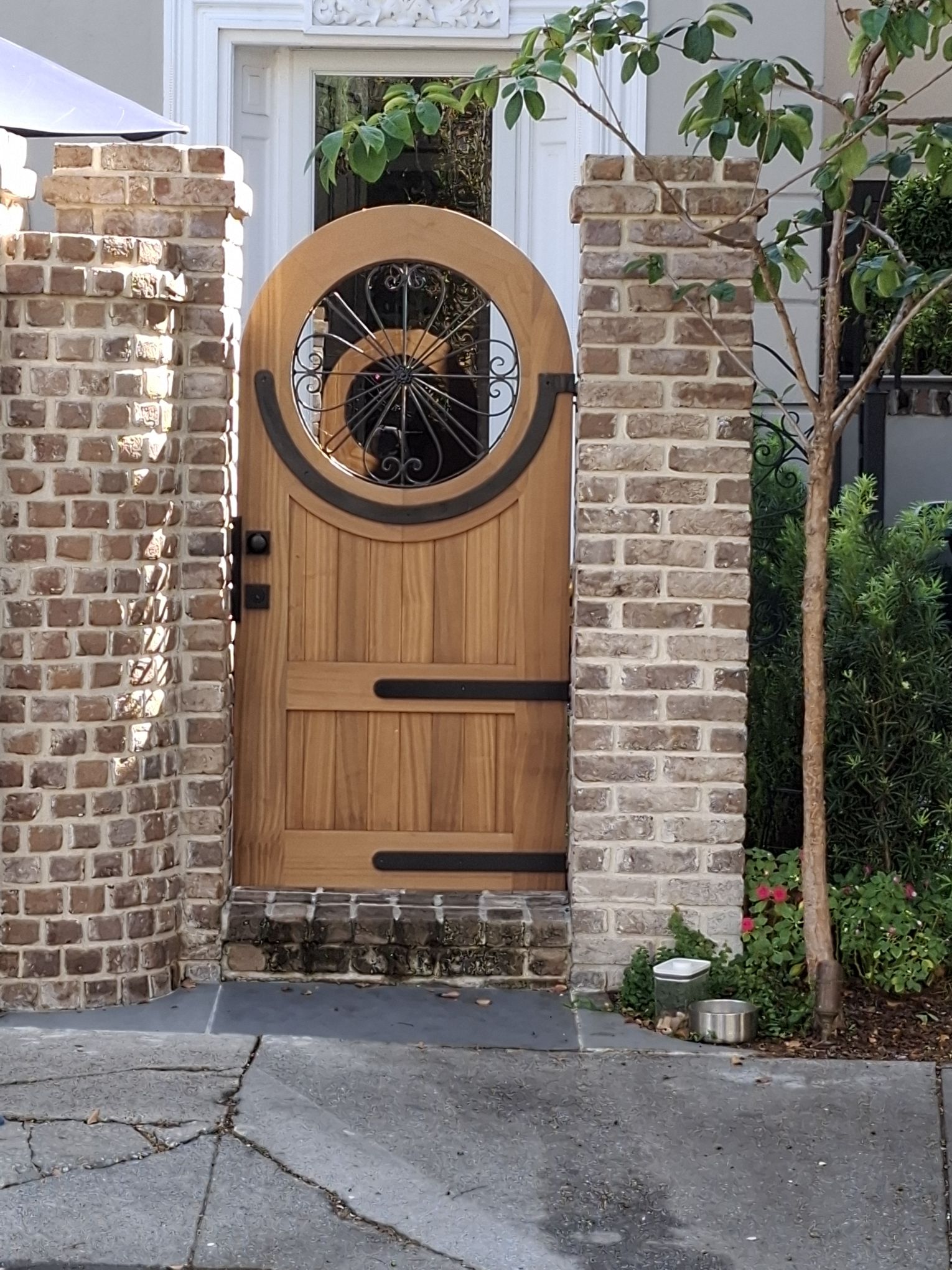
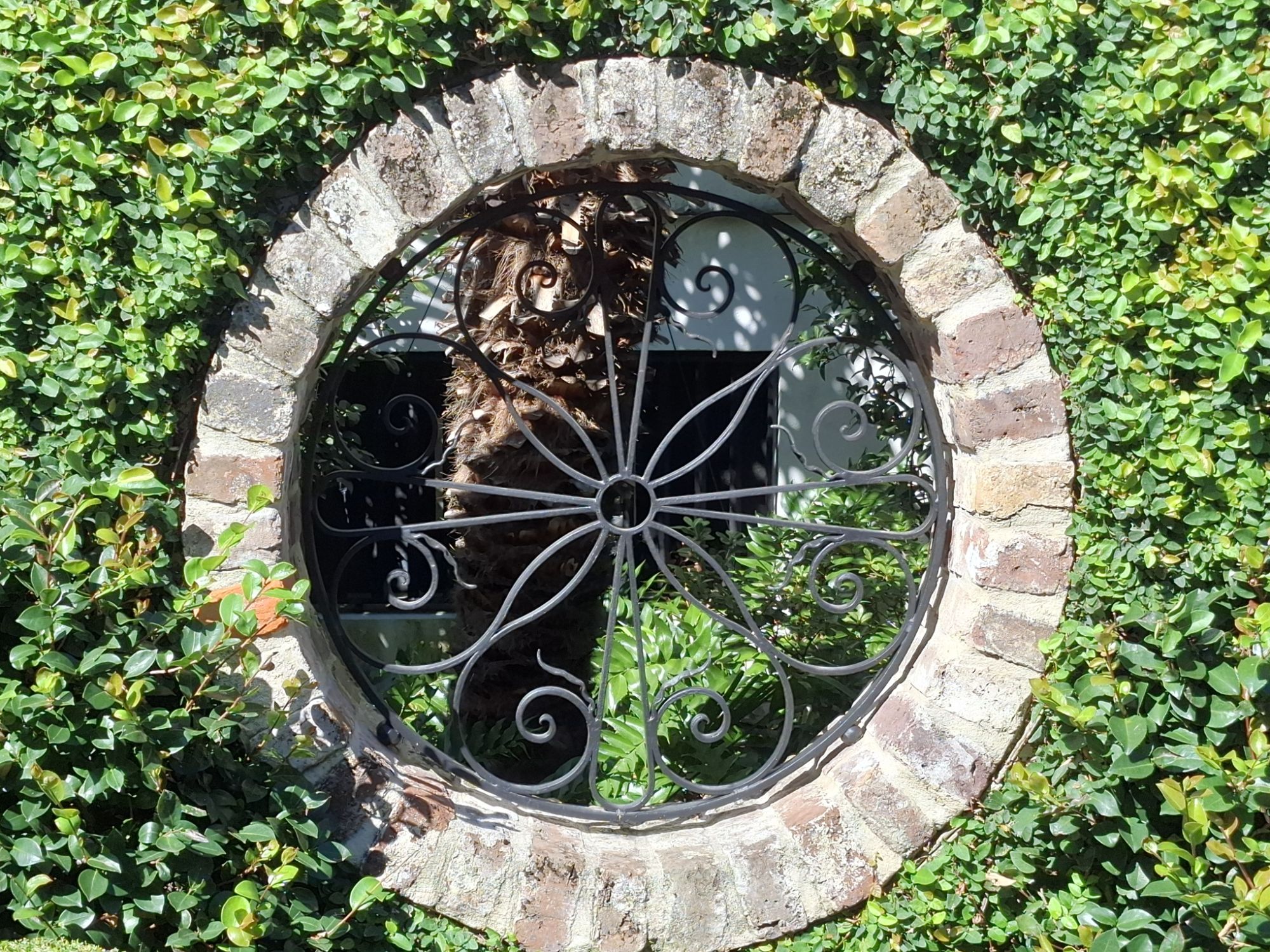
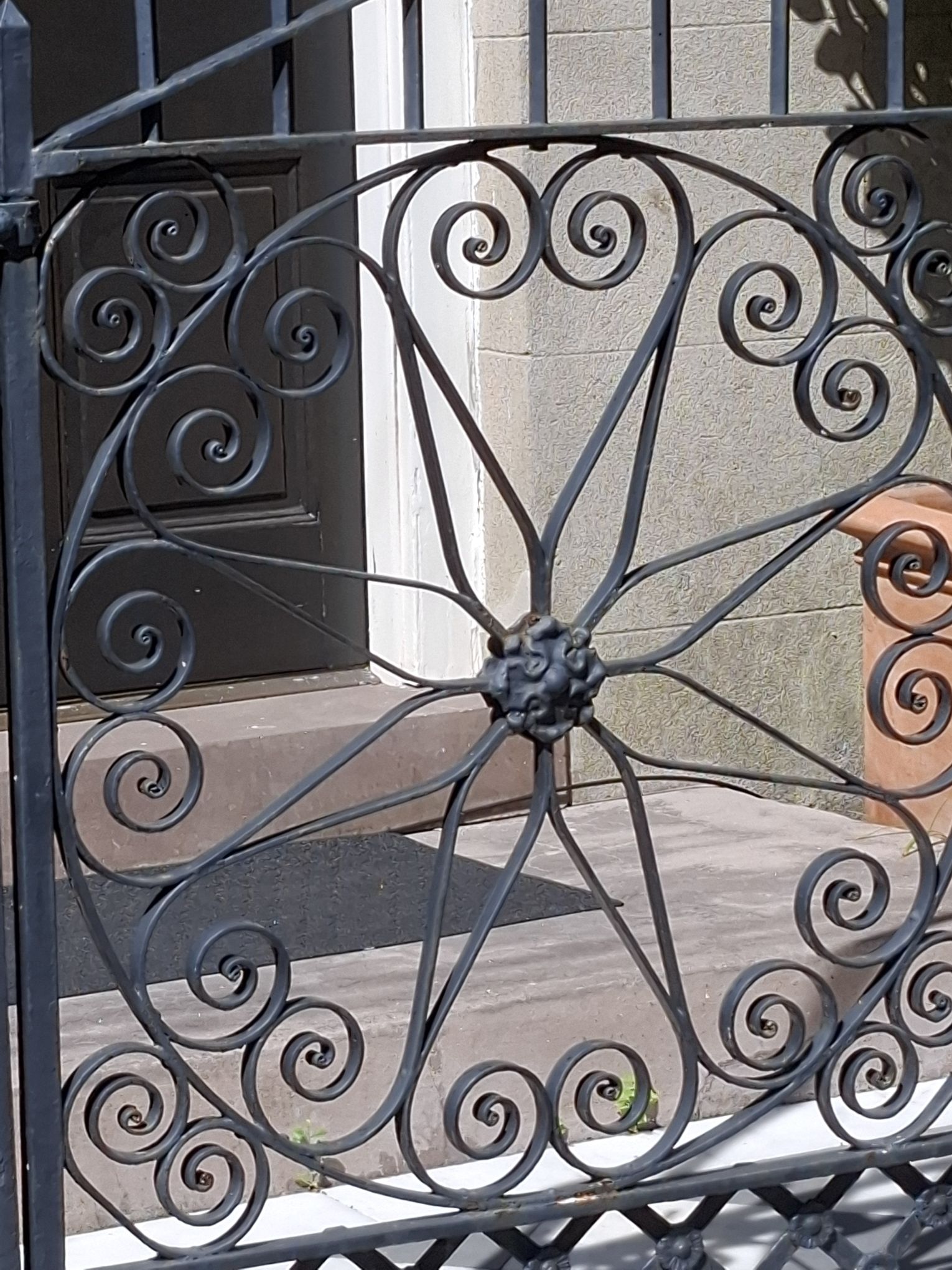
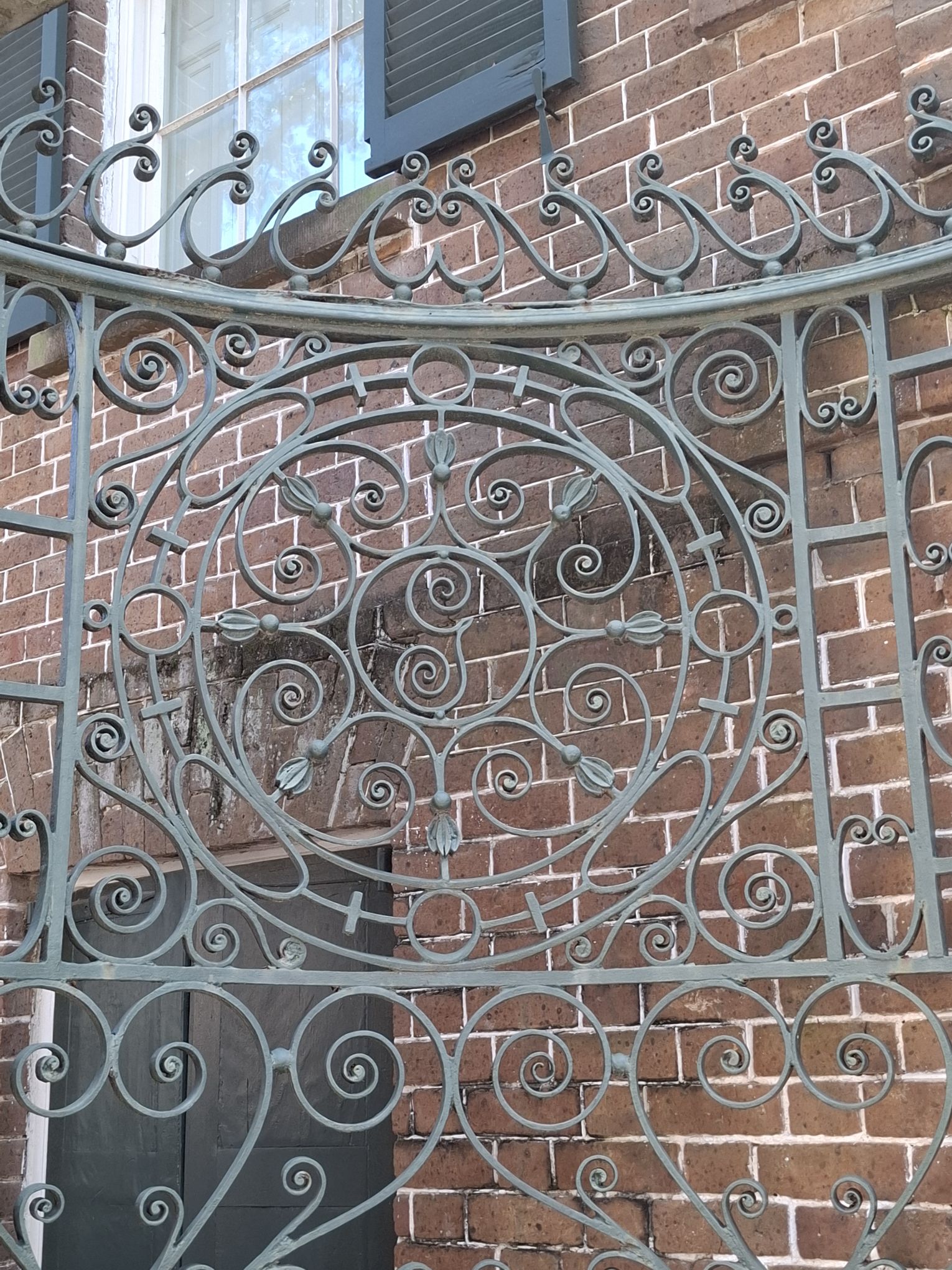
The wrought iron gates of Charleston are as varied as the wonderfully ornate houses they belong to.
Here are some more of my favorites.
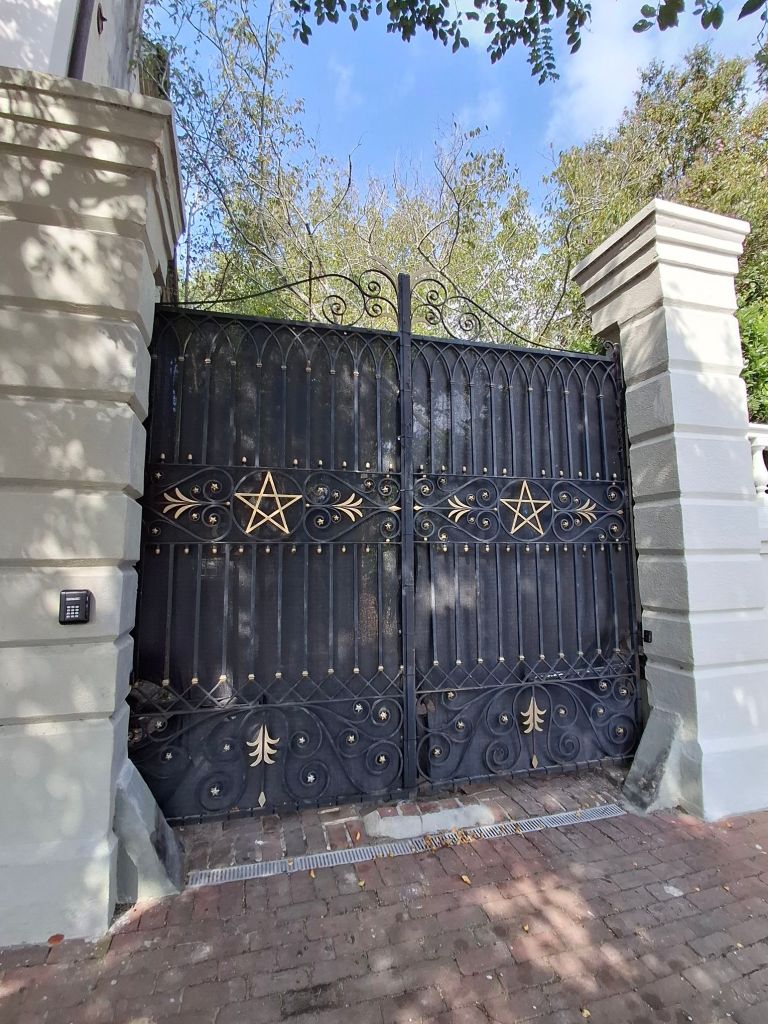
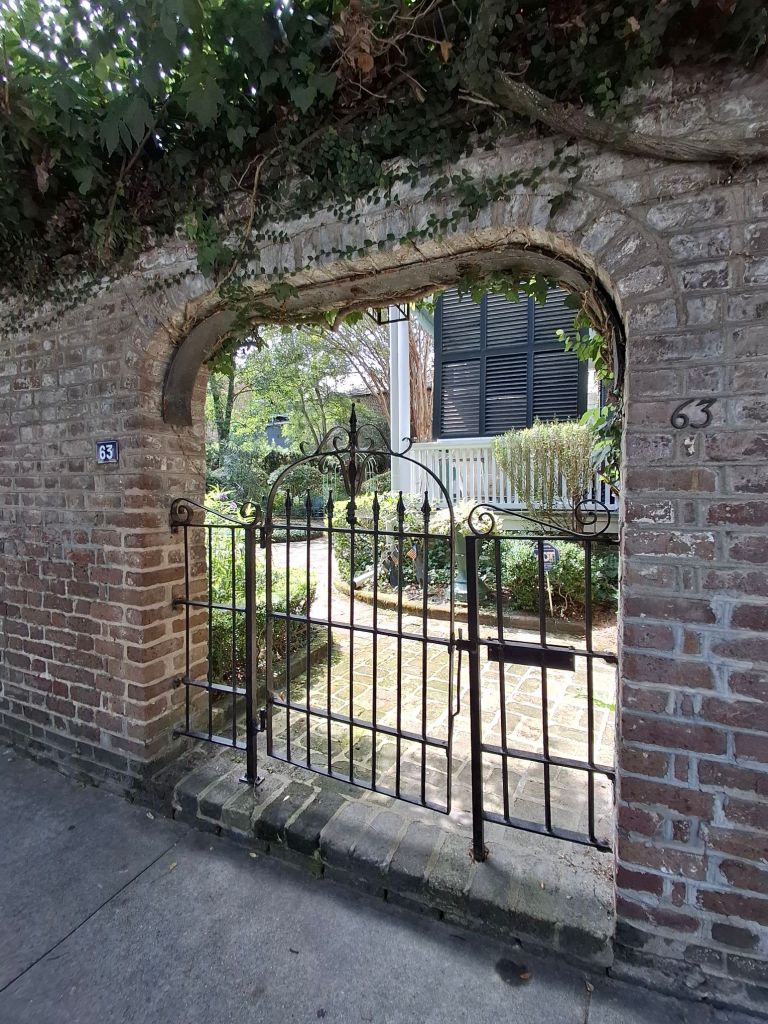
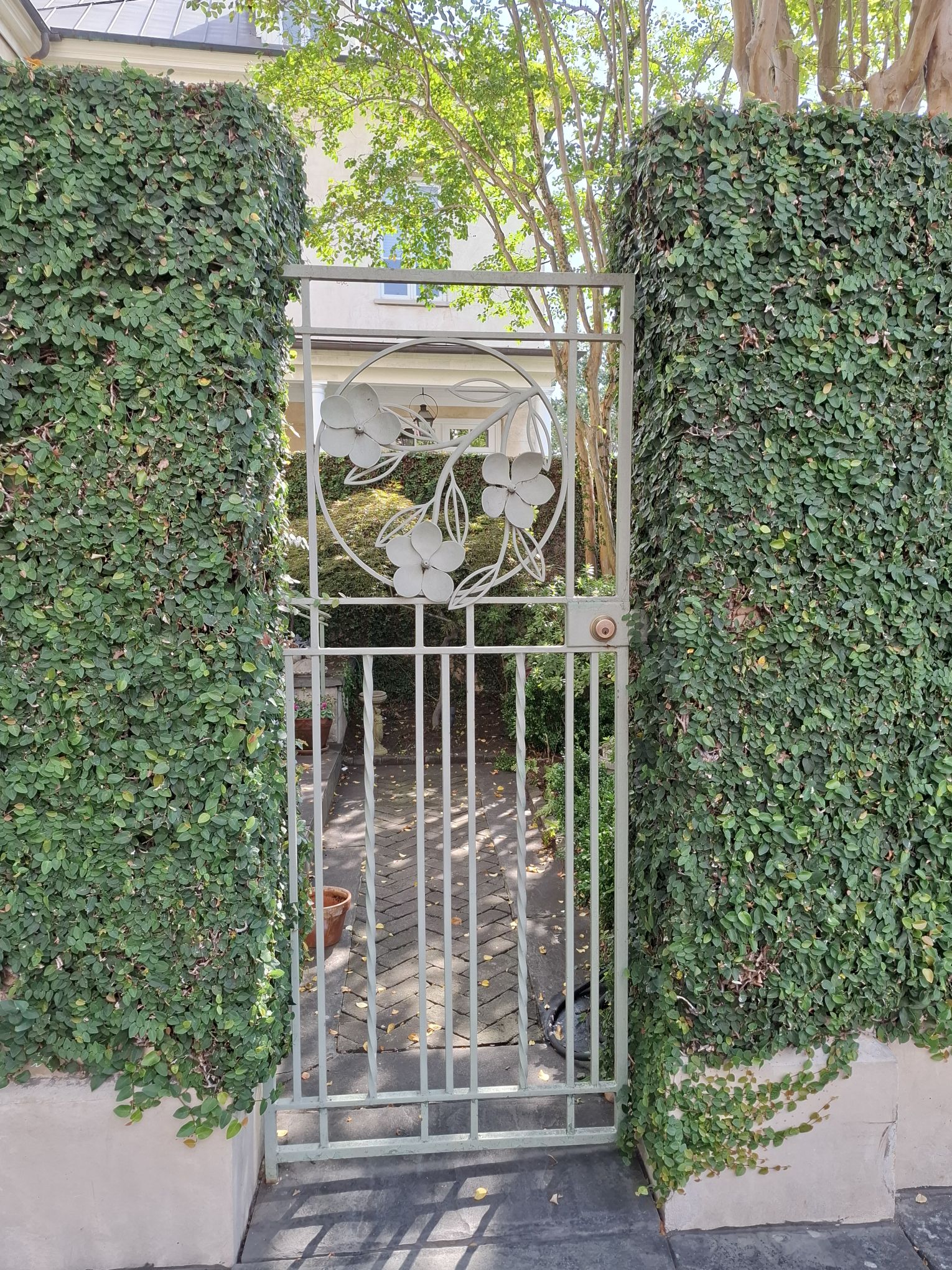
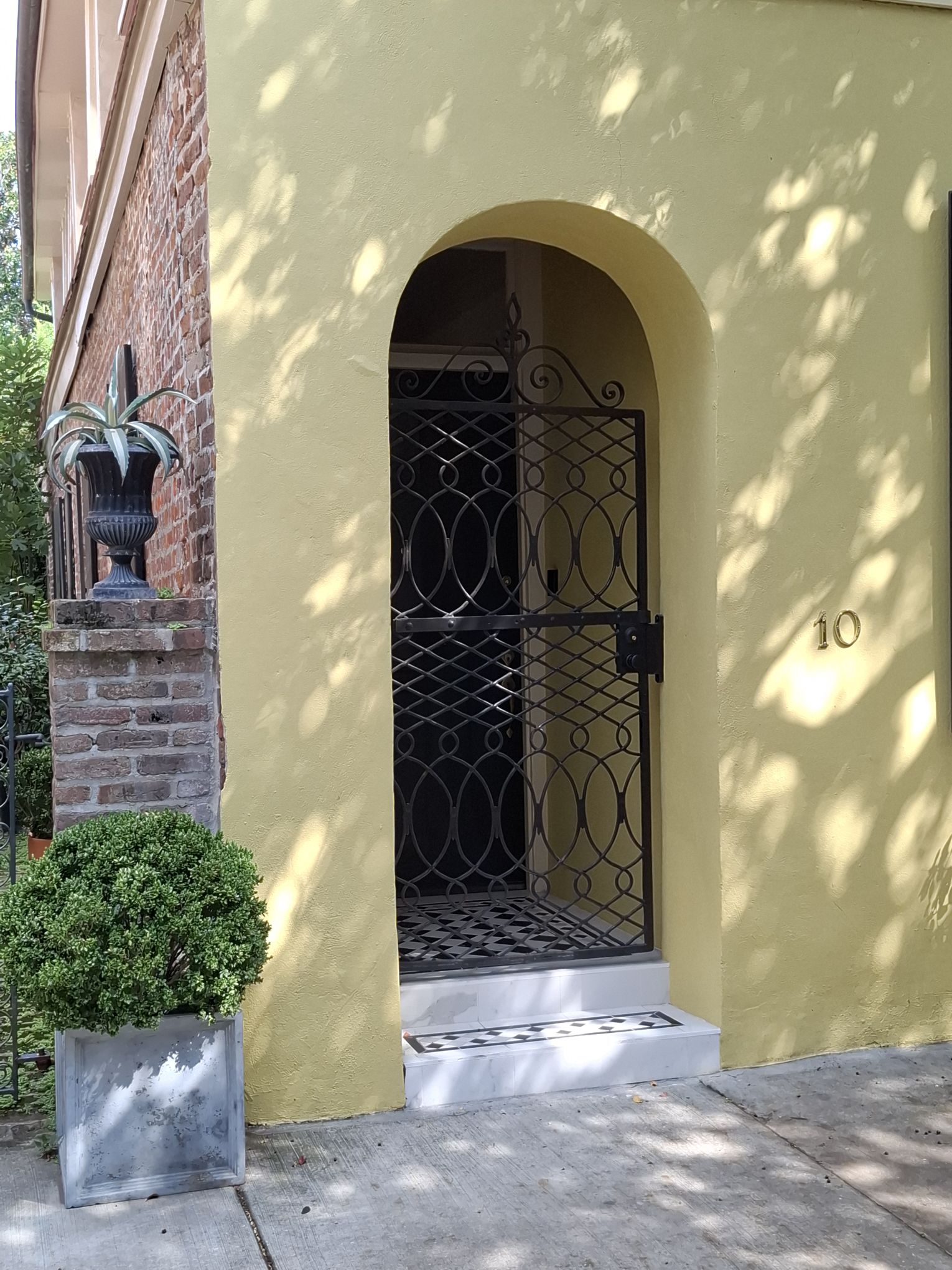
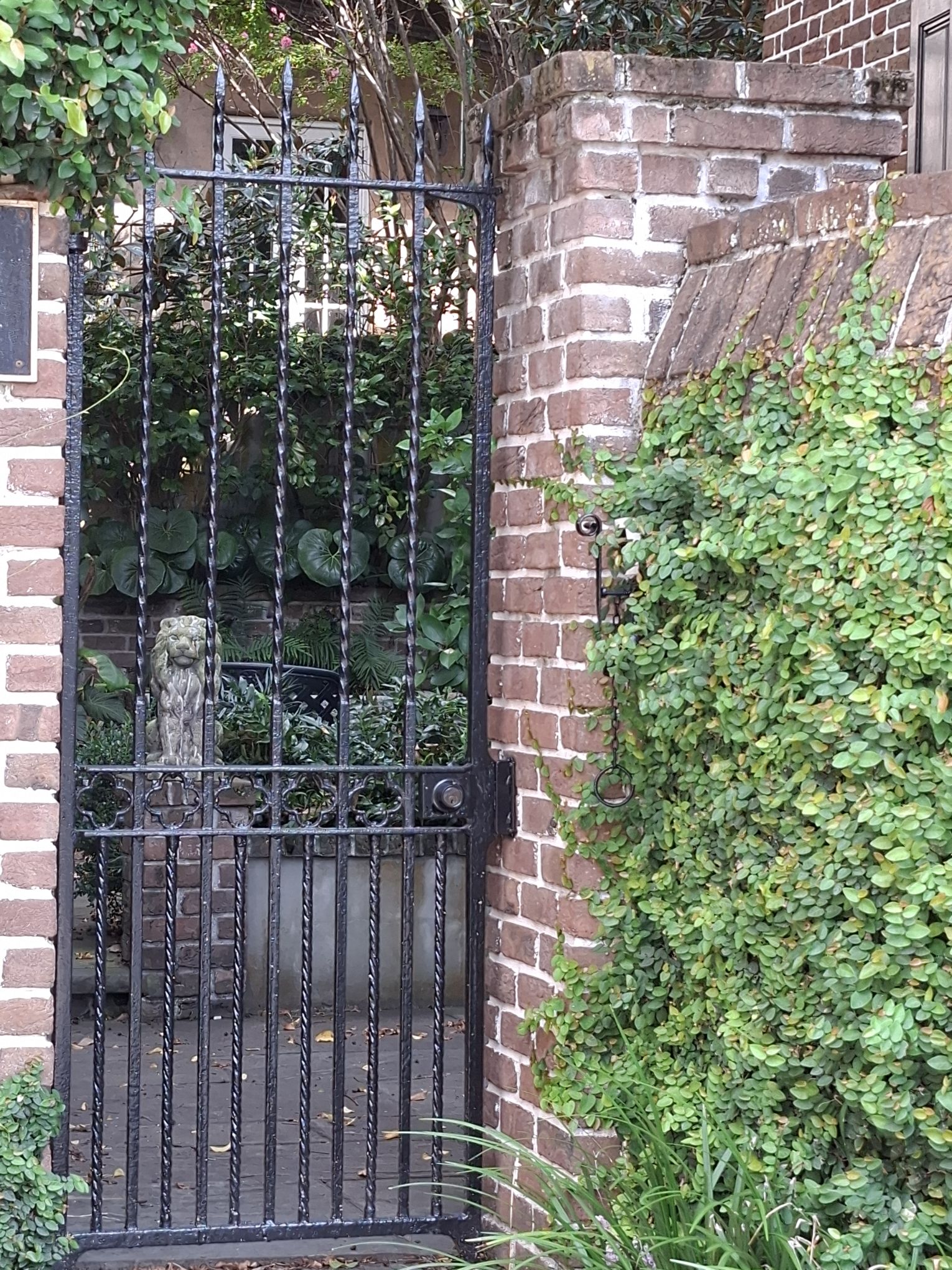
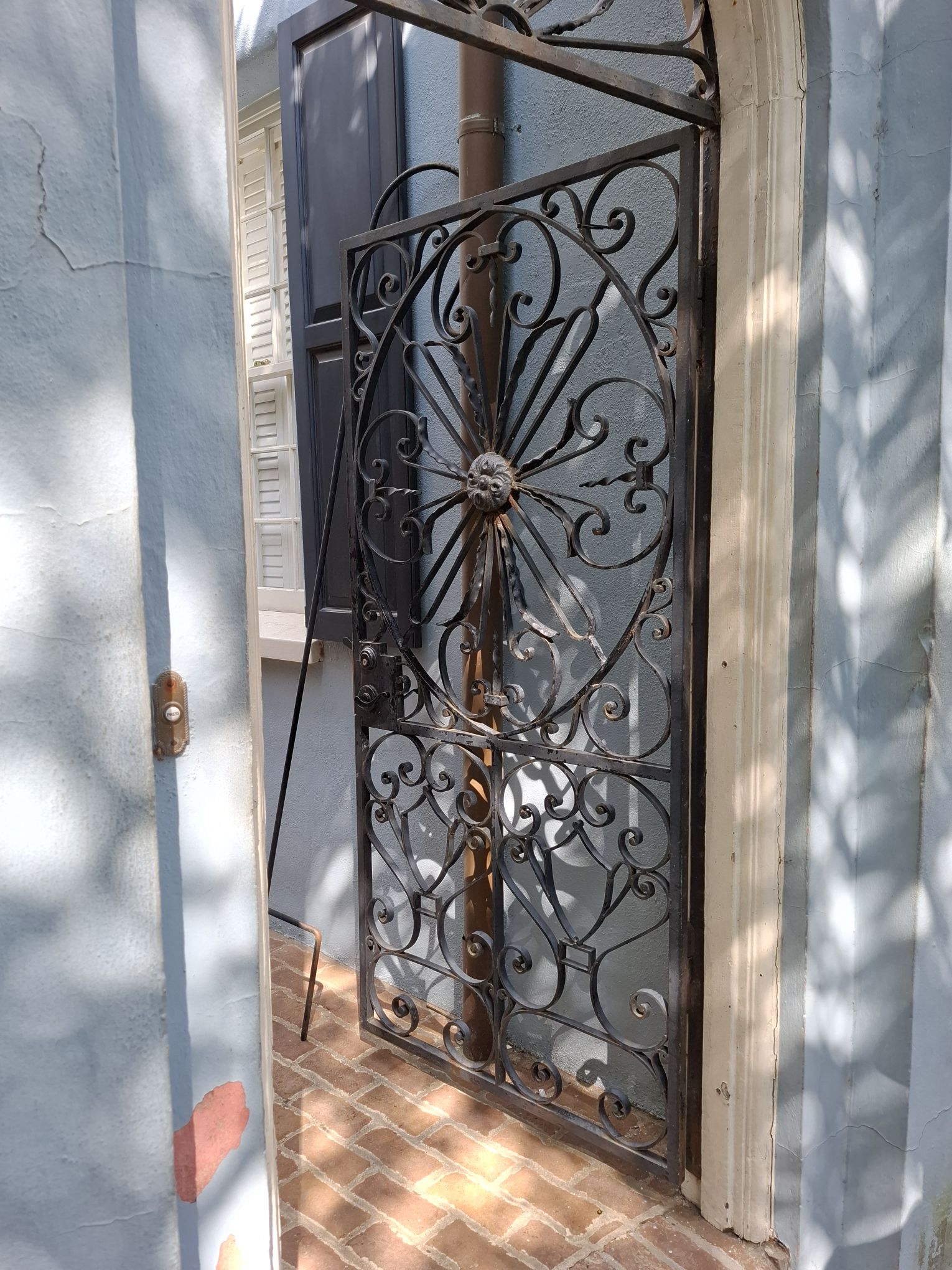
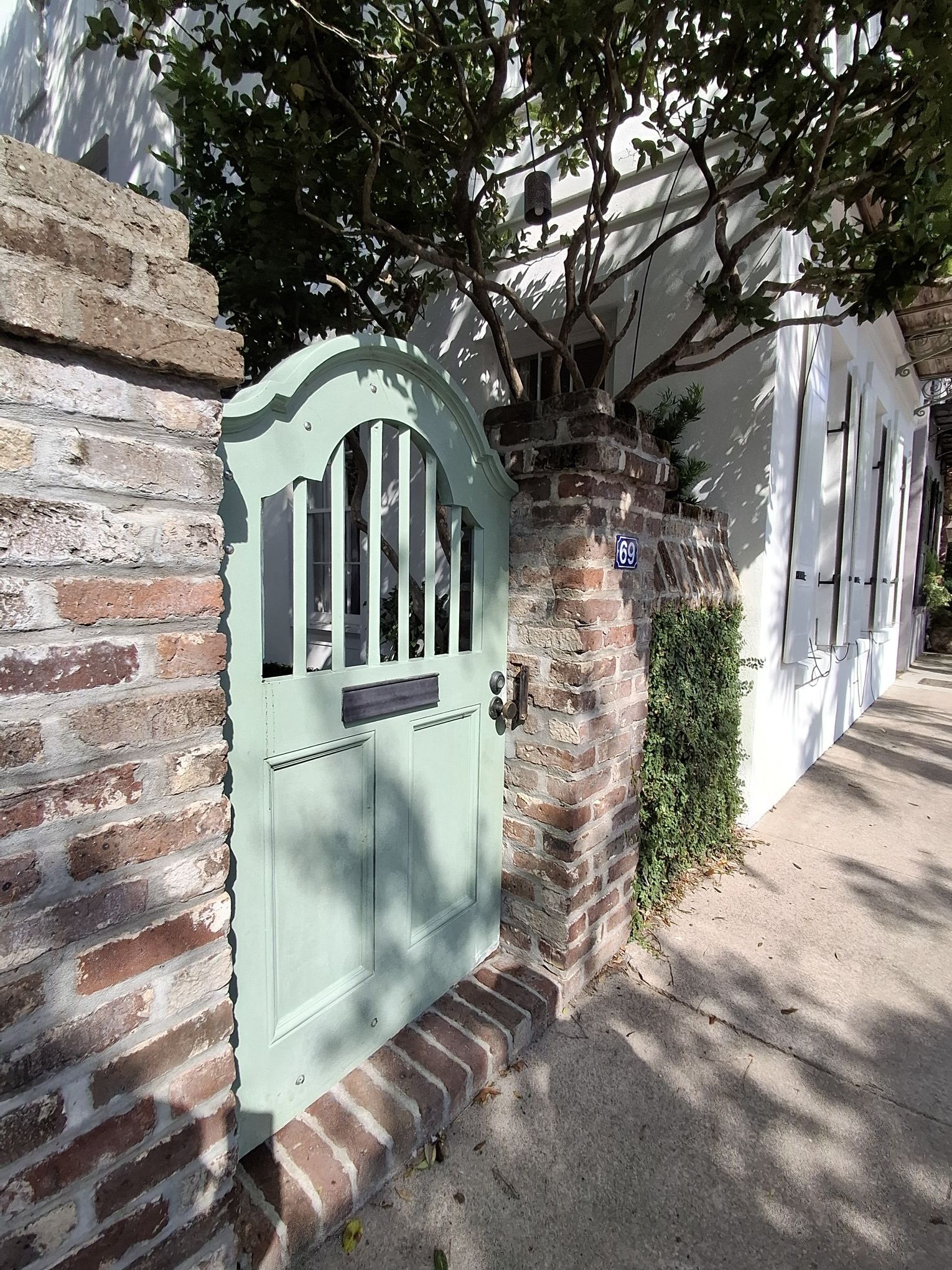
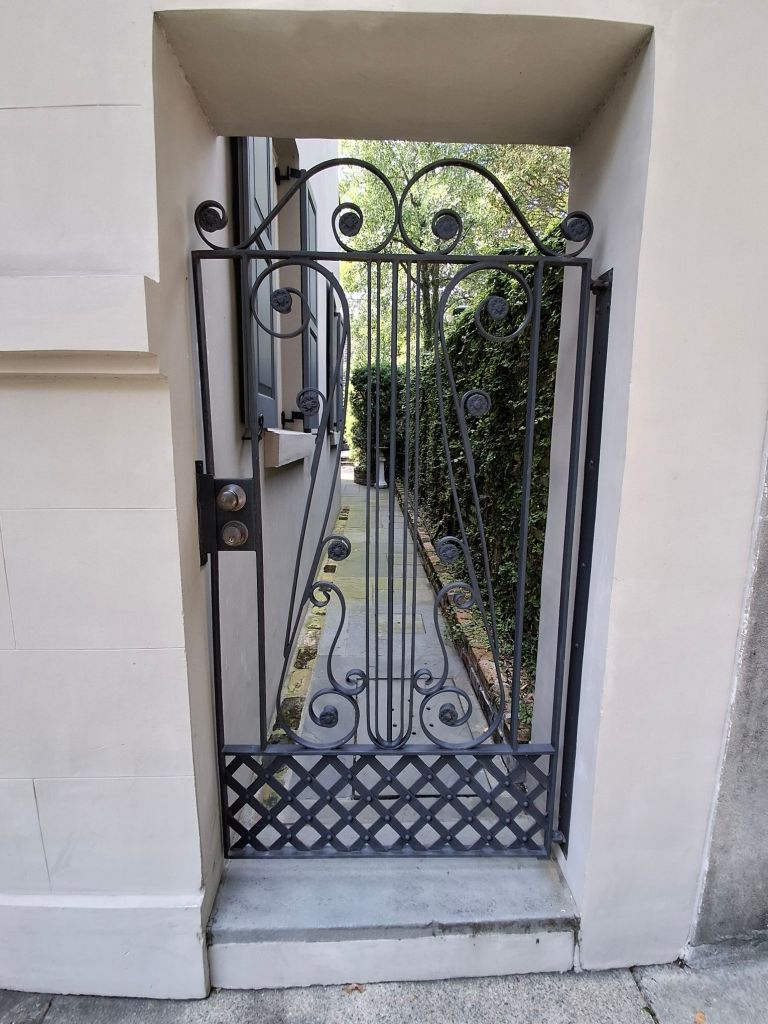
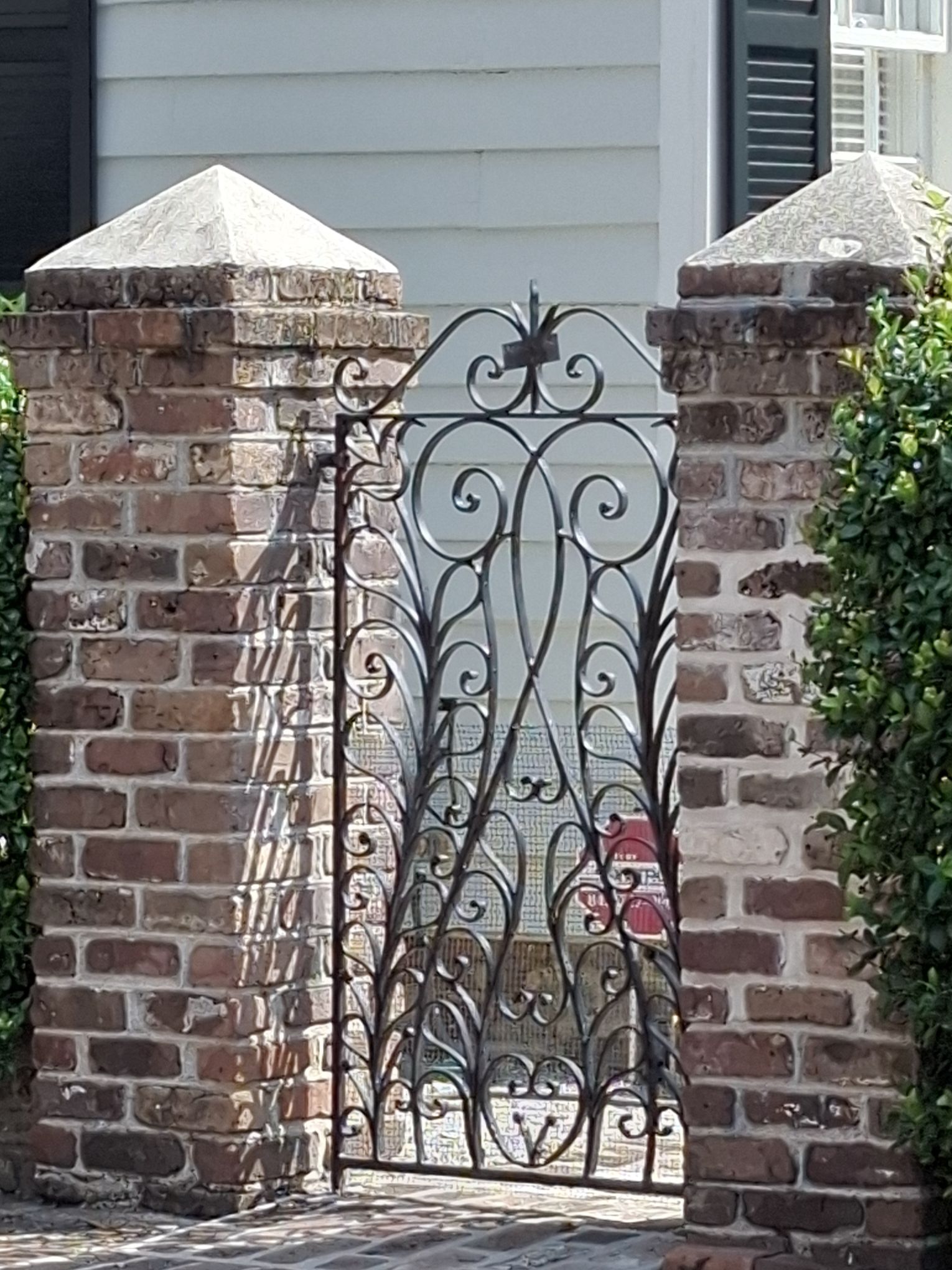
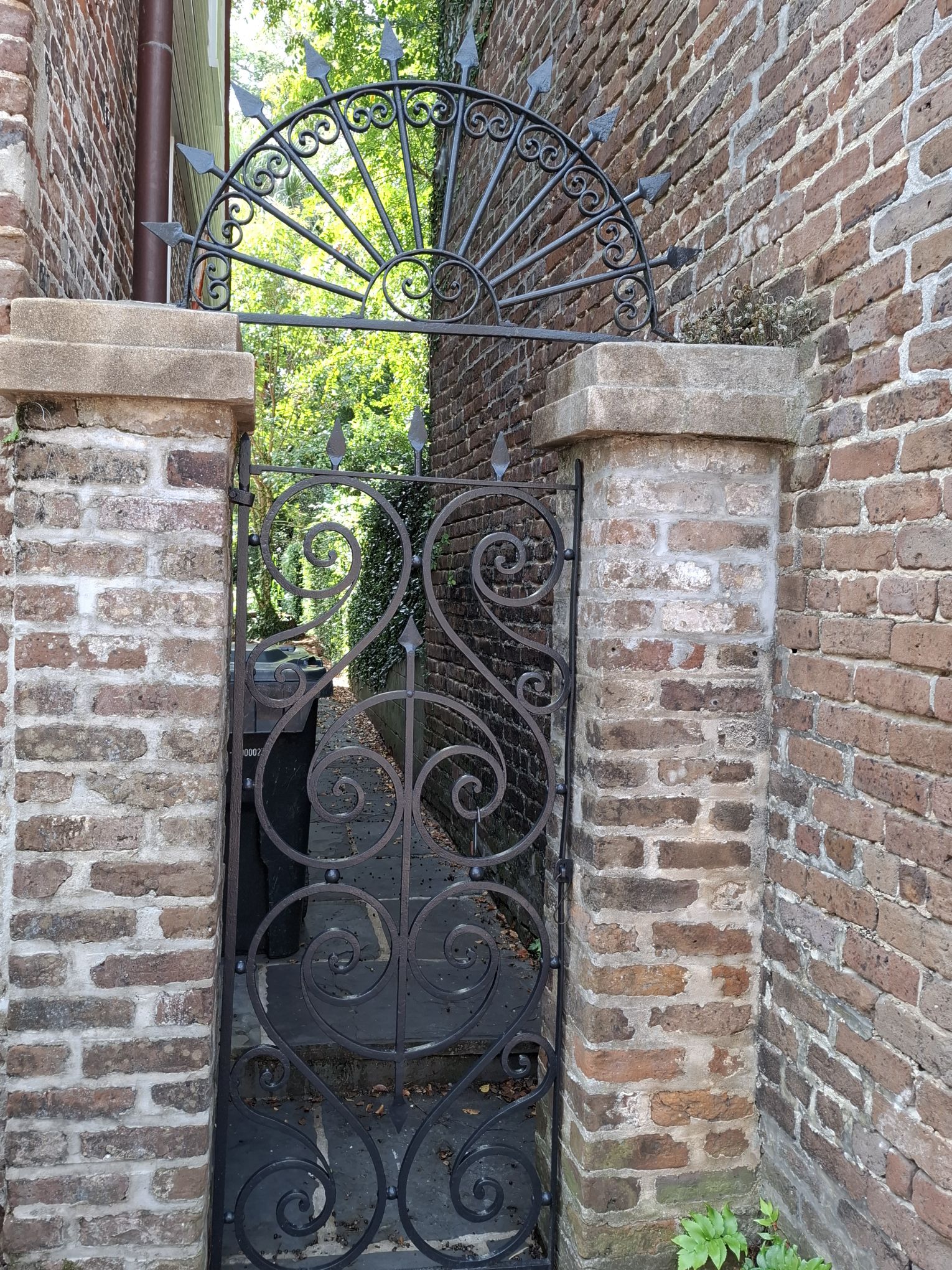
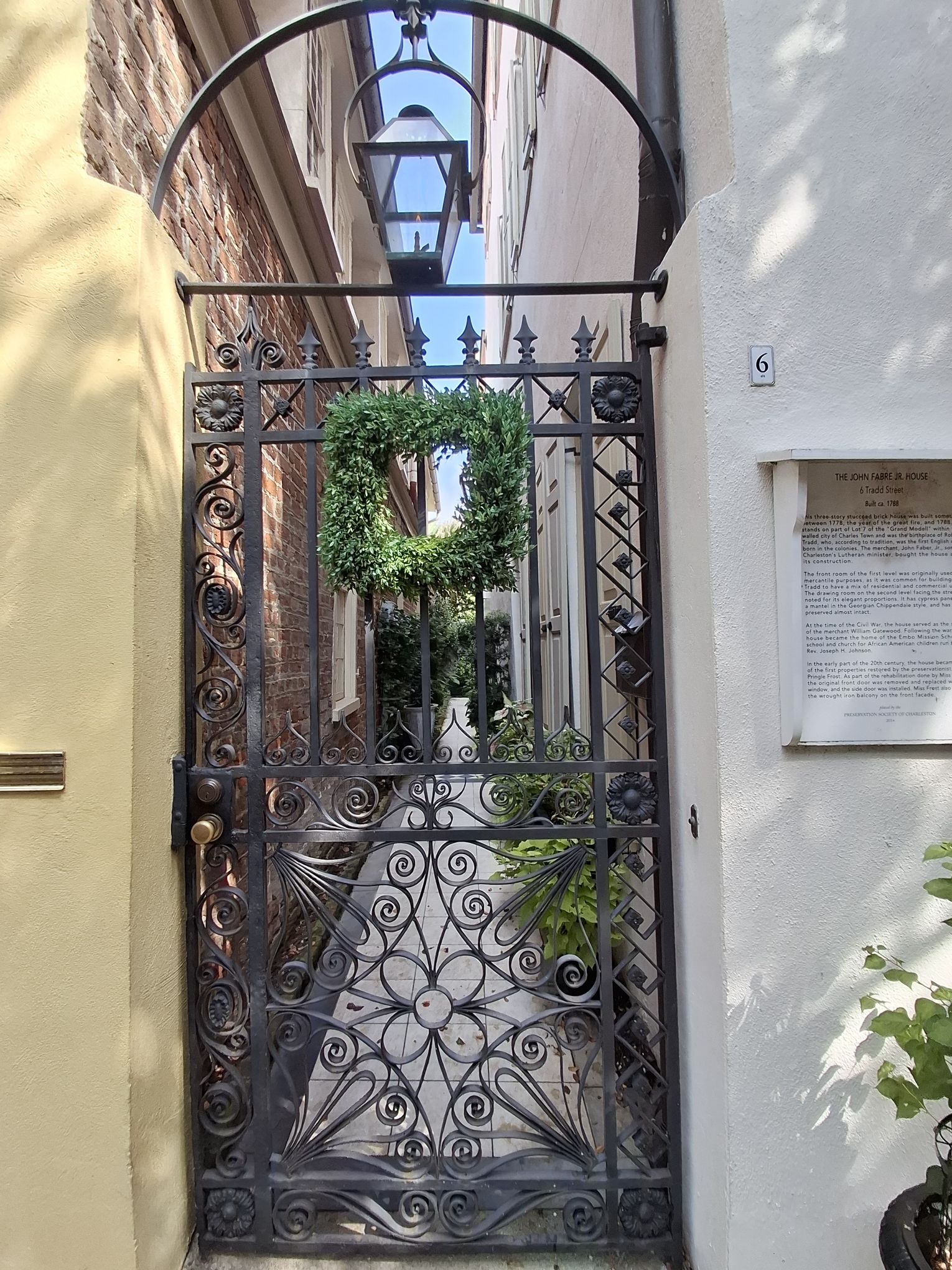
I am happy to peek through the lovely gates of Charleston.
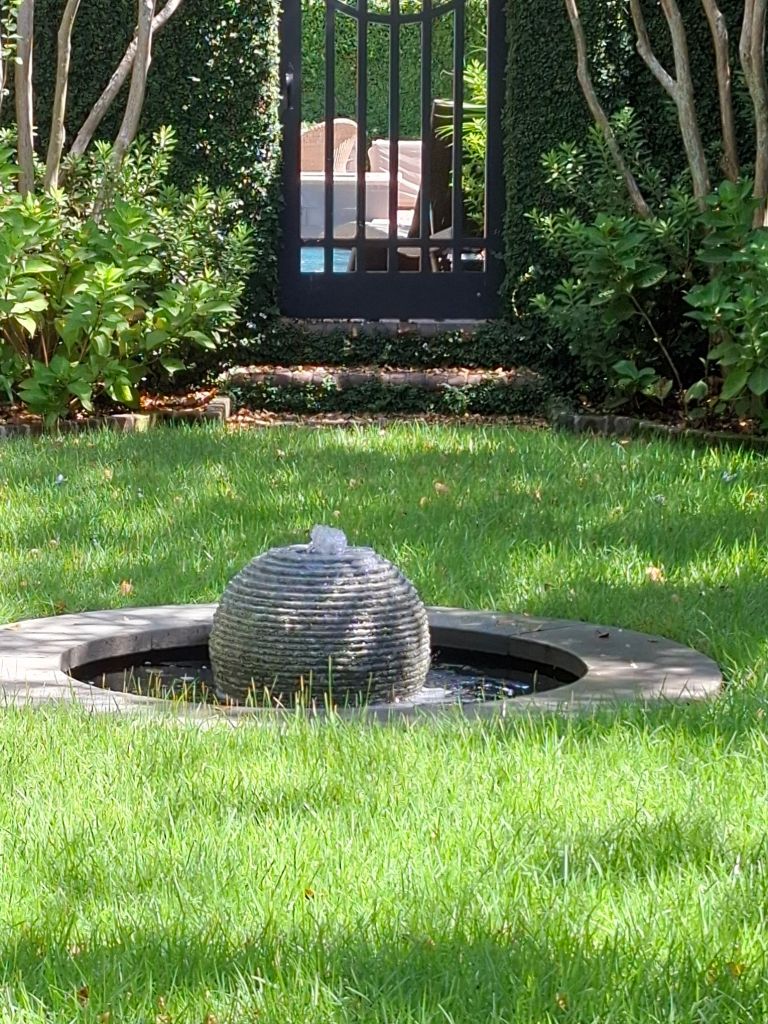
I found my favorite little yard today. I hated to leave it it felt like I belonged there. It will get its own post.
FLOWER
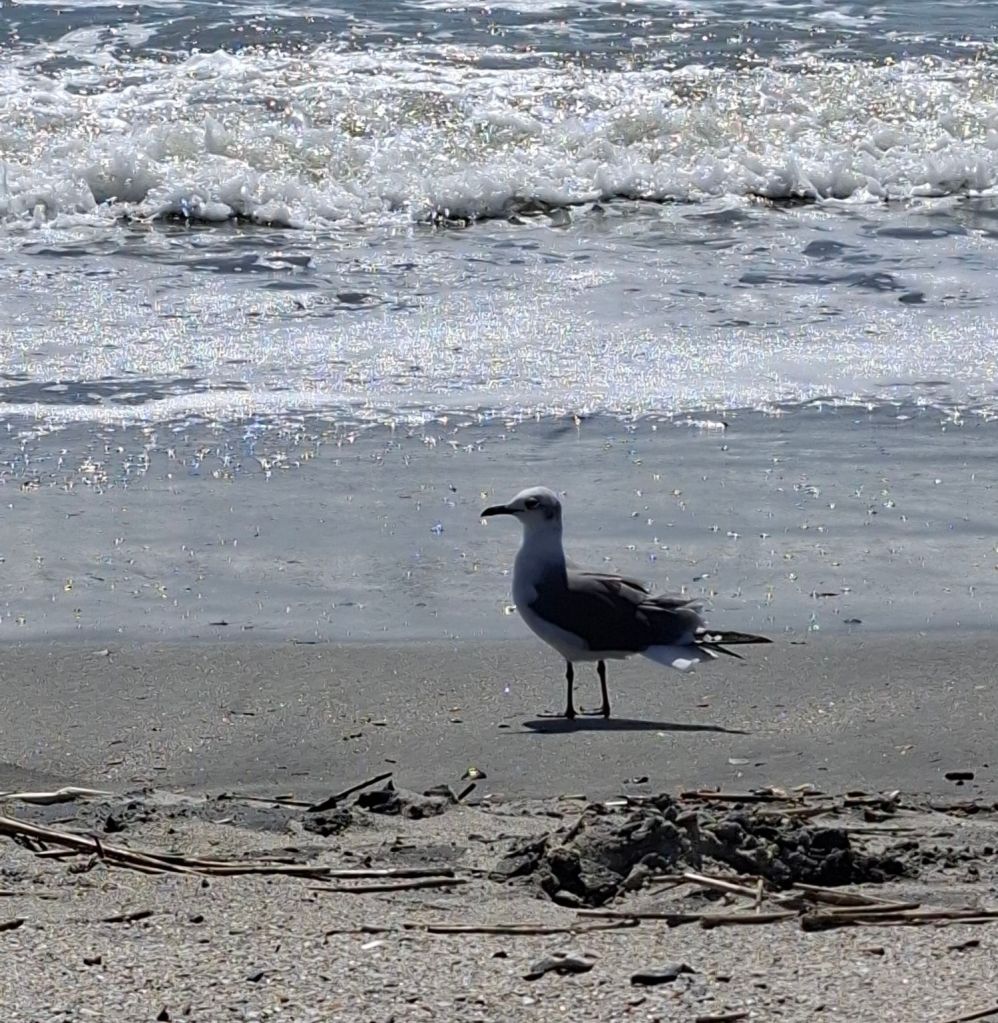
I spent today sitting on the beach of the Isle of Palms in South Carolina. I did see sea gulls, pelicans and porpoises.
I watched children digging in sand and throwing water on each other.
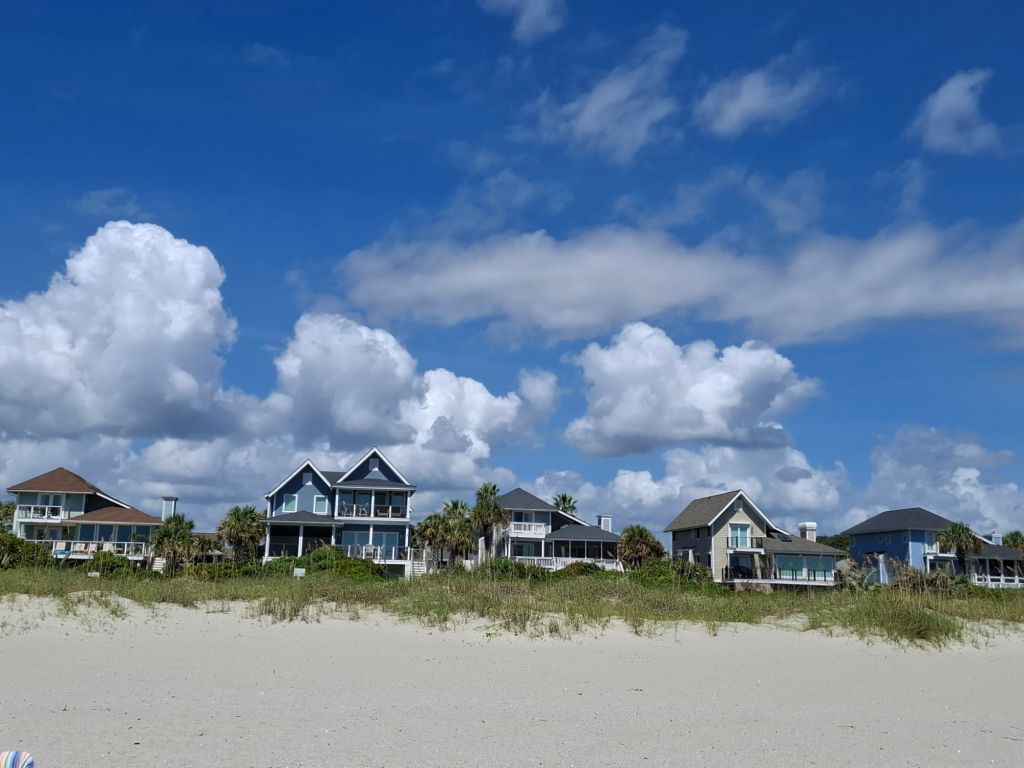
But the thing that kept getting my attention were butterflies.
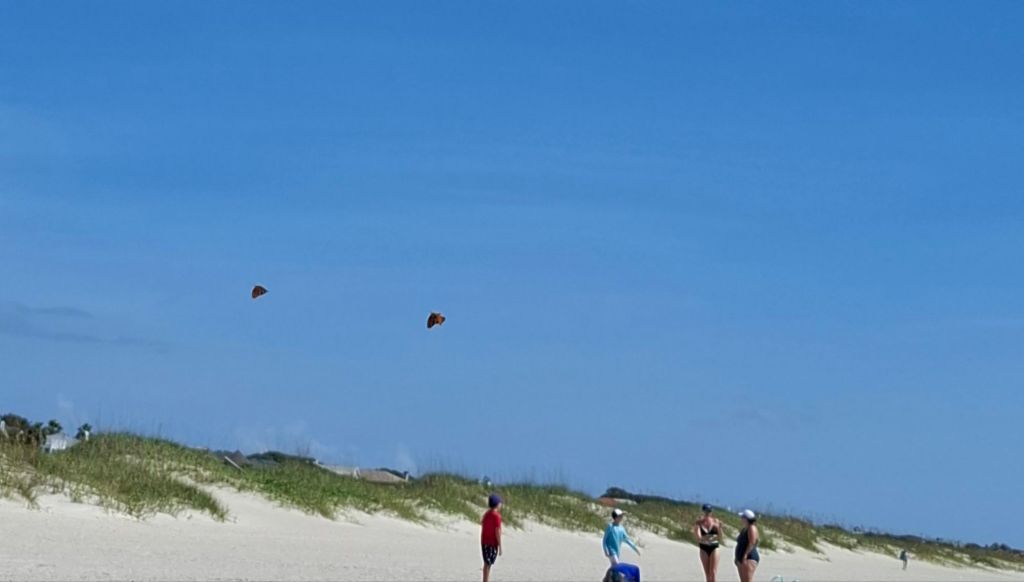
Not a few. Dozens and dozens of Monarchs. Flying solo or in pairs. All headed in the same direction. One or two flew by every minute or two. We kept pointing them out to each other.
Do you how hard it is to get a photo of a butterfly riding the wind on the shore of the ocean?
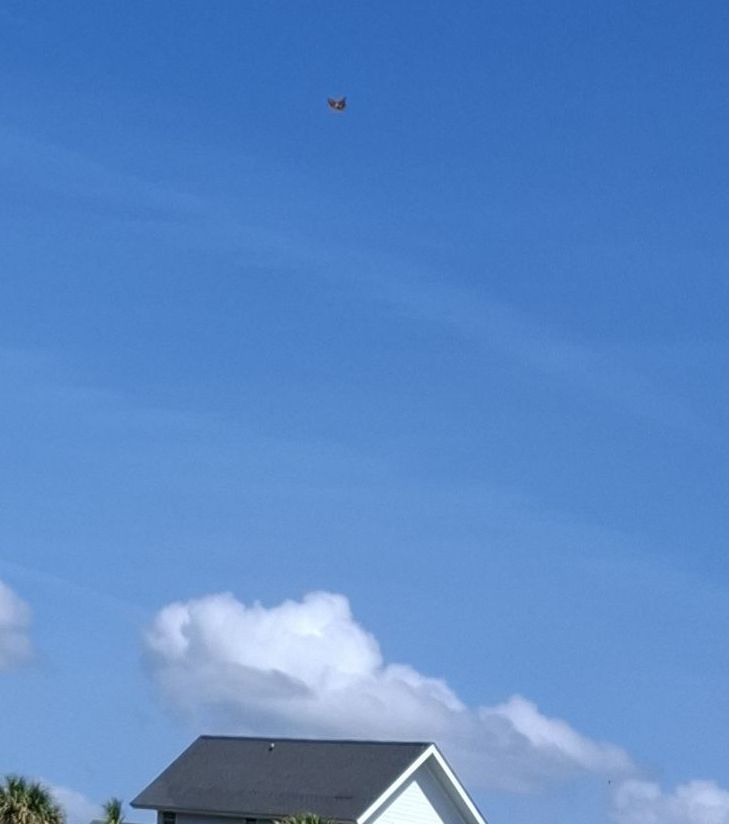
I tried over and over. Photo bursts and all. I got several far away photos but only one definitive shot. My phone seems to have changed the marking as it increased the resolution.
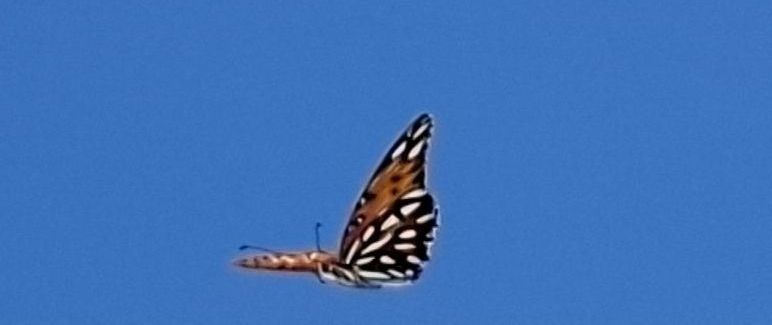
Mr. Flower and I marvelled at the migration that everyone else ignored. I have never seen so many Monarchs on one day in my life.
This is the part of today I will remember.
Sitting on a beach witnessing the Monarch miracle migration.
FLOWER
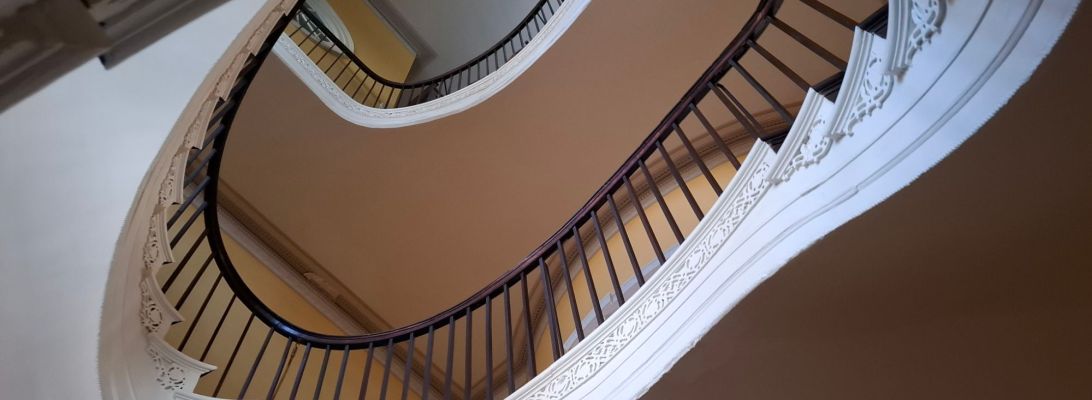
I have been amazed by many architectural wonders here in Charleston. There are towers, balconies, rounded piazzas, decorative doors and windows of all shapes and sizes.
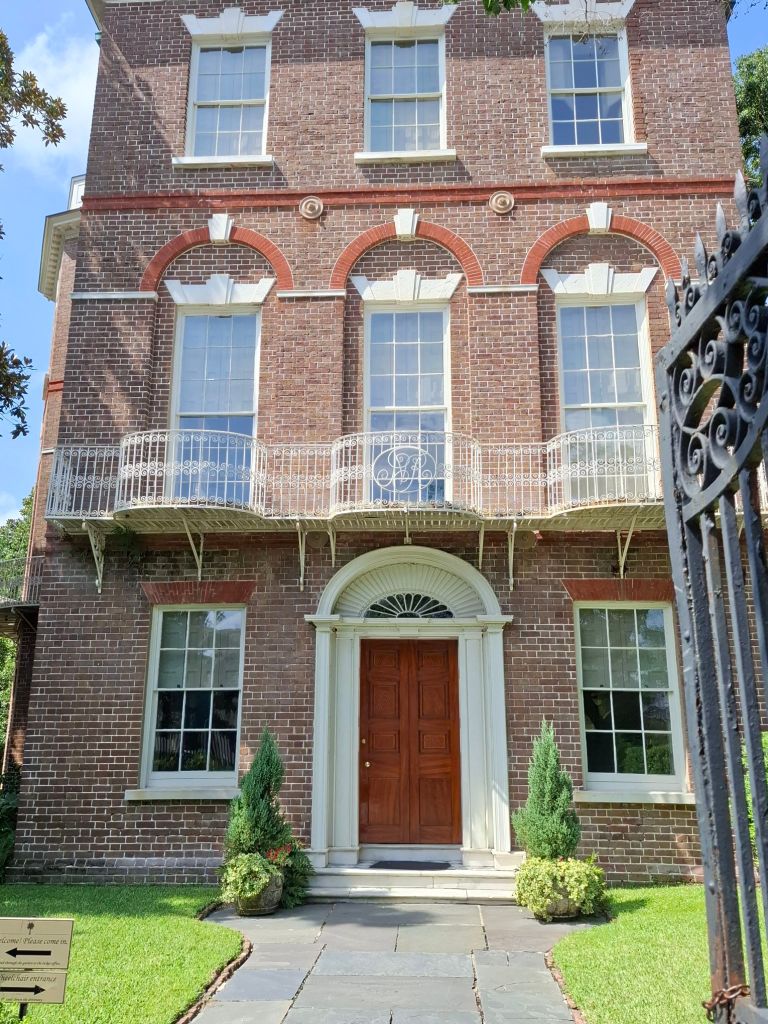
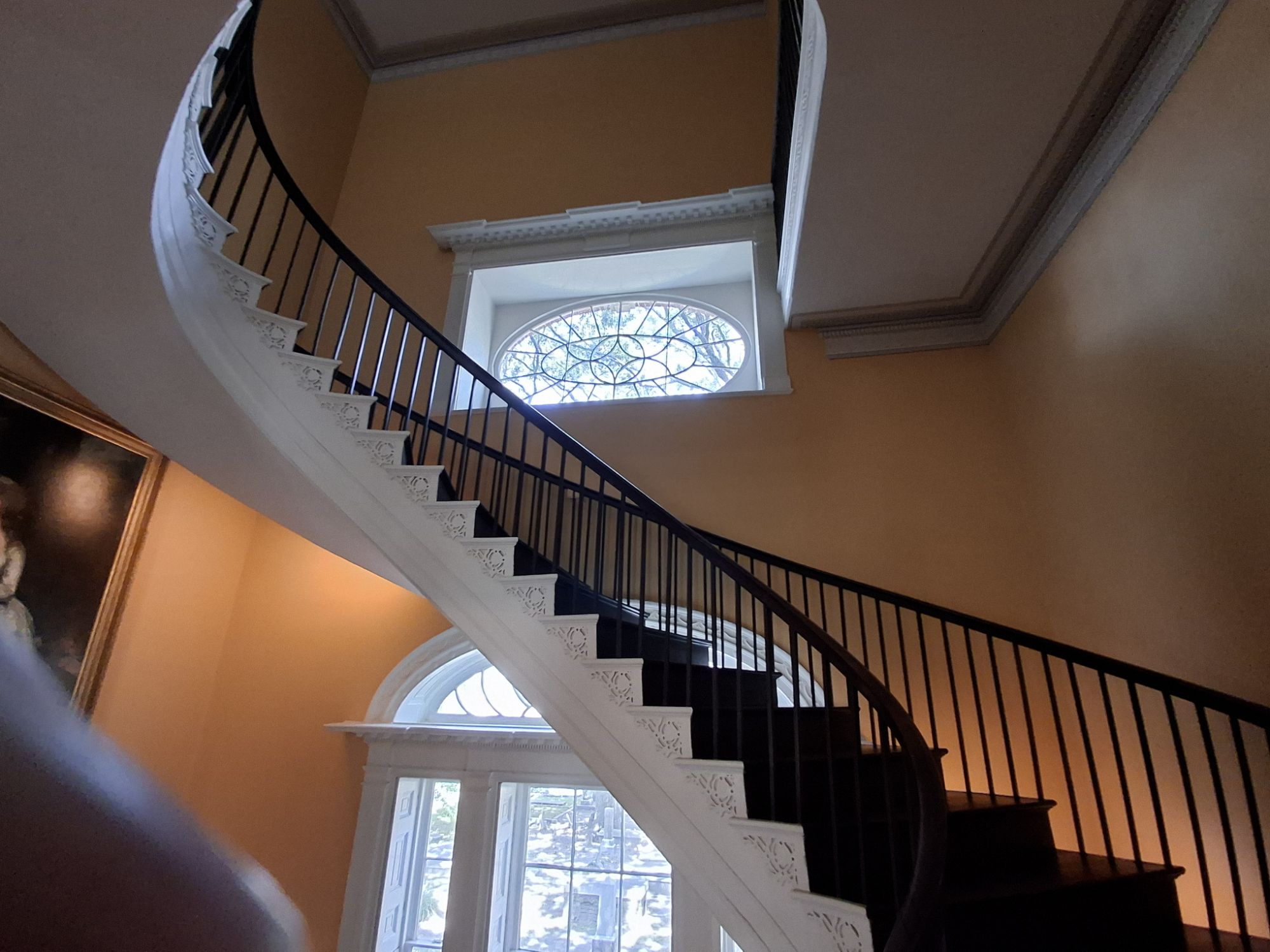
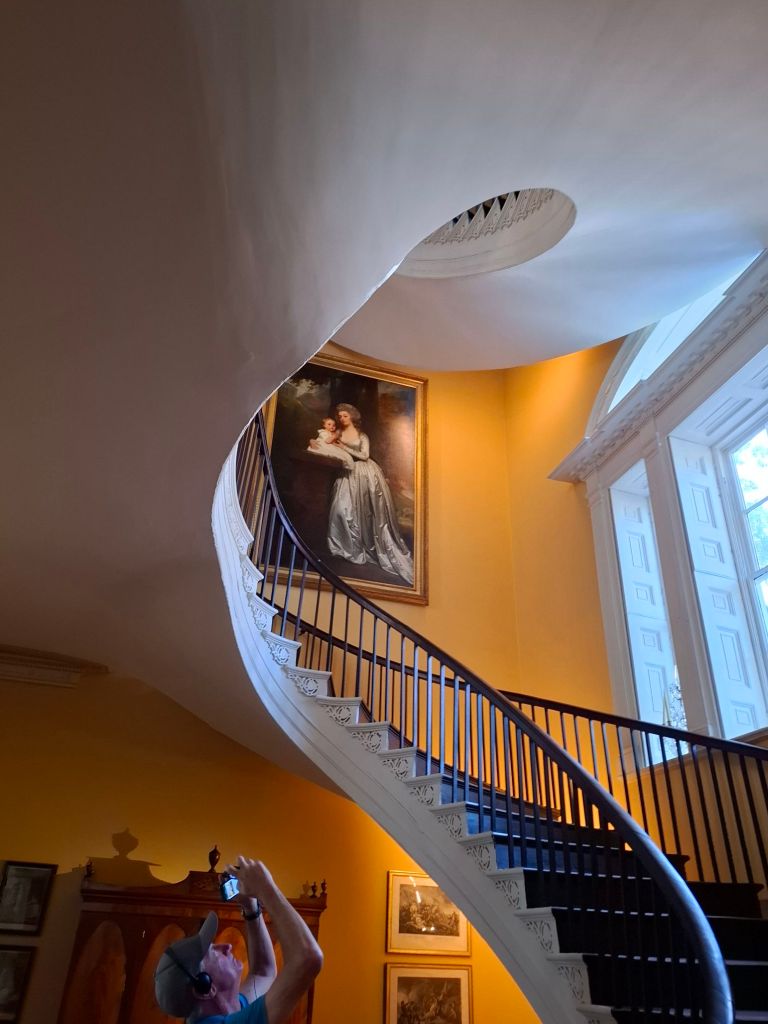
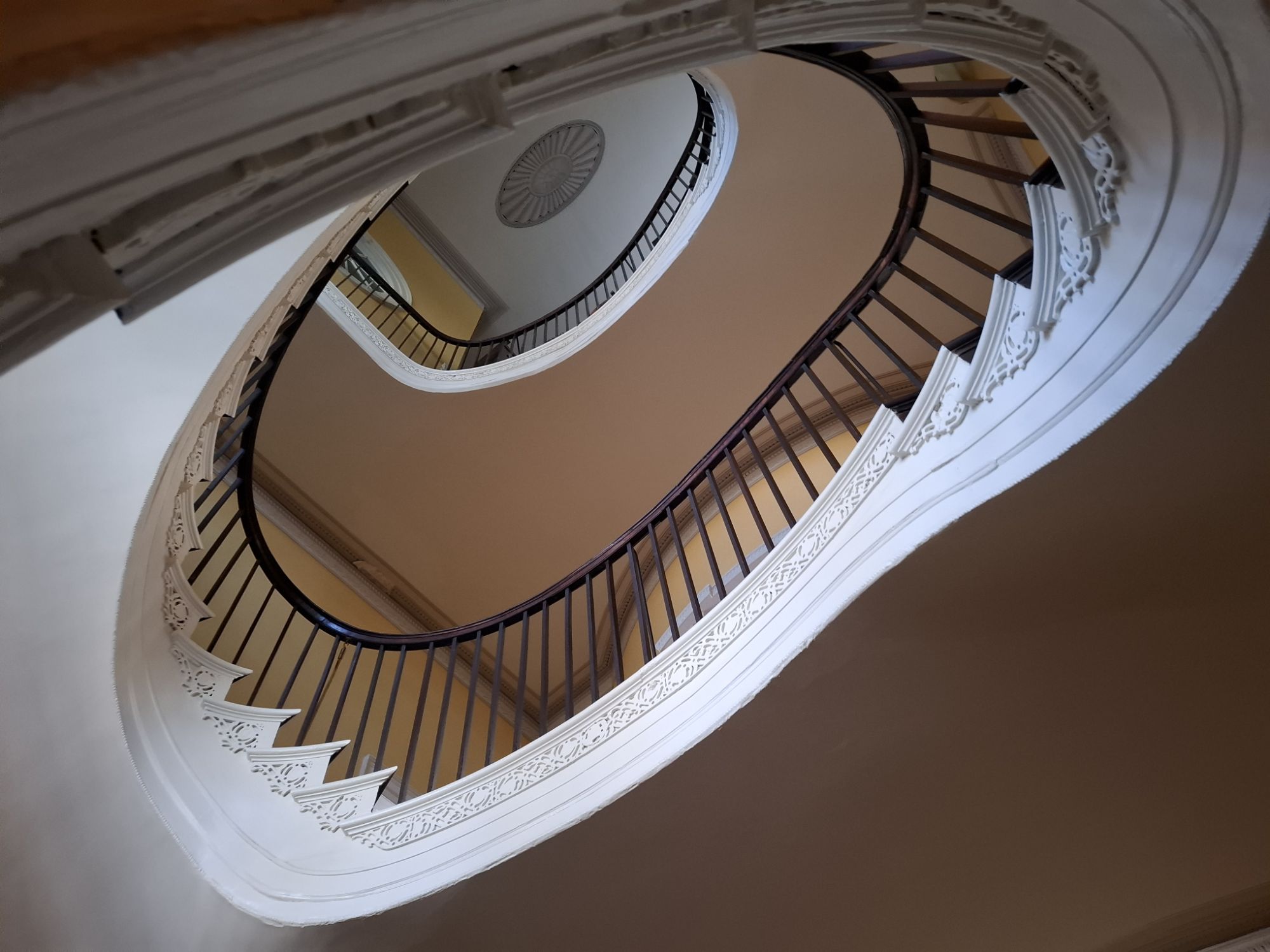
The thing that stopped me in my tracks was the spiral, cantilevered, three-storied staircase in the Nathaniel Russell House.
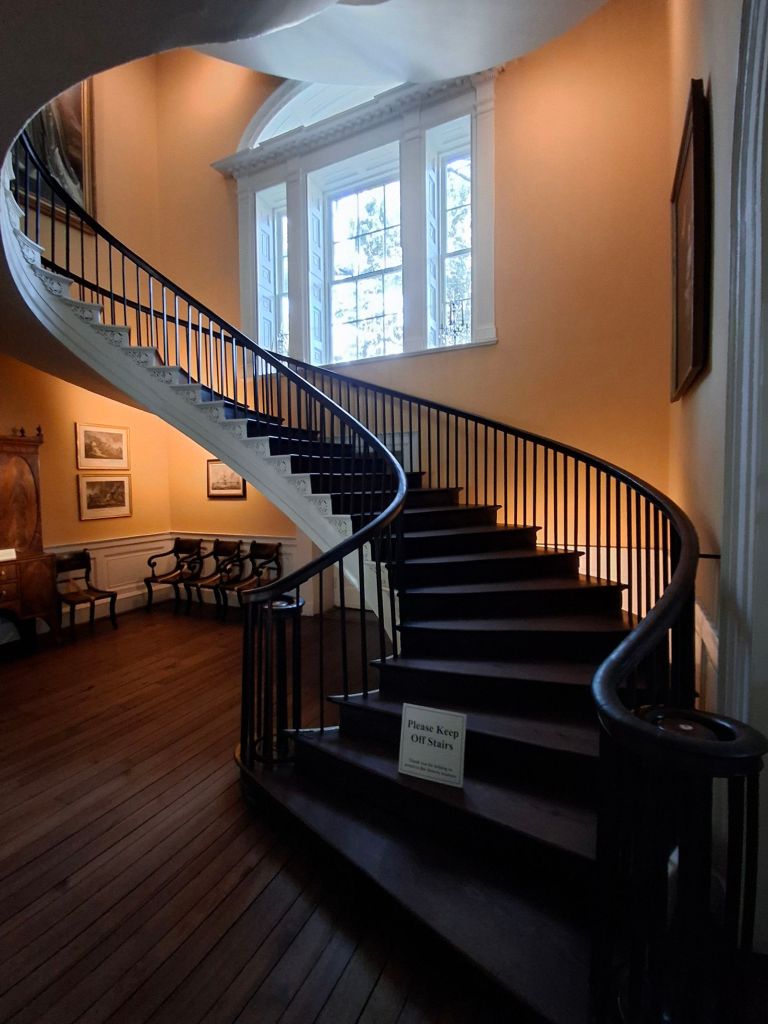
I had to stop my audio tour several times just to examine it from all angles.
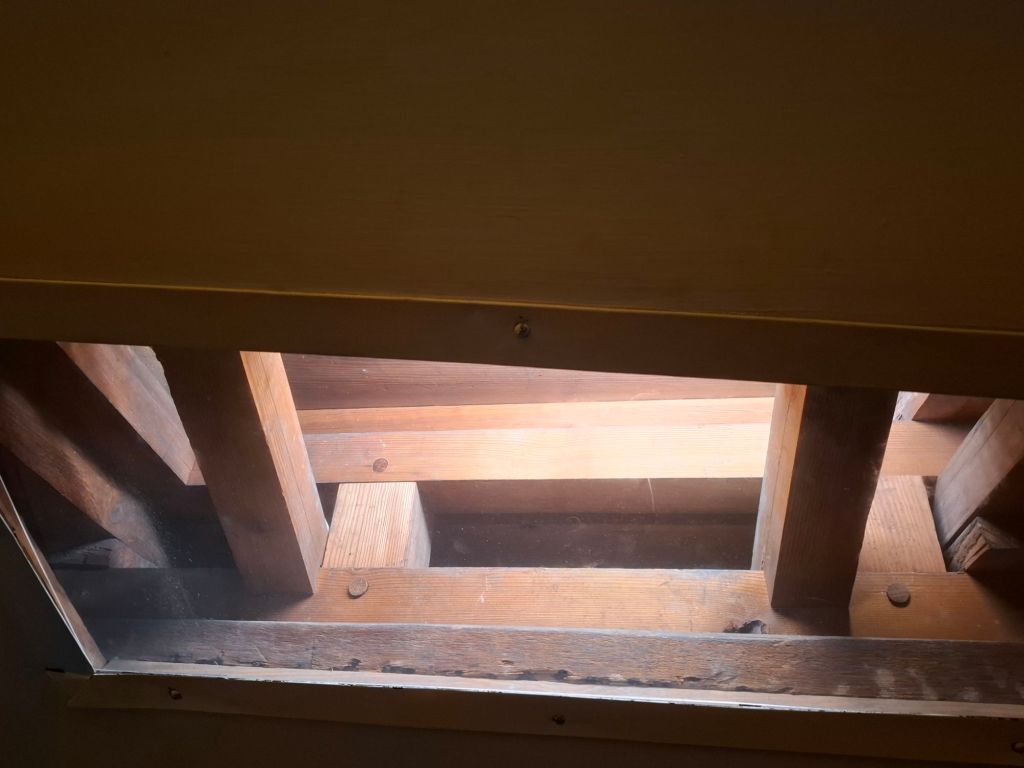
There was a place cut out underneath so the innards could be seen.
This house was built in 1808 and restored to as near its original condition as is possible. The flying stairs are an engineering marvel.
FLOWER
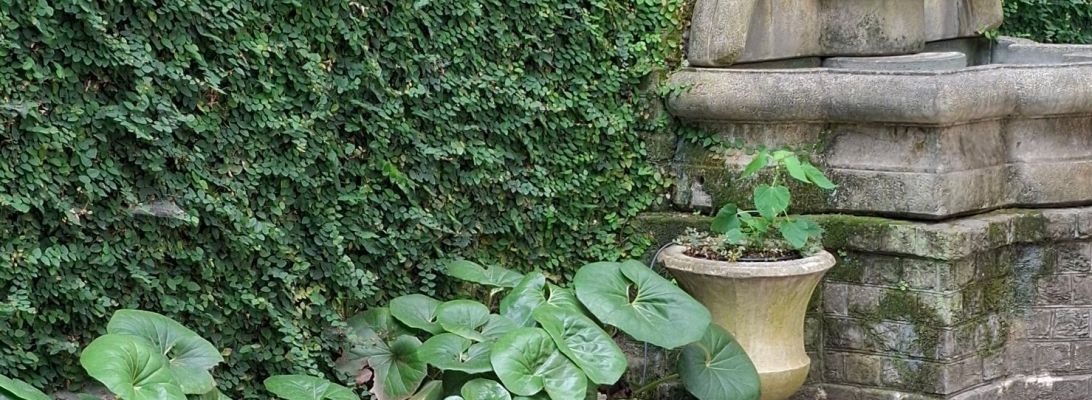
I have seen Tractor Seat plants in many shady spots here in Charleston. Their big green leaves resemble a vintage tractor seat. Their proper name is Farfugium japonicum.
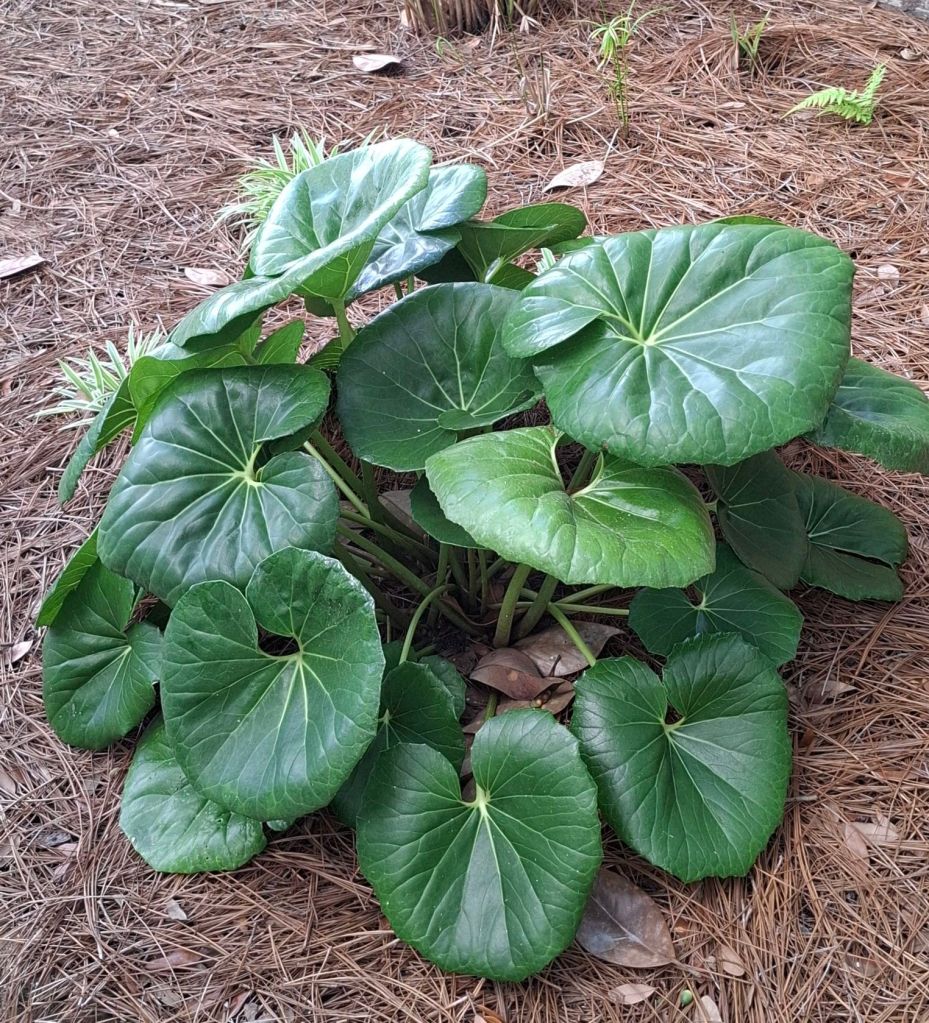
The leaves can get over a foot across if given enough consistent moisture. Their normal range is Zones 7-10.
There is a hybrid ‘Green Tractor’ that survives in Zone 4. I will be looking for this one to put against the house on the mountain.
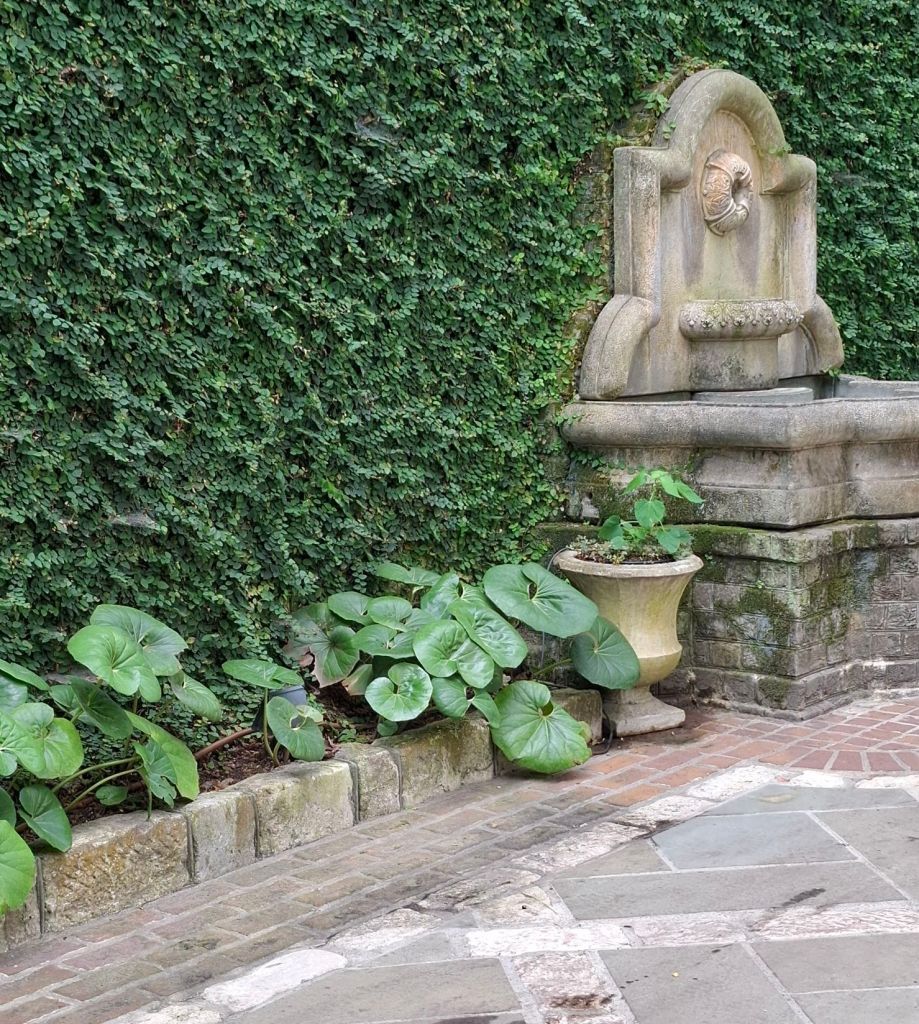
Another great attribute besides being ectremely deer resistant is it has big yellow clusters of blooms in late summer and fall.
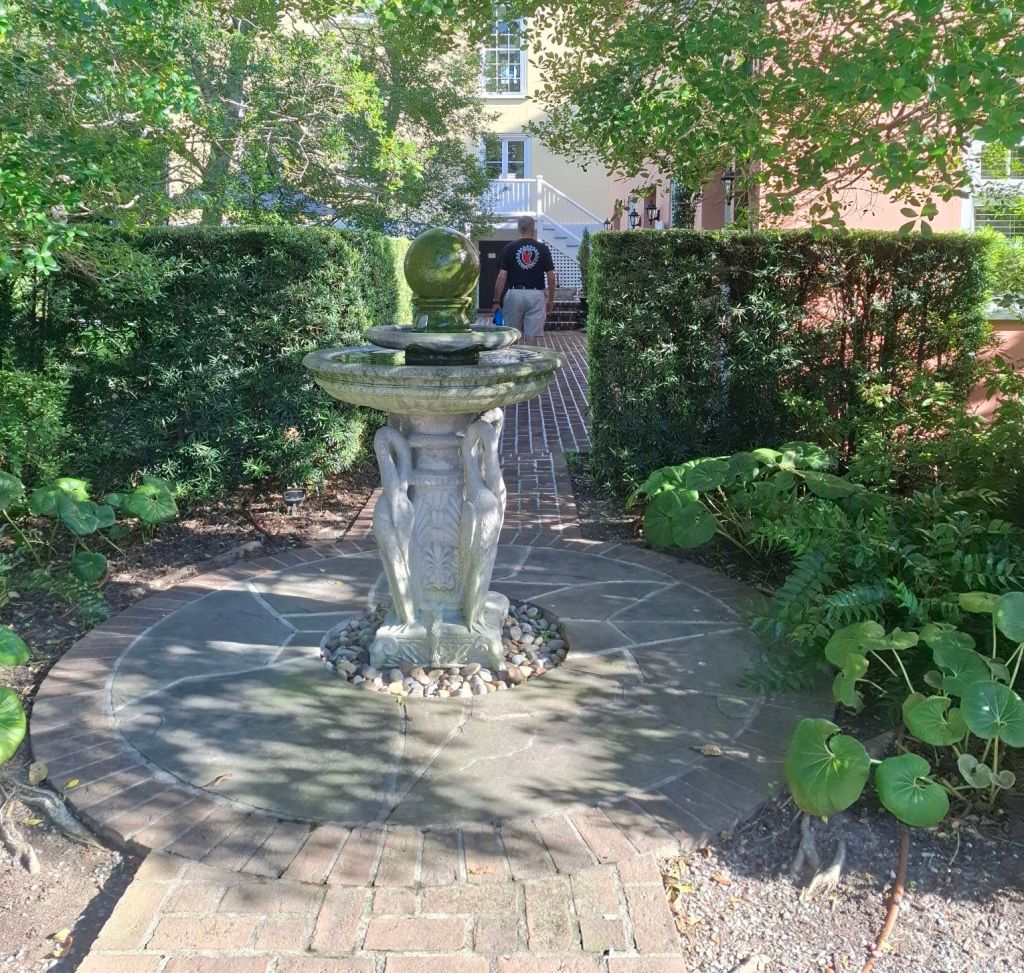
I will be looking for a Green Tractor Seat when I get back on the mountain.
FLOWER lovin’ some Charleston
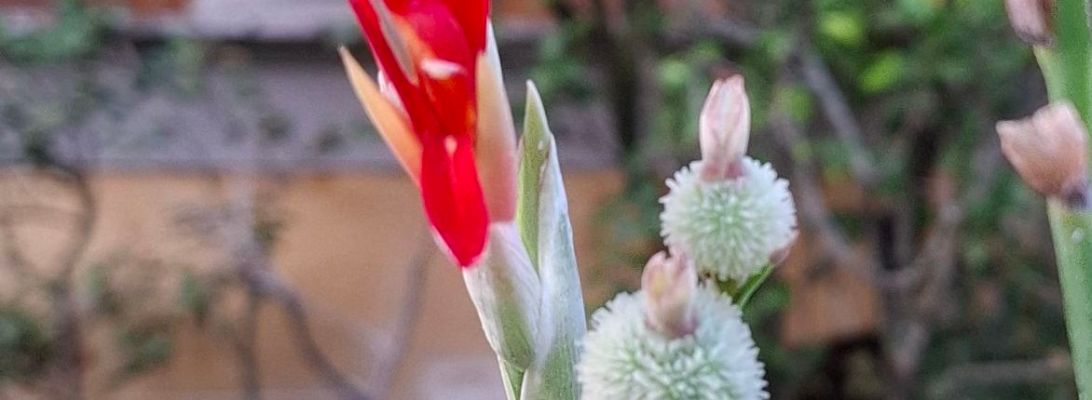
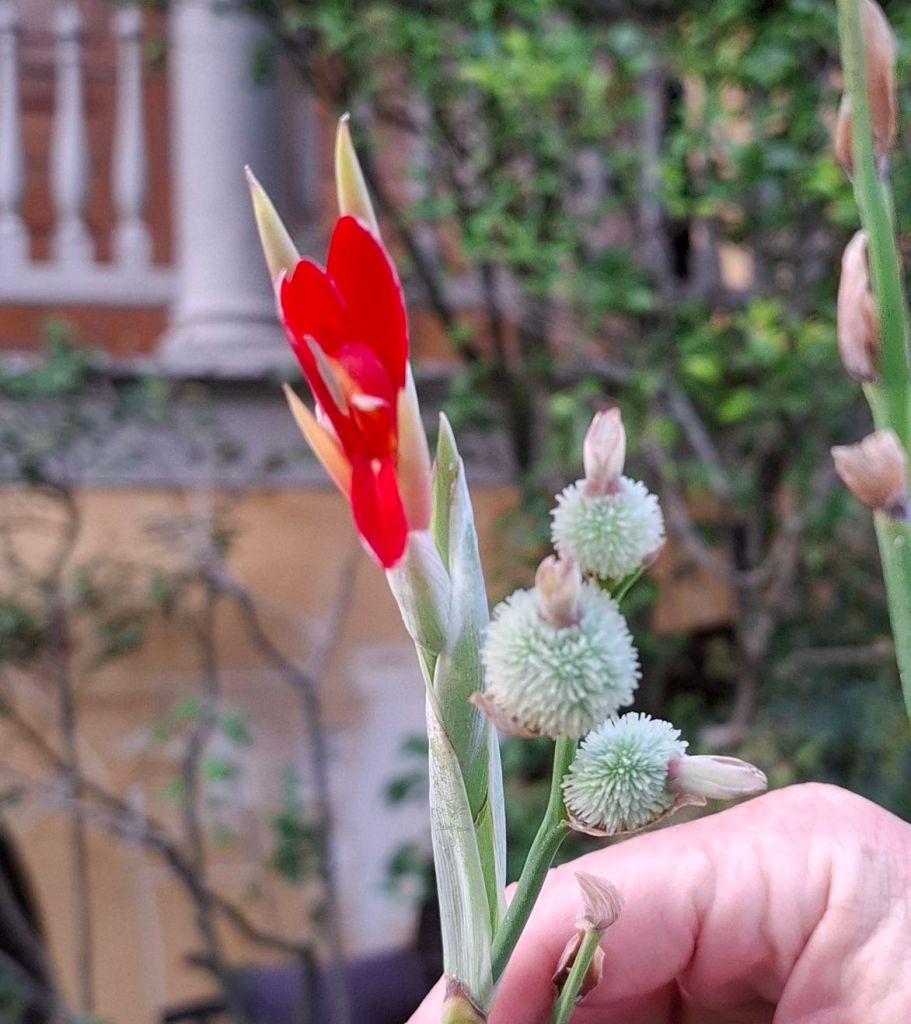
The leaves look like canna leaves, but the flowers are much smaller than other cannas.
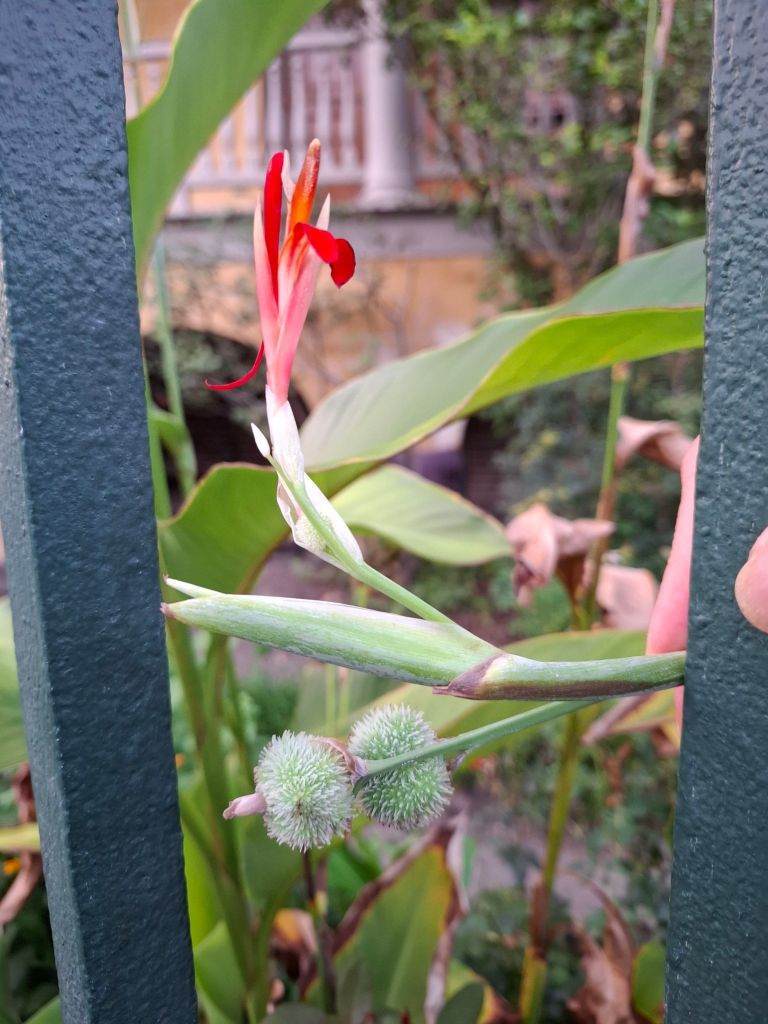
The seed pods are spiky green balls that will darken. Its nickname is Indian Shot. That is because the ripened seeds look like buck shot.
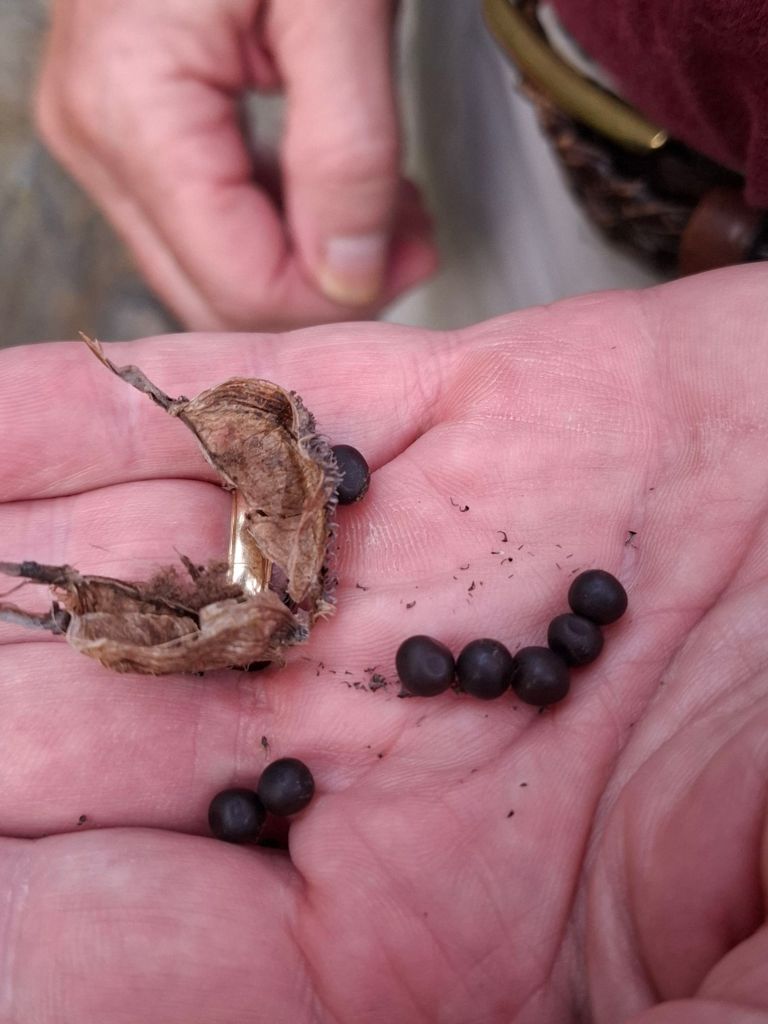
I am not familiar with this hybrid. I read it is an invasive species in warm, moist regions. I guess I should not purloin a pod while I am in Charleston. Sigh.
FLOWER
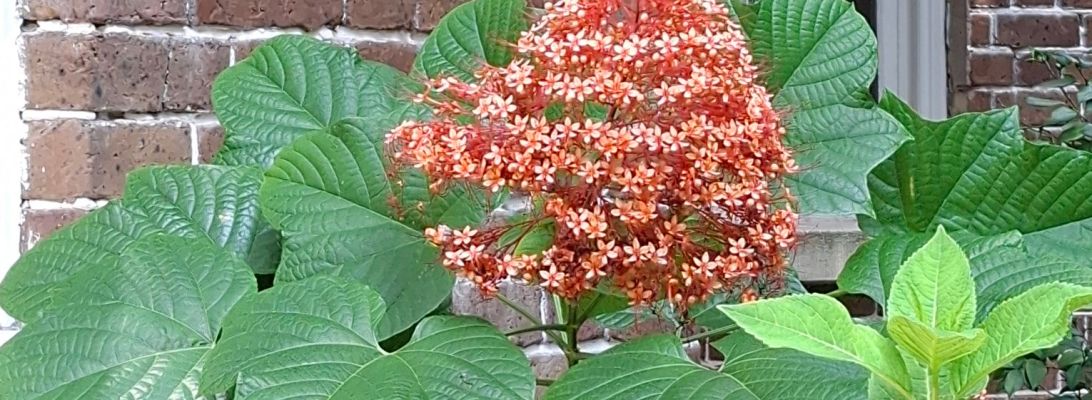
My favorite plant of the day is this Orange Pagoda flower in the garden of the Nathaniel Russell House in Charleston, South Carolina. I have never seen this Clereodendrum paniculatum before. I had to ask the hostesses of the house its name.
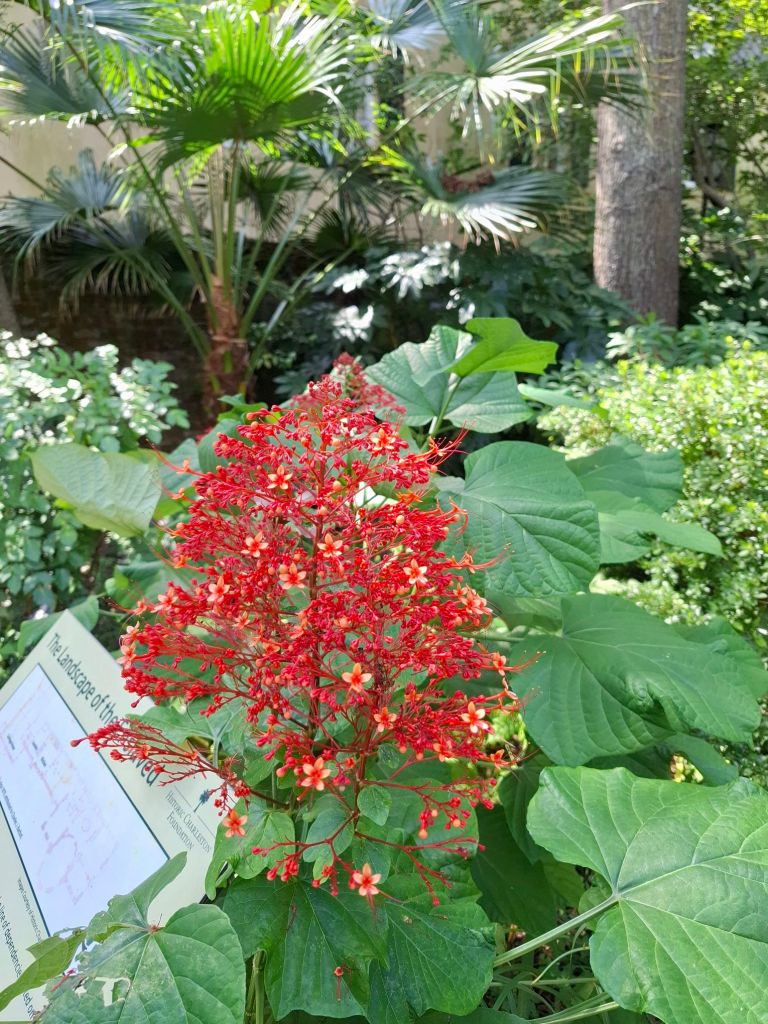
It large florescences were swaying in the breeze. The pagoda-shaped flower heads are atleast a foot tall. These plants are scattered throughout the entrance garden.
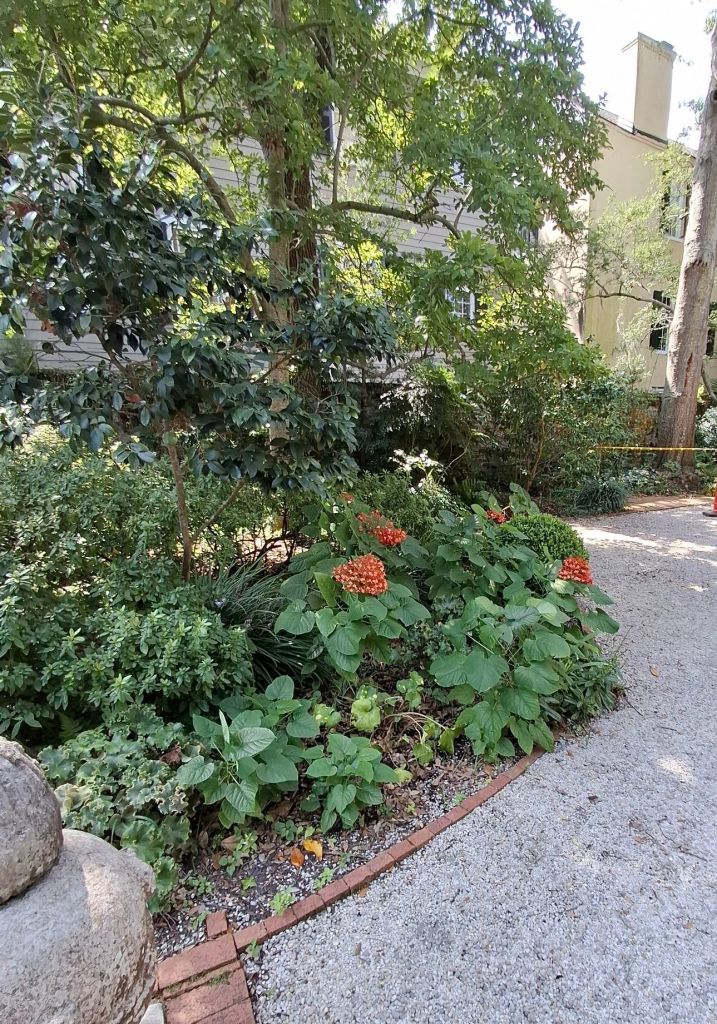
This is the most opulent mansion we have toured thus far.
FLOWER
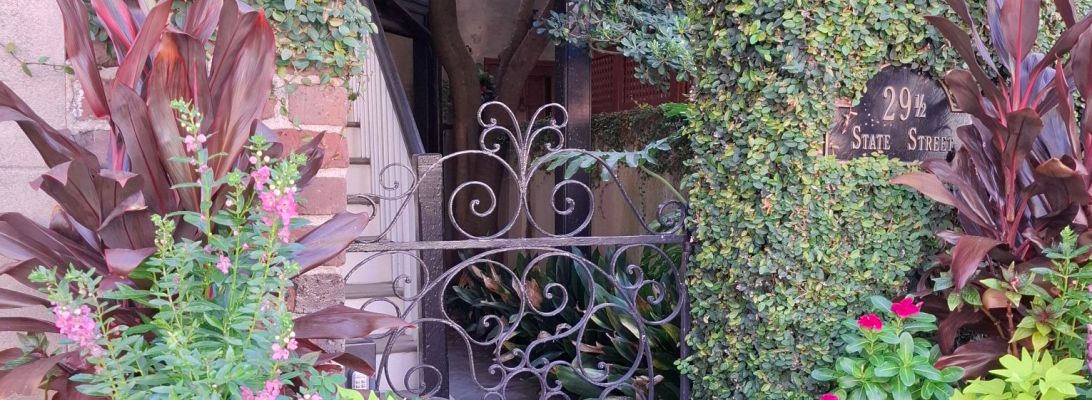
Many of the properties in the city of Charleston have walls around the entire property with ornate gates.
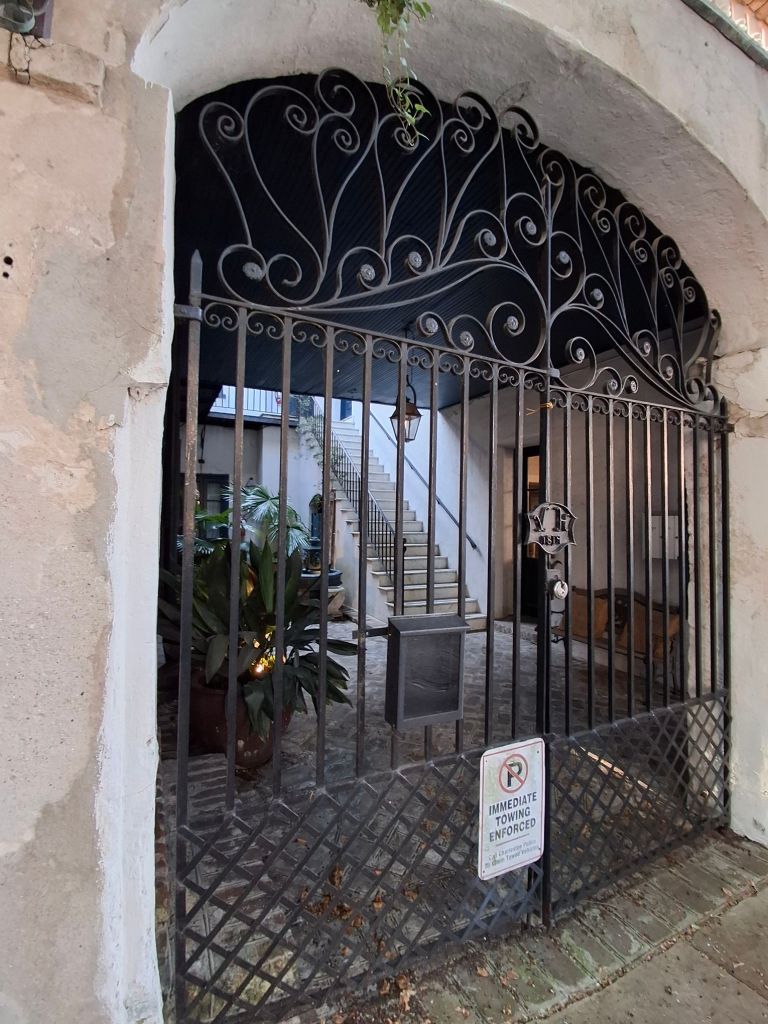
I enjoy looking at the designs of wrought iron. Here are some of my favorite ones.
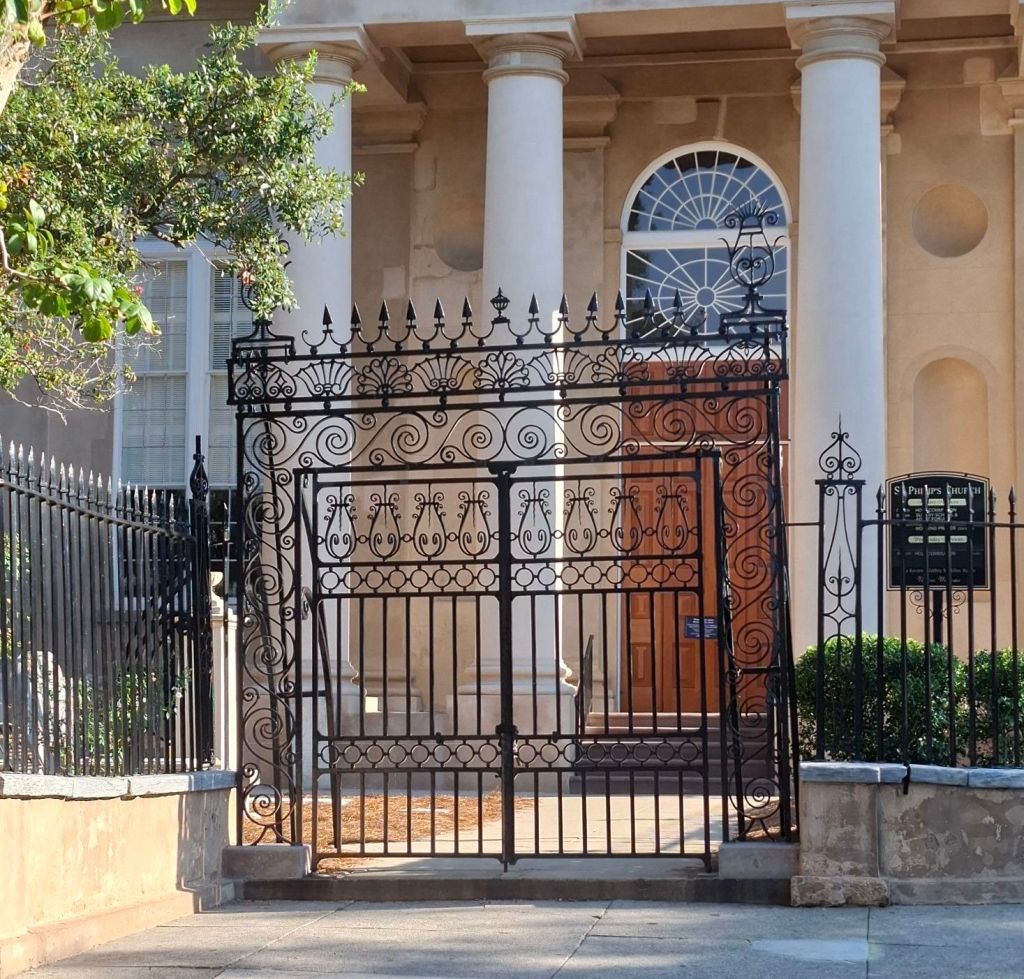
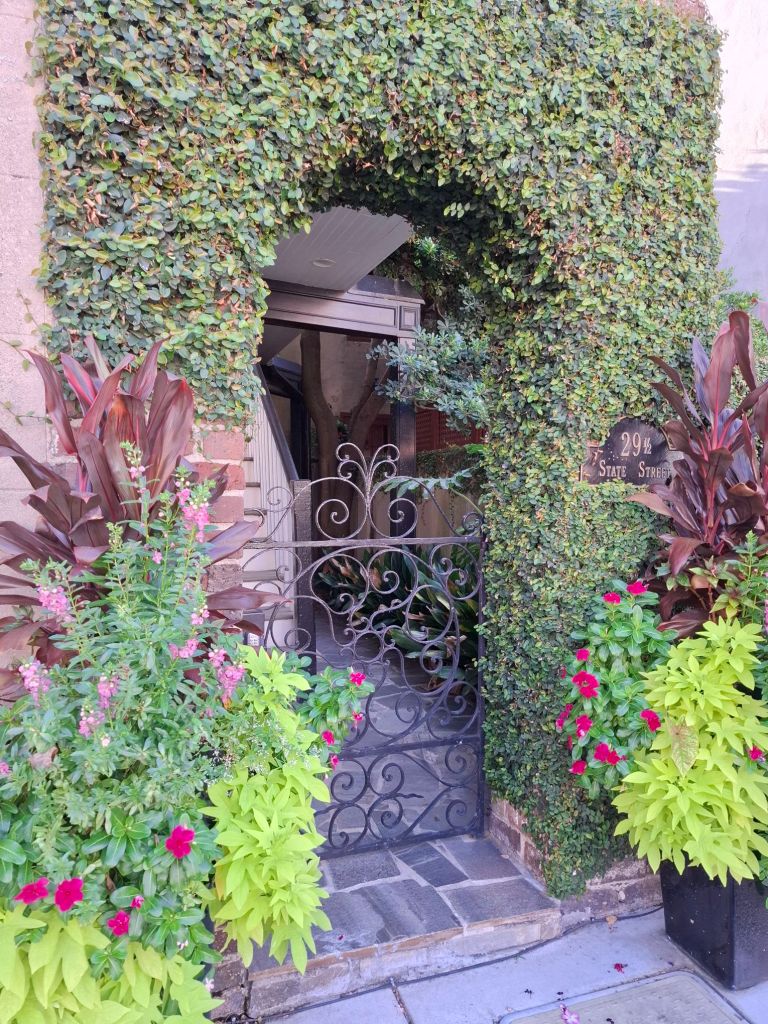
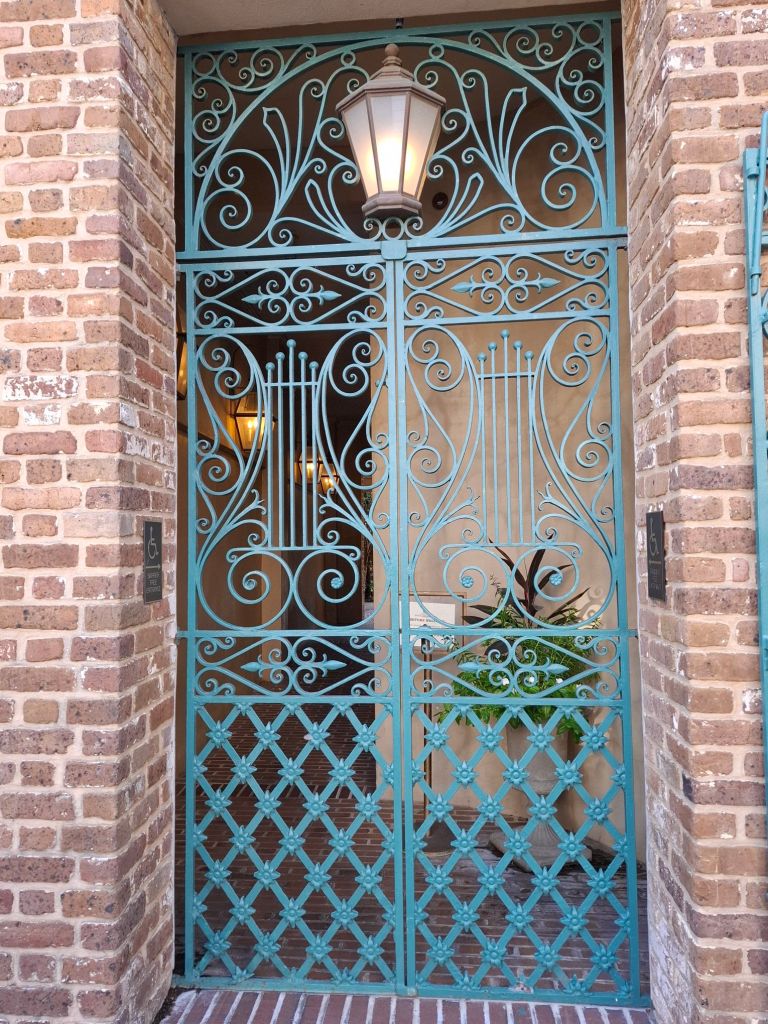
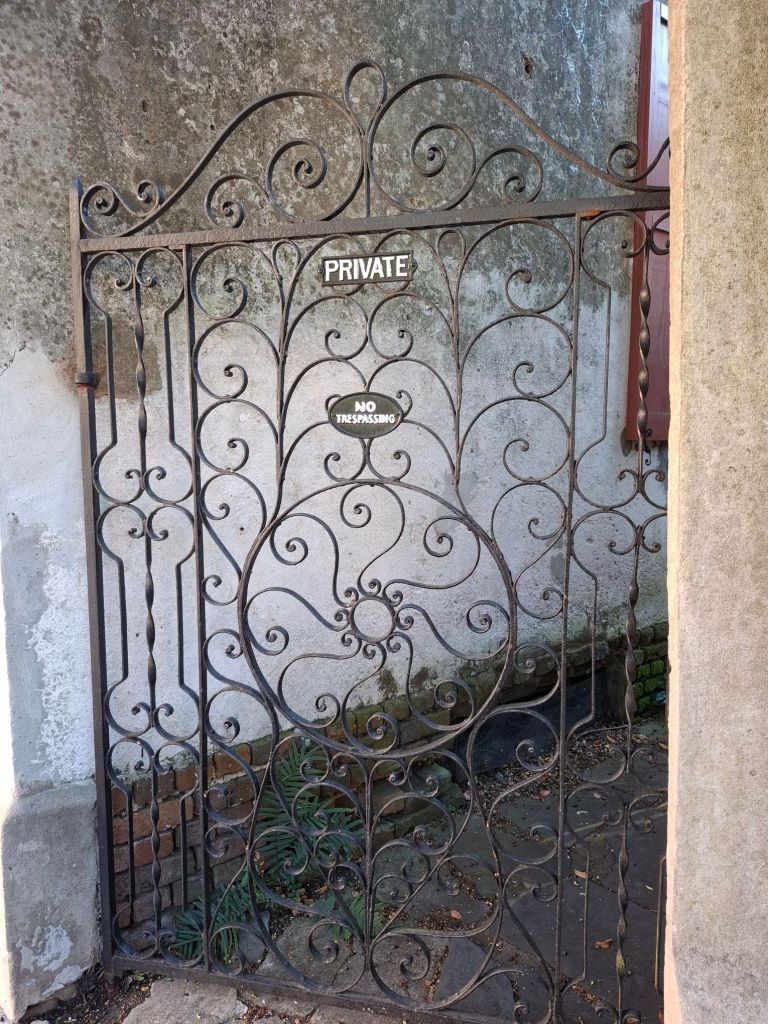
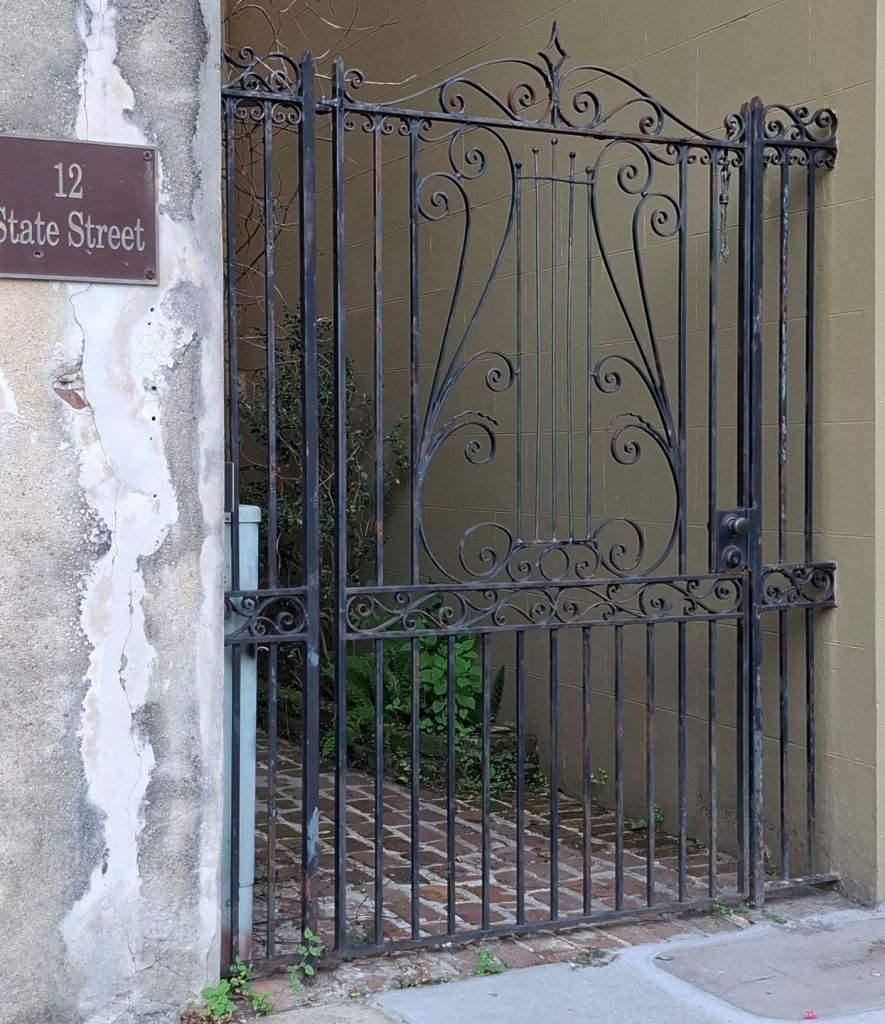
I loved this music lyre design most of all.
FLOW

