It’s the time of year when plants get ready to go dormant here in North Carolina.
This means in addition to losing leaves, plants set seed or form spores. This hopefully ensures another generation of plants.
This November is a little unusual because it has been so warm that we still have flowers blooming and bees buzzing. I have even had second generation seeds germinate and flower this season.
I will take you on a tour of s’more spores. Seeds will follow in another post.
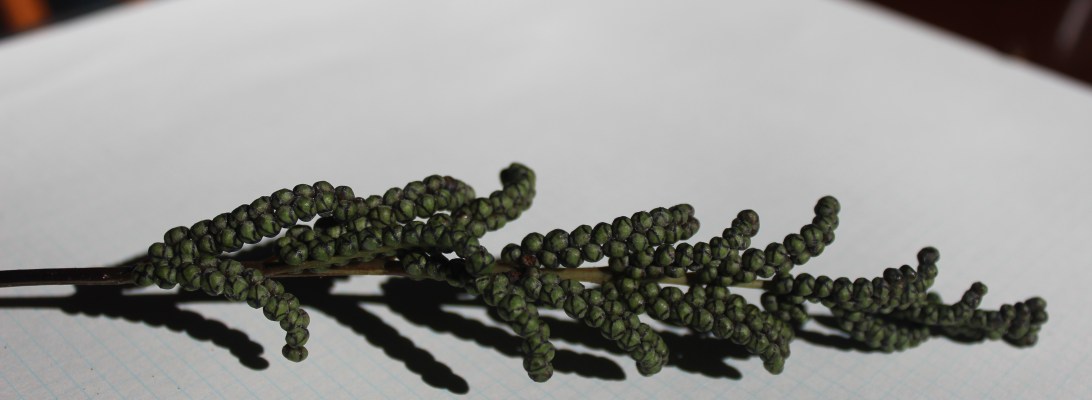
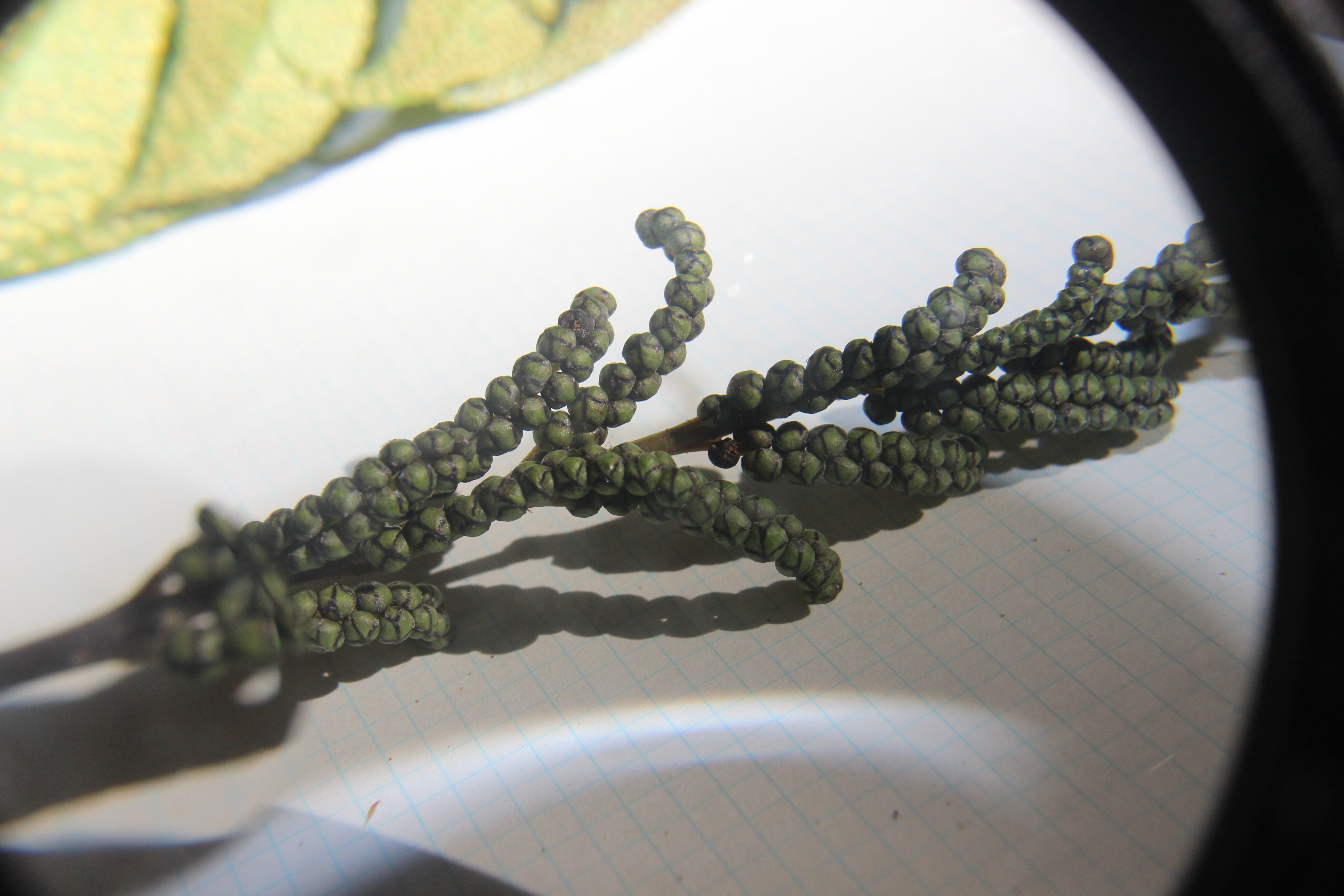
Sensitive fern/Onoclea sensibilis sends up its own spores on a stick. These are referred to as beads.
Its fronds are sterile, i.e. do not produce spores.
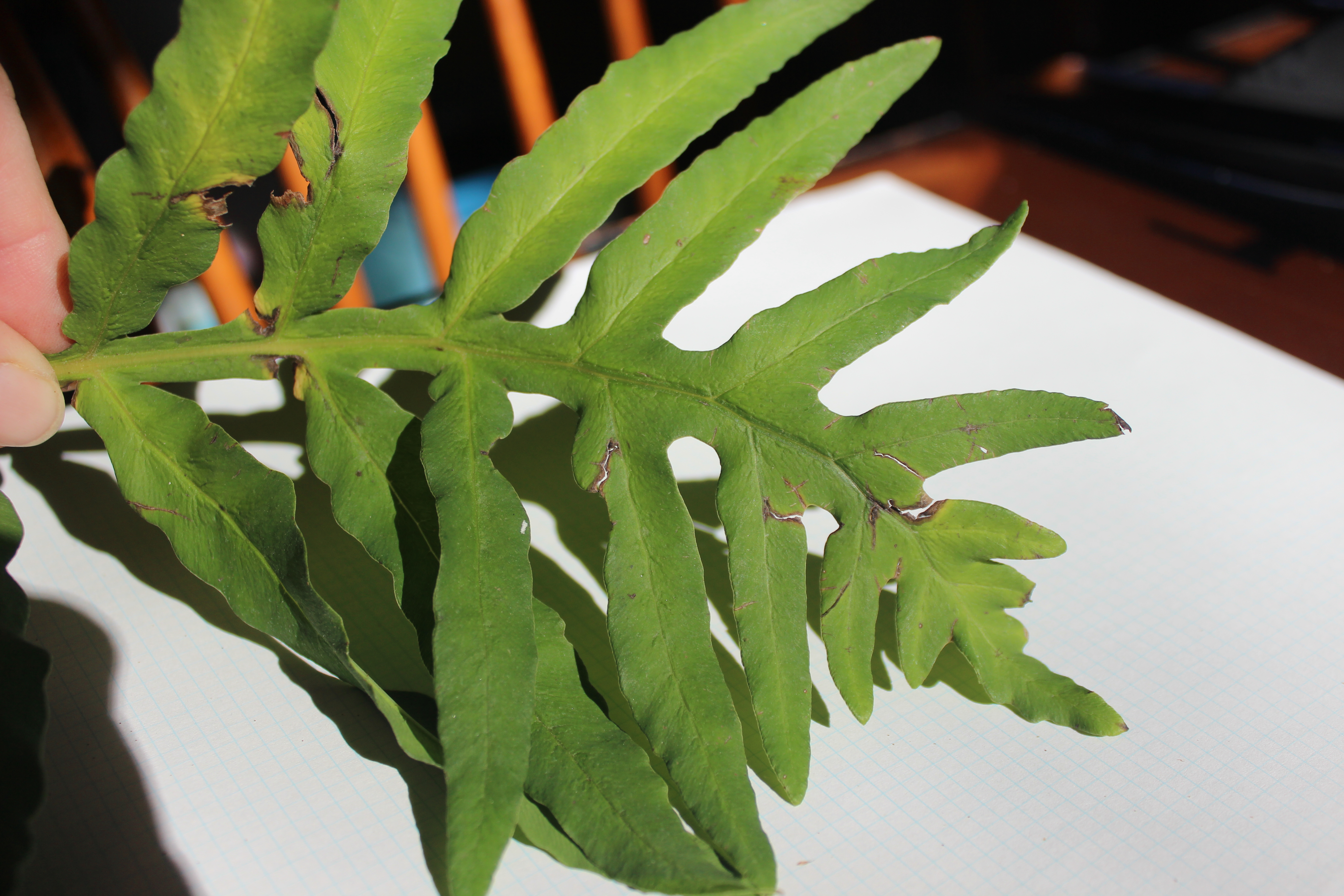
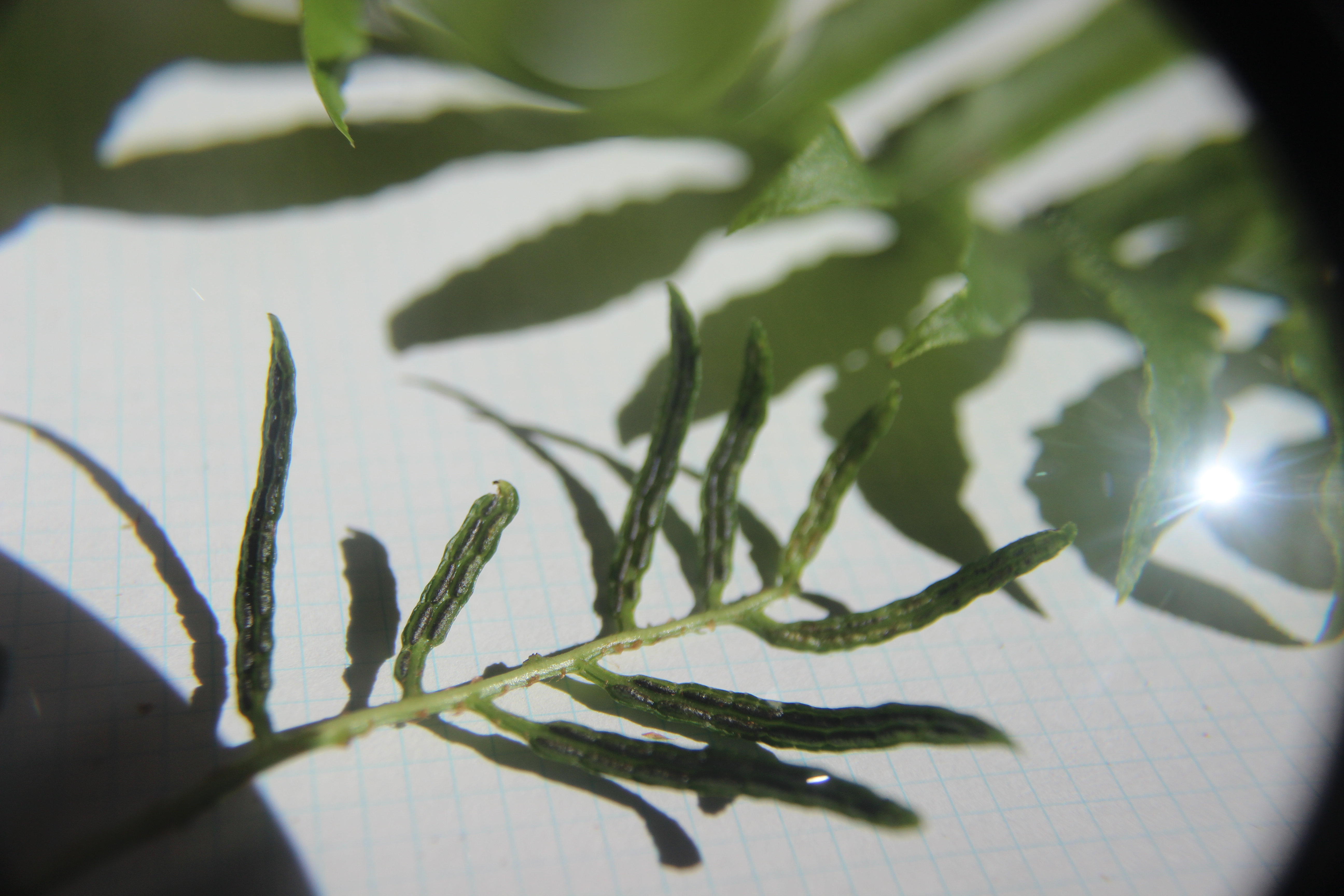
Chain fern/ Woodwardia areolata has a separate spore bearing structure, also.
Its fronds do not produce spores either.
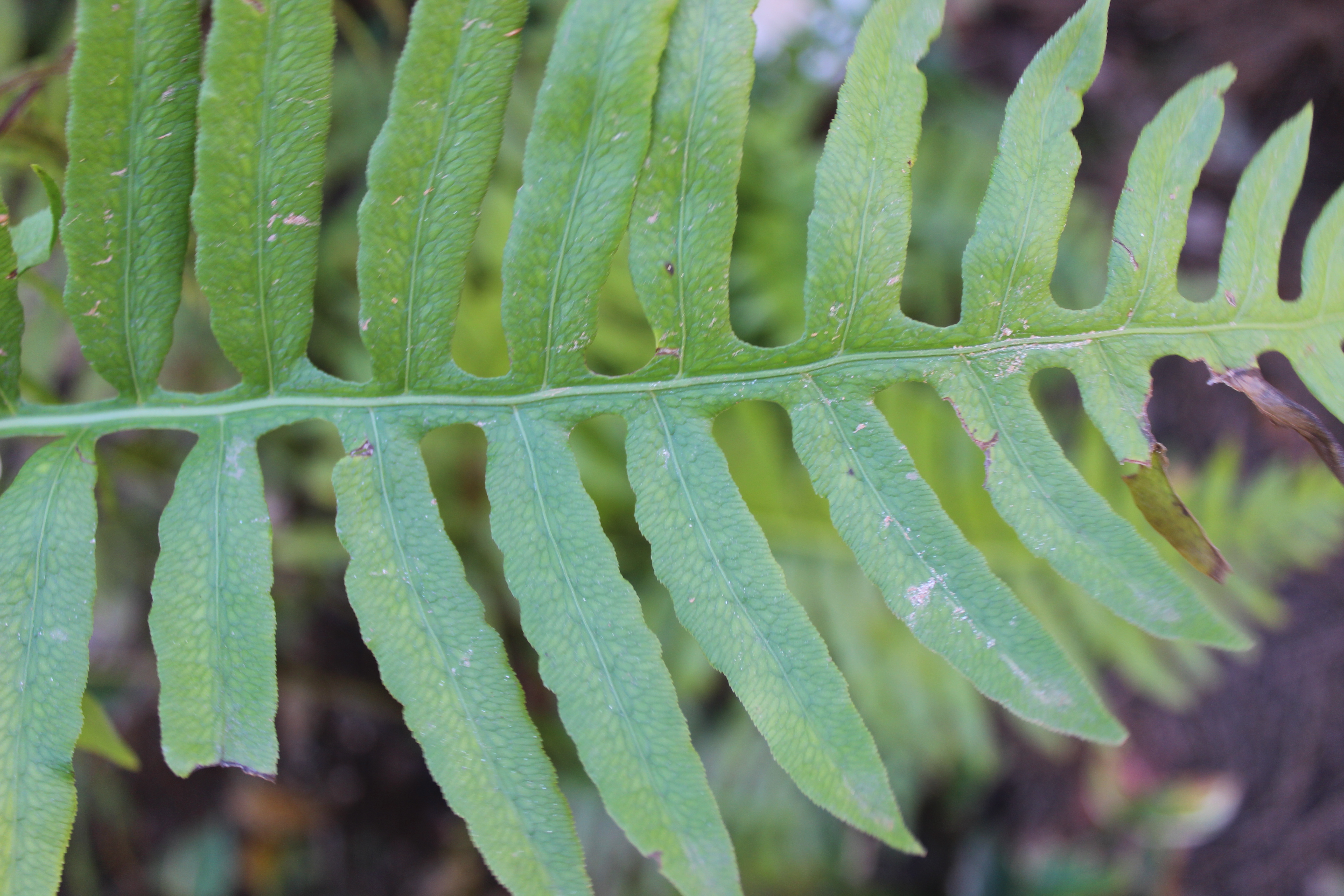
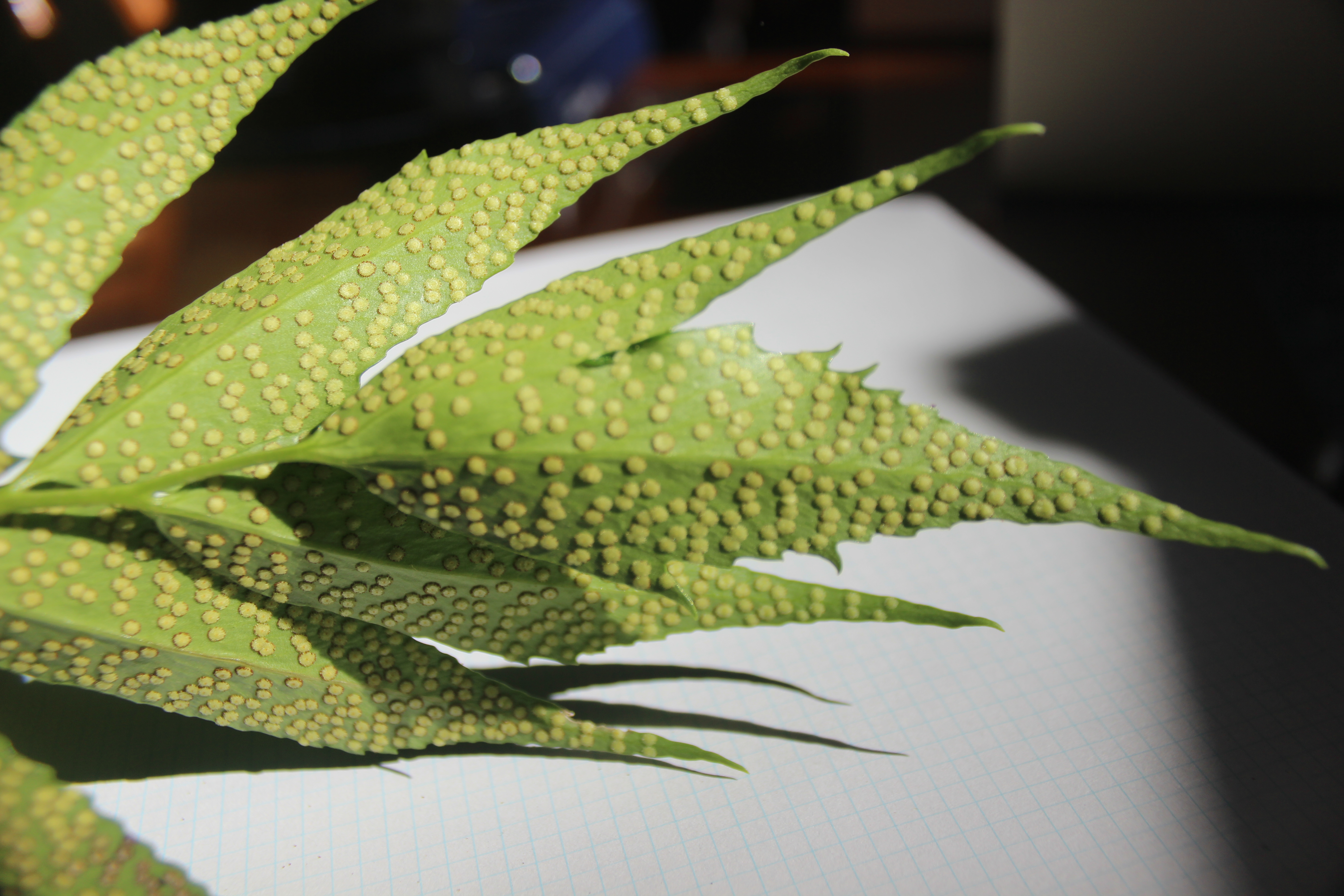
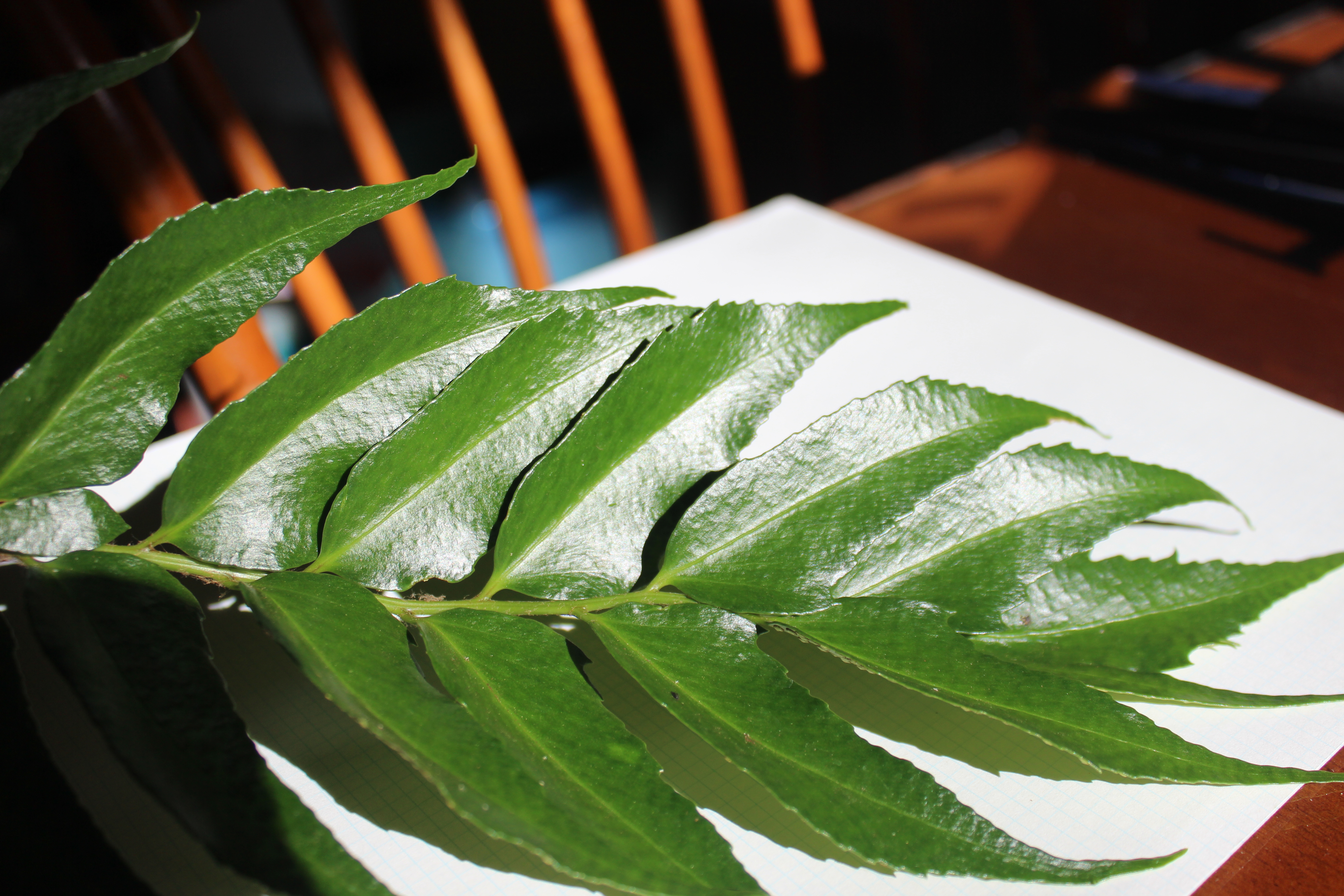
The Japanese Holly fern/Cyrtomium falcatum has a sporadic spore arrangement. No pun intended.
Its fronds are evergreen.
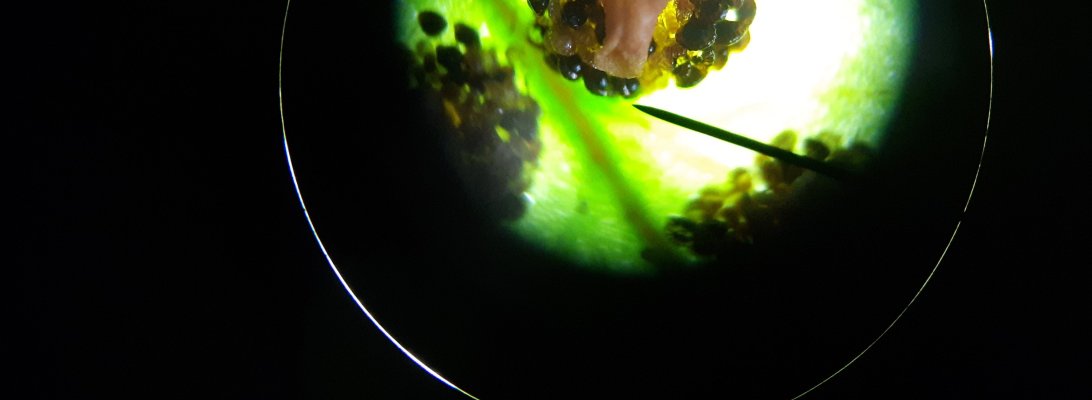
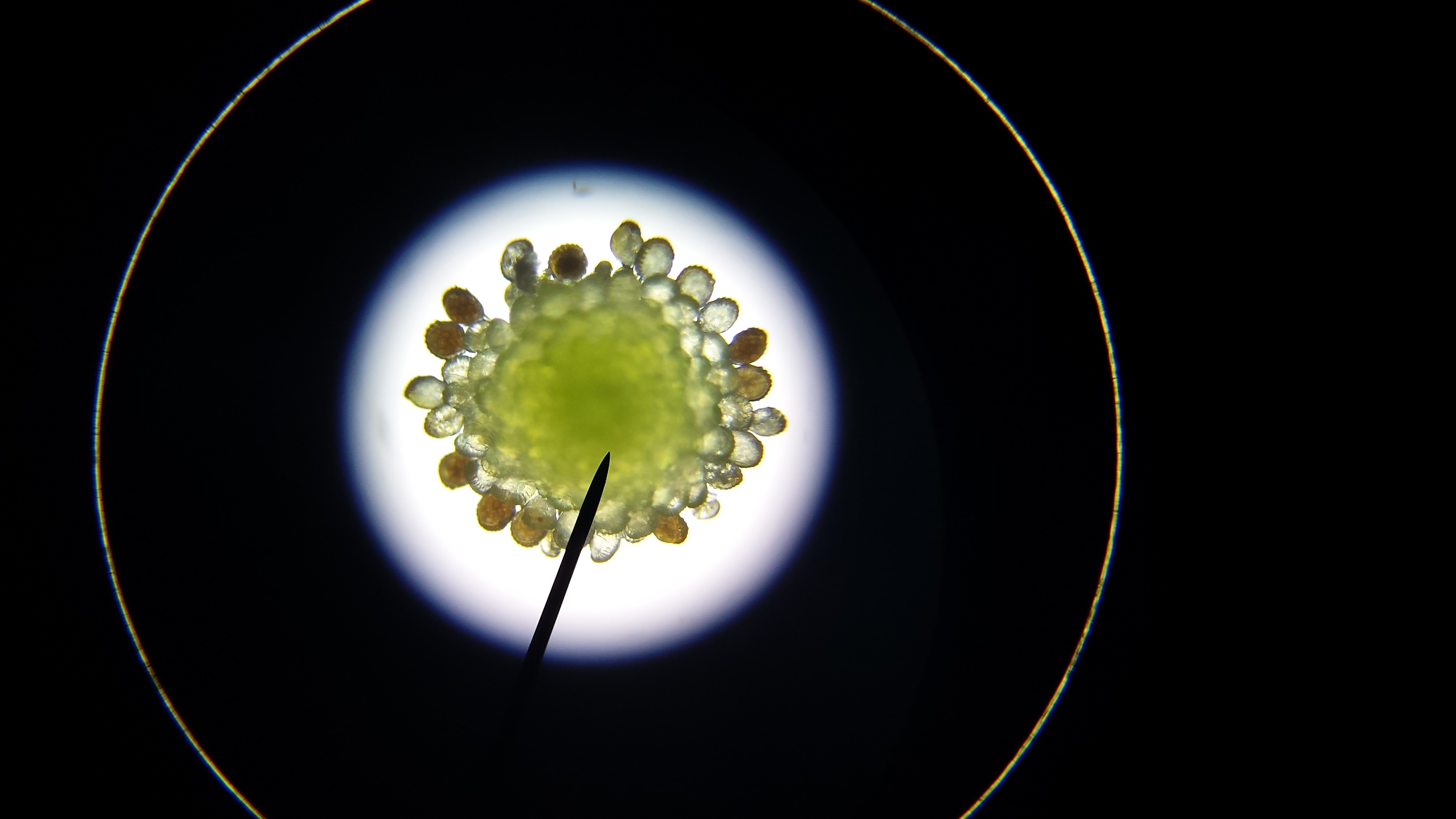
Here is one sorus from the Japanese Holly fern under the microscope.
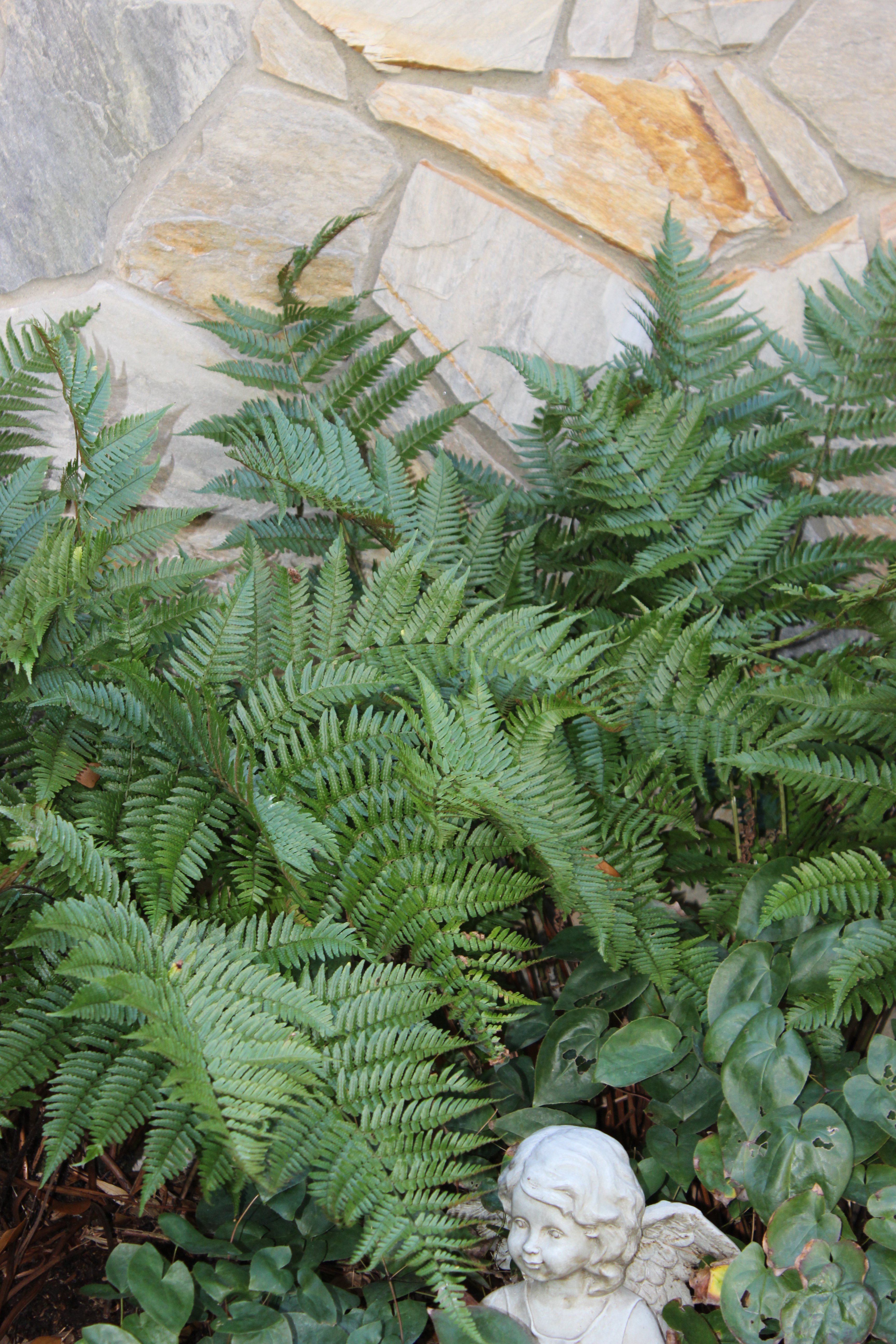
My favorite type of fern is the Autumn Fern, also known as the Japanese Shield Fern.
Autumn Ferns
It is my favorite because it is lovely in fall and winter, when most of my other plants are dead or depressingly dormant. It loves shade and moisture. It needs protection from wind to get this big without damage.
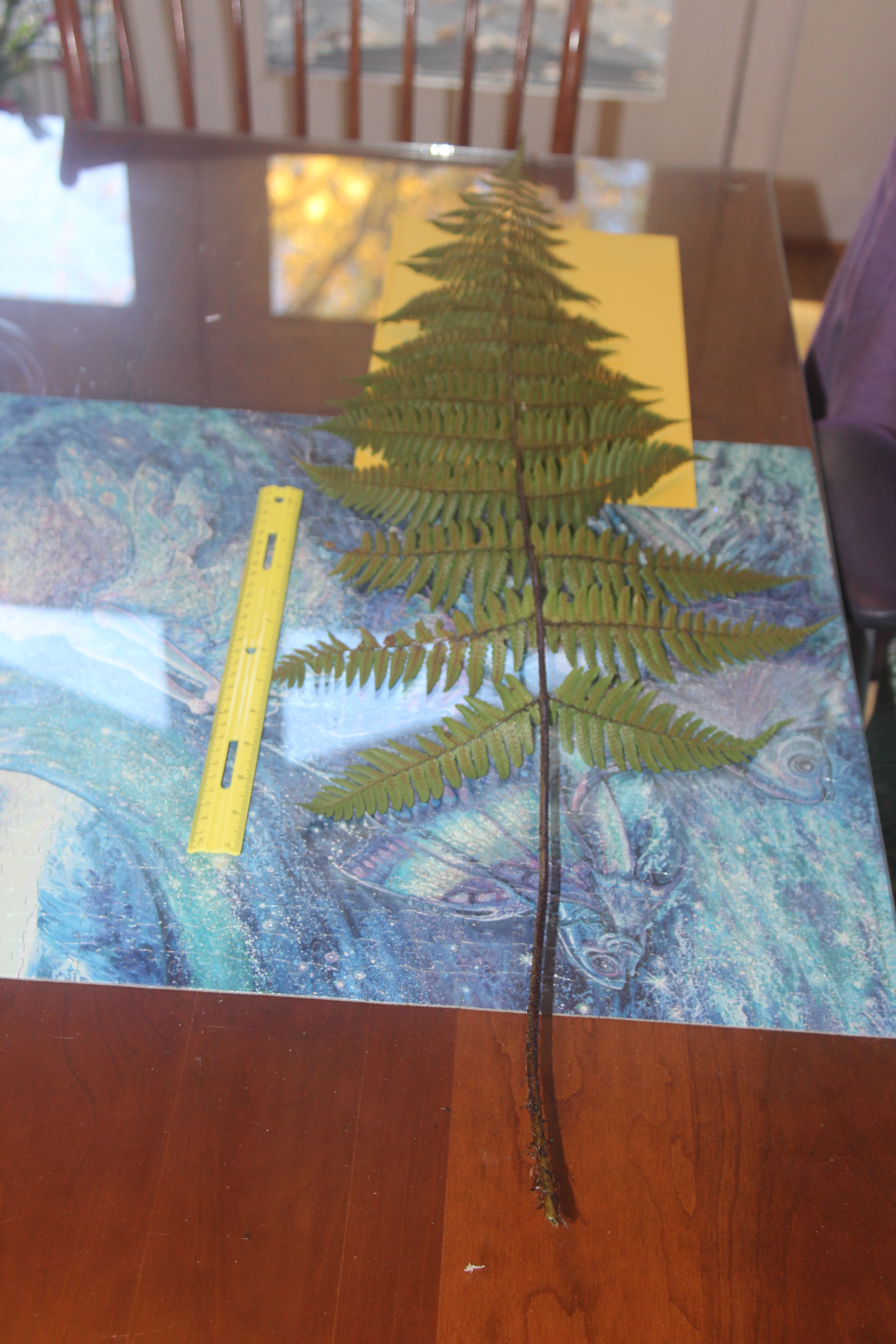
three-foot-long frond
The fronds are bipinnate/twice-cut, which means there are two divisions of leaflets on the frond stem divisions. They are also triangular.
triangular shaped frond
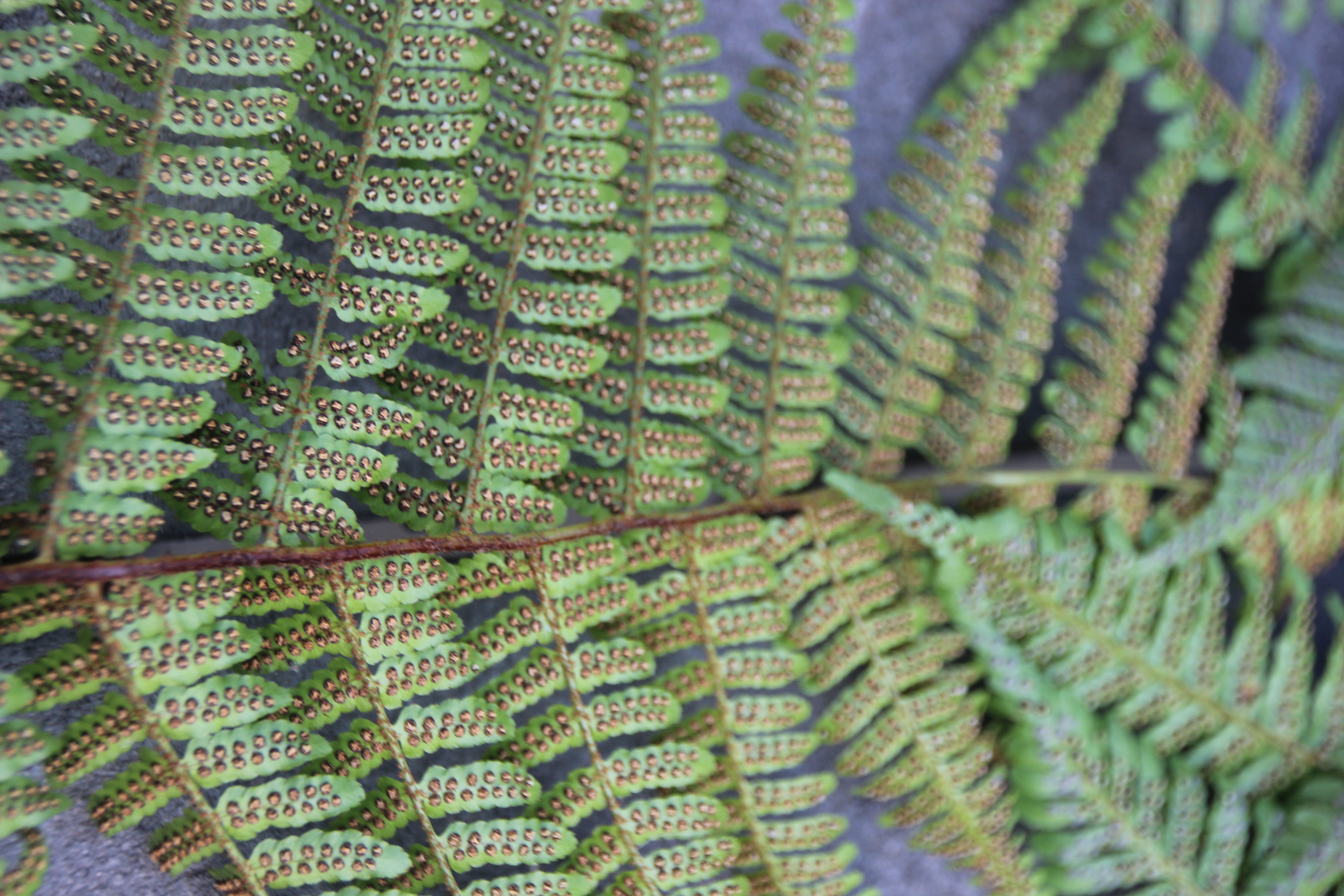
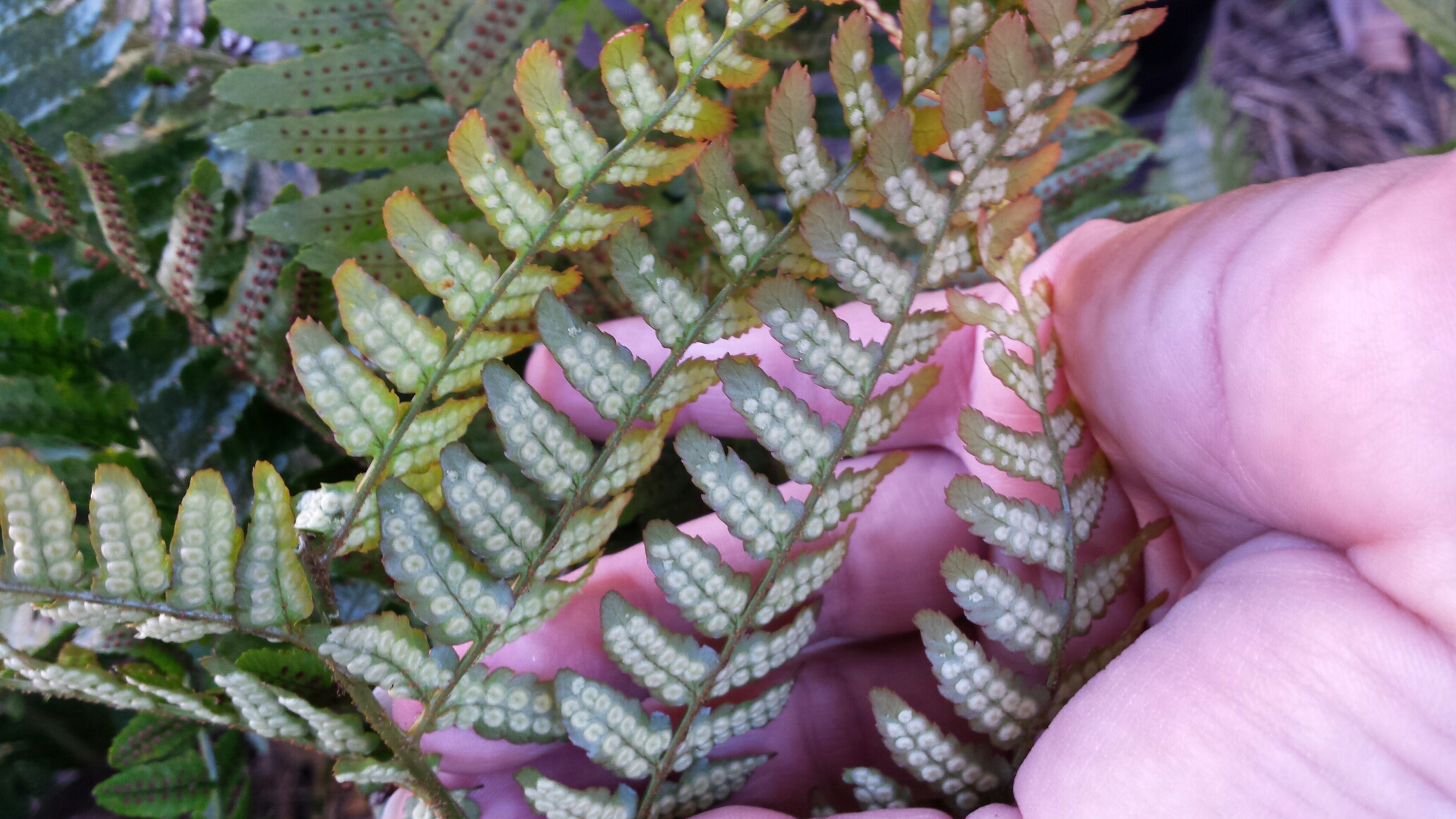
The sori are arranged in neat little rows along underside of the leaflets.
sori in rows
Its species name is Dryopteris erythrosora. In Latin that means tree/fern/red/sorus.
A sorus is a packet of spores that looks like a rust spot this time of year.
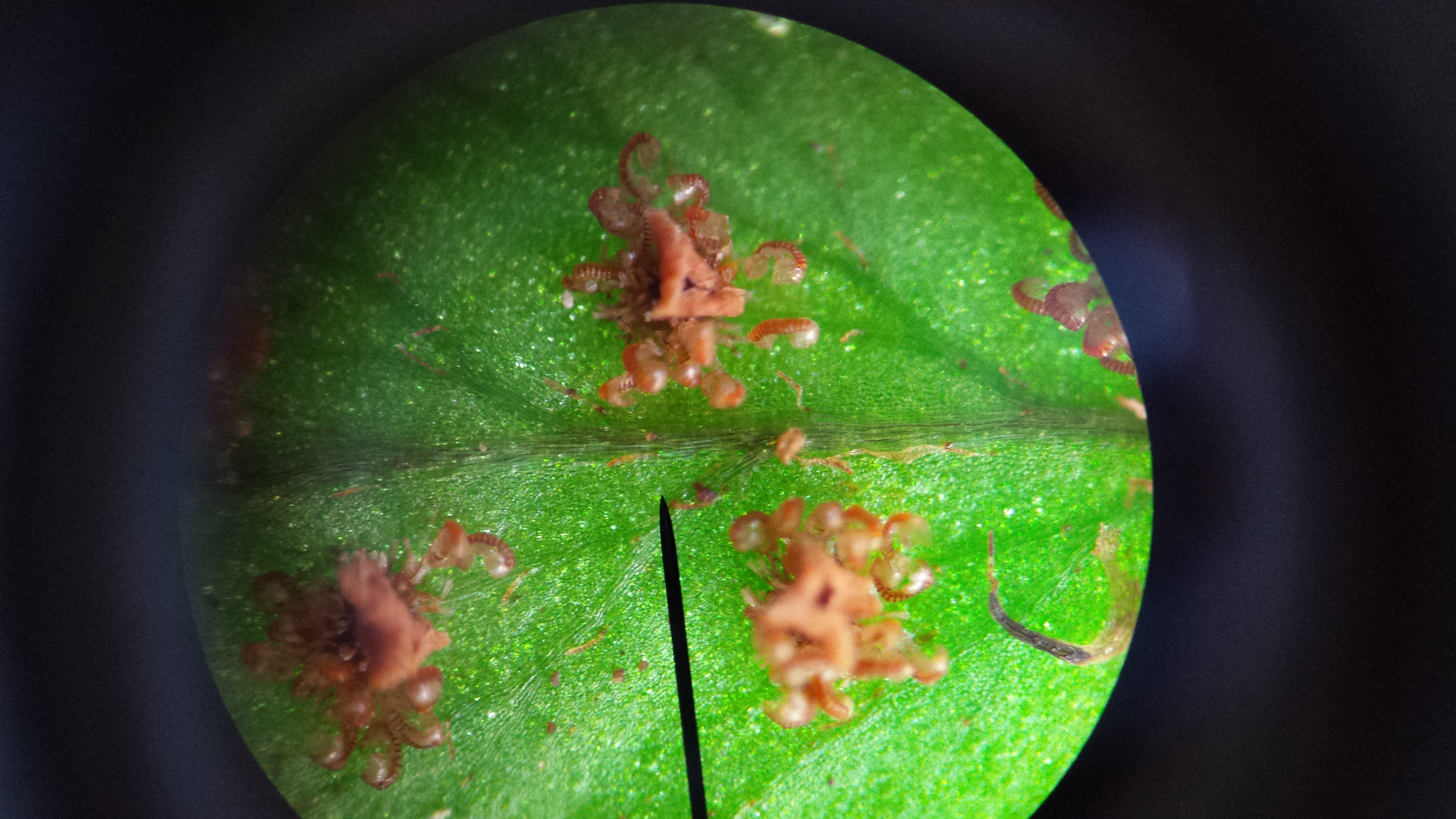
Here are three sori under a microscope. Each is a complicated system of catapults. The curled arms unfurl and sling the spores away from the parent plant.
empty sori “catapults”
Fresh sori are light colored or transparent. These still contain spores.
Spores are not seeds. They only have half the genetic material of the fern. These germinate into tiny “boy and girl” gametophytes, which then get together and make the big “baby” sporophytes that we call ferns.
This ancient and strange life cycle is called “alternation of generations.”
I look at my ferns and feel a connection with prehistoric life.







 floweralley