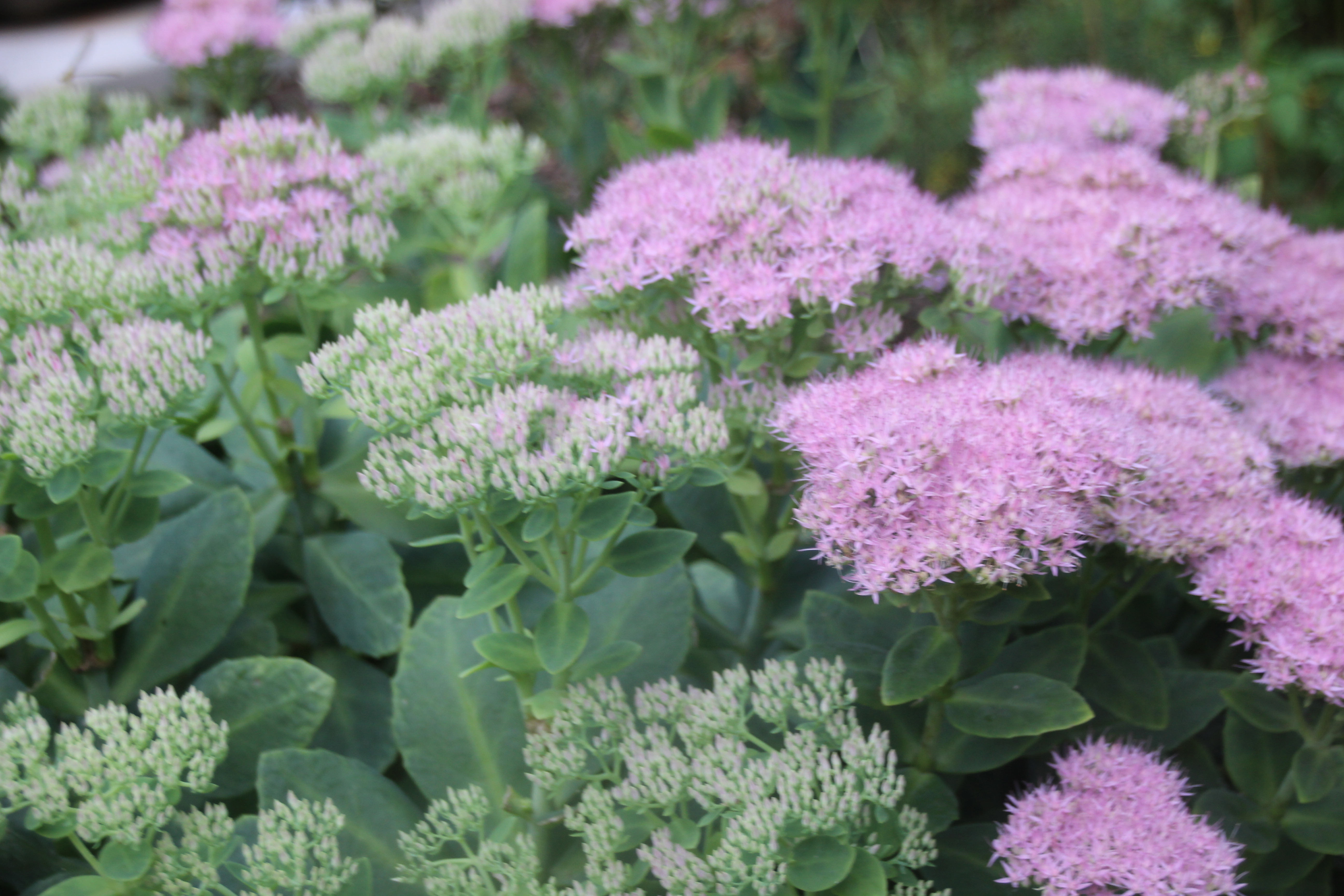
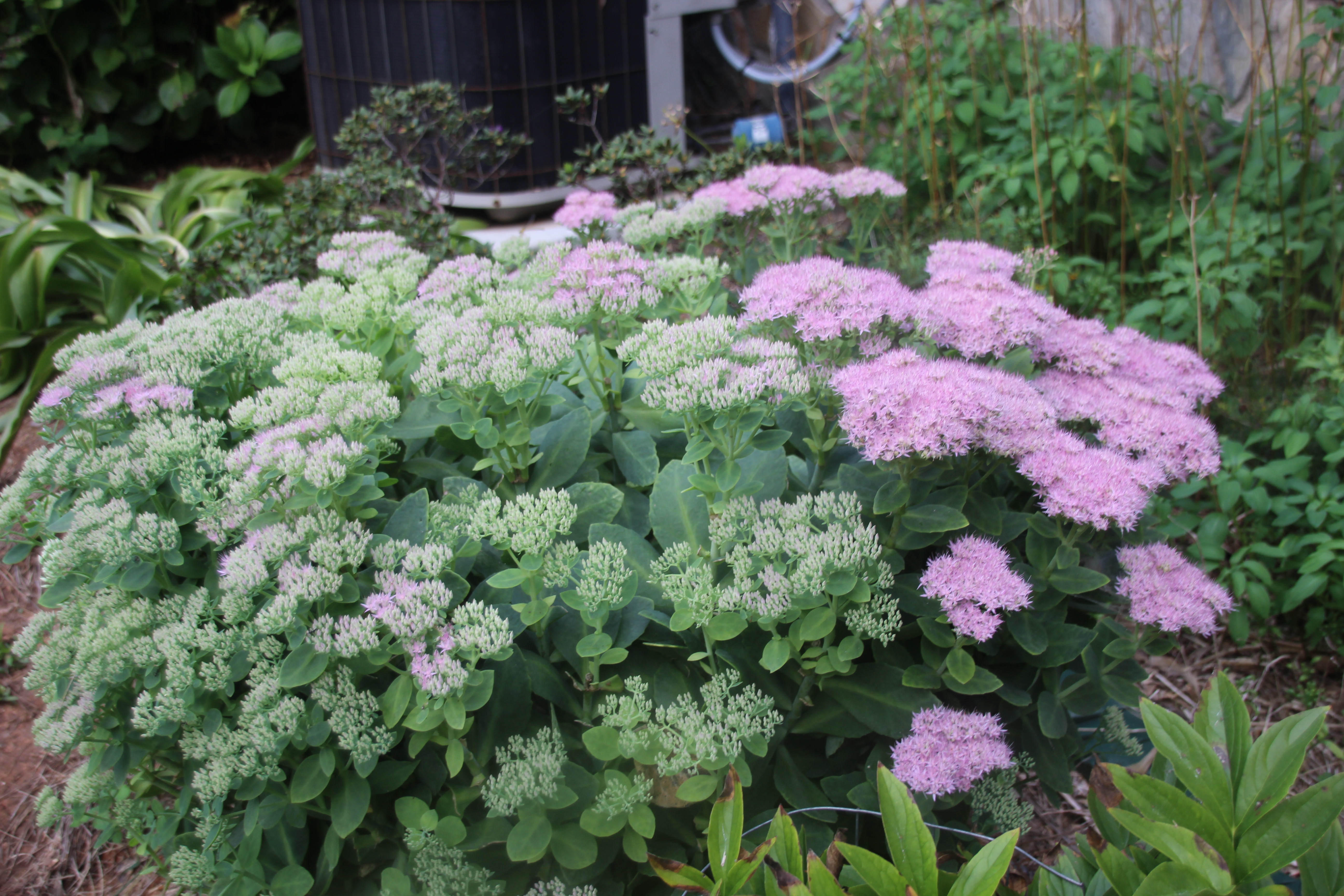
I really admire the sedums for holding up to the August heat and then blooming afterwards.
I only water my small sedums in pots and troughs. The big plants in the yard are on their own.
I have three types with known hybrid names. The rest have been passed along or given to me without identification. These three are hard-working bloomers.
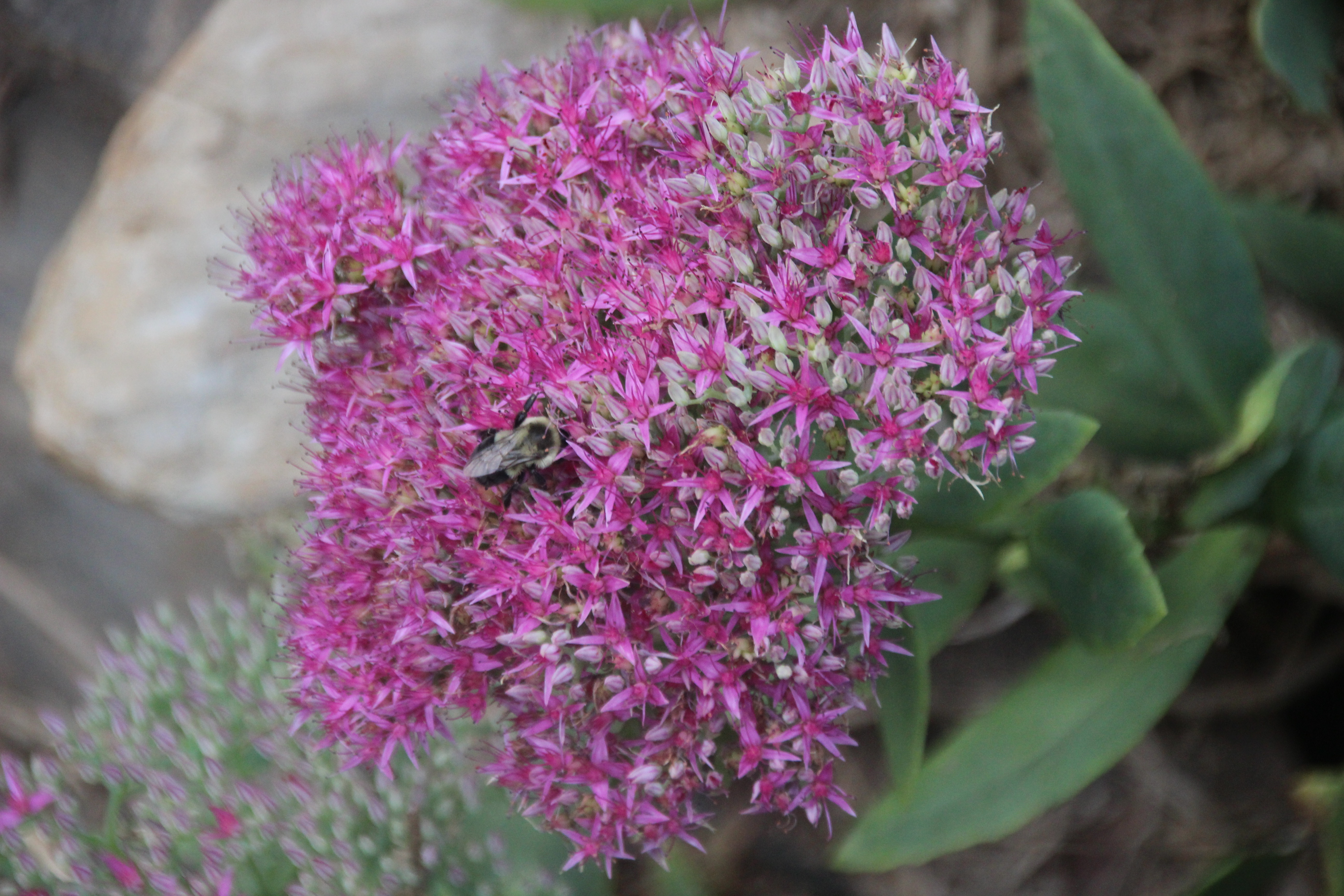
The hot pink one is aptly named ‘Brilliant’ because it really is showy.
‘Brilliant’ sedum
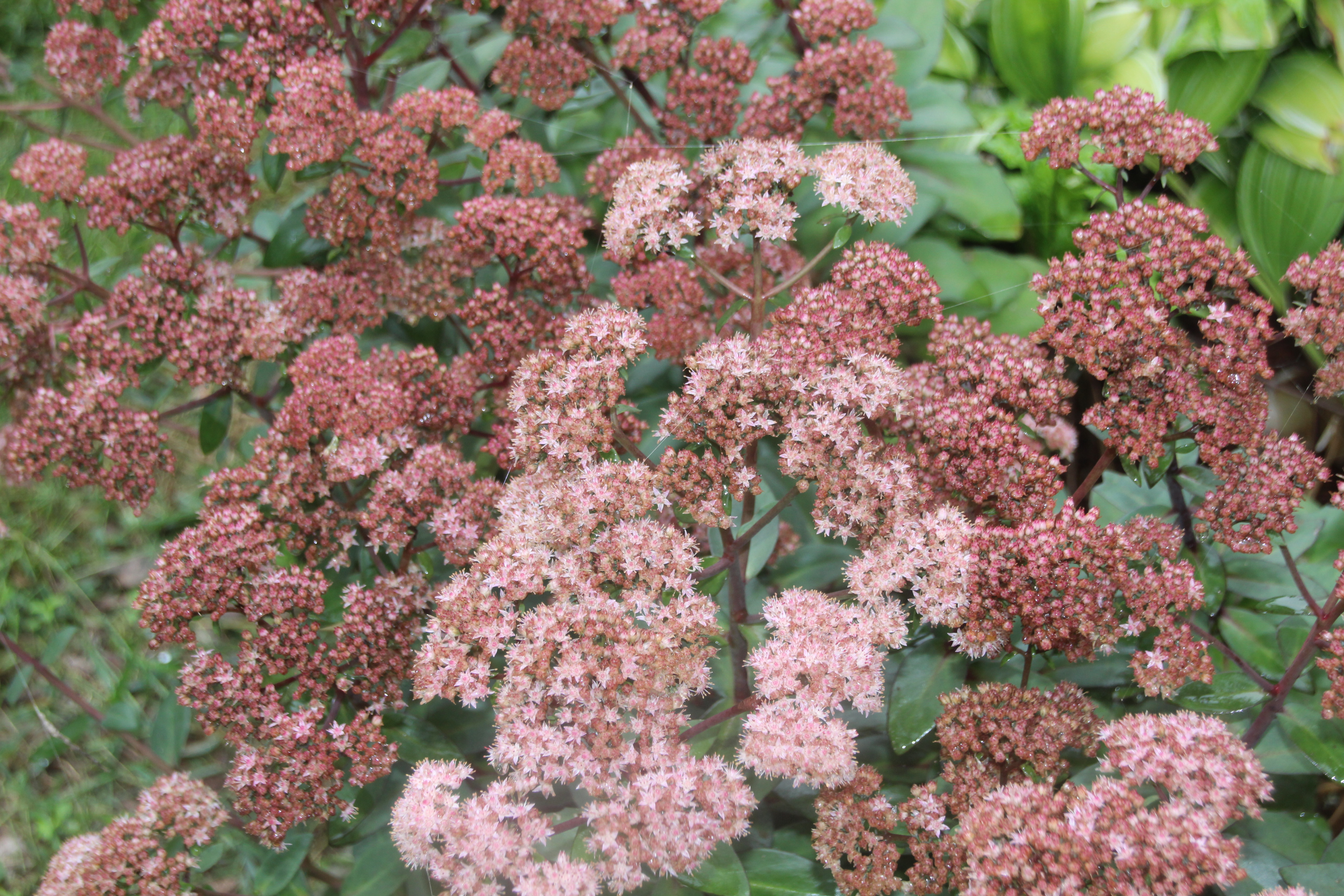
The more muted salmon, darker hybrid is ‘Matrona.’
‘Matrona’ sedum
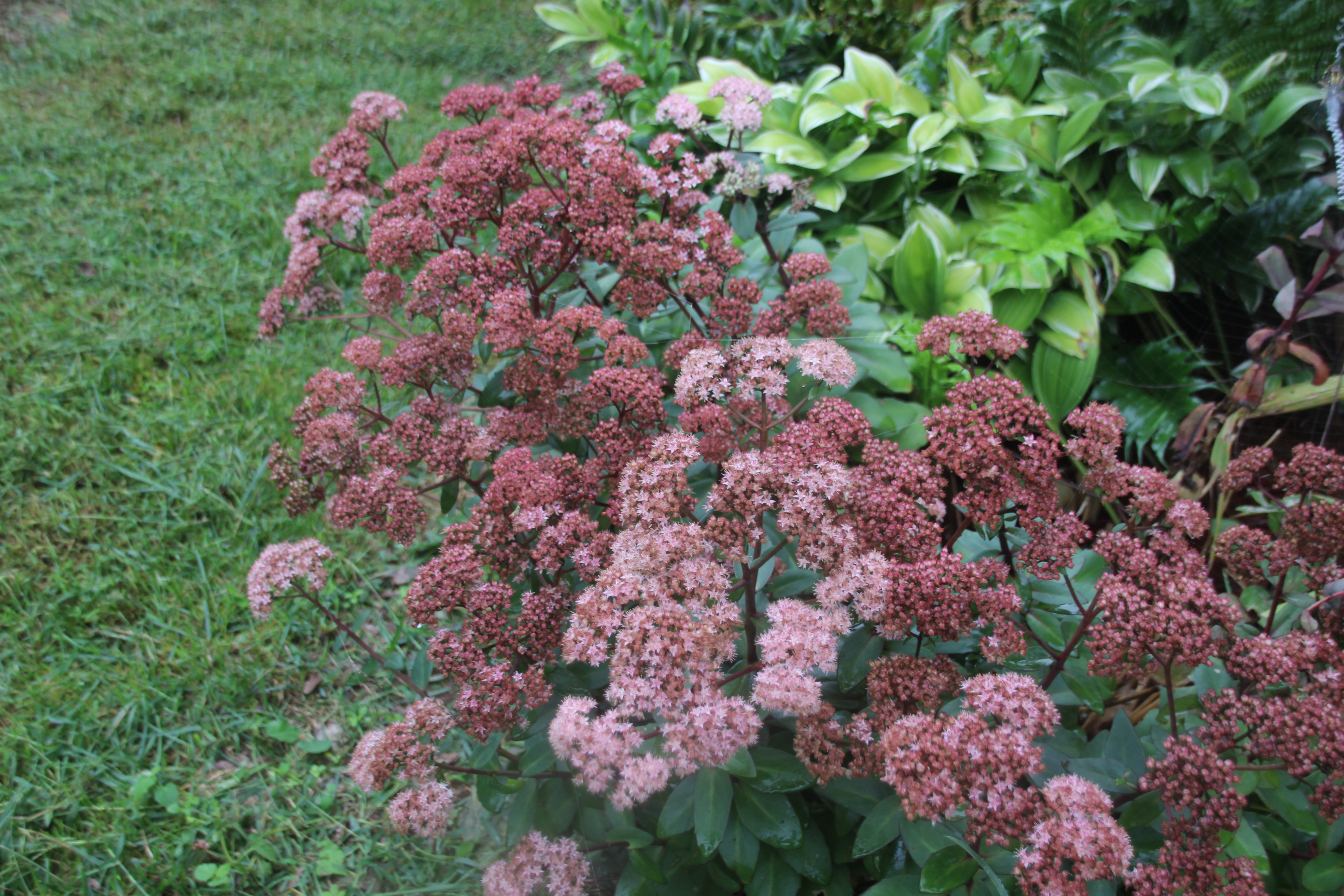
The one I have had for several decades is ‘Autumn Joy.’
This plant is two-toned because the deer ate half of the shoots earlier in the summer. It recovered nicely.
‘Autumn Joy’ sedum
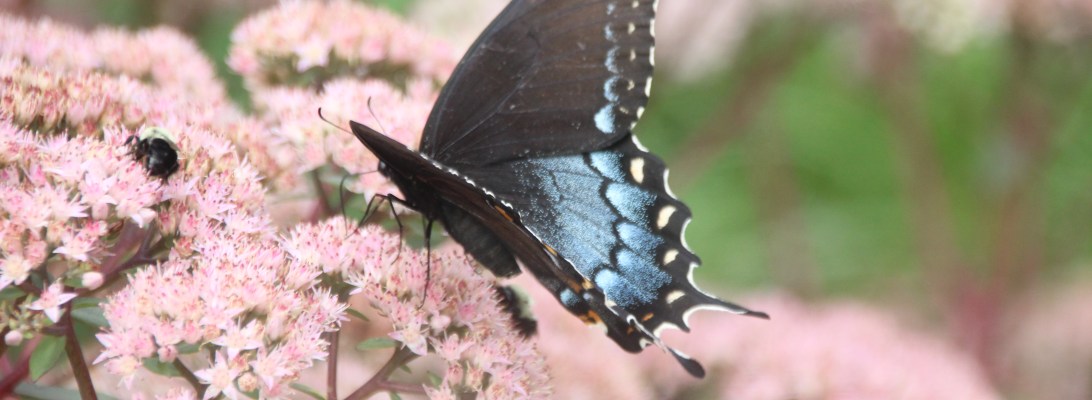
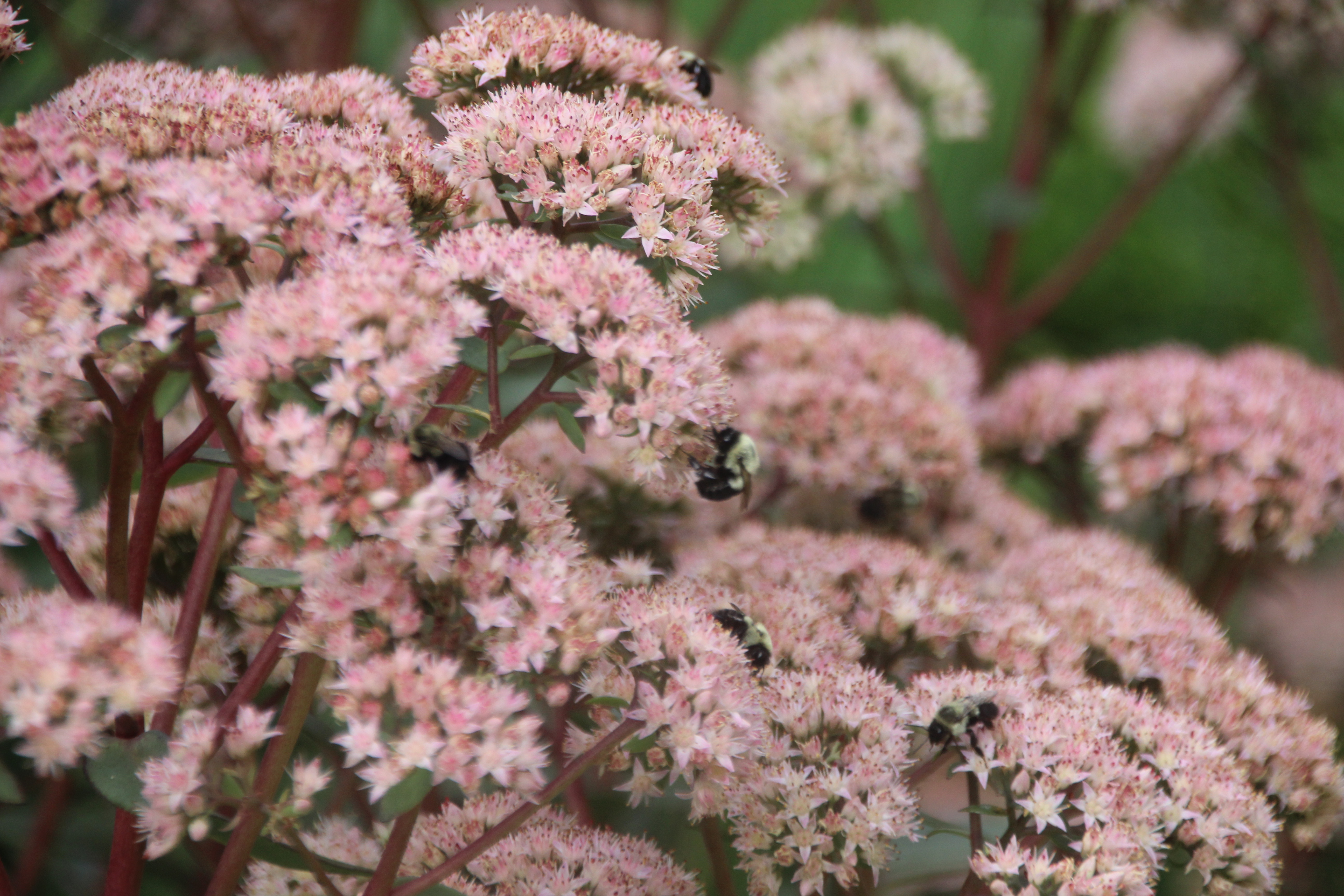
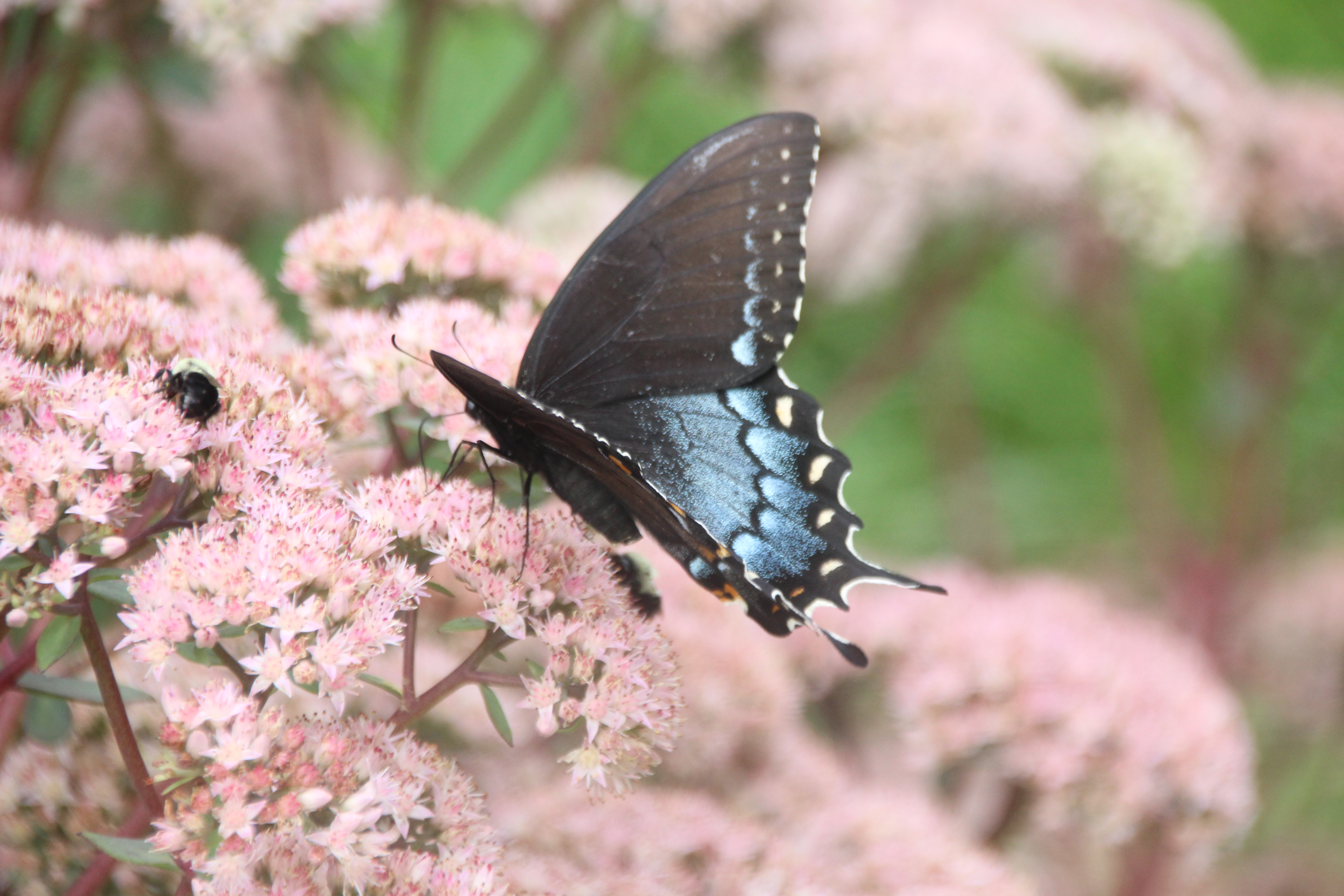
These three are covered with bees, wasps and butterflies all day long.
Their flowers are important to pollinators who still need food after most flowers have faded.
I am beginning to question my choice of hobby. I cannot take a break, even when one is desperately needed. I actually feel punished by my plants when they are neglected. The insects seem to take advantage of my absence also.
I have not walked the gardens in over a week. I finally made a quick circle this evening with scissors, watering can and camera. Some changes had occurred.
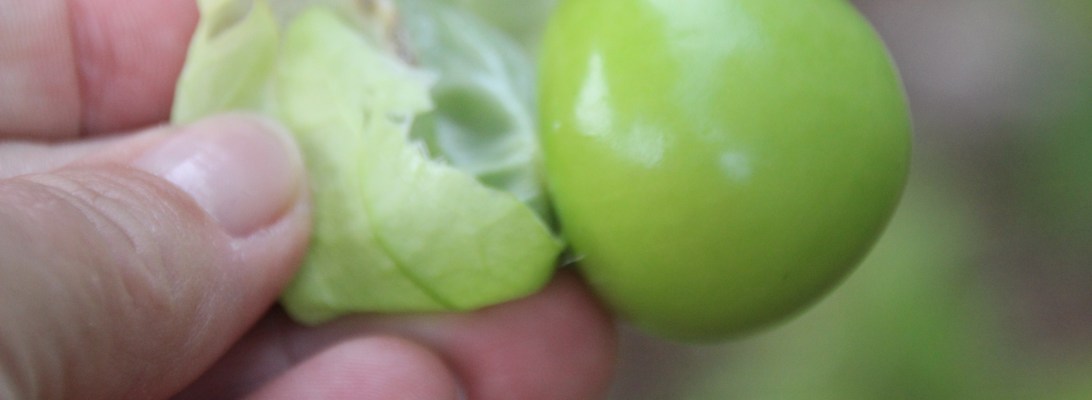
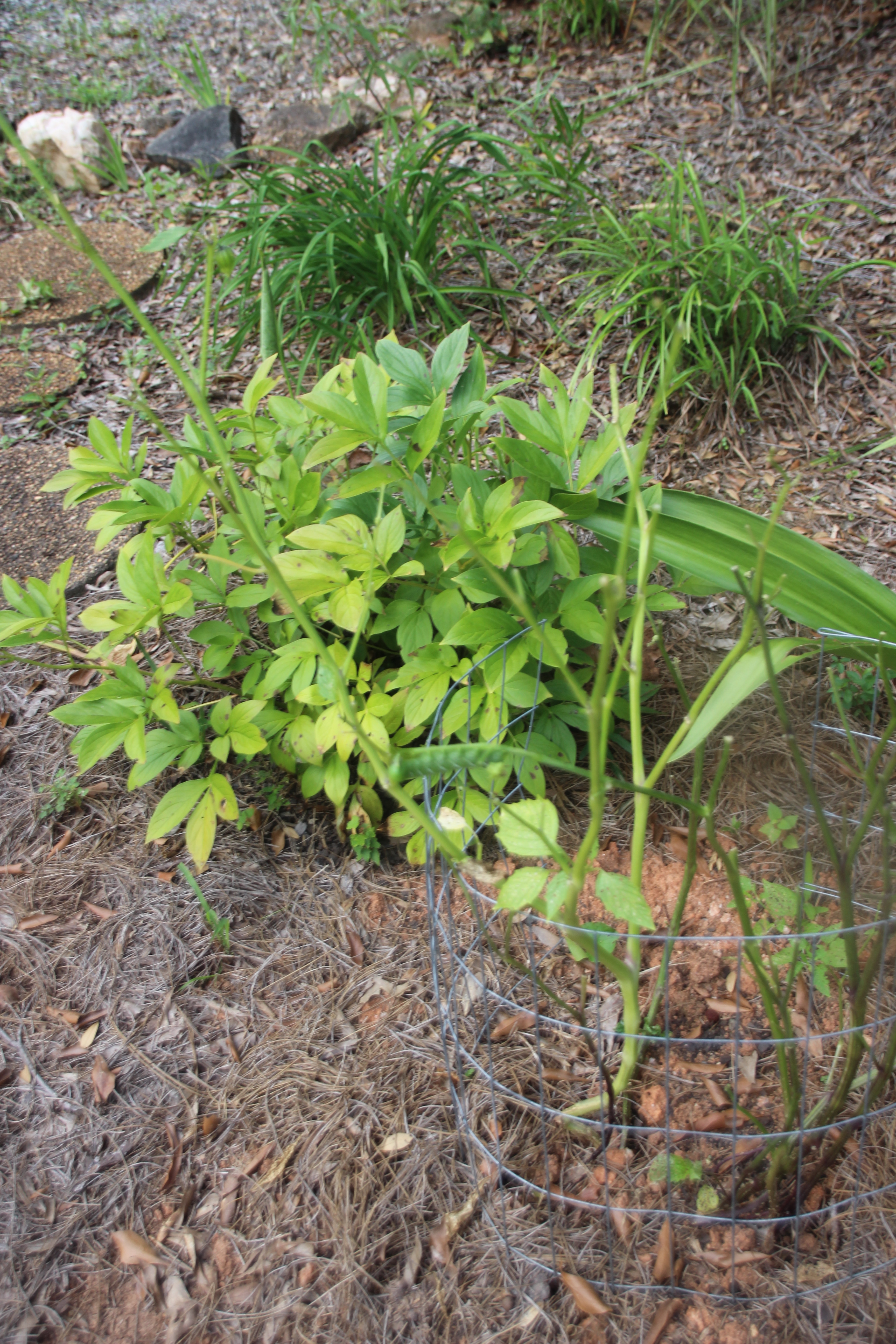
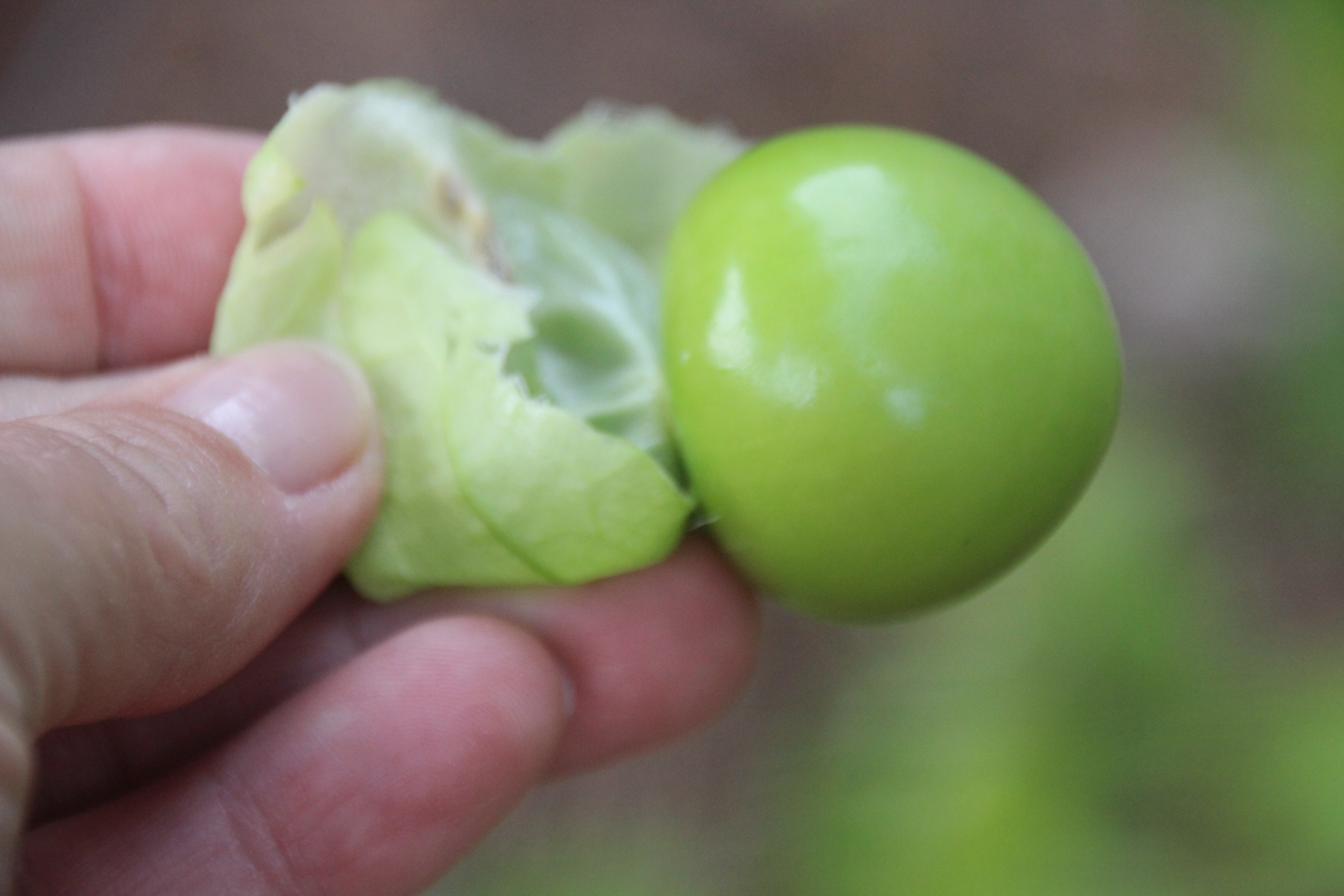
The first thing that caught my eye was a naked Tomatillo plant.
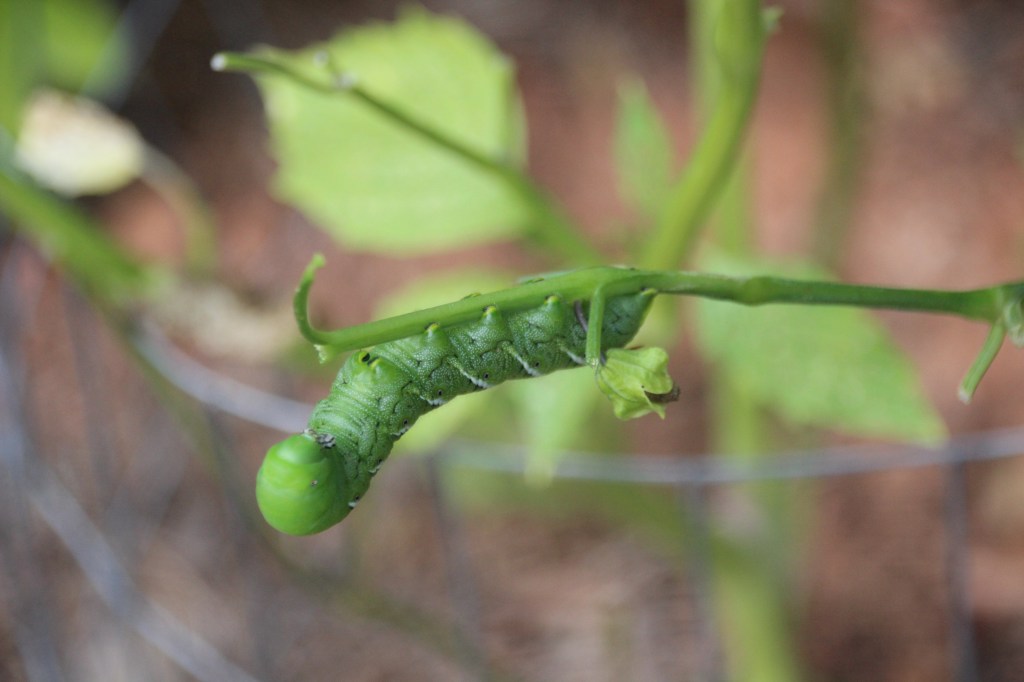
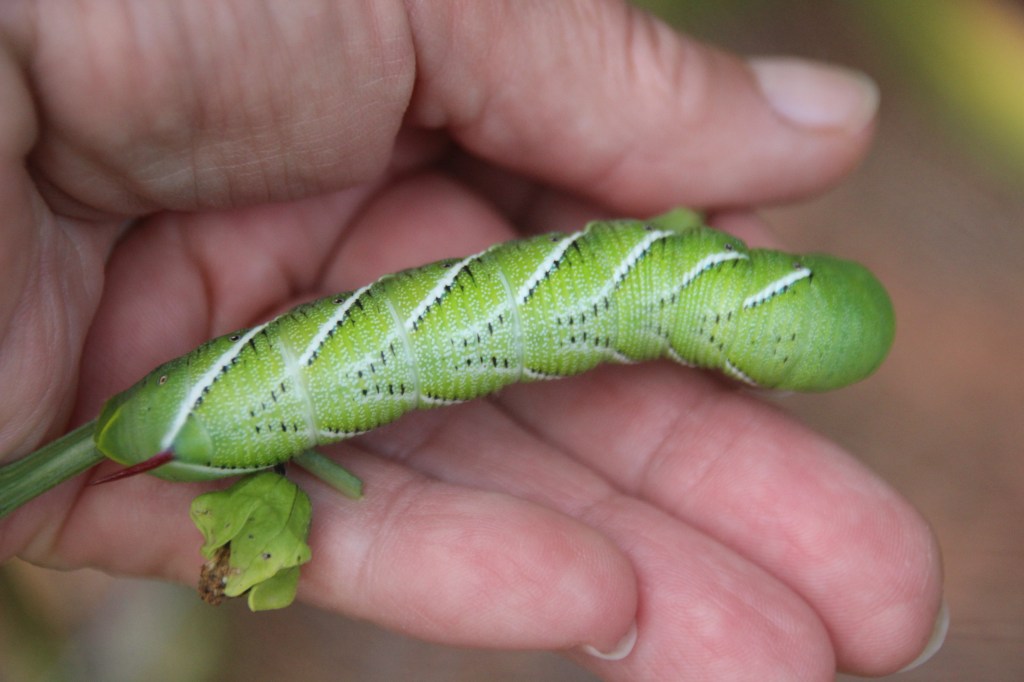
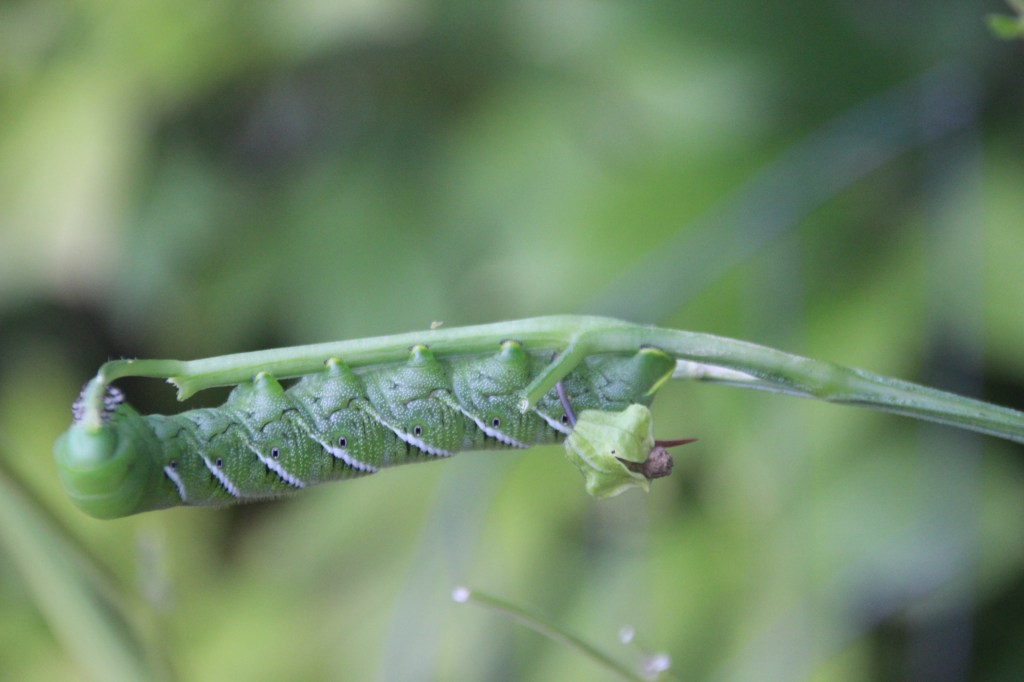
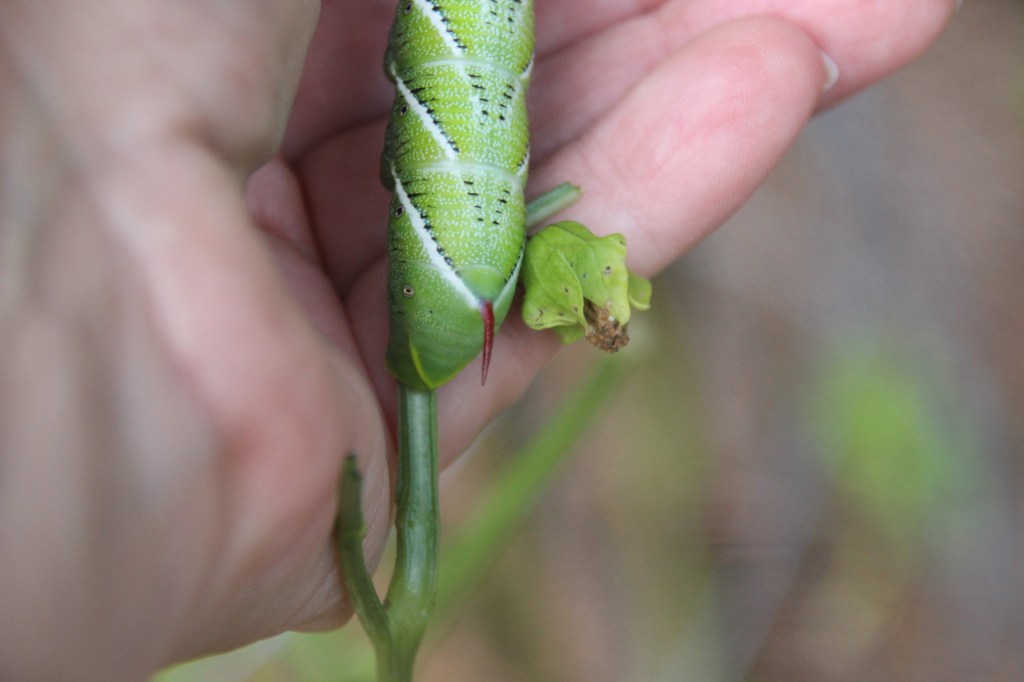
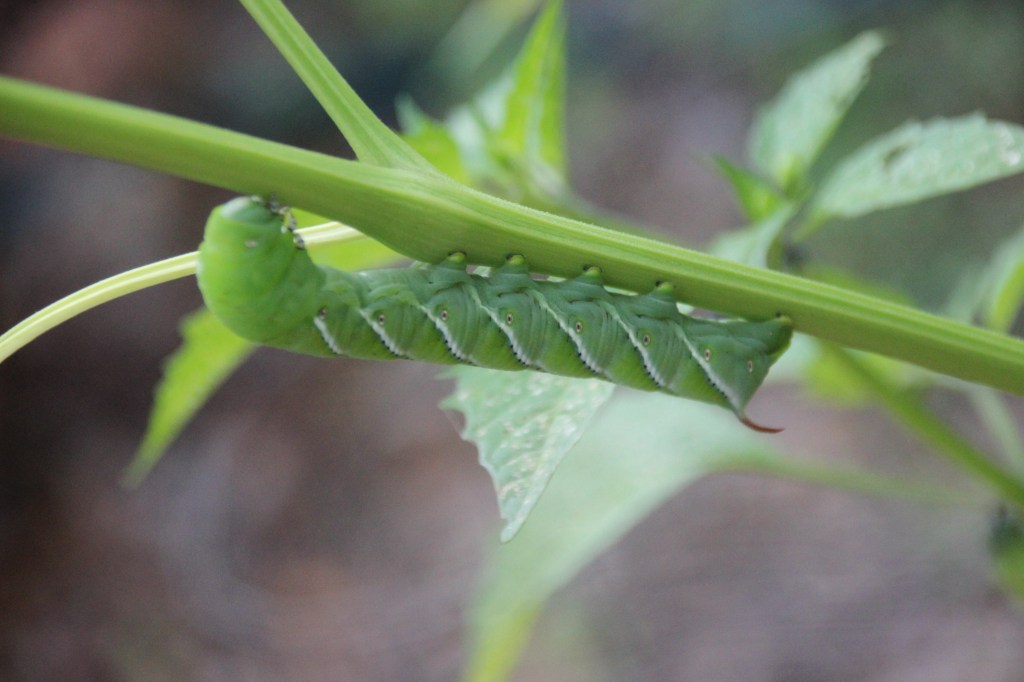
Red horn Tobacco Hornworm
A Hornworm had stripped it of all but a few small leaves. I hope he was ready to pupate, because there was nothing left to devour and no other Tomatillos nearby.
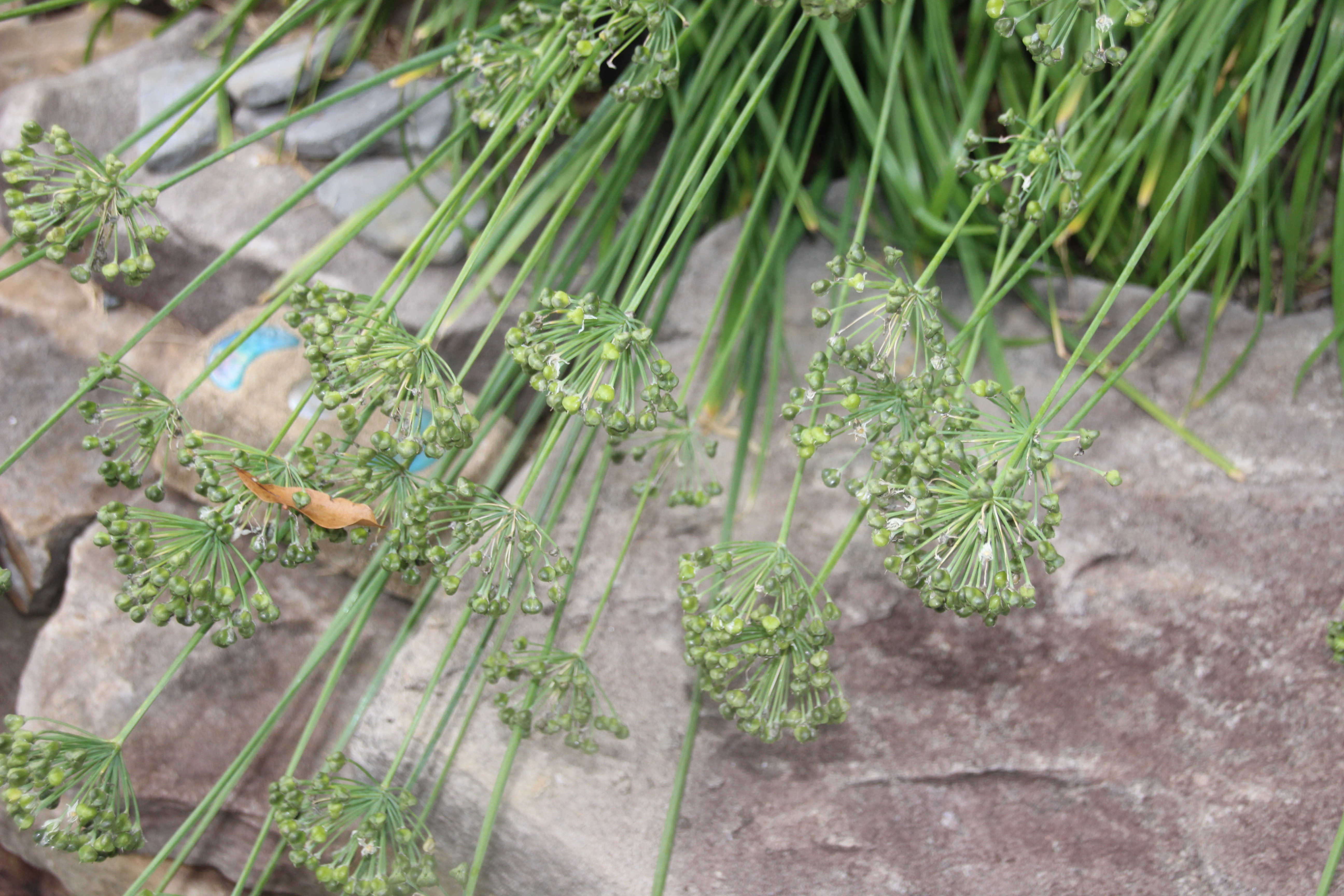
The Garlic Chives have finished blooming. I must quickly cut off the seed heads or I will have hundreds of Garlic Chives everywhere next spring.
Garlic Chive seed heads
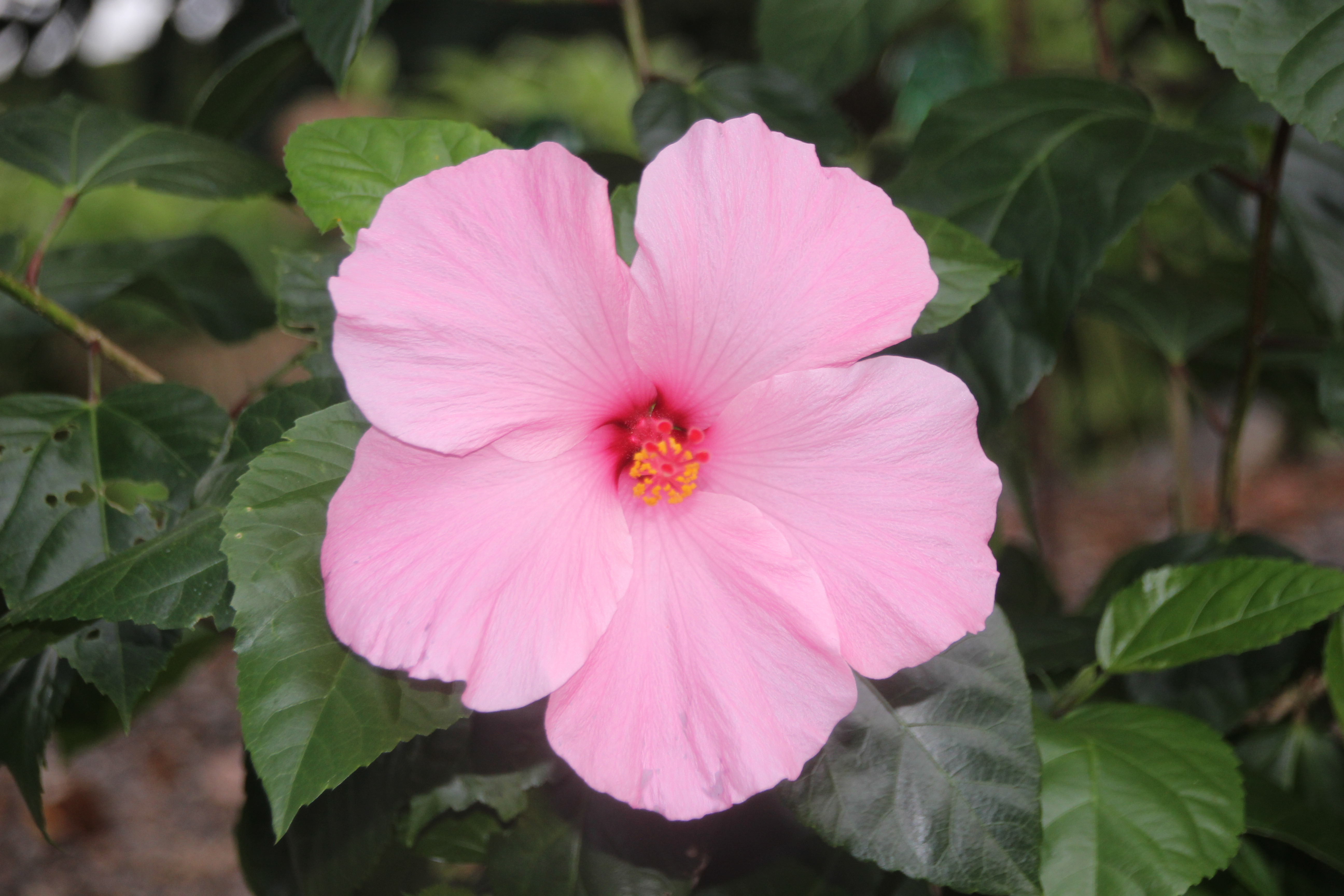
The Hibiscus Trio is still blooming despite my messing up its watering and feeding schedule.
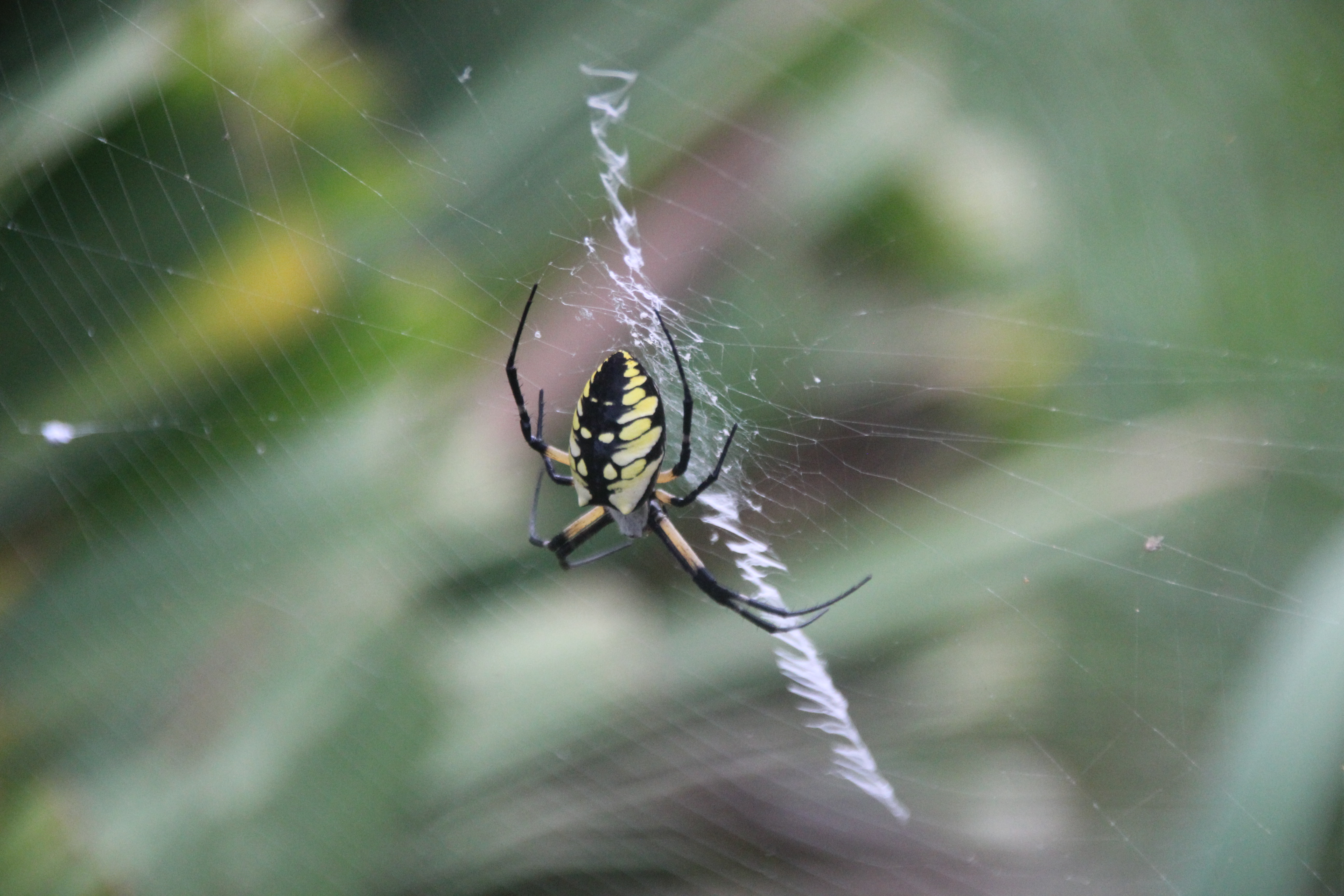
I am very happy to see one of my Writing Spider friends at the usual gutter down spout. Its eggs sac was close-by.
I hastily picked some tomatoes and peppers for an appetizer. Supper will be late again.
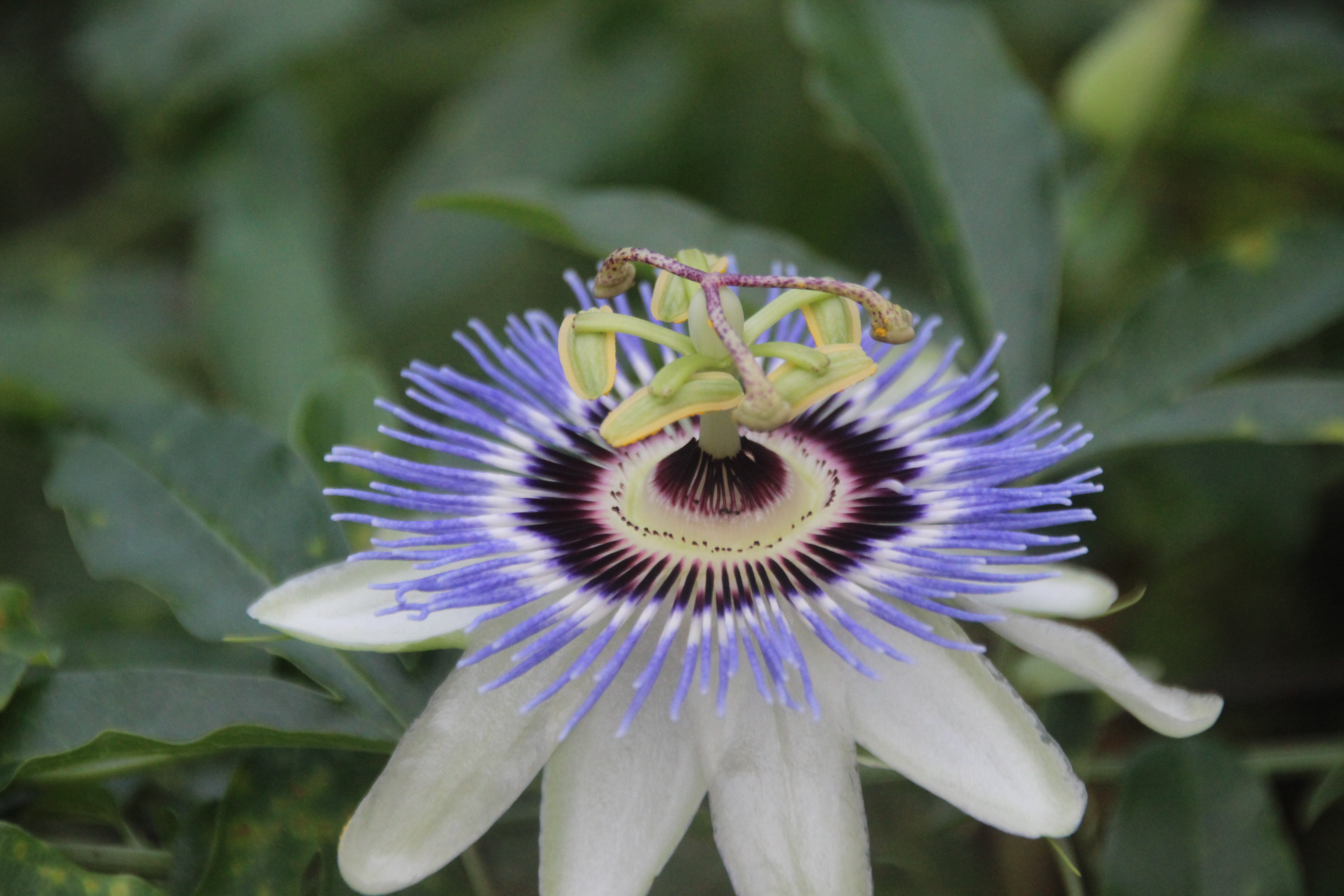
There was one constant. The Blue Crown passion vine was still covered in blooms. It has bloomed ALL SUMMER LONG. It was love at first sight and I still adore this plant in its seventh year here.
This gardening is hard work and I am tired of weeding, but nothing bring me more joy than the plants and animals in my garden. I guess I will keep watering, trimming, feeding, weeding… Anything is more fun than housework. Who wants to read a blog about that?
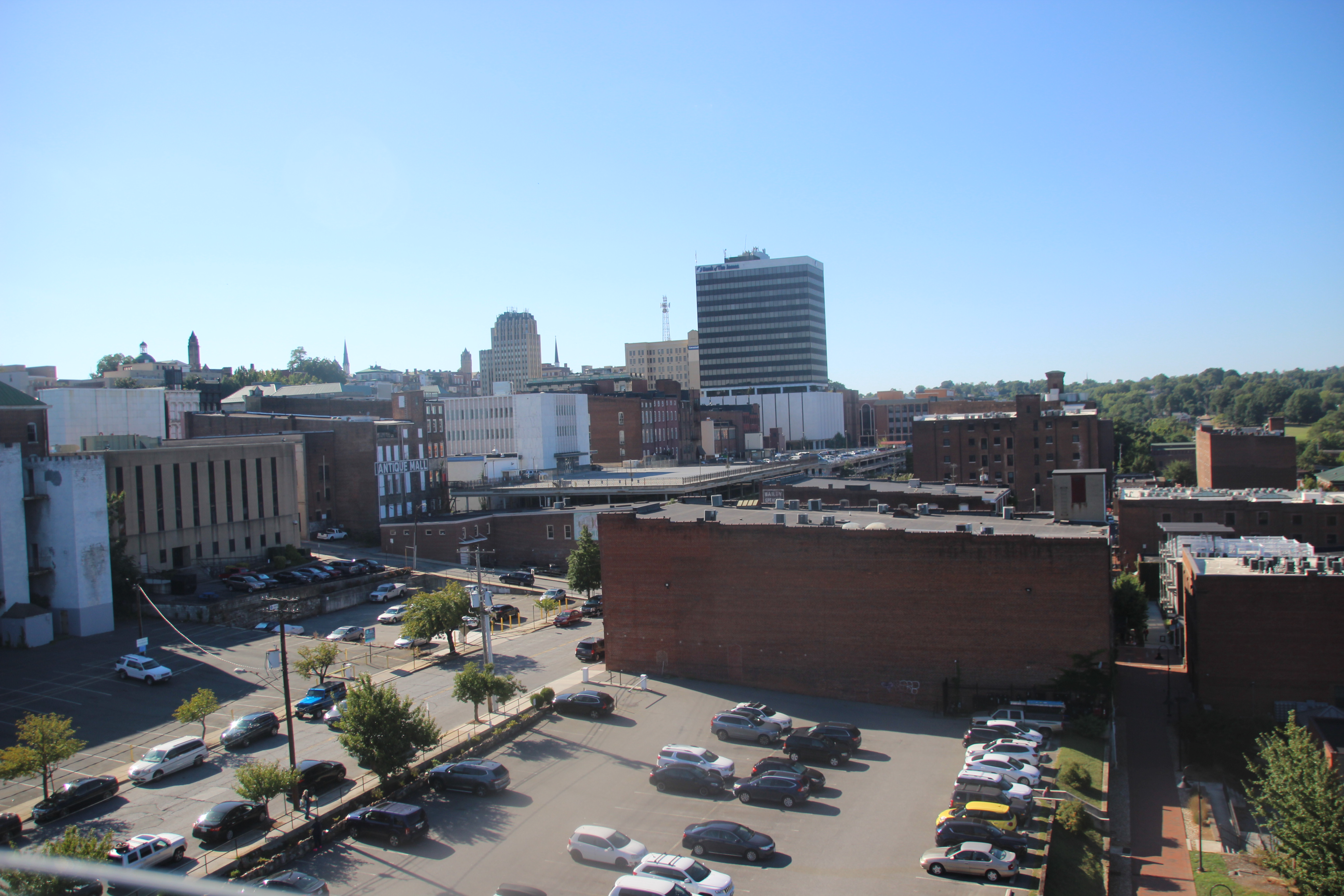
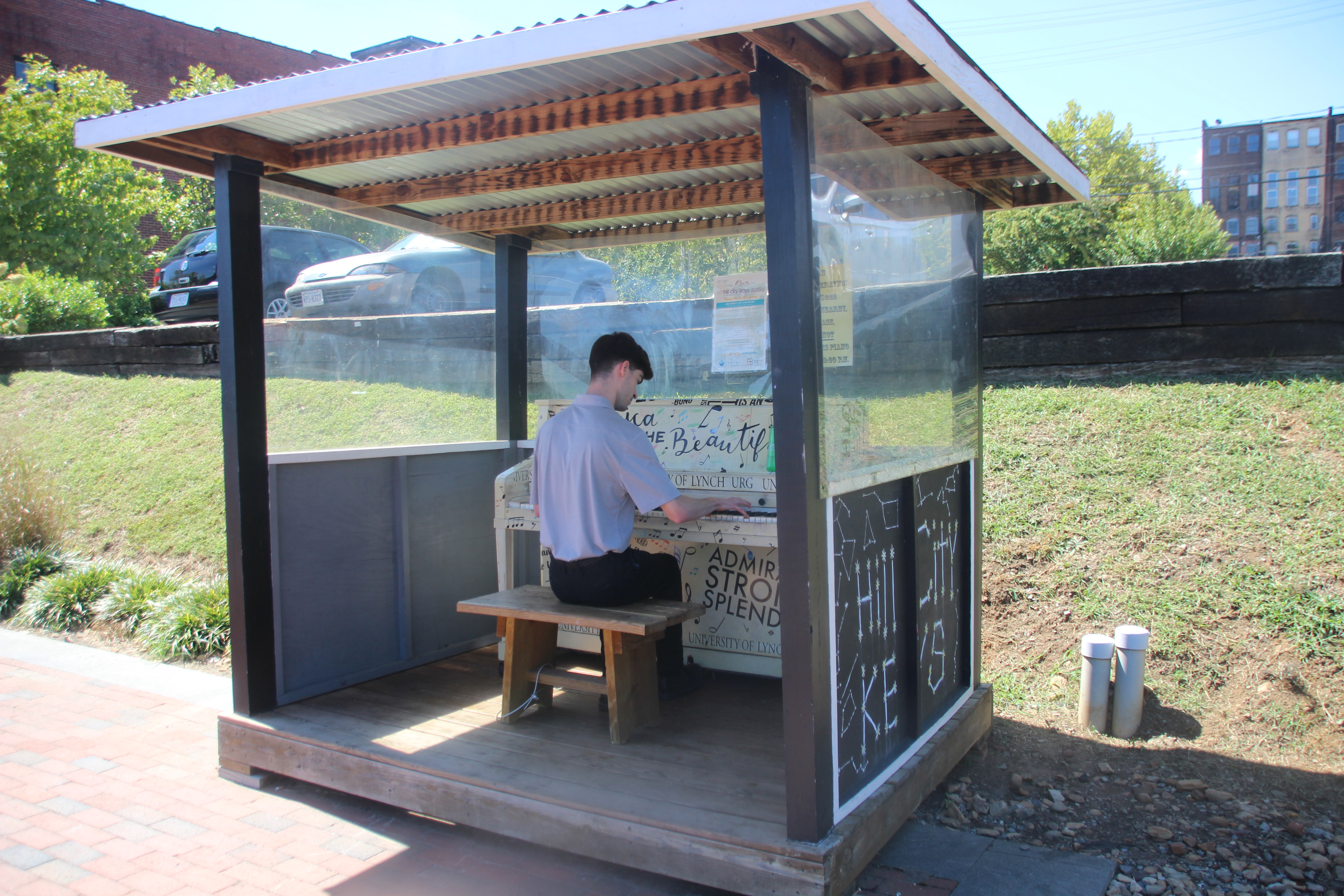
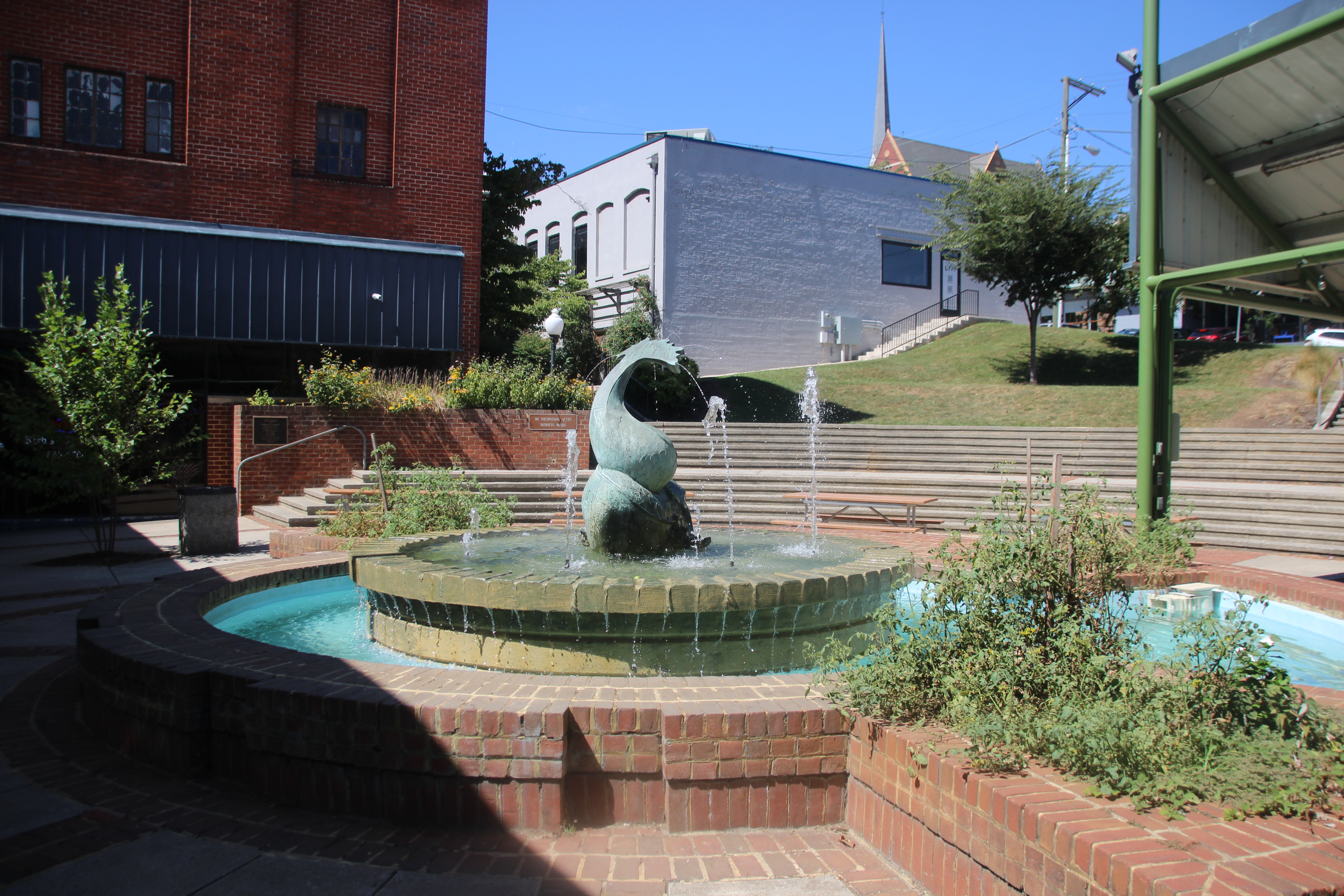
Lynchburg is one of those historic cities that have old buildings neighboring new ones. Renovation and restoration exist side-by-side with new construction. I believe this effort is worth the extra time it takes to make progress.
Downtown has just the right amount of energy. It is walker friendly, but very hilly.
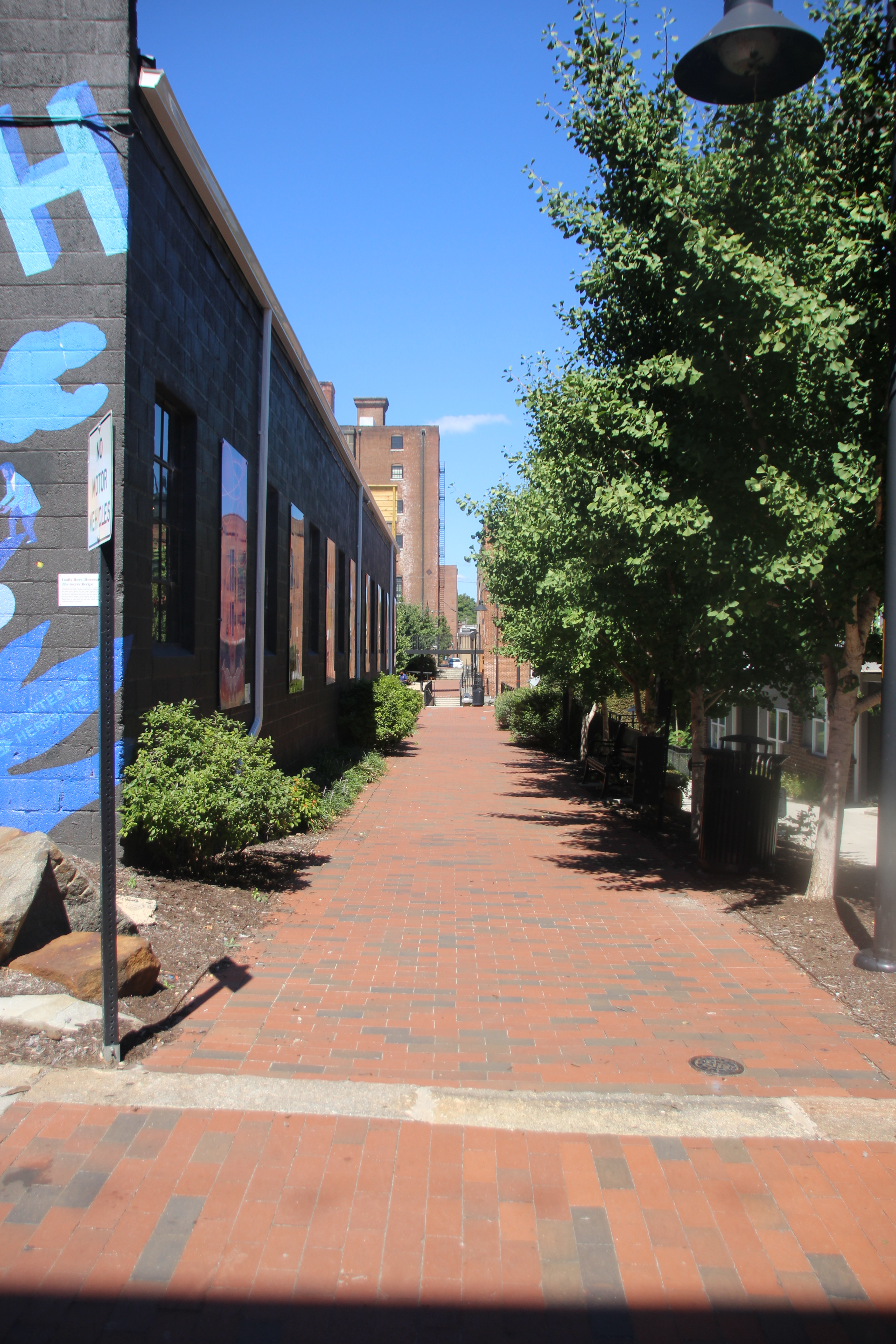
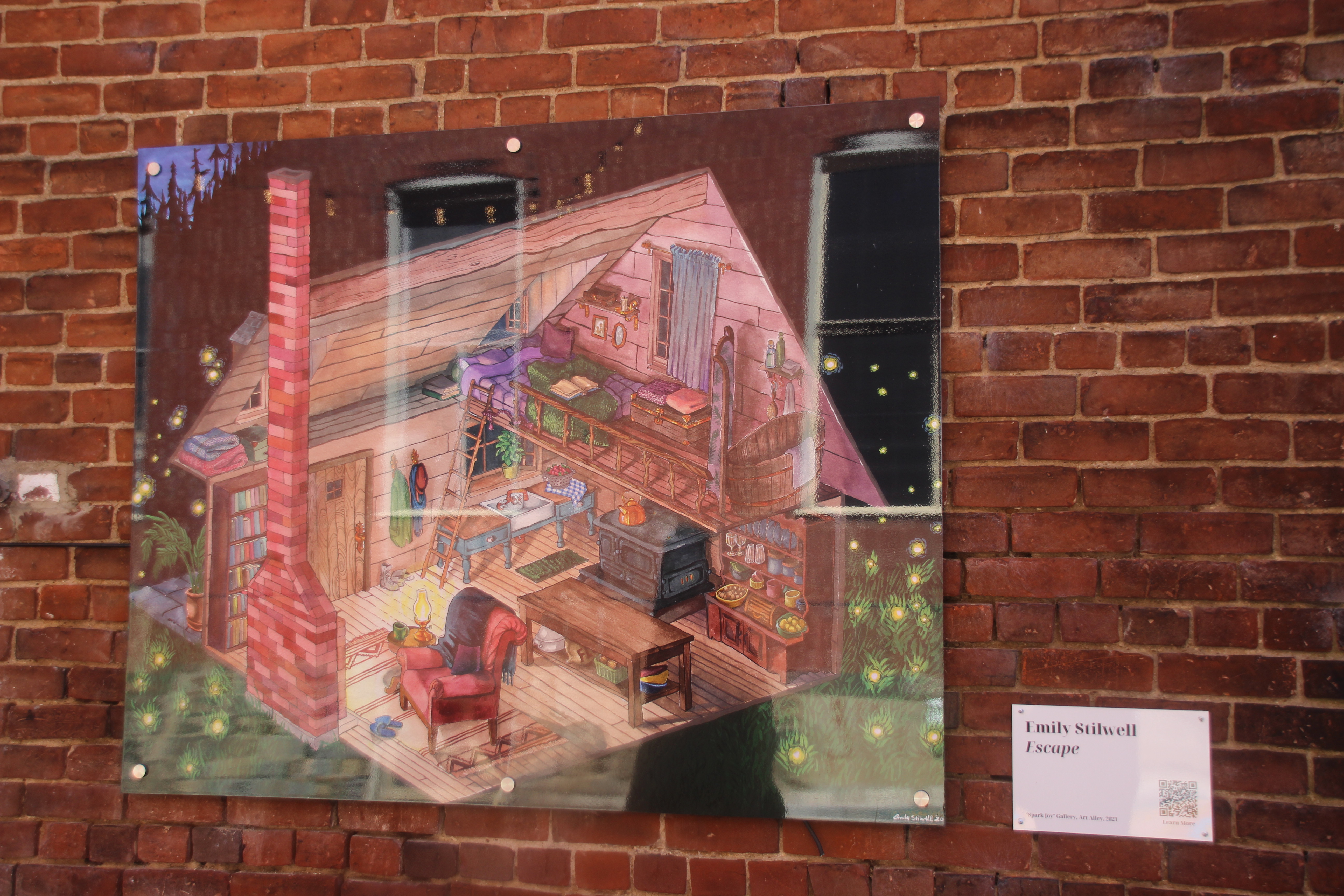
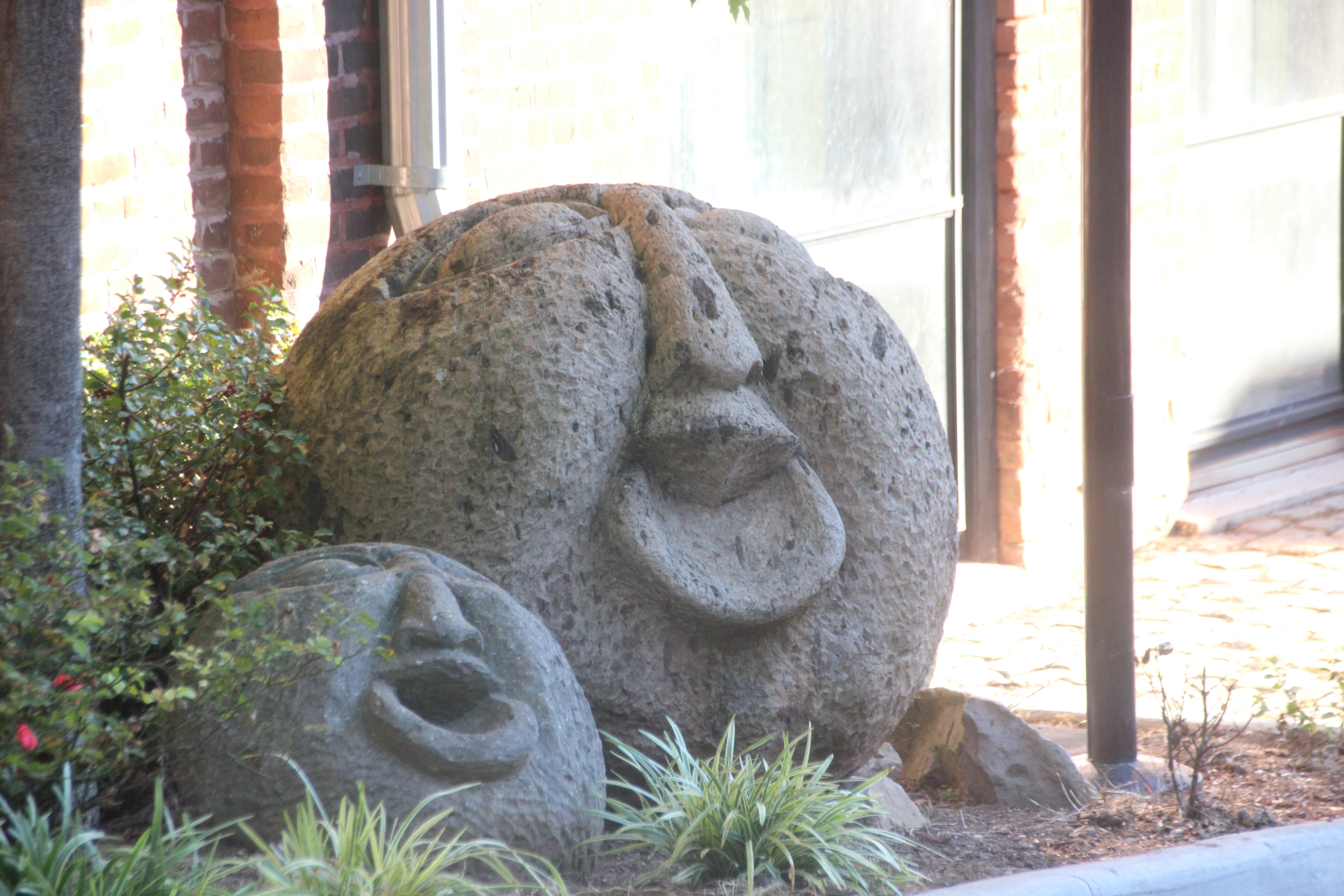
There is a new feature named Art Alley that adds vibrant color and art to a street that is blocked to traffic.
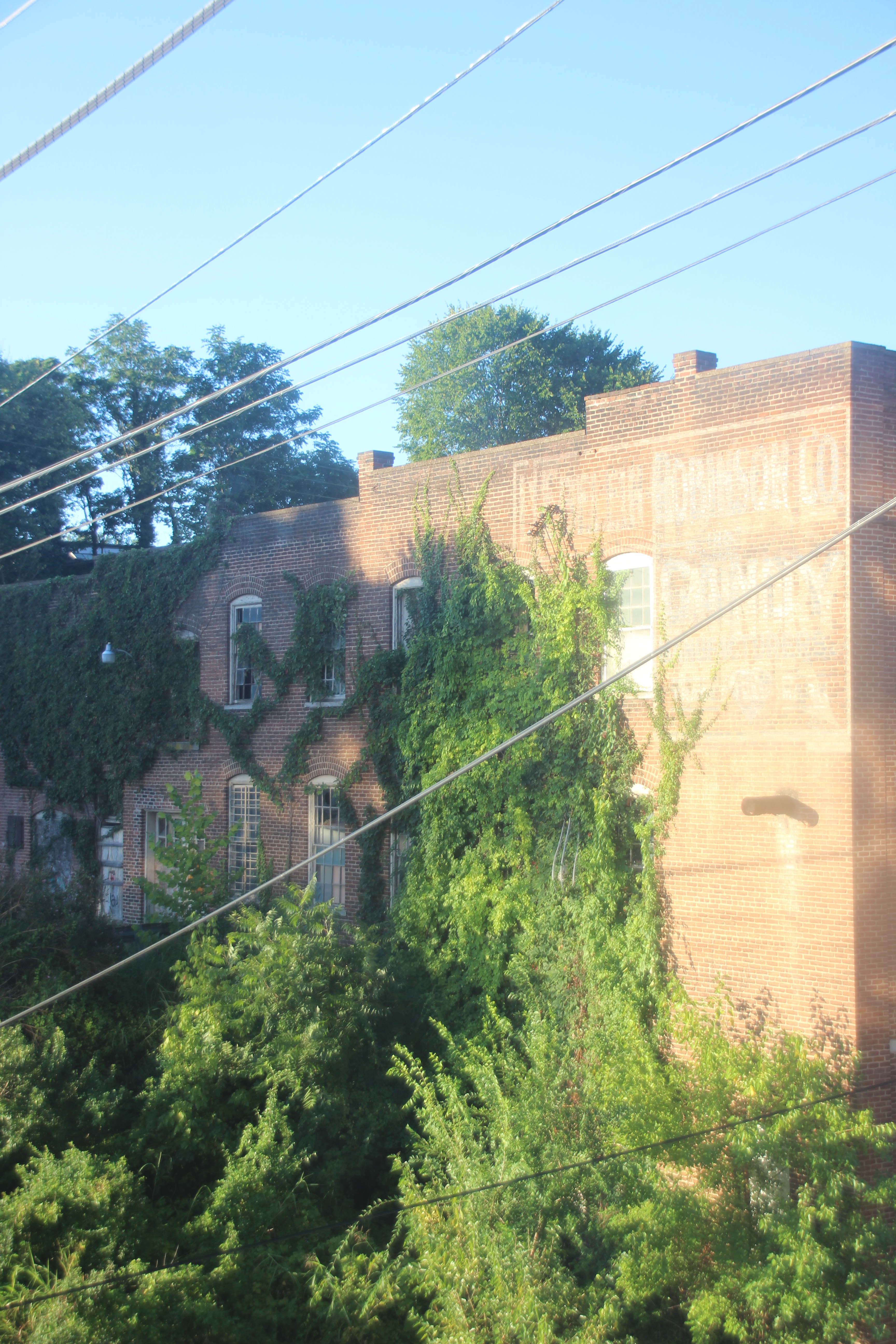
I was impressed with the use of natural vegetation on slopes instead of struggling to artificially landscape them. Hills are hell to manage, so letting nature do it is wise. I love vines!
The city is divided into Historic Districts which can be easily navigated on foot. If the hills are too much for you, there is a walkway and park along the river and railroad tracks.
This is my second stay at the beautiful Craddock Terry Hotel which was originally a shoe factory. They have an excellent restaurant, The Shoemaker. The big windows and high, wooden ceilings make it charming.
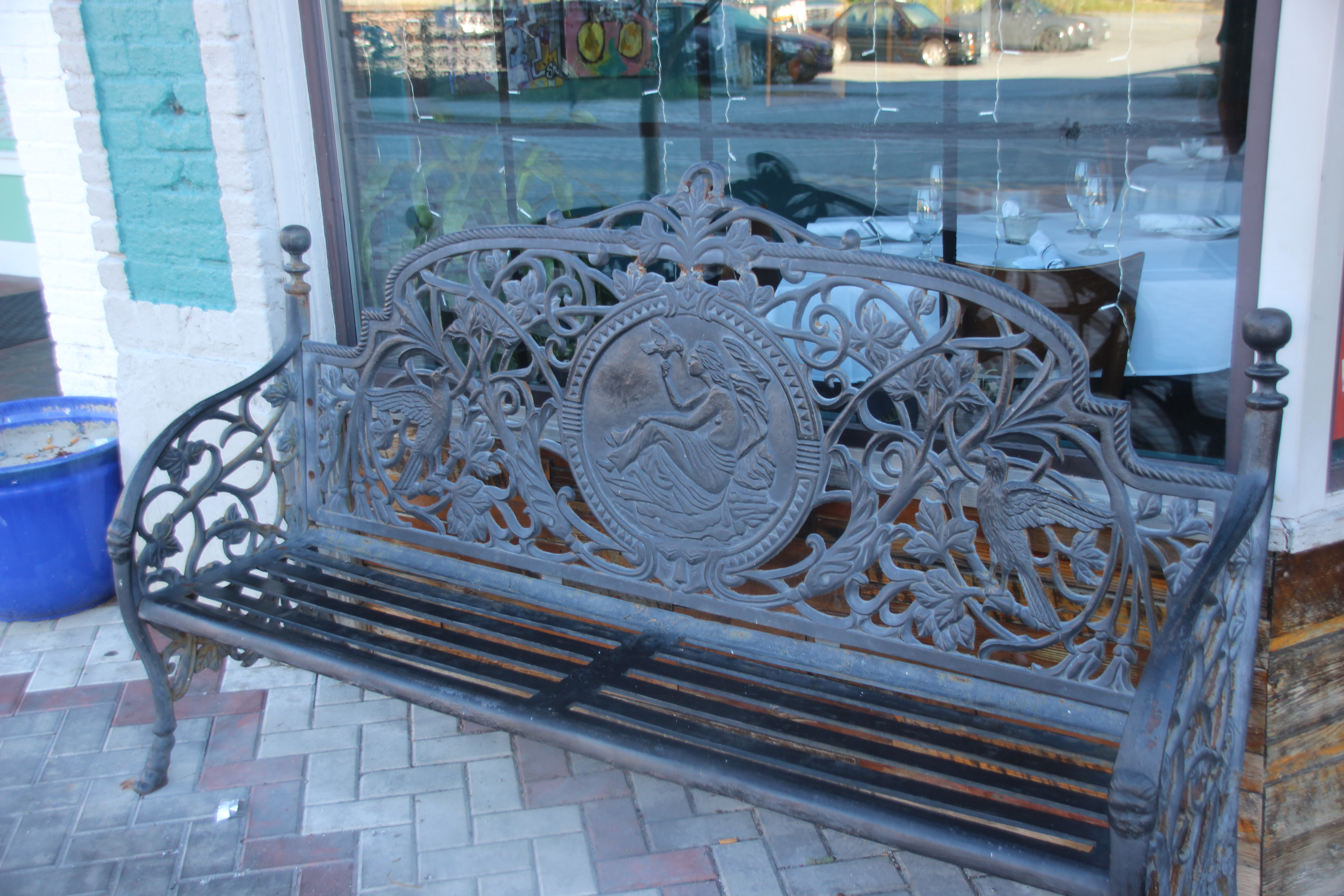
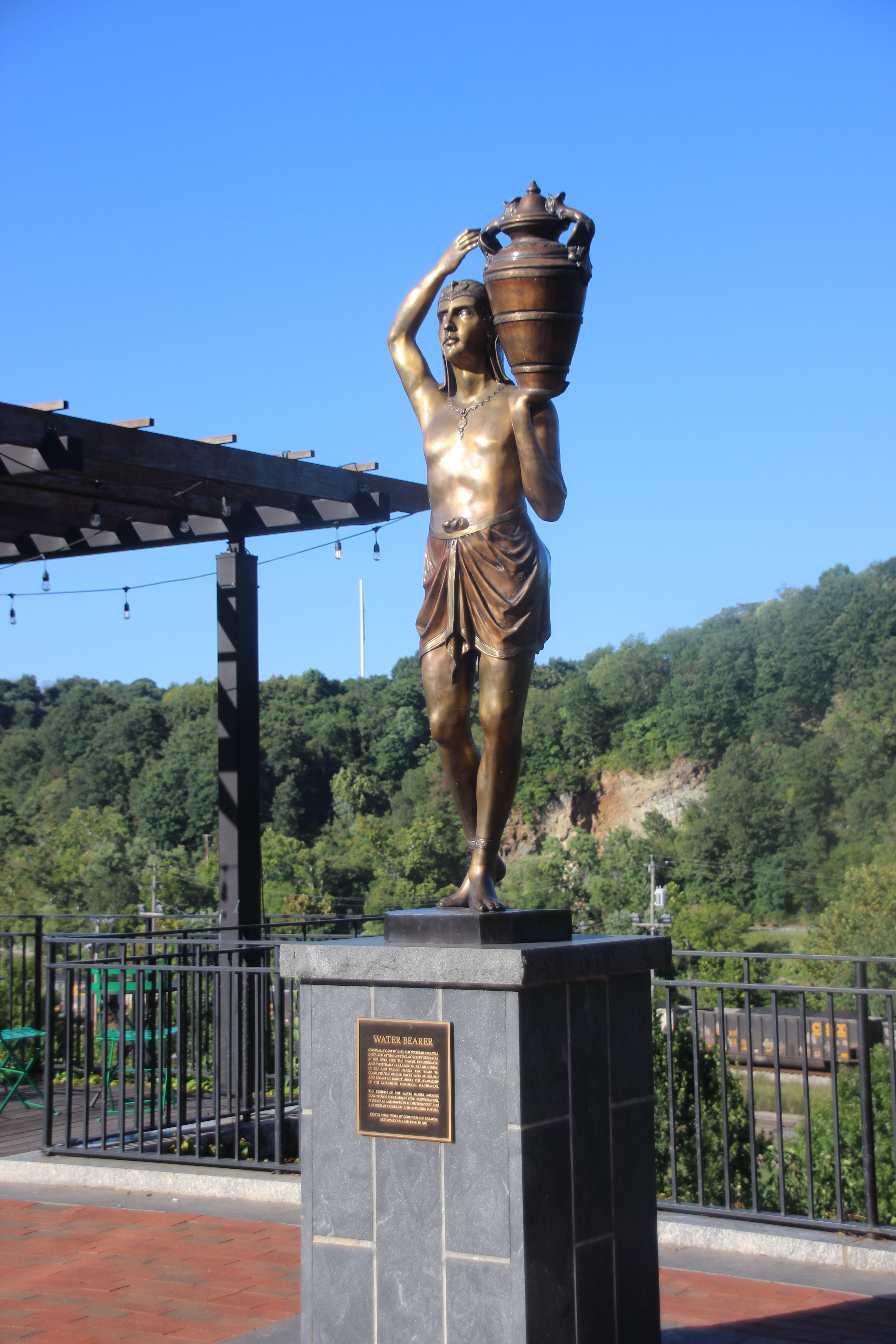
I enjoyed wandering the streets again this visit. There is so much to pause and ponder on. I always wish I had more time there.
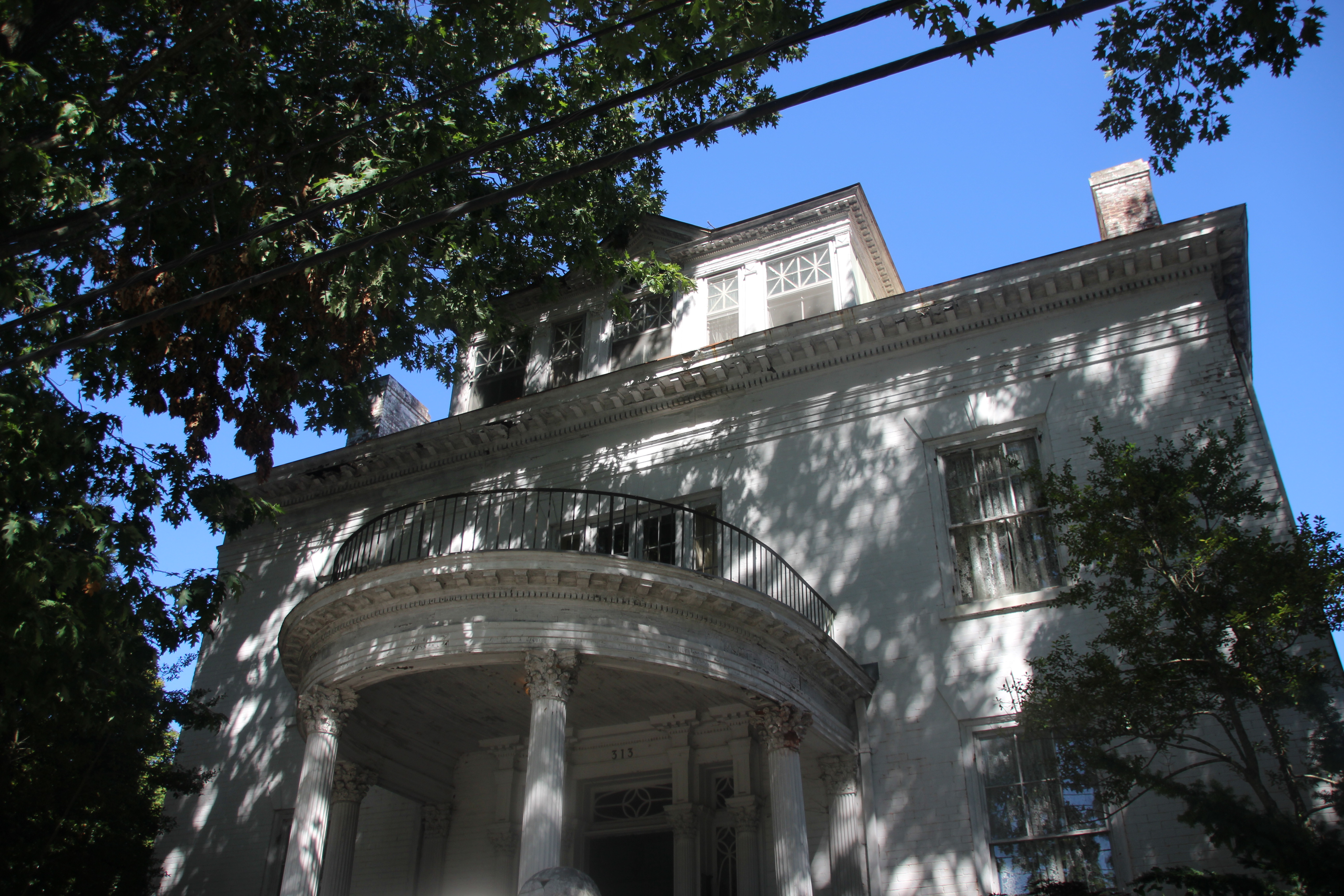
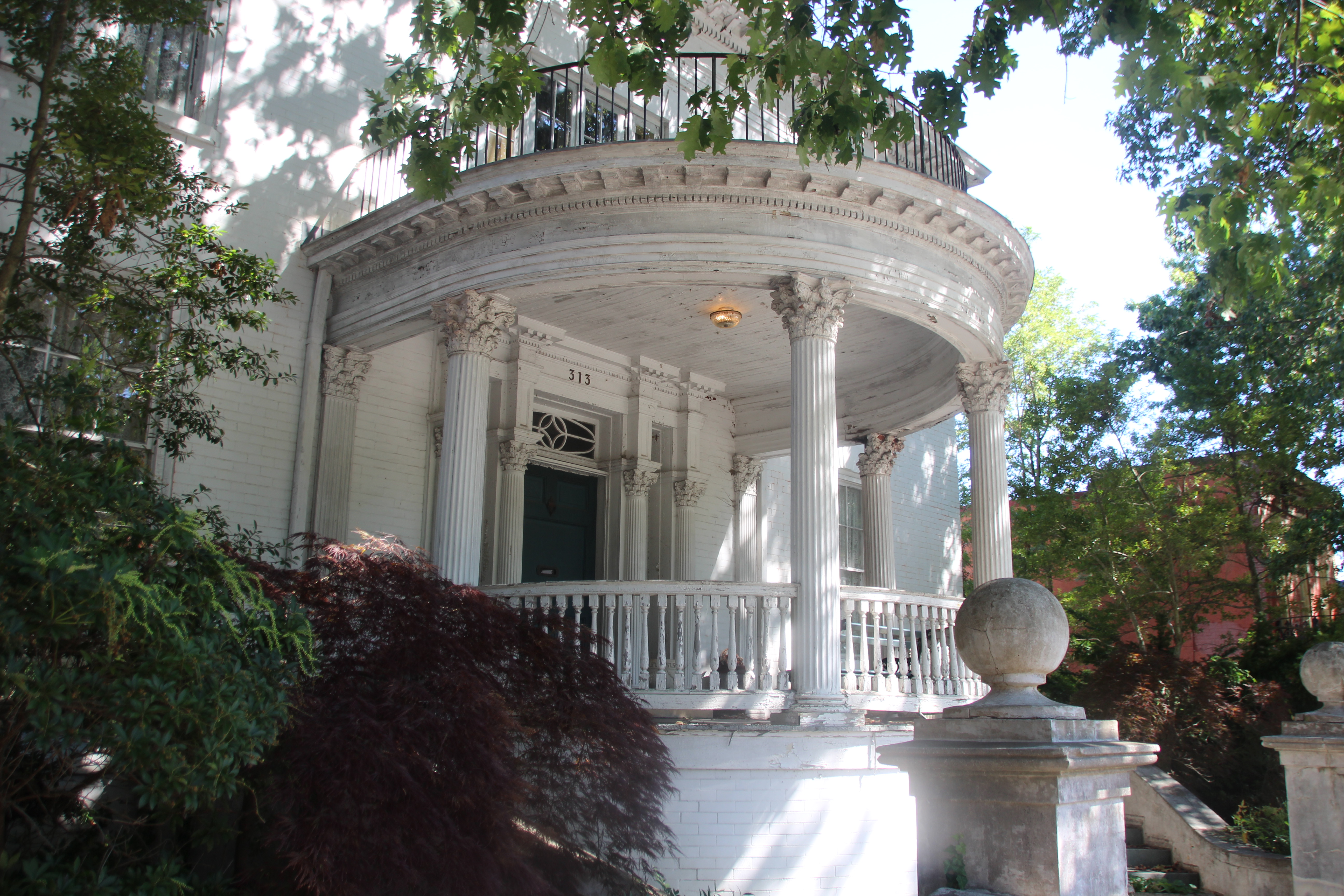
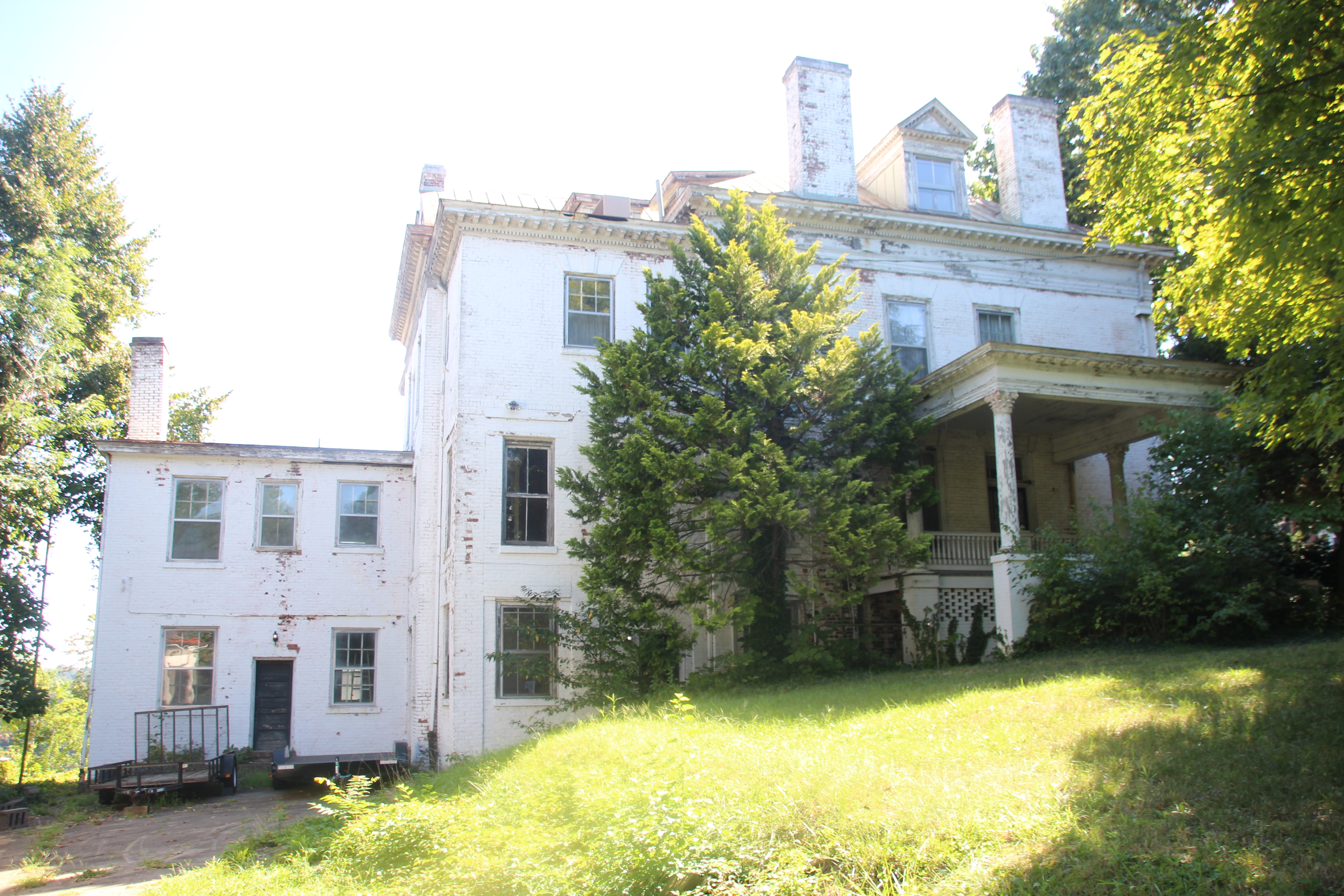
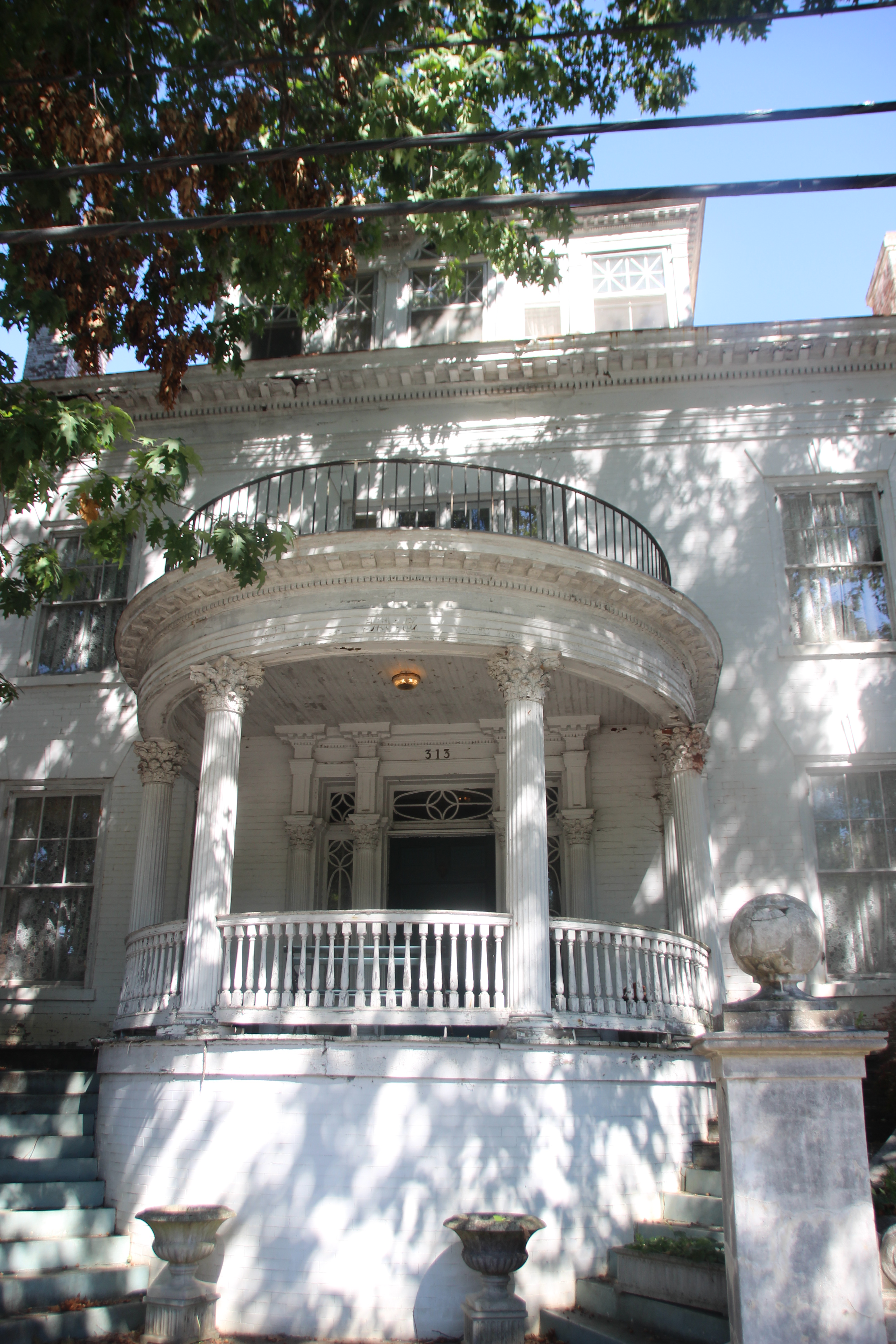
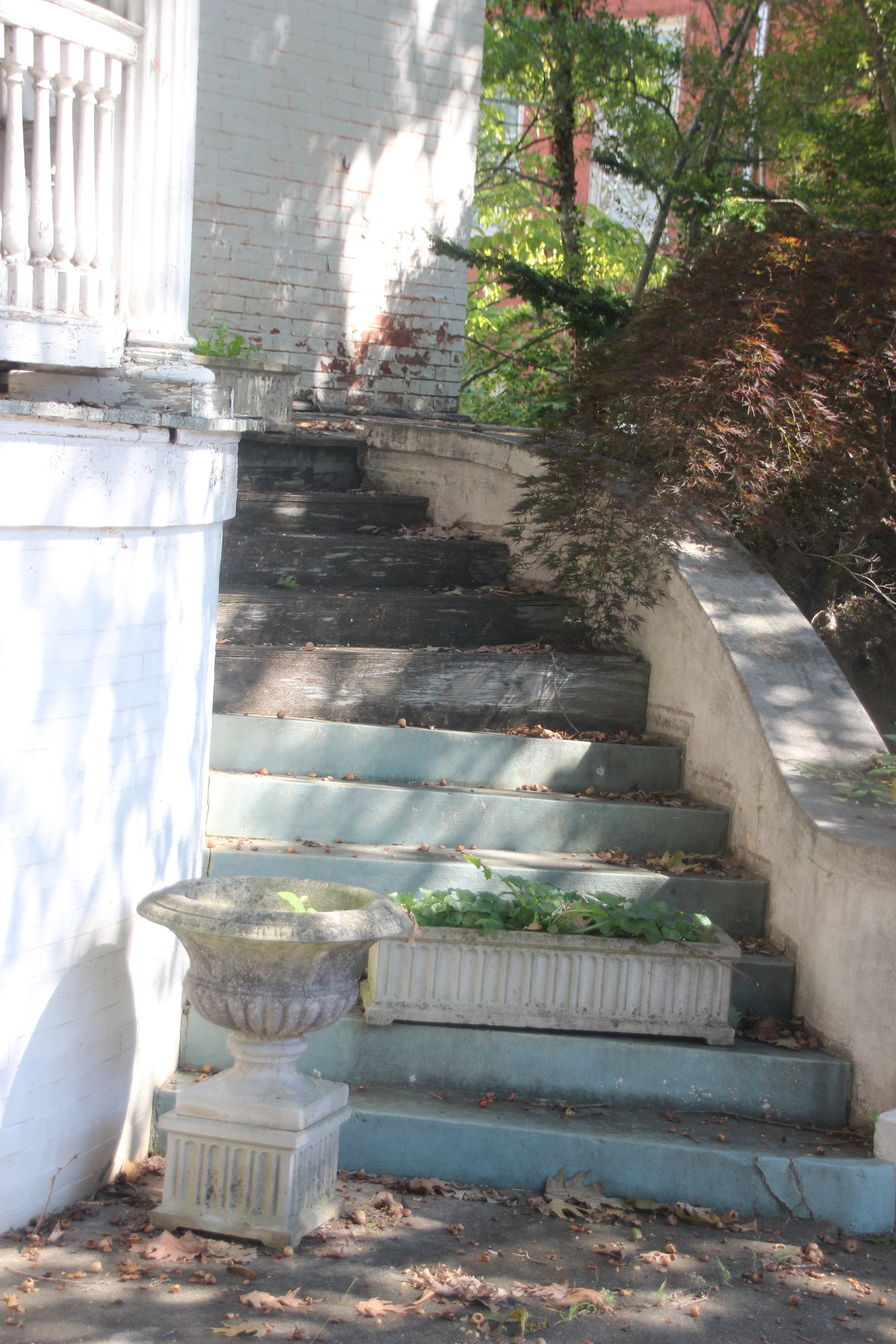
I was happy to be taken by car to the Diamond Hill District. I was not looking forward to hauling my Covid pounds up to that altitude. My new friends Jennifer and Mary were kindly patient during my forays out of the car to take photos. (Thanks ladies)
Cary DeVall Langhorne House
Lynchburg is doing a great job of moving forward without mowing down its history. I like that balance of respect and practicality. Careful progress is slower, but better in the long run.
I am a fan of Lynchburg. I do recommend comfortable shoes and a water bottle. Hauling around a big camera is worth the effort. There are interesting sights everywhere.
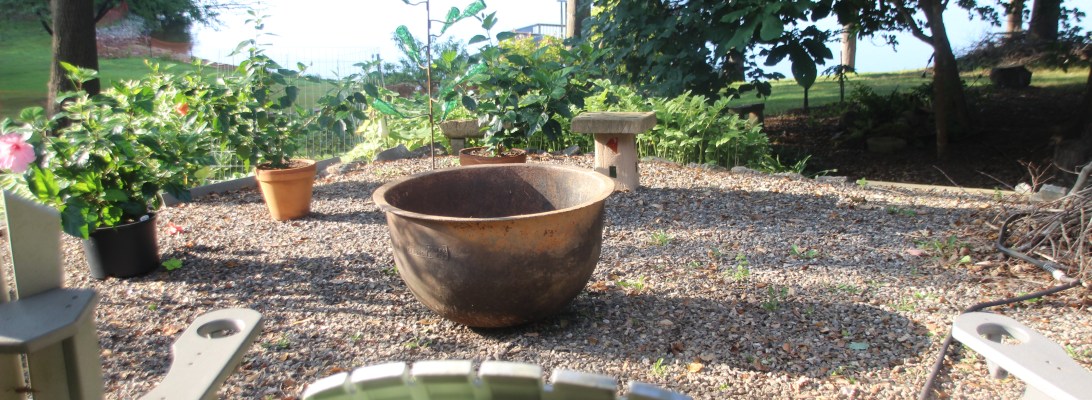
I was involved in a major production yesterday. Mr. Flower and I moved a giant iron cauldron from the farm to our fire pit area. It took a tractor with forks, a broom, a truck, a lawn mower, Crowbar, long iron bar, ropes and straps. I sent videos to both kids. They love this sort of entertainment provided by their father.
This cauldron is huge. A person could take a bath in it. I wanted to make it a fish pond, but I am pretty sure the fish would boil in the sun.
We are not sure why Papaw had this monster or if he ever used it. He did try to cook molasses once. He grew the cane himself. No one remembers much about that adventure except that Nana rode a lawn mower around in a circle to grind it since they did not have a mule.
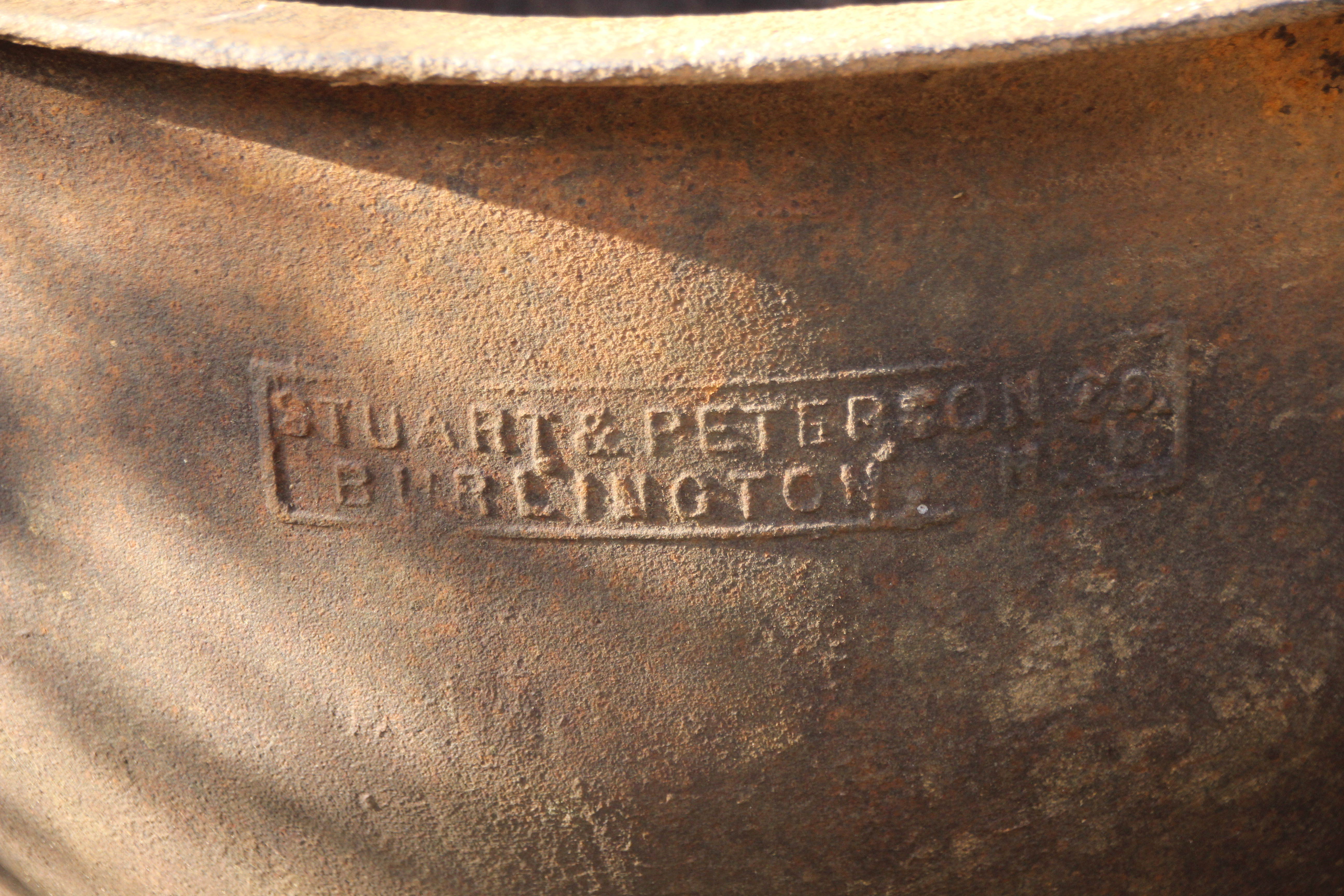
The bowl was made by Stuart and Peterson Co. of Burlington, NJ.
There are no holes in it, but we will see what happens.
I plan on wearing a pointed hat for the occasion. Now that I have a cauldron, I might as well embrace my witchiness.
These three have been babied into blooming. They require more attention than most of my plants. I get rewarded in late August by their unbelievably beautiful blooms. These started out in the same pot last year. I named them ‘The Hibiscus Circus.’ They grew too large for their container and were separated in early spring. These are tropical, so they must come inside for winter in my Zone 7 location.
The double orange has been blooming for weeks.
It got re-potted many weeks before the other two. This one is a gorgeous color. Its symmetry is sometimes messy, but when it is balanced it resembles a pinwheel.
The pink bloomed for the first time earlier this week.
Even the back is beautiful.
The complex pistil of hibiscus is amazing.
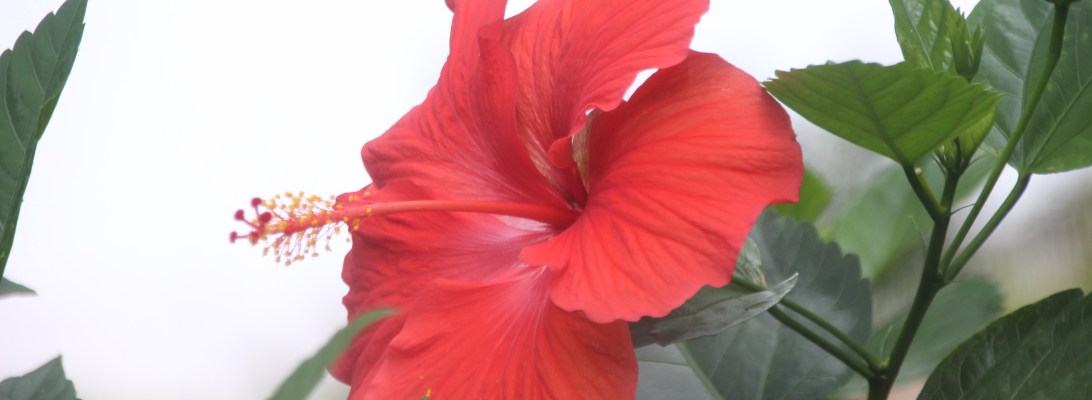
The red burst open this morning.
Its pistil end is dusted with pollen.
I love that these three burst into bloom just as most of my other flowers are waning. What a show!
I saw the most beautiful sight I have ever seen last night in my garden. I witnessed this wonder alone at midnight.
I consider this plant a miracle. I believe its flowers are a living link to something magic and cosmic.
My friend The Fairy(Madge) gave me this dream of a plant. I thought of her and my father last night as I sat under the stars watching these blooms quiver with energy. My daddy sometimes exclaimed “How could heaven be better than this?” I cannot imagine that, Bop.
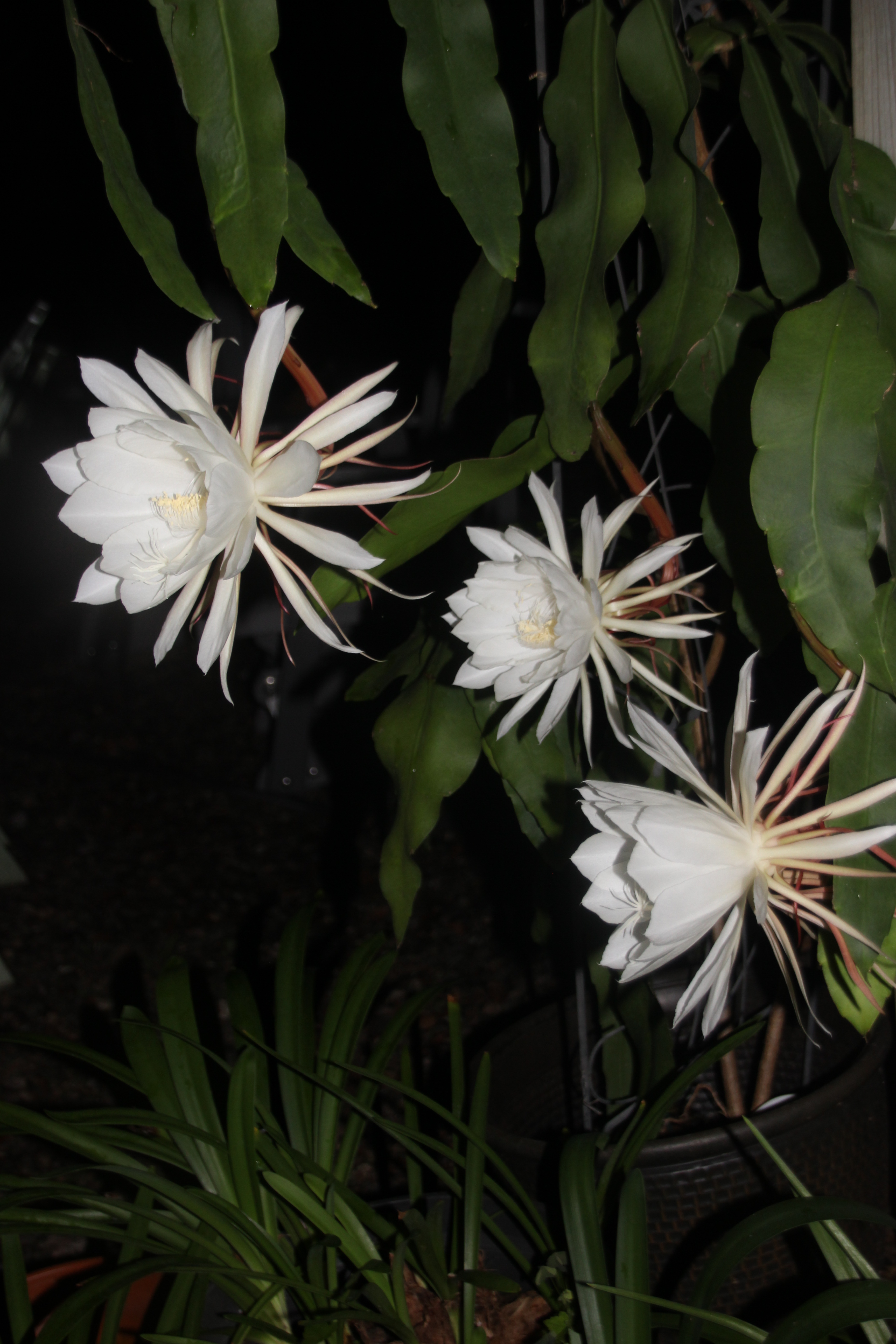
I knew this second blooming from this plant was coming. That has never happened before. The buds turned up like pipes and started expanding two days ago.
When I saw the shape last evening, I knew this was the night. I was determined not to miss it, so I set my alarm. I could not go to sleep. I decided to go sit beside the plant in the dark and wait.
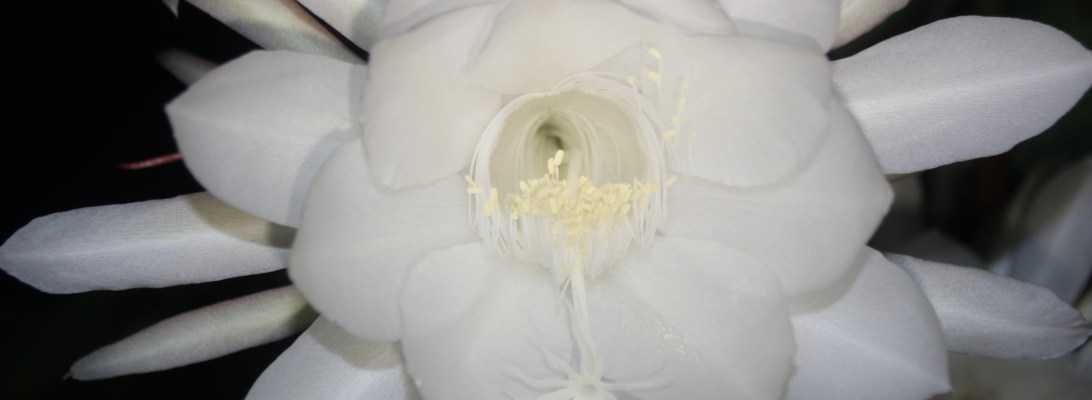
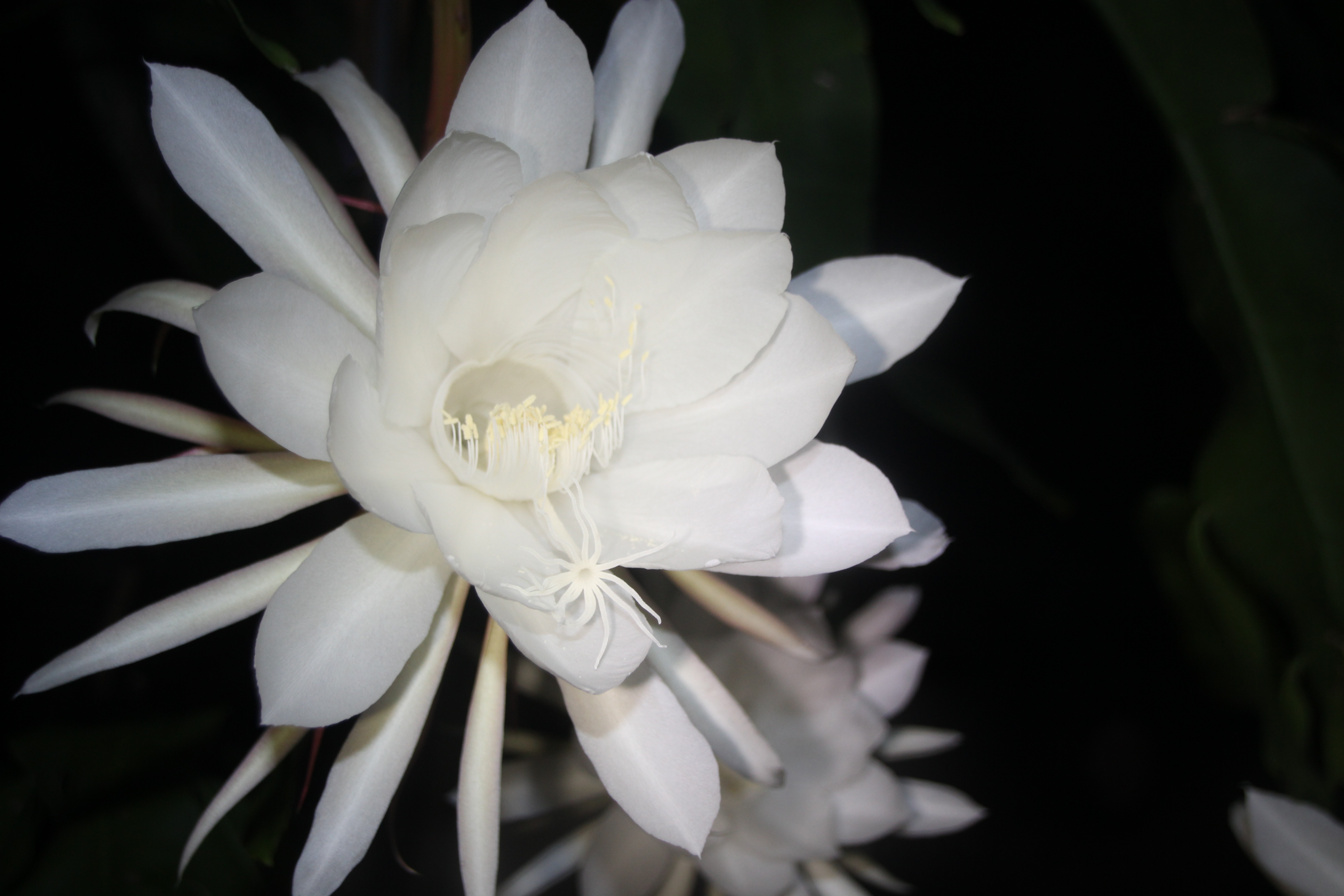
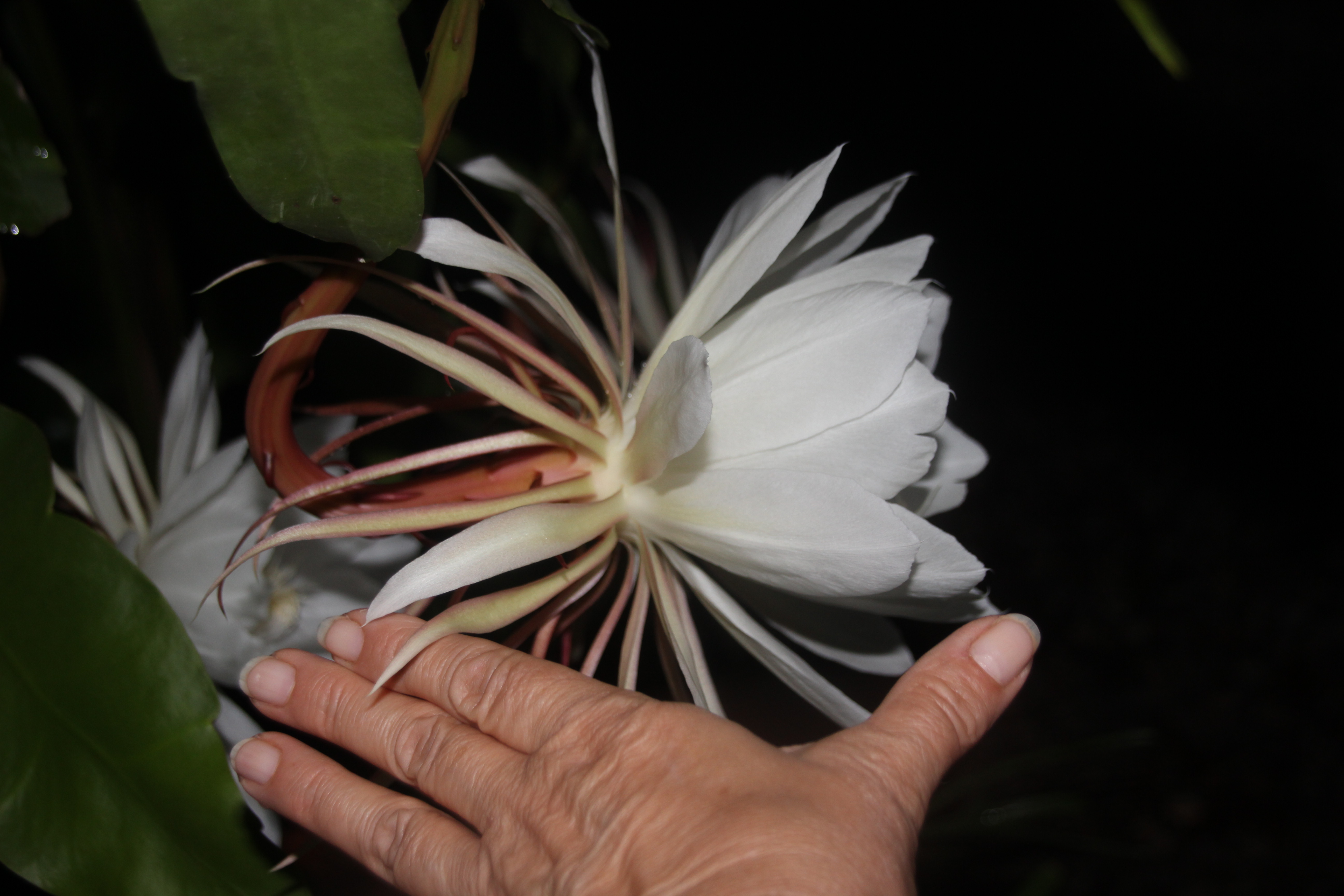
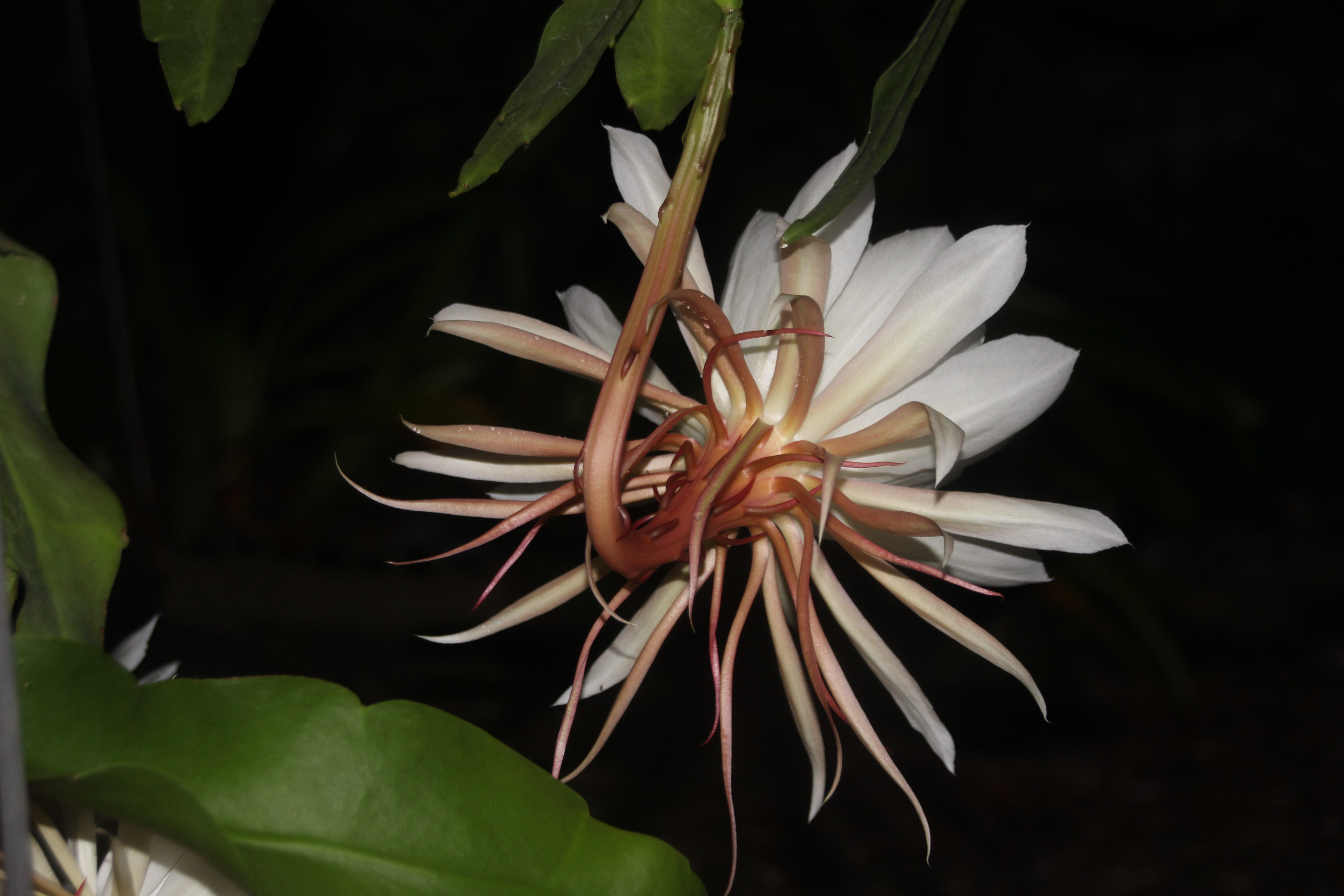
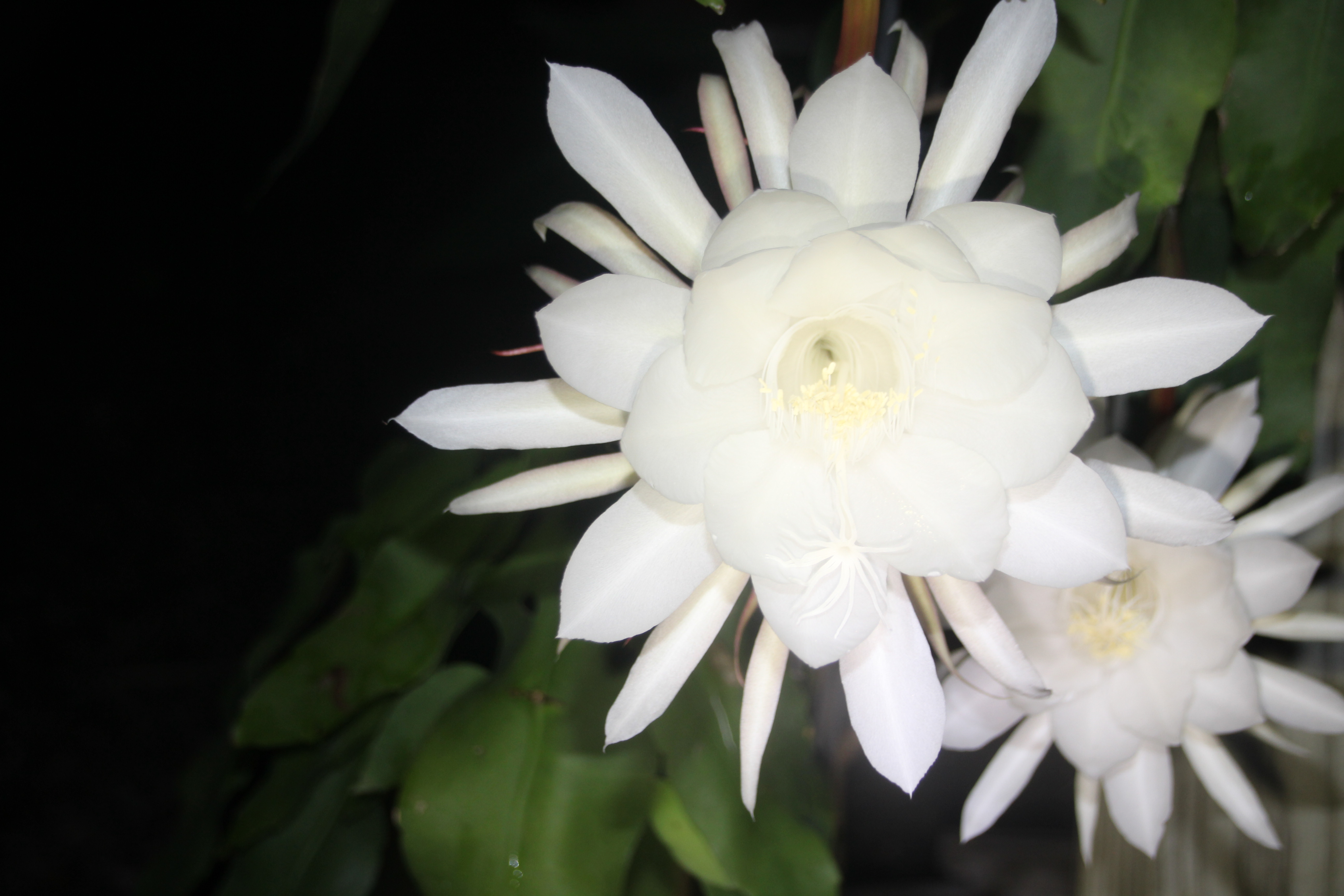
Epiphyllum oxypetalum
Its flowers were almost fully opened. They were quivering. There was no breeze. The blooms have their own energy.
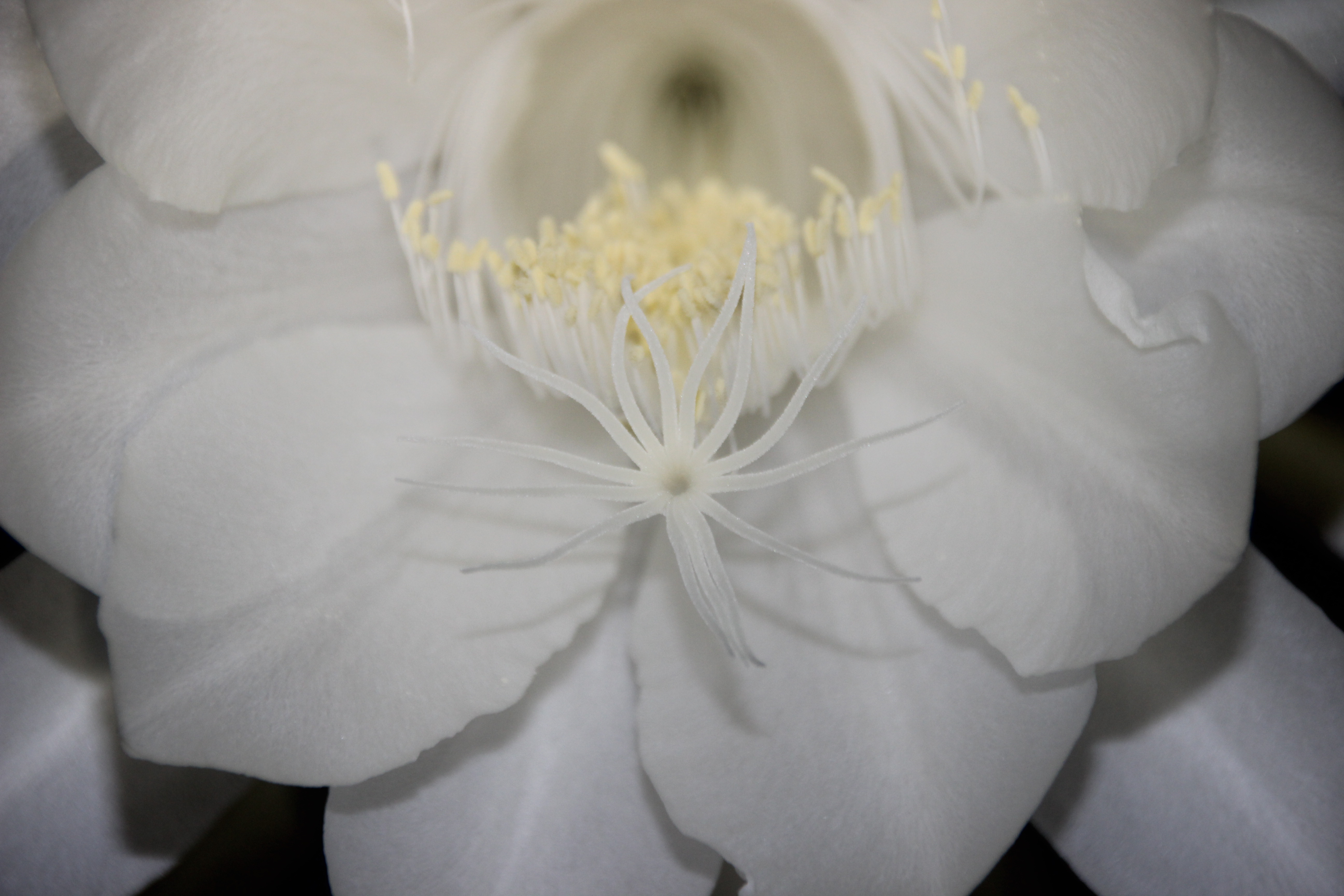
The white, threadlike stamen form a tunnel through the flower.
The opalescent pistil has a strange star-shaped end.
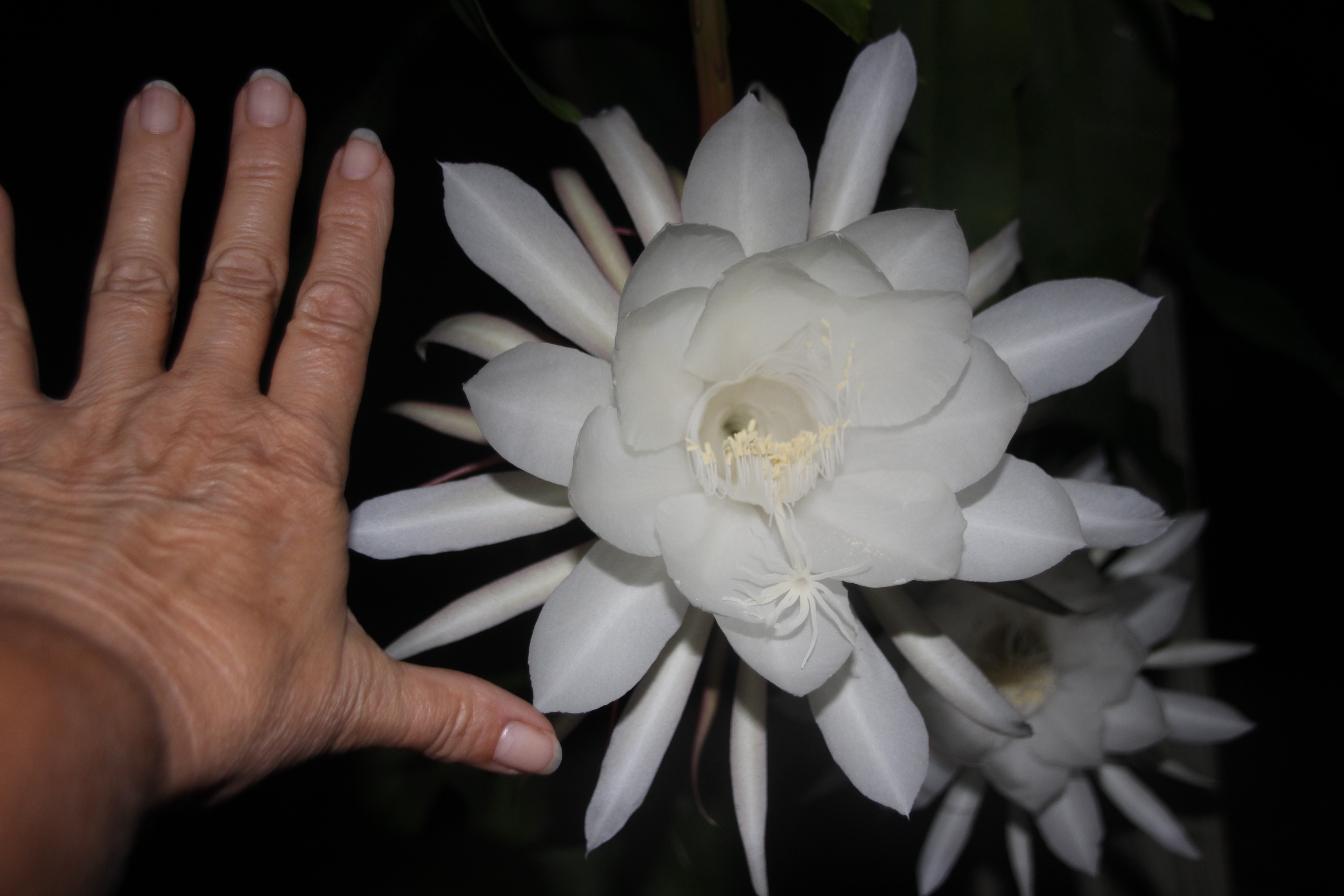
The flowers are as big as my opened hand.
The back has finger-like sepals that splay as the bloom opens.
What wondrous, glorious blooms this “Queen of the Night” has!
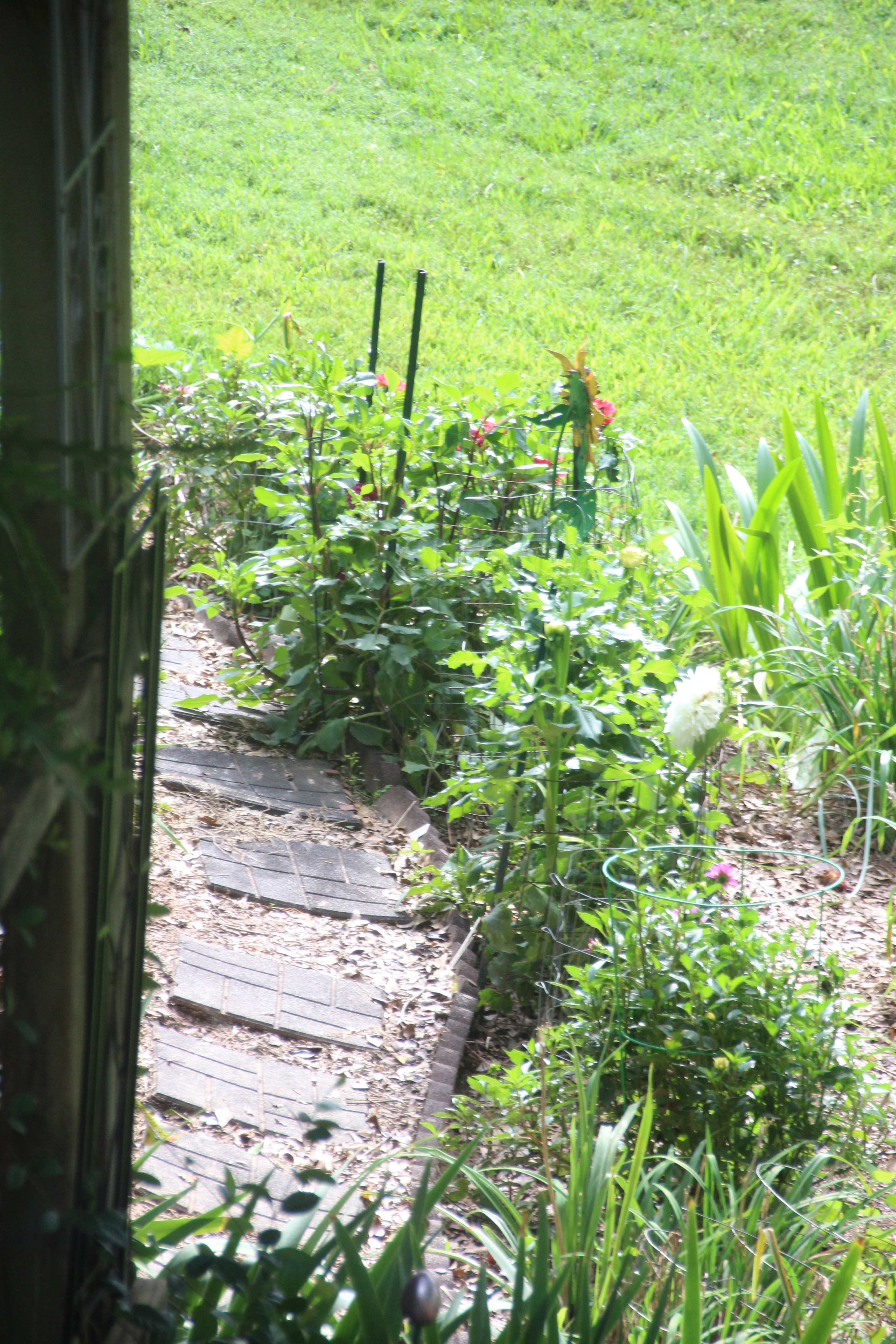
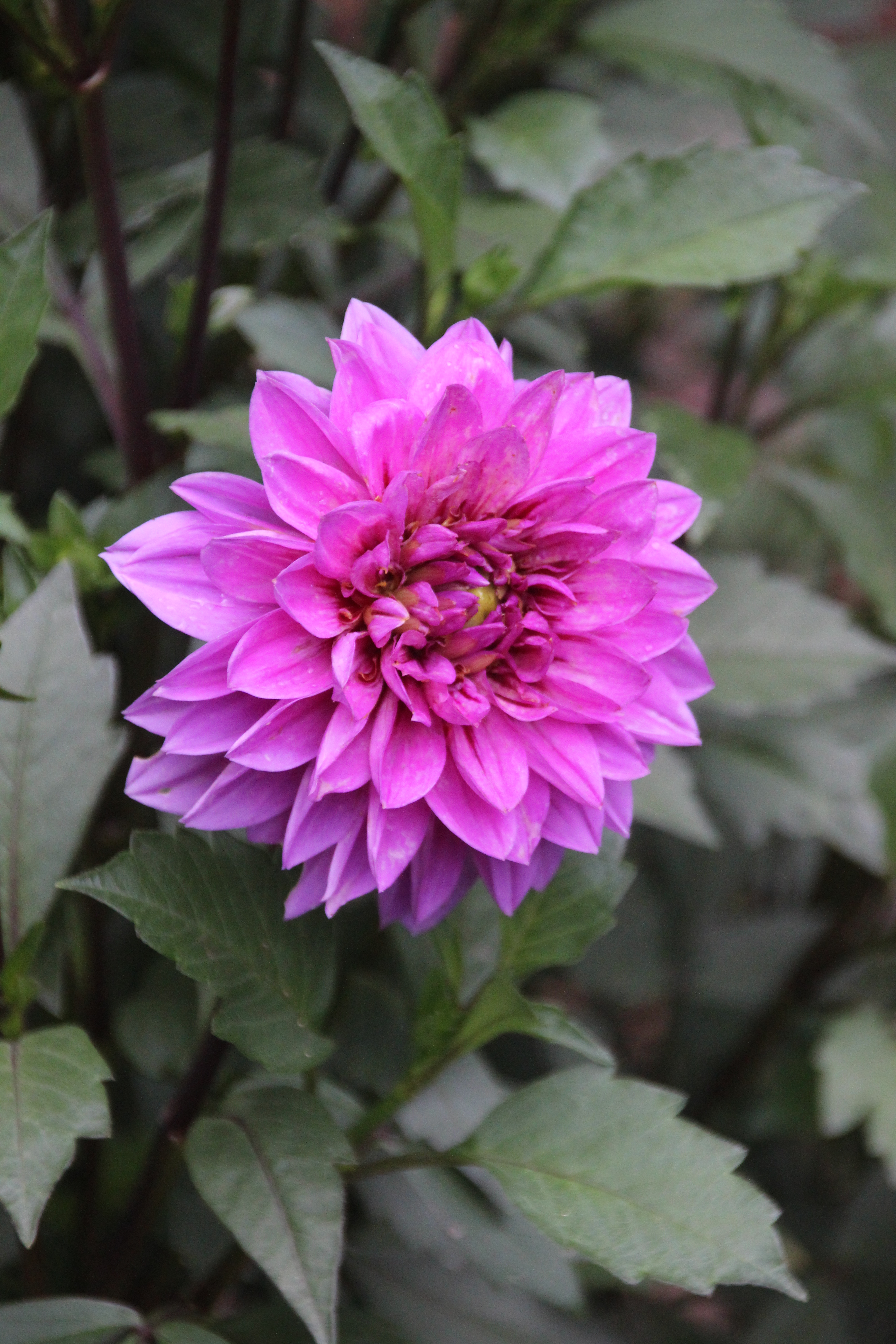
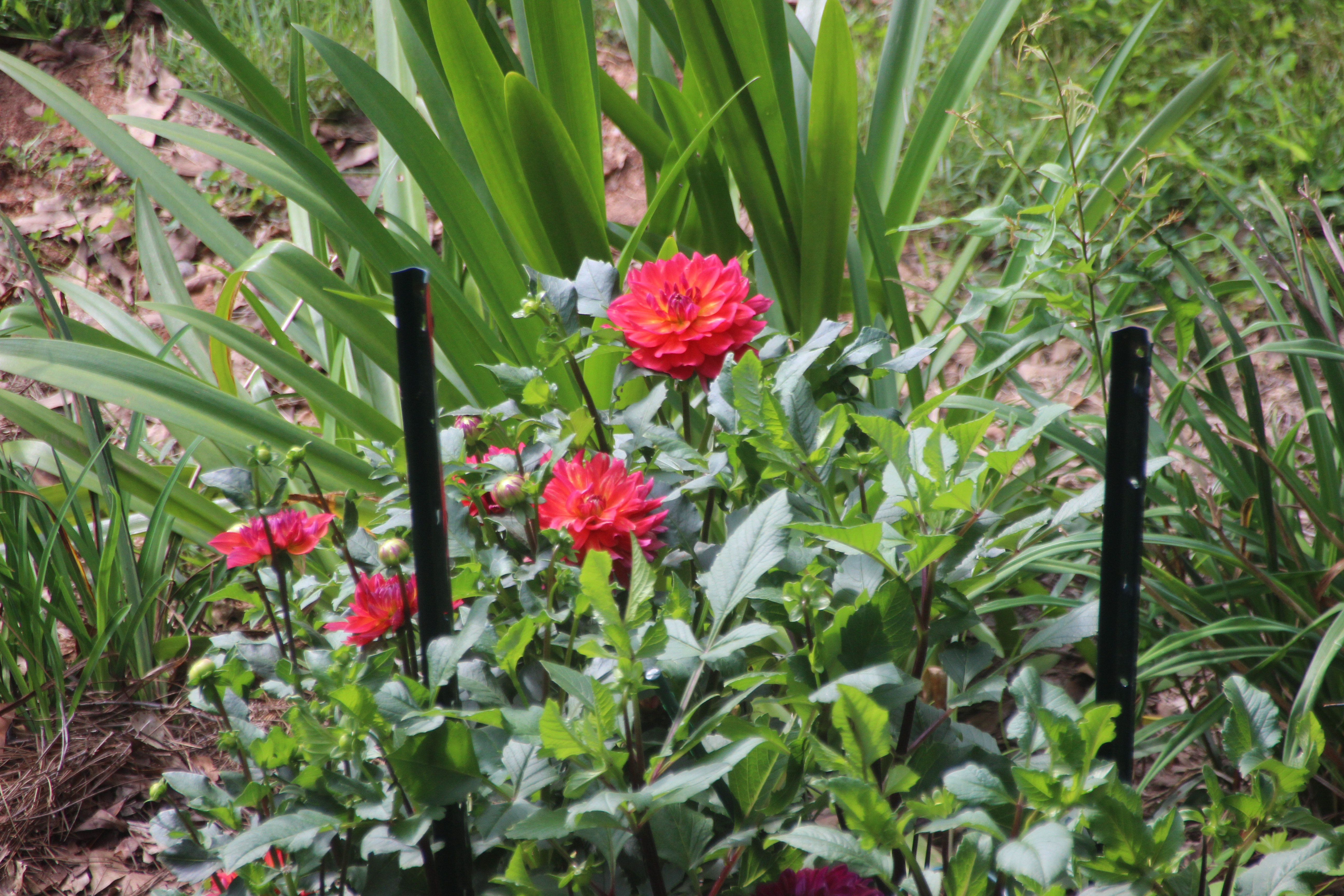
I try really hard to be a good ‘plant mama’ but I fall short each spring and summer. This year it was the dahlias that took a hit.
The dahlia ‘Nonette’ got left in the bag until I discovered it in June when I almost threw it away. It could not be revived.
The lovely ‘Kelvin Floodlight’ got a disease again this year. My overzealous treatment killed it. I will miss its giant yellow blooms.
I had two batches of ‘Thomas Edison’ dahlia. My usual potting soil messed up the mix this year. It was too wet. Many of my plants rotted including one pot of ‘Thomas Edison.’
‘Cafe Au Lait’ is spindly and floppy with no blooms. I keep propping it up, hoping for improvements. The weather has cooled so there is hope for it.
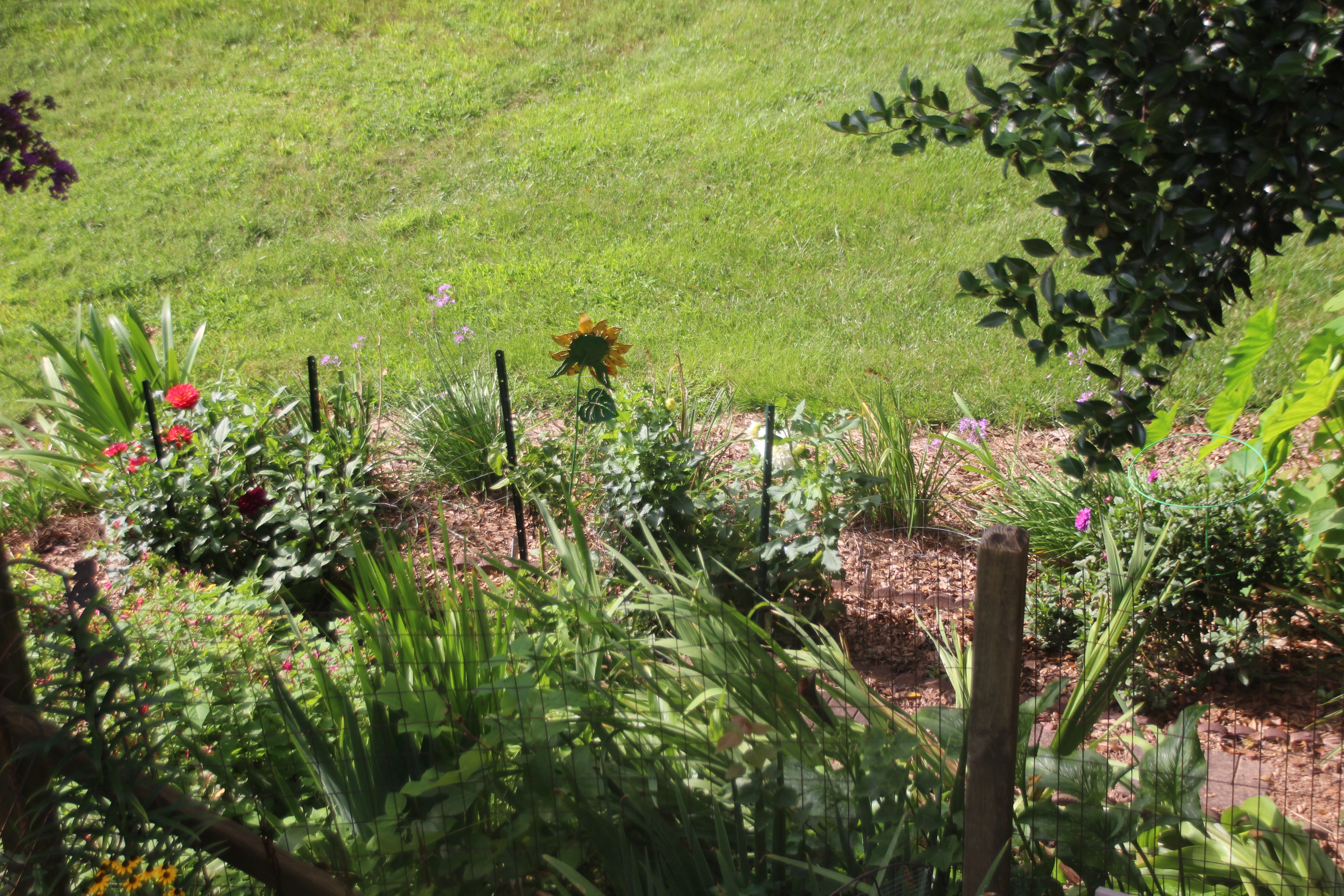
I know this row looks lovely from afar. I know how it could look. That’s my problem. Gardener’s Guilt is real!
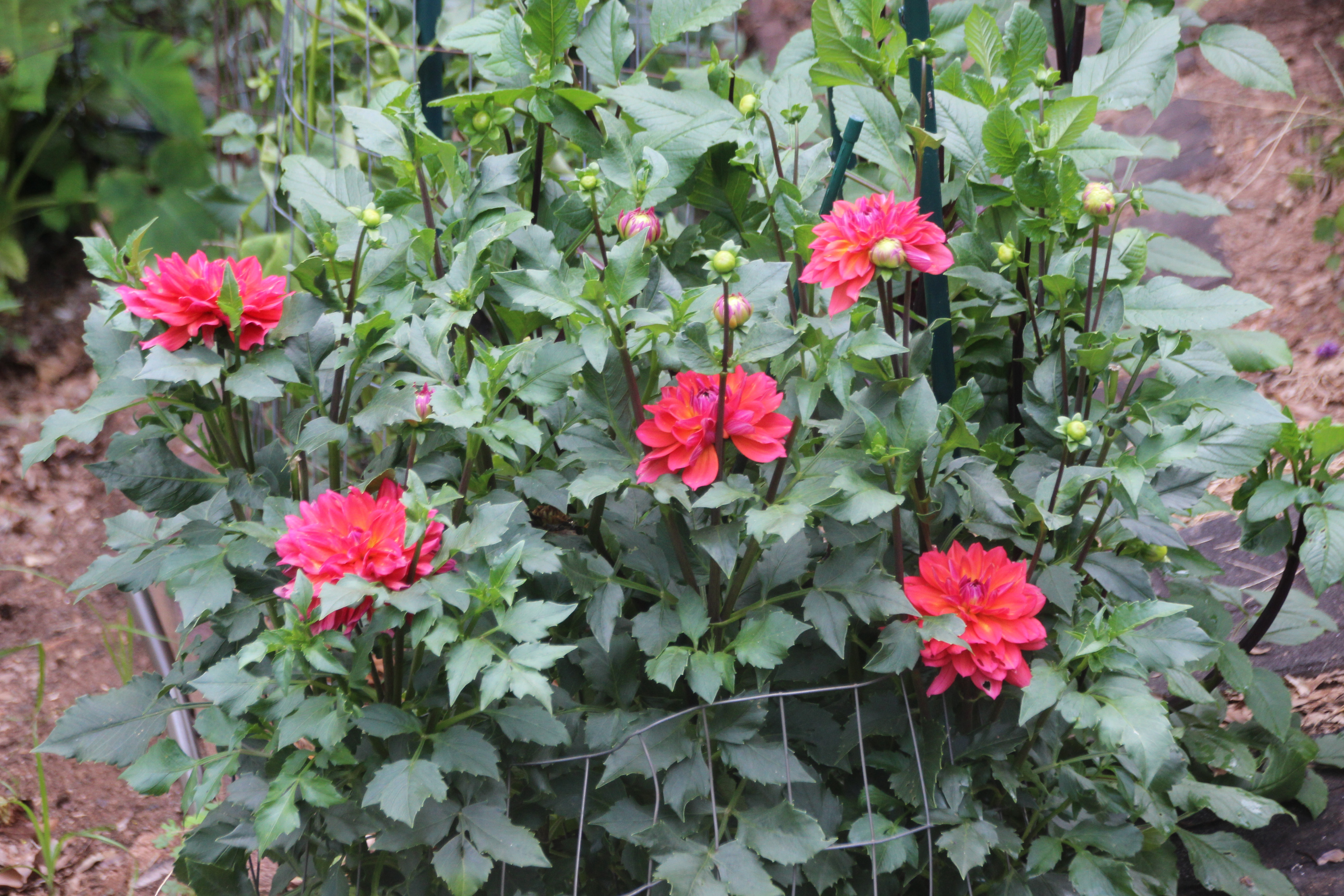
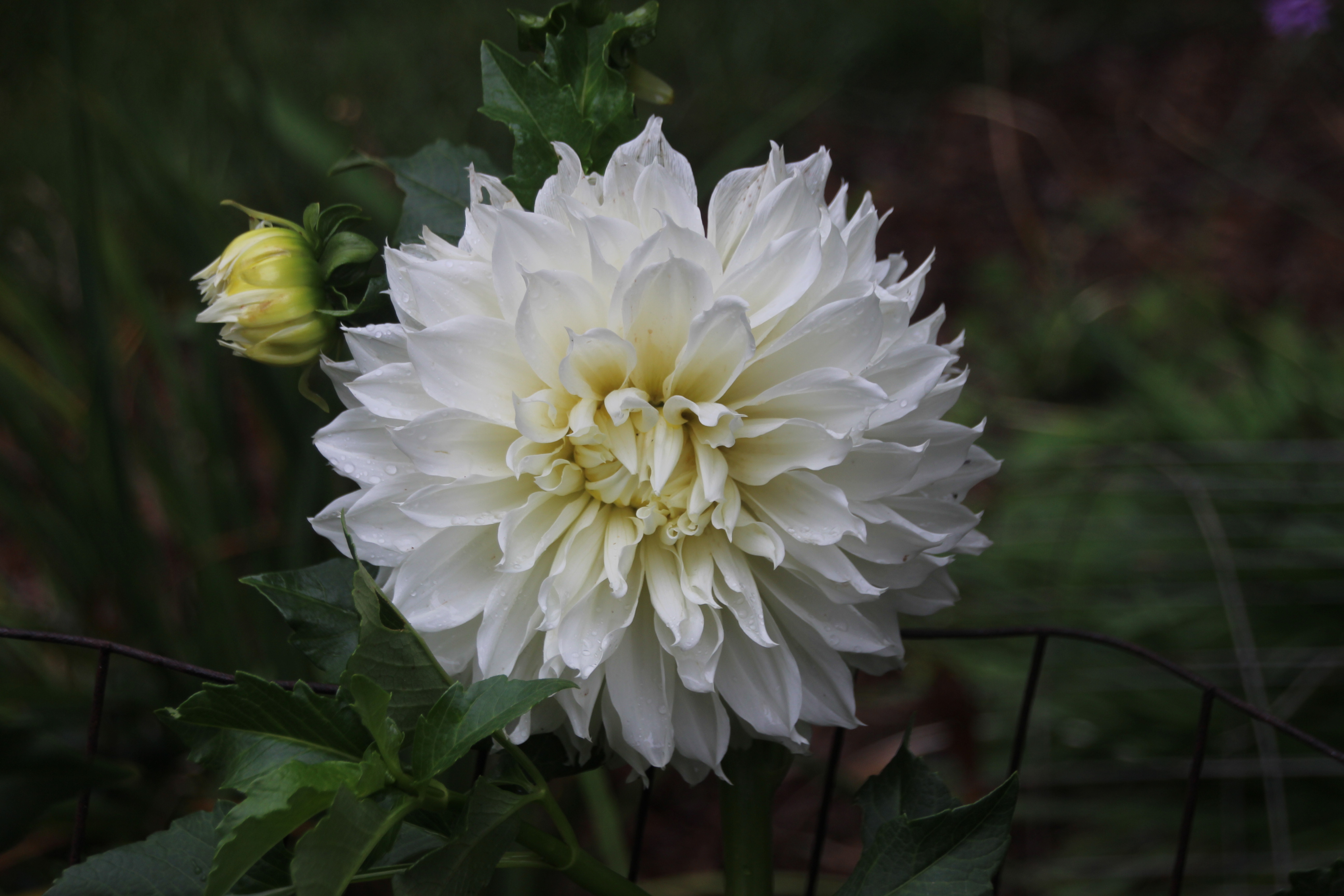
The “glass is half empty” and the row is half empty. I am extra grateful for ‘Firepot’ and ‘Snow Country.’
They have survived the many mishaps and are happily blooming.























 floweralley