Early Start on Fall Tasks

Fall is a busy time for anyone who collects seeds and cuttings. It is also a time to prepare house plants to go back inside. I have been doing my fall tasks early this year. There have been busy years when no prep was done.
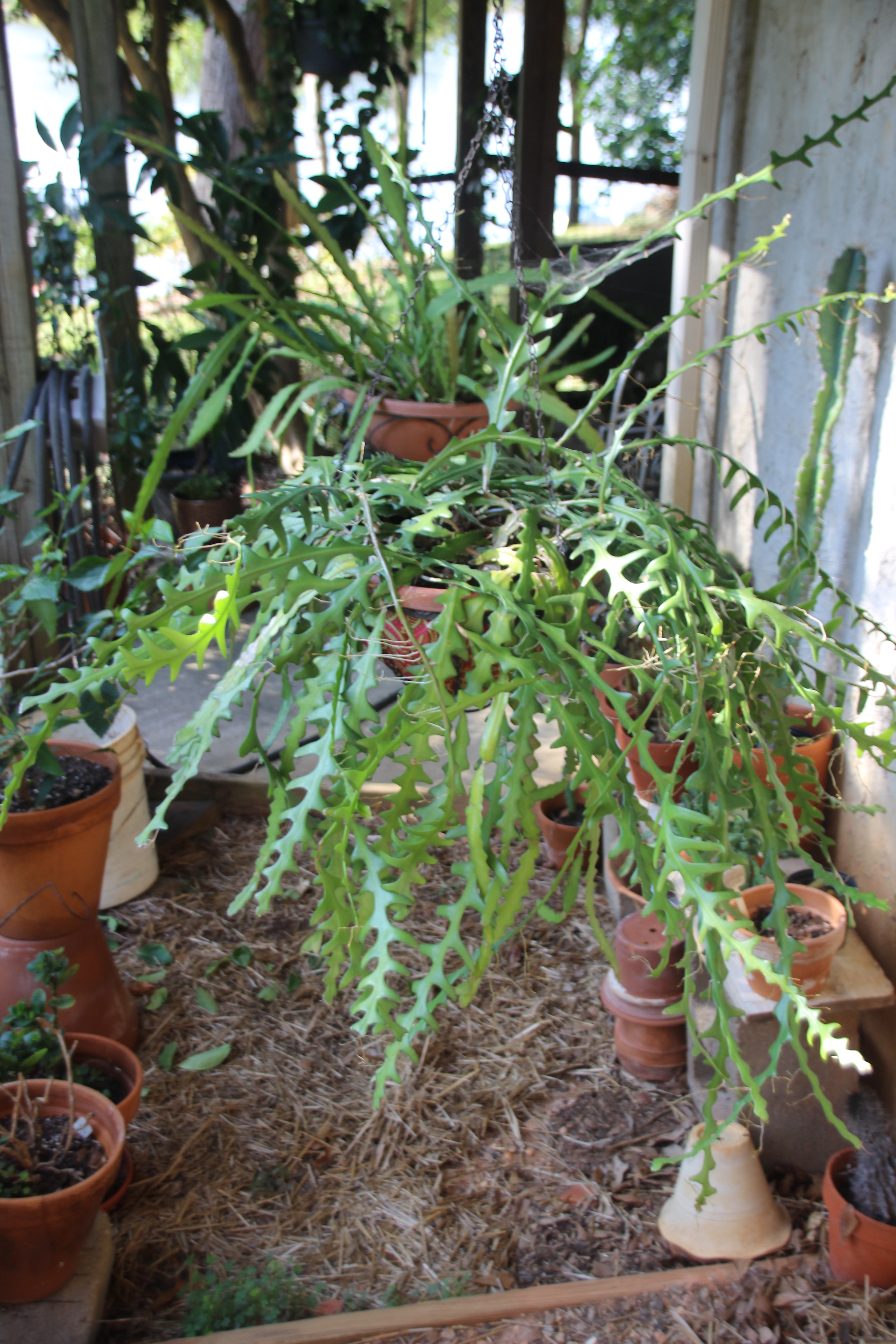
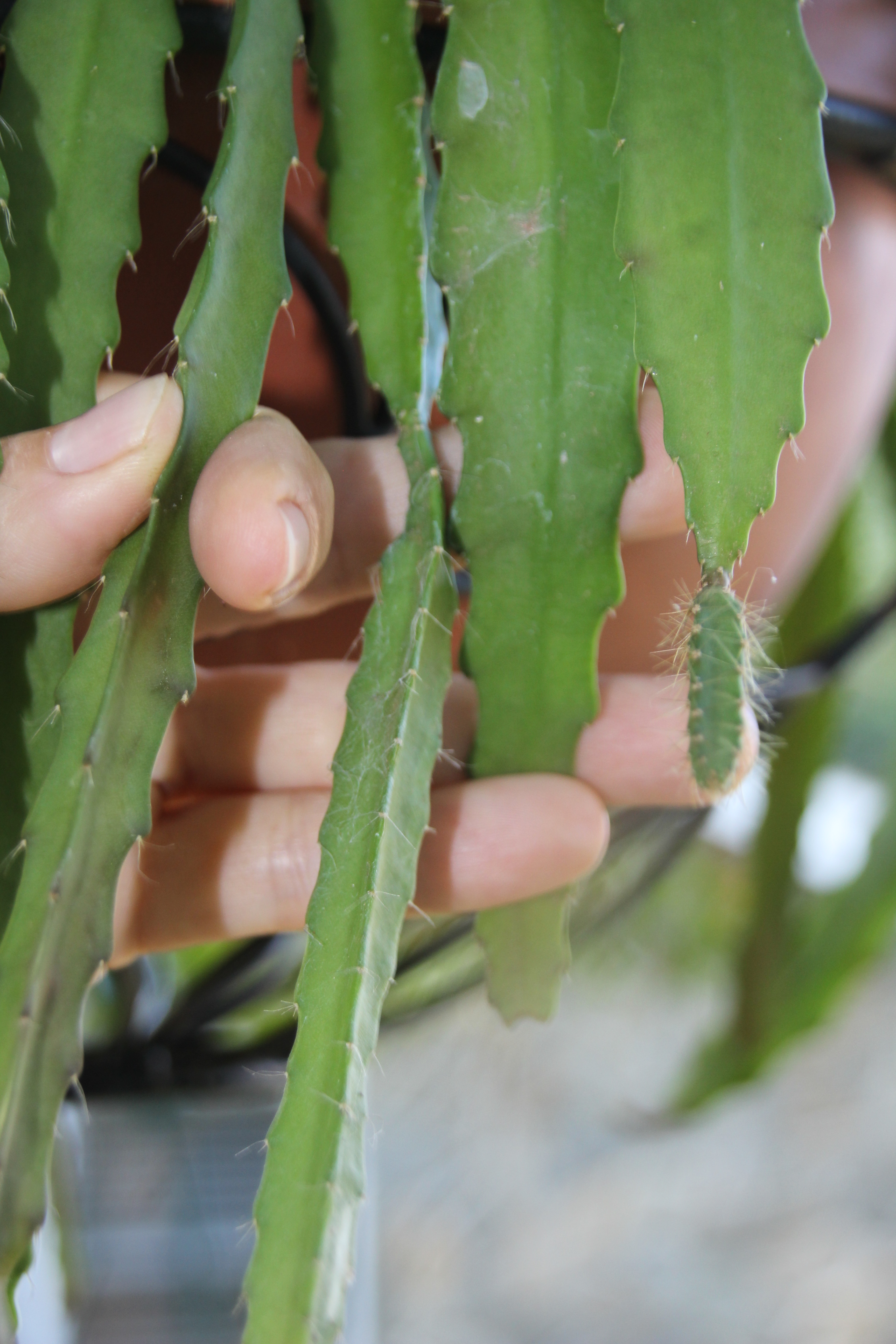
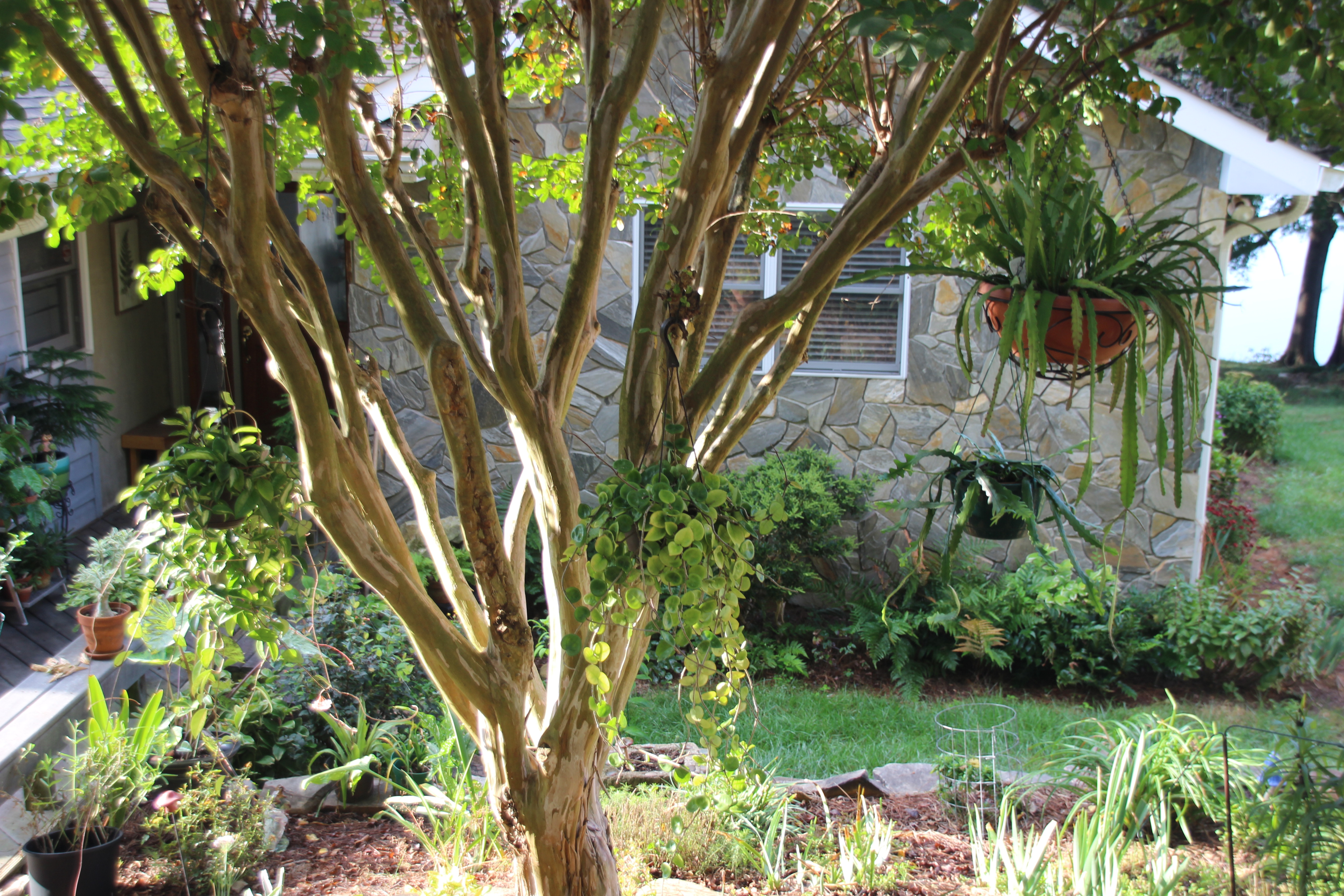
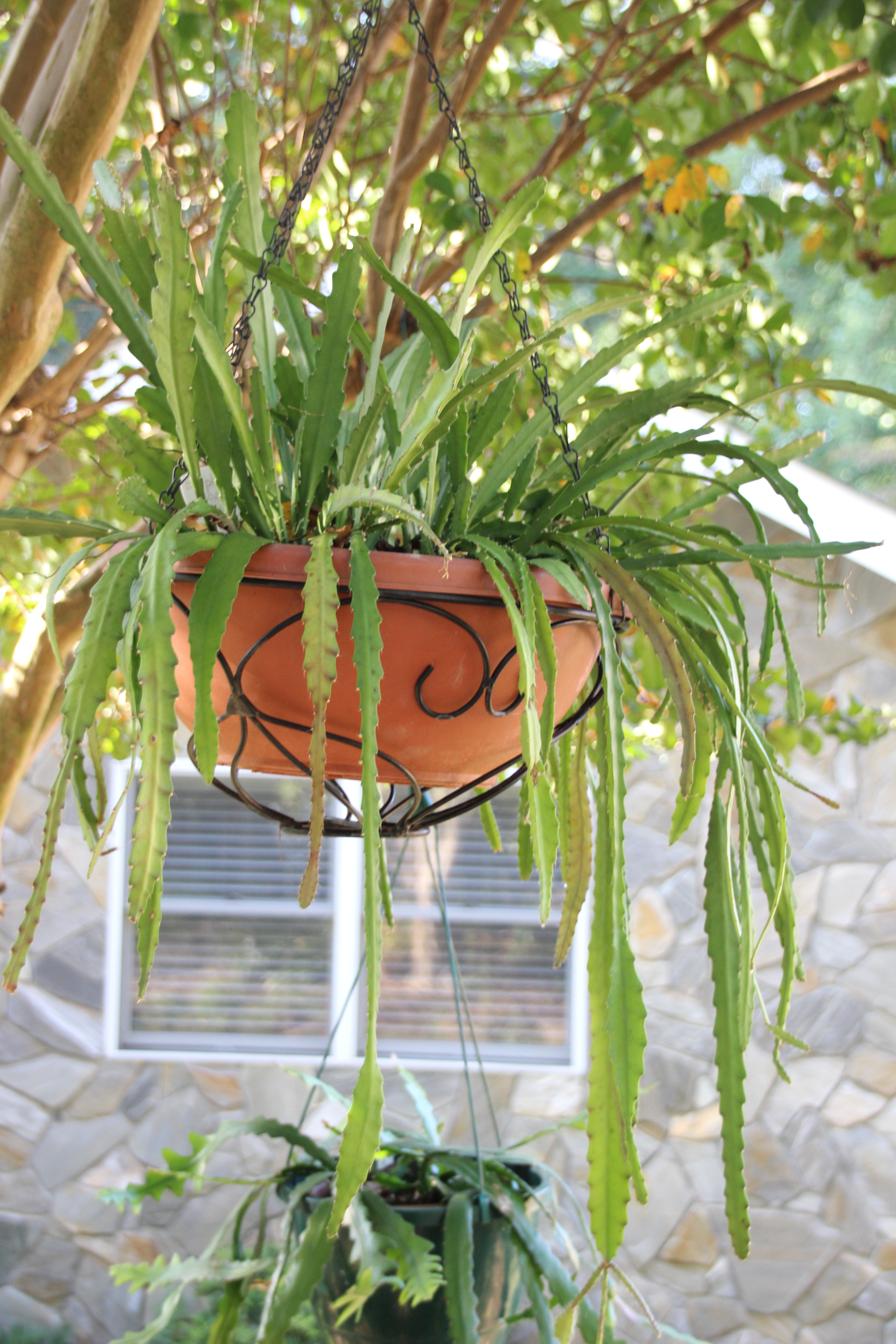
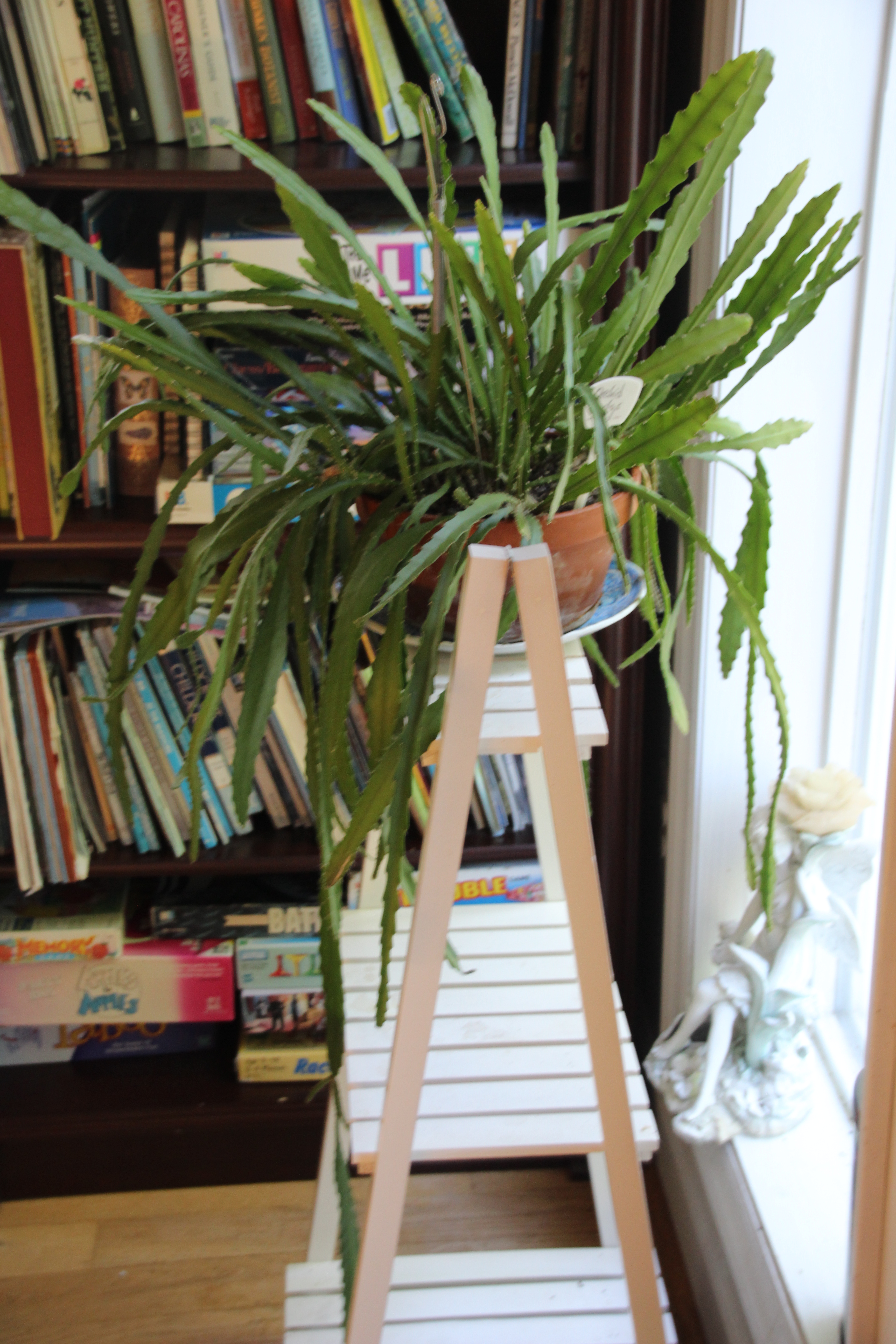
This Ric-Rac has not been trimmed in three years. It will get a good cut and cleaning today.

These traumatic falls involved my whole family hastily hauling in all house plants the afternoon or evening before an early freeze. This resulted in bringing in stow-aways such as worms, spiders, and lizards. The unprepared plants were too big and crowded. Air flow is essential to prevent diseases. Crowding results in deaths over the winter.
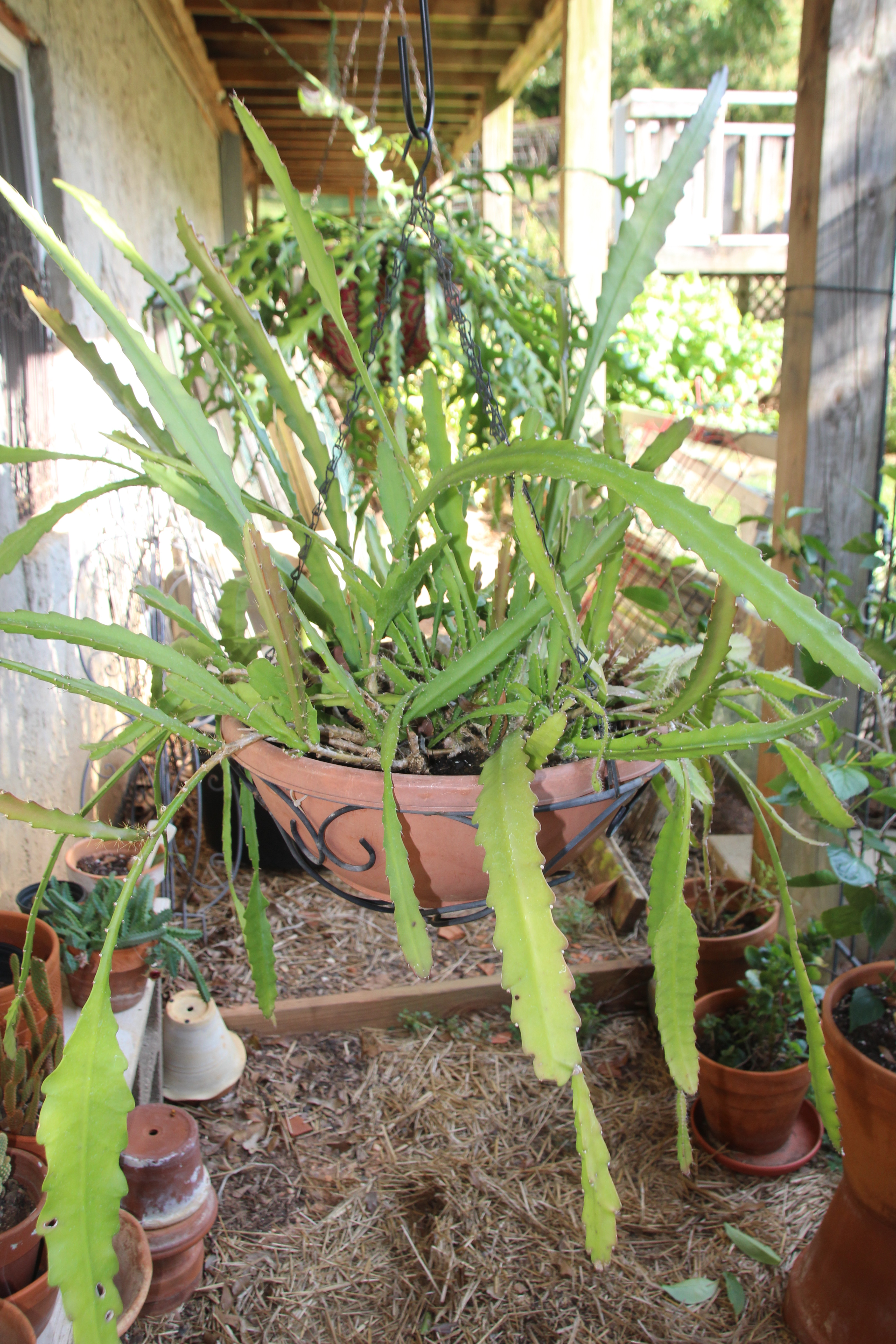
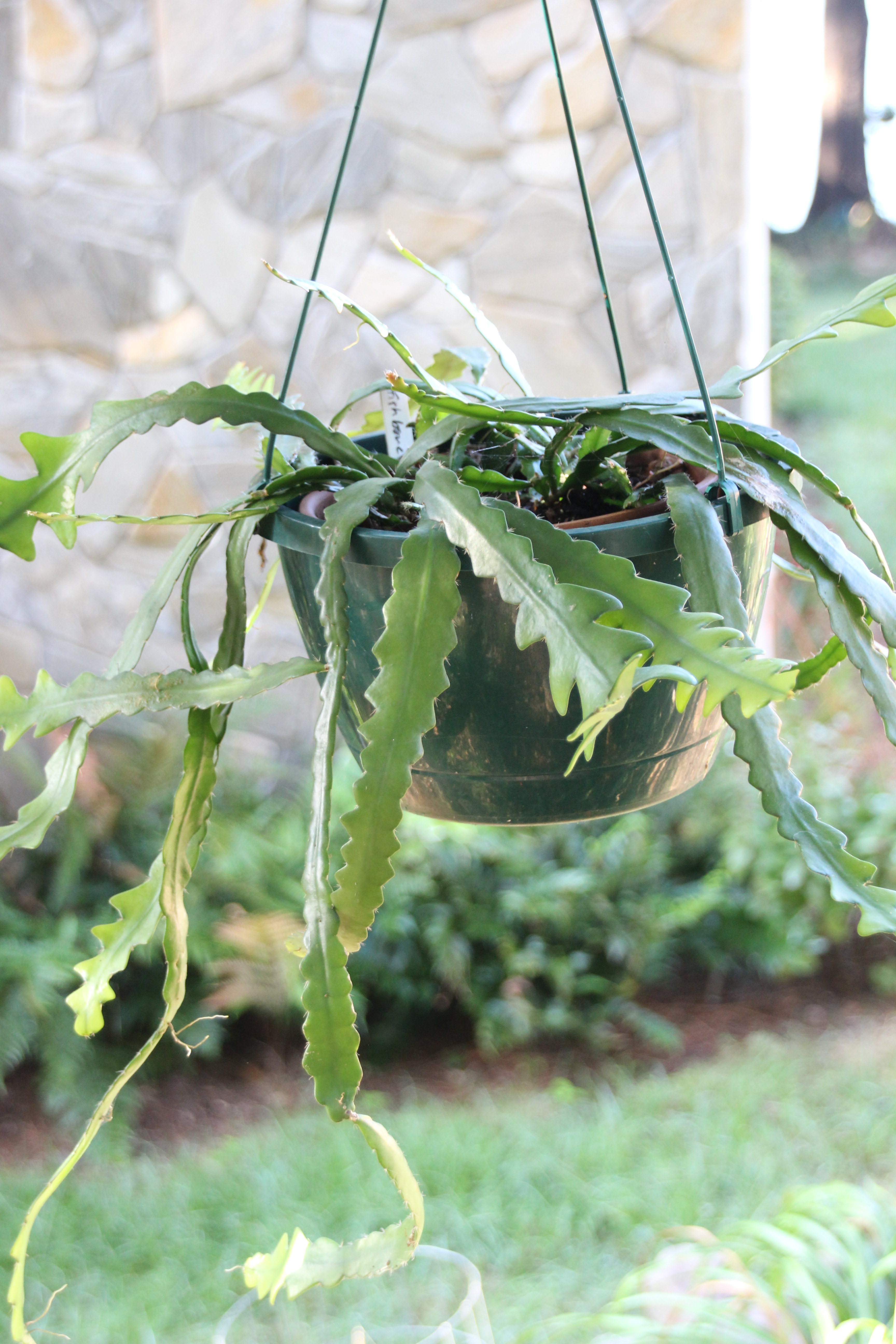
This epiphyllum is a tangled mess from neglect. Unhealthy parts will be removed.

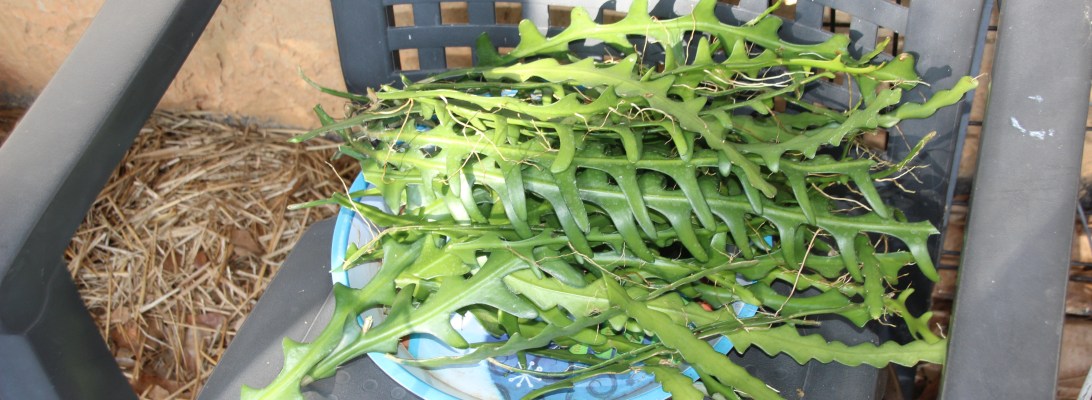
House plants grow quickly while outside in the sun and rain. They get so large that they must be pruned and purged. This is also a good time to take a last batch of cuttings. Succulents and cacti pieces need to lay flat and callus over. I keep them separated and oriented in paper bags.
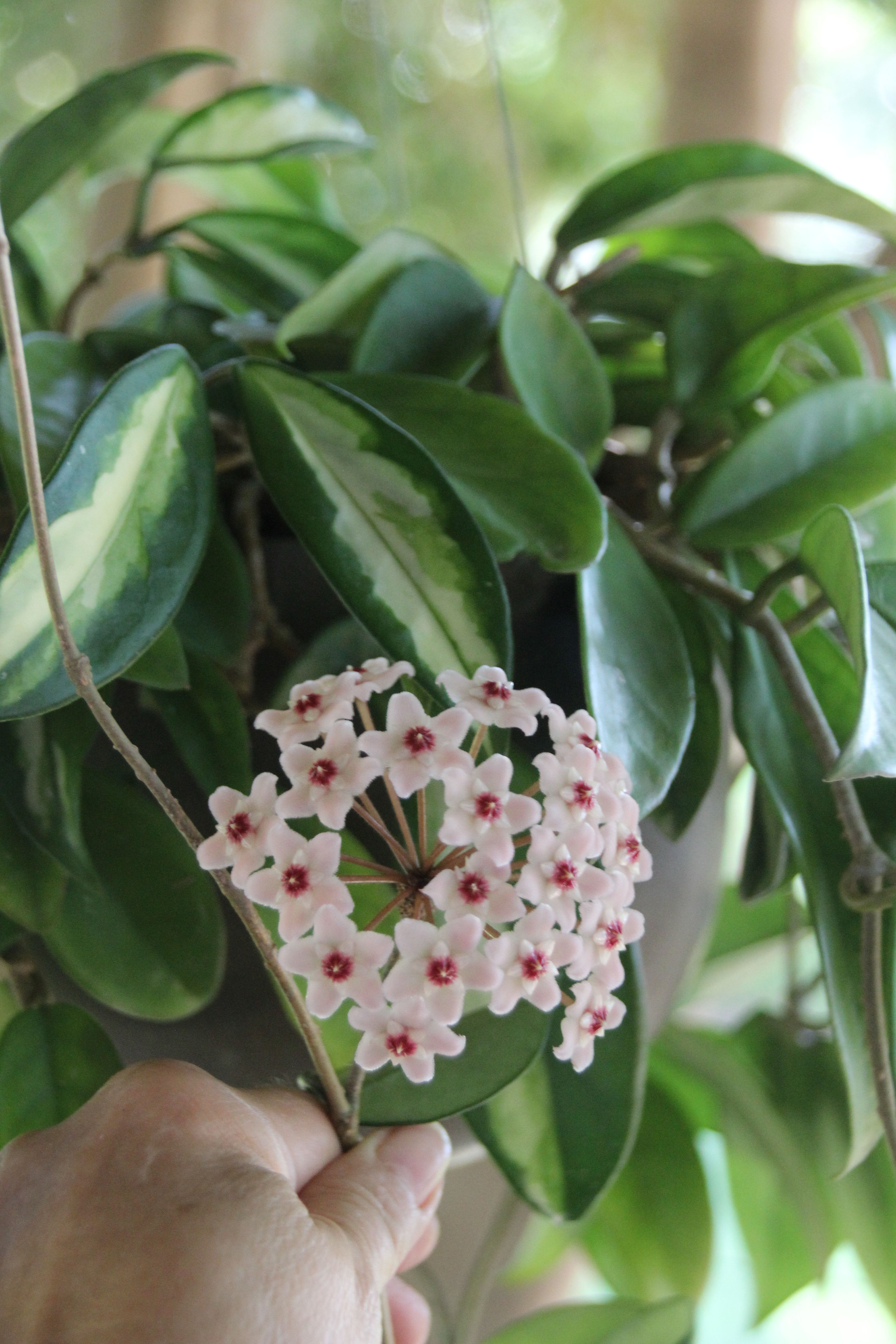
Hoyas need purging also, but do NOT cut the ends off. New blooms form there. Remove whole shoots and root them.

Purged pieces that are unhealthy are composted.

These pieces were damaged, diseased or deformed.

After several weeks of callusing, the pieces of plants may be potted and sparingly watered.
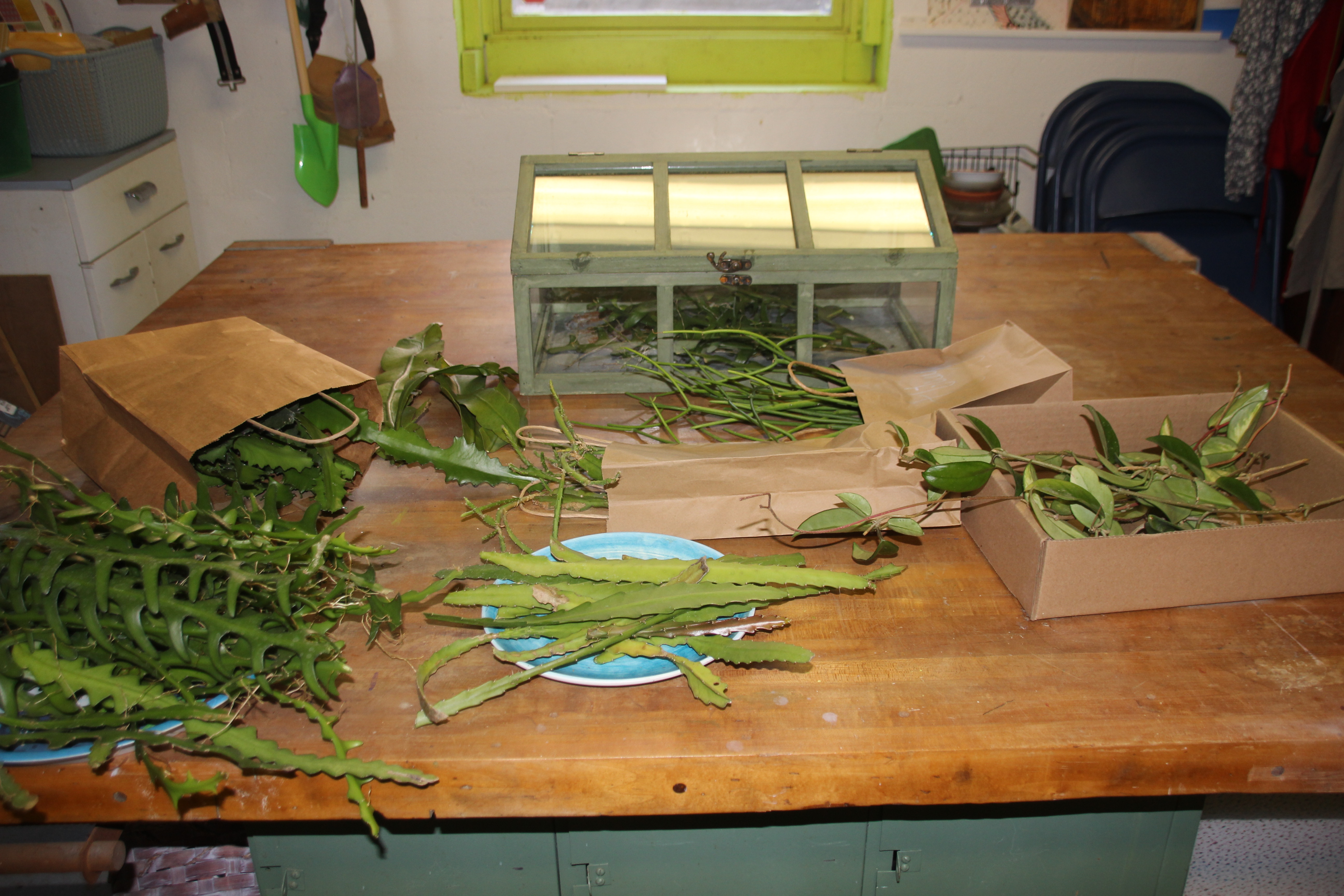
Cuttings from (L to R) Ric Rac cactus, Dragon Bones Cacti, Night Blooming Cereus, Epiphyllum(red), Pencil cactus, Hoyas

I am getting my supplies for mixing my rooting medium of potting soil, perlite and orchid mix for these cuttings. Good drainage is essential to prevent rotting instead of rooting.

I give away or sell these new plants once they are established.

FLOW in fall
The Plant Knows

Plants know things. I know this because I study them.

I want to know What a Plant Knows.

I have read a book by that name written by Daniel Chamovitz.

I also took the Coursera class from Tel Aviv University by that name.

IMG_2469

Plants know where they are and the seasons and what they are close to.

I am trying to learn from them. They are teaching me.

IMG_2481

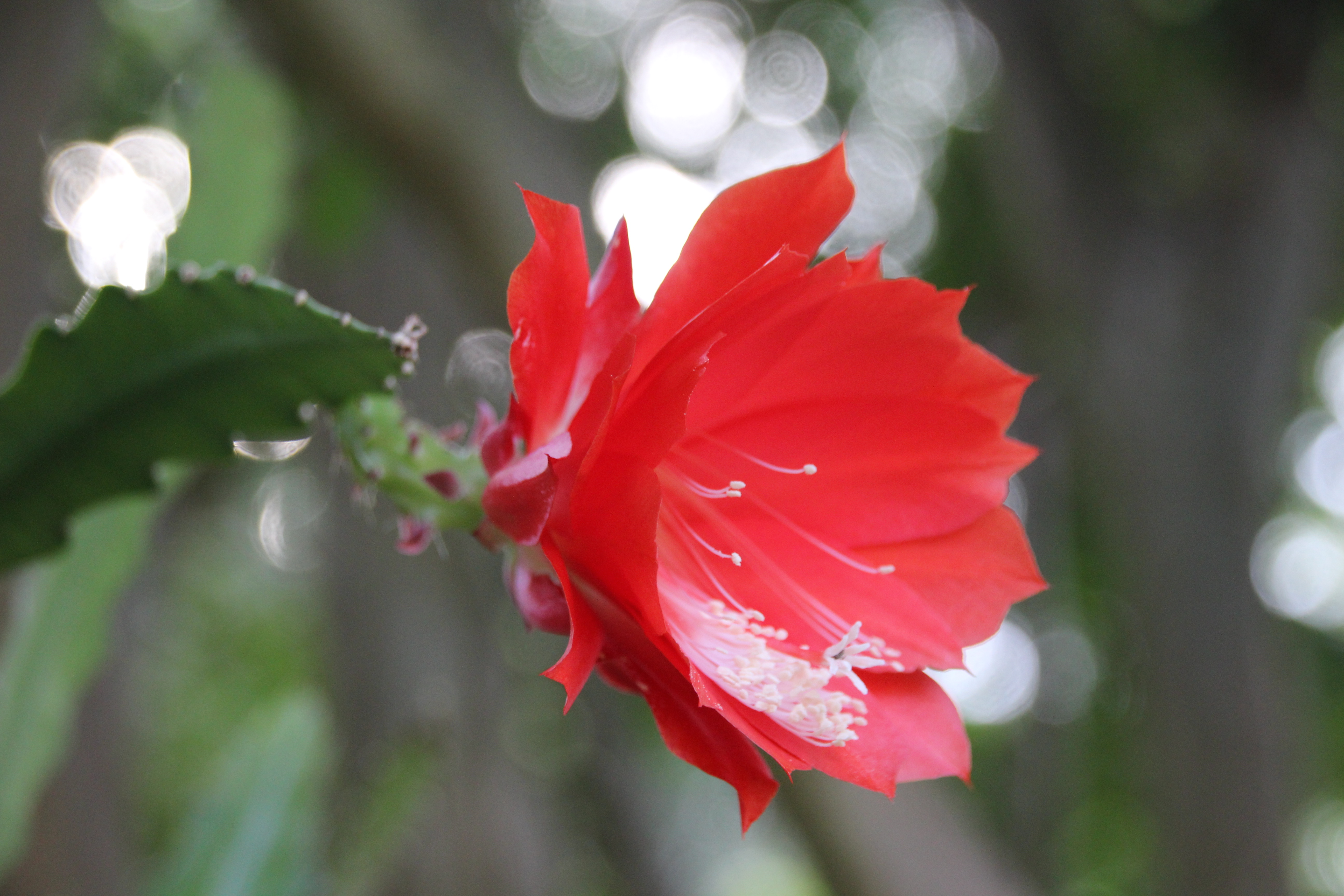
This Epiphyllum Orchid cactus never bloomed.

I researched its native habitat.

IMG_2478

In Brazil it hangs from the trees.

So I hung it from a tree.

See.

IMG_2467

It knows.

IMG_2470

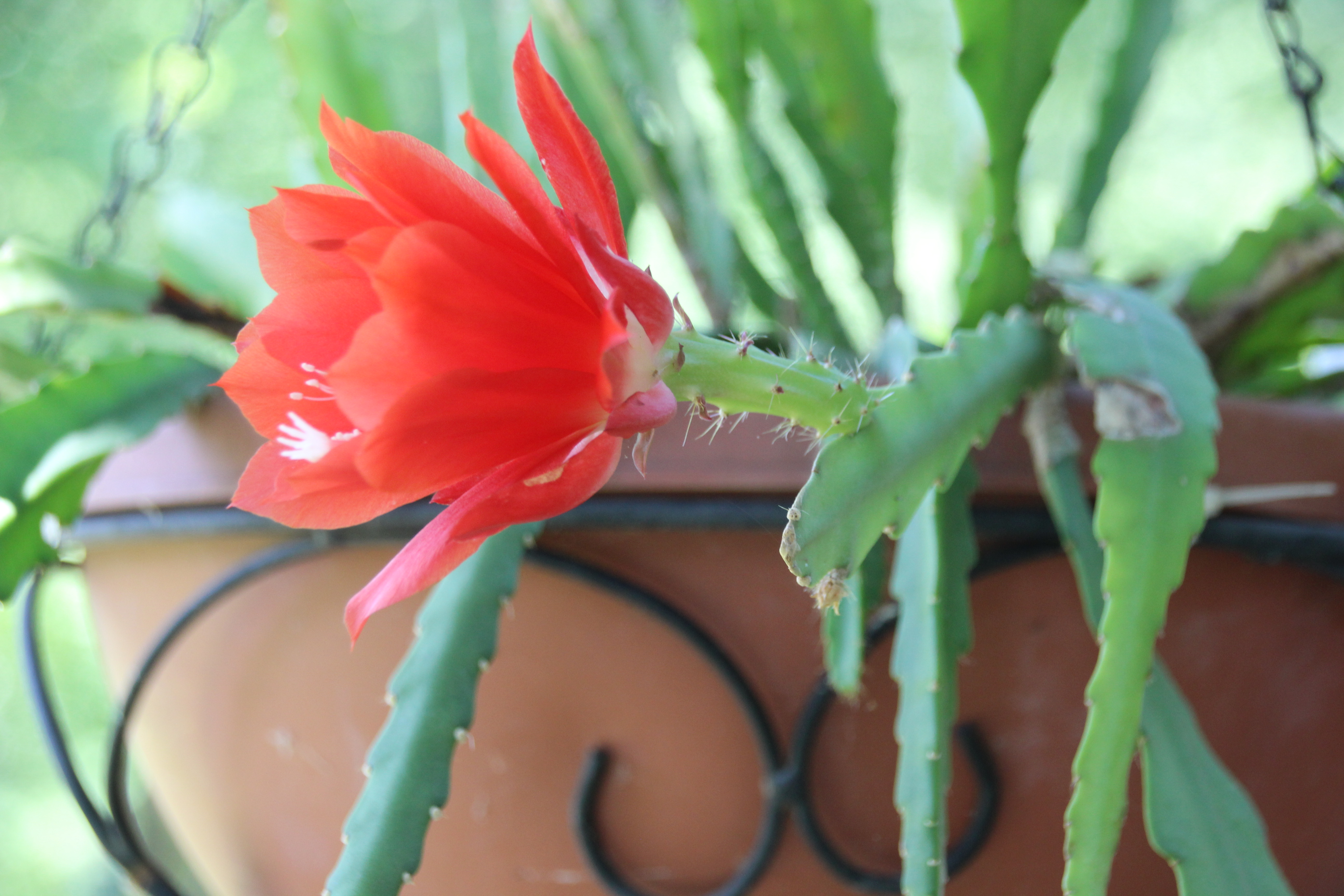
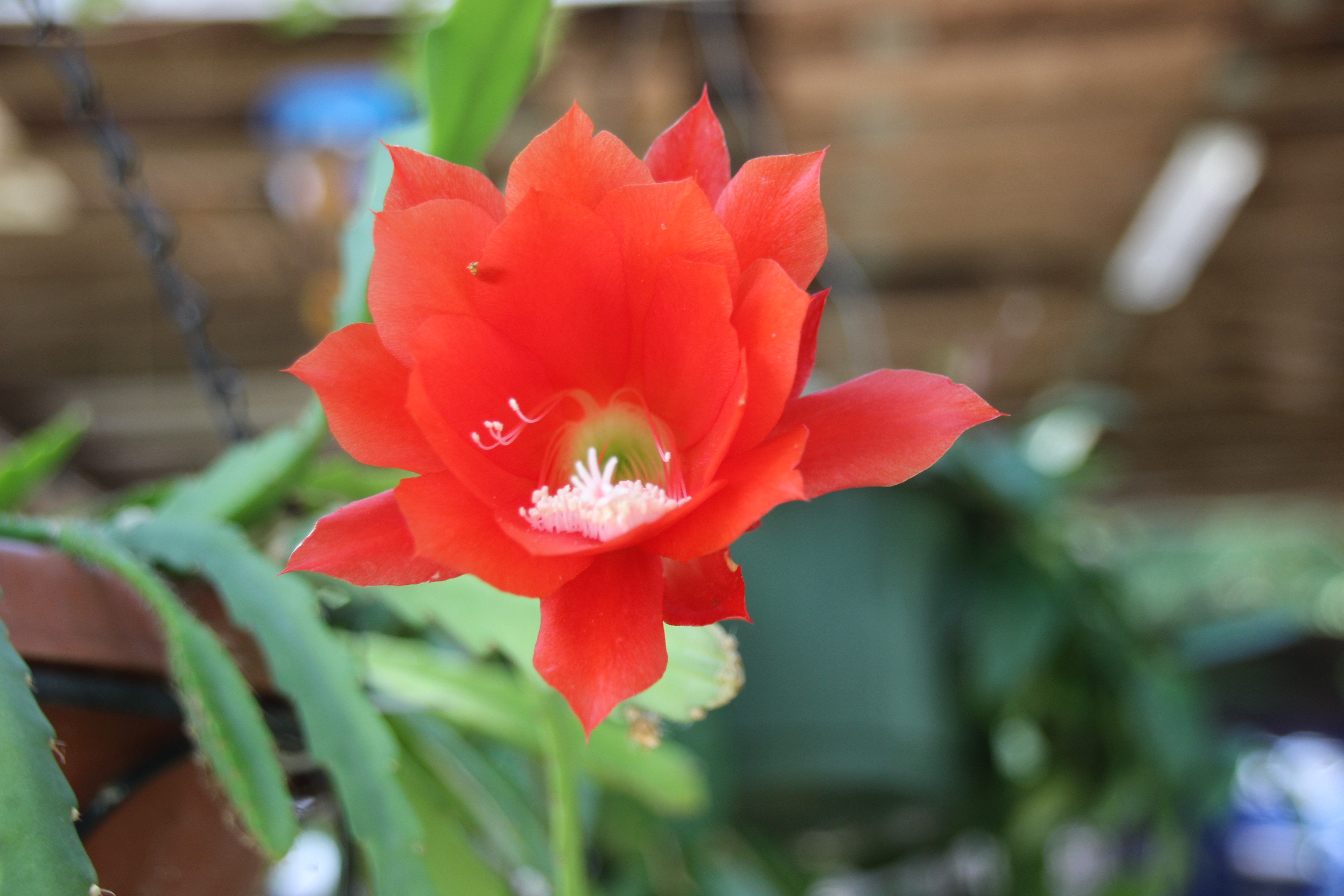
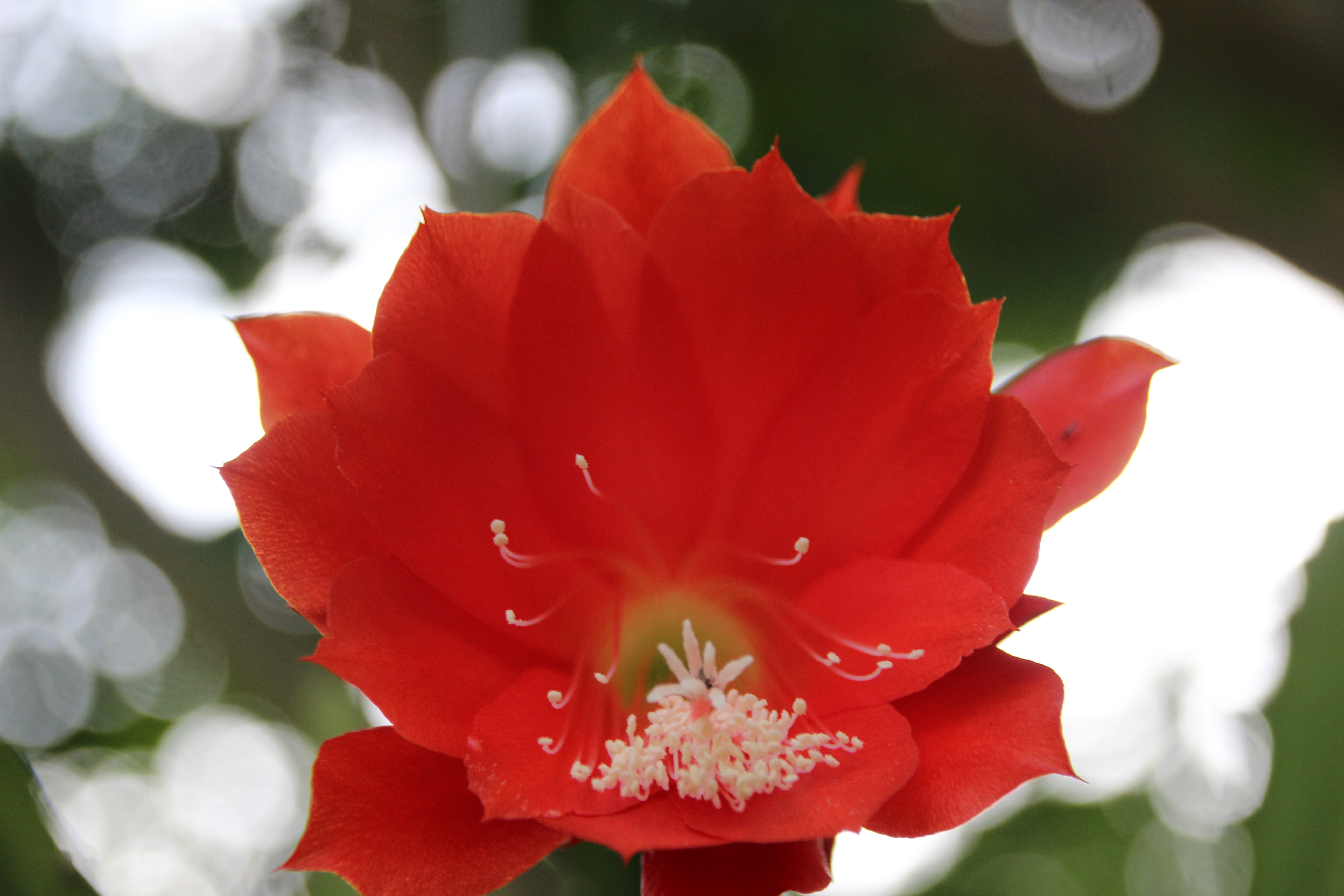
Now it blooms every June.

Humans don’t know everything, but we can learn things

even from plants.

Especially from plants… and animals.

They are the ancients.

Flower


Worth the Wait

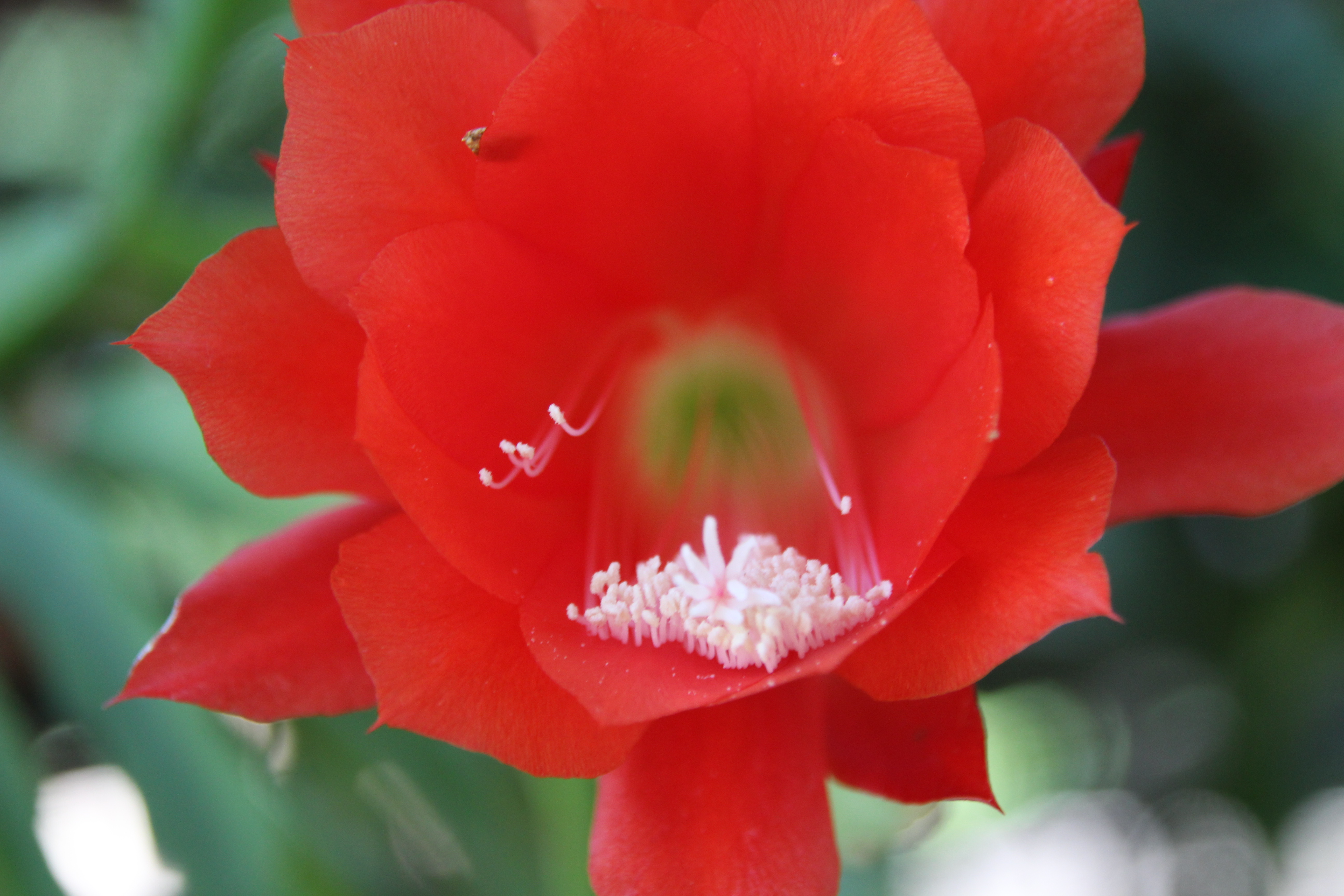
I was given a piece of this Epiphyllum three years ago.

It was my first cactus orchid. I have been unsure of how to care for it.

It has grown well but never bloomed..

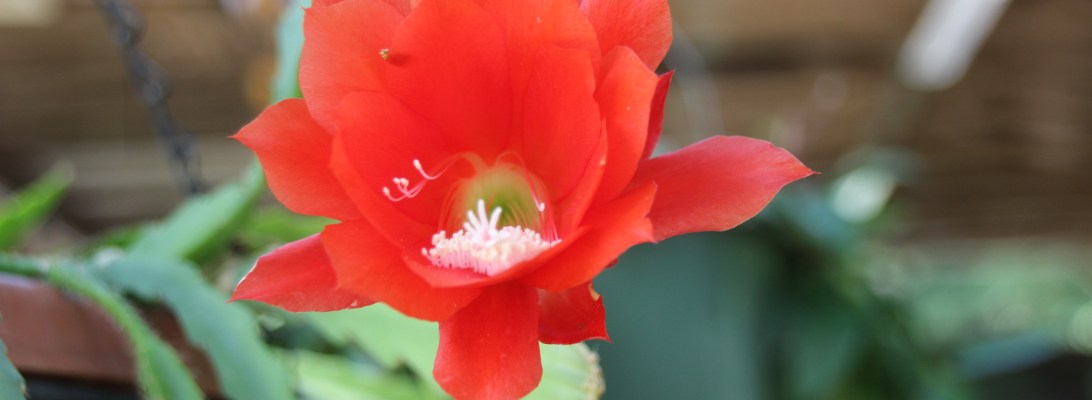
until today.

Hooray!

I hope I don’t have to wait three more years for another bloom,

but this lovely flower was worth the wait.

Flow

Hang these Weirdos

Epiphytes get their name from living on other plants.

This does not mean that they are parasites, just that they share space with larger plants for support.

They have long succulent leaves that are heavy.  These have strange shapes that may vary on the same plant.

I have several Epiphyllums.

Since they normally live in the semishade of trees in Mexico,

I hang them in trees so that they will feel at home.

Both of these Epiphyllums were obtained as pieces, not whole plants.

I asked to buy cuttings from two of my favorite garden centers.

No point in my buying a giant plant when a piece will do.

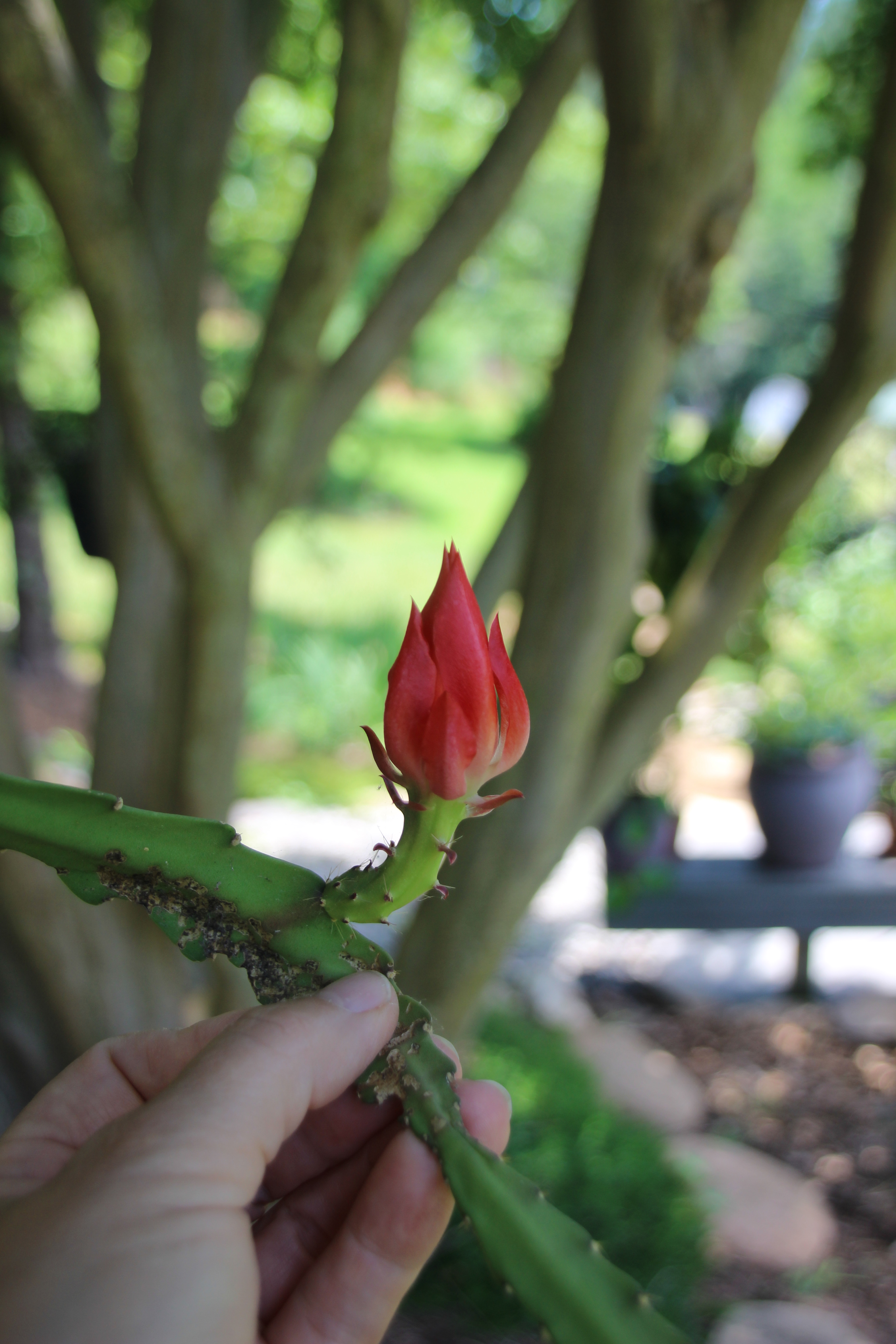
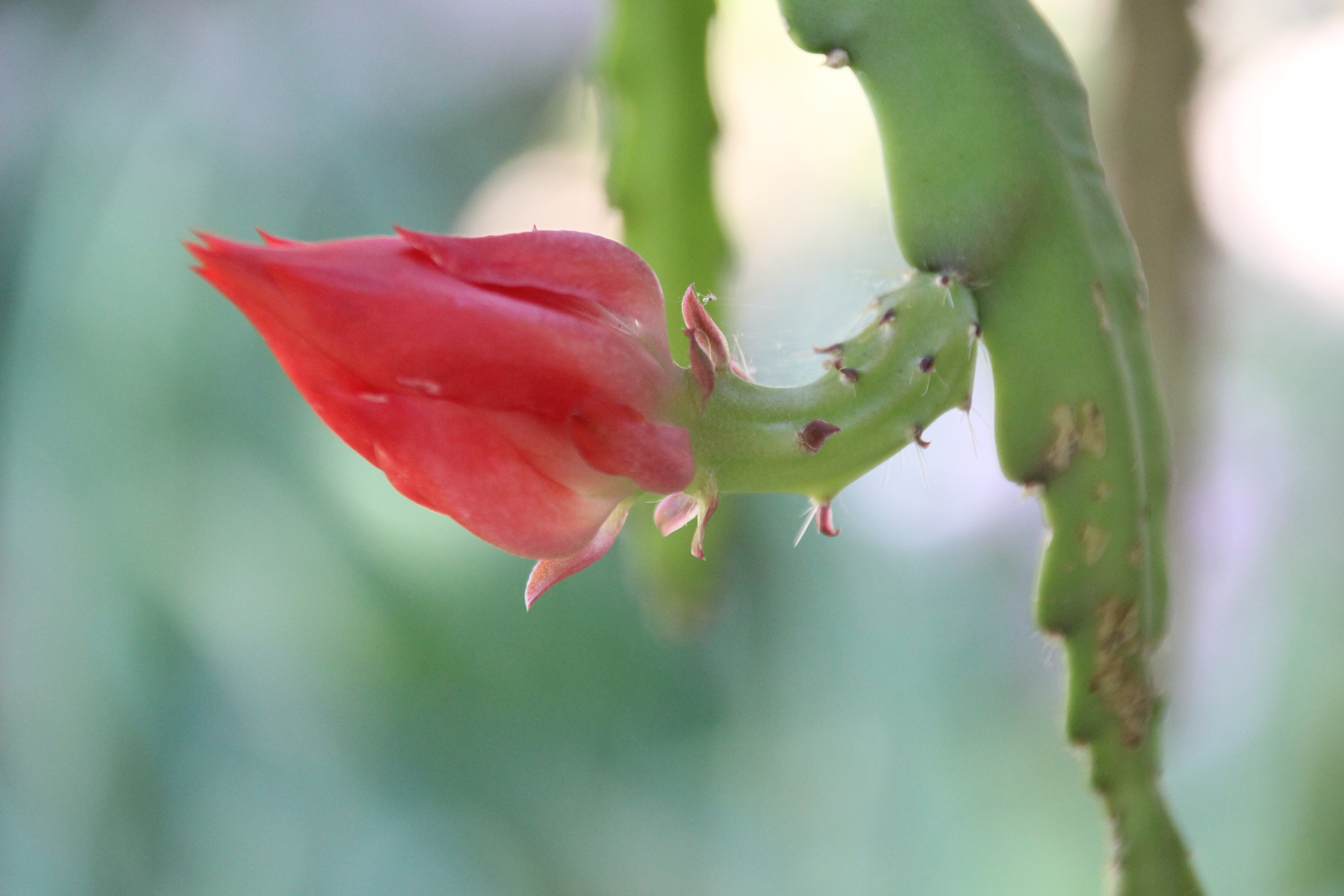
I know that this orchid cactus will bloom red.  It has not as of yet, but its parent plant had red blooms.

These Epiphyllums bloom during fall or winter, so I hope to see a bloom soon.

This fishbone/zigzag cactus should have white or yellow blooms.

Its blooms are nocturnal.  I will be watching both these plants in the coming weeks for signs of buds.

If you get an Epiphyllum, you had best hang it up.

They love to swing in the breeze from the trees.

FLOWER


My Trip to Another Planet to Visit the Queen

Okay, I was really still on Earth; but Zone 10 seemed like another planet.

Everything was bigger there in Florida… the plants, the shrimp, the hotels, the prices.

The Shrub Queen was my “Plant Identification” tour guide through the Ann Norton Sculpture Gardens.

I would ask the name of the plant I was pointing to and she would supply both its Latin and common name.

Many times I would respond with “Holy #*@, that’s a house plant.”  So even the houses are bigger in Florida.

Just joking.  These plants grow multiple times bigger in Zone 10 because there is so much more sunlight to make food through photosynthesis, also heat and time to grow.  The growing season slows in “winter” , but never stops like here. Many of our plants die back to below ground and go dormant during the winter in Zone 7.

If I had chosen the name Flower Queen, I would have to demote myself.  My little tropical plants that I have been so proud of are itty-bitty versions of these giants.

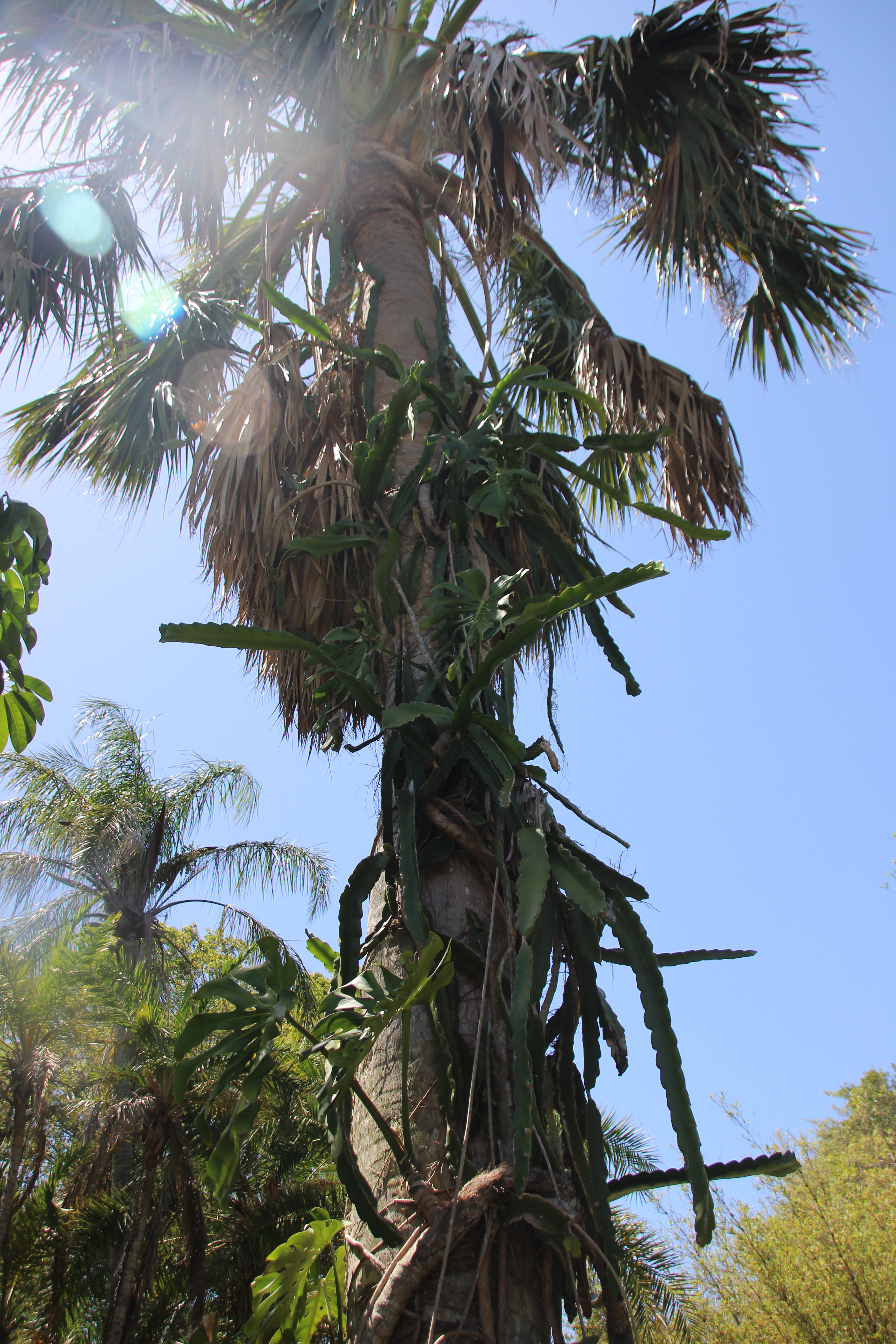
Here are examples.  My epiphyllum has been growing nicely for three years.

Here is a wild one in Florida.

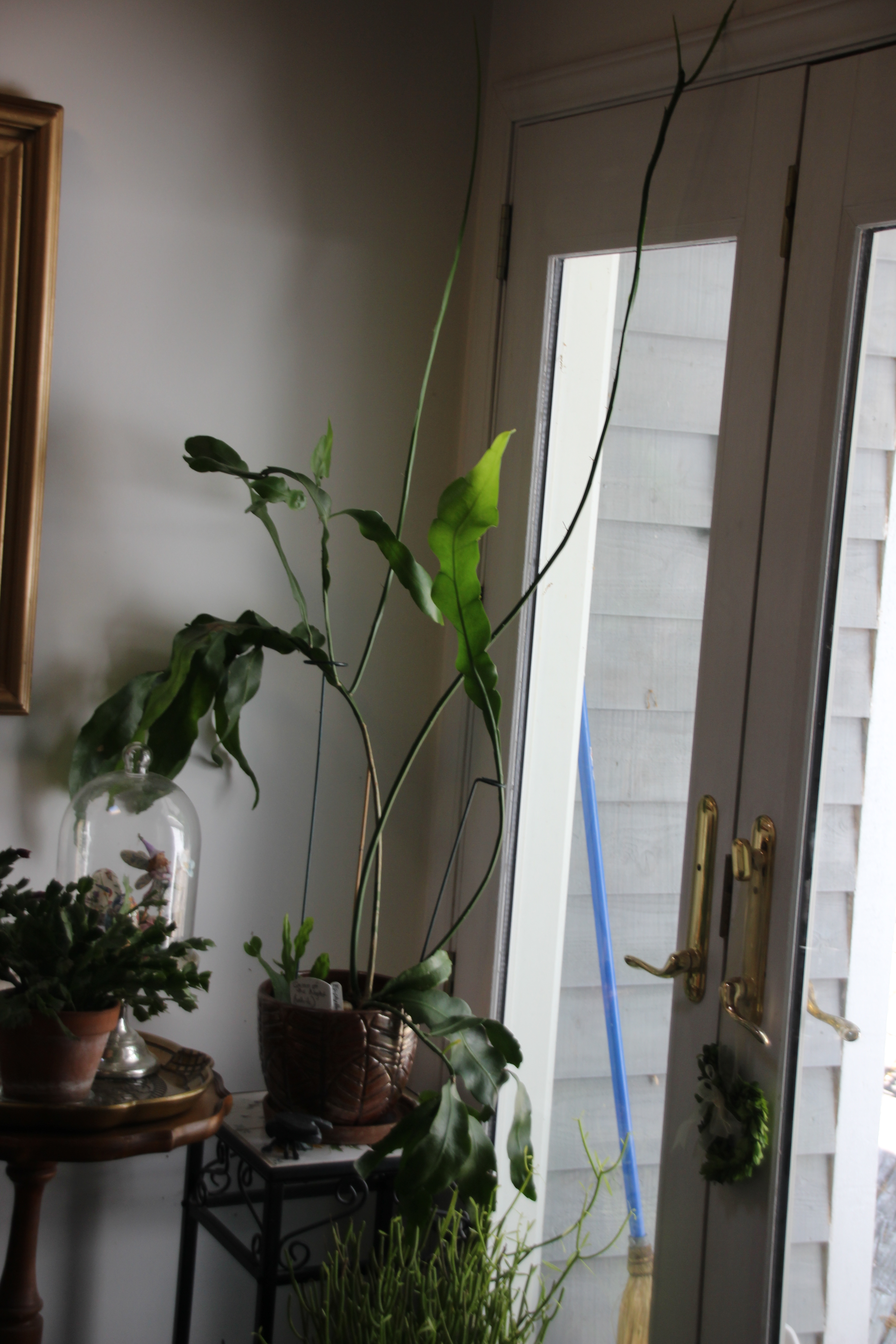
I have been super proud of my Cereus which greats folks in the foyer. Here is my “monster.” Zone 10 is 10x this size. (Not pictured)

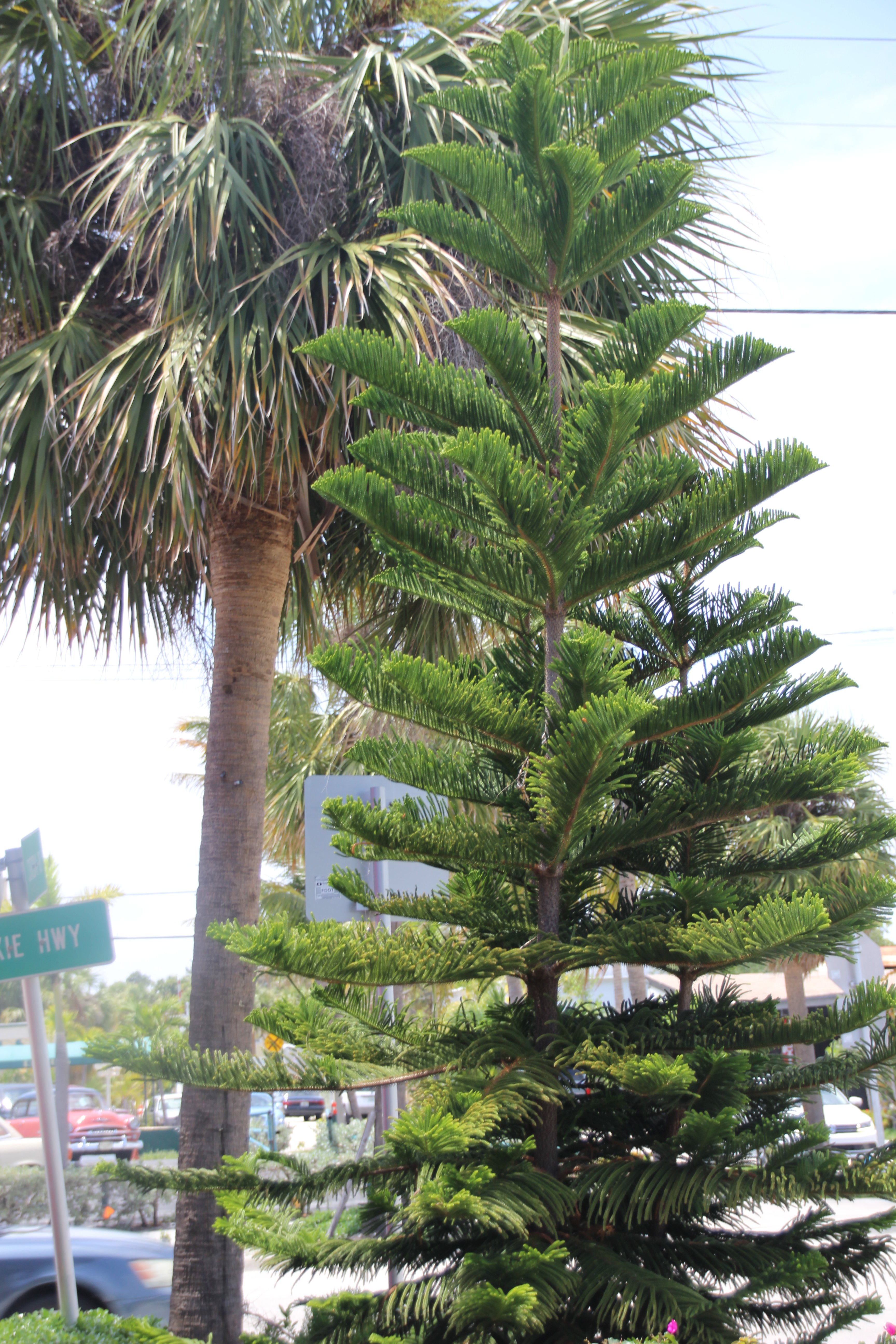
The last example is quite an embarrassment.  Mr. Flower and I had been marveling at a certain tree whose silhouette we had spotted numerous times on our journey southward. I took a photo for the Shrub Queen to identify this possibly unusual and rare species.

To my chagrin, she informed me the it was a Norfolk Island Pine.

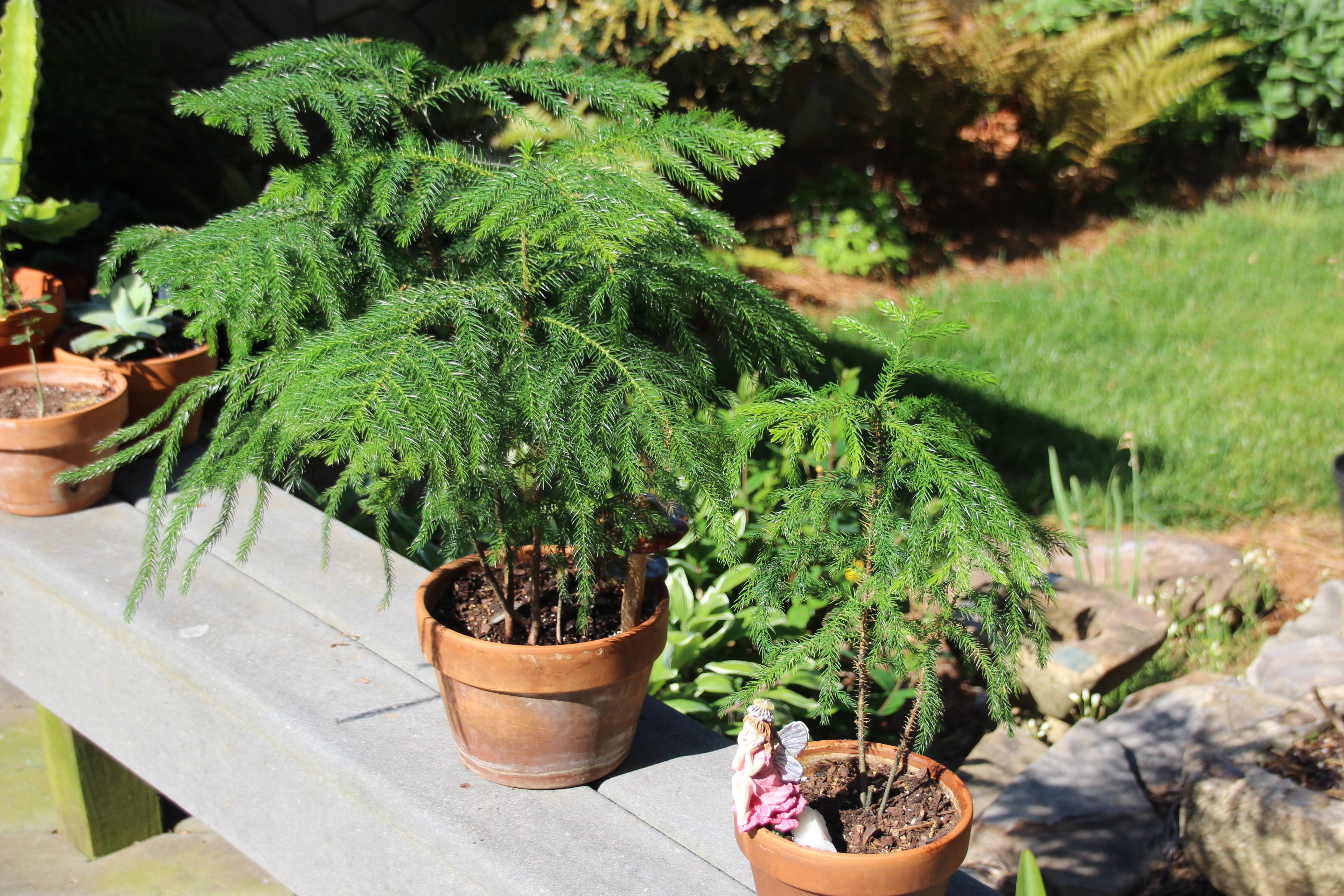
Here are my two.  Notice how especially pitiful the smaller one is (Rachel).  I was ashamed.

So I will conclude with; The Queen knows her stuff and the Flower knows her place.

FLOWER : Zone 7