This is my daddy’s chair. We called it ‘Hong Kong’ because he seemed to be far away while he sat in it. It is in my library now. I have sat in it quite a bit lately. I sit and think, but sometimes I just sit. A reader sent me that statement while I was grieving. It is my haven, now that the homeplace is being sold. My little world in a blue chair. Surrounded by my favorite things. Watching the sunset on another cold day.
A third Ladder-backed Woodpecker hit one of our high windows this week while we were home. This last one was lucky enough to recover and fly away. We usually keep seasonal window clings on our windows, but we were late getting the winter set up. These will stay up permanently. They are prismatic, anti-collision decals put on with only distilled water.
I will wash the lower windows later and use prismatic snowflakes. Living in a house with a lot of glass and not many blinds is hazardous for our flying friends.
I am relieved to have this task completed. I ordered these from Amazon. Look for the term “anti-collision.”
We had some strong storms pass through our area yesterday. Our power was out for hours. A tornado touched down in a little town across the river.
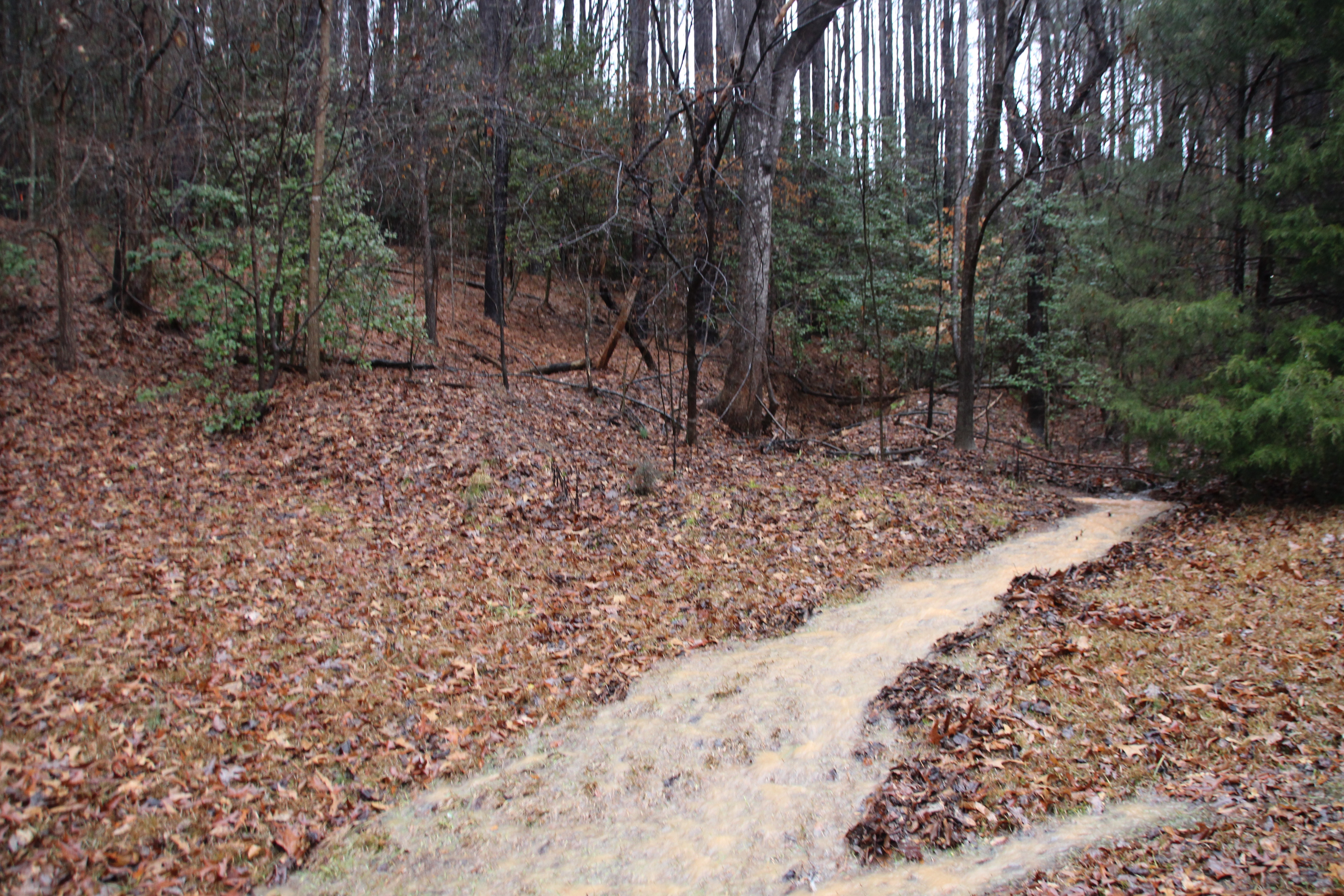
All that rain has to go somewhere. It either goes down in the ground or downhill. Now that so much vegetation has been removed, more is going downhill or downstream than ever before. We have a new stream along our driveway because there is a new house in the woods. A house has never been there before…ever.
Let me highlight that NEVER BEFORE. There are roads and houses where there were never, ever any before in the history of this land. Forests have been cleared here and replaced by neighborhoods and giant warehouses and business parks. Progress has a high price. I am not preaching. I am telling you what I am seeing with my own, old eyes.
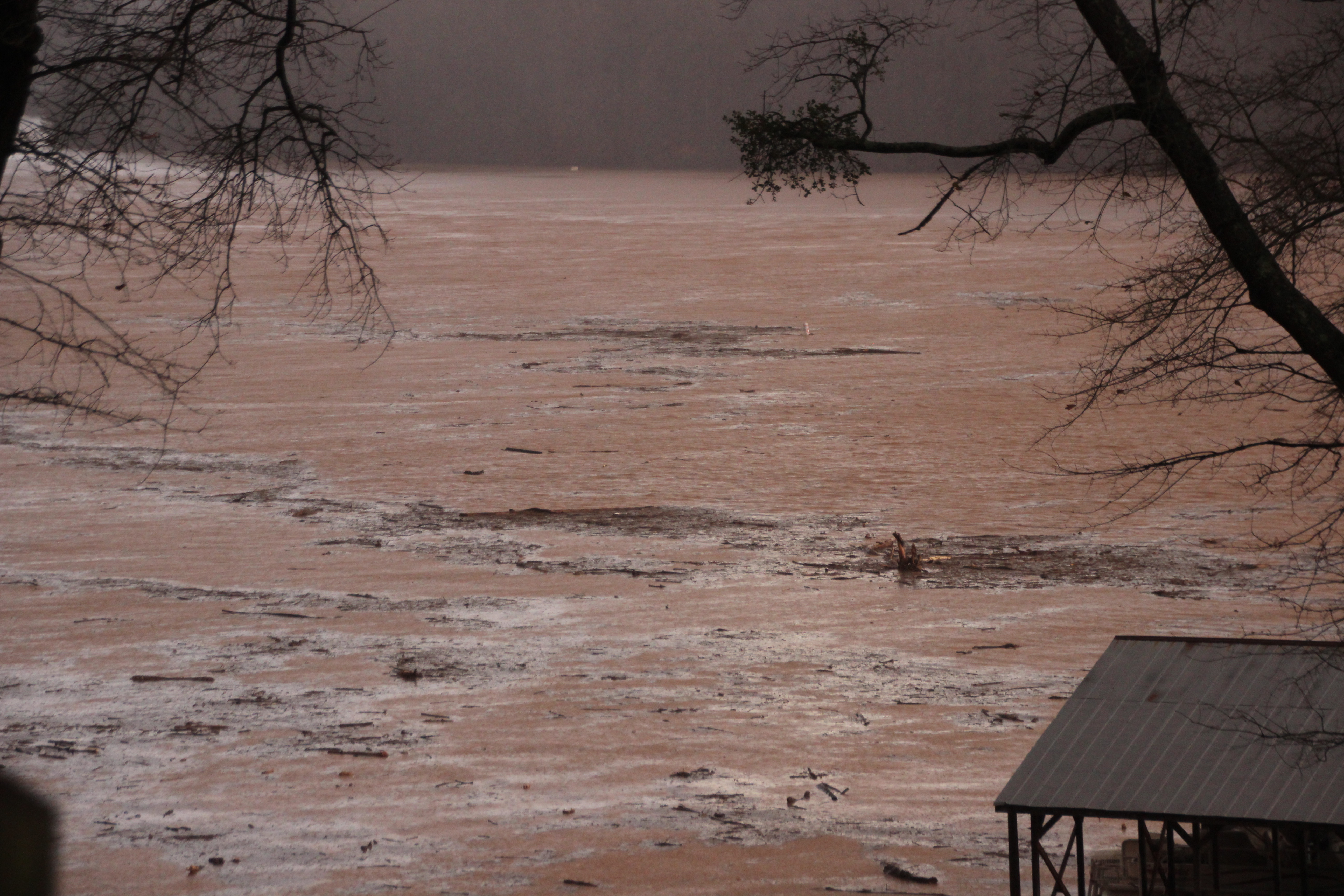
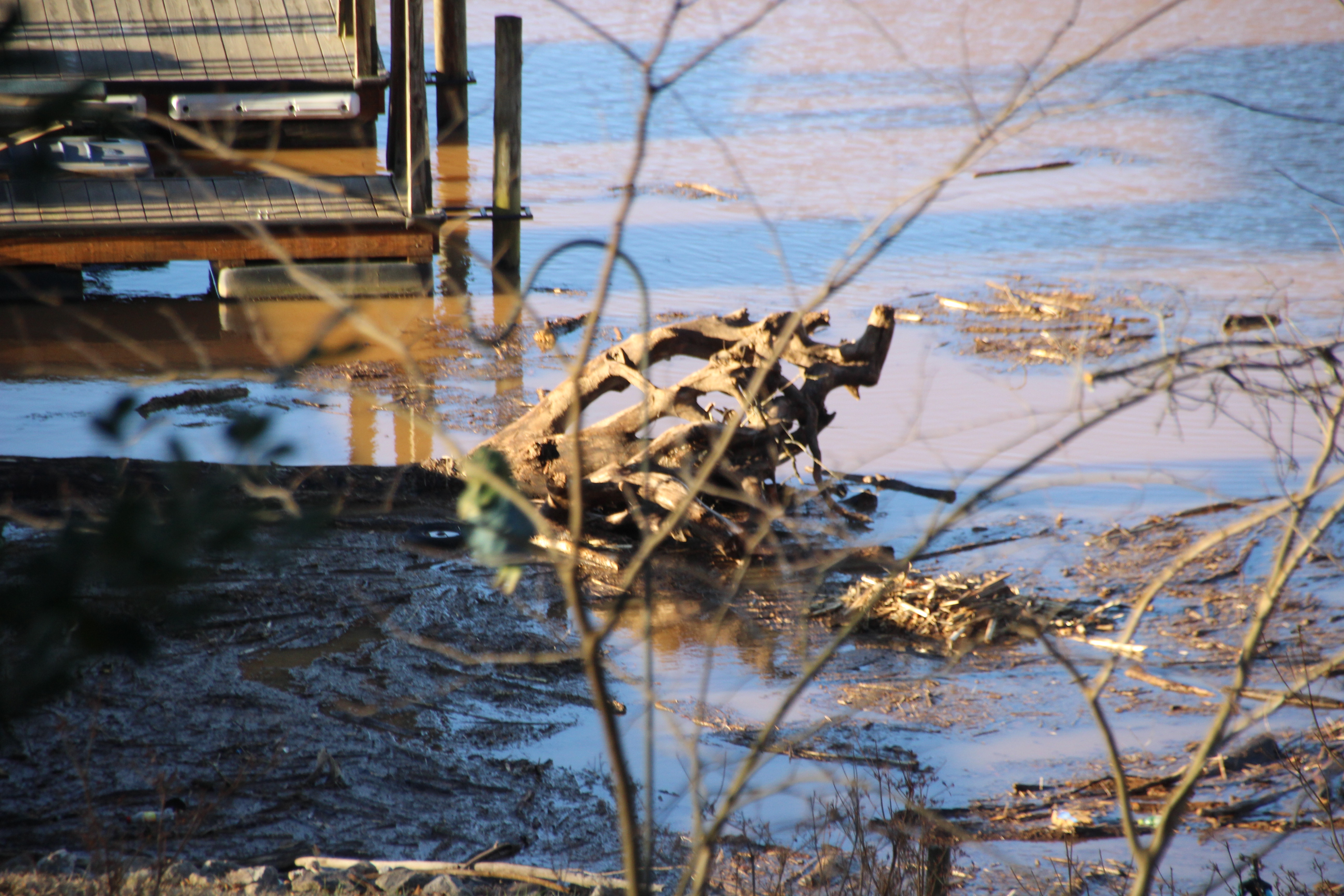
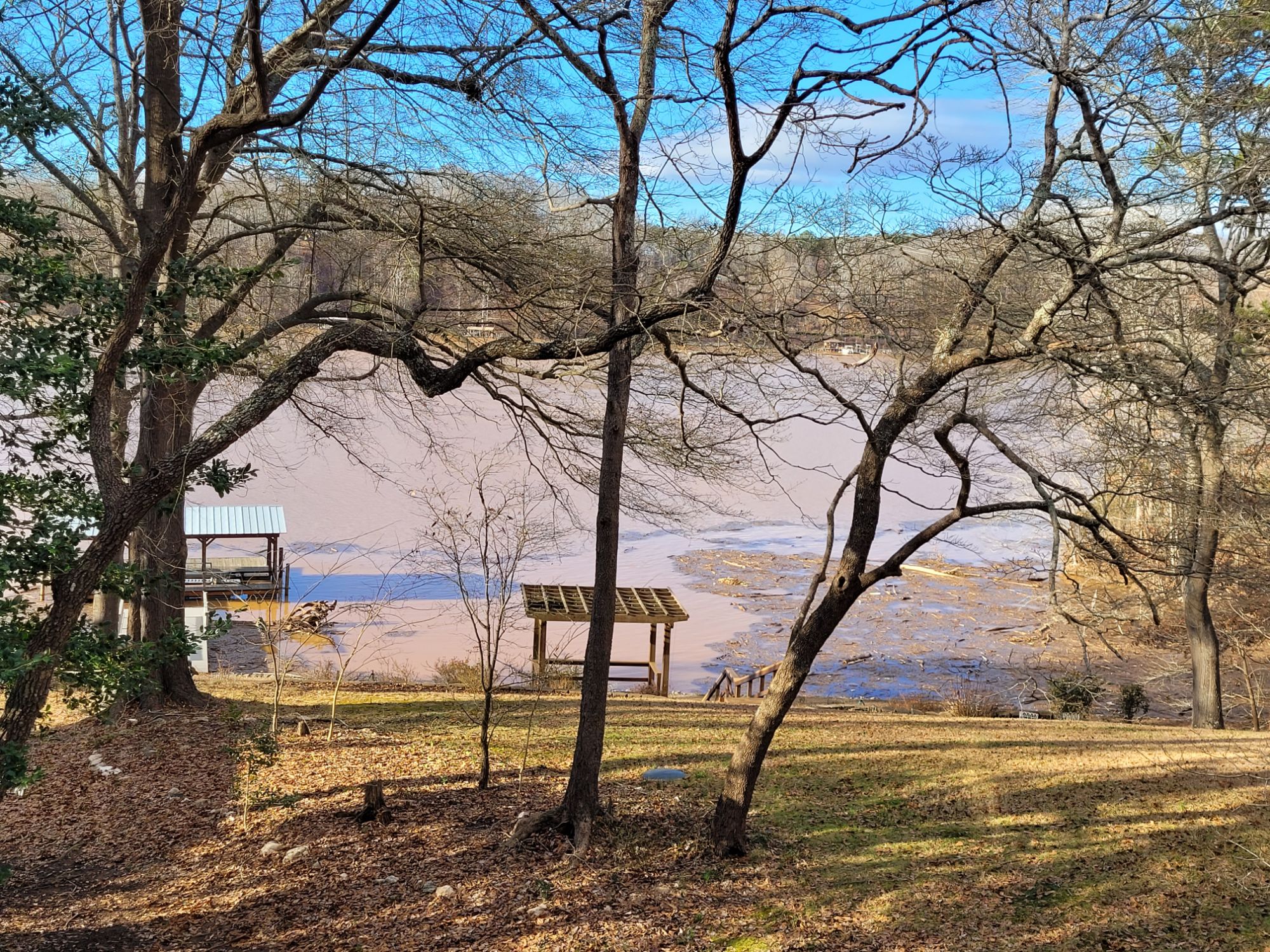
The river gets water from every little creek along its banks. This water dumps into every cove. All that detritus and debris gets flushed into the river. It turns brown from silt and is covered with floating mess. Most of this is organic at this time. The trash comes from the lakes upstream as water flows over the dams. That is what is happening right now. We have witnessed empty boats and boathouses go by during past floods.
Some of this mess will move on downstream if the wind blows it away from shore. Some will get stuck and settle. This will have to be removed later.
I want to end this post with a picture of Mr. Flower assessing flooding at the farm. He is looking at acres underwater. He is wondering if his culvert pipes where we cross the creek are still intact somewhere under there. This is the worst its ever been you see. There is a big, new development upstream along with a huge new warehouse. More water is moving downhill and downstream than underground to that parched water table that needs to recharge from recent droughts.
He looks little standing there amidst all that water.
This story started with a sting in 2018. My husband was going in and out the deck door while grilling. He felt pain on the side of his flip-flopped foot. There was a red spot that started to swell.
The party paused for Benadryl and ice. We soon discovered that Yellow Jackets were hovering low at the corner by the door. We keep wasp spray on hand for just such an incident. That killed those present, but more arrived to the insect airport.
I looked up various remedies to fix the problem. None worked including sealing to opening. They quit coming and going above the deck and moved their traffic below deck. Mr. Flower even used some gasoline at the point of entry. This flushed some of the flyers inside the basement where Mr. Allergic watches television.
Finally, he rigged up some bottle to blow Sevin into the hole. The airport shut down.
This could have been the end of the story but there has been a new development.
Flower finally got her own television for Christmas. It was installed on the wall upstairs, after years of watching on an old box in a cabinet. The new TV needed to be hooked up to the dish cable that served the downstairs TV. More channels for me! It’s about damn time…
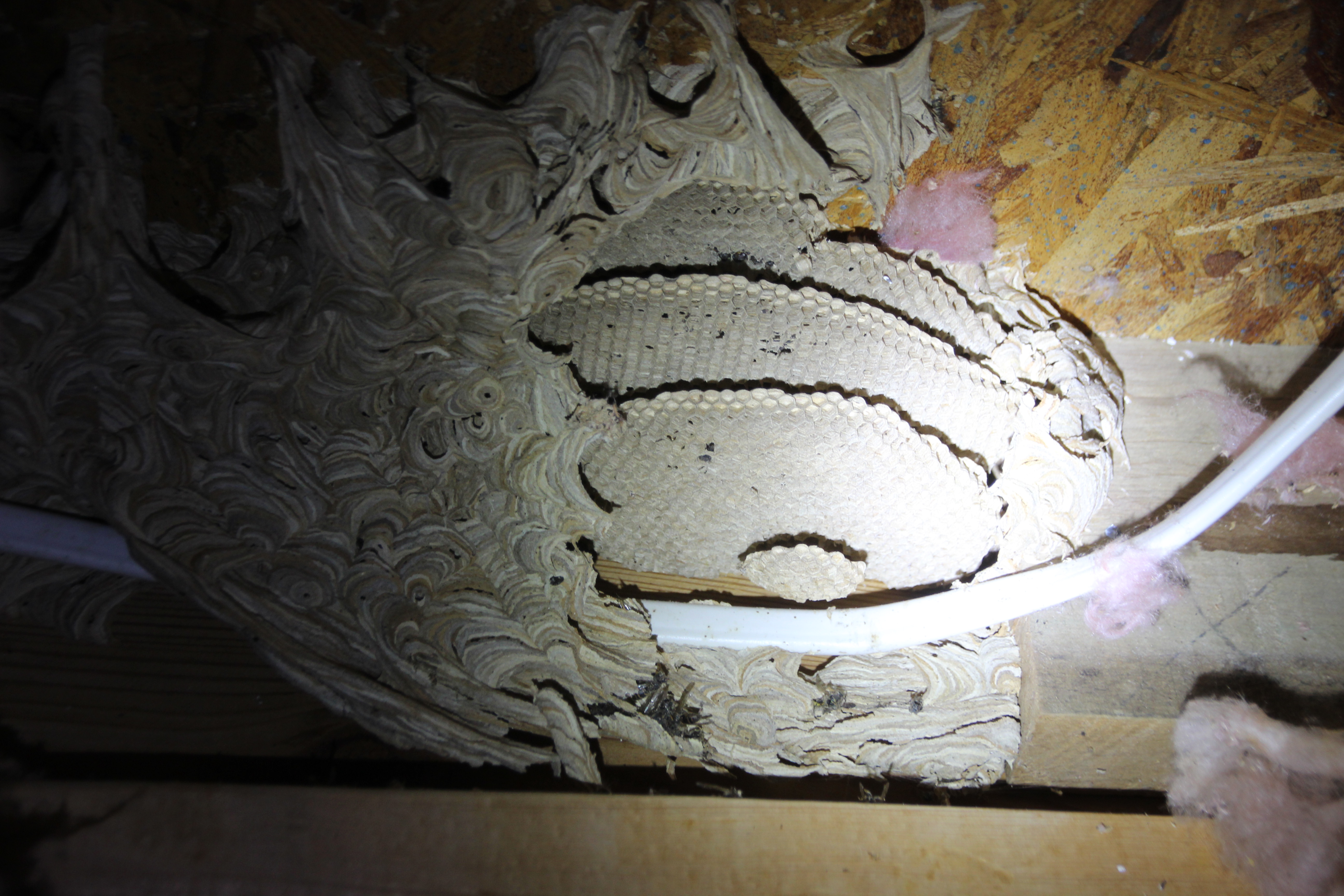
Ceiling tiles had to be moved in the Man Cave. This is when the huge nest was discovered. WOW! Mr. Allergic could have been killed on the couch as he watched his sports and scary movies. We all took turns climbing up on the cabinet to peer into the cavernous darkness using a flashlight.
Insects are amazing. I respect them. I usually leave them alone unless they invade our living space and threaten my family.
This nest is a wonderful work of art and architecture. I am so glad we found it hiding in the siding of the Man Cave.
Yes, I have eaten too much this holiday but I am not referring to myself.
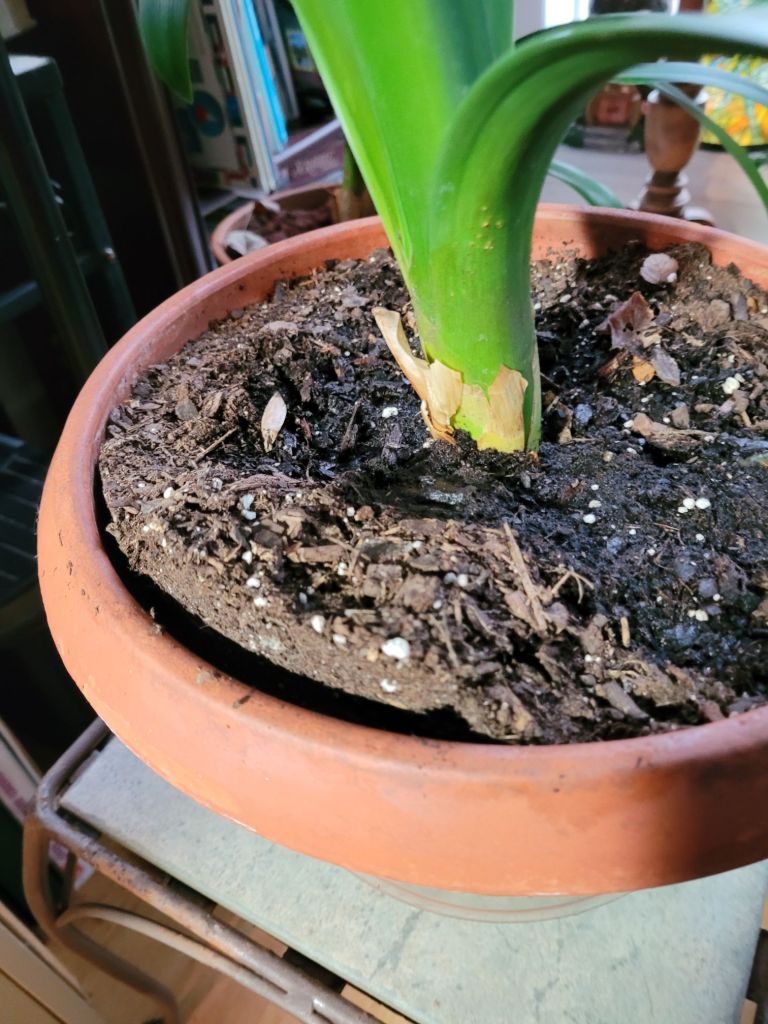
A bulge appeared at the edge of the Clivia pot. I was too busy to investigate before Christmas. The bulge got bigger. I assumed it was a pup forming even though I thought Clivia pups usually come up at the plant crown.
Mystery bulge.
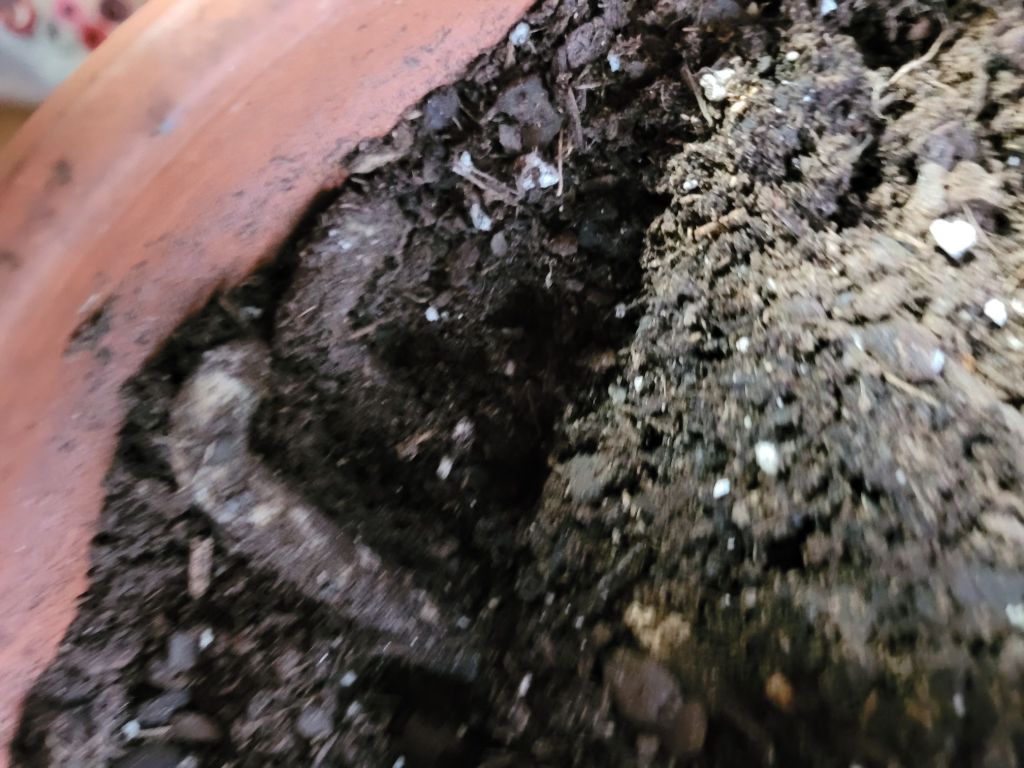
I finally investigated when soil spilled onto the floor. I have been known to bring in stow-aways in my pots. I carefully dug down expecting a toad.
Crowded Roots
Nope. Just crowded roots that had run out of space. We know how that is.
I was a bit disappointed. I miss my toad friends during the winter.
FLOW
Stay tuned for a post on ‘ Hiding in the Siding.’ It’s one surprise after another here!
I am home for the holidays. We are frantically cleaning before our son, the sneezer, arrives. All dust must be ousted.
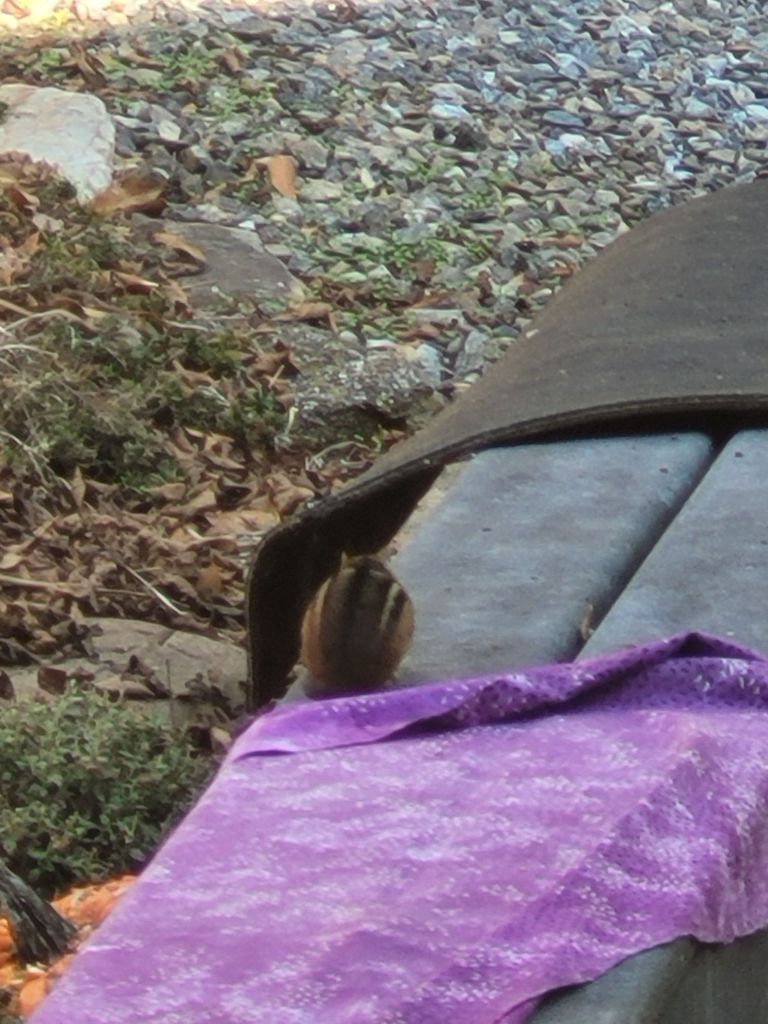
I tossed out some dusty items onto the bench outside. I forgot that this is the spot where my little friend sits each morning. I call him “Stubby” because he is missing the end of his tail.
Stubby and the ousted dust.
He has never been frightened by me. I would like to believe he is the baby I rescued from the koi pond.
Even when things seem rather dark my plants serve as green lights to cheer me.
I am home for a while catching up on housework and laundry. I really do not enjoy these endless chores. The brightest spot in the laundry-hanging room is occupied by my largest plants.
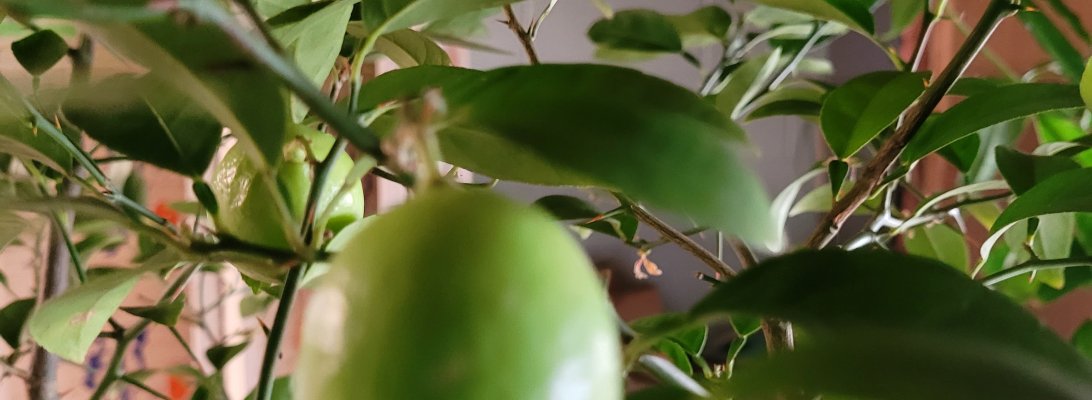
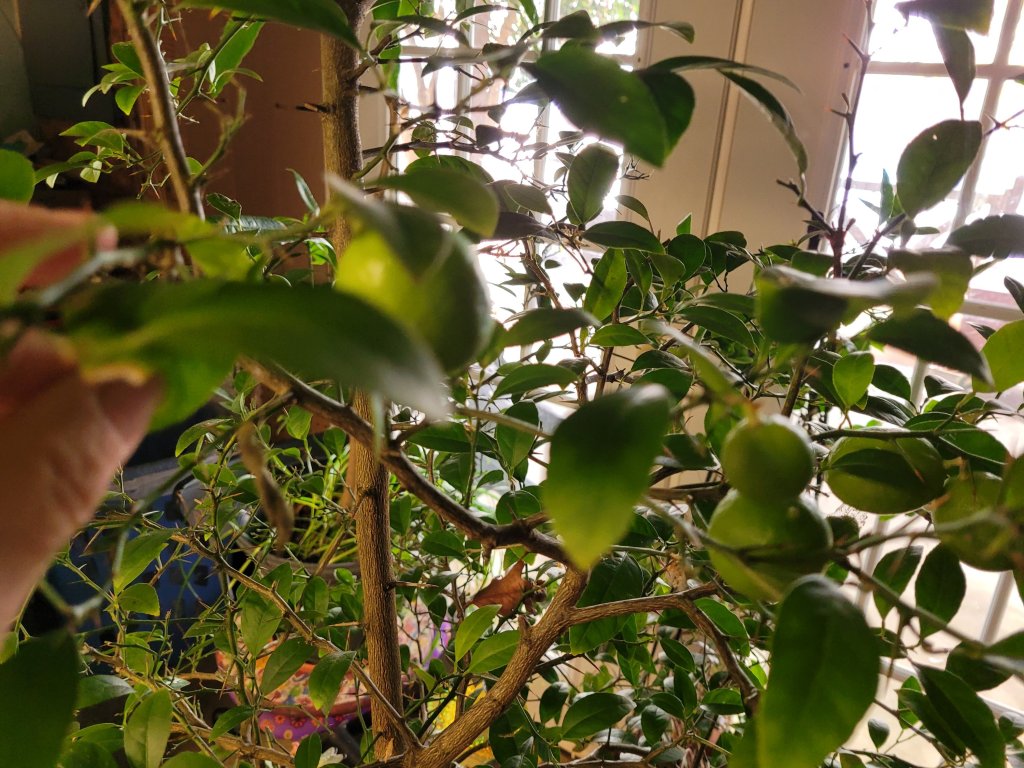
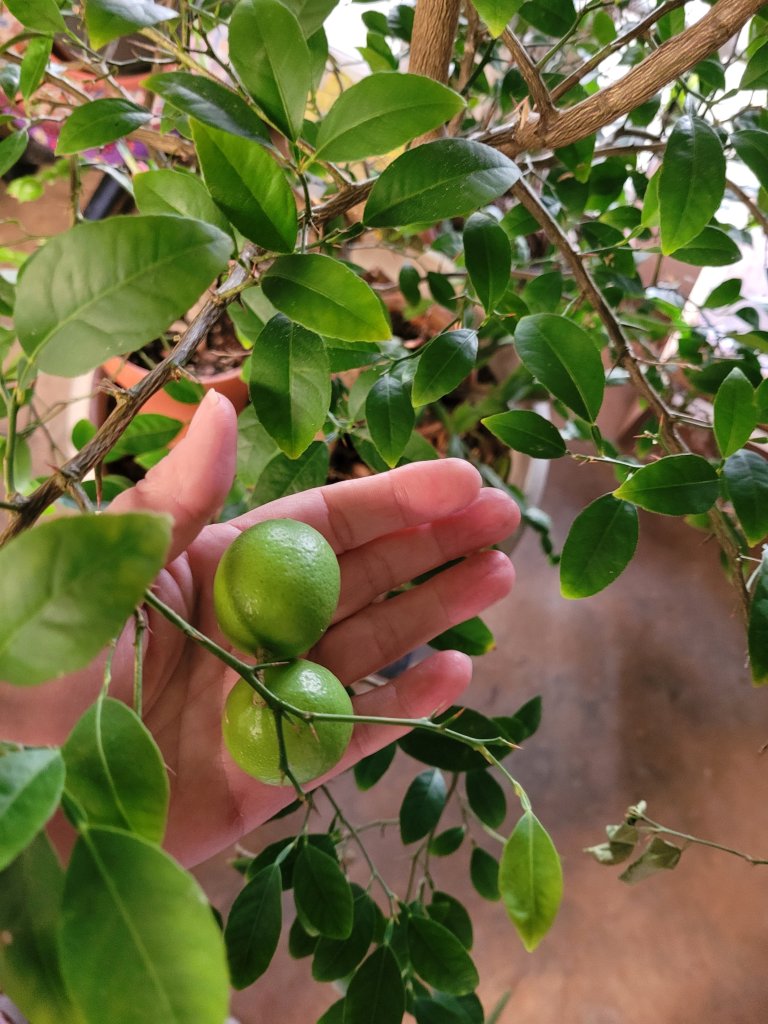
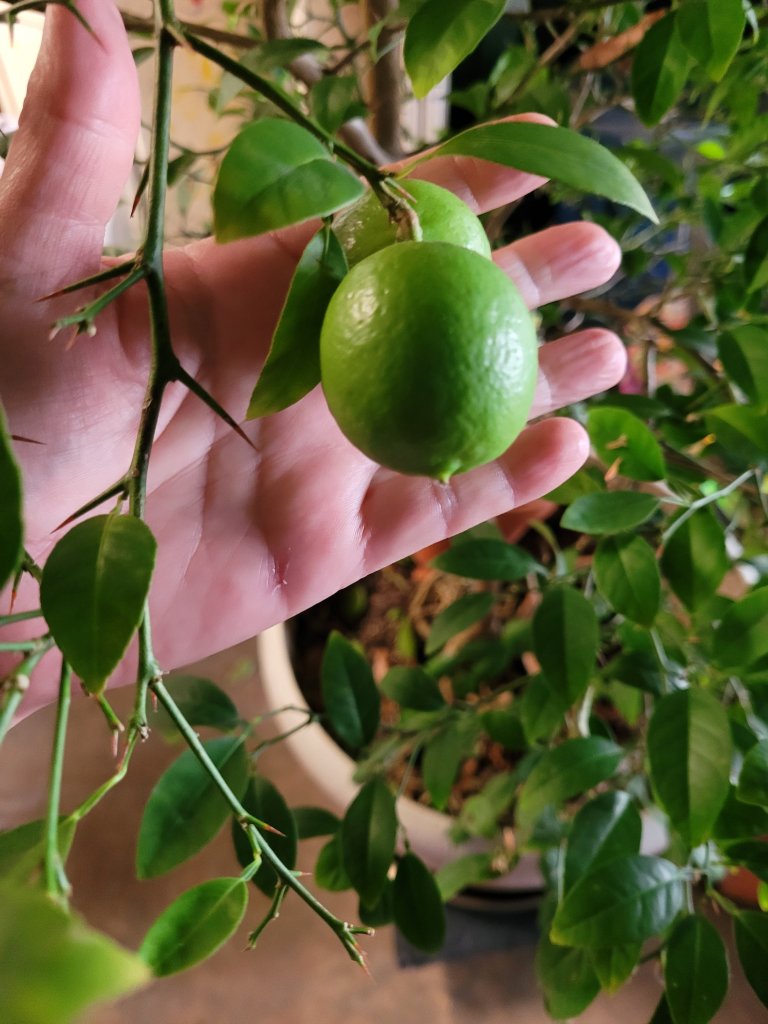
The biggest one is a key lime tree that I grew from seed. Here it is now with lovely little limes hanging like Christmas balls.
This was my joy today, seeing these sweet( not literally) litte limes hanging among the laundry, lines and clothes pins. My hope is green and my joy is green!








 floweralley