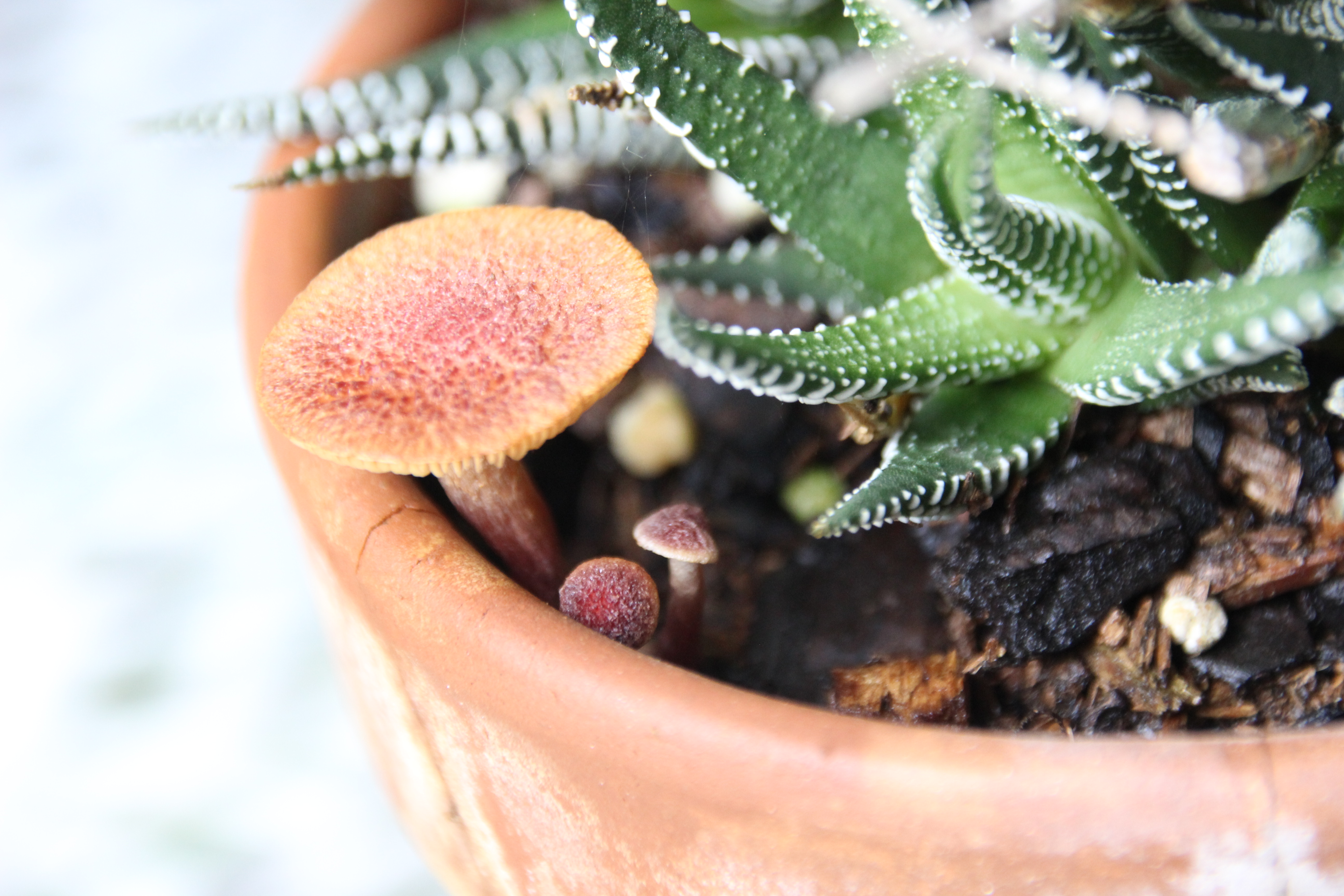
September Sedums

Anything edible must be protected from the deer herd. I even dug and divided my collection and gave many away.
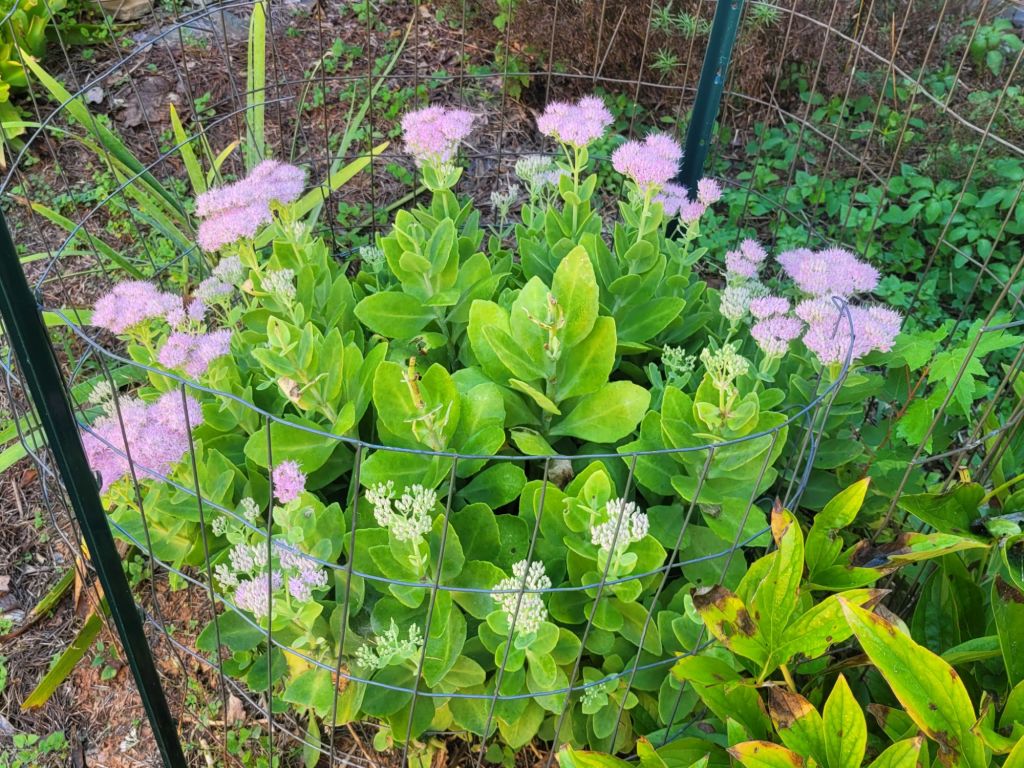
Autumn Joy was beheaded before the fencing


I am not sad about this. I love sharing plants. I do not love feeding wildlife. I am a biologist first and gardener second. Feeding wild creatures makes them lazy and dependent. They will keep coming back for more.

Pot out of reach of hungry mouthes.


I only break that rule during weather anomalies like droughts and extreme cold. Even then the assistance is sporadic and in different locations.

Sedum on the steps.

So the sedums you see here are isolated in strategicallylocated pots or inside fences. There is plenty of wild vegetation around for them to eat.
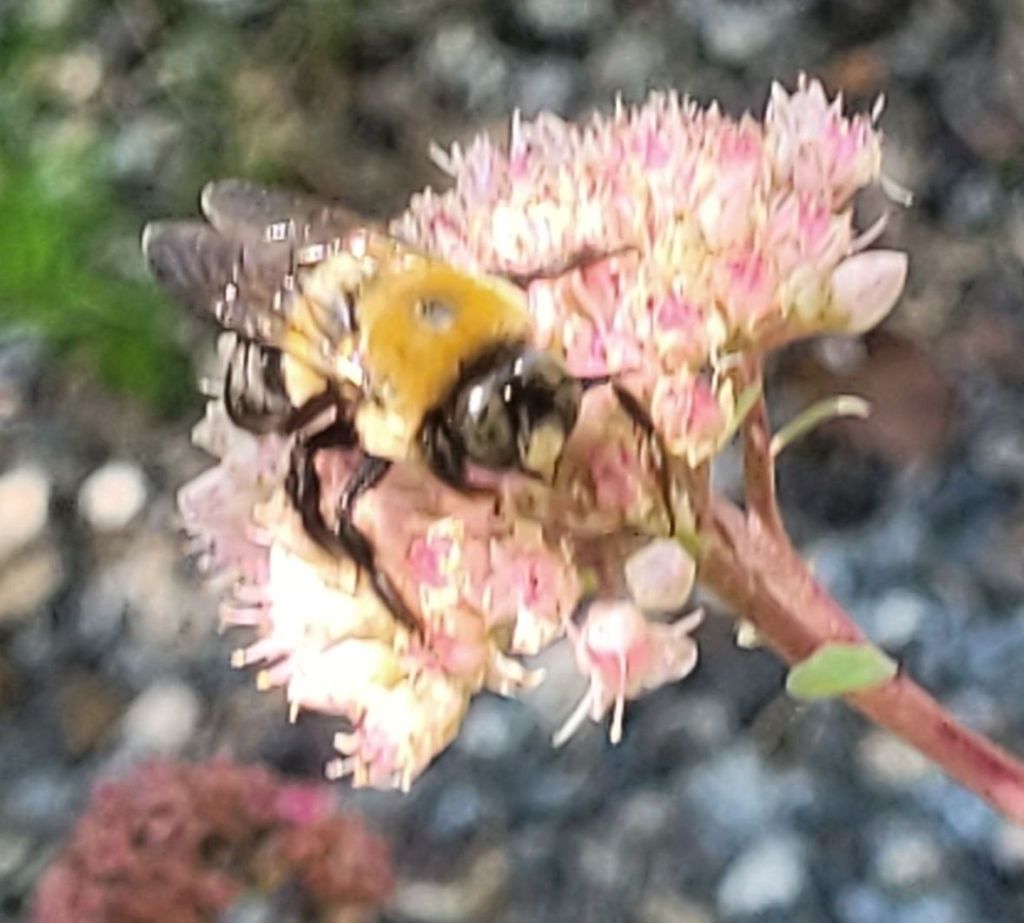
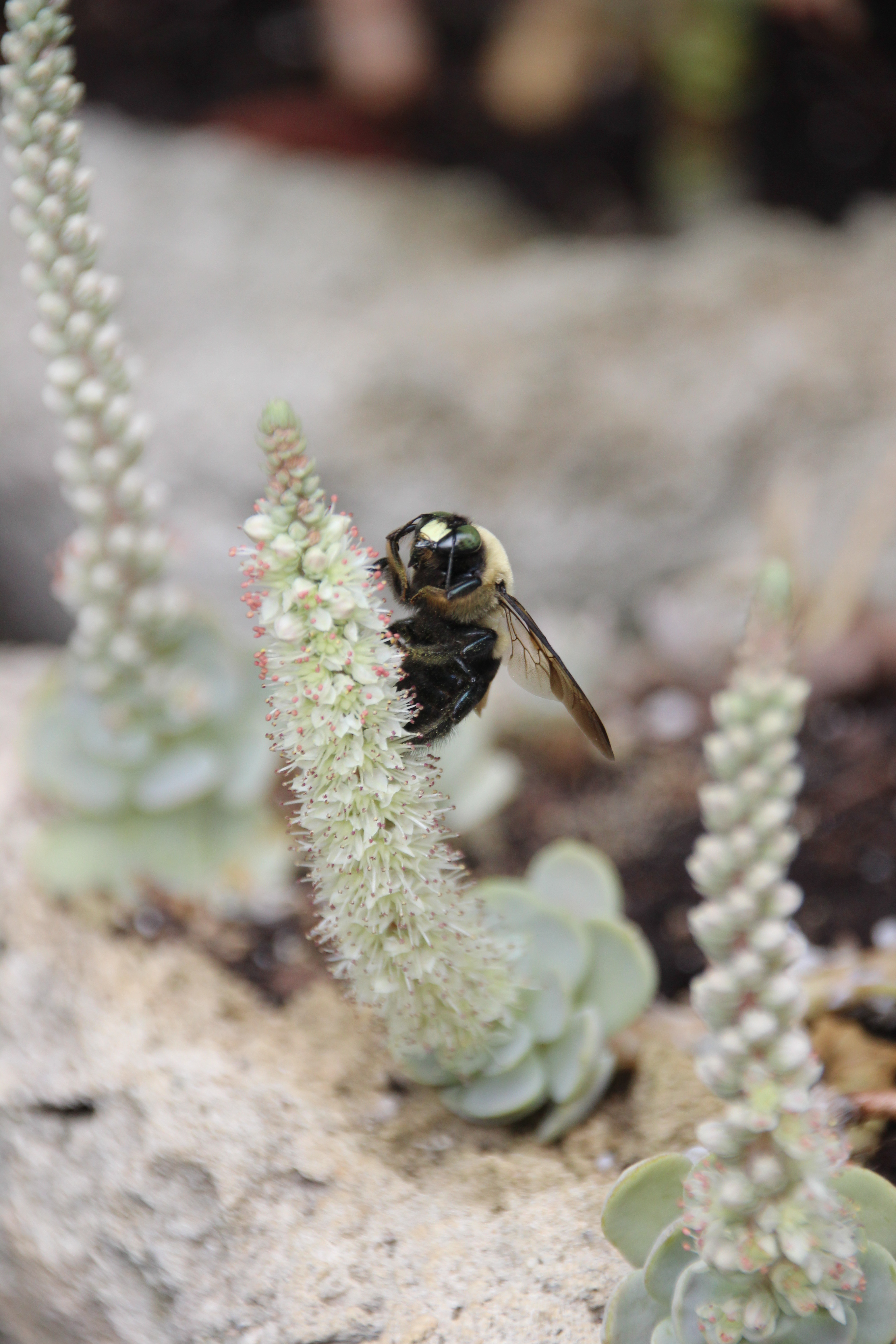
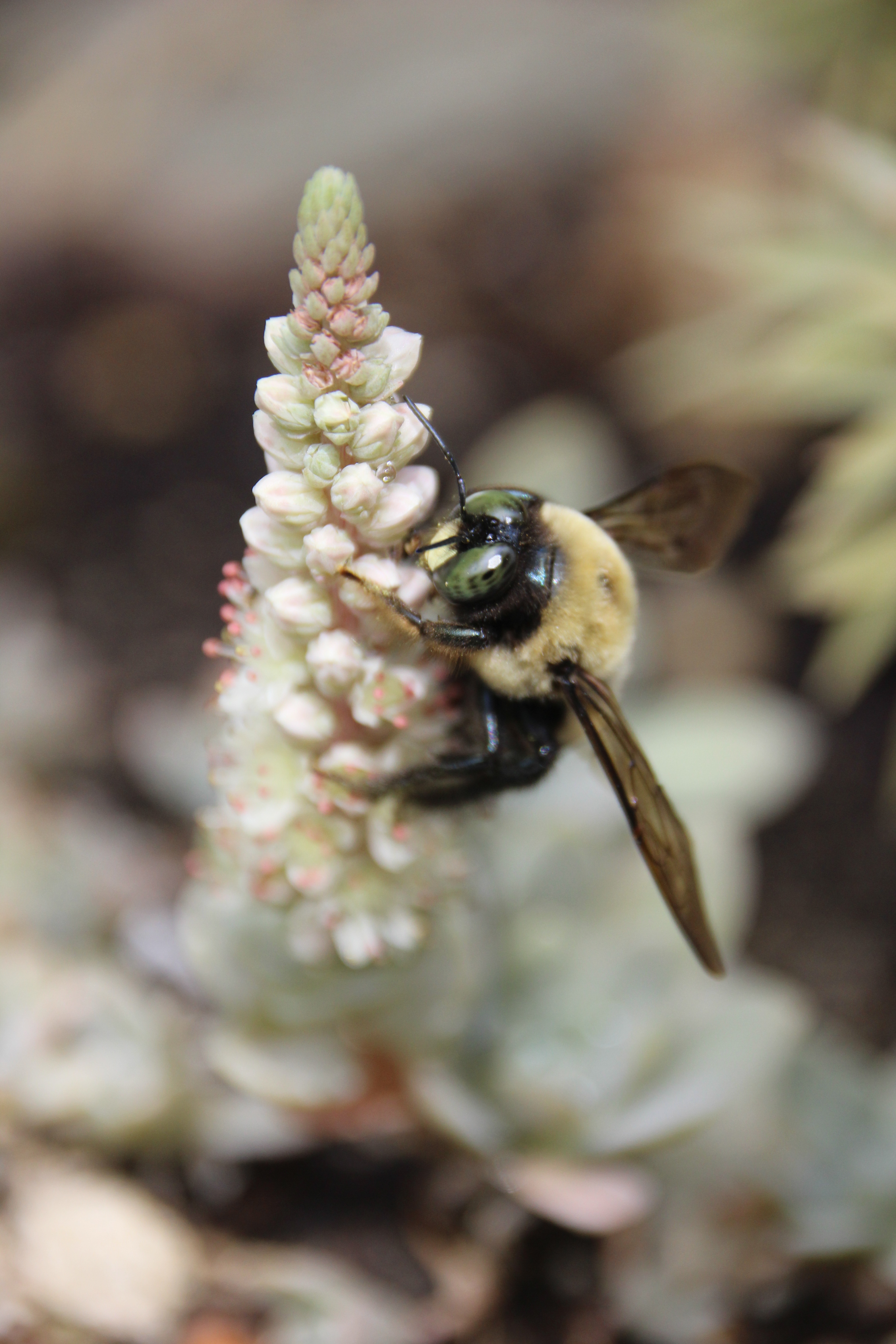
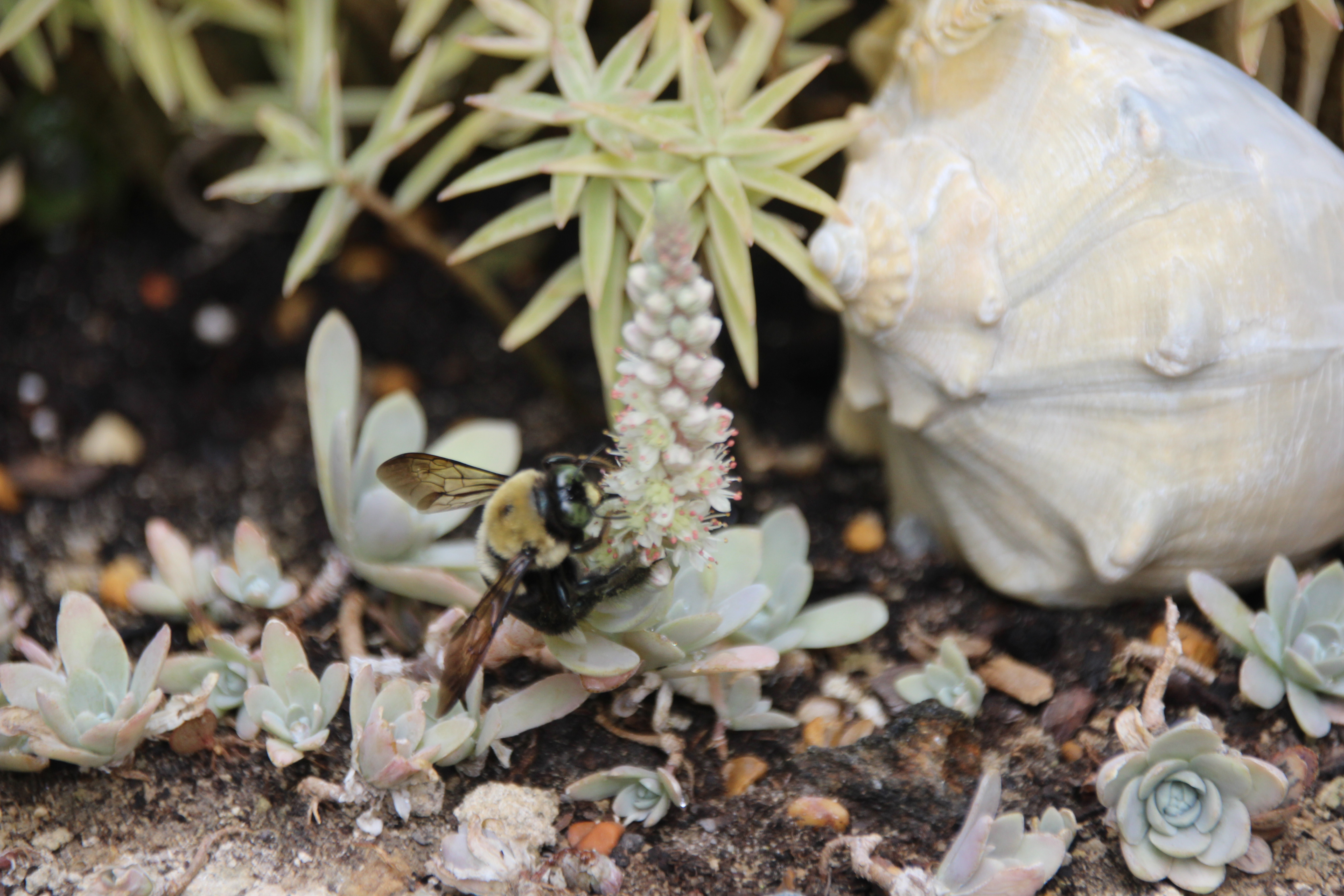
Bees love sedums.

I have keep wild spots in and around my yards. This encourages nature to stay in balance.
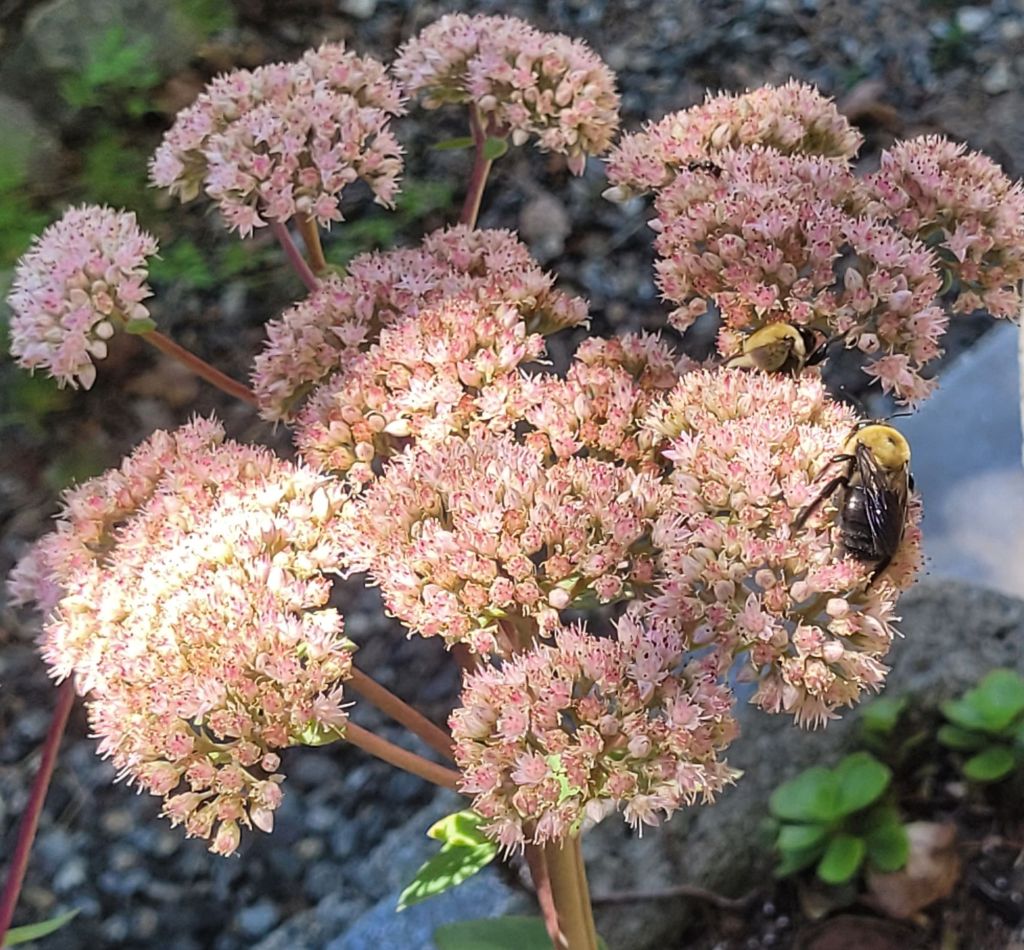
Bees even sleep on the blooms.

The bees love my sedums but love my weeds equally well. Nature should win. It’s been growing things a lot longer than we have.
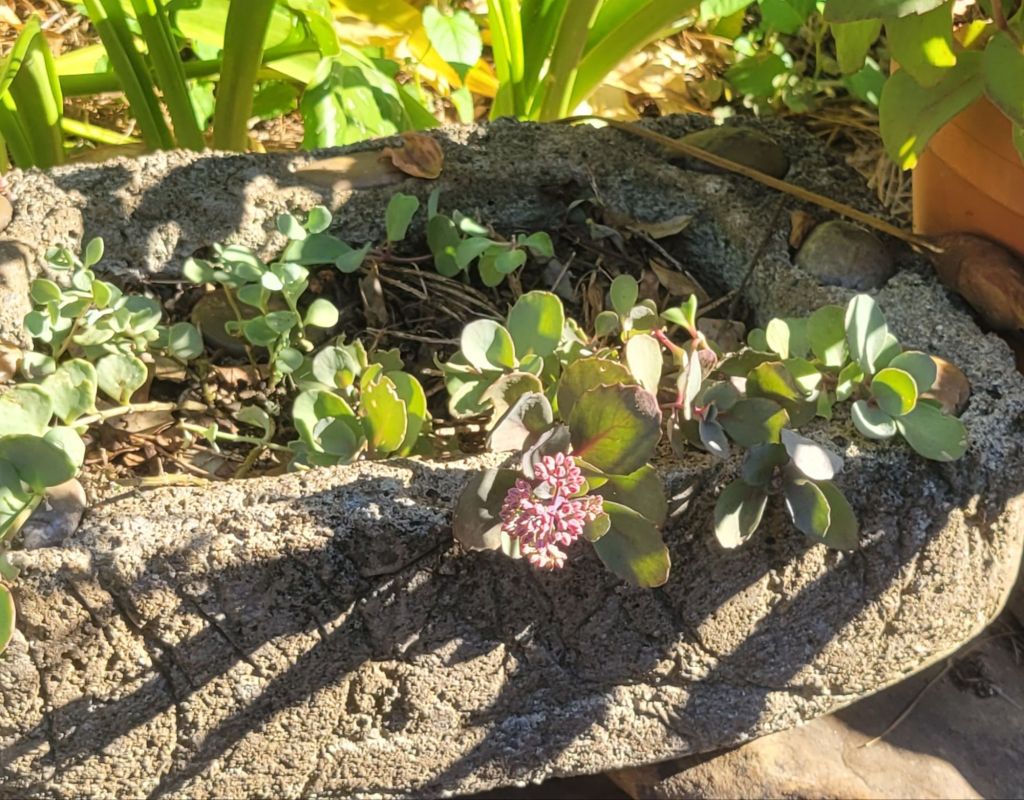
Sedum safe in trough, on wall, behind fence.

FLOWER

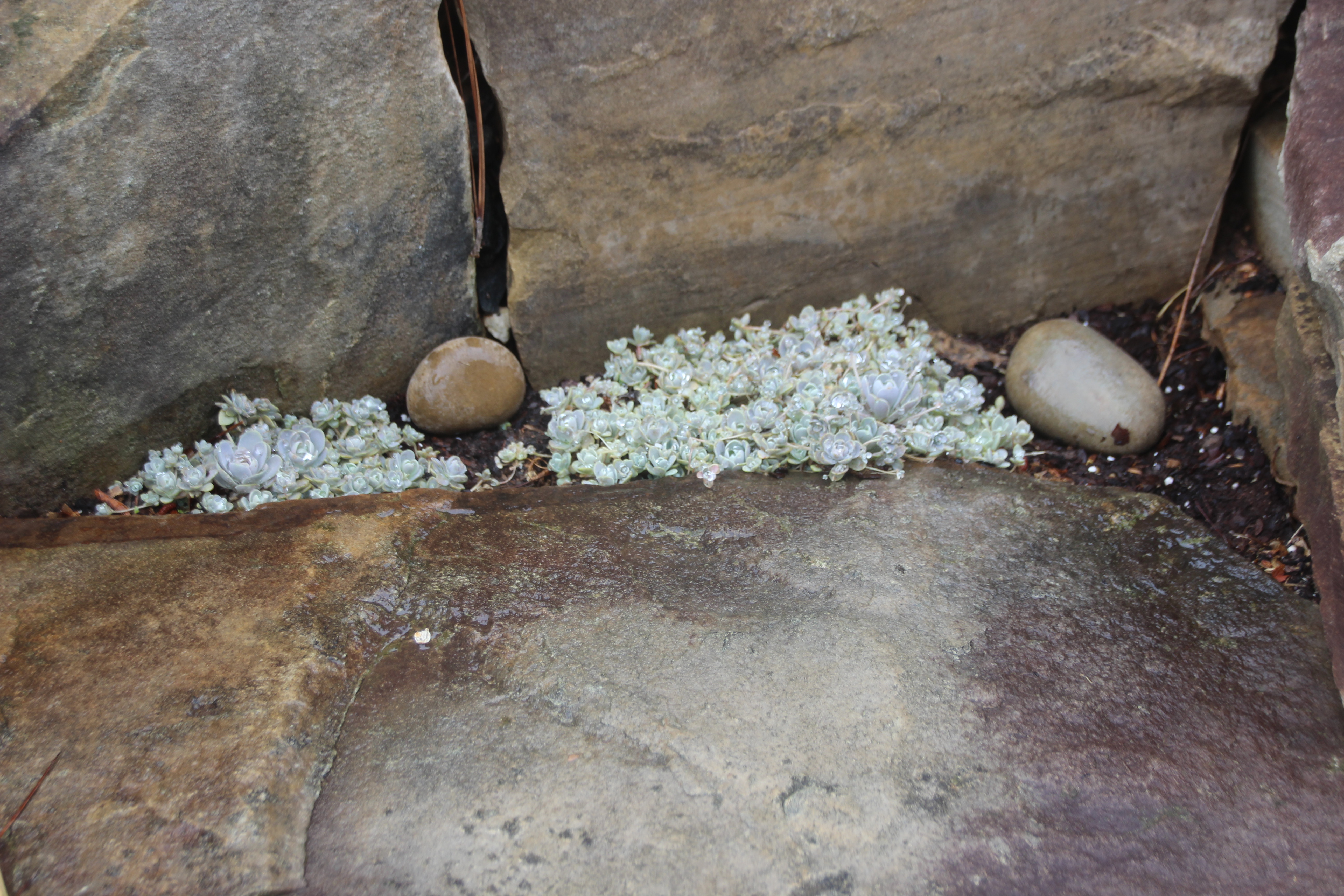
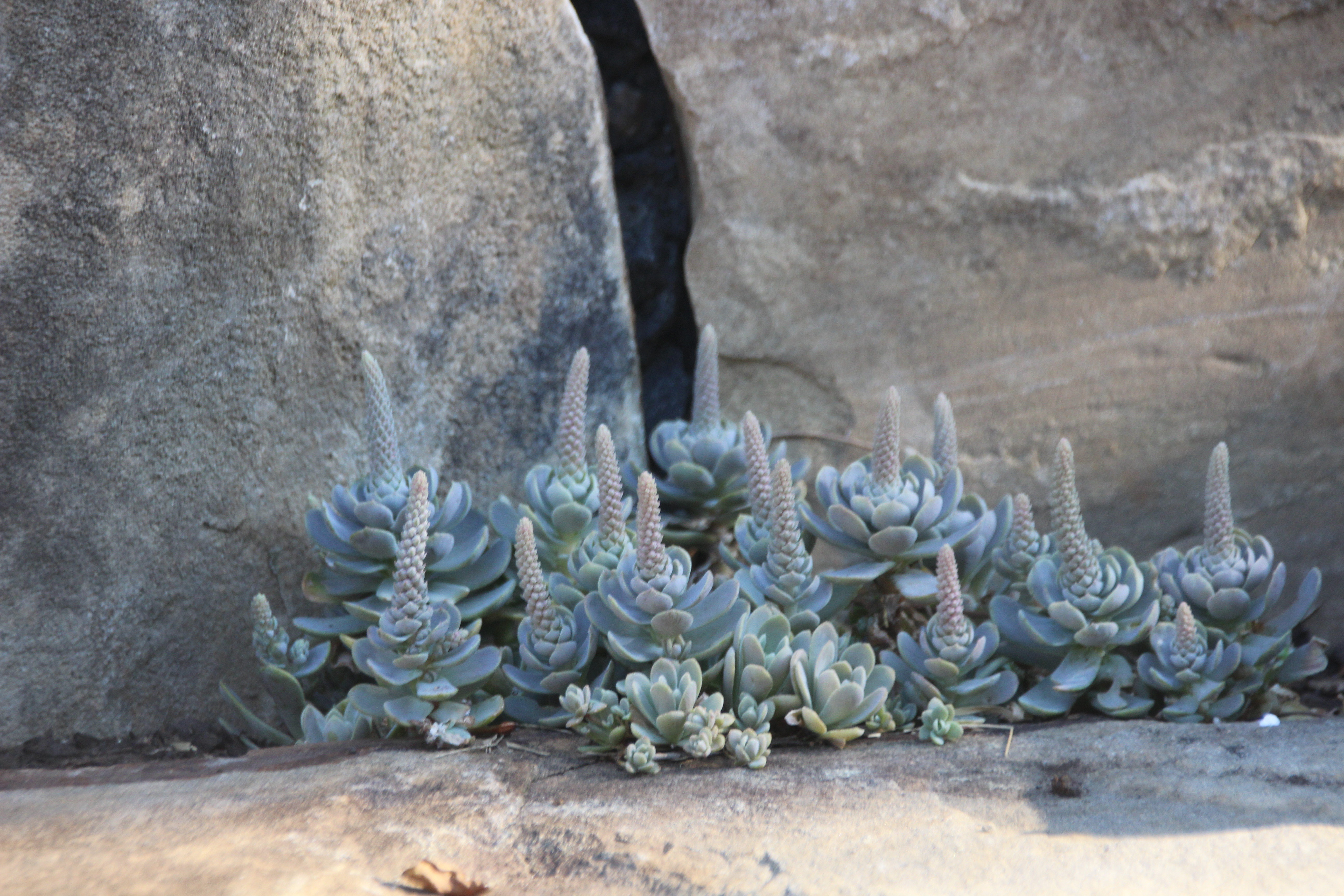
Tiny Plants in a Stone Wall

Stones stay warm after the sun goes down.
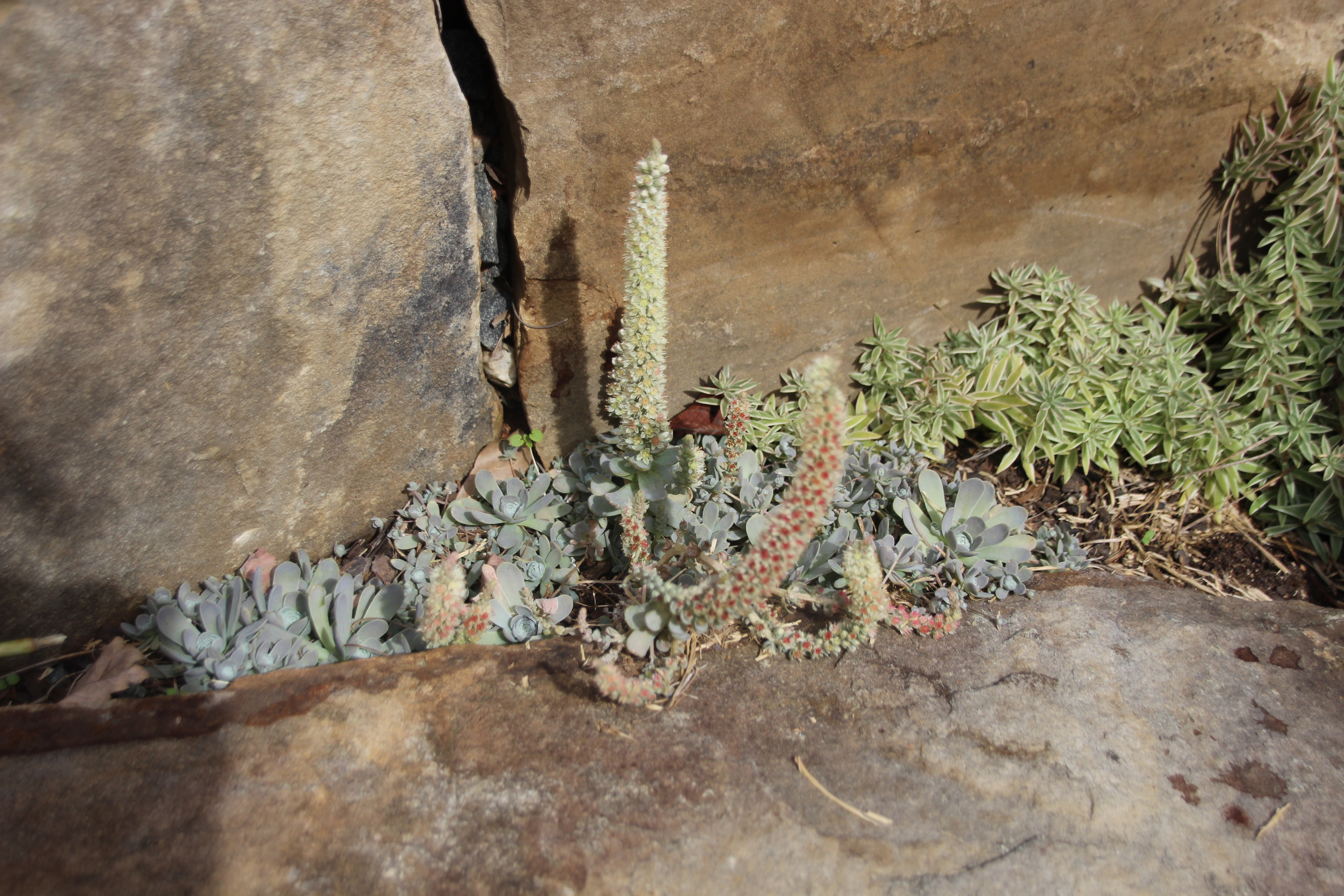
I have places to sit in my wall which are cozy on cool evenings. Sedums and succulents appreciate the warmth and good drainage of a stone wall.


My most interesting type of tiny plant in the wall is tucked in a safe spot behind a seat where I can sit next to it to care for it and enjoy it.

Chinese Dunce Cap

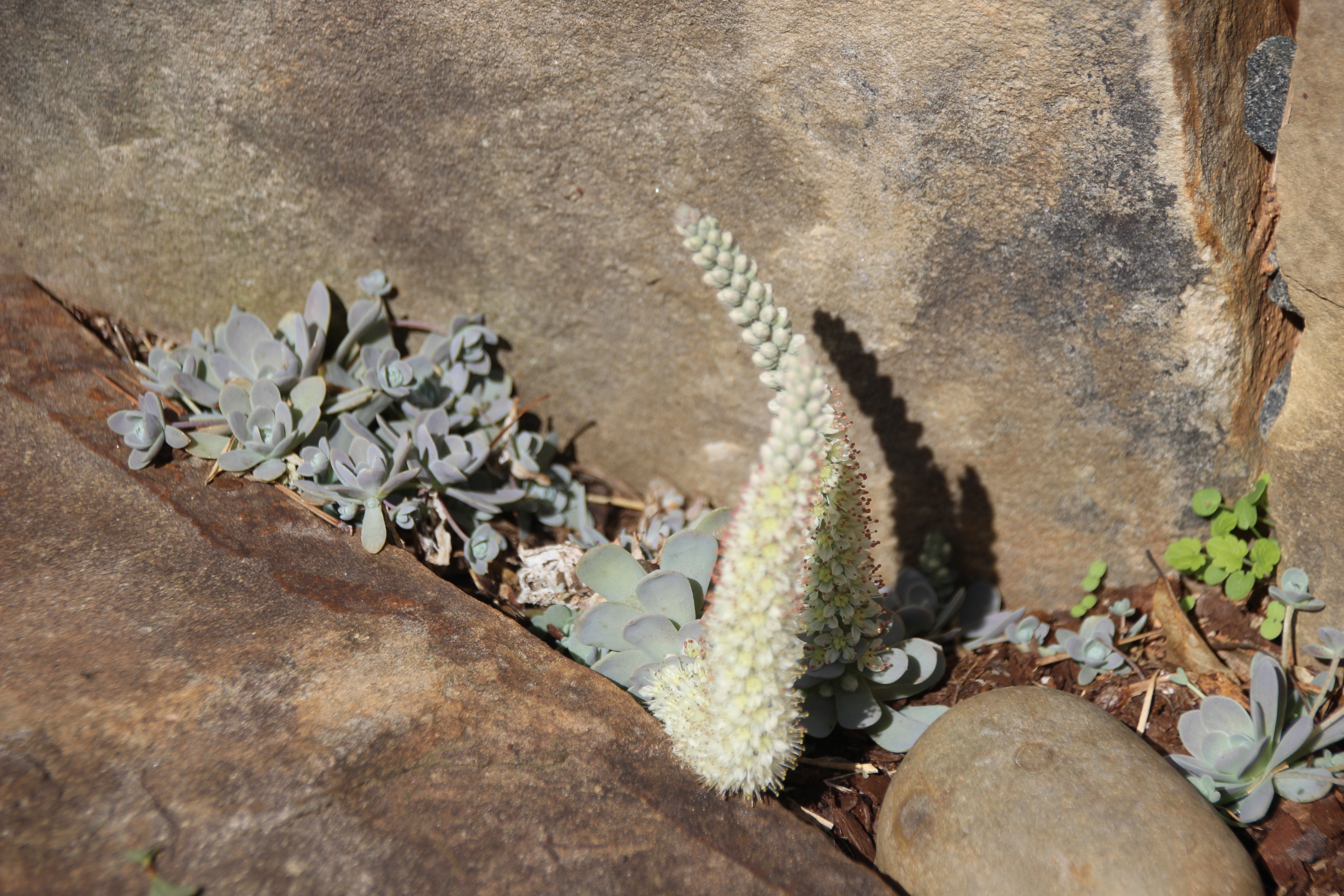
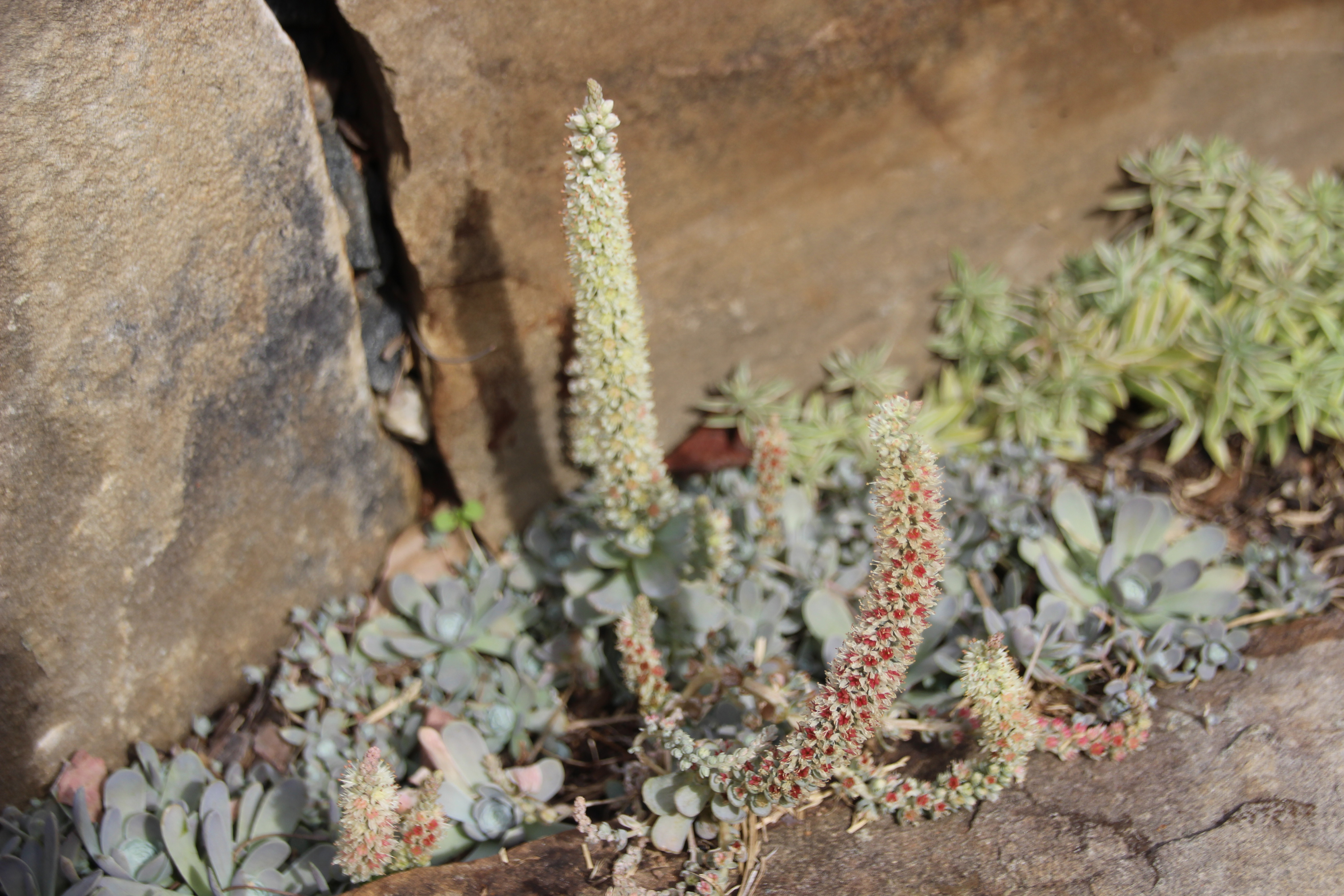
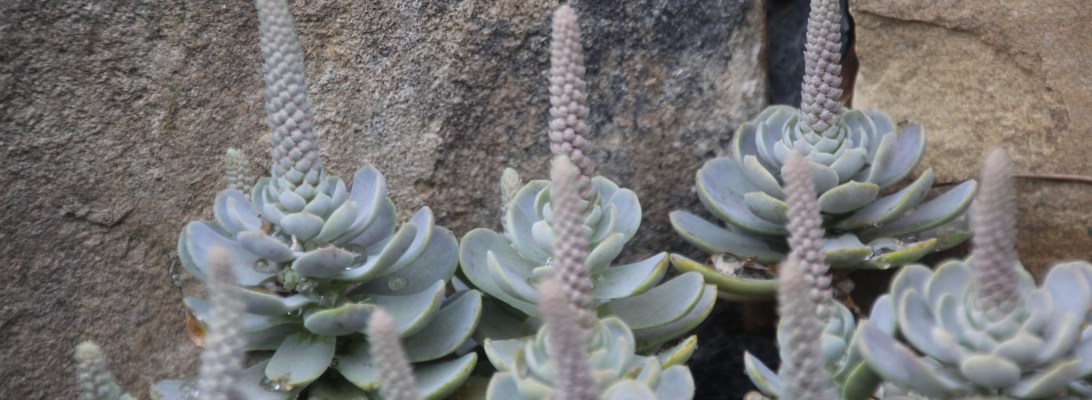
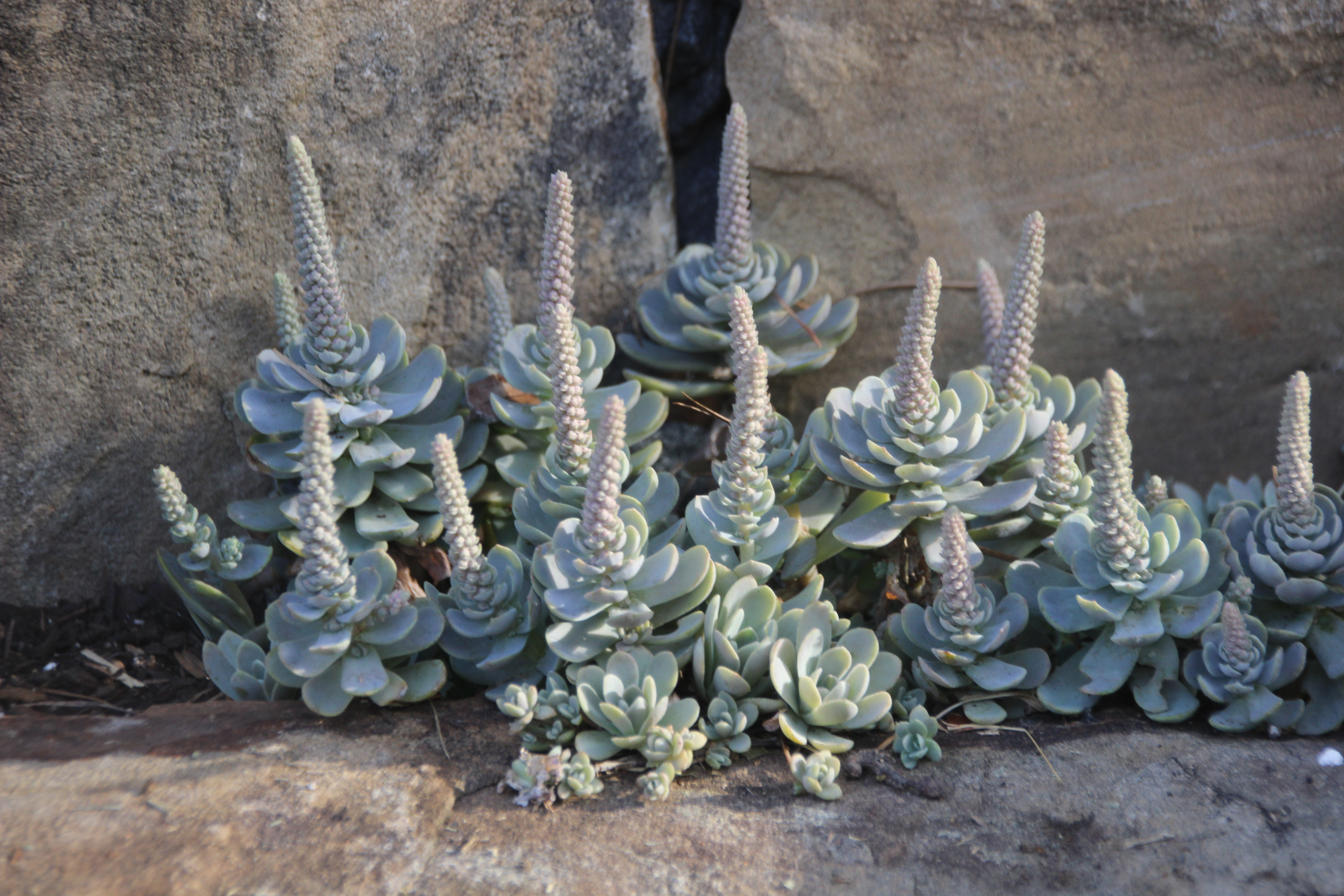
This is Orostachys malacphylla var. iwarenge. I call it by an easier name, Chinese Dunce Cap. It gets that name because its fall blooms are on tall cones.

Orostachys malacphylla var. iwarenge


I love the gray rosettes against the gray stones. This plant needs full sun and perfect drainage. You will want to sit near it while it blooms. The cones are complex and beautiful.

My warm seat in the evenings.

FLOWER
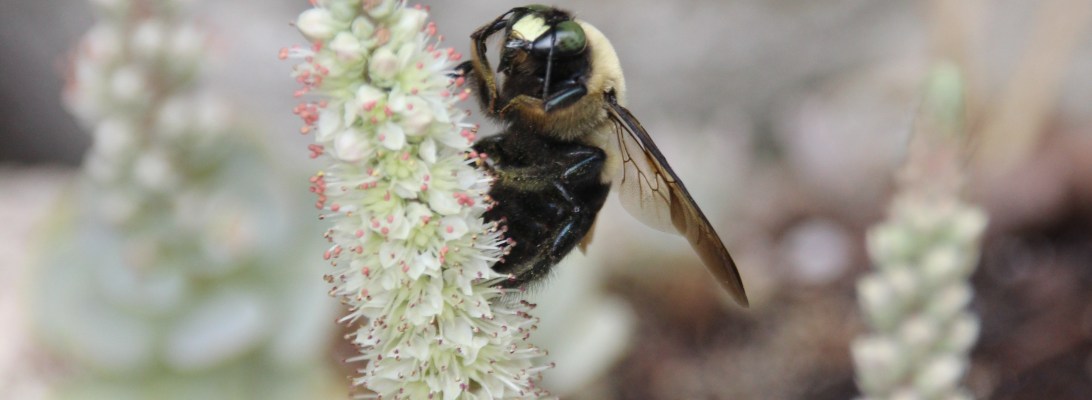
Blooming Dunce Caps

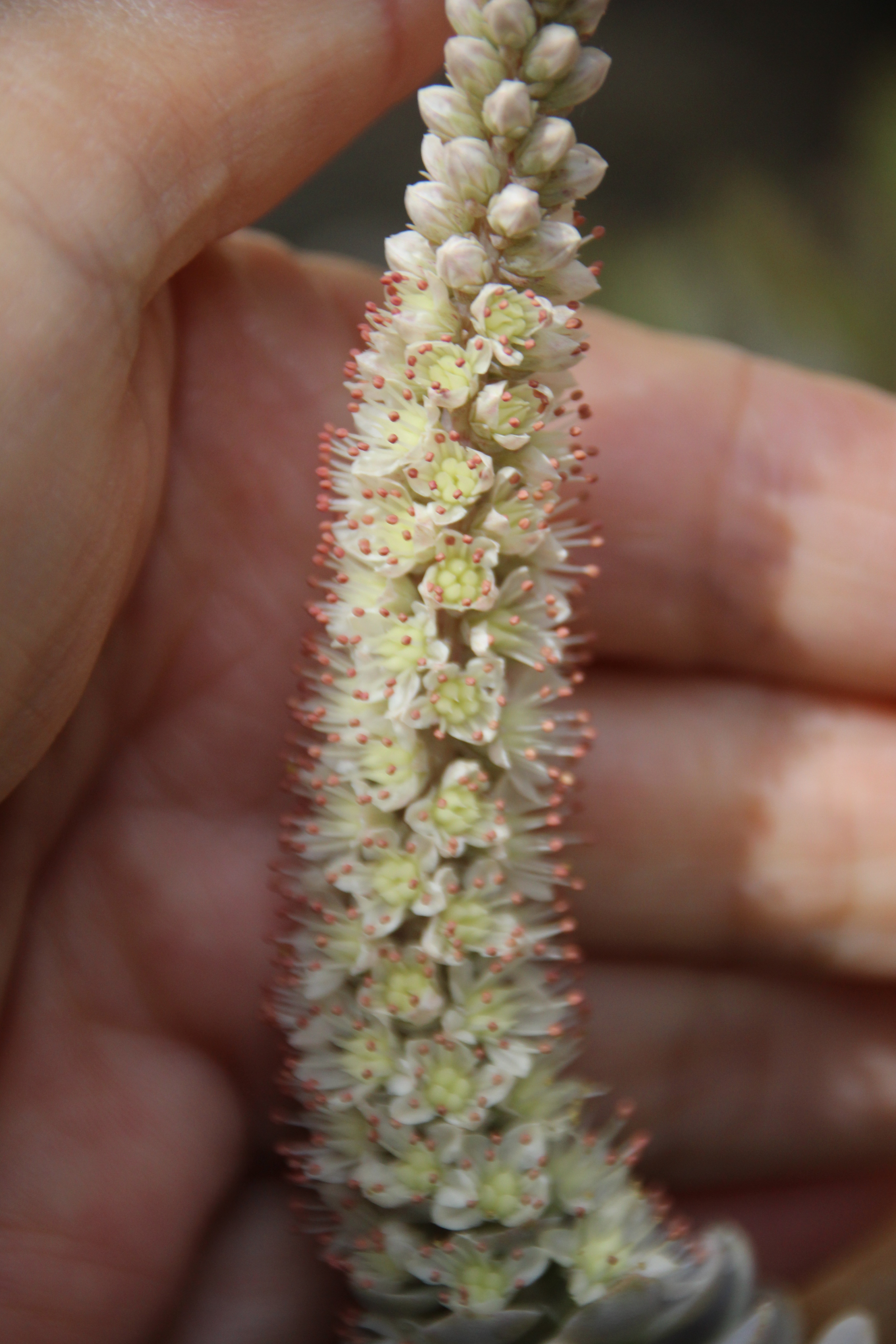
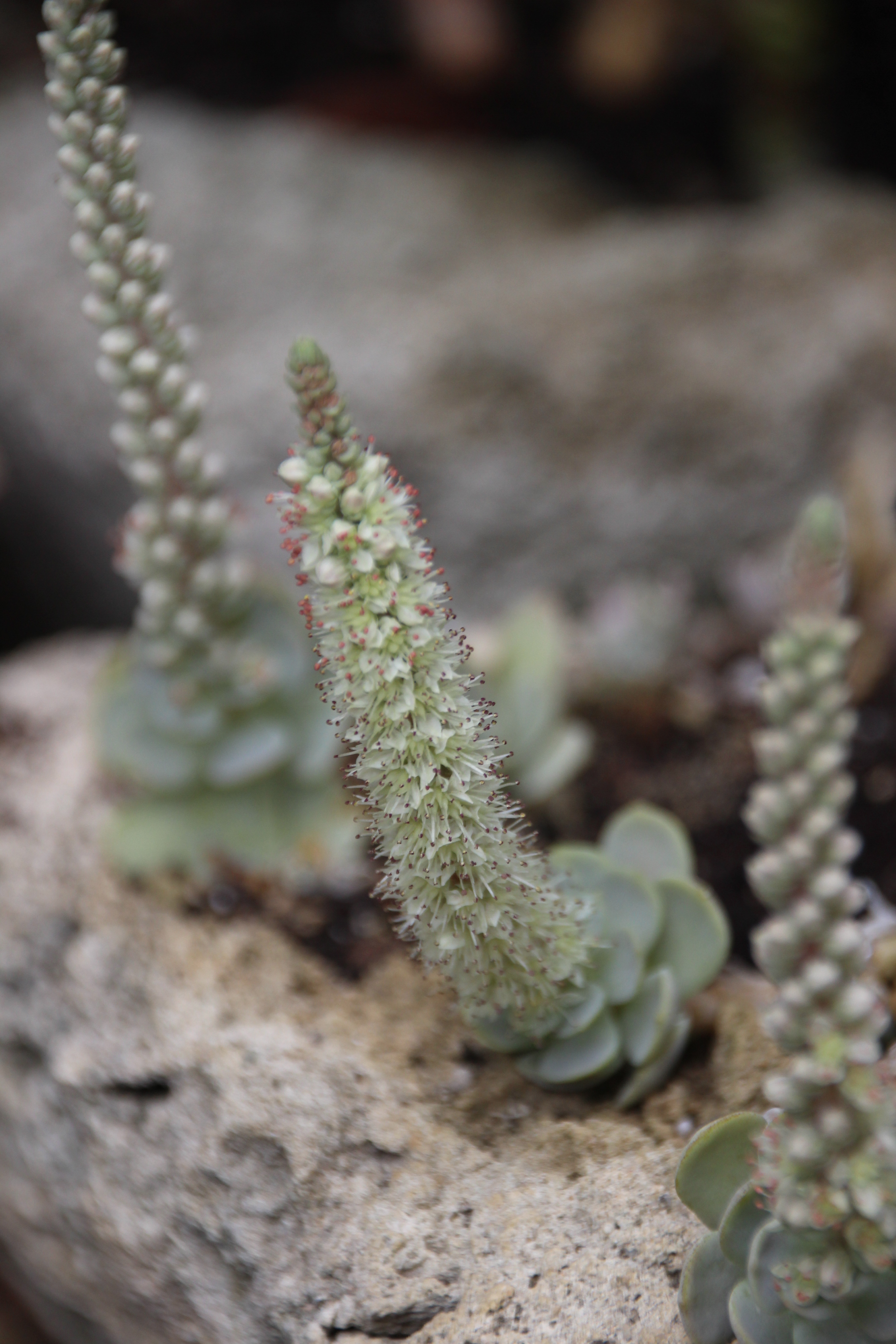
One almost needs a magnifier to see the tiny, complex blooms of this Orostachys succulent.

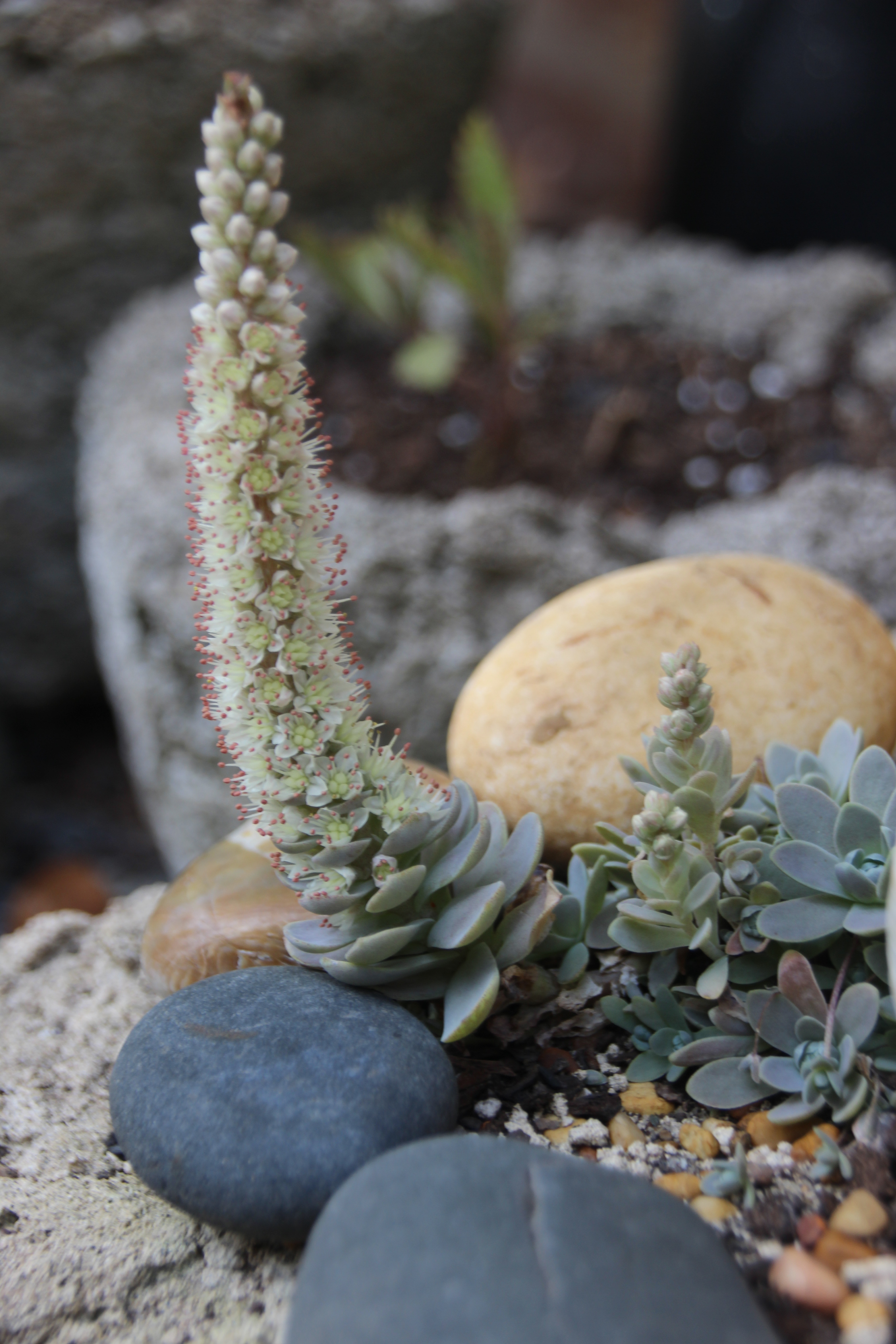
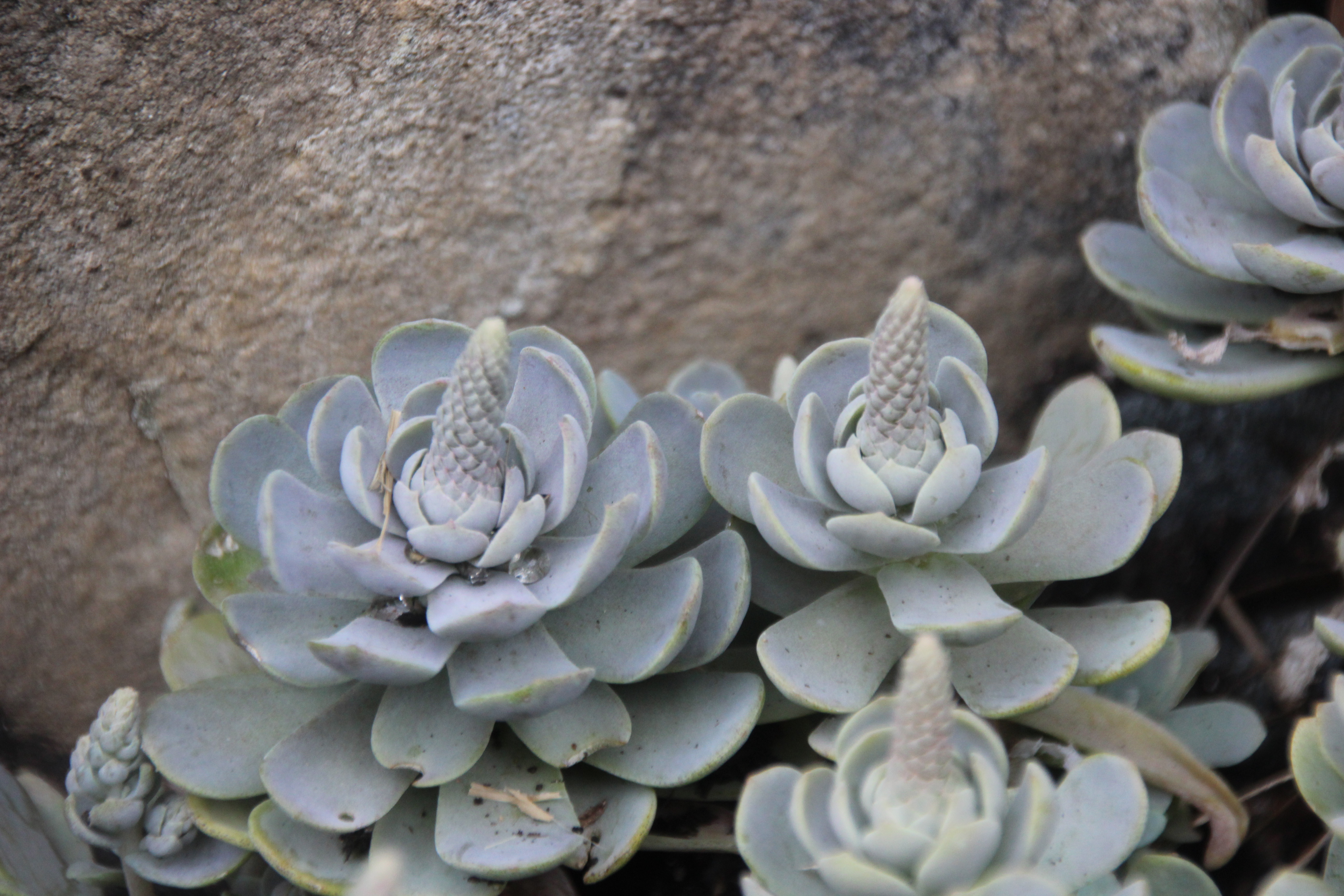
The name ‘Chinese Dunce Cap” comes from the stage when the flower stalk first appears in September.

This tiny plant likes a sunny, protected spot with excellent drainage.

I have some in a trough at almost eyelevel so it can be admired up-close.

FLOW in FALL

Raindrops on Dunce Caps

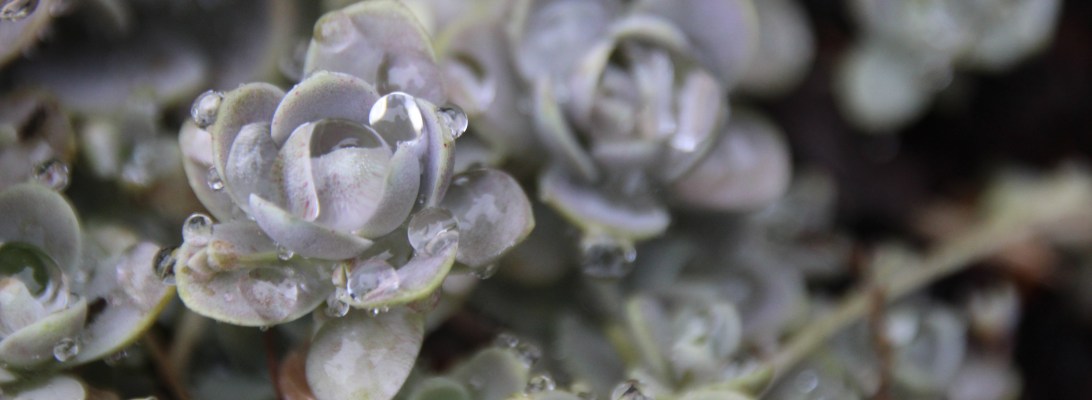
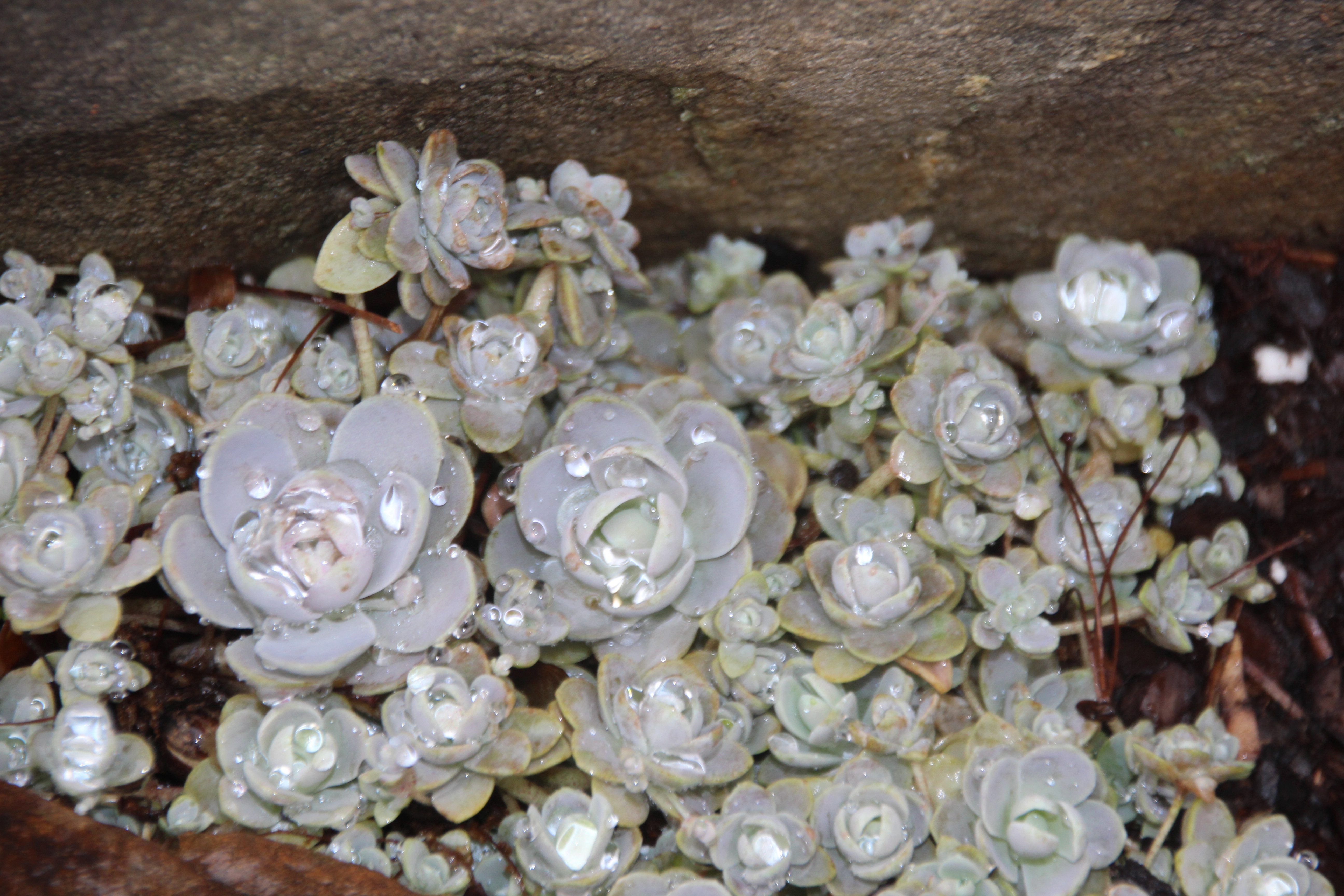
My tiny Chinese Dunce Cap / Orostachys boehmeri repels the raindrops.

The waters’ cohesion to itself is stronger than any adhesion to this succulent’s surface.

That is why the drops are perfectly round. They are repelled by the waxy cuticle of the plant.

This is called beading. Its waxy surface keeps water in as well as out.

I love seeing all the tiny orbs caught by the leaves.

Water working miracles.

Go H20!

FLOW

Bees on Dunce Cap Blooms

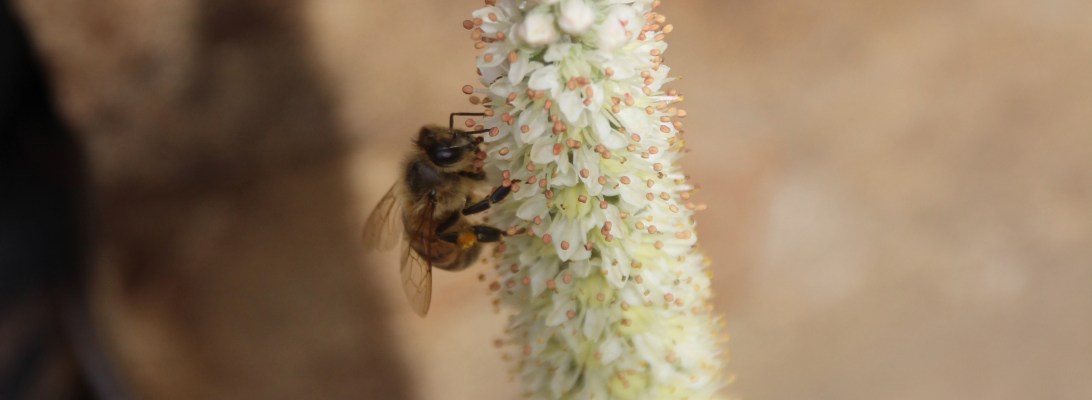
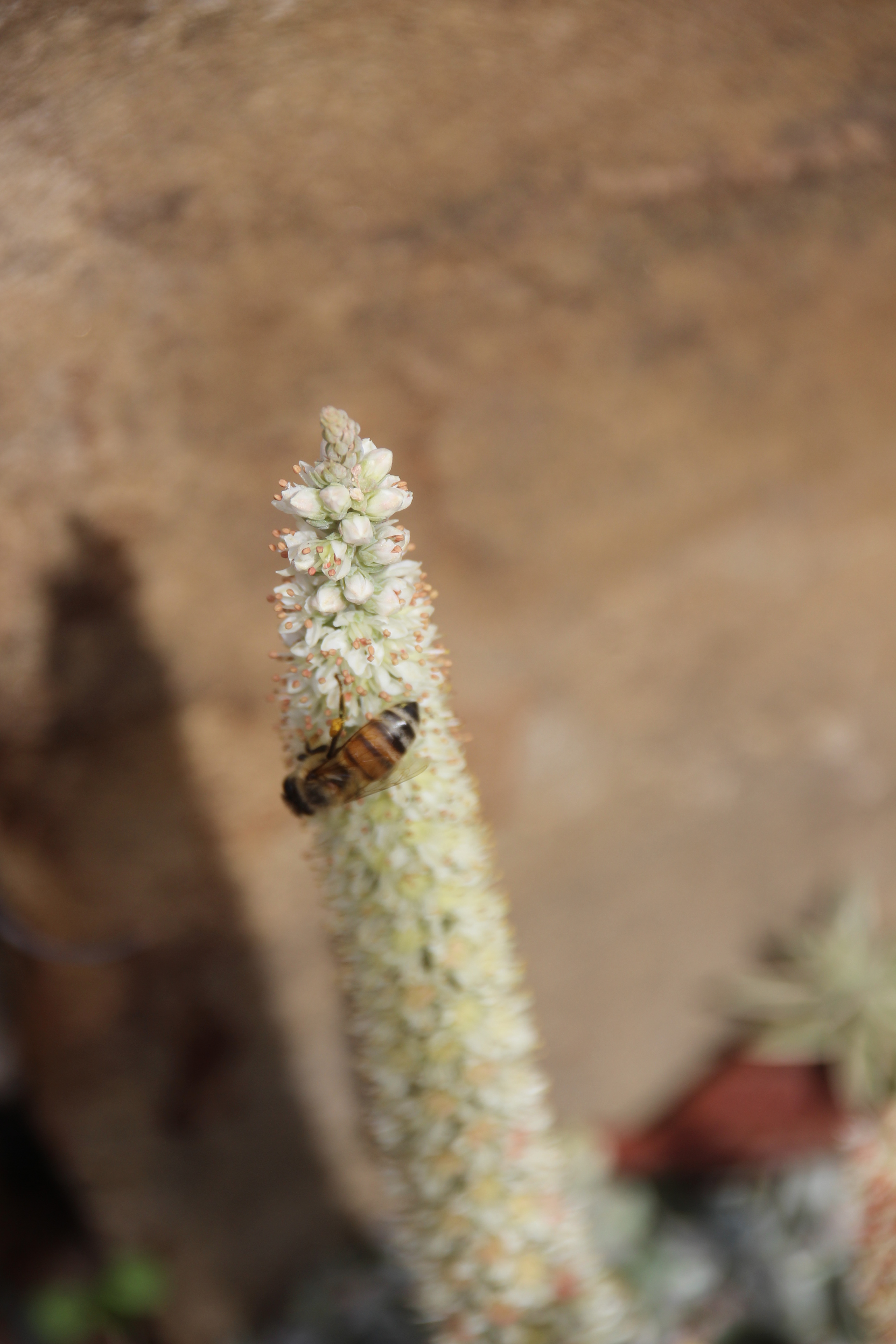
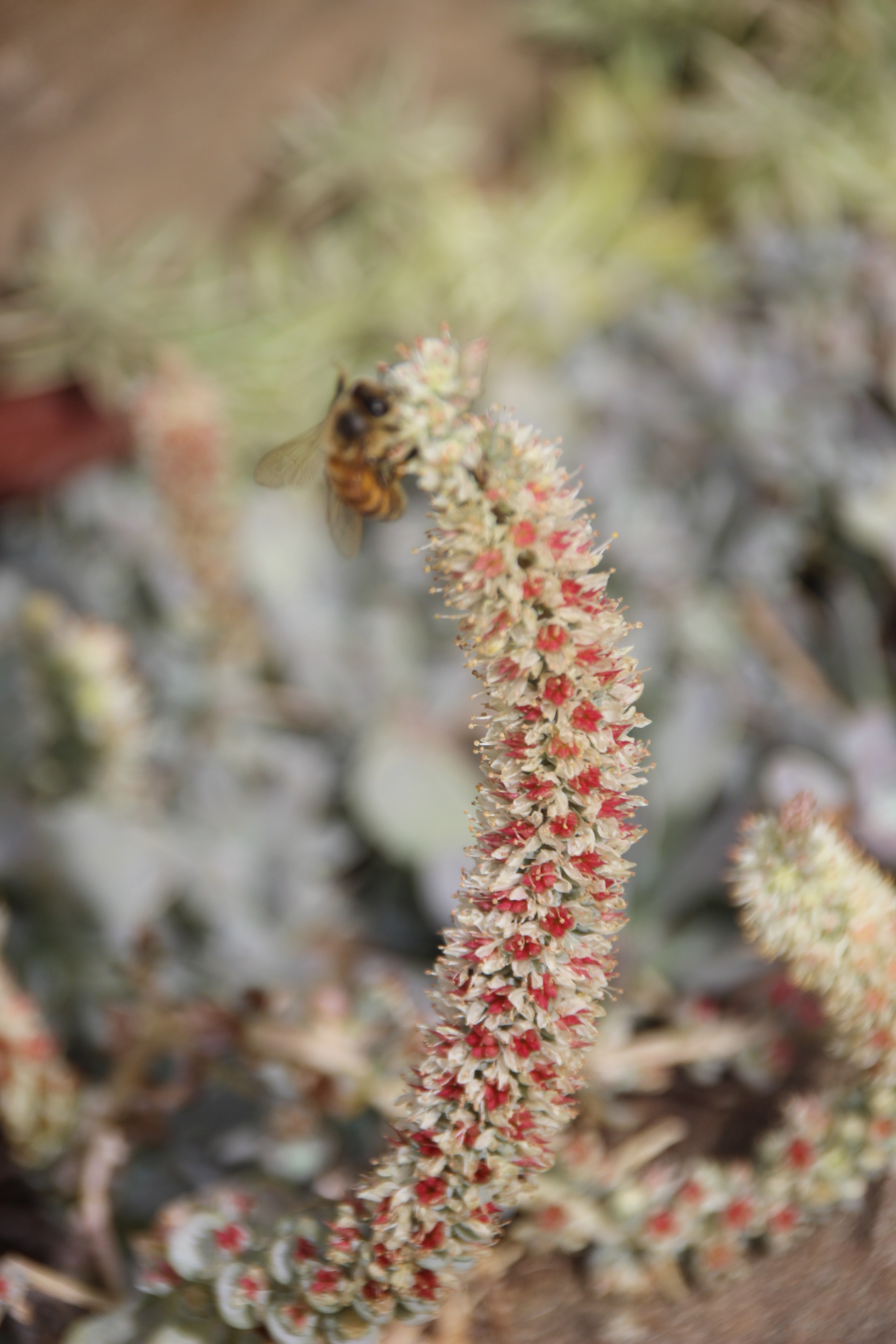
I must admit I would never have noticed these tiny blooms if it weren’t for the bees. Bees are busily visiting the last bloomers now before the cold sets in. They kept zooming past me as I worked to put plants into the ground before the first freeze.

All bees lead to this Chinese Dunce Cap, Orostachys Iwarenge. I usually watch as the caps arise and then ignore the plants afterward. Good thing the bees did not ignore these tiny, late flowers. I would have missed them in my haste to winterize my other green babies.

Chinese Dunce Cap/ Orostachys Iwarenge

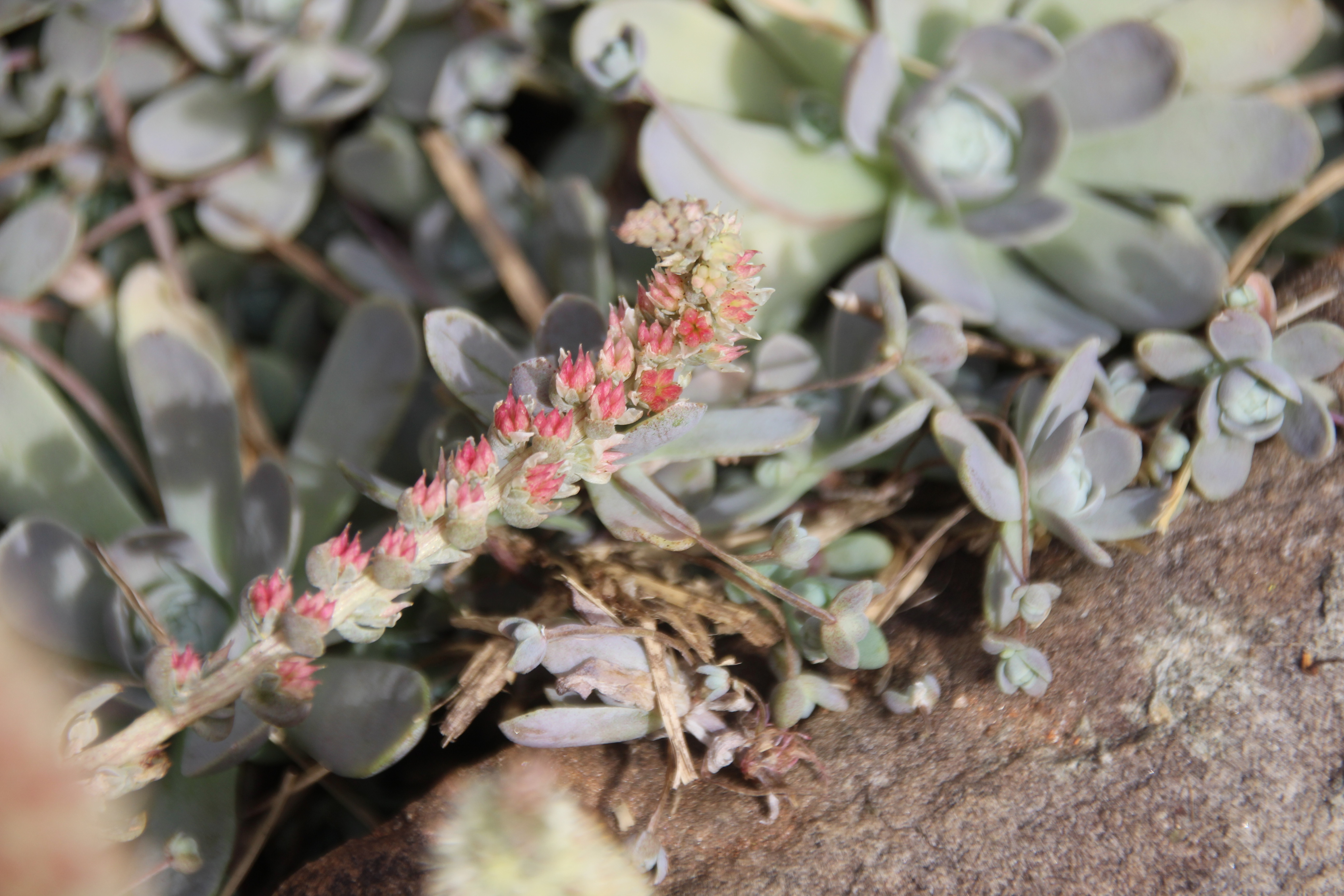
I need to use my jeweler’s loop to see the structure of the flowers.

There seems to be a white blooming and a pink blooming form nestled here in the rock wall.

This is the best spot for them; dry, warm and sunny.

I have been watching the busy bees buzz the last blooms all afternoon.

I am glad to supply their last snacks before frost.

FLOWER
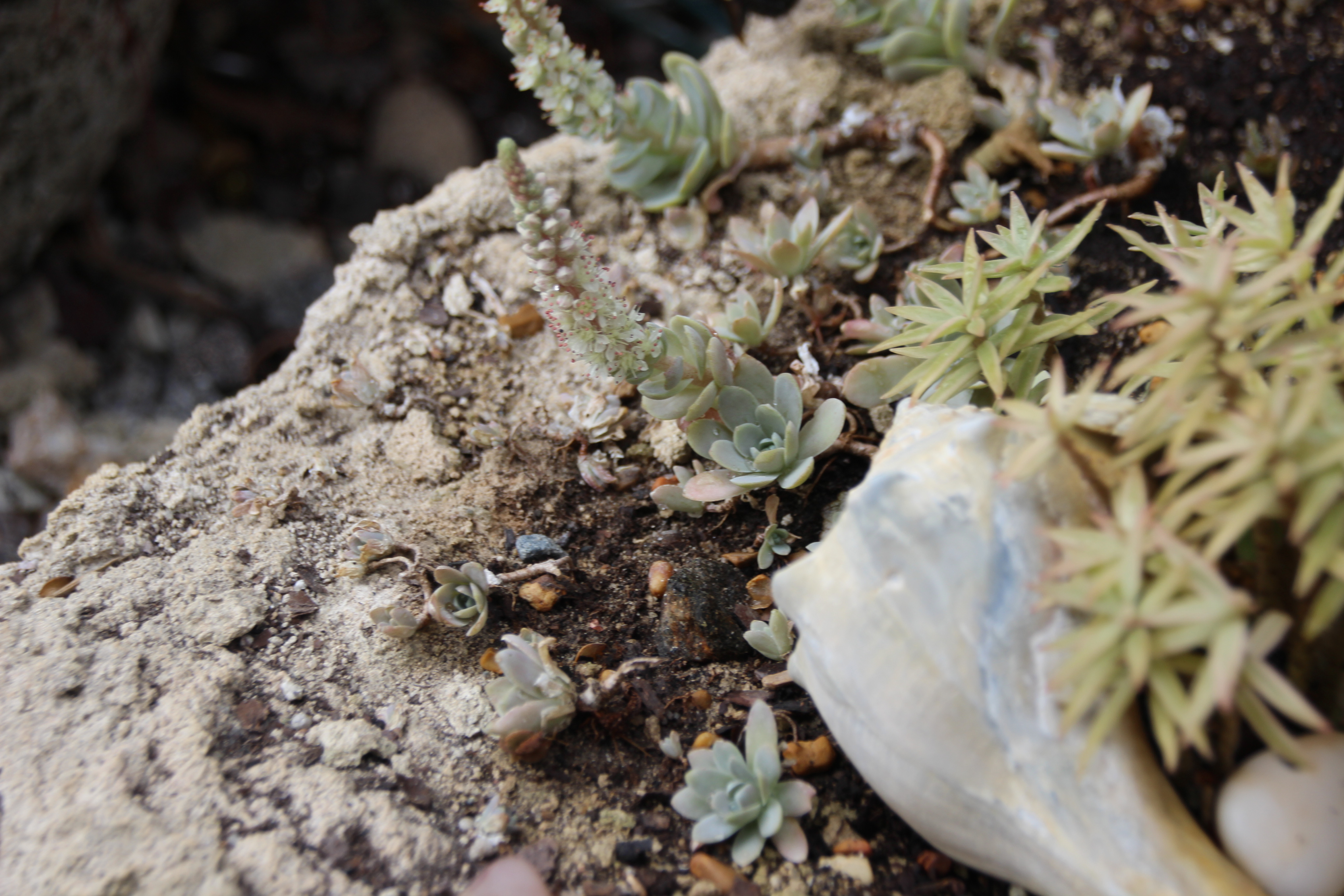
Shapeshifter Succulent

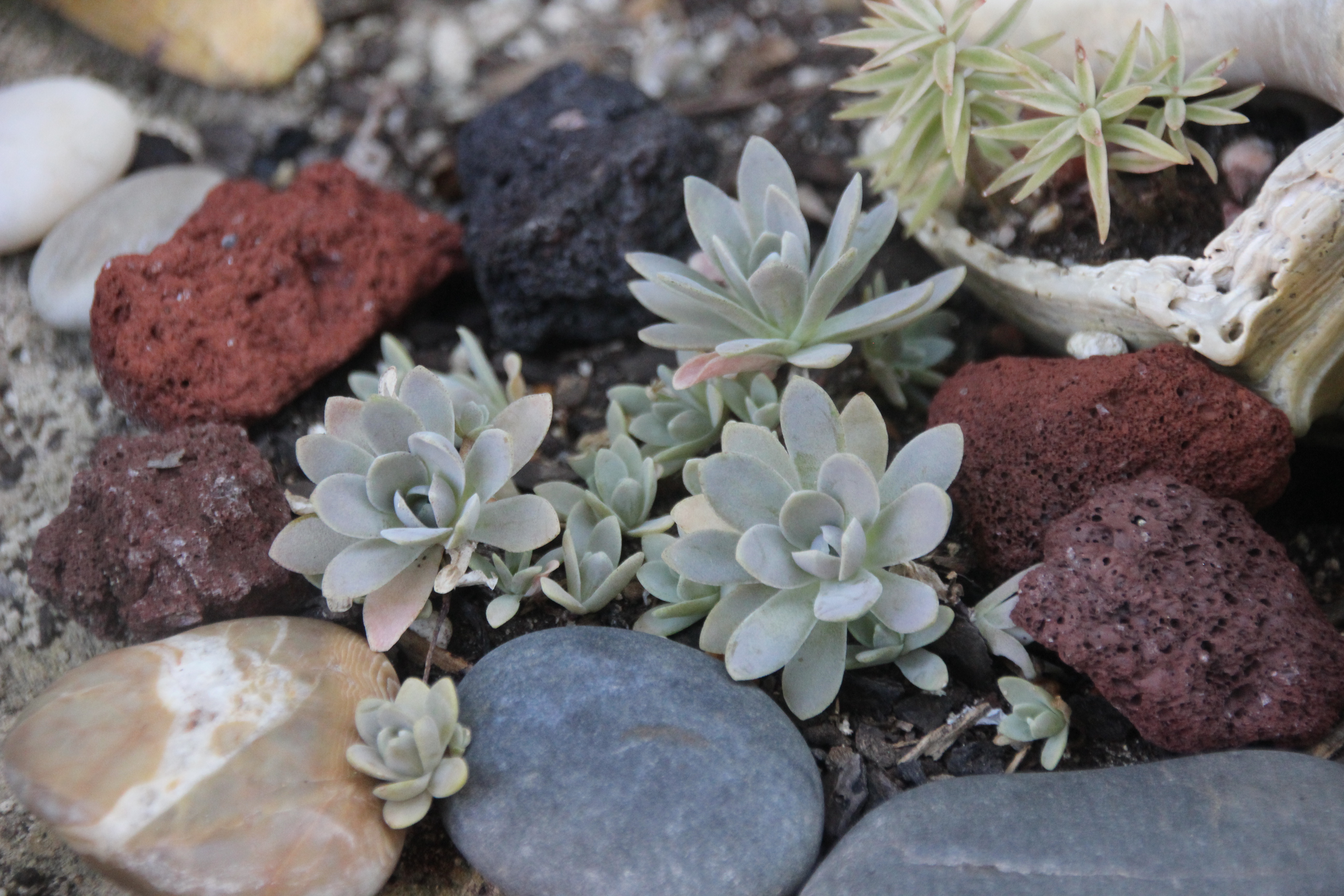
This tiny plant is a trickster. It looks like silver little rosettes from spring to fall.

Chinese Dunce Cap beginning to elongate.

Eventually it elongates into cones that are tall and will have tiny flowers on them in October.

There are several forms of Orostachys/ Chinese Dunce Cap. This one is O. boehmeri.

It likes full sun and dry conditions.

Flow nearing Fall

Rhipsalis Blooms Yellow

I have had this lovely plant for years.

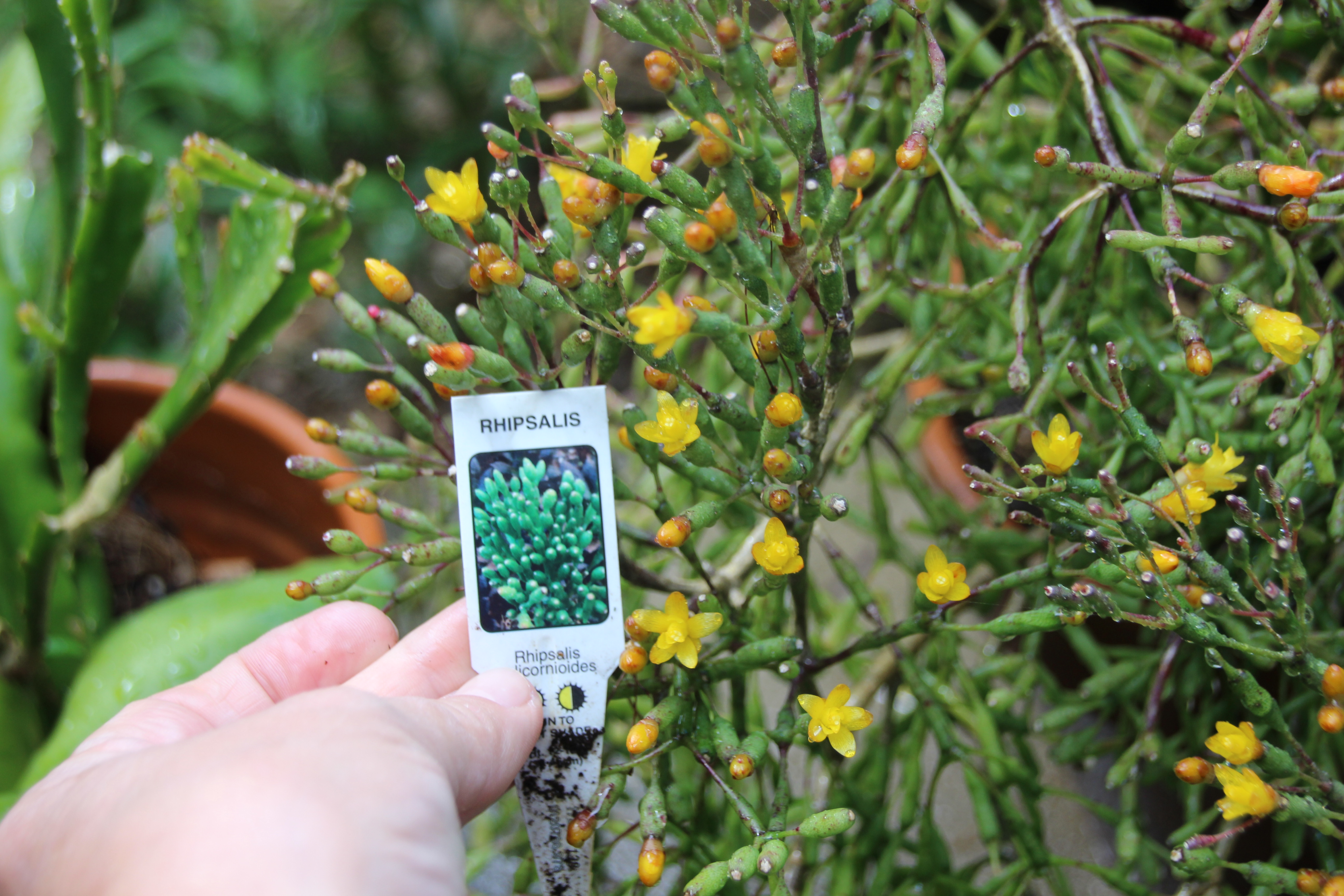
Rhipsalis

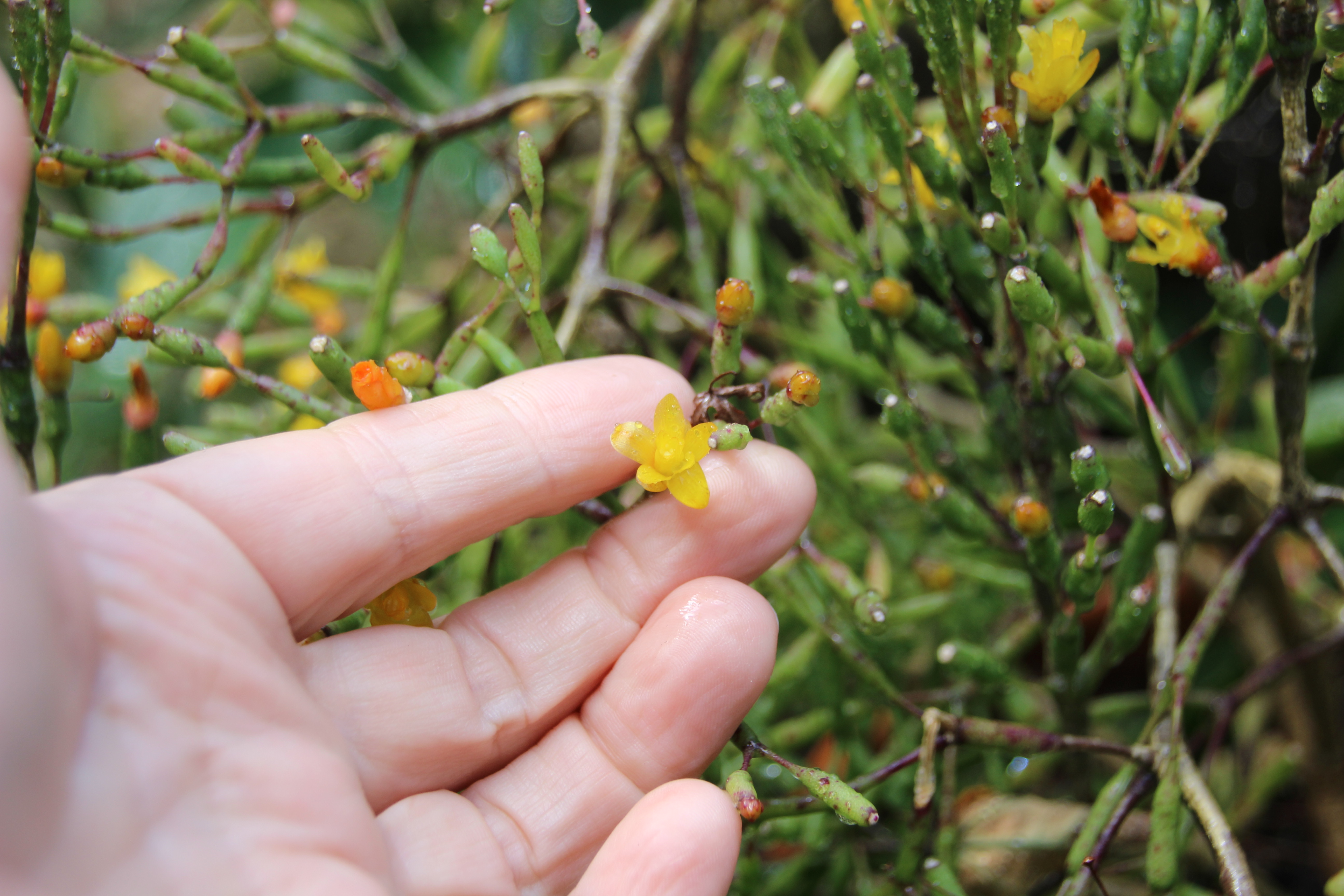
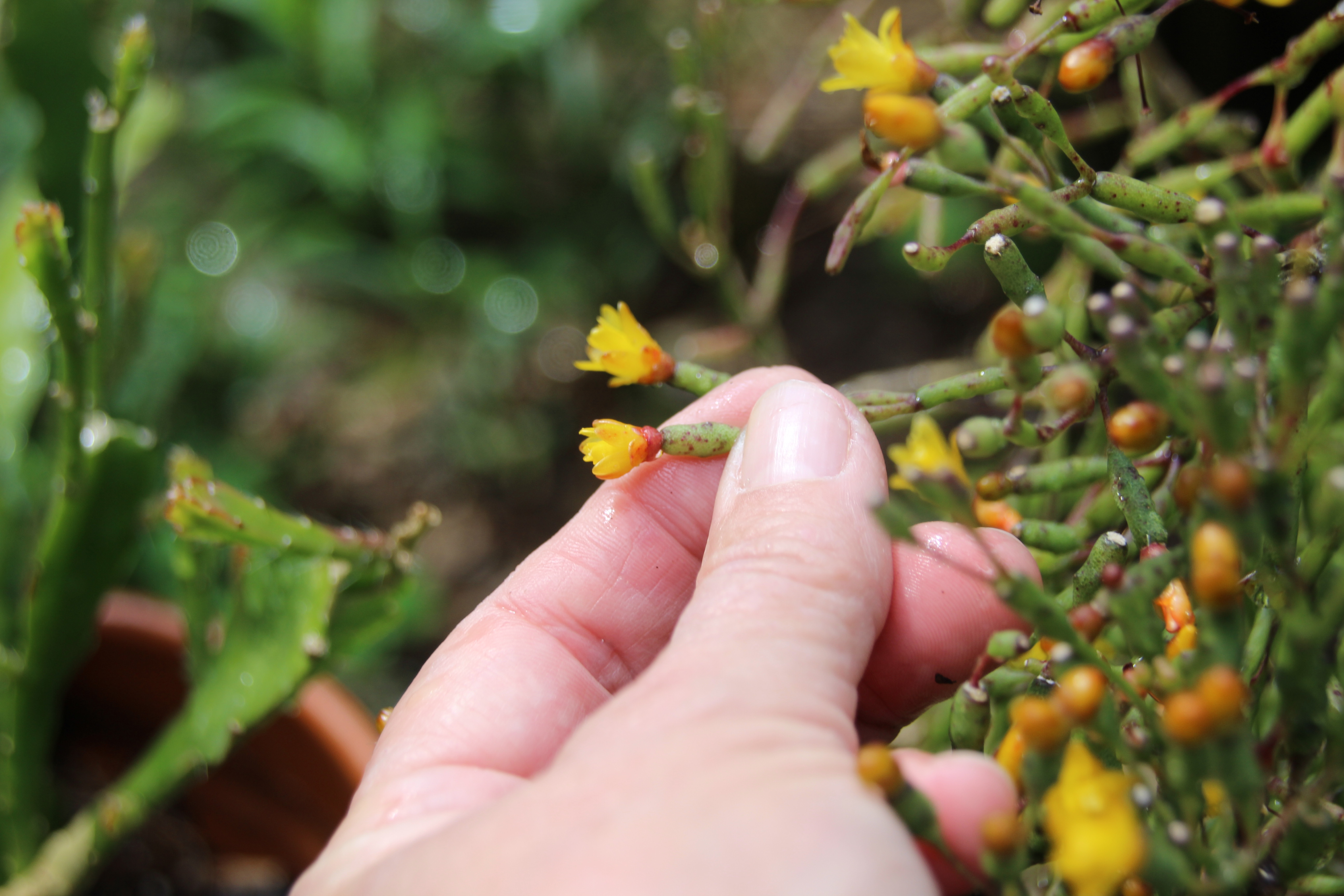
It decided to bloom this spring.

I was delighted to see these sunny yellow flowers appear.

The yellow blooms and pink fruit are bonuses.

I bought it for its lovely green segments.

Hooray Rhipsalis!

The All-In Mama

These tiny plants transform themselves every fall.

They change from little rosettes to tall towers.

Most plants just throw up a stalk of flowers,

but this little succulent turns into a mama stalk.

I watched a bumble bee climb the flower towers over and over yesterday.

I do not know its name.  I just call it “Ghost Rose.”

I hope a reader can help me identify this “All-In Mama.”

FLOWER
Unlikely Combo

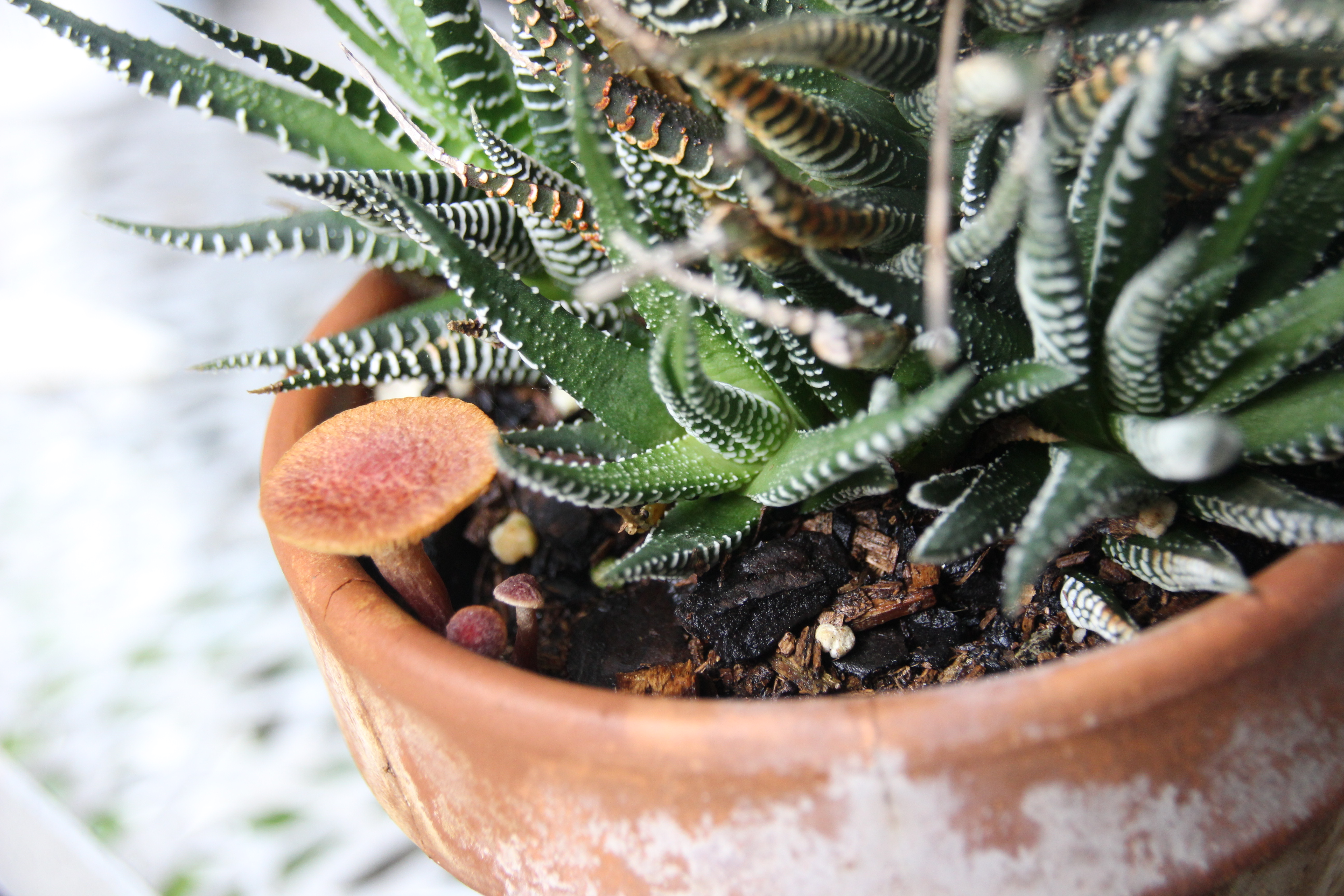
I found a group of tiny mushrooms in a pot of Haworthia.

IMG_9342

Succulents like it dry and mushrooms like it wet.

But these two seem perfectly happy in the same pot.

IMG_9341

I guess we must grow where we are planted.

Flow