Giant Wooly Bears Tumble and Roll but do NOT Sting nor Predict Weather

I try not to keep my house and garden too clean. It makes visitors uncomfortable and intimidated. No white gloves inside and only dirty garden gloves outside. I want all to feel welcome.

I used a leaf blower today to clean off the porches, patio and door jambs and door slabs outside. The wind was blowing, so I was in a leaf tornado when I spotted a fuzzy black ball rolling away from the doorway.
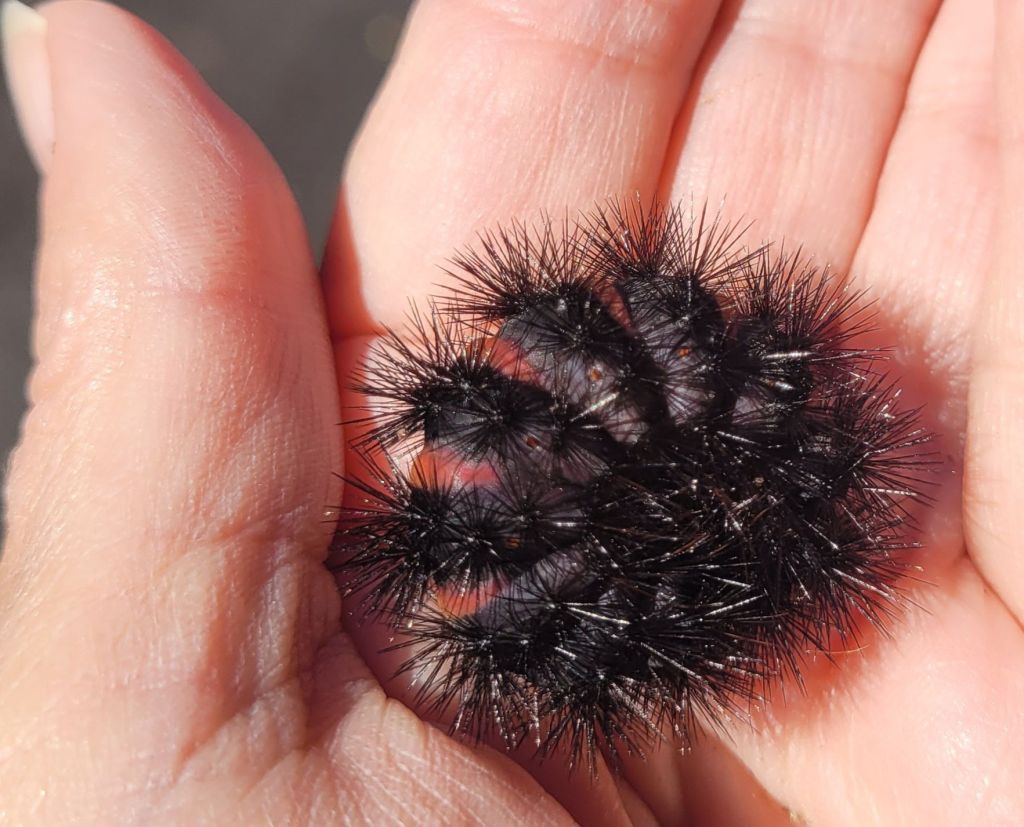
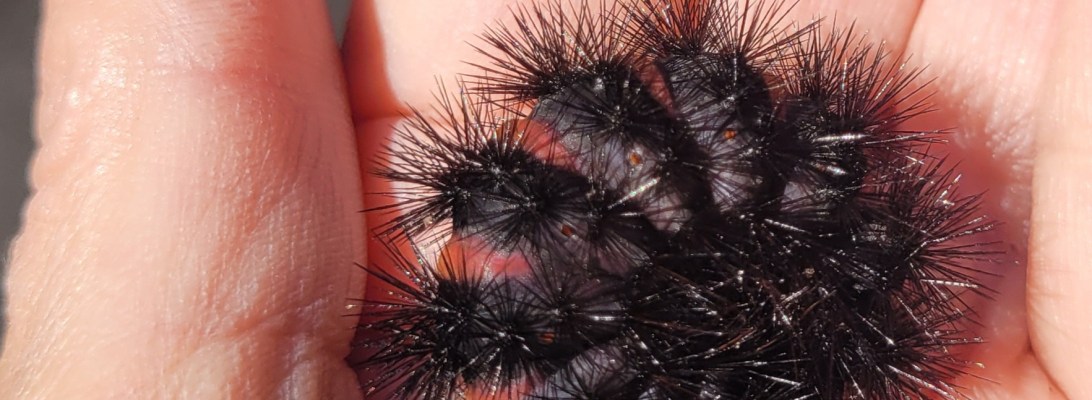
Giant Wooly Bear

The blowing had dislodged one of my little friends from its hiding place. I took the opportunity to take some photos before recreating the mess I had just moved.

This caterpillar is hairy but NOT poisonous or stinging like many that have bristles/setae. Its best not to pick the bristly ones up. Some of the cutest ones give painful stings.

Its name is Giant Wooly Bear. It does NOT predict the winter length and harshness. Neither does the Banded Wooly Bear which has black ends and a brown middle..but that’s another story.

This Giant Wooly Bear is the caterpillar stage of the Giant Leopard Moth. The species name is Hypercompe scribonia. I had to use the internet to look this up. I found all kinds of misinformation and even how to keep them as pets. All this gave me a headache.

Let’s focus on what I know.

The shiny black setae/hairs are arranged in star-like tufts that do NOT sting. The tufts deter predators which usually do not like fuzz in their mouths and throats.
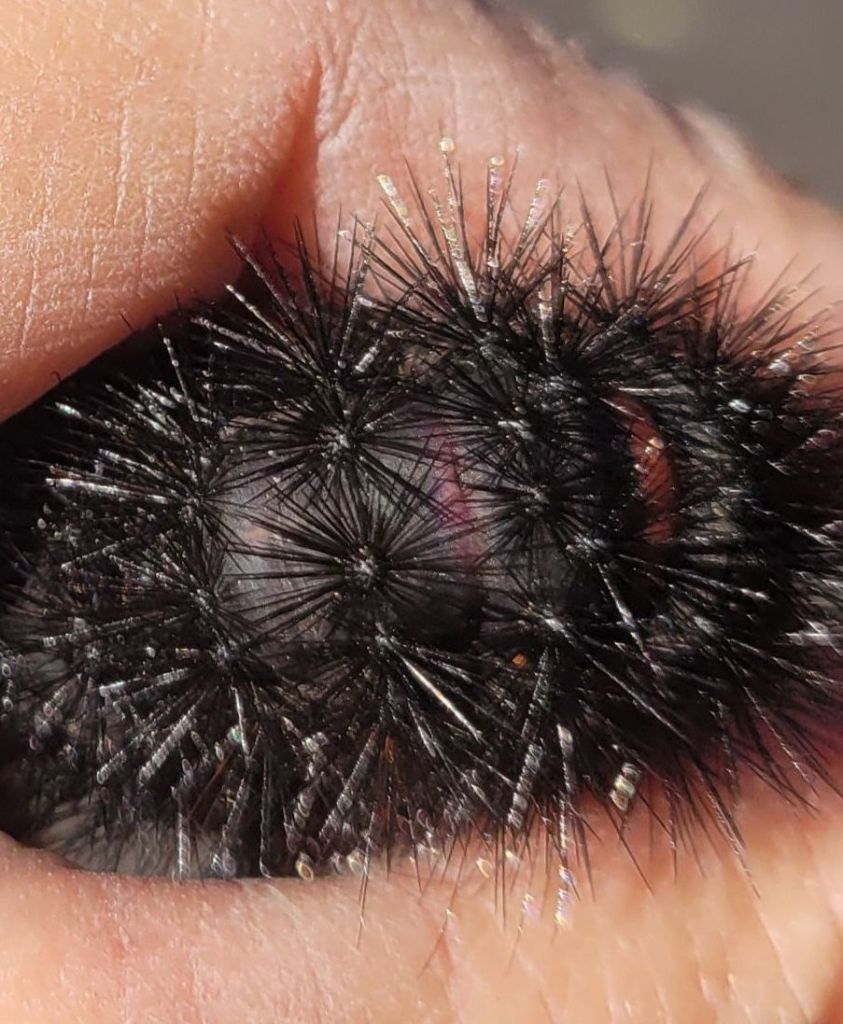
Non-stinging setae/tufts

The red-orange bands only show when it rolls up to protect itself. Red is a warning color to would-be predators. 
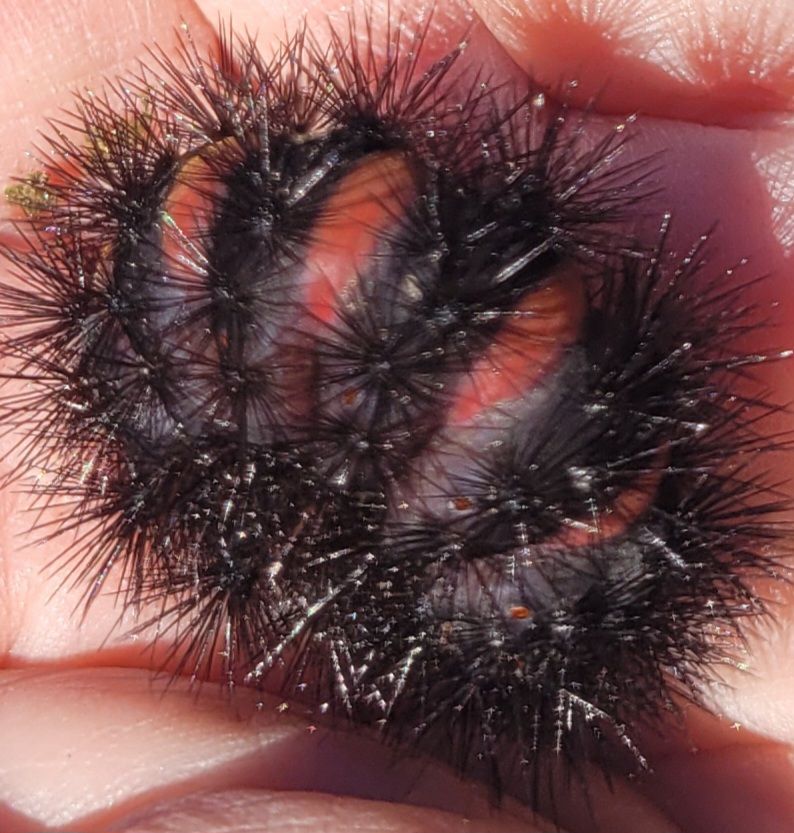
Giant Wooly Bears roll up really tightly holding the tail and mouth together. Do not try to pry them open. You will cause harm.
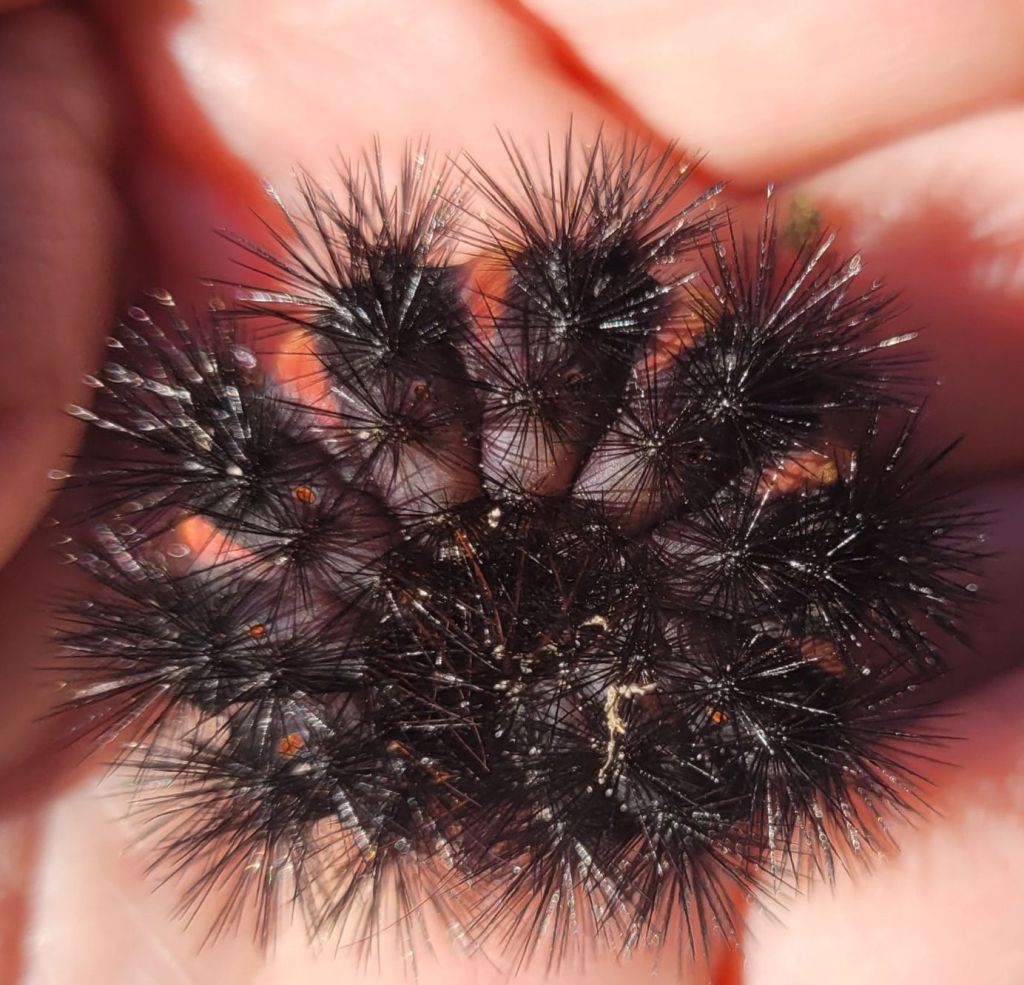
Enjoy carefully looking at any caterpillar and then put it back where you found it. You would not like being taken out of ypur home and moved to a foreign location would you?

But that’s another story.

FLOWER with a blower.
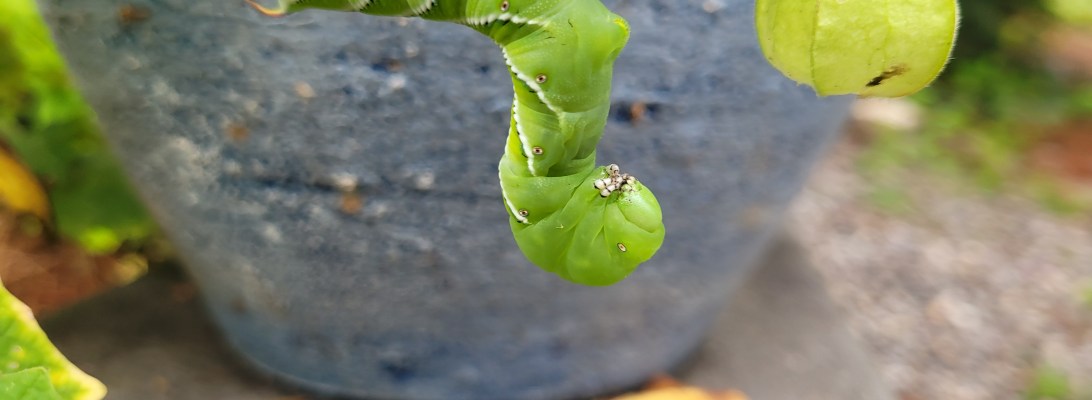
A Red Horn and Grenades

I plant ground cherries for my chipmunk, Stubby. He enjoys climbing the plant and picking his own snack. Stubby leaves the wrappers under the plant, so I know he has been there.

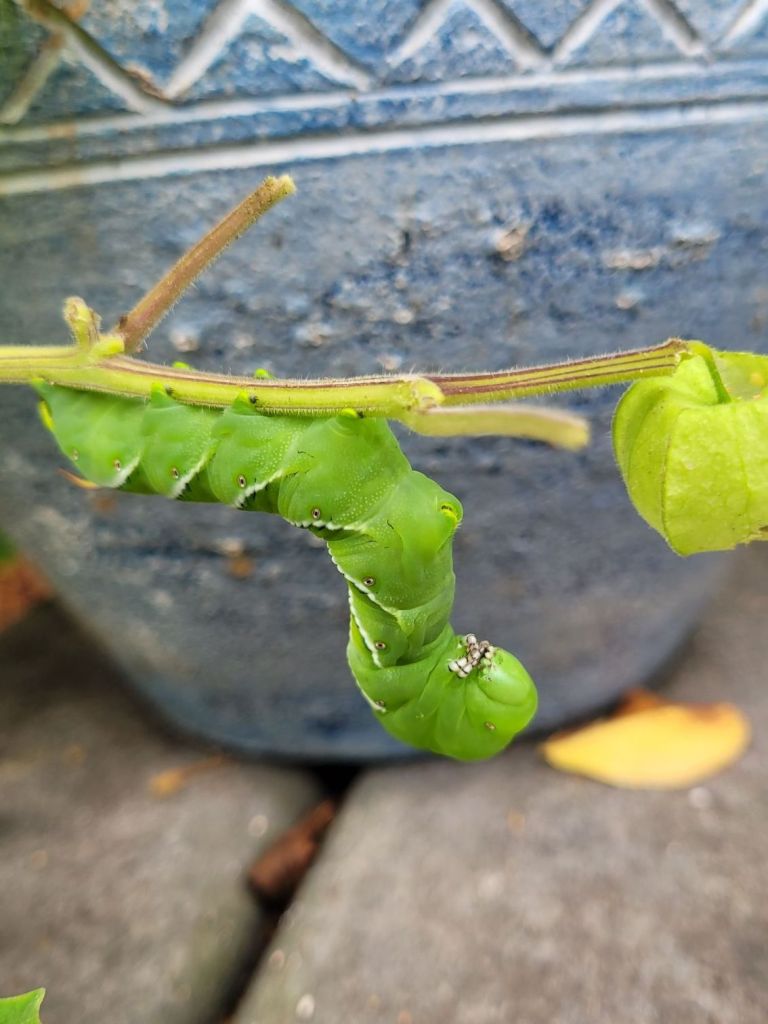
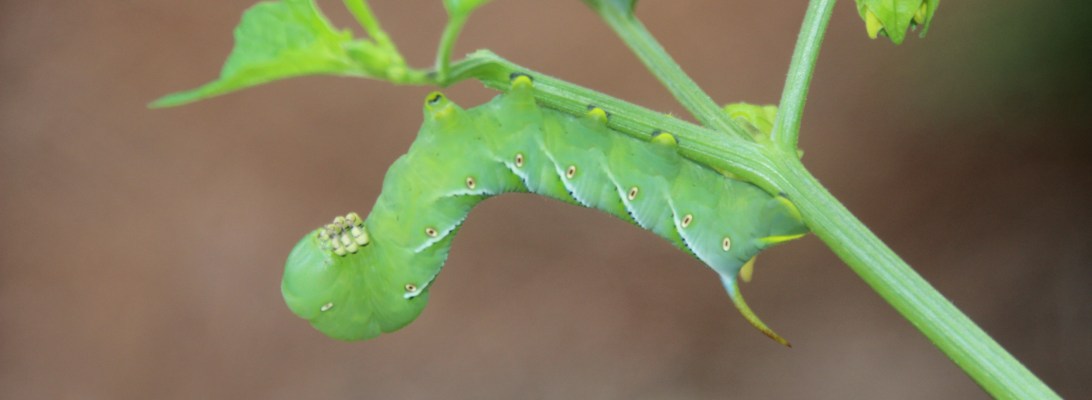
Tobacco Hornworm has a red horn at rear


I spied someone else snacking on the ground cherry this morning.
A Tobacco Hornworm is devouring the delicate ends of the ground cherry limbs.

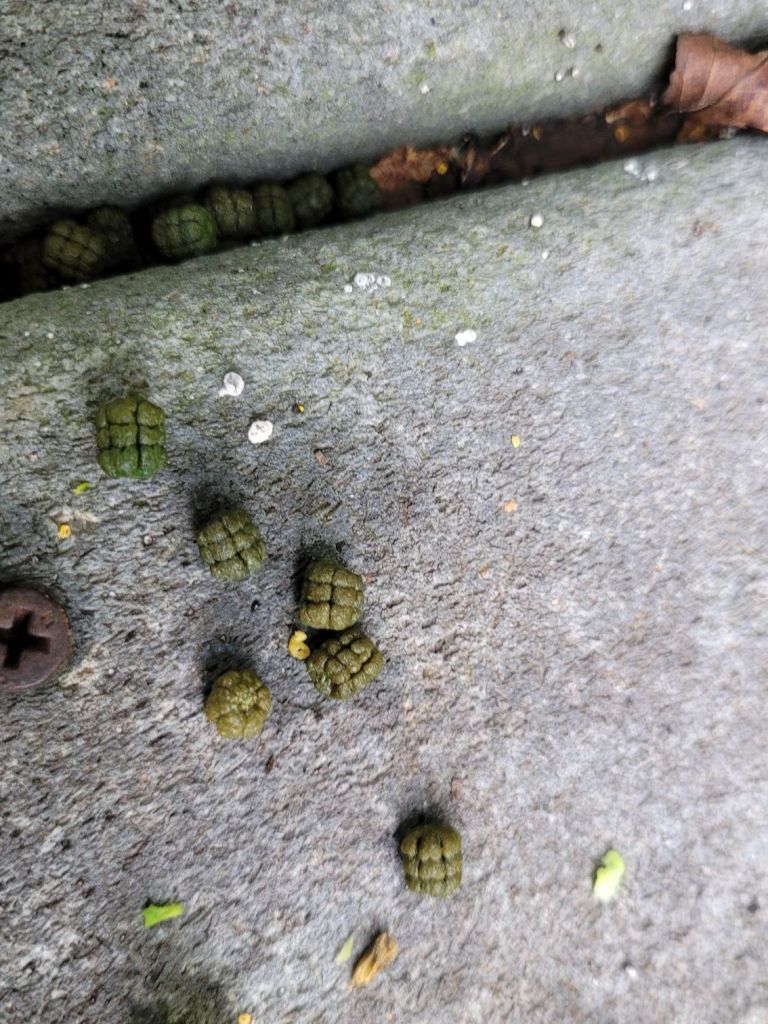
The hornworm leaves his grenade-like frass under the plant, so I know where he is.


Someday this green caterpillar will be a lively Sphinx moth that pollinates the Four-O’clock blooms at the corner of the vegetable garden.

My garden is not about me you see.

FLOW

Signs of a Saddleback

I was inspecting my three hibiscus plants when I spotted some signs of a visitor on the red one.

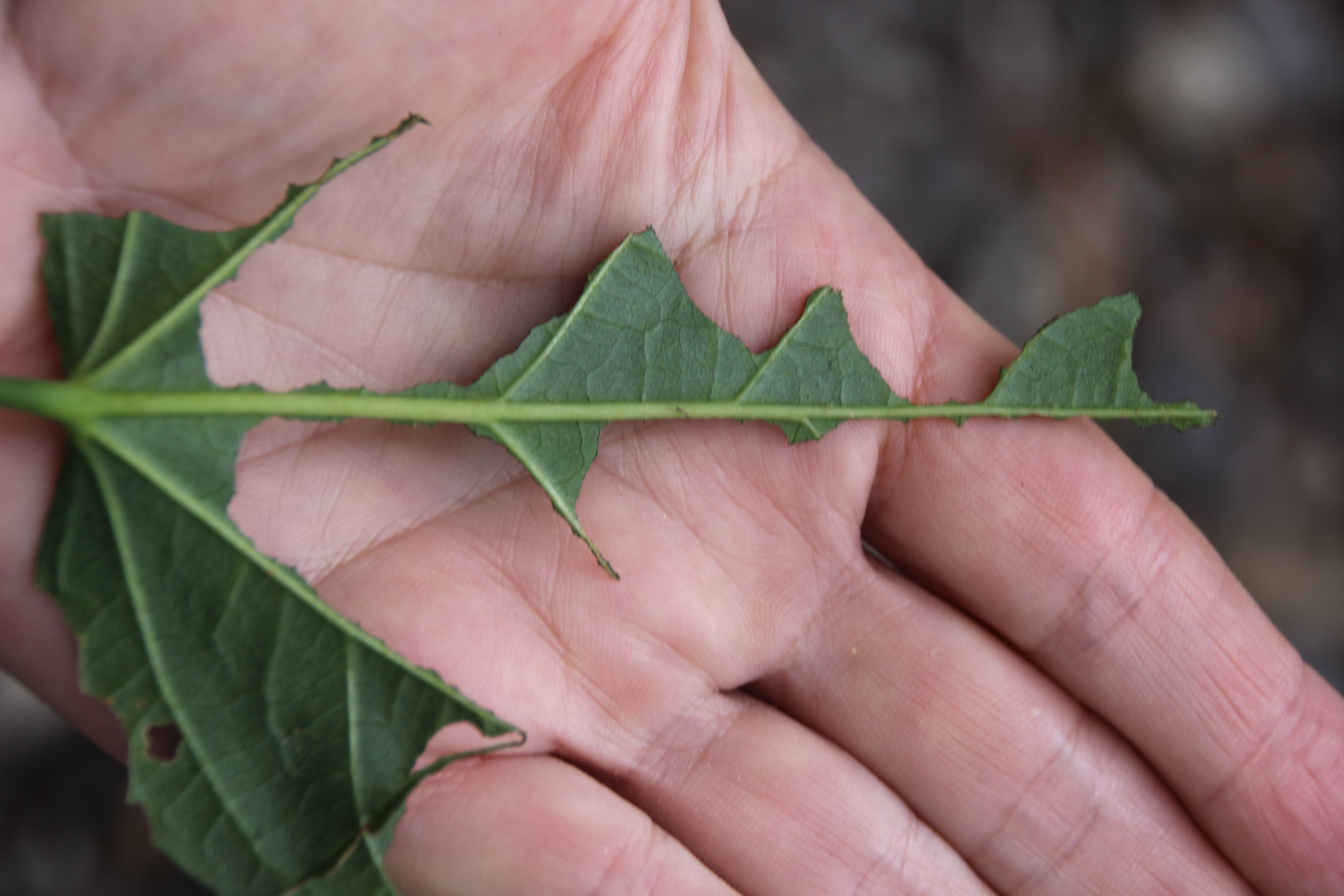
First, I noticed some eaten leaves.

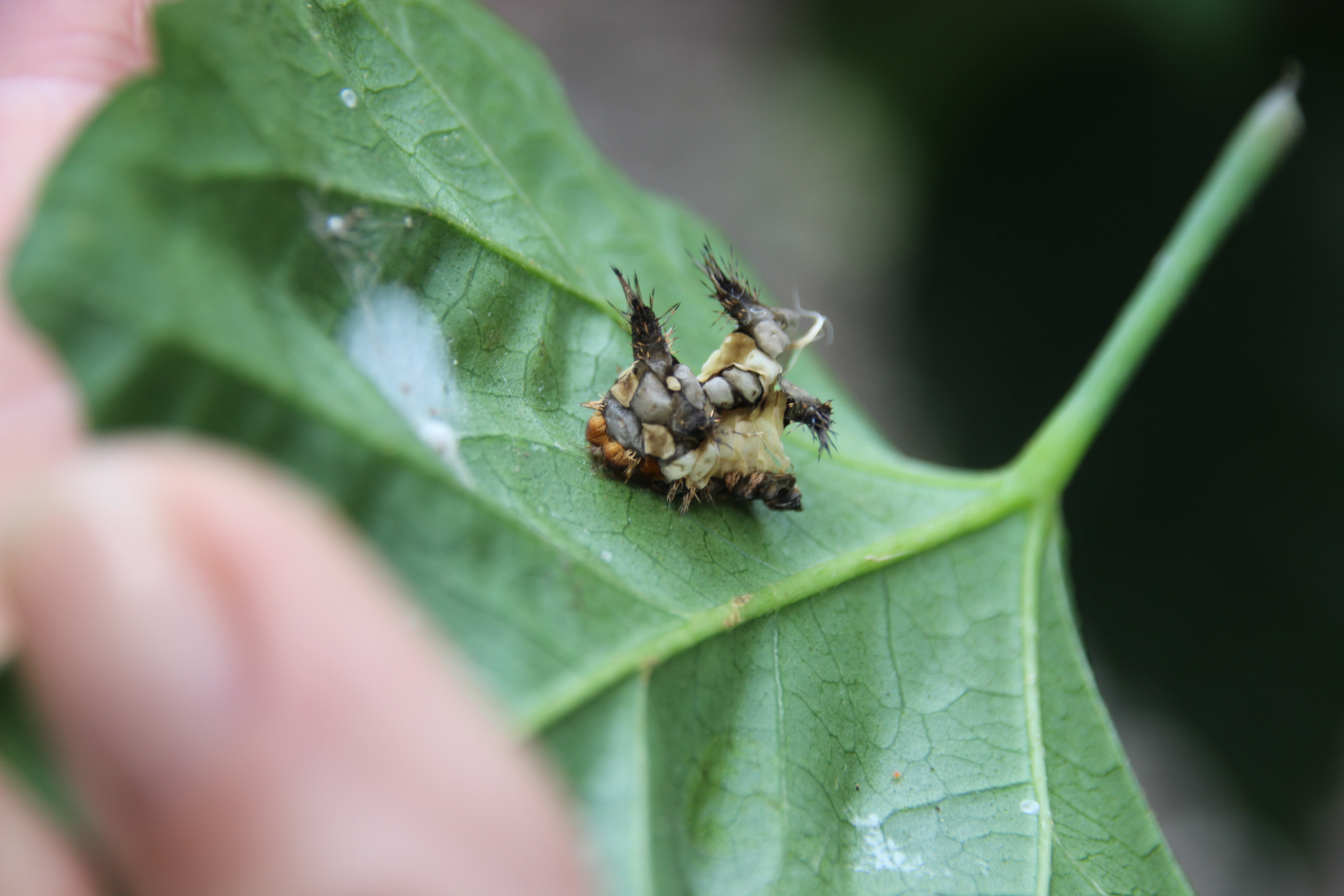
Then some frass/poop scattered on the lower leaves. I even found a shed skin that the muncher left behind after molting.

I knew from the spikes on the skin that my favorite caterpillar was on the underside of a leaf.

I had to search carefully. Its sting is painful.

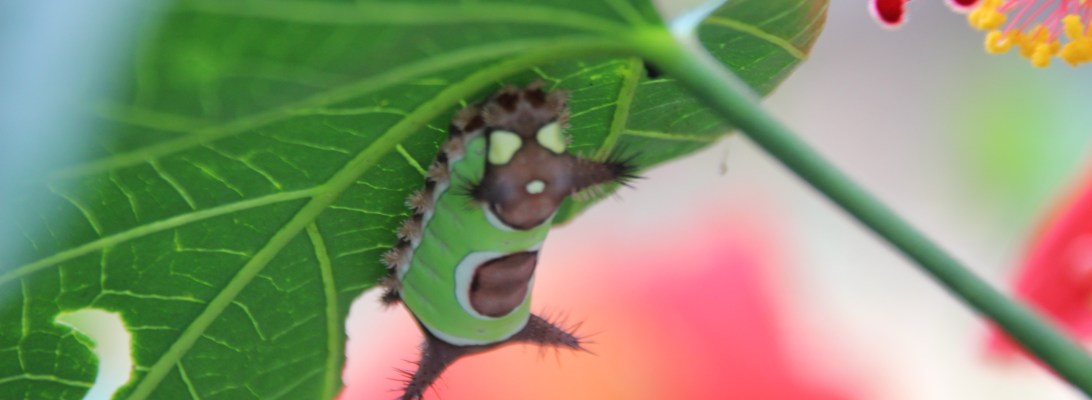
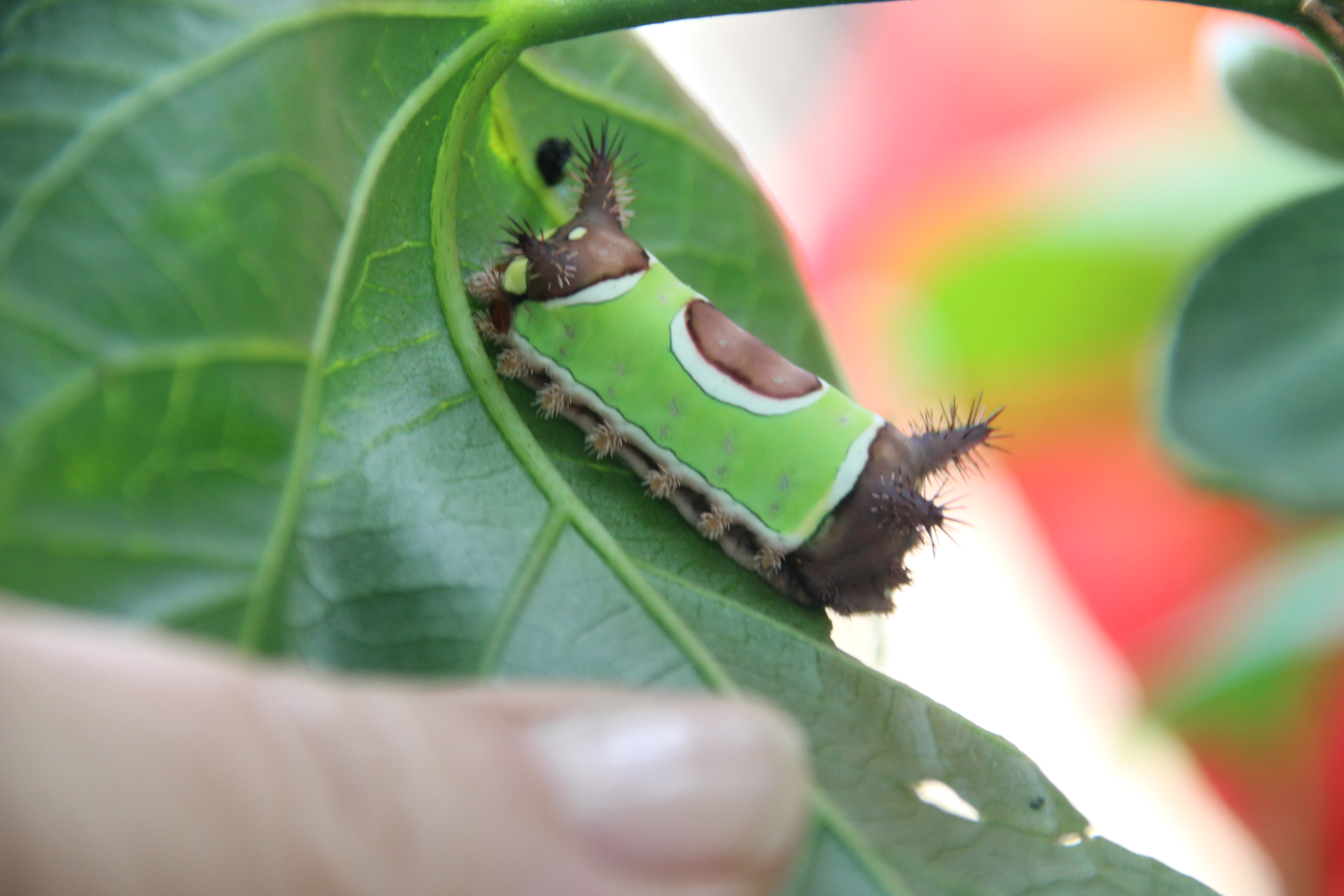
Saddleback Caterpillar/ Sibine stimulea

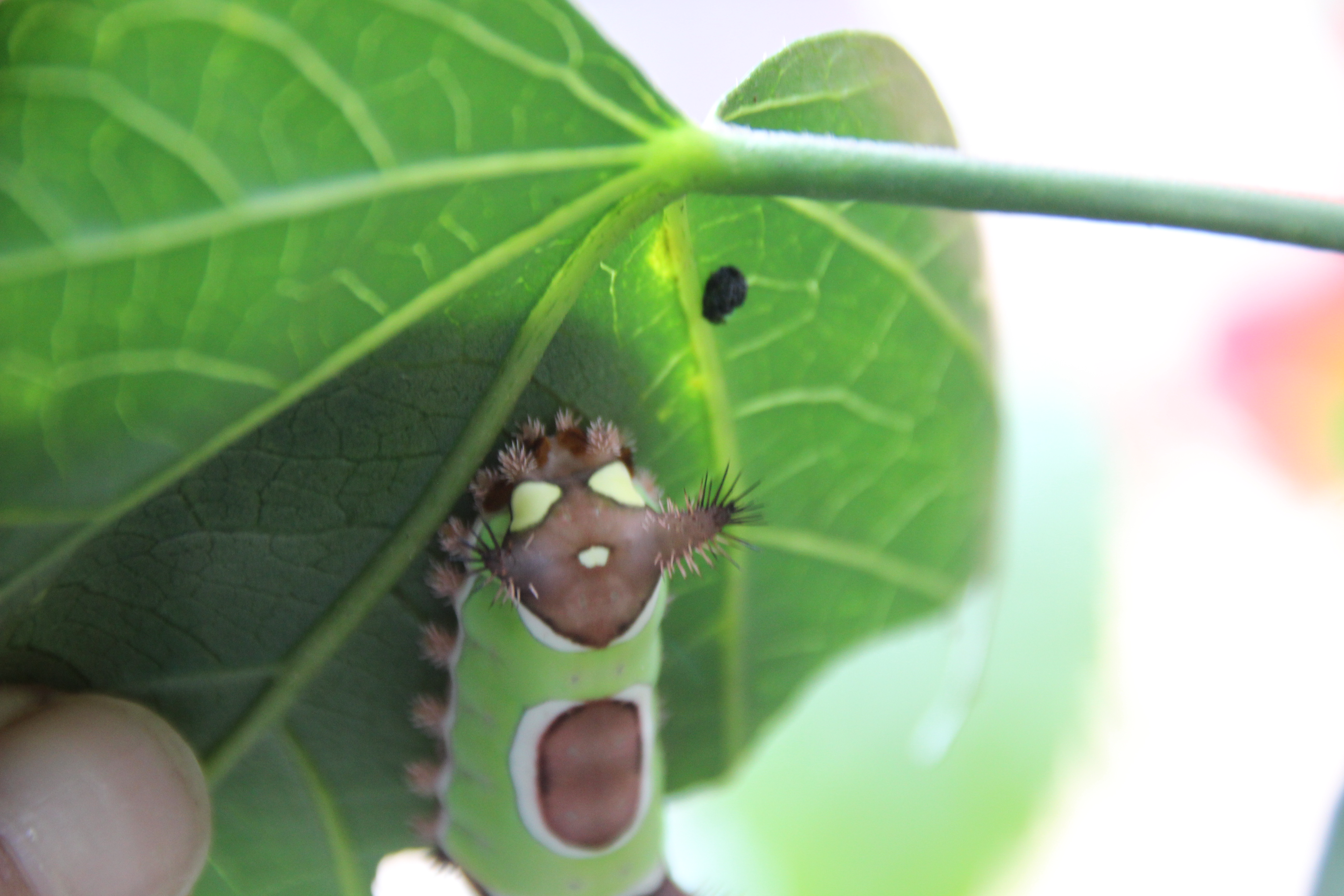
Here it is. The Saddleback caterpillar/ Sibine stimulea. Still snacking.

Its rear end looks like it has eyes, but the poop is evidence that this is not its face.

I love these spiky, mean, green things!

FLOW

What’s Eating You?

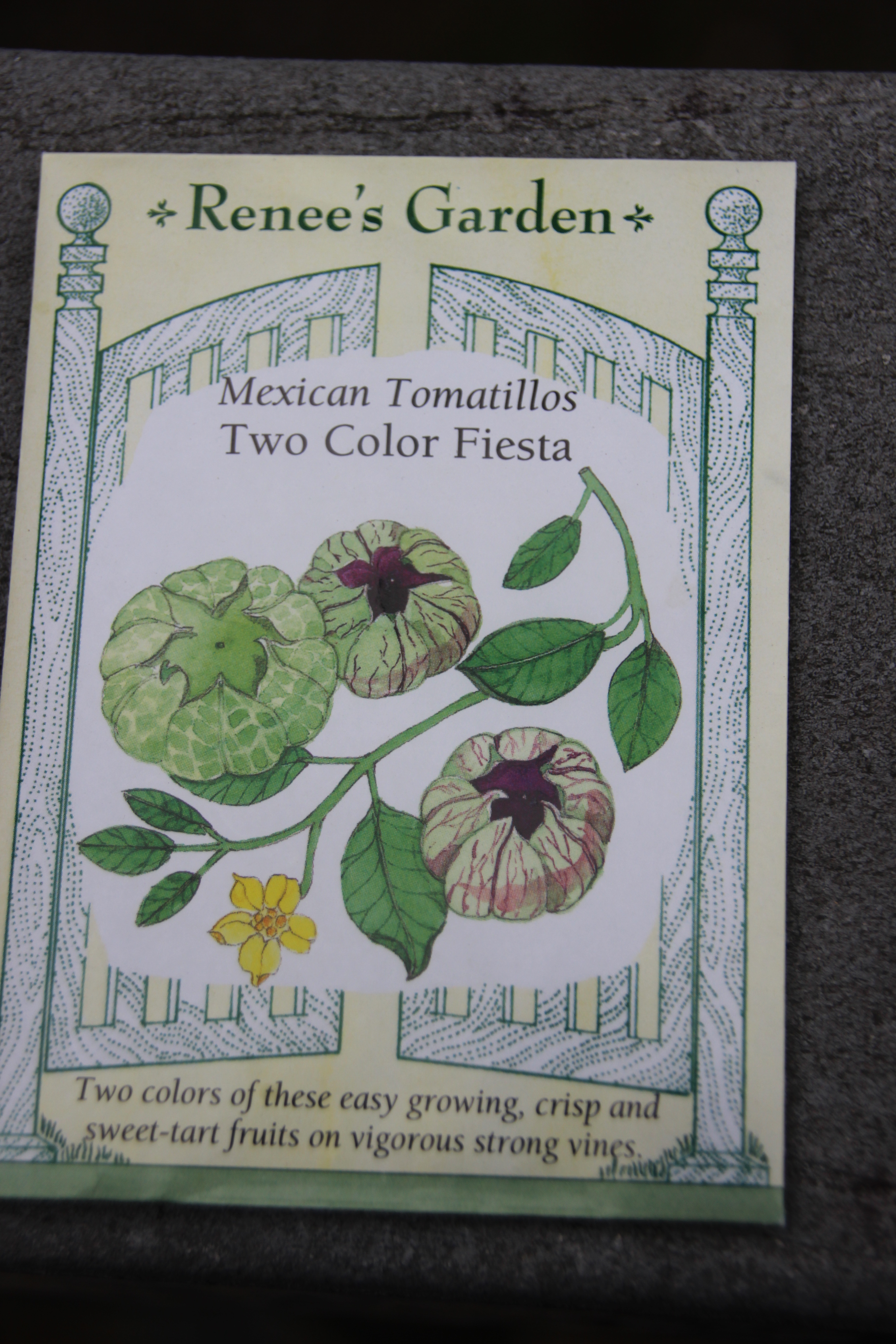
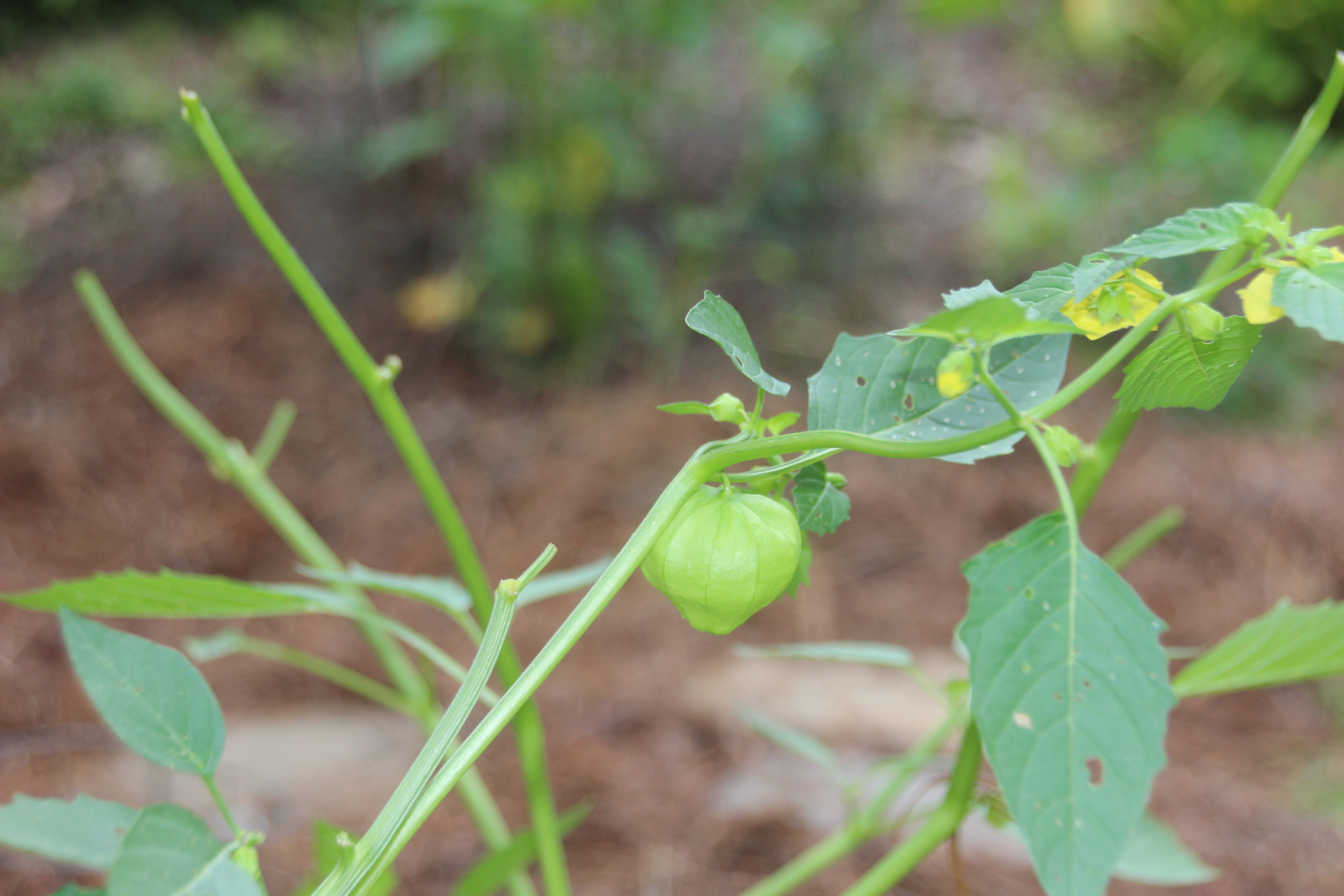
I grow tomatillos every summer for the chipmunks. They climb up the plants and shake the fruit down. I love watching this trick. My usual supplier did not have any, so I had to grow them from seed.

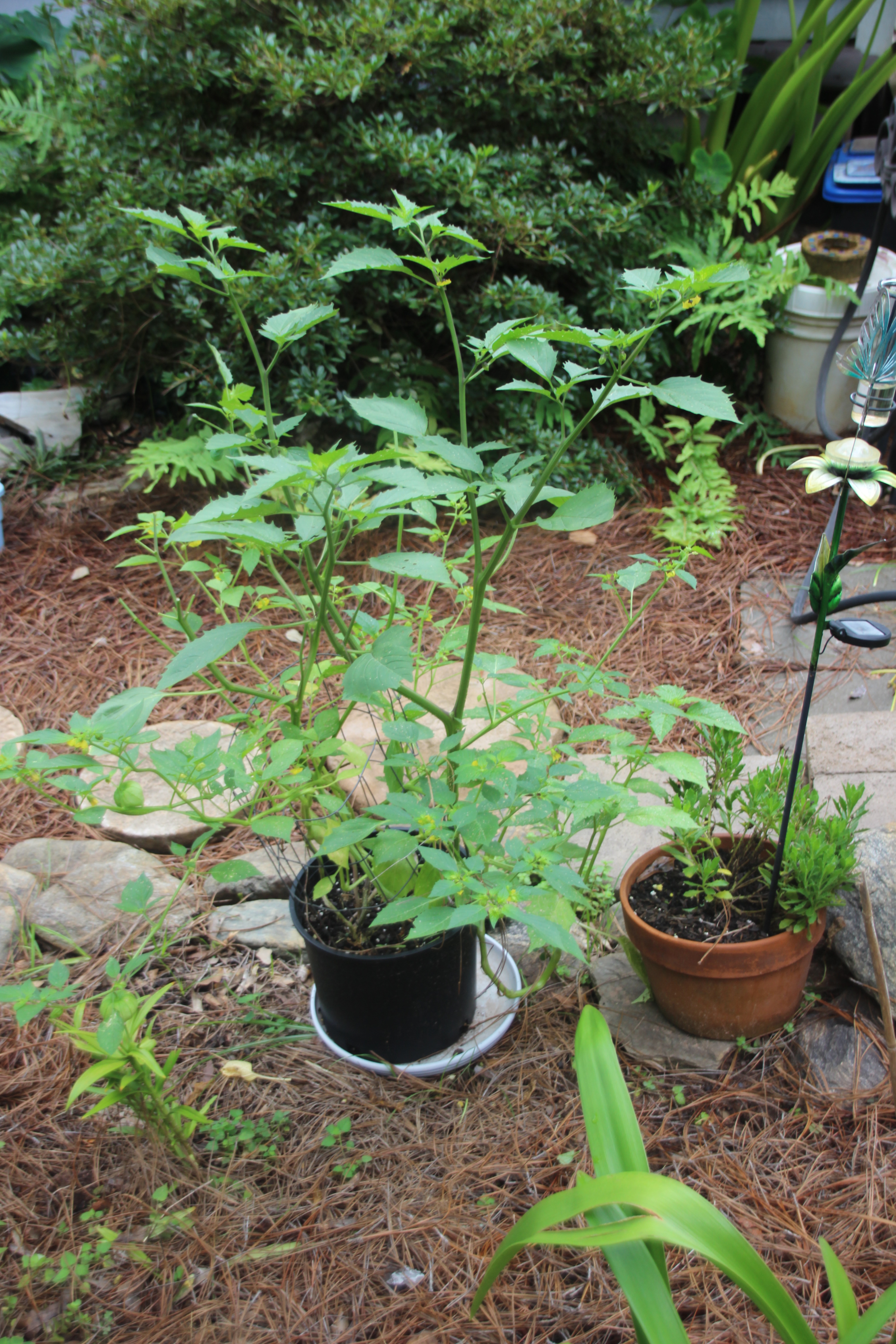
Growing these plants has taken months of babying, watering and staking. I finally put most of the potted plants in the ground last weekend.

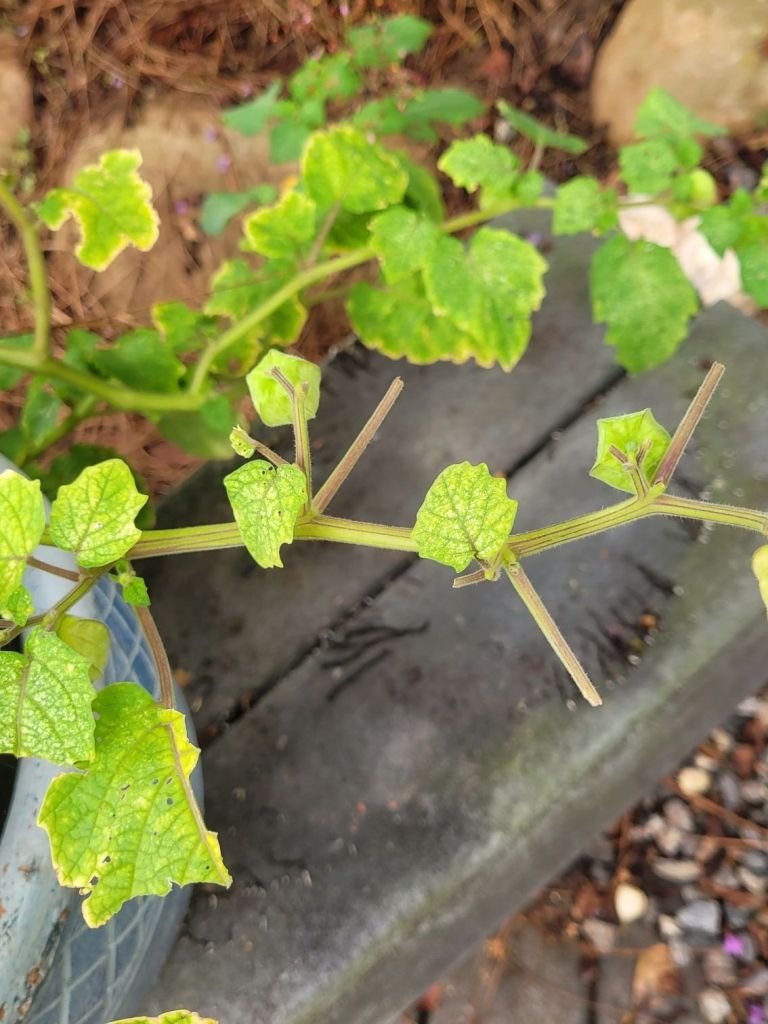
They started disappearing on Monday. It happened so fast I thought the deer had eaten them. The twigs and fruit were left, but the leaves were gone.

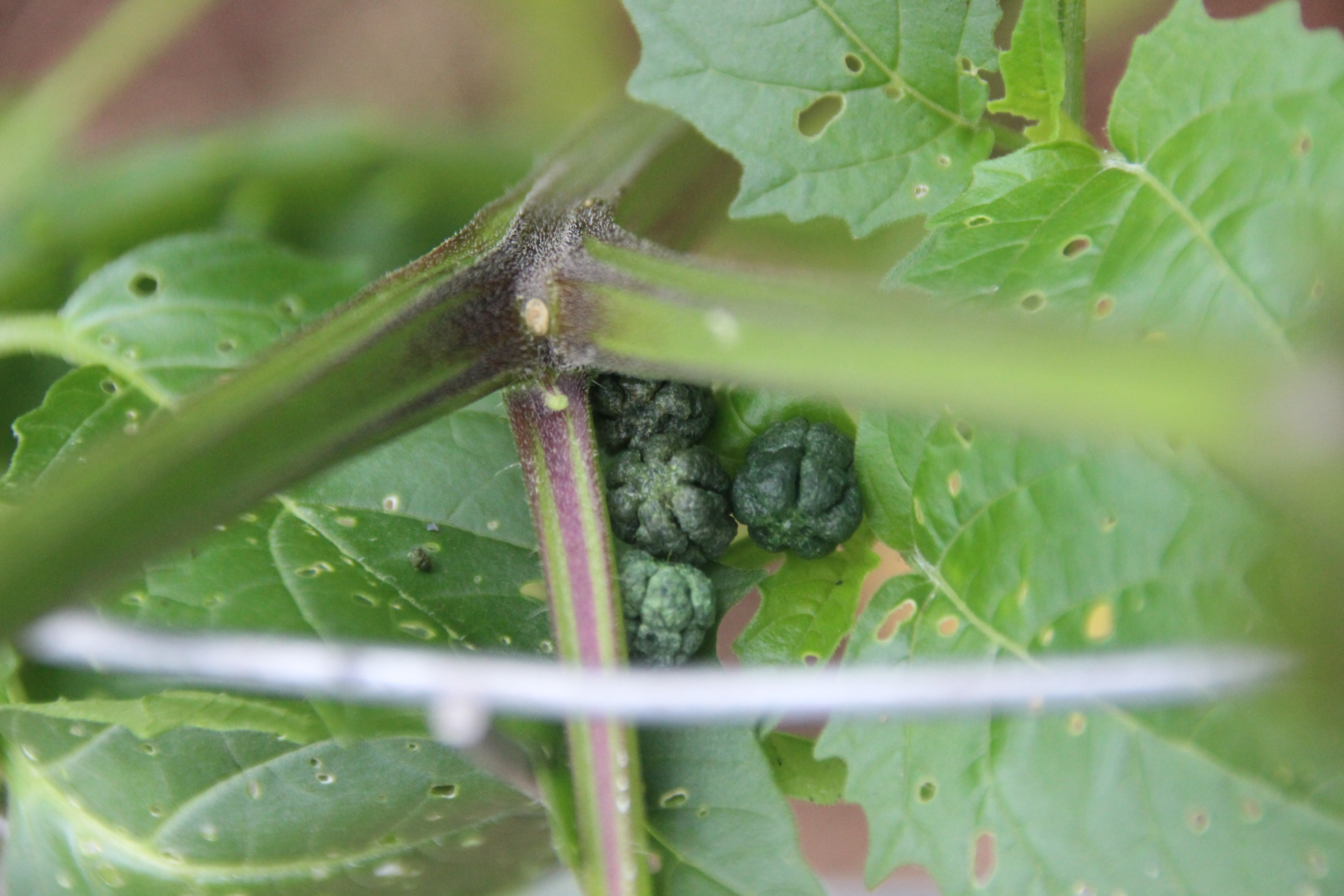
Evidence was examined.

The culprits had the nerve to continue eating right there in front of me.

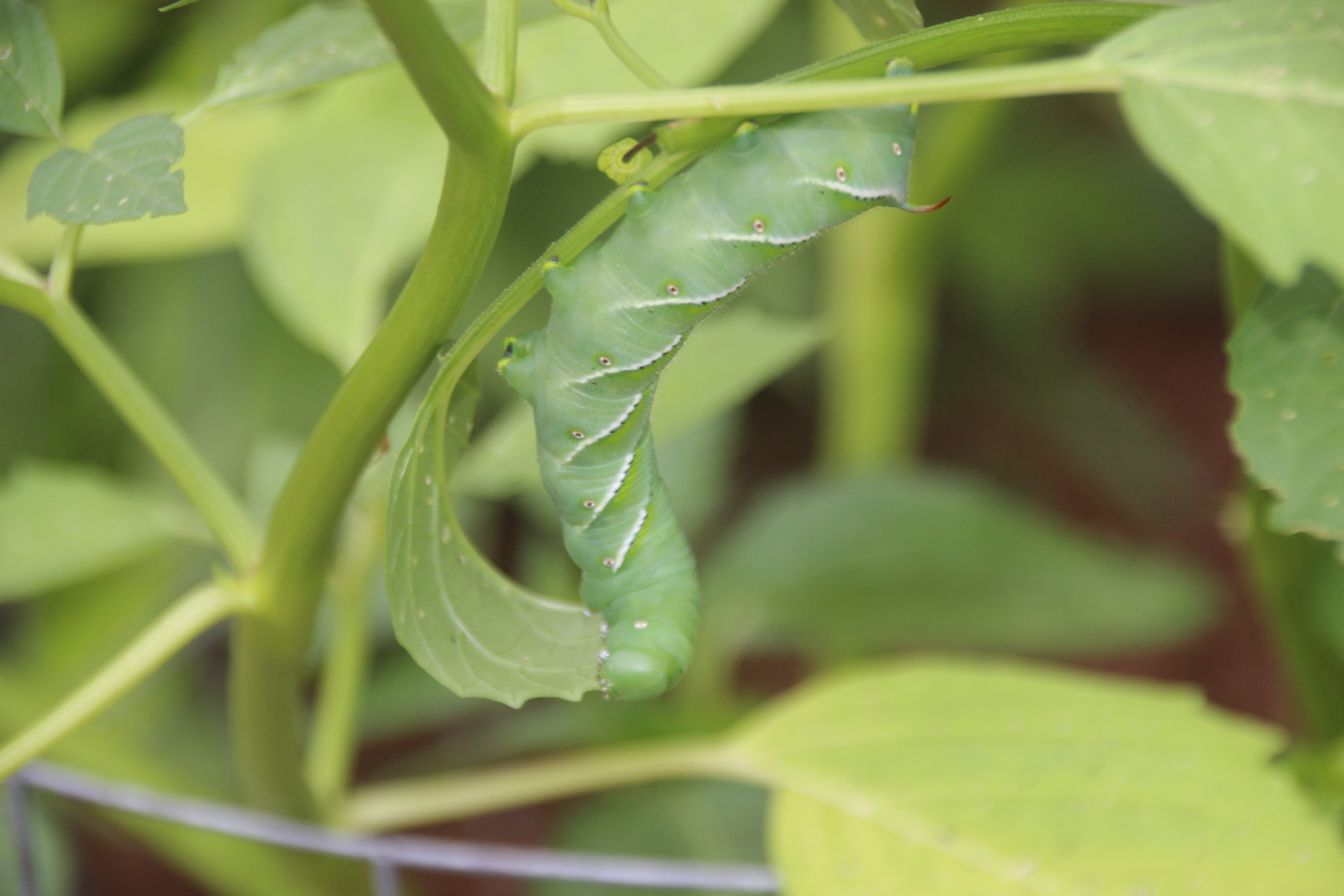
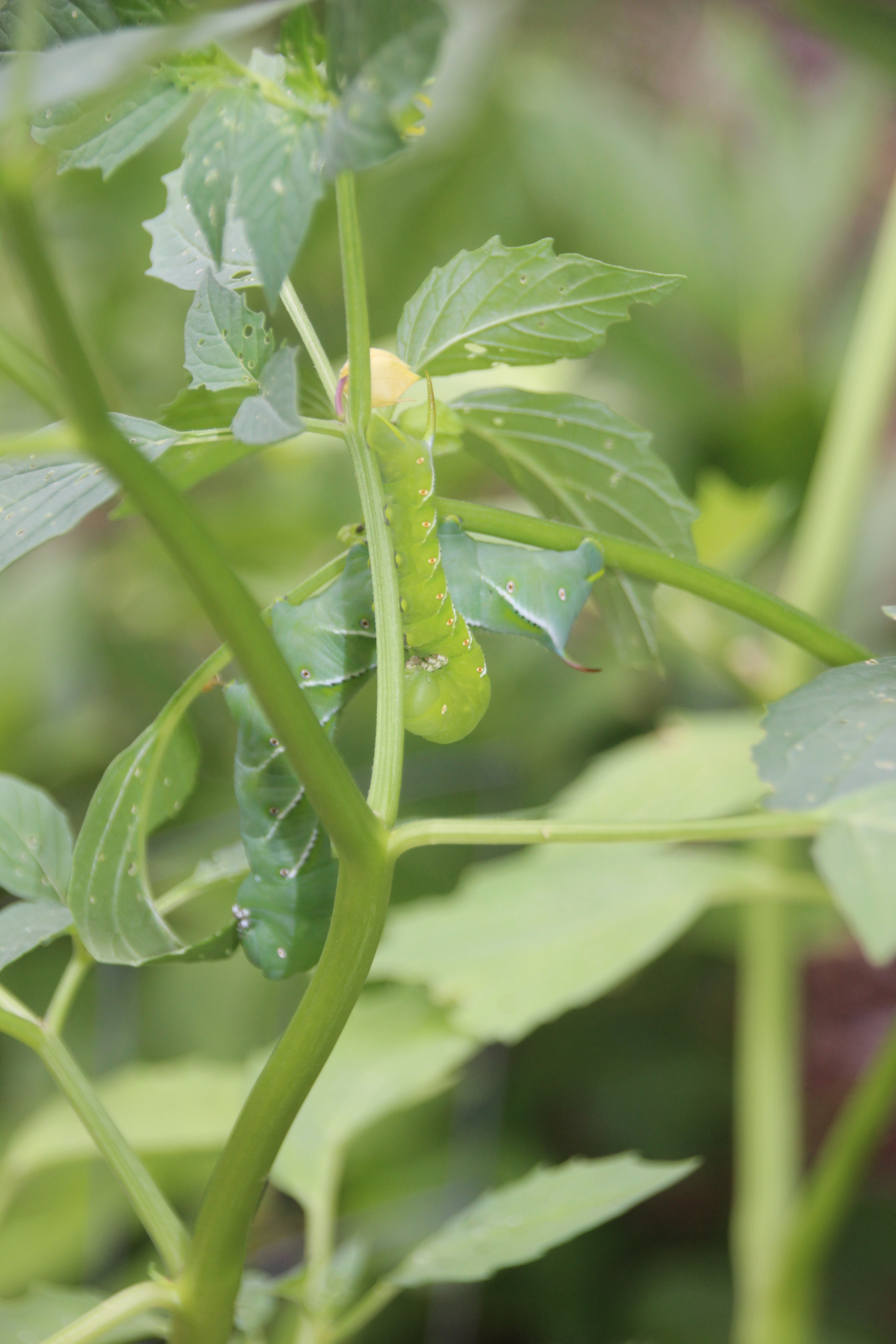
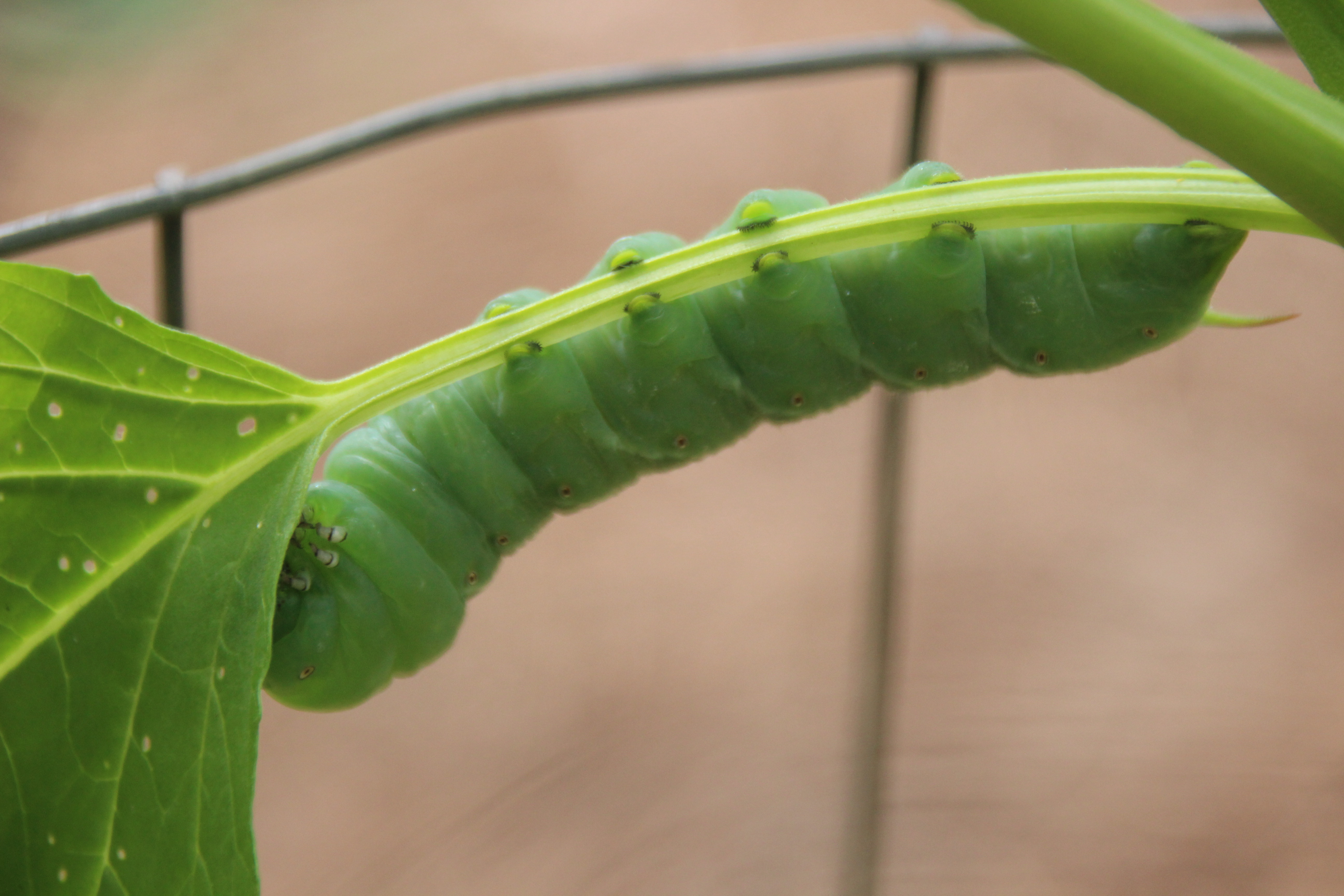
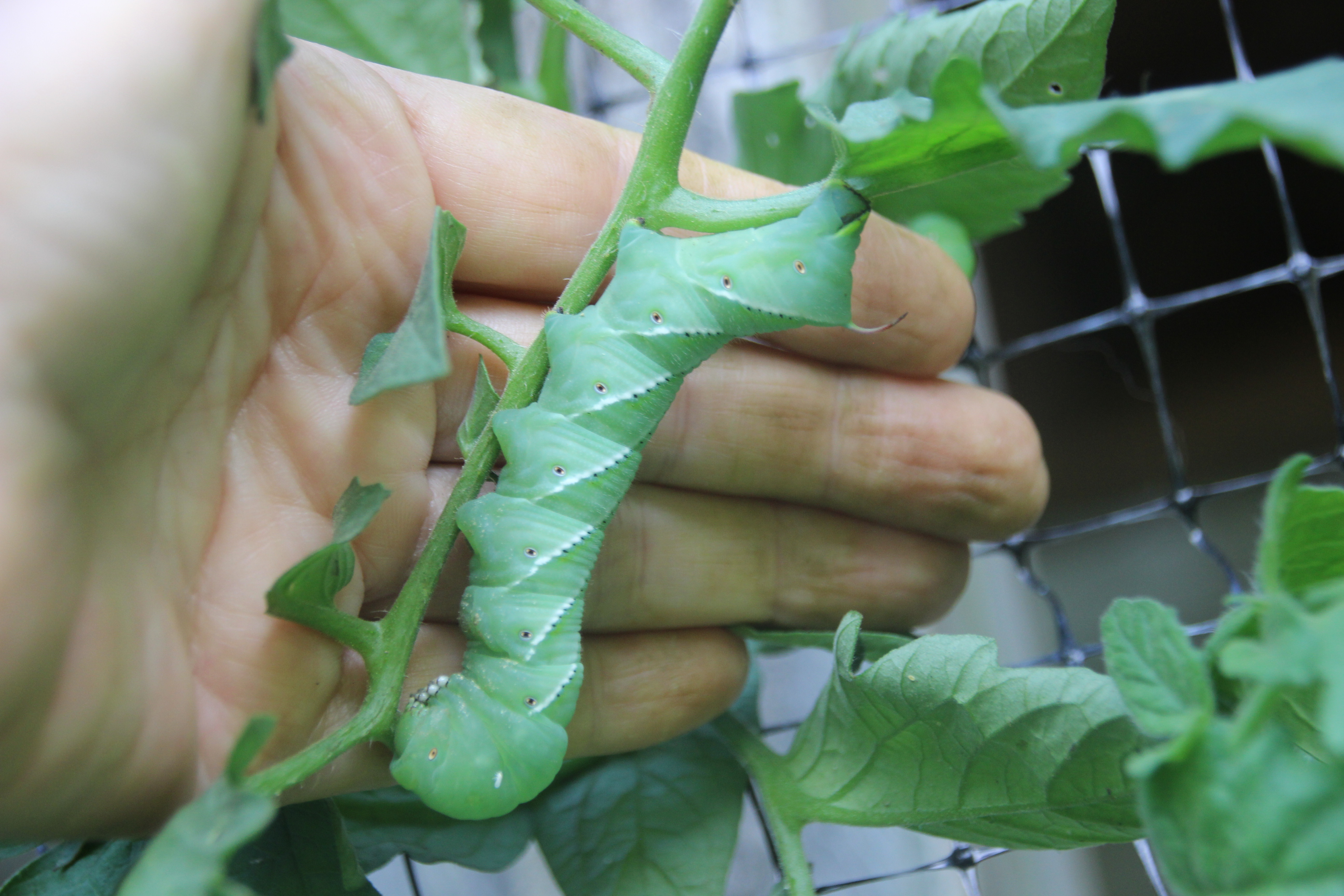
There were numerous Tobacco Hornworms on each plant. They hang upside down to eat.

Grasping the petiole with their back legs and gripping the leaf blade with their front little legs.

They munch away with their tiny mouths.

Okay, so I planted these Tomatillos for the chipmunks and now they are being eaten by caterpillars.

I am hoping for a lovely crop of Carolina Sphinx moths this fall. I have planted a patch of Four-o’clocks just for them.

FLOW

On Golden Pear

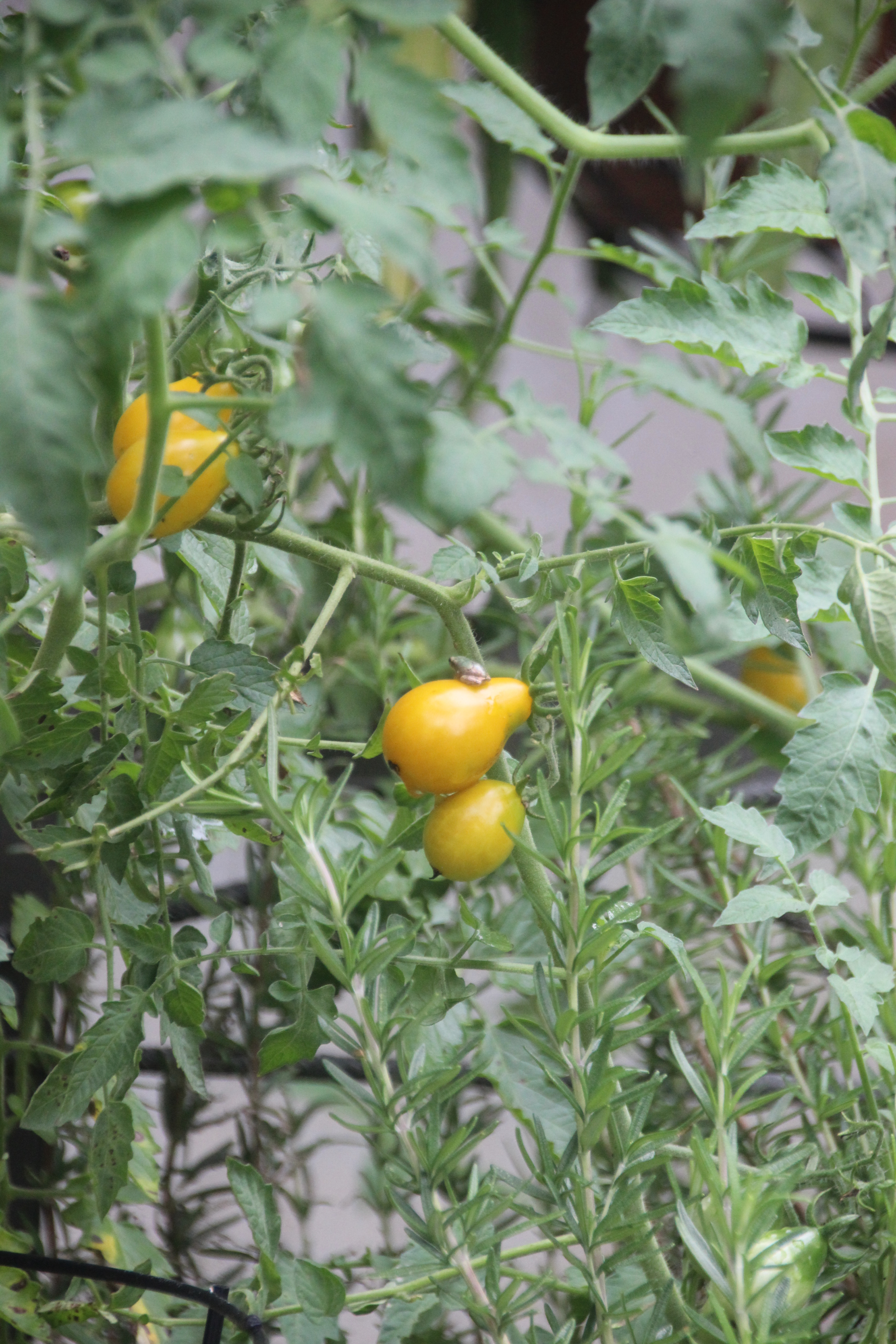
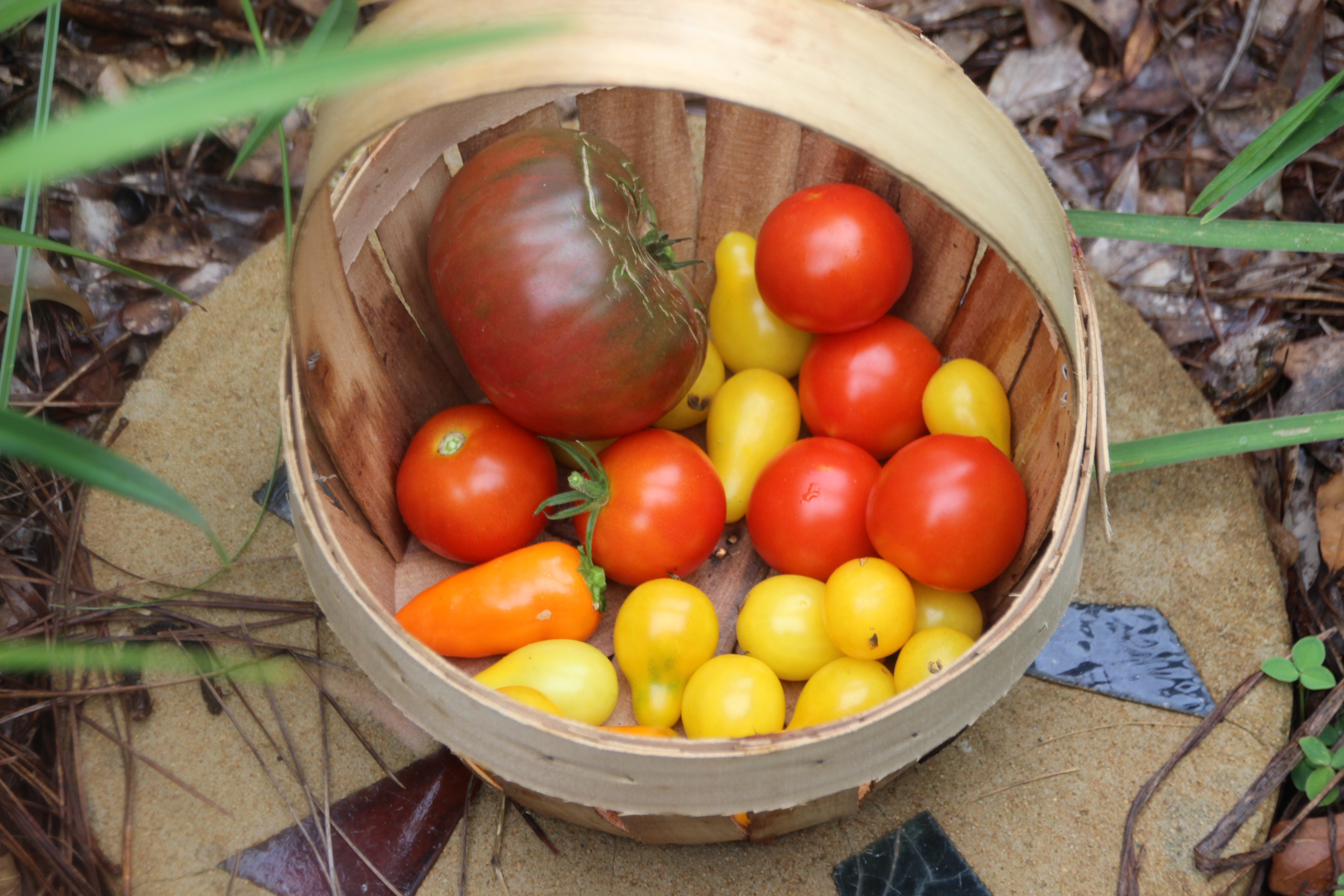
I spend a lot of time outside every day. I am usually too wet and dirty to go inside for a snack, so I grab a hand full of Yellow Pear tomatoes.

I call them Golden Pear because it is so much more poetic. These tomatoes are the perfect size to pop in your mouth. They are not too acidic to eat alone.

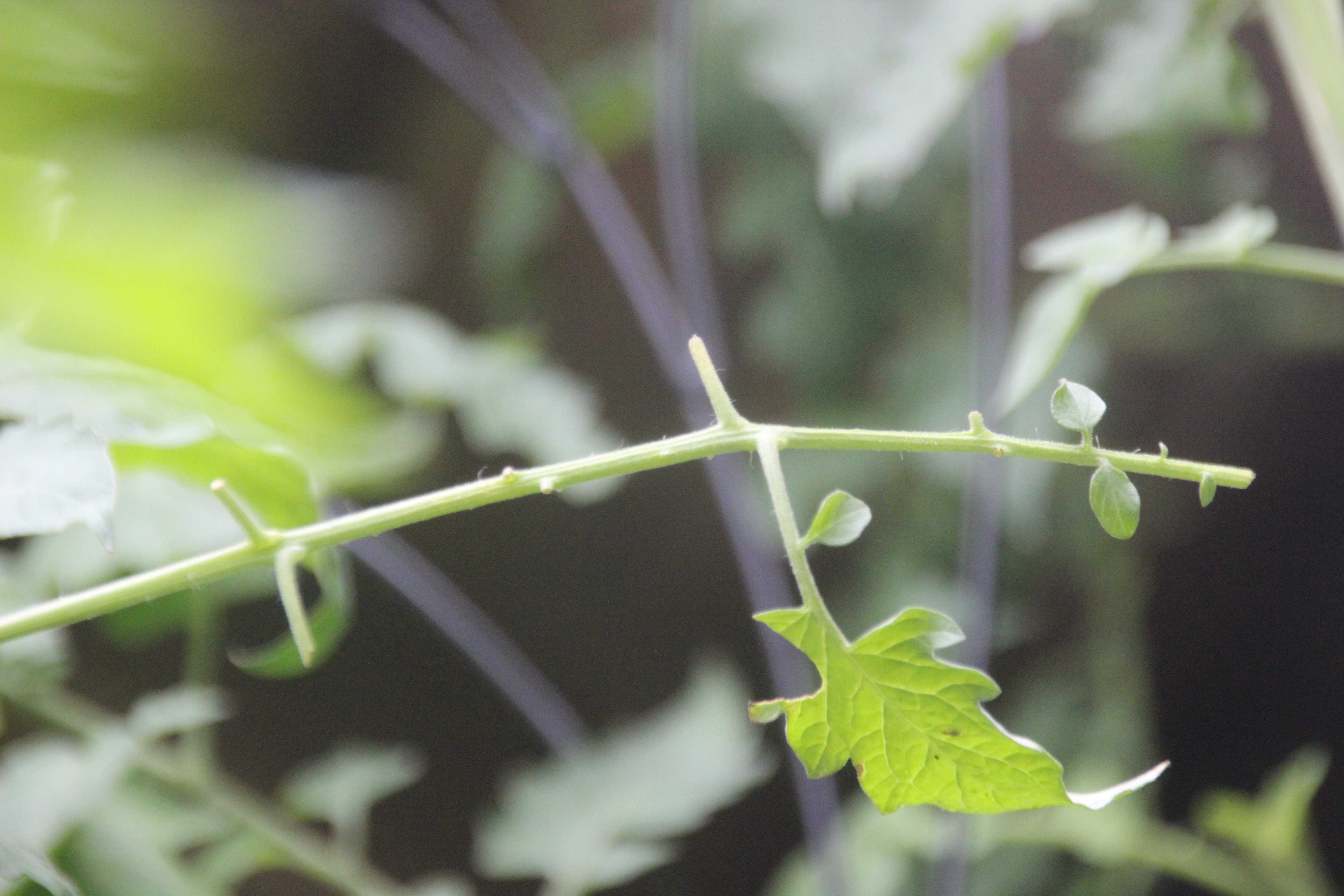
This morning I started to pick a snack and noticed signs of another snacker. Missing leaves and frass(poop) means caterpillars.
The expected suspect was the Tomato Hornworm/ Manduca quinquemaculata. I searched and search for the expected intruder, only to discover many other visitors on Golden Pear.
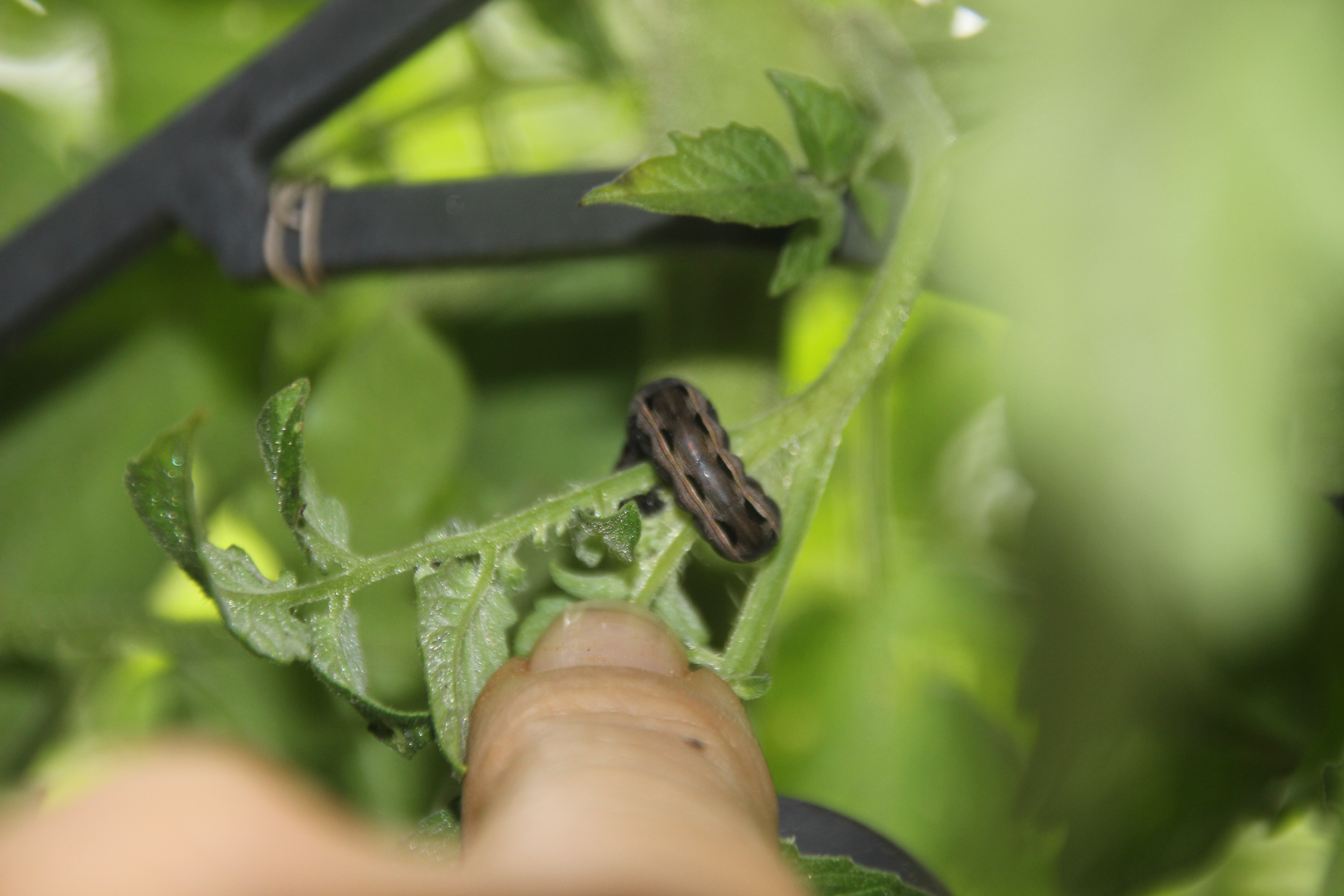
I first found a brown caterpillar.
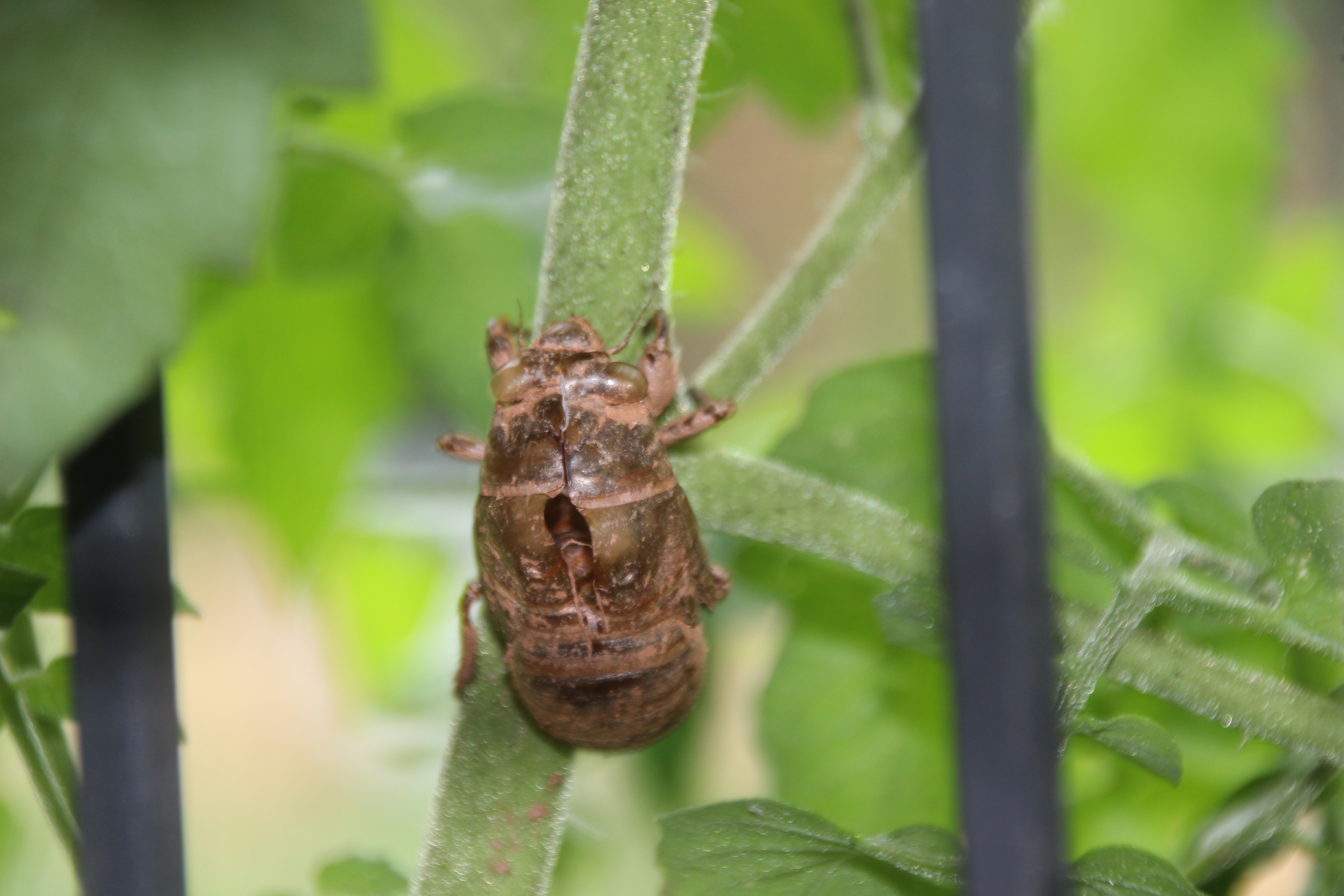
Then an exoskeleton shed by a cicada.

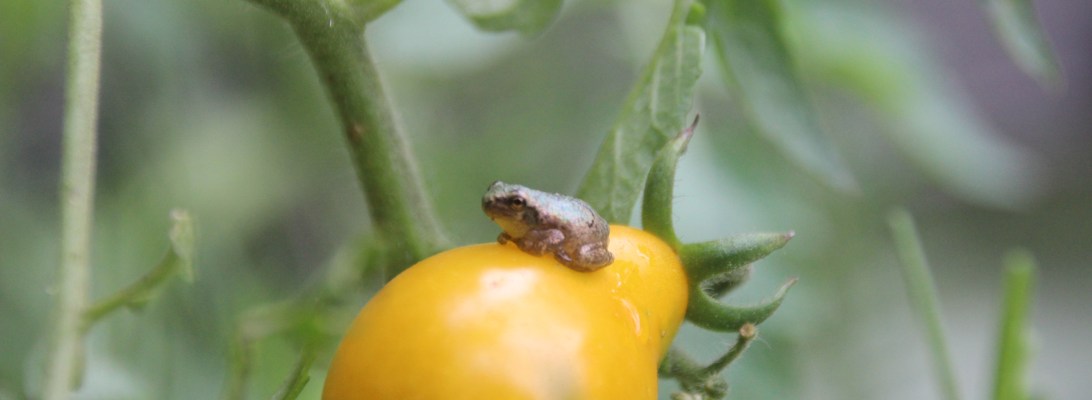
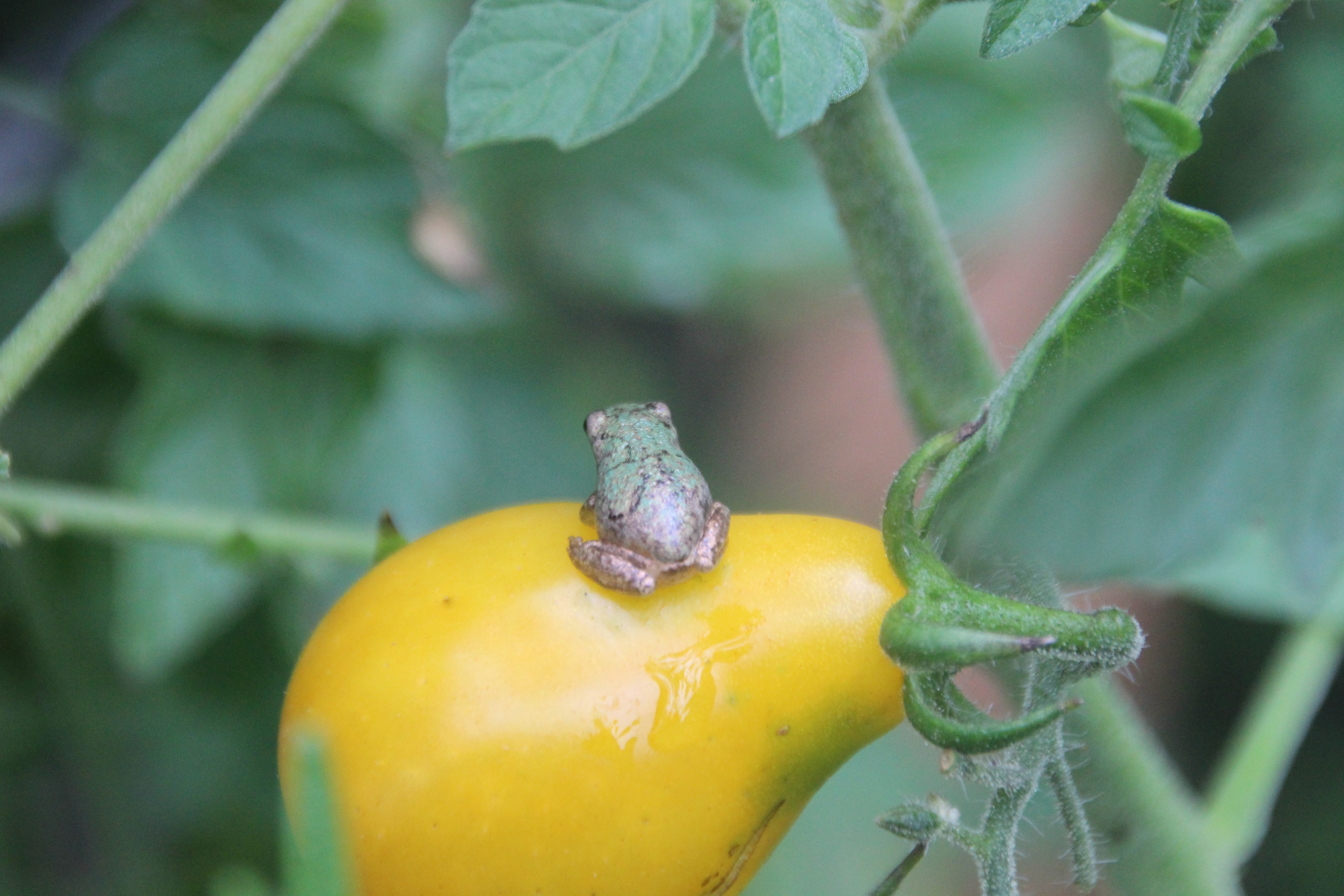
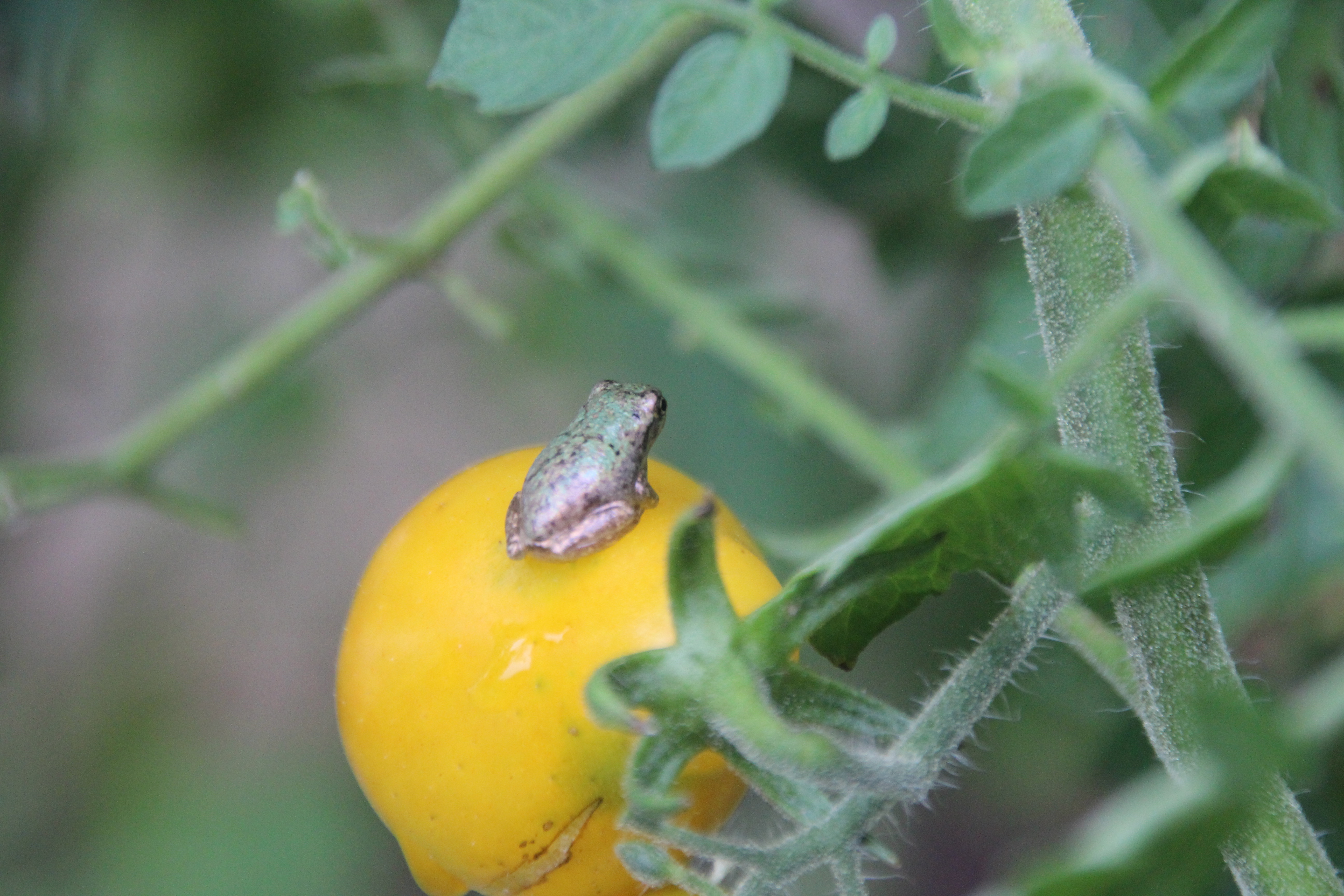
I almost picked this pear with a tiny frog on it.

No jewel could be more gorgeous than this tiny amphibian.

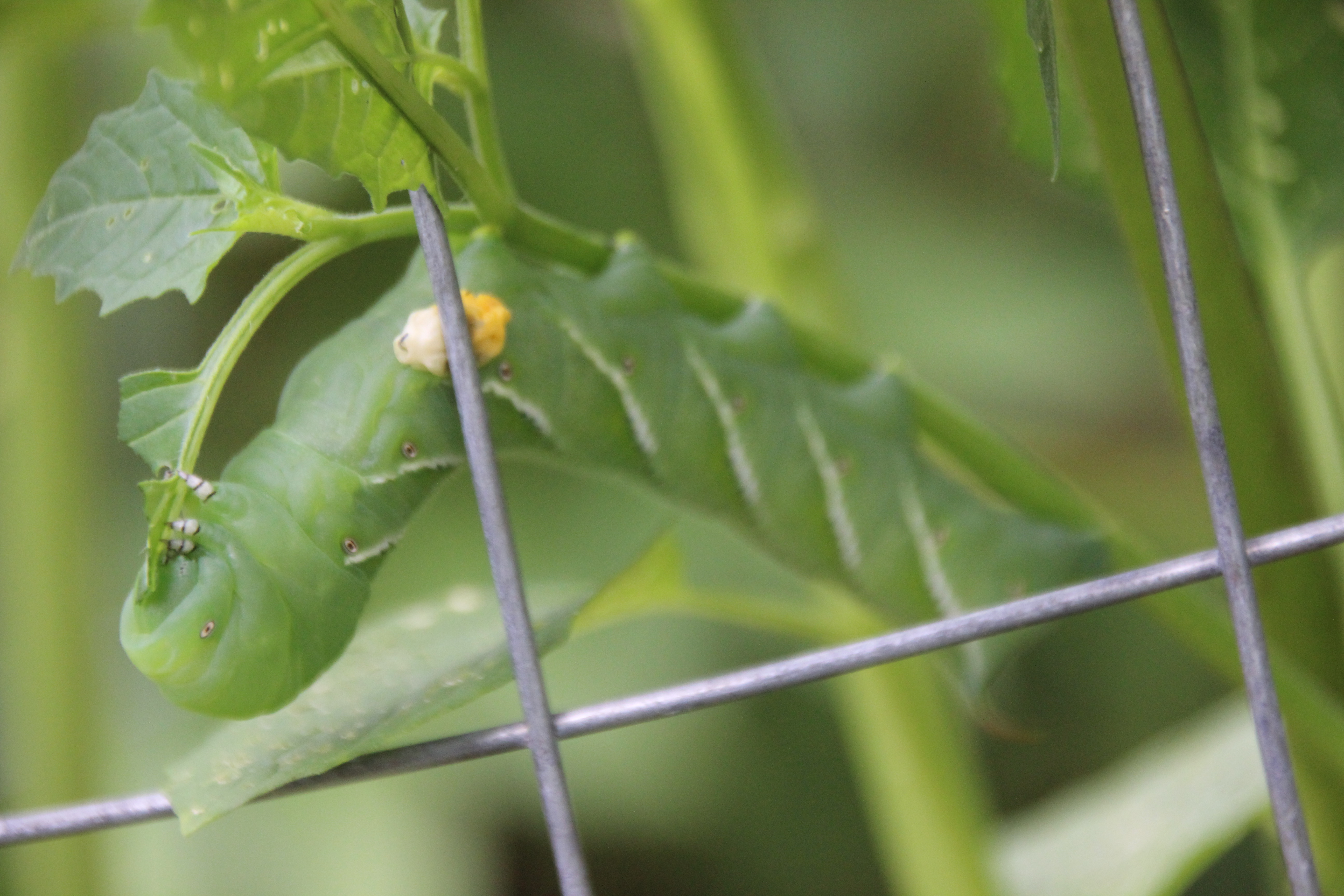
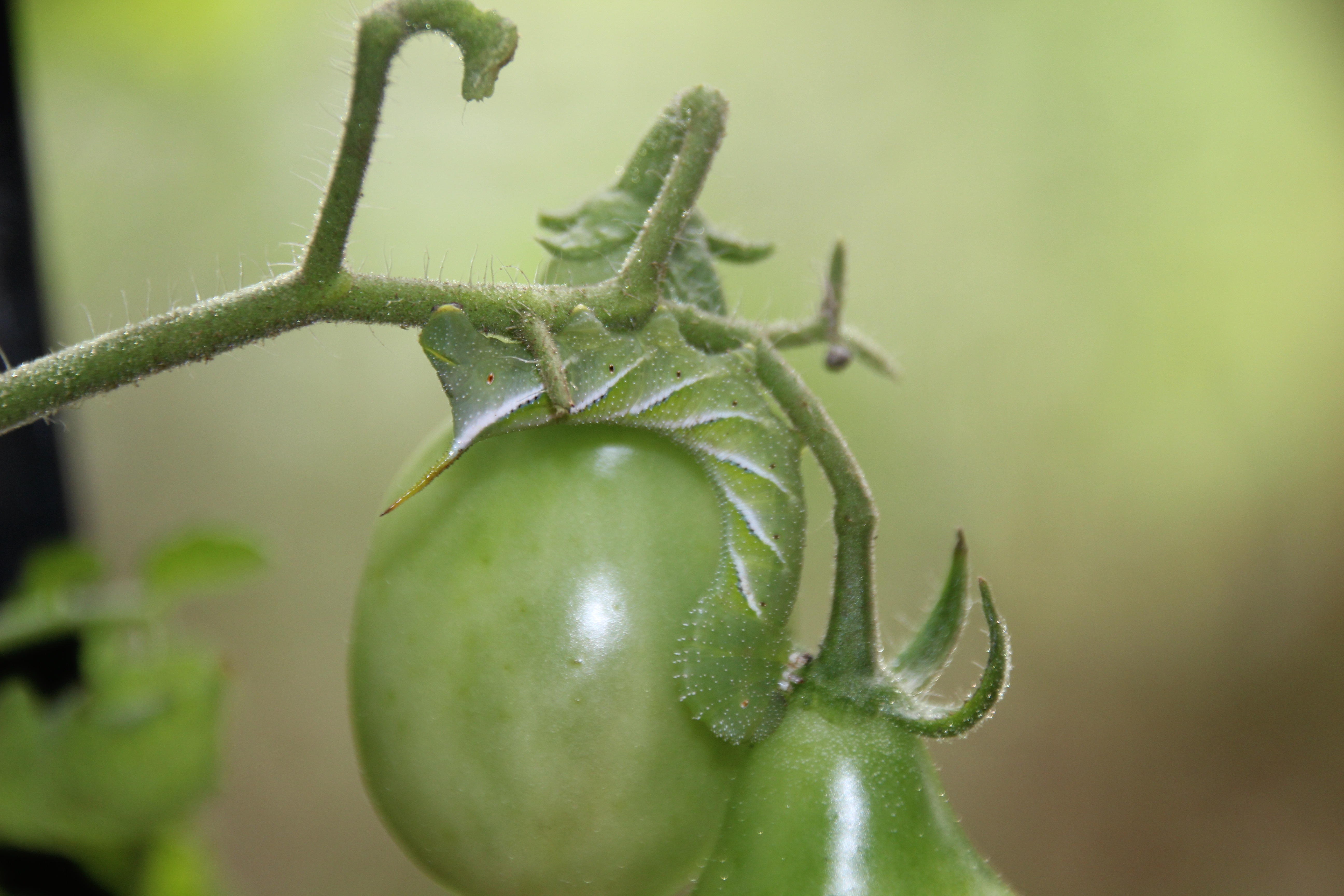
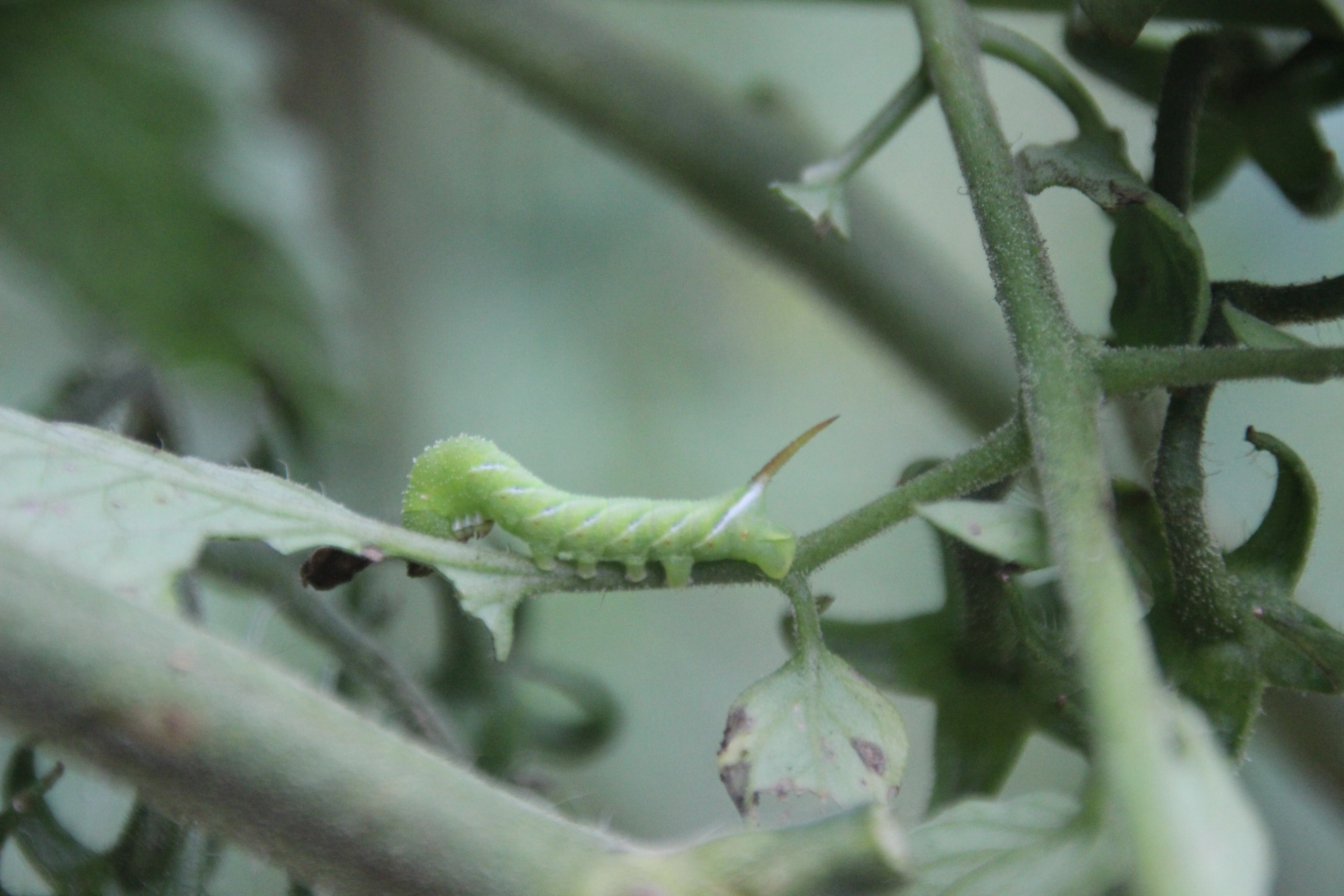
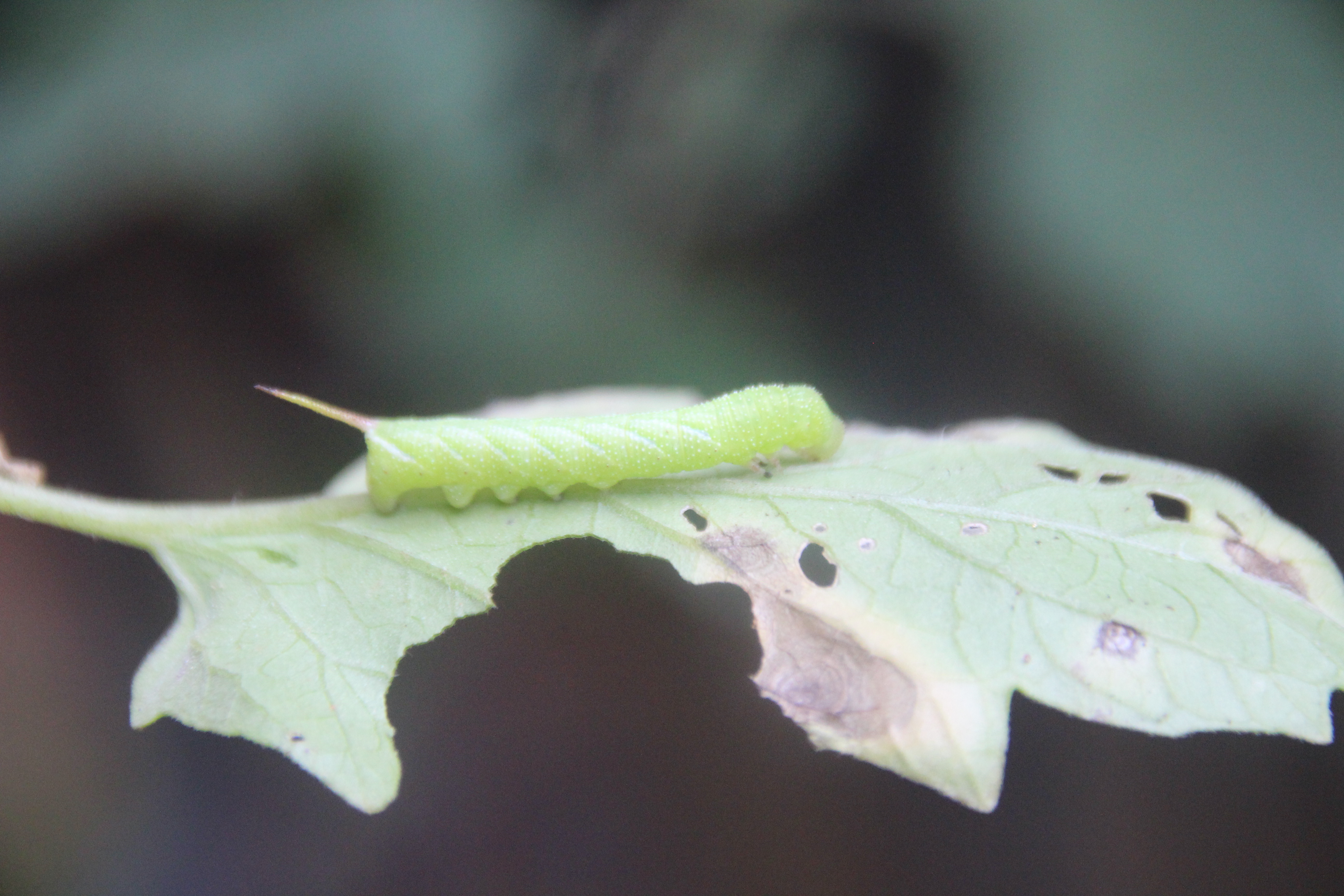
I finally located the suspected munchers.

There were three. They were smaller than I expected.

I even clipped one off the plant and had to put it back.

Hornworm caterpillar on eaten Yellow Pear tomato leaf

These caterpillars make lovely moths. I do not mind sharing my Yellow Pear tomato leaves.

Who knew there was all this life on Golden Pear?

FLOW

Hastily Clipping a Caterpillar

I did not mean to disturb my big, green friend. I was trying to prevent Mr. Flower from getting a head injury while mowing under the Vitex Agnus-Castus/Chaste tree. This tree is also called a butterfly tree. It has lovely purple blooms.

I rushed under the tree with my clippers. Mr. Flower complains if my plants interfere with mowers and air conditioning units. I have to be ever vigilant in my trimming.

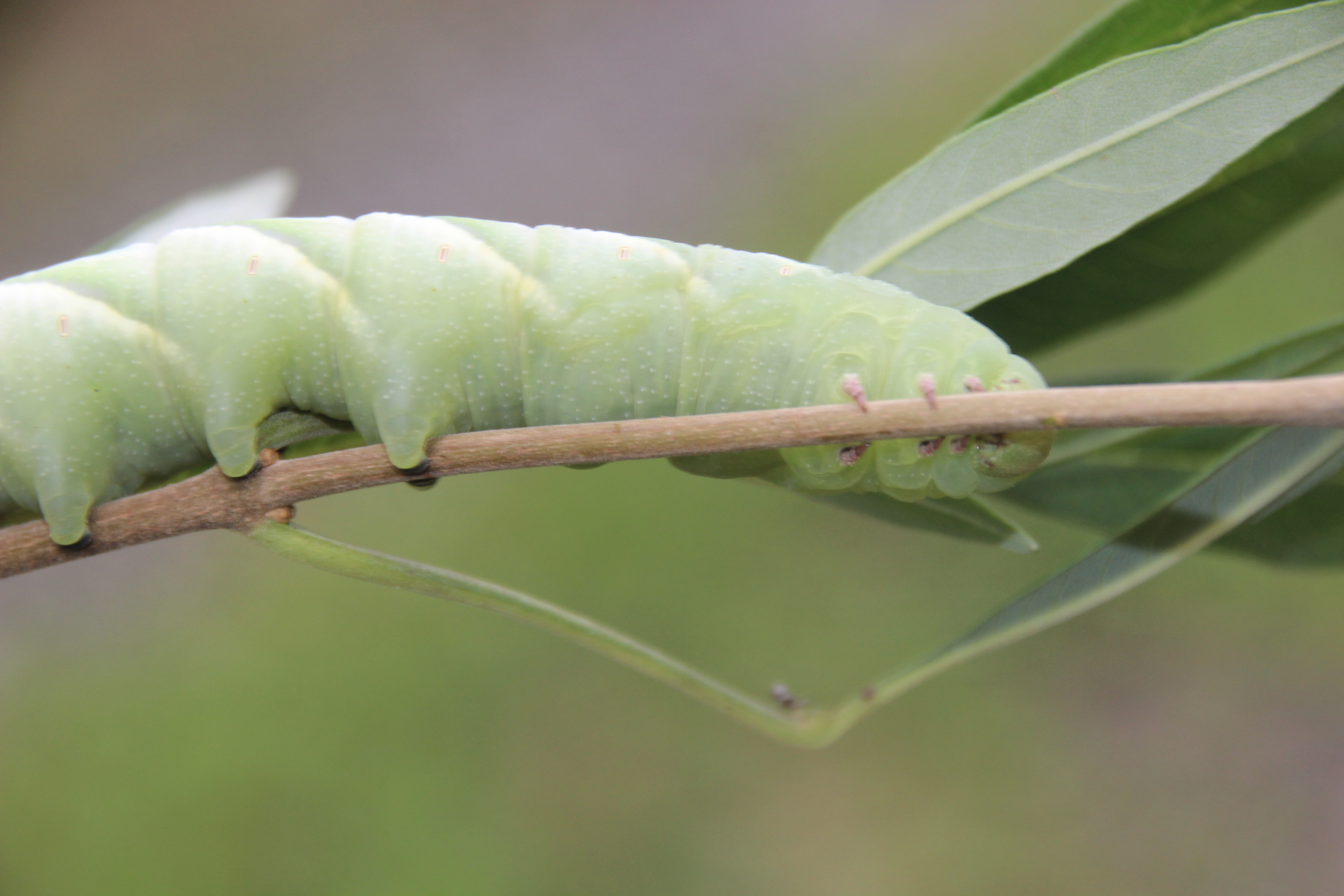
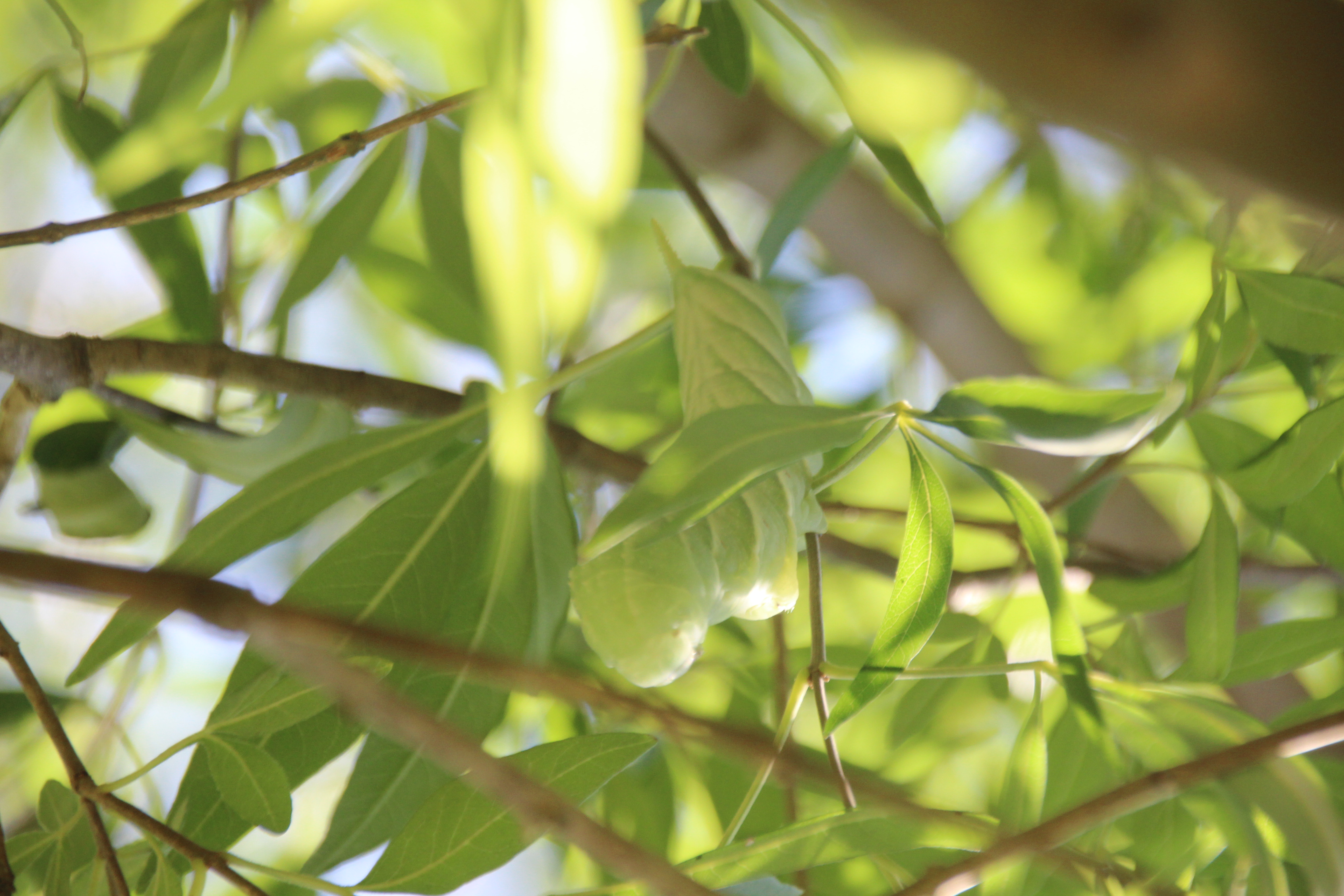
I did not notice the big, green caterpillar until I was placing branches on the burn pile. It looked similar to the “tomato horn worms” I find every year, only it was larger, had fewer markings and was more of a wintergreen than a bright green.

Copper Underwing Moth Caterpillar/ Amphipyra pyramidea

I had to do some research to identify my new friend. It is a Copper Underwing Moth Caterpillar. I have never seen one before. I hoped I had not wiped out a rare insect with my hasty clipping.

I tried to remedy my wrong by placing the chopped branch back in the tree. Hours later the foundling was still stubbornly clinging to its dying branch. I was fearful that it would wither up and die with its perch.

After almost twenty-four hours of worry, I finally noticed it had moved onto a higher branch in the tree. What a relief!

Now I will watch and see if it is there to munch or go through metamorphosis.

Flow

Through Purple to Orange

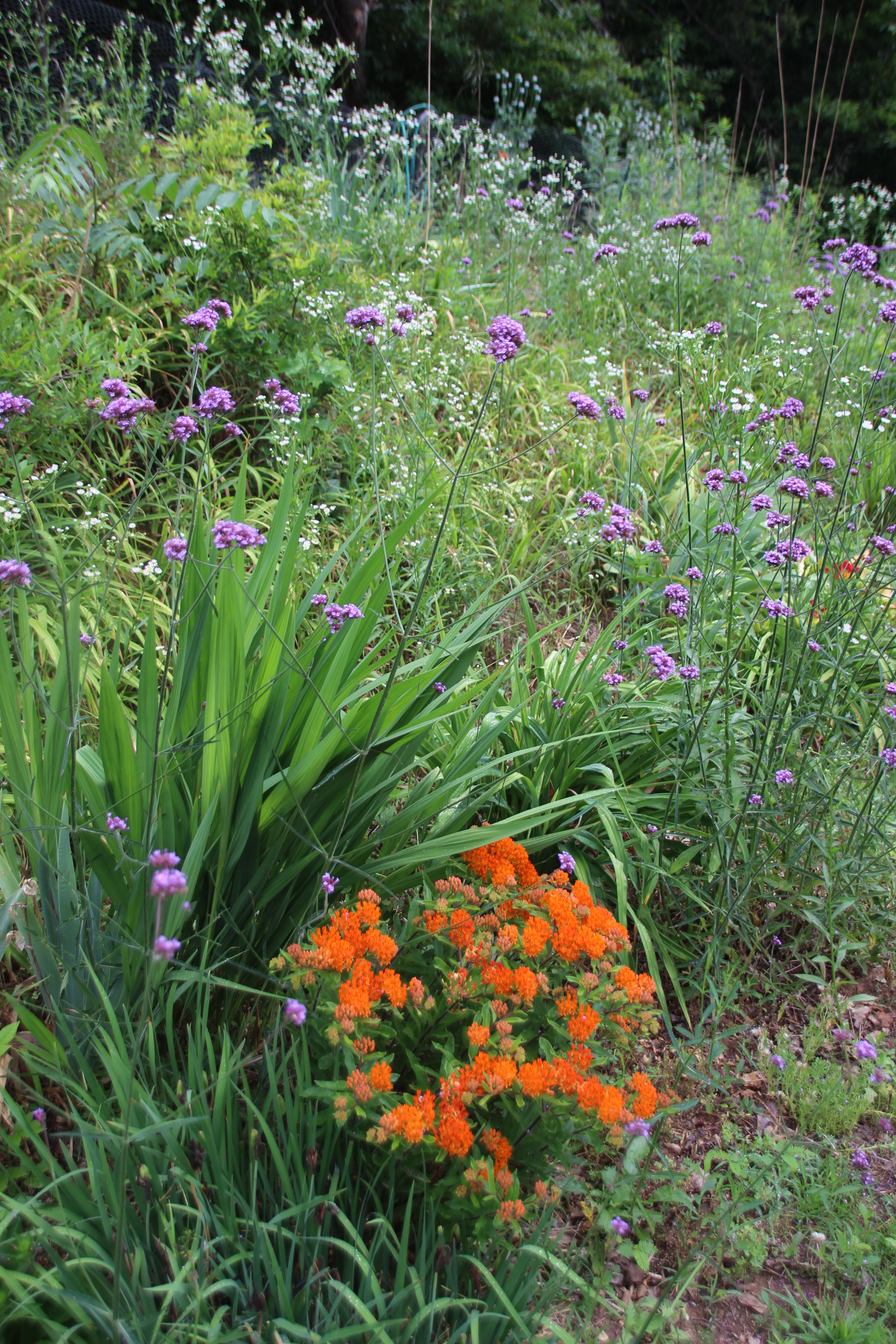
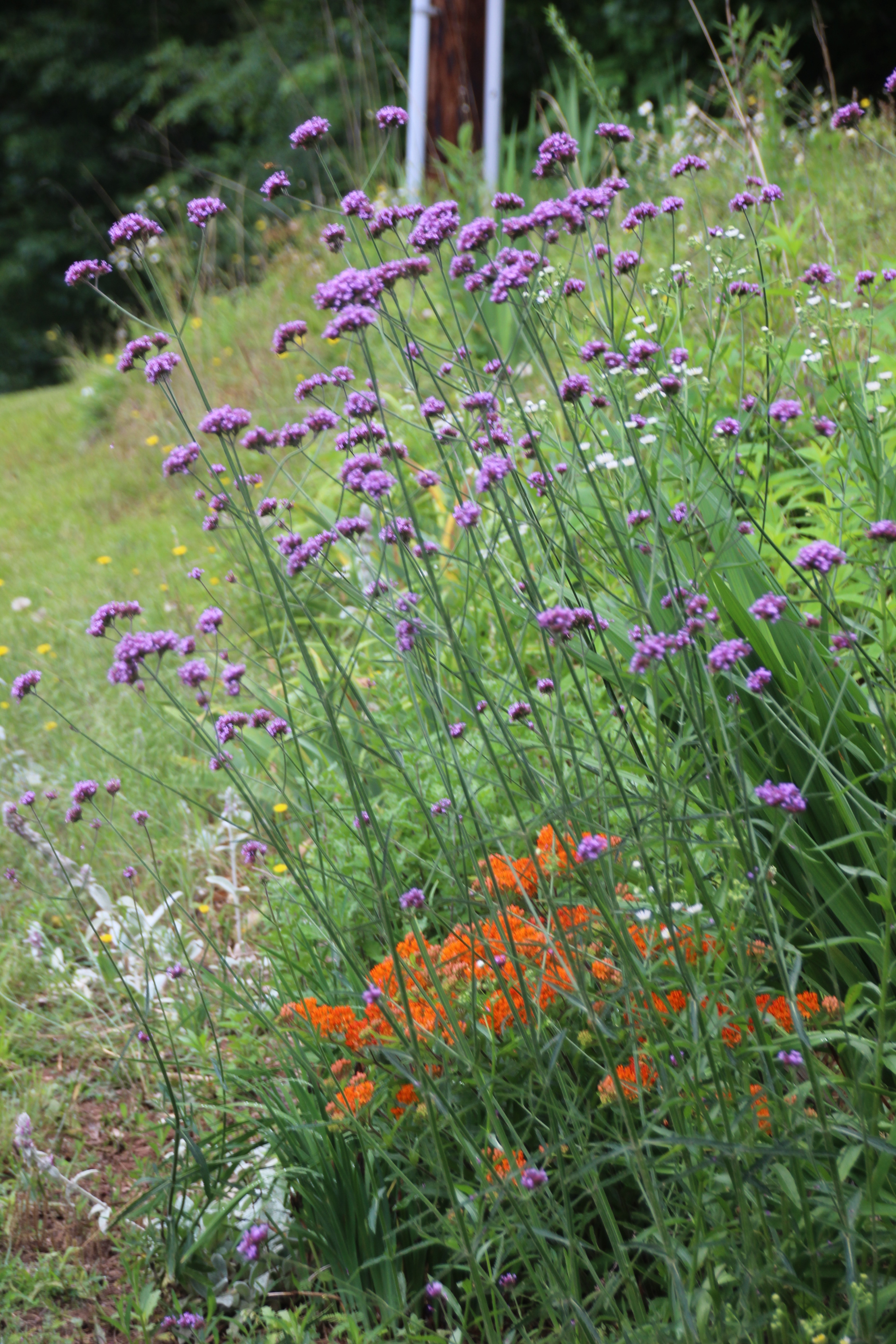
I love this combination. It is colorful chaos and breaks rules.

Maybe that’s why I love it.

The tall Verbena bonariensis should be in the back, but it moved to the front.

Verbena bonariensis

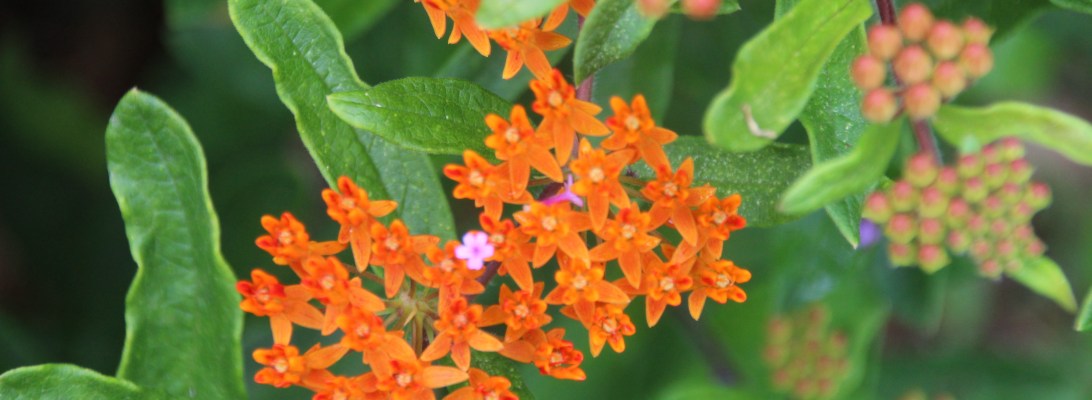
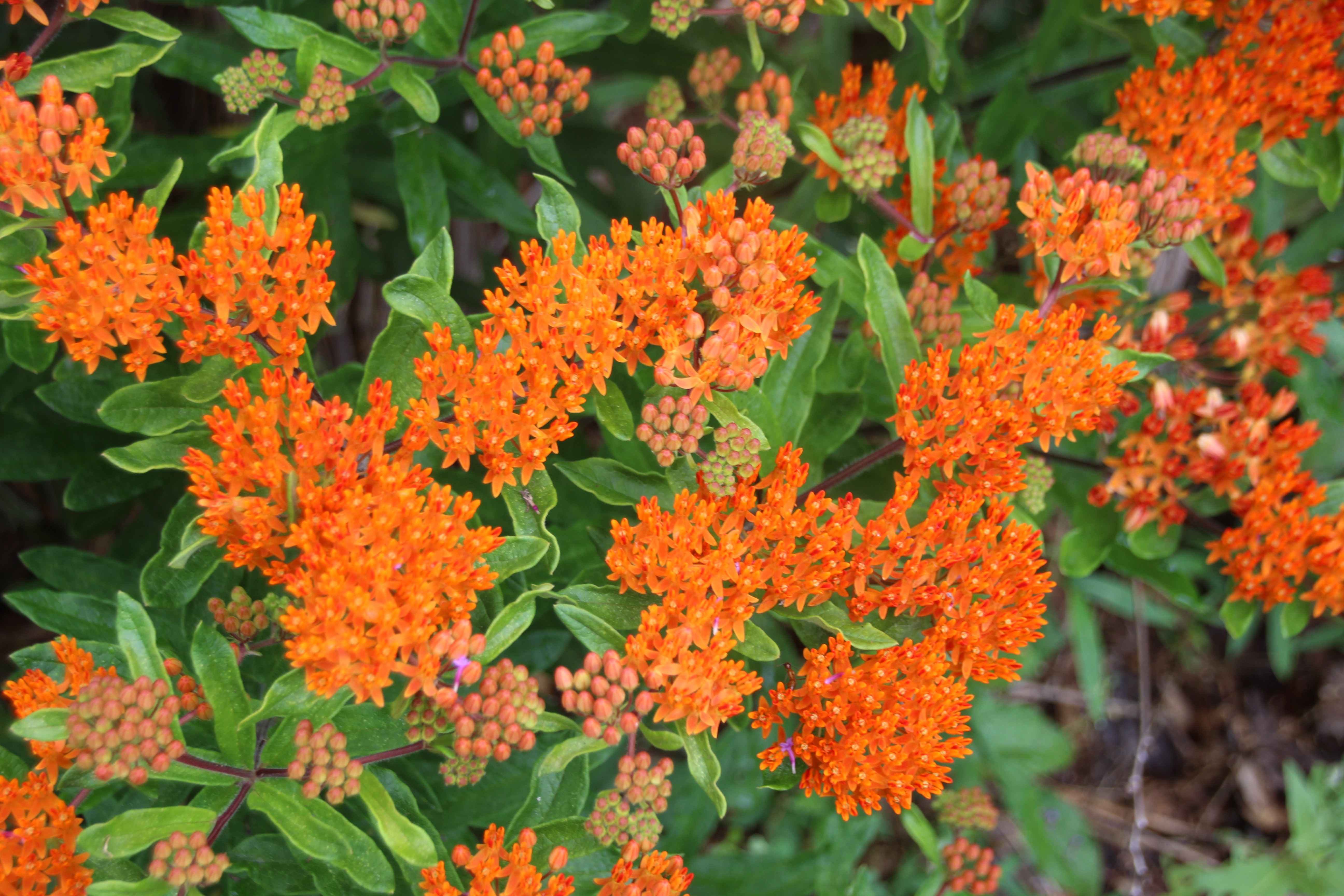
At least Asclepias tuberosa has stayed in it’s place.

Asclepias tuberosa / Butterfly weed

I noticed some tiny brown grenades (frass) on its leaves.

Follow the poop to the pupa.

I am happy to see these.

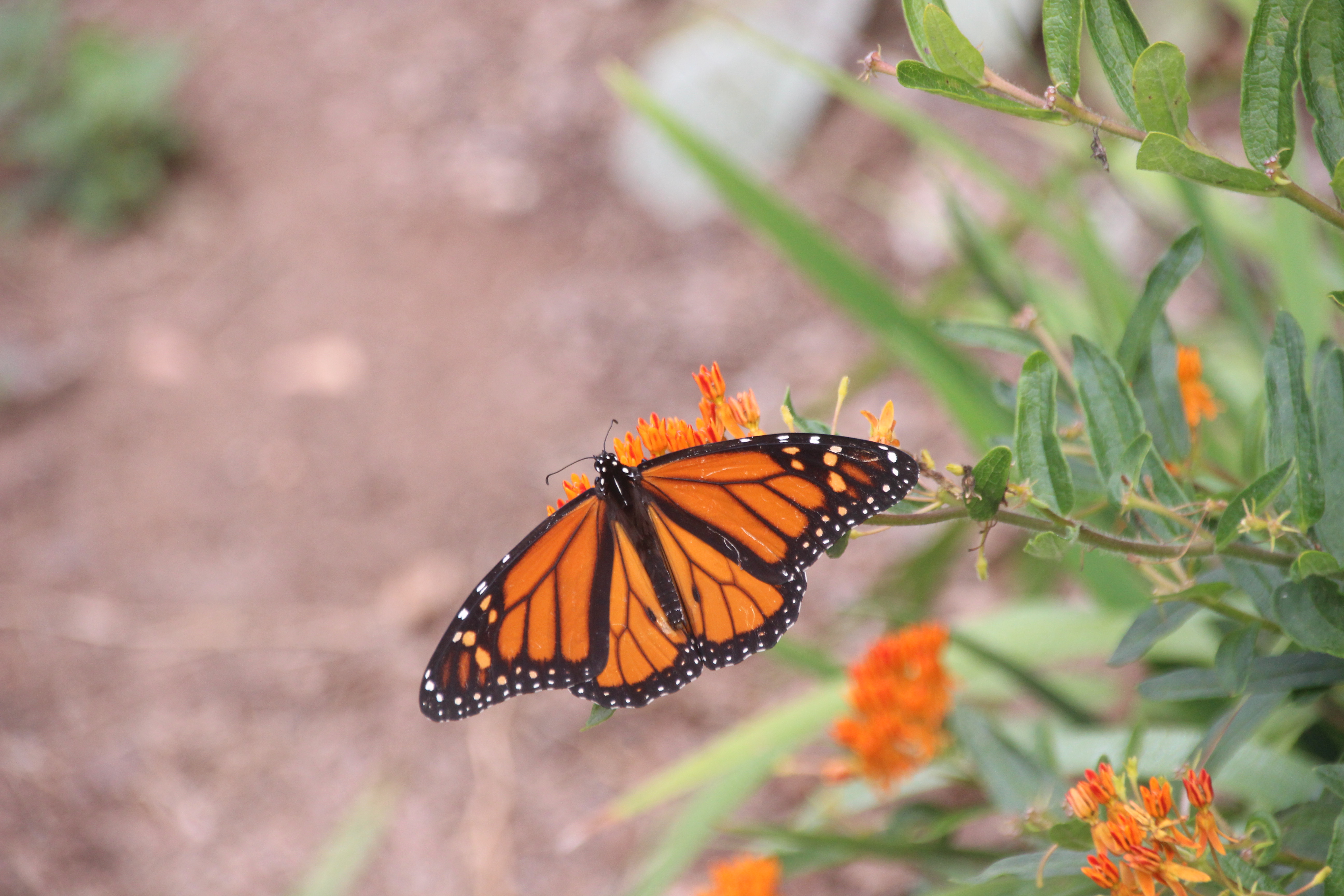
They will by Monarch butterflies in a bit.

I consider butterflies airborne flowers.

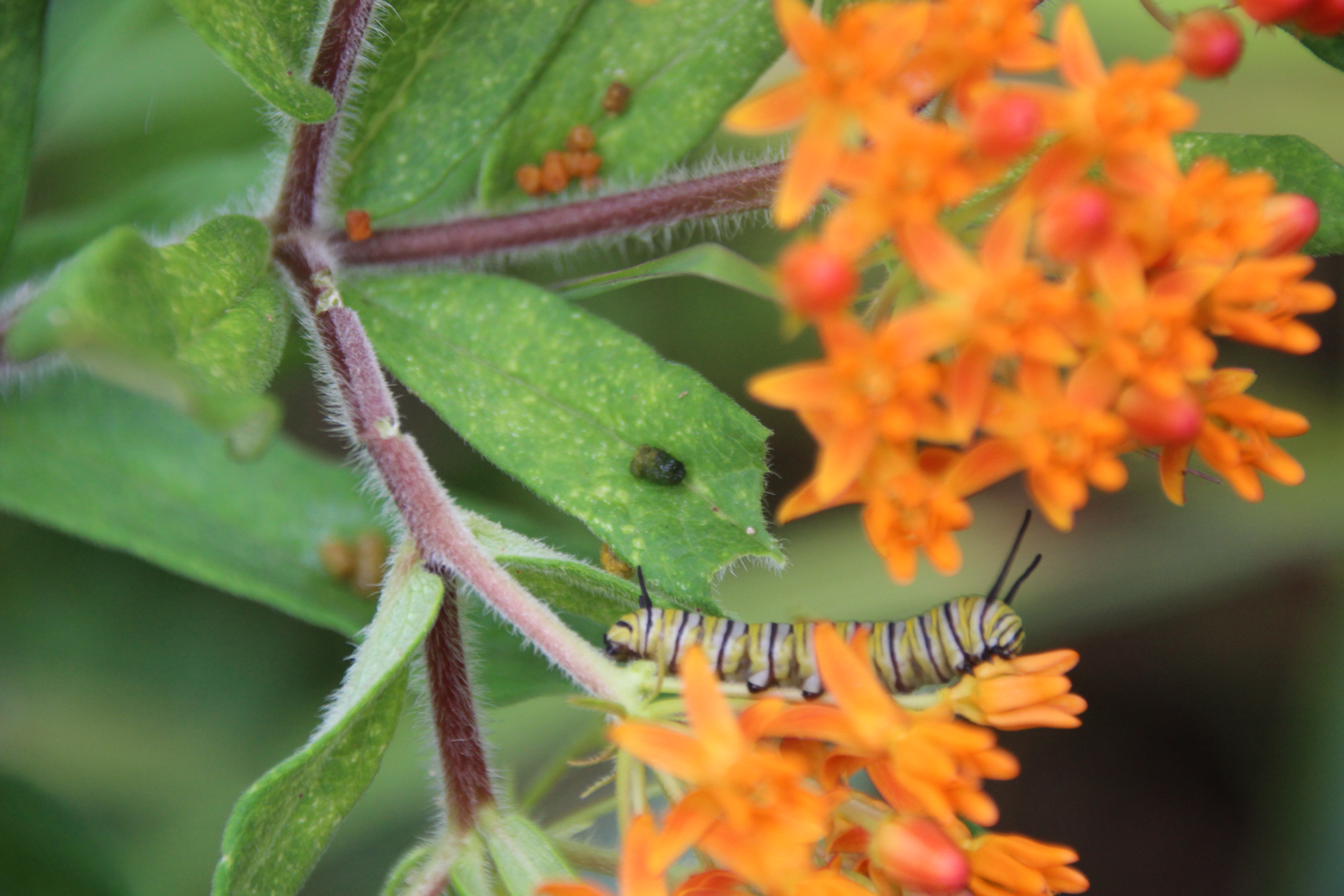
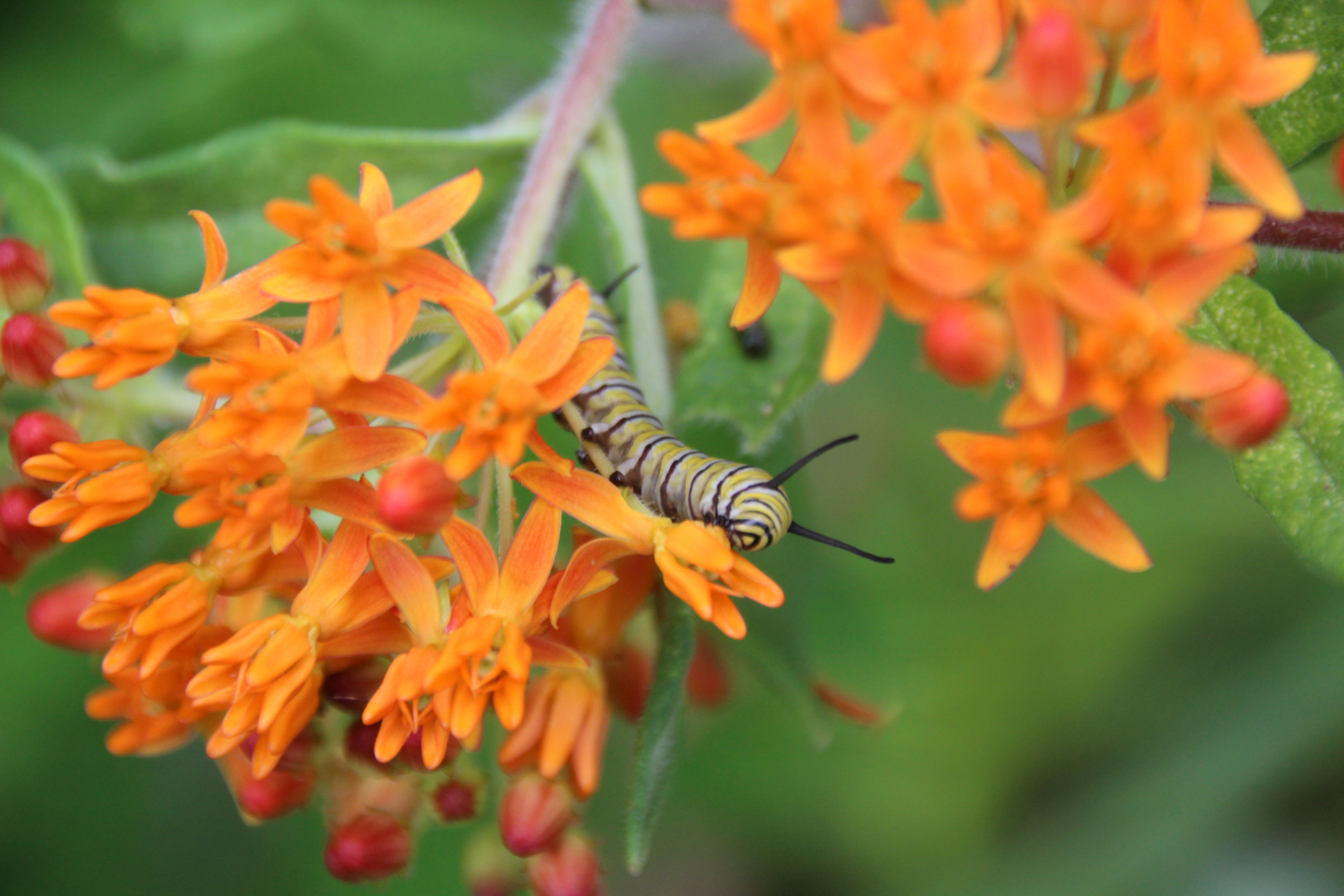
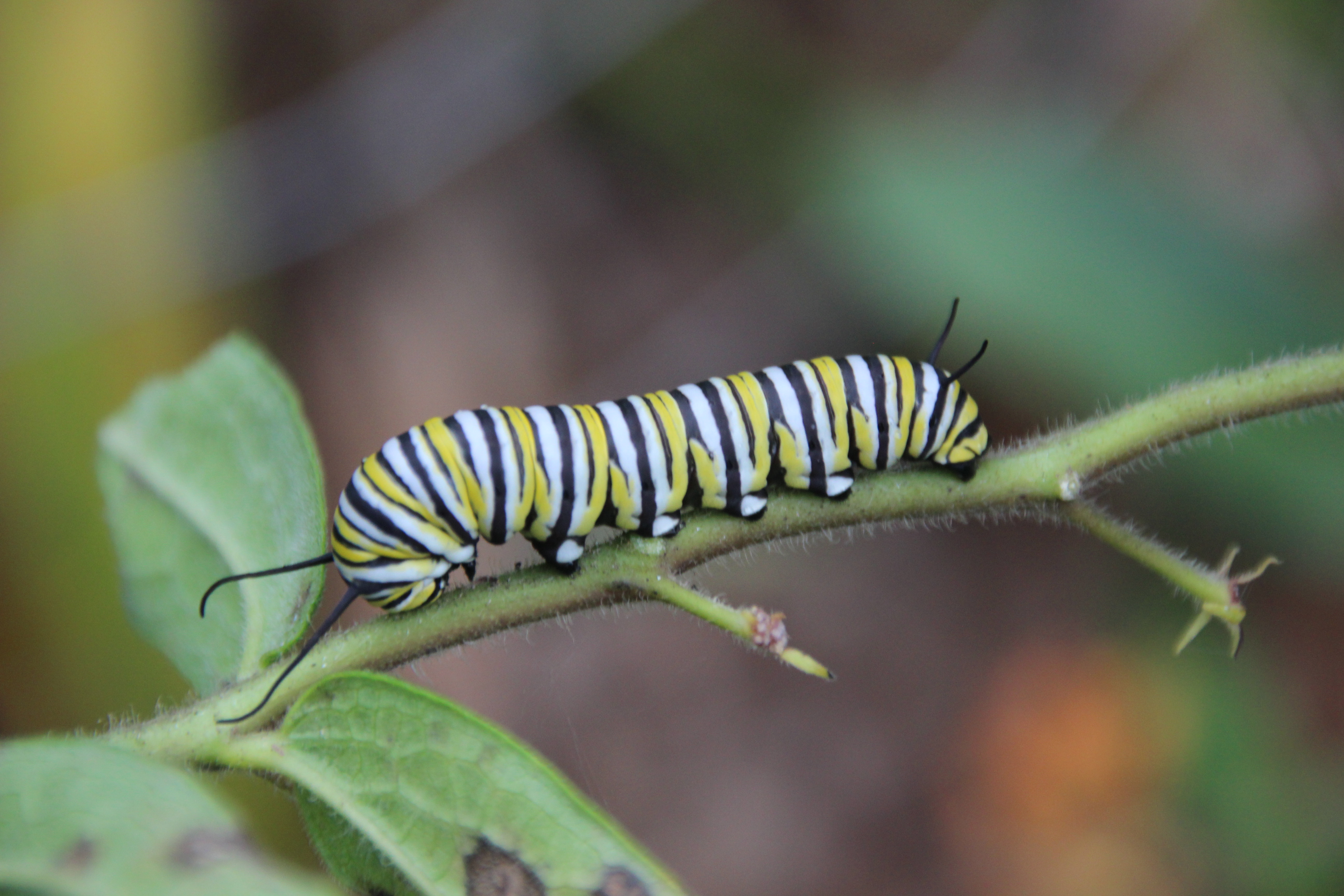
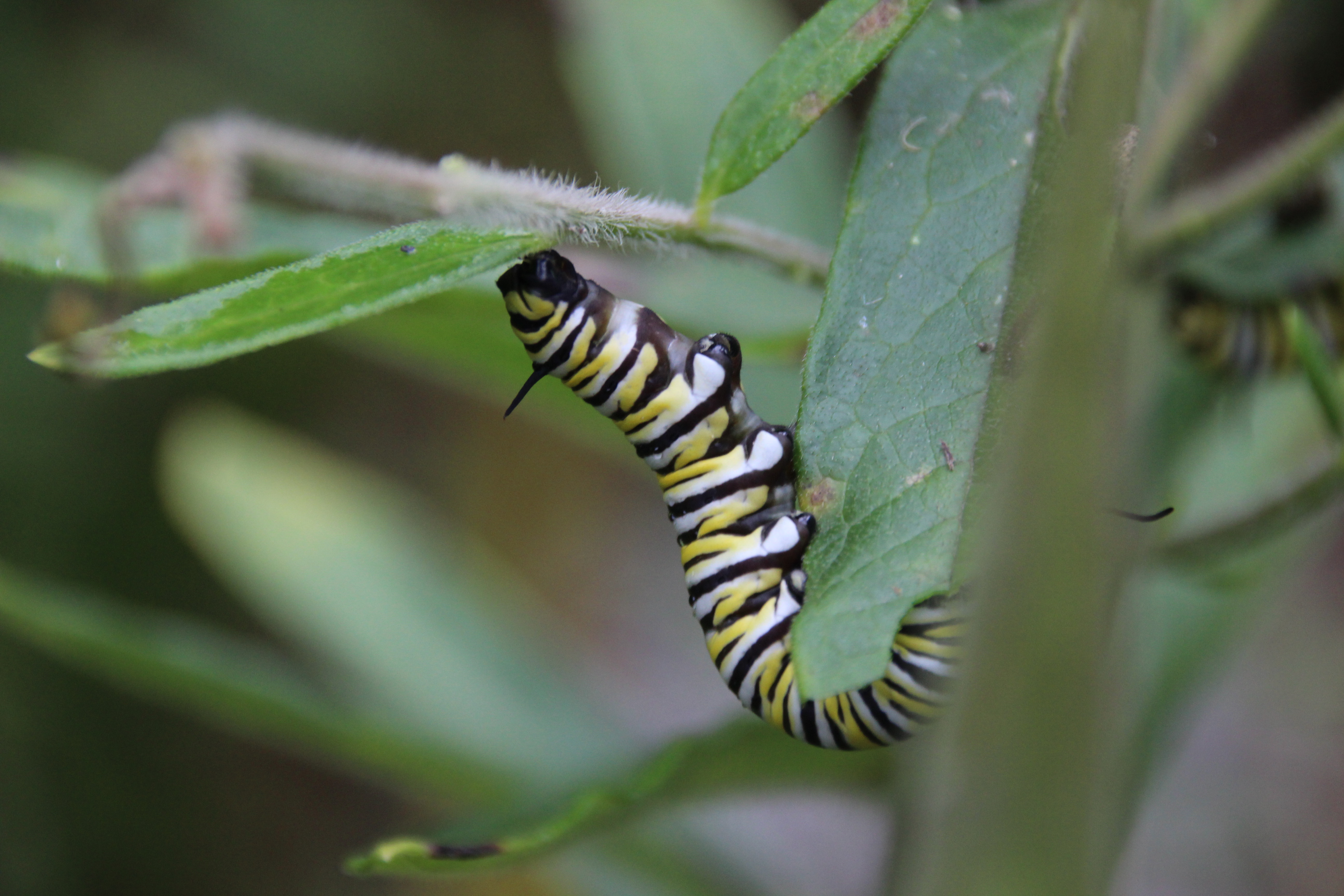
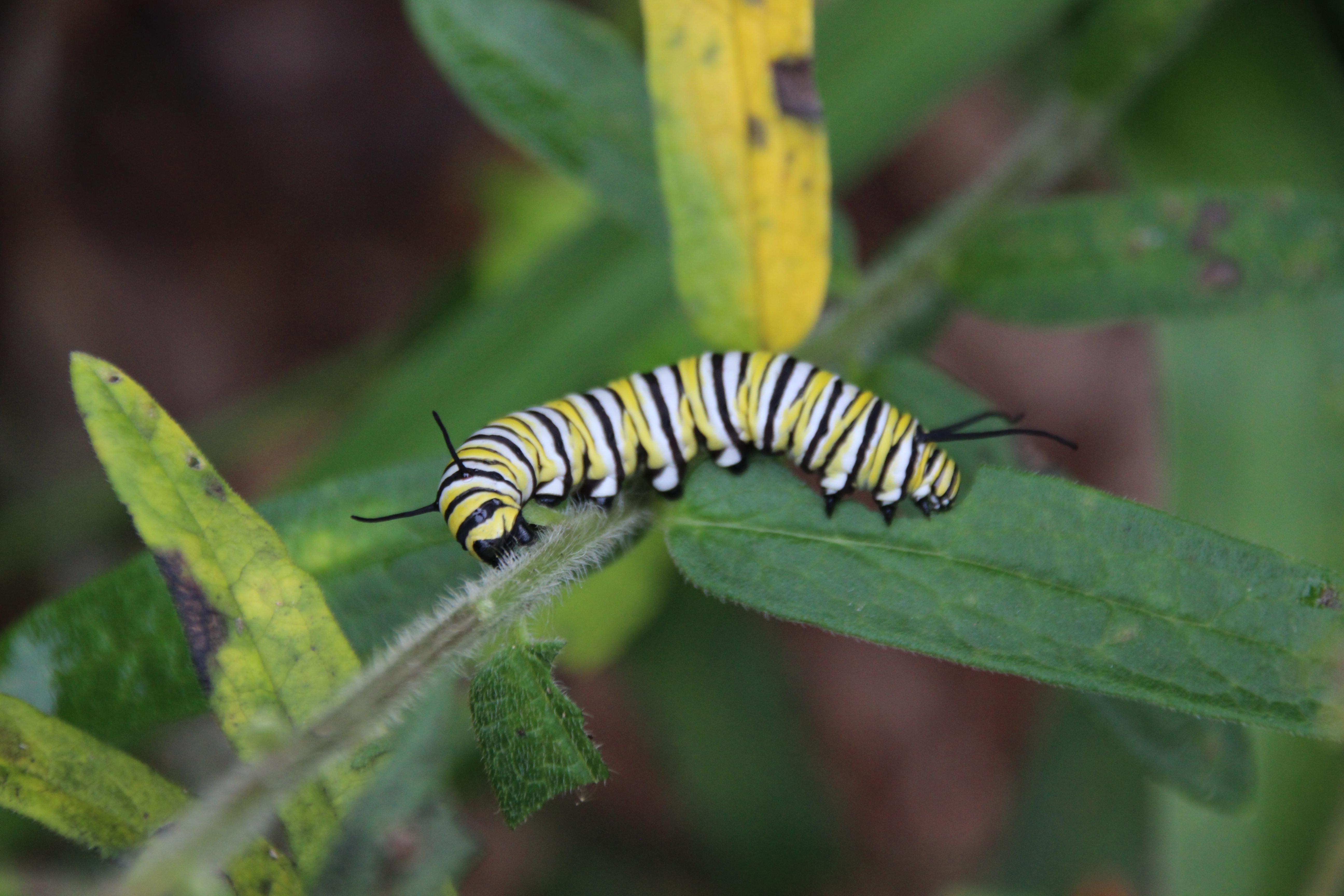
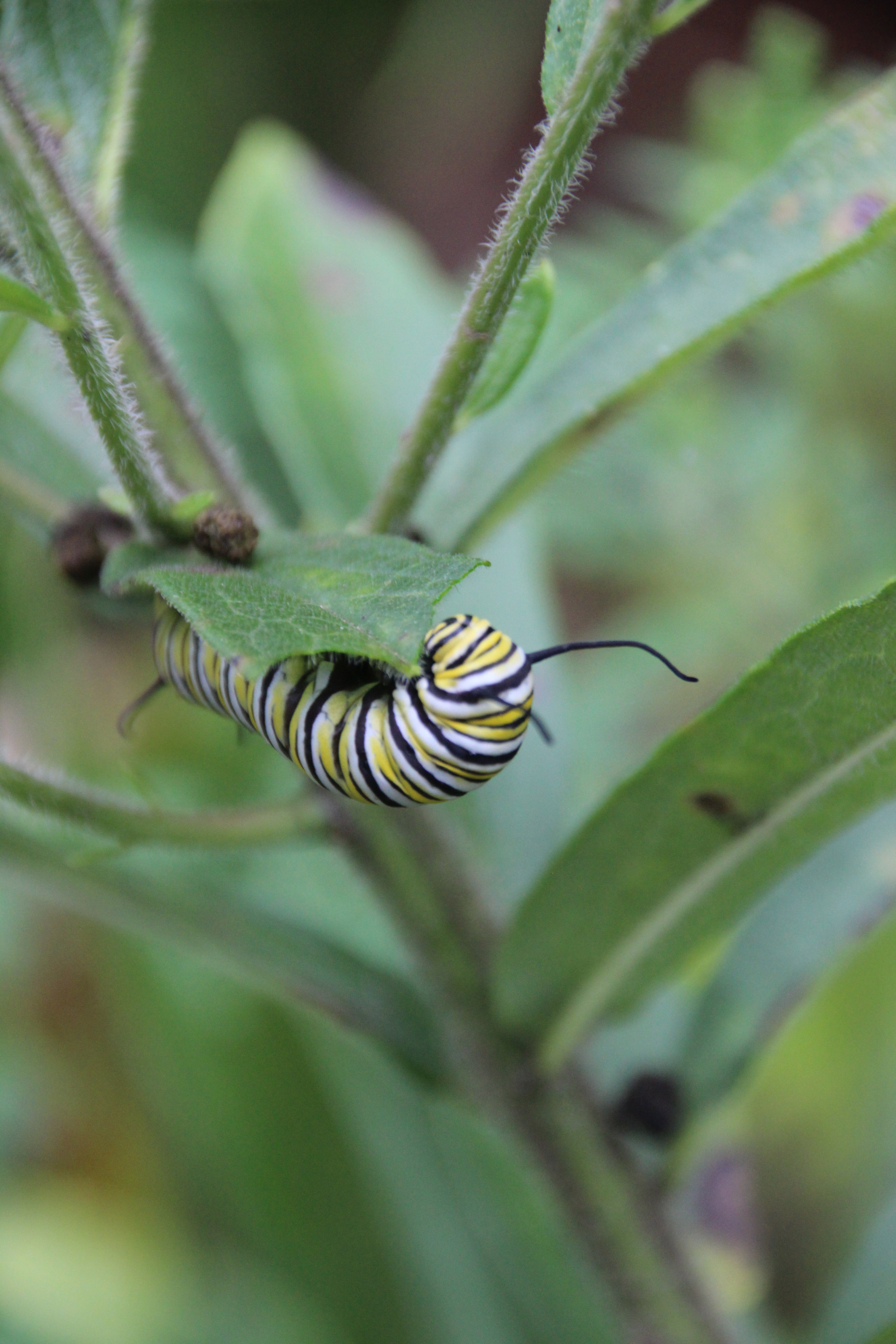
Through the purple to the orange you will find someone wearing yellow with black stripes.

That will someday change to an orange and black ensemble and fly away.

My garden amazes me.

Flow

I Will Not Kill It

I know that everyone pulls these off their tomato plants and kills them.

IMG_3080

I know they munch on the tomato leaves and poop on the plant.

That’s how I find them.

IMG_3078

There is something that might make you pause before you murder one.

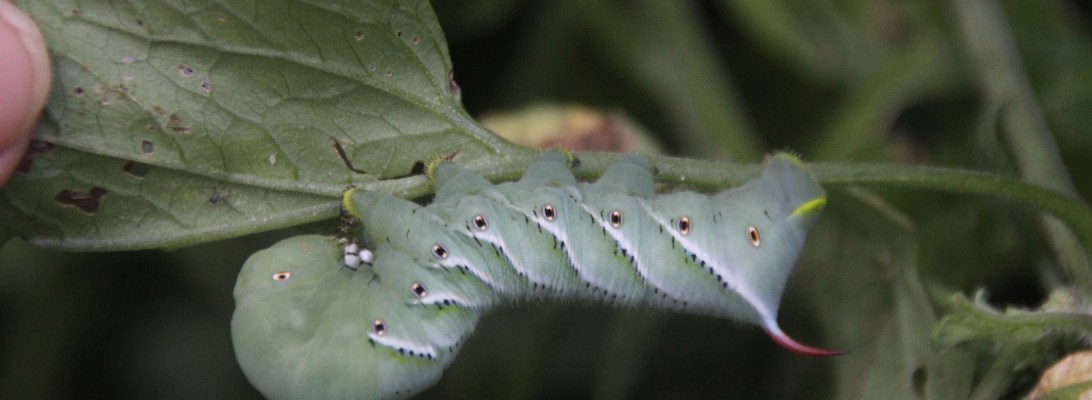
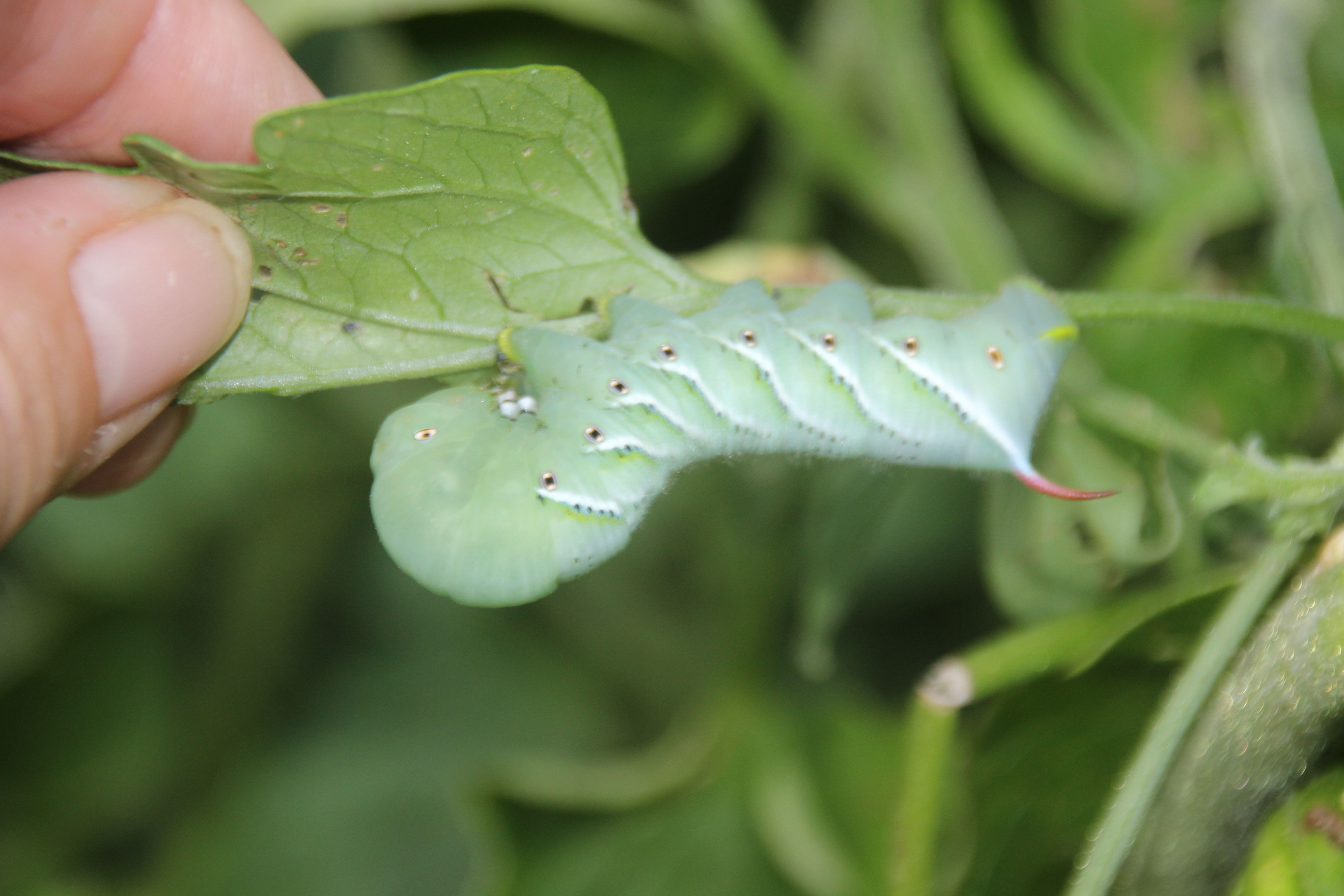
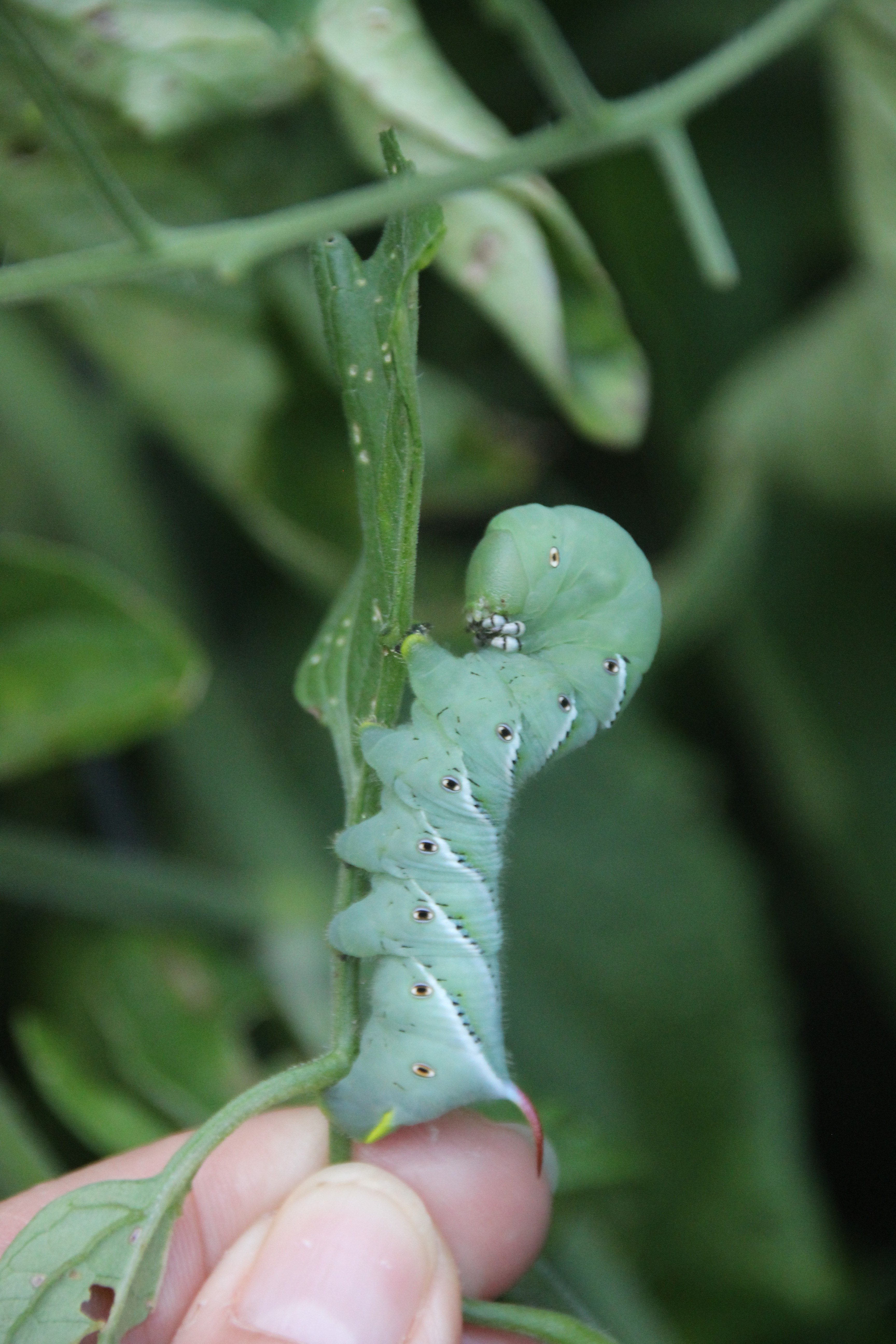
These big Tobacco Hornworm caterpillars (Manduca quinquemaculata)

IMG_3125

turn into large Carolina Sphinx moths.

These moths come at sunset to my Four-o’clock flowers.

They are spectacular and magical. They are worth every leaf they eat.

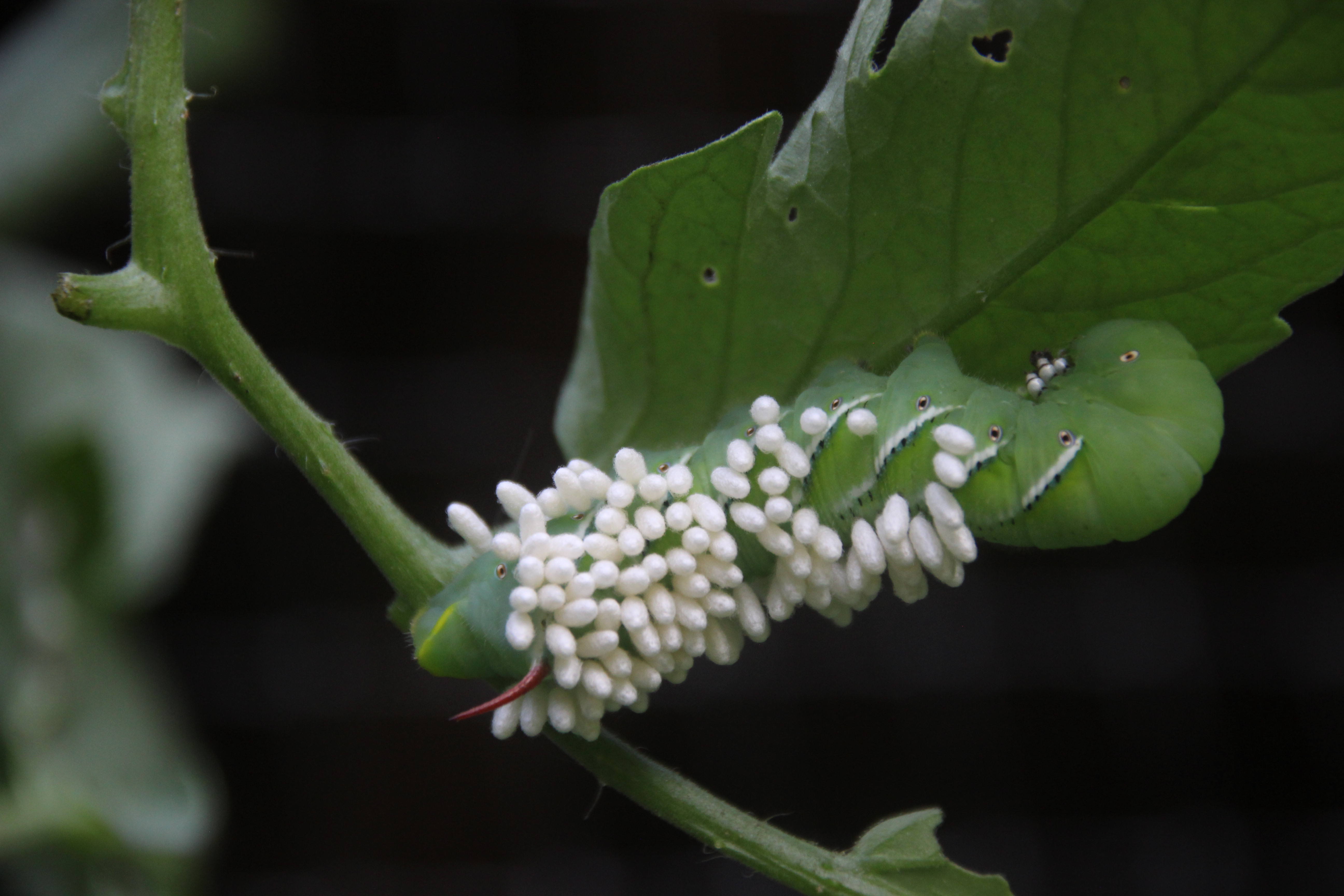
Sometimes eggs of a parasitic wasp are laid on them. Ouch!

IMG_3122

So be a good host to these giant, green munchers,

later you will be rewarded by flyers that look a lot like fairies.

https://floweralley.org/?s=Four+O%27clocks

Flow

If you plant it, they will come.

I have treasures I do not own.

I have waited for years for Monarchs to come to my Butterfly weed.

IMG_7900

Finally, they came and laid eggs on the Asclepias tuberosa.

Now there are caterpillars eating the Asclepias leaves as they should.

IMG_8783

I hope they pupate where I can watch over them.

IMG_8776

(I do not interfere with wildlife unless necessary.)

I am thrilled they are here. They are treasured guests.

I hope the cycle continues for years to come.

More Monarchs…More caterpillars…

IMG_8774

Thanks to some seeds that I saved from another garden.

IMG_8775

My dreams are small. My treasures are alive.

Life is precious.


Flower