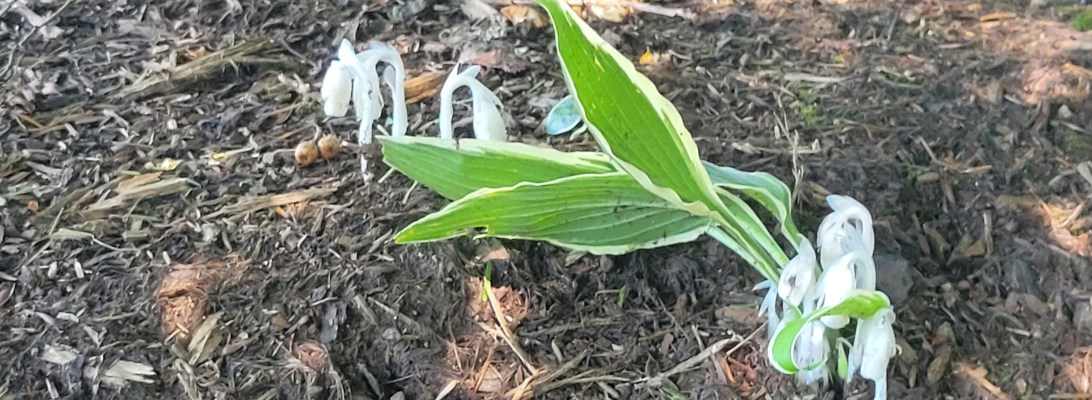
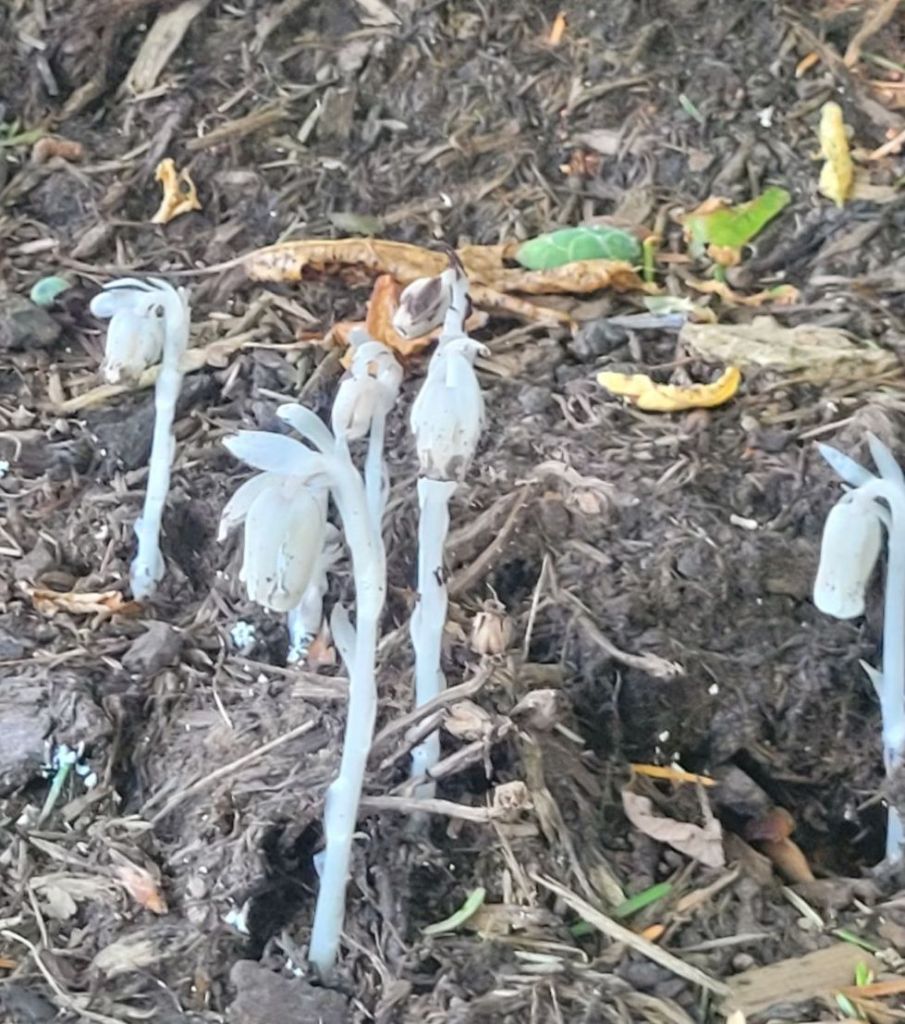
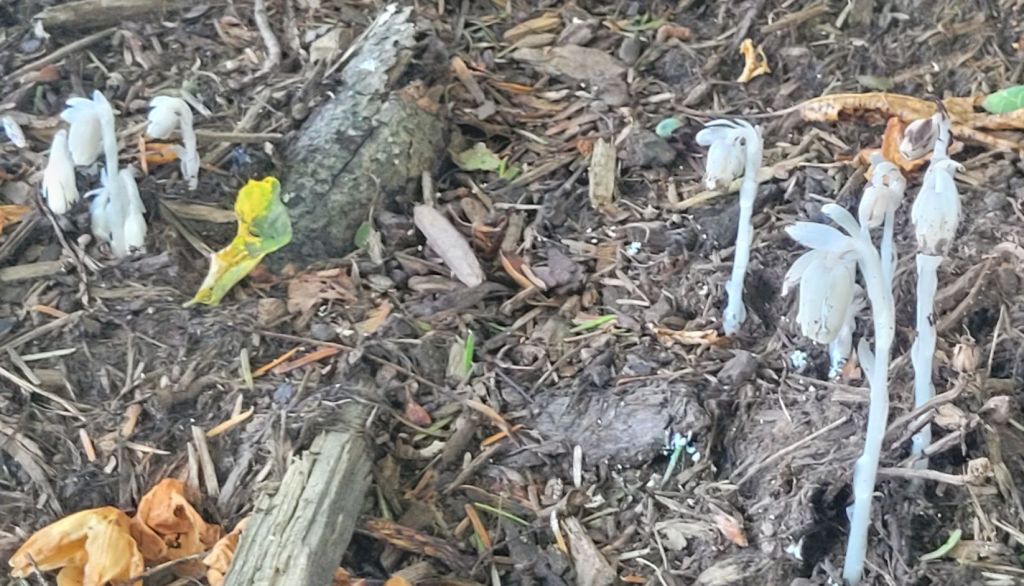
I spotted these ghostly wildflowers during my wanderings in the mountains. They are tiny white parasites. They look like fungi, but are really non-photosynthetic plants. Indian Pipes do not contain chlorophyll, so they must mooch off fungi that mooch off of tree roots. They are waxy white and do look ghostly.
Monotropa uniflora
There were many groups of Monotropa uniflora in the shade under some trees. They grow where the fungus and tree roots grow that supporr them. I am glad I spotted these unusual wildflowers.
If we believe we know something “like the back of our hand.” We stop looking at it. We assume it is the same old- same old, so we stop paying attention to it. When was the last time you looked at the back of your hand?
While cleaning the kitchen this morning , I re-arranged trays of produce. I consolidated the fruits onto one tray and then wiped the other clean to return it to the pantry.
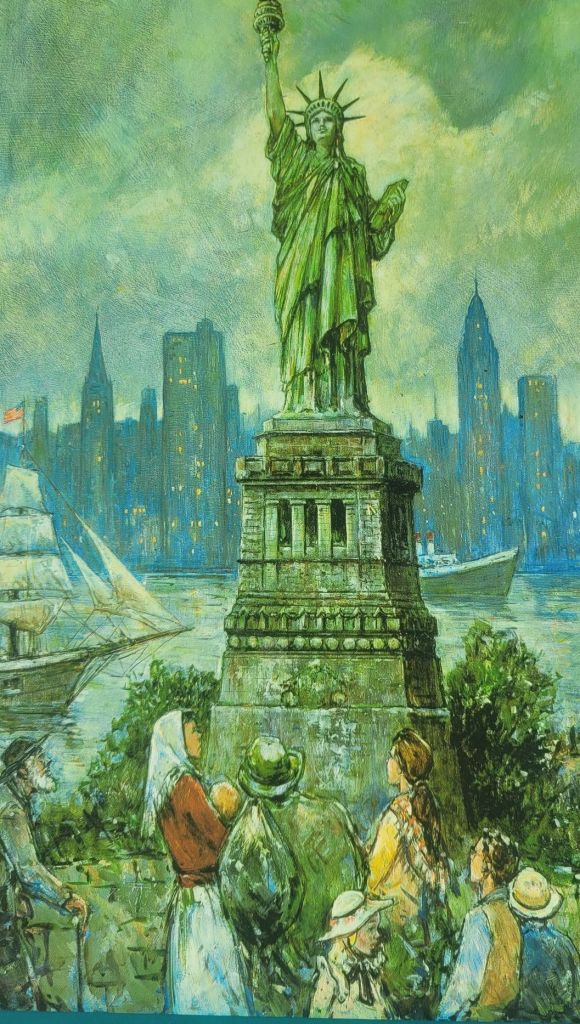
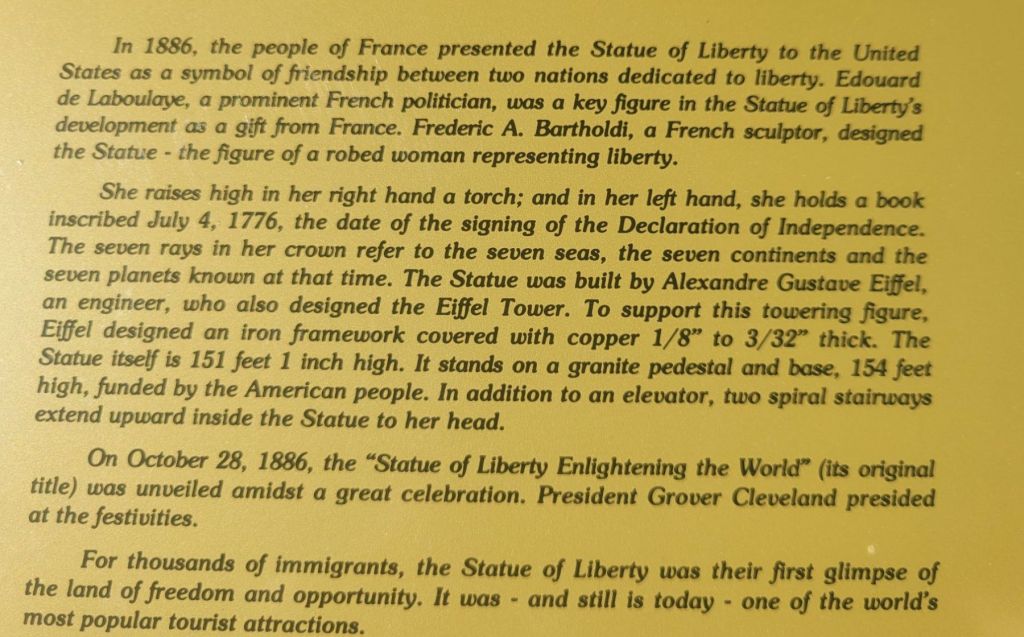
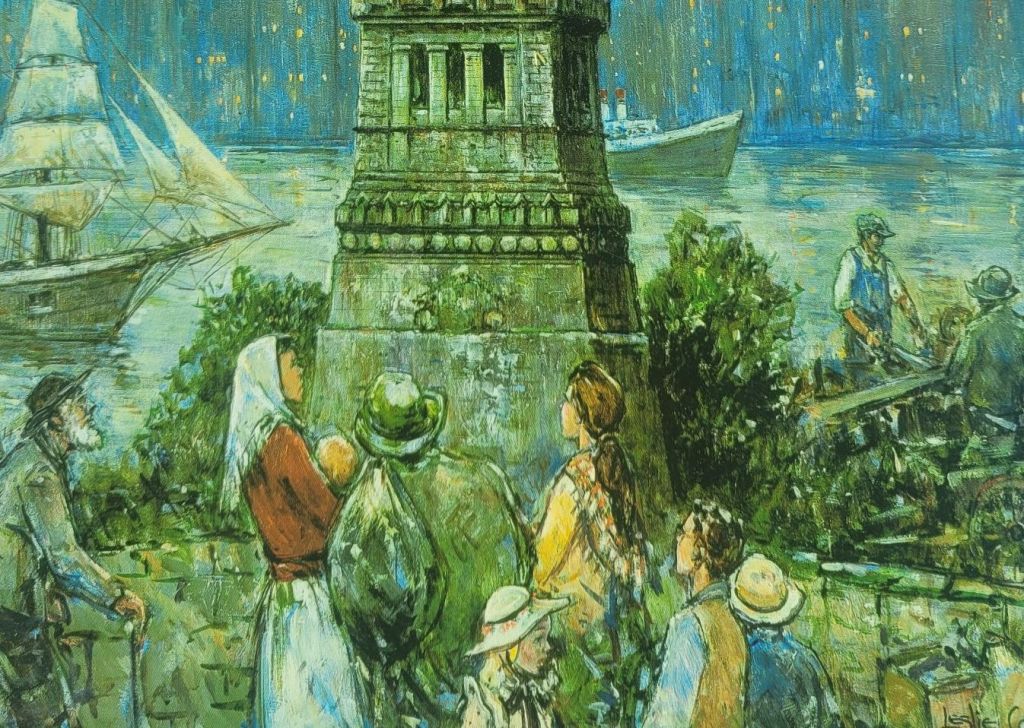
This tray has been here for years. I barely glance at it. Today I paused. I sat down with the tray and read the inscription on the back.
Statue of Liberty history.
The Statue of Liberty was given by France in 1886 as a symbol of friendship between two nations dedicated to liberty.
Liberty has a torch in her right hand and a book in her left. The book is inscribed with the date July 4, 1776 which is the day the Declaration of Independence was signed.
Liberty is a symbol for freedom and opportunity. Her light in her right hand is for enlightening the world.
She still stands for that. I still stand for that. If you think otherwise…maybe you need to look at the back of your hand, then look in the mirror, then look at your neighbors.
Looking for liberty.
It’s time to really look your country in the eye. Is what is happening about freedom and opportunity? Or is it about greed and racism?
Enlightening the world?
Stand in the real truth instead of sitting in front of the medias slanted view.
If all are not free, then no one is free. There is no US and Them, only We.
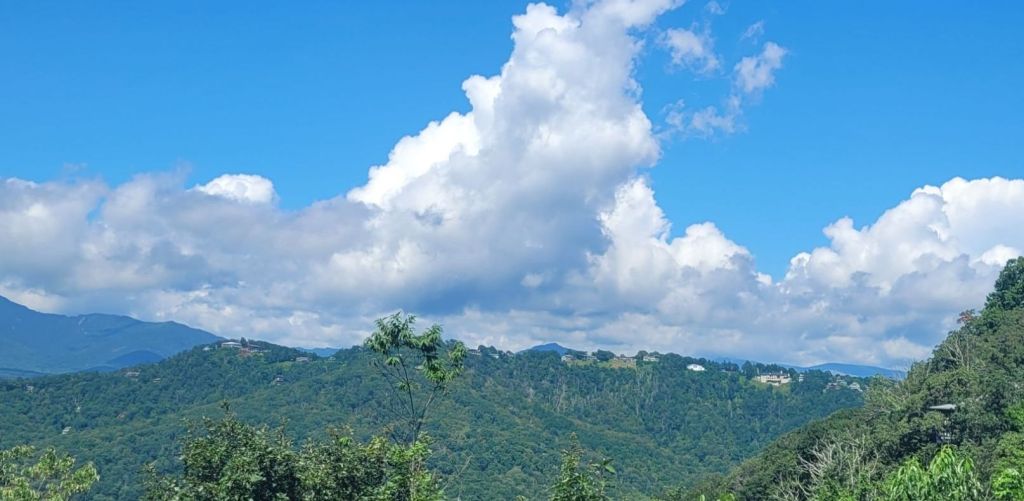
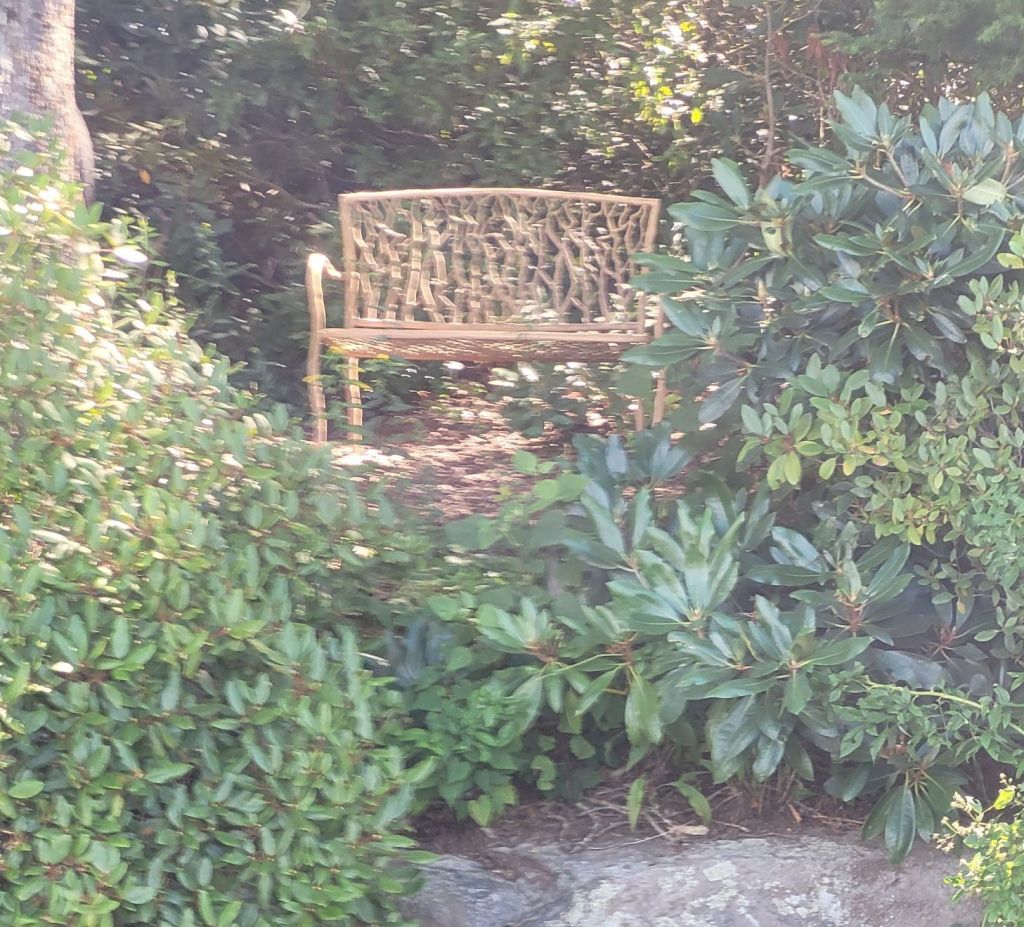
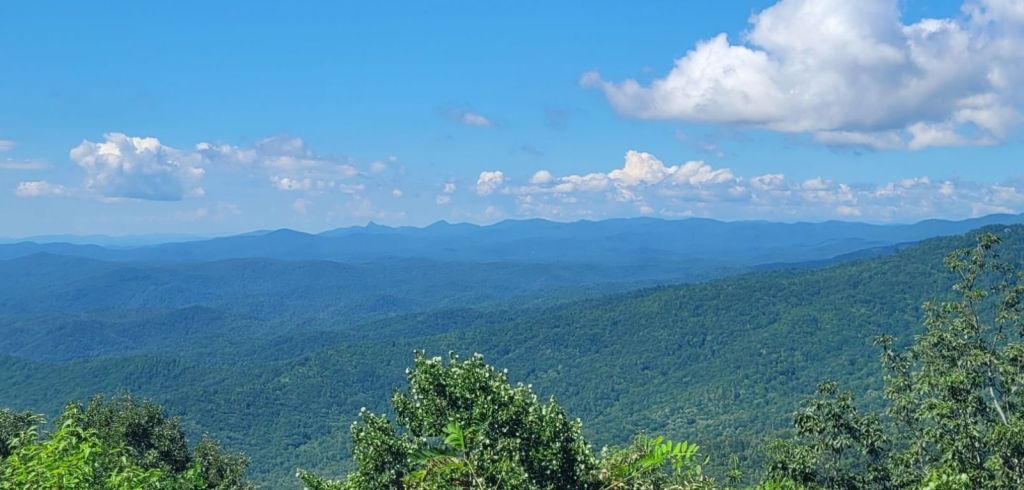
I rode the twisting and turning back roads in the mountains this afternoon. I jumped out of the car to capture the photo. Then I looked behind me to see this chair. It is tucked in the shrubs peeking out at this glorious view.
A kindred spirit placed this chair here. This person sits here in this secluded spot looking across the same gorge that I look across.
Only I am looking back at them from the swing on my porch. Life is funny like that. I am capturing their view with my camera and they are marveling at the ridge I live on from this secluded seat.
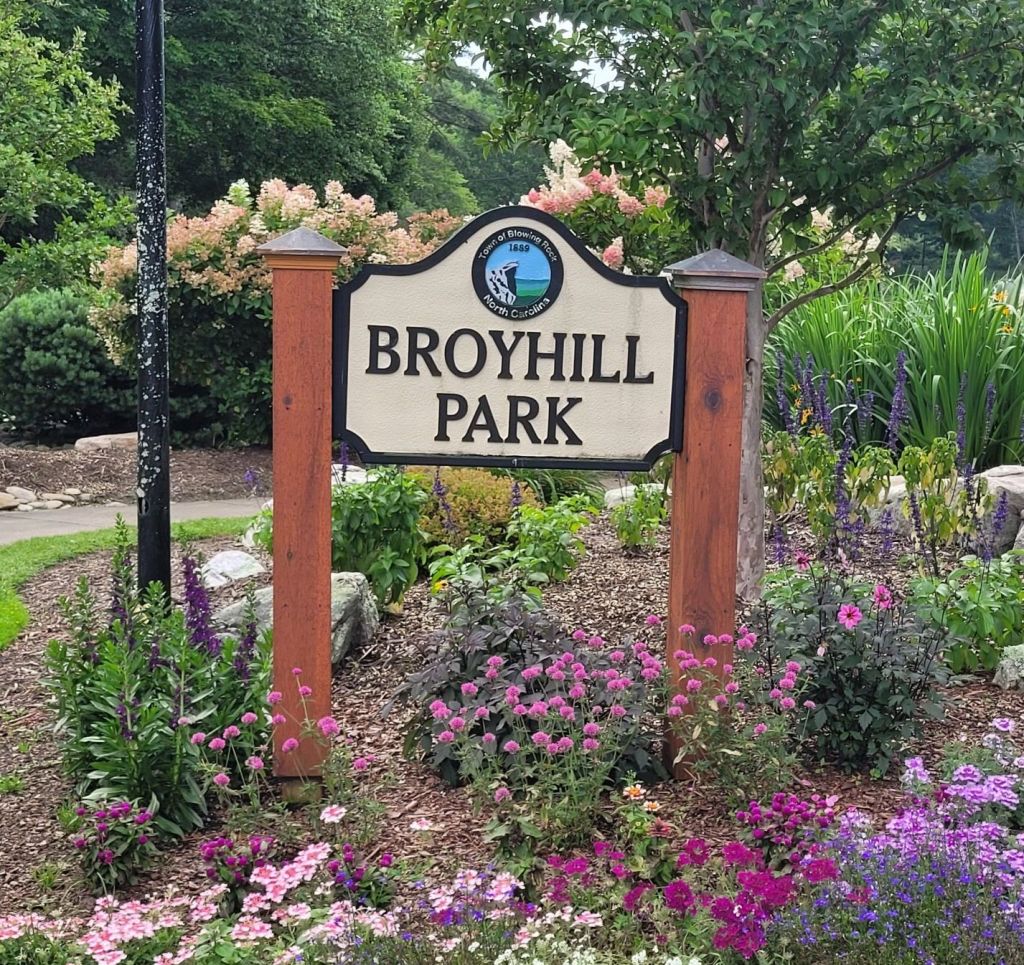
I know this place well. It is beautiful and peaceful. The Broyhill Park offers contrast to the hustle and bustle of Blowing Rock’s Main Srreet just a block away. I did not go there in search of peace nor beauty.
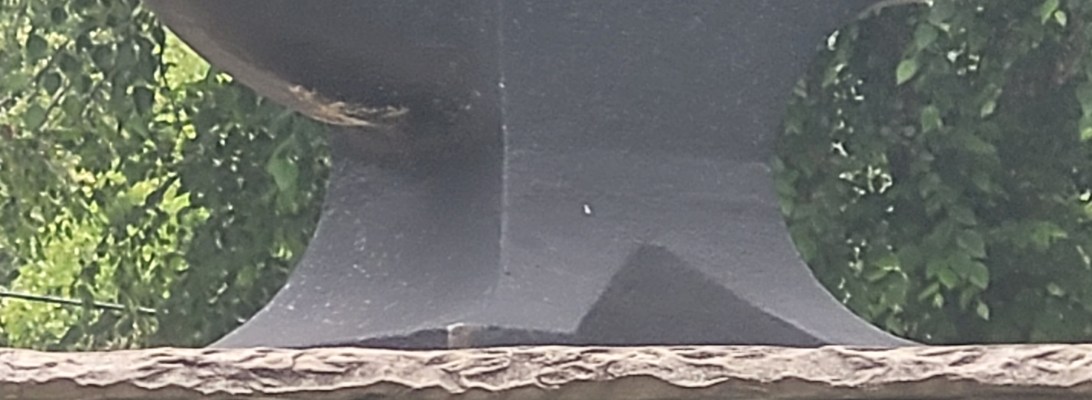
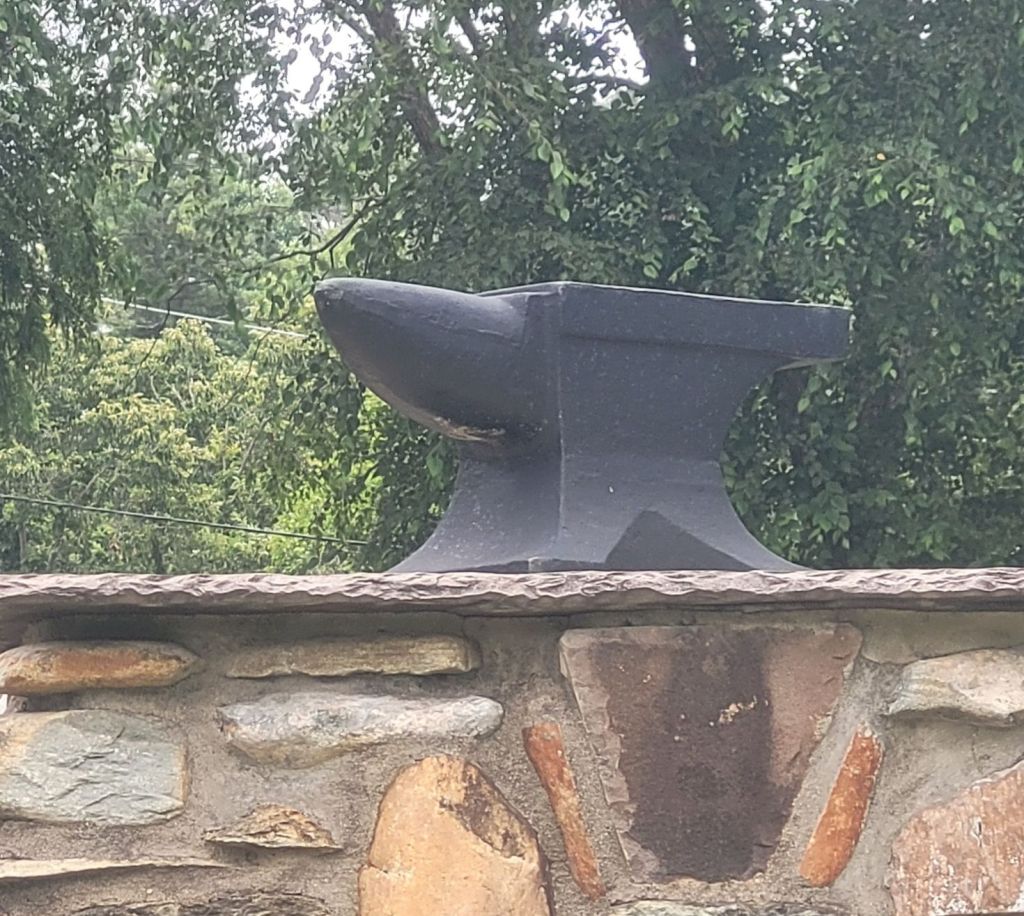
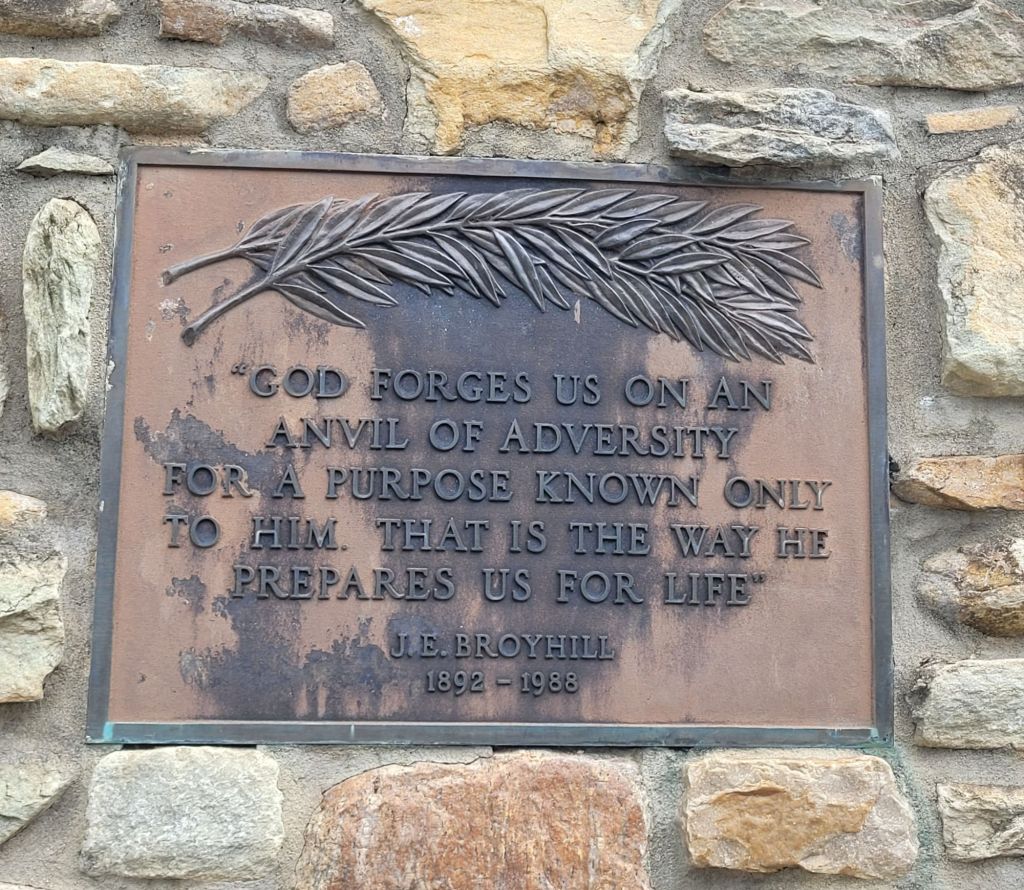
I was only there for the anvil. The saying and the book, The Anvil of Adversity, have been on my mind.
I read this biography about James Edgar Broyhill written by William Stevens years ago. It has new meaning for me now.
The Anvil in the Park
The anvil is a symbol of being shaped by adversity. Like being between a rock and a hard place, while being beaten and heated. No one can survive such without being changed.
I needed to see this symbol in this setting for a reason. I may post on this later. It involves the histories of my family. I see the world from both sides now.
We all experience adversity in our lives. In this society, some of us have adversity built into our futures because of our sex, our race, or our physical challenges. These folks are cast of different alloys. The anvils for these groups are everpresent.
Plaque in Broyhill Park.
I do not wish to negate the struggles of the caucasian male in America. I have heard about and witnessed my father, husband and son work incredibly hard since boyhood. My father told many stories of killing chickens, farming, picking cotton, selling tomato plants grown from seed, setting up a fireworks stand, selling movie tickets and popcorn and even mistletoe. All this was before joining the army, going to Korea and then to college. I could list similar boyhood jobs for my husband and son.
The men in my life have worked as hard as they could to make progress and provide for their families. They chose their anvils. They were born of certain alloys. They did not endure painful, nonproductive shaping at an early age. Most hits and heat had a purpose. Not all people are this fortunate.
I will be remembering the anvil as a symbol of all the hardships we all endure that shape and forge us into something stronger.
I wish those who feel entitled could pause at their own forge long enough to see that others have spent too much time being heated and beaten and not enough time solidifying and strengthening.
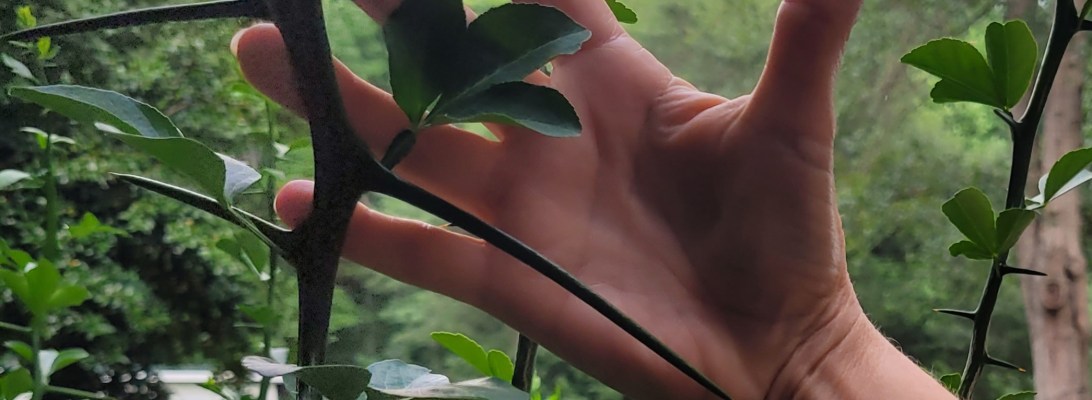
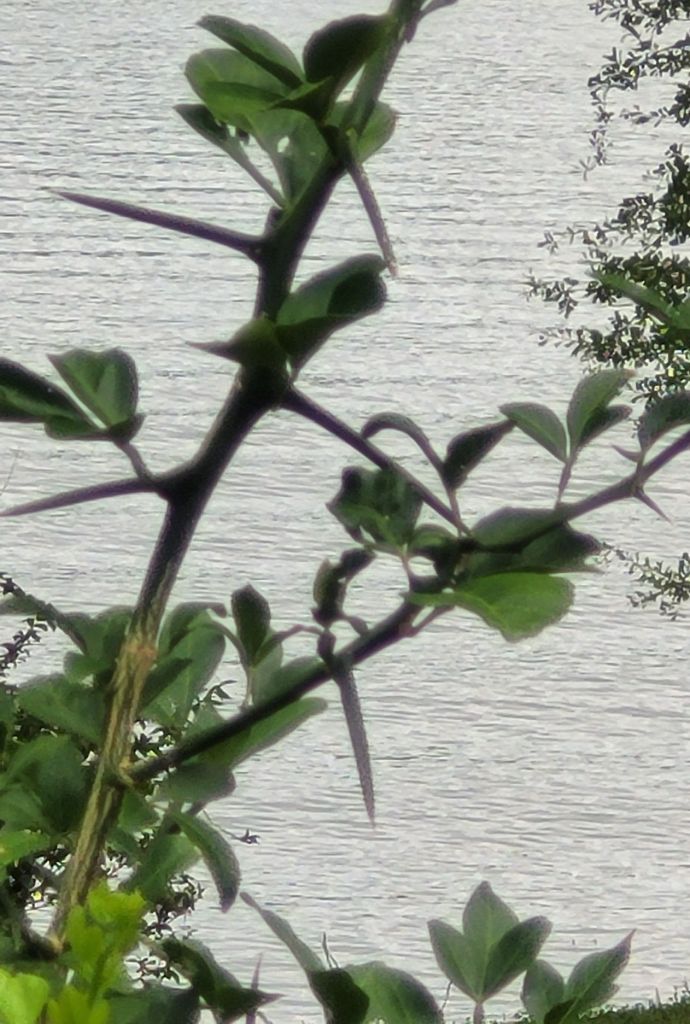
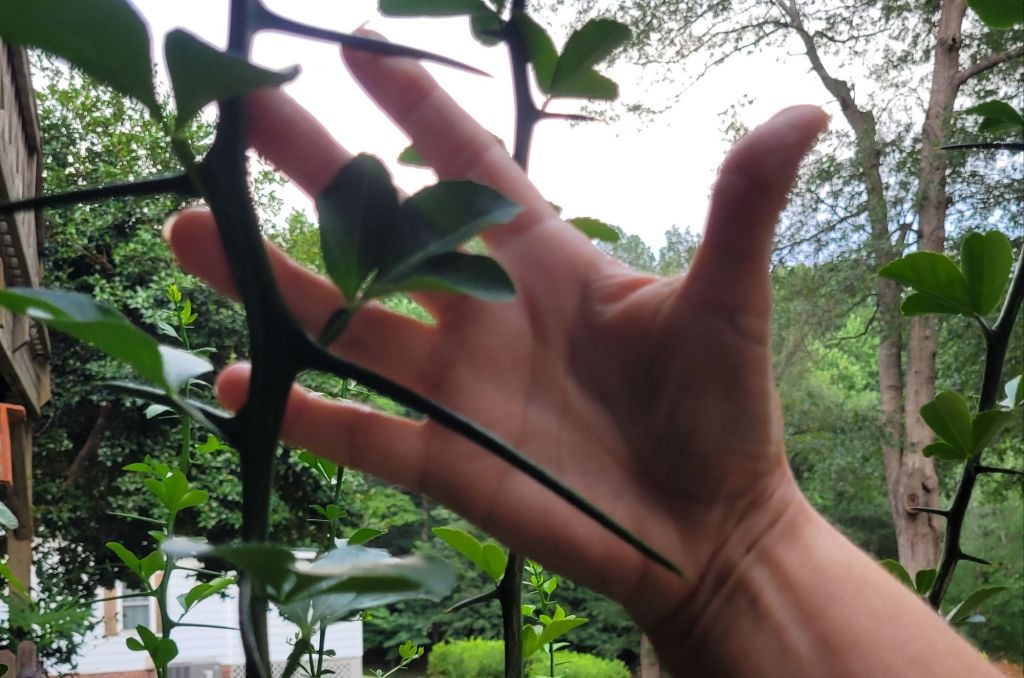
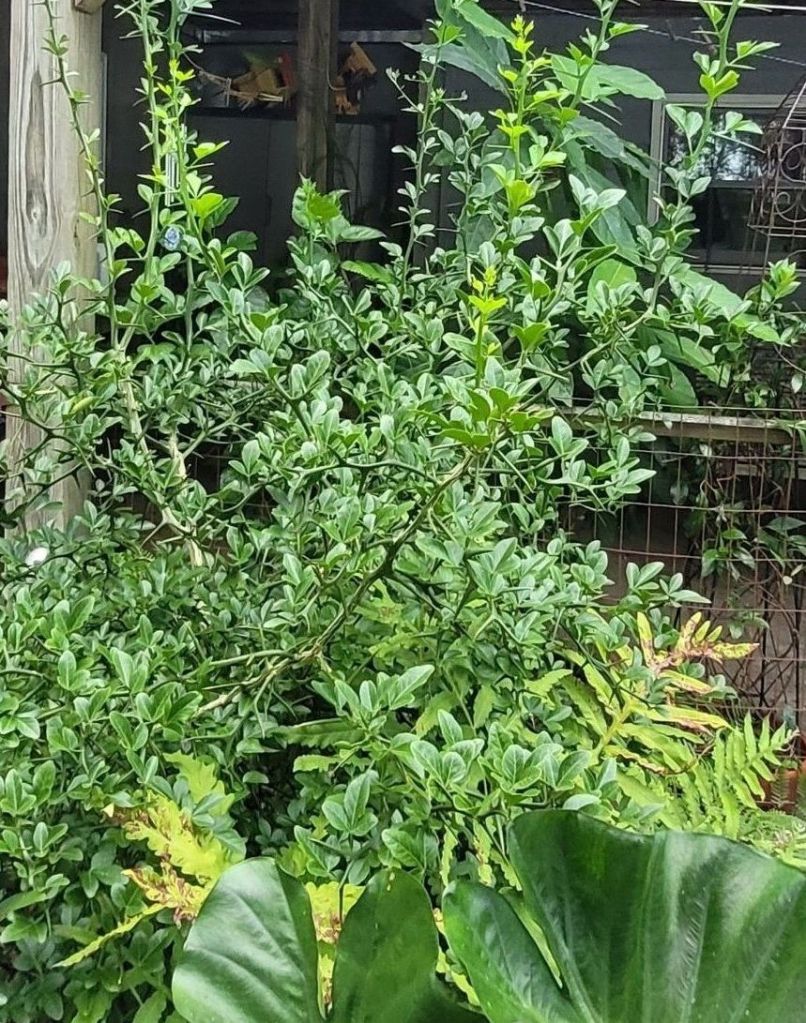
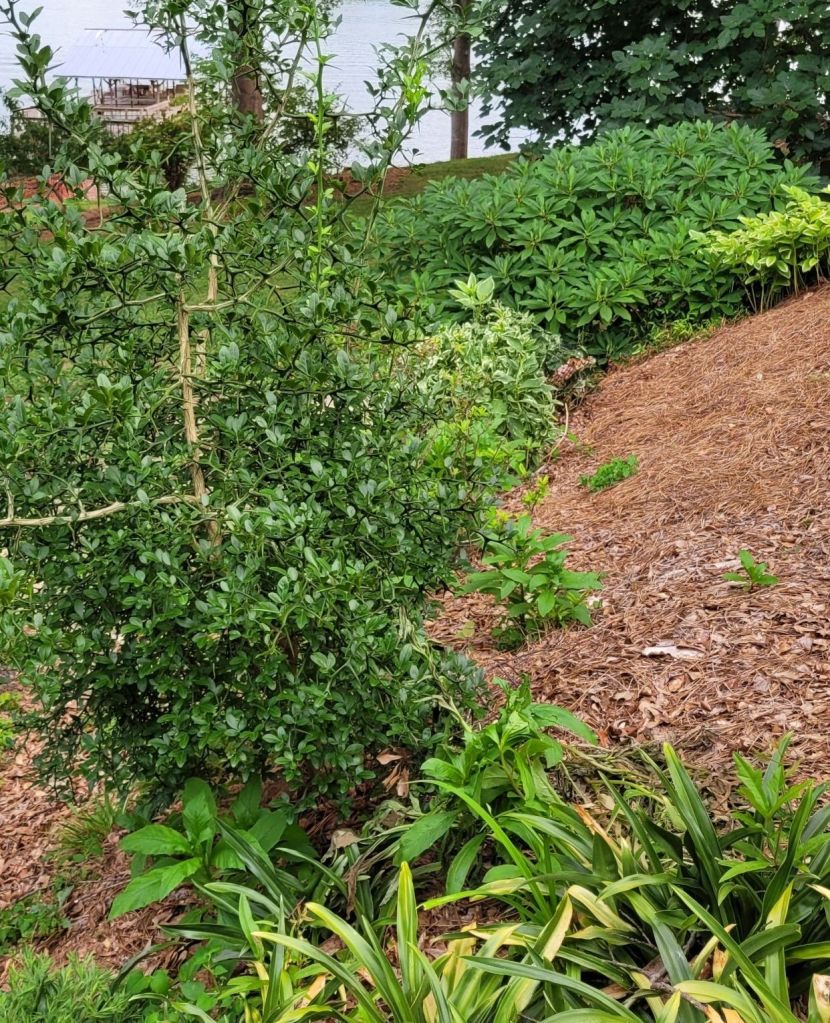
Does this sound like a shrub you could love? I have grown two small trees/shrubs of Poncirius trifoliata from seeds. I purloined the fruit from a Chinese bitter orange tree during a trip to Charleston years ago.
It’s the thorns that got me.
I did not covet it for its fruit nor its blooms. It was its thorns that captivated me.
Poncirius trifoliata thorns
Here is a little tree that can take care of itself. No forager is going to steal its fruit!
I know it can be invasive. I know it is a touch-me-not plant. I do not care if it ever blooms or produces fuzzy, little bitter oranges. I would never make marmalade anyway!
Poncirius: A plant not to be petted.Not invasive since no fruit…yet.
I love it because it has unmistakable, impenetrable, unapologetic bounderies. This plant screams DO NOT MESS WITH ME!
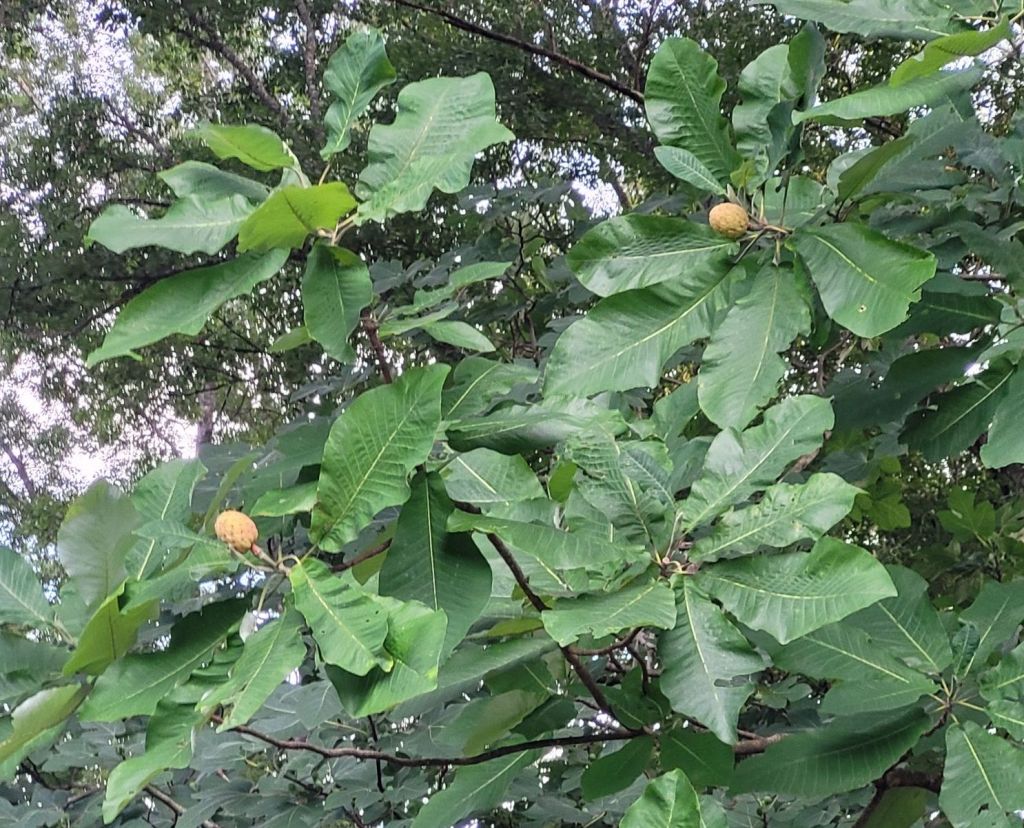
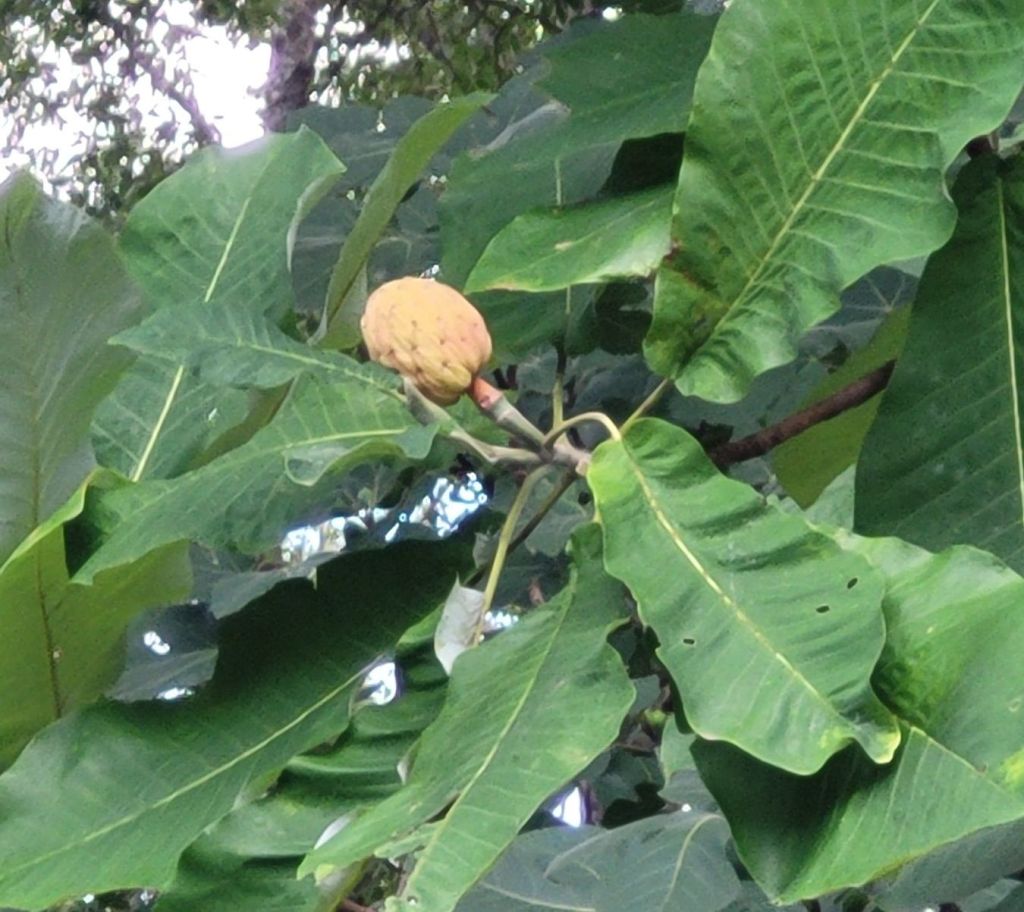
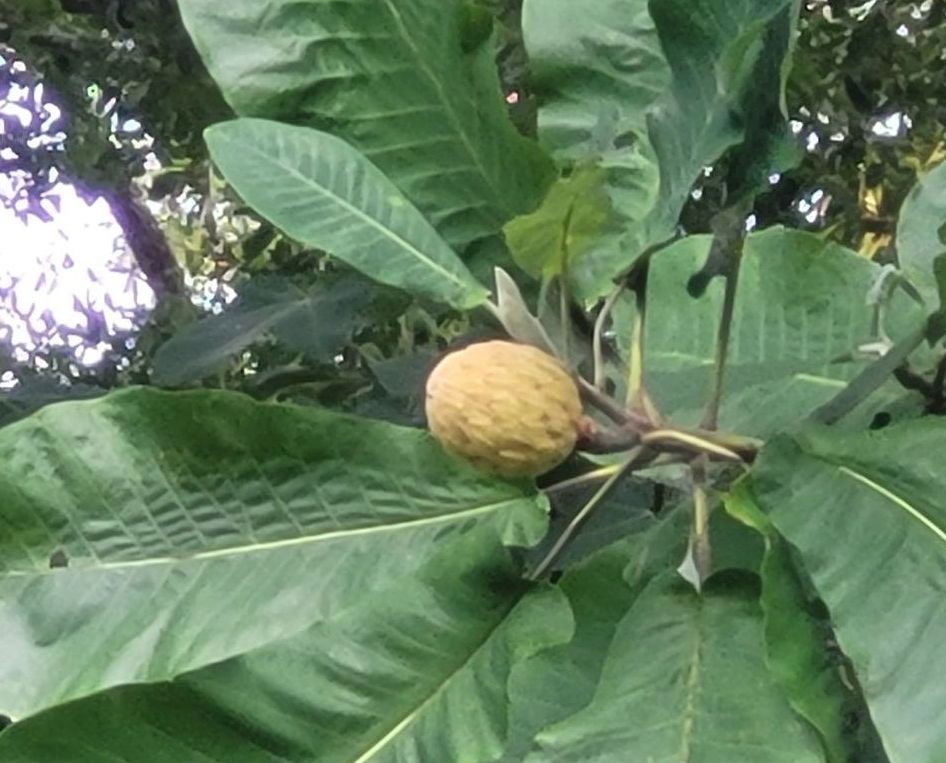
Our big leaf magnolia took over a dozen years to produce its first big, beautiful blooms. After thirty years of its living here in our yard, it has finally made numerous pods.
Magnolia macrophylla pods
Magnolia macrophylla pods are larger, rounder and fuzzier than the cultivated type that is common in the south, Magnolia grandiflora.
M. macrophylla Pod
They remind me of royal scepters. Green and yellow pods are very fresh and should not be harvested until they turn tan or brown in late summer or fall. These can be used in arrangements.
Magnolia pod/fruit/cone
There are also medicinal and culinary uses for the seeds. I have never harvested pods, but I may try to preserve one of these in the fall.
I love everything about this tree. It is one of my trees that I literally hug when I visit it.
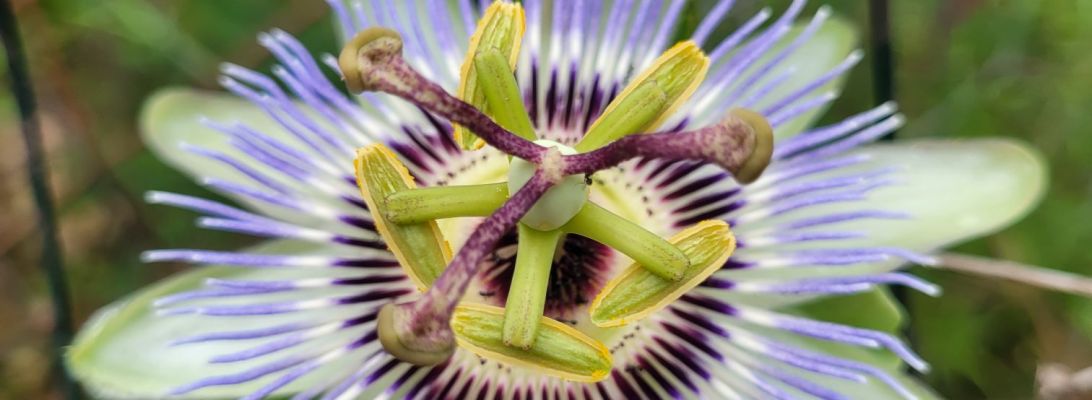
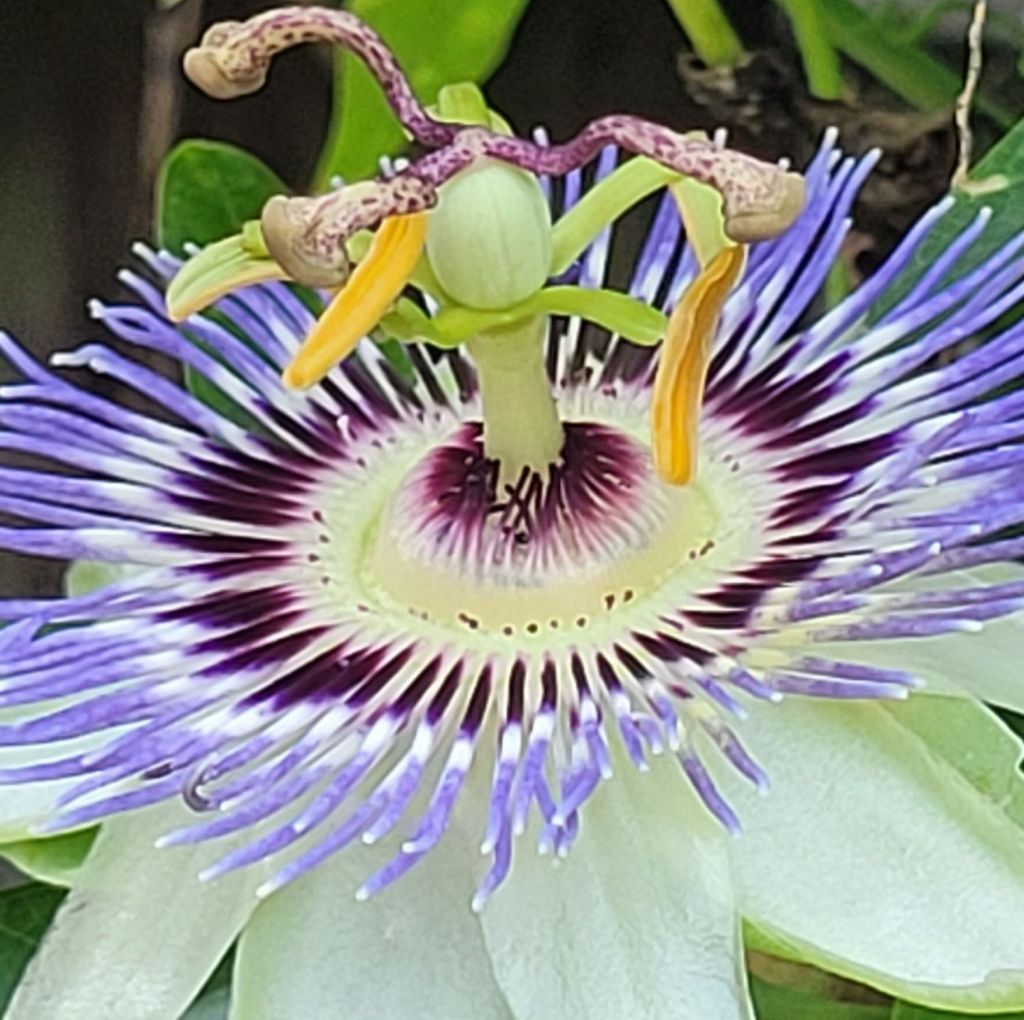
I will admit that the blooms of Passion vines are outstanding. The complex details make the flower a favorite of photographers.
Passion vine bloom
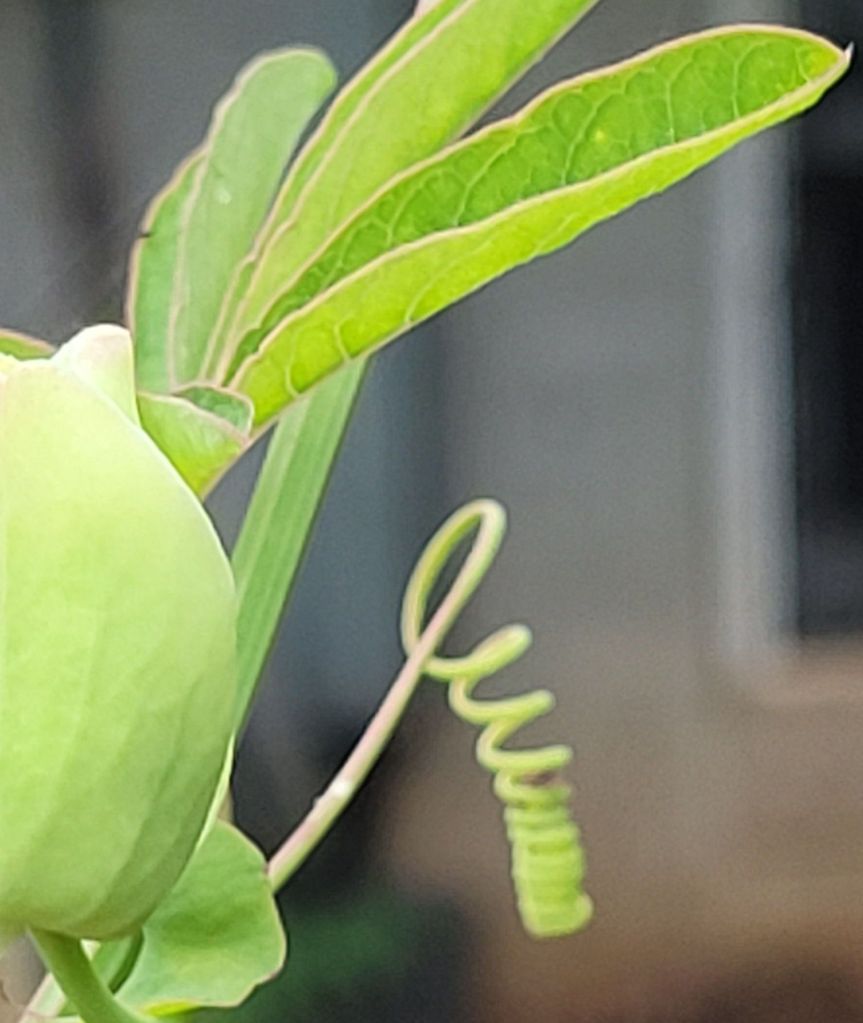
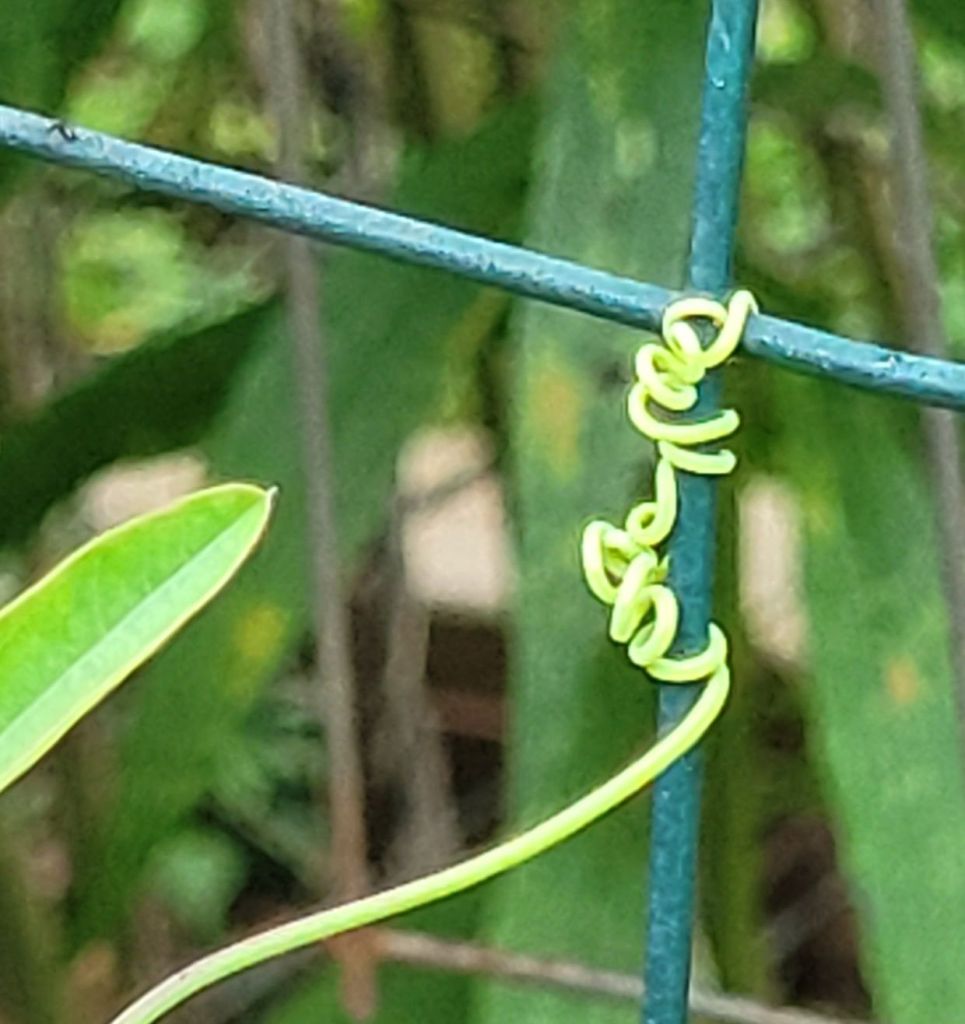
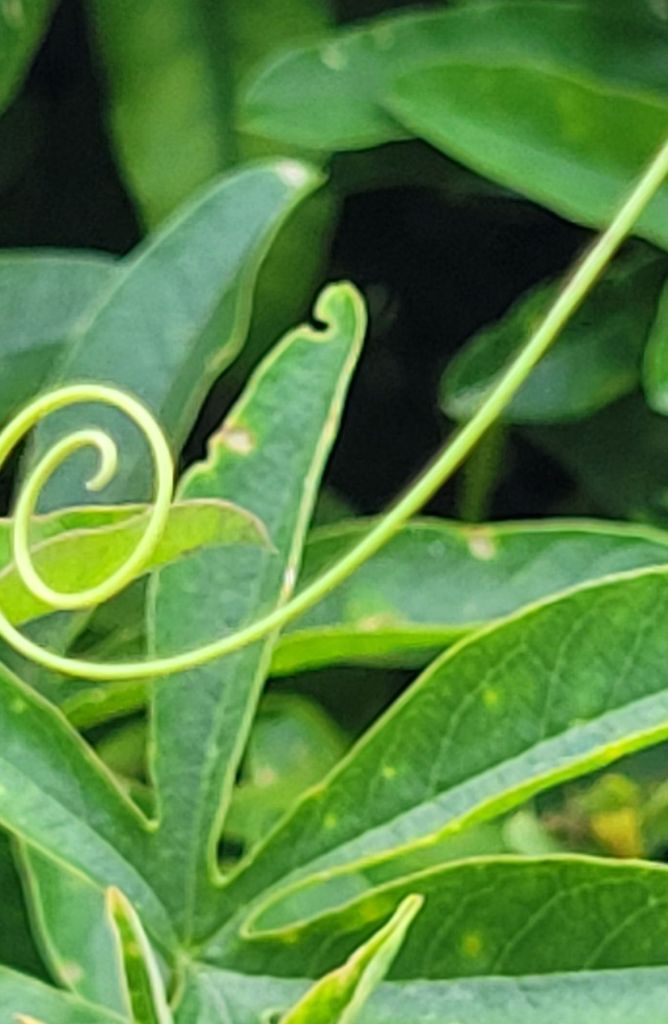
The leaves are uninteresting, though also complex. But there is one, cute, little feature that gets ignored. The tendrils. I must admit to a tendril fetish.
Tendril
These little curls reaching out to grab anything for support have my heart. What faith these curls have in growing away from the stem and twirling around in thin air hoping to make contact with anything that will help them fight gravity and climb higher.
Hang on!
Wouldn’t it be nice if we had tendrils waving around finding close-by support. It’s one of the reasons I love vines.





 floweralley